 Carey Sipp 12/20/218:49 AM
By Todd C. Frankel – Dec. 19, 2021 at 8:00 a.m. EST The Washington Post — After a catastrophic tornado leveled a third of Joplin, Mo., in 2011, Mark Rohr sat in a fire station surrounded by a sea of FEMA “blue jackets” and was told that temporary-housing trailers for thousands of residents left homeless by the storm would be delivered “by the first frost.”
It was May at the time. The first frost was six months away.
“I turned around, looked up at them and said, ‘That’s unacceptable. That’s too long,’” recalled Rohr, then Joplin’s city manager. “If we didn’t keep people close to the city, keep the ties, we’re going to lose them permanently.”
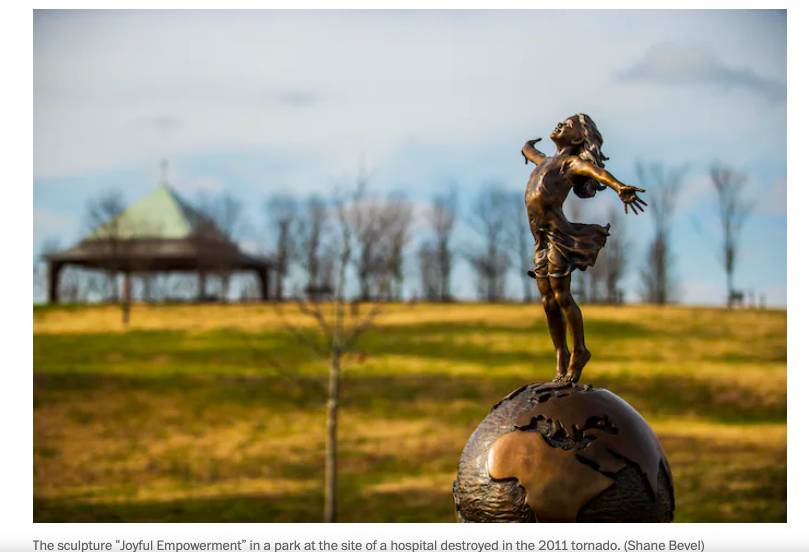
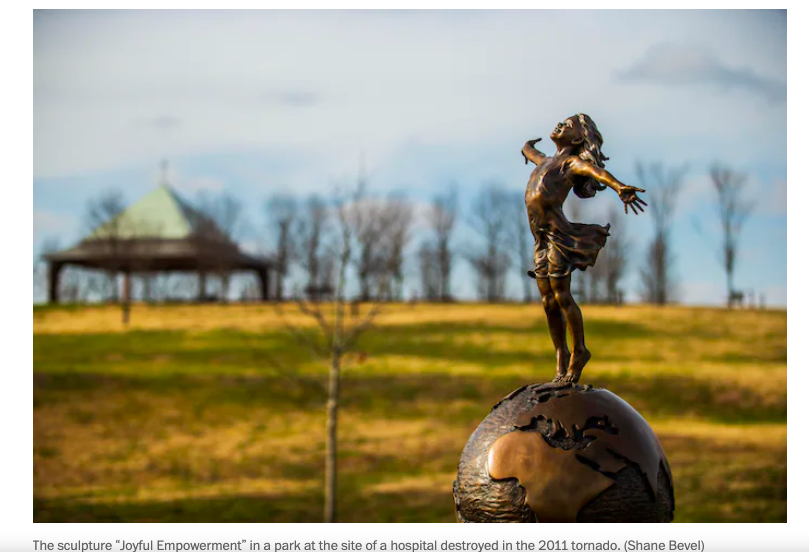
The need to move fast and keep the community together drove every step of Joplin’s recovery from the costliest tornado on record, a mile-wide monster that killed 161 people, destroyed 4,500 homes and businesses, and caused nearly $3 billion in damage. The 2011 twister also is the most-studied, and offers vital lessons for rebuilding Mayfield, Ky., and other communities slammed by severe tornadoes that killed at least 90 people last weekend.
Tornado victims: What we know about some of the lives lost in Kentucky
“The first year is all adrenaline. Then people realize the length of time it takes to get back. And you realize how hard it is,” said Jane Cage, a small-business owner who helped lead the Joplin rebuilding effort and later was recruited by FEMA, the Federal Emergency Management Agency,to teach other communities.
To read the rest of this article, please click here.
For the link to request a copy of the collection of essays written by city leaders on how to be prepared for a natural disaster, Joplin Pays it Forward, please click here.

Attachments
Images (2)

Carey Smith Sipp
carey.pacescommunites@gmail.com
Tags: Jane Cage, weather disaster, PTSD, best practices in preparedness, Joplin Pays it Forward,

