When I was twelve, I was coming home from swimming at my neighbor’s dock when I saw an ambulance’s flashing lights in our driveway. I still remember the asphalt burning my feet as I stood, paralyzed, and watched the paramedics take away my father. It was as if I knew those flashing lights were a harbinger that my childhood was over.
At the hospital, a surgeon performed “minor” elective bowel surgery on my young dad. The surgeon made an error, and instead of my father coming home to the “welcome home” banners we’d painted, he died.
The medical care system failed my father miserably. Then the medical care system began to fail me.
At 14 years old, I started fainting. The doctors implied I was trying to garner attention. In college I began having full seizures. I kept them to myself, fearful of seeming a modern Camille. I’d awaken on the floor drenched in sweat, with strangers standing quizzically over me. Then, I had a seizure in front of my aunt, a nurse, and forty-eight hours later awoke in the hospital with a pacemaker in my chest.
In my early 40s I developed Guillain Barre Syndrome, a neurological autoimmune disorder that causes paralysis from the neck down. I found myself in Johns Hopkins Hospital, on the exact anniversary of my father’s death, in the same hospital wing where he had died, unable to move. I was a few days shy of turning 42, the very age at which my dad had passed away.
I recovered, only to relapse, falling paralyzed again. Many of my children’s early memories revolve around my bed, where we played board games and read books.
It wasn’t until I was fifty-one-years old that a physician sat me down and asked me the most important question of my life – one that would lead me to better health than I’d had for decades: “Were there any childhood traumas or stressors that might have contributed to the extreme level of inflammation you’re experiencing as an adult?”
My physician explained that ongoing adversity in childhood leads to a chronic state of “fight, flight or freeze.” Researchers at Yale had recently shown that when inflammatory stress hormones flood a child’s body and brain, they alter the genes that oversee our stress reactivity, re-setting the stress response to “high” for life. This increases the risk of inflammation, which manifests later in cancer, heart disease, and autoimmune diseases like mine.
As a science reporter I was shocked to discover that research linking childhood stress to adult illness began in 1996 with the Kaiser Permanente-CDC Adverse Childhood Experiences Study (ACE Study). Since then, over 1,500 peer-reviewed studies have replicated these findings.
The research was stunning. Two-thirds of Americans report experiencing adverse childhood experiences. These include obvious sexual and physical abuse, but also stressors that many consider to be normal — growing up with divorced parents, living with a depressed or alcoholic mom or dad, having a parent who belittled or humiliated you – or simply not feeling as if your family had your back. People who’d experienced four such categories of childhood adversity were twice as likely to be diagnosed with cancer and depression as adults.
One statistic struck home with me: women who’d faced three types of childhood adversity had a sixty percent greater risk of being hospitalized with an autoimmune disease as an adult. Similar links existed between childhood stressors and adult heart disease, diabetes, migraines and irritable bowel disease. Suffering six categories of early life stress shortened one’s lifespan by twenty years.
However, one study of 125,000 patients showed that when physicians acknowledged and discussed patients’ childhood trauma openly, patients enjoyed a thirty-five percent reduction in doctor visits. Validating patient suffering invites patients to address it at last.
Yet, despite twenty years of research linking childhood stress to adult disease, the majority of the medical community acts as if these findings don’t exist.
This summer, students will begin training in medical schools across the country. They will be expected to emerge with deep-rooted knowledge about how to help patients heal. But shockingly, only a few medical schools teach students about how childhood suffering influences adult disease. The majority of medical schools leave this science out. Perhaps they fear teaching it will open the door to bringing psychiatry into the exam room.
But shouldn’t physicians consider the whole patient – body and mind – so that they can suggest behavioral health tools that will alleviate both the root causes and the symptoms of disease? When physicians help patients come to the profound revelation that childhood adversity plays a role in the chronic illnesses they face now, they help them to heal physically and emotionally at last.
All disease is multifactorial. Past trauma is one of those factors. I can’t help but think of how my own story might have been different if the medical community had been trauma-aware. What if, after my father’s sudden death, the emotional cost of such a traumatic loss had been validated, and our medical system had offered therapeutic interventions?
It’s been two decades since the research linking childhood adversity to adult illness began. But think of how much money we might have saved in our health care system since then if we considered the role that past trauma plays in one’s current medical condition, instead of waiting a lifetime for it to show up in devastating and difficult to treat diseases that ruin lives for a second time.
According to the CDC, the annual health care cost of adult patients who have a history of early trauma is $124 billion a year. Validating patients’ past trauma isn’t only beneficial for their well being, it translates into fewer tests, procedures, and health care dollars spent.
Statistics tell us that two-thirds of Americans reading these words, including physicians, will recognize that experiences in their childhood still trail after them today, like small ghosts. Fortunately, medical science now recognizes manyproven interventions for recovering from trauma, even decades after events have occurred.
We are long overdue for a national awareness campaign — similar to public health initiatives on how seat belts save lives, smoking causes cancer, and hand washing prevents flu — to educate physicians and families on how childhood trauma begets adult illness. Only then can we help those who feel paralyzed by their pasts to achieve the healthy lives they deserve.
Jane StevensPublisher, ACEsTooHigh; founder, PACEs Connection
There are probably several hundred pediatricians (out of 90,000 in the US) that are integrating ACEs science, so we’re seeing some movement. What the pediatric practices that have integrated trauma-informed and resilience-building practices based on ACEs science have realized is that by expanding their lens on health, they ask other questions. Asking about parents’ ACEs is critical to a parent’s understanding of where they are in their lives and how they can create a better environment for their children. They’re open to learning about what a healthy relationship looks like, because, for many, they’ve never experiencing one.
And asking those questions leads to these other questions: Do you have enough food? Do you have transportation to get to vital services (including food)? Do you have a place to live? Is it safe? Do you have enough heat (or cooling)? Do you have a job? Does it pay enough so that you have enough time with your children? Do you have safe and nurturing childcare? Do you need help finding a job? Do you need help taking your medications? Do you need help getting your medical supplies? Do you have enough supplies for your baby? ETC, ETC, ETC. And the clinics that ask these questions work with other organizations within the community to provide those services. Once they start down this path, all the pediatricians say they would never return to the “old-fashioned” approach. And the most compelling way this is done is through a conversation instead of going through a checklist.
However, as you point out, Donna, there are only a few drops in the proverbial bucket in integrating this approach in adult medicine. But as Dr. Jeff Brenner’s work with people who used emergency rooms frequently shows, expanding the approach can make people healthier.
This is, I think, the best article I’ve read in ACEs Connection Network. It so clearly spells out the critical role that the medical profession has in asking the correct questions.
Another resource that we have to ask such questions when children are still young are school social workers. I have had so many children share experiences of sexual abuse with me. The earlier the traumas are shared, less mental anguish and physical illnesses. I would love to see a Federal mandate to fund one school social worker for each school in the United States.
NOTE – August 9, 2026 – many of these links will likely be broken when the PACEs Connection site switches to a splash page. I am posting the remaining four stories listed in the prior post about the top five posts on PACEs up until 2022. Others follow here. Peace!
There are 10 types of childhood trauma measured in the CDC-Kaiser Permanente Adverse Childhood Experiences Study. (There are many others…see below.) Five are personal — physical abuse, verbal abuse, sexual abuse, physical neglect, and emotional neglect. Five are related to other family members: a parent who’s an alcoholic, a mother who’s a victim of domestic violence, a family member in jail, a family member diagnosed with a mental illness, and experiencing divorce of parents. Each type of trauma counts as one. So a person who’s been physically abused, with one alcoholic parent, and a mother who was beaten up has an ACE score of three.
There are, of course, many other types of childhood trauma — racism, bullying, watching a sibling being abused, losing a caregiver (grandmother, mother, grandfather, etc.), homelessness, surviving and recovering from a severe accident, witnessing a father being abused by a mother, witnessing a grandmother abusing a father, involvement with the foster care system, involvement with the juvenile justice system, etc. The ACE Study included only those 10 childhood traumas because those were mentioned as most common by a group of about 300 Kaiser members; those traumas were also well studied individually in the research literature.
The most important thing to remember is that the ACE score is meant as a guideline: If you experienced other types of toxic stress over months or years, then those would likely increase your risk of health consequences, depending on the positive childhood experiences you had (see below).
Prior to your 18th birthday:
Did a parent or other adult in the household often or very often… Swear at you, insult you, put you down, or humiliate you? or Act in a way that made you afraid that you might be physically hurt? No___If Yes, enter 1 __
Did a parent or other adult in the household often or very often… Push, grab, slap, or throw something at you? or Ever hit you so hard that you had marks or were injured? No___If Yes, enter 1 __
Did an adult or person at least 5 years older than you ever… Touch or fondle you or have you touch their body in a sexual way? or Attempt or actually have oral, anal, or vaginal intercourse with you? No___If Yes, enter 1 __
Did you often or very often feel that … No one in your family loved you or thought you were important or special? or Your family didn’t look out for each other, feel close to each other, or support each other? No___If Yes, enter 1 __
Did you often or very often feel that … You didn’t have enough to eat, had to wear dirty clothes, and had no one to protect you? or Your parents were too drunk or high to take care of you or take you to the doctor if you needed it? No___If Yes, enter 1 __
Were your parents ever separated or divorced? No___If Yes, enter 1 __
Was your mother or stepmother: Often or very often pushed, grabbed, slapped, or had something thrown at her? or Sometimes, often, or very often kicked, bitten, hit with a fist, or hit with something hard? or Ever repeatedly hit over at least a few minutes or threatened with a gun or knife? No___If Yes, enter 1 __
Did you live with anyone who was a problem drinker or alcoholic, or who used street drugs? No___If Yes, enter 1 __
Was a household member depressed or mentally ill, or did a household member attempt suicide? No___If Yes, enter 1 __
Did a household member go to prison? No___If Yes, enter 1 __
Now add up your “Yes” answers: _ This is your ACE Score
The CDC’s Adverse Childhood Experiences Study (ACE Study) uncovered a stunning link between childhood trauma and the chronic diseases people develop as adults, as well as social and emotional problems. This includes heart disease, lung cancer, diabetes and many autoimmune diseases, as well as depression, violence, being a victim of violence, and suicide.
childhood trauma was very common, even in employed white middle-class, college-educated people with great health insurance;
there was a direct link between childhood trauma and adult onset of chronic disease, as well as depression, suicide, being violent and a victim of violence;
more types of trauma increased the risk of health, social and emotional problems.
people usually experience more than one type of trauma – rarely is it only sex abuse or only verbal abuse.
A whopping two thirds of the 17,000 people in the ACE Study had an ACE score of at least one — 87 percent of those had more than one. Thirty-six states and the District of Columbia have done their own ACE surveys; their results are similar to the CDC’s ACE Study.
The study’s researchers came up with an ACE score to explain a person’s risk for chronic disease. Think of it as a cholesterol score for childhood toxic stress. You get one point for each type of trauma. The higher your ACE score, the higher your risk of health and social problems. (Of course, other types of trauma exist that could contribute to an ACE score, so it is conceivable that people could have ACE scores higher than 10; however, the ACE Study measured only 10 types.)
As your ACE score increases, so does the risk of disease, social and emotional problems. With an ACE score of 4 or more, things start getting serious. The likelihood of chronic pulmonary lung disease increases 390 percent; hepatitis, 240 percent; depression 460 percent; attempted suicide, 1,220 percent.
(By the way, lest you think that the ACE Study was yet another involving inner-city poor people of color, take note: The study’s participants were 17,000 mostly white, middle and upper-middle class college-educated San Diegans with good jobs and great health care – they all belonged to the Kaiser Permanente health maintenance organization. Prior to the ACE Study, most research about effects of abuse, neglect, etc., involved poor people of color who live in the inner city. And so the notion was that it was inner-city people of color who experienced abuse, neglect, etc., not white middle-class or white upper-class people….that somehow white people of means were immune from the kinds of problems affecting people who were poor. That’s not only ridiculous, but it was just another way to perpetrate racism and classism. The ACE Study quashed that notion. So, it’s not that I’m saying that the ACE Study is credible because it was done on white people, I’m saying that the ACE Study opened the door to an understanding that ACEs are at the root of nearly all problems of physical, mental, economic and social health in humans, no matter where in the world those humans live. The ACE Study and the other research that makes up ACEs science provided an opening to a better understanding of the constructs that make up our notion of why people suffer ill health — physical, mental, economic, social — and that includes systemic racism. )
When you first hear about it, it sounds unlikely, fact that something that happened to someone in utero, at the age of two months, or four years, or any time in childhood, is what is killing them as an adult, or making them want to die, or making them want to hurt themselves or others.
Yet the connection between childhood trauma and adult disease, mental illness, addiction, suicide, violence – most all of society’s ills – is as irrefutable as the myriad truths revealed about it in the CDC-Kaiser Permanente Adverse Childhood Experiences Study (ACE Study). The groundbreaking research shows that the more childhood trauma you experience, the greater your likelihood of having serious illness, social and emotional problems — a life punctuated with trauma and drama.
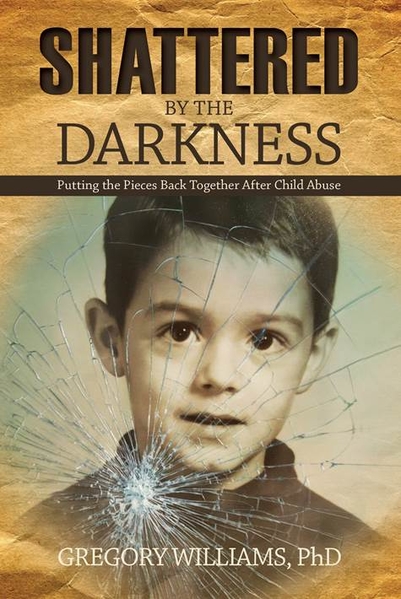
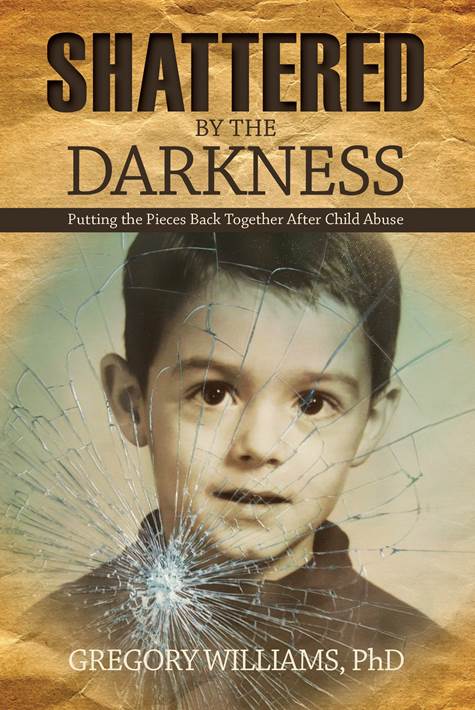
Gregory Williams learned about the ACE Study around the same time he started telling people about his childhood trauma. That he learned about it as he began speaking his truth is no accident. That the science explained so much about his life and touches so many aspects of it – personally and professionally – has made him passionate about spreading the word about ACEs science. His passion is, for many reasons, an incredible gift to the world.
A little background on ACEs science
The original ACE Study queried more than 17,000 people in San Diego in the mid 1990s. The participants — mostly white, college-educated, all with jobs and great health care — completed a questionnaire of nearly 200 questions about their health and wellbeing. Researchers distilled the results of those questions to 10 types of childhood trauma that most people had experienced as children in their families, up to age 18. Five questions asked about physical, emotional or sexual abuse, and emotional or physical neglect. Five more asked about family dysfunction – violence against the mother, parental separation, mental illness, alcoholism or other addiction, and incarceration of a family member.
The study showed that 64% of the respondents had at least one ACE (adverse childhood experience), and that ACEs usually did not occur alone; if you have one ACE, there’s an 87% chance you have two or more. For the 12% of respondents with an ACE score of four, the consequences proved serious and expensive: The likelihood of chronic pulmonary lung disease increases 390 percent; hepatitis, 240 percent; depression 460 percent; alcoholism, 700 percent; attempted suicide, 1,220 percent. For people with an ACE score of 6 or higher, the risks are grave, literally. Their lifespan is shortened by 20 years.
The ACE Study produced 70 research papers and led to 37 US states doing their own ACE surveys, which produced similar results. Several nations and cities, as well as hundreds of organizations, have also done ACE surveys. The ACE Study has led to more than 1,000 research publications that show the link between ACEs and all types of disease, including auto-immune diseases, skin cancer, diseases of the eye, etc. — each supporting the original finding that childhood trauma causes adult disease and dysfunction.
There are many reasons why this is the case. A big part of it, though, can be explained by brain science and physiology. Toxic stress harms the structure and function of the brains of children. Basically, children with high ACE scores become “wired” for “flight, fight, freeze” behavior, and their lives – with higher incidence of illness, violence, drama, risky behavior, and trauma – are the living proof.
In addition to the fact that the wiring — the connections of brain cells (synapses) – becomes more developed in the parts of the brain that deal with survival than the parts of the brain that deal with long-term planning, the stress hormones of cortisol and adrenaline flooding a stressed body cause, over time, increased inflammation of all organ systems. At the cellular level, constant stress is like an ongoing chemical boil in the body. Kids who are constantly exposed to toxic stress are likely to grow into teens and adults whose brains and bodies are set to react to everyday challenges with fight, flight, or freeze fear. Think of an engine constantly revved at the highest revolution per minute. Such an engine is likely to break down more frequently and burn out more quickly.
The ACE Study was developed by two visionary physicians courageous enough to risk their reputations to make the connection between toxic stress and adult health issues. The life work of Drs. Vincent Felitti and Robert Anda, the study helps make sense of some of what has happened to Gregory in the decades since the day, as a 17-year-old with strength and a voice, he looked his father in the eye and told him to STOP the horrific sexual abuse he had experienced daily for 13 years.
Childhood trauma makes some people sick; it makes others want to die. Gregory helps get this point across by sharing the truths of his resulting heart condition, surgery, and challenges with suicidality, obsessive-compulsive disorder (OCD), post-traumatic stress disorder (PTSD), insomnia, and perfectionism.
Borrowed time, buffering factors, resilience, hope.
Gregory, with an ACE score of 8, also knows he would be living on borrowed time, and would most likely be dead, were it not for his also being an example of another aspect of the science: how buffering factors – in his case, caring relatives – helped offset some of the negative physiological consequences of the abuse, helping him become somewhat resilient, which he will share more about in subsequent work.
How Gregory survived the pain, shame, guilt, fear, and the physical manifestations of those emotions – the toxic stew of stress hormones that eat away at every cell in the body – can be explained, in part, perhaps, by research on resilience, another part of ACEs science.
Resilience research shows what helps people build the ability to respond to adversity and survive. We know from these studies what a profoundly positive impact that one consistently caring adult can have on a child who is being abused.
That Gregory survived is a miracle. That he had caring adults in his life, I believe, made all the difference. Even though, perhaps, they didn’t know what was going on, an aunt and uncle whom Gregory saw several times a week from the ages of four through about age eight, provided a home base of safety and stability, love and some joy in the midst of the terror you’ll read about soon.
I tell you this because despite Gregory’s story being so horrific, it is because of who he is as a person who somehow maintained optimism, that this is also a story of hope and triumph over adversity. His recognition of the people who loved him as a child is to me one of the most important parts of his story. It is also a call to action to all of us to look for opportunities to be that caring adult for a child, and to be the caring adult to question why a child is upset, is acting out, or is not thriving.
Explanations, divine timing, how speaking his truth is saving Gregory’s life, and will help save the lives of others.
For Greg, discovering ACEs science – information shared with him by a close friend and physician at Baylor College of Medicine – was a life-changing moment. ACEs science might explain why a valve in his heart had given way and needed to be repaired when he was 48. It certainly explained why he suffered from OCD. The science helped make sense of why he could not sleep – his hypervigilance – even though it’s been 38 years since the last time his father abused him. Even after his father’s death in 2002.
Yes, darkness had always brought fear, but Gregory’s new understanding of the physical effects of that fear – the impact of cortisol, adrenaline, and other stress hormones — helped him make sense of his health and mental health issues, and also inspired him to speak the truth about what happened to him to anyone who would listen, and especially to physicians. That Gregory works with and hires physicians is one more amazing aspect of his remarkable and profoundly important story.
For Gregory, speaking his truth is saving his life. When abuse survivors cannot tell the truth, cannot share their stories, or when their stories are not believed, the results can be toxic. The stress of trauma builds up in the body. There is much science to support the statement best summed up as the title of a best-selling book on toxic stress and trauma: The Body Keeps The Score.* Gregory’s failing heart valve is an anecdotal case in point.
Out of respect to his mother, Gregory did not share his story publicly, until her passing in 2017. It was when he was able to share his story without fear of harming his mother that this next phase of Gregory’s life’s work was revealed, and began in earnest.
Though I’ve not met Gregory in person, and have only known him for a few months, I know we share a bond that covers lifetimes and a faith that is as deep and wide, as we are both abuse survivors and know, without a lot of elaboration, much about what comes with that experience.
We both know that it is remarkable that we’ve survived into our fifties and sixties. It is fair to say that we both believe our meeting, and my connecting Gregory to his publisher, is no accident.
And then there is the way Gregory and I met, which is as the result of my being offered the dream position of opening up the southeastern United States to help build communities for an organization that advances ACEs science. I’d hoped for that opportunity for five years before the funding came for me to be hired by ACEs Connection, an international social network dedicated to advancing ACEs science, preventing and healing childhood trauma, and building resilience. It was through his research and finding ACEs Connection that Gregory found my address and included me in a mass emailing about his book. I was one of a handful of people who answered the email.
I answered his request for ideas about how to help him get the word out about his book because I wanted to help, and I because wanted to know more about someone who would share the most intimate, sad, dark corners of his life with others, yet who looked so happy about doing it.
Speaking with Gregory, I immediately understood: After having the story bottled up for decades, his being able to speak and write about his abuse is cathartic, healing, and again, is literally saving his life.
It is nothing short of incredible to me though, that in less than seven months since I answered Gregory’s introductory email, Gregory’s self-published book sold more than 100,000 copies, his book is now being published and distributed by a major publishing house (Health Communications, which published a book of mine 11 years ago), he is working on his own radio show (Breaking the Silence), and he is creating, via the book, radio show, his website, and his work with me to take ACEs science into medical schools, an important space for others to be heard, believed, and affirmed.
Further, Gregory is playing an important role in his own community by managing the Baylor College of Medicine ACEs Connection community site. That site is one of more than 170 geographic community sites supporting ACEs initiatives in those communities. Among the sectors represented are pediatrics, education, justice, social work and more. Their members meet and look for ways to bring ACEs science and trauma-informed practices into their communities. Doing so helps communities in many ways, as evidence shows improved school attendance and grades, decreased crime, improved health outcomes and more in areas communities that have been keeping track of the effects of this work. ACEs Connection would welcome your community group into our growing community of communities which includes neighborhoods, cities, regions, states, and nations dedicated to preventing and healing trauma.
Gregory’s work, and the work of ACEs Connection, is creating the space for millions of people – and thousands of physicians – to be educated, engaged, and offered the chance to become activists to help prevent childhood trauma and its devastating lifelong impacts.
That Gregory has the trust, respect, and attention of physicians can change medicine, and more.
Gregory’s experiences are likely to have special impact on the lives of the one in four girls and one in five boys who are victims of sexual abuse. For millions upon millions of adult men and women survivors, Gregory’s story and awareness of ACEs science will help explain the “why” of so many of their lifelong physical and mental health challenges, and why their lives – our lives – have seemed, or been, harder than most. For many of us who experienced a high load of toxic stress, our brains were literally wired to create and be attracted to more toxic stress. This revelation will, I hope, inspire a tremendous amount of self-empathy, and empathy from and for others. Yes, the old saw is true: Hurt people do hurt people. Understanding the why behind the hurts, the addiction, the impulsivity, the violence, can help stop the pain, shame, guilt, and hurt.
My hope is that Gregory’s story will help prevent sexual abuse and other childhood traumas, and I know that is his greatest hope, too.
That Gregory speaks to physicians, has their respect, trust, and attention, and has the complete backing of his employer, the Baylor College of Medicine, is especially heartening to me, and to others who advocate for medical professionals to recognize childhood trauma as the root cause of most all adult disease, most all social ills.
I know we both want to
see the science of childhood trauma and resilience research taught in medical schools, so physicians can better understand why a patient is suffering from a stress-related illness, and, in addition to prescribing traditional medical interventions, can also offer recommendations and supports that may help reverse the damage done by years of toxic stress. Imagine a prescription to “spend a day in nature” or “go help coach a little league baseball team” or “join a choral group”? Physicians who are prescribing just such “therapies” are seeing success in programs to prevent opioid addiction relapse, depression, and more.
see physicians ask what’s going on “at home,” and ask, even if informally, questions about their patients’ trauma history, even if it is on an ACE survey that only shows the total score and is not included in a medical record,
see obstetricians, gynecologists, pediatricians, and family practice physicians ask pregnant women about their own childhood trauma, as studies show that pregnant women who are aware of their own childhood traumas, and of the impact of childhood trauma, are less likely to experience post-natal depression or to abuse their children.
see kindergartens, elementary, middle and high schools become places where children aren’t shamed and blamed for acting out and asked, “What’s wrong with you?” but are instead asked, “What’s happened to you? How can I help?” and where their parents are not shamed or blamed, either. When parents understand more about the lifelong health consequences of trauma, the likelihood of children being traumatized decreases; children who feel safer at home do better in school.
help people learn that the body is resilient, our brains and bodies want to heal. Given understanding, acceptance, community, and information about resilience research, people with high ACEs scores can develop greater resilience as individuals, and in their families, workplaces, and communities.
see communities foster groups of laypeople and professionals from all sectors, including education, medicine, justice, the arts, mental health, and housing, to identify and prevent trauma including structural racism and income, health, and education inequality, as racism and poverty are as every bit as stressful and toxic to a child as any other type of abuse.
Though we didn’t know each other through our years of parenting – Gregory has two adult sons and three grandchildren, and I have a son and a daughter – we both vowed to stop the cycles of abuse with our own children. We are both grateful to have relatively healthy, happy adult children, and worked hard and mindfully to prevent cycles of addiction and abuse.
That Gregory works for a leading medical institution that supports his promulgating ACEs science is no accident. That I work for an organization that is all about preventing and healing childhood trauma; building resilience, creating a trauma-informed world, is no accident. Again, our faith is affirmed as we marvel at the timing!
I hope that helping to bring this book into the light, and Gregory’s using his radio show, prodigious talents as a writer, speaker, and interviewer, as well as his leadership position at Baylor College of Medicine, will raise awareness among doctors, nurses, therapists, social workers, teachers, law enforcement officers and policymakers of the need to learn and teach all professions about the devastating consequences of childhood trauma. I hope policymakers will hear the alarm to understand that policies that punish people for the addictions and behaviors that are the direct result of childhood trauma do not help, but instead further traumatize already traumatized people.
I hope Gregory’s audience is wide, loyal, accepting, and encouraging.
I truly believe Gregory will change the world by taking this book into medical schools and teaching physicians and nurses about the root cause of most adult illness: childhood trauma. He understands and makes clear that while the sexual abuse was the most dramatic part of his trauma, that the secrecy, isolation, neglect, verbal, and other physical abuse was deadly as well. This is, indeed, important information to share as policymakers learn about creating schools, hospitals, businesses, cities, states, nations that are about preventing and healing childhood trauma, and building resilience. As we face, in our communities, adverse community experiences including structural racism, bullying, income inequality, and, in our world, increasing numbers of adverse climate experiences – the loss of homes, livelihood, a way of life – as the result of wildfires, storms, floods and other natural disasters, I hope we will become gentler with each other and more mindful of protecting our environment, our natural resources.
I look forward to Gregory’s subsequent books about how he is continuing to heal, as I believe he will shed light on childhood trauma and its impact across the lifespan. He will educate a new generation of physicians and allied health professionals about ACEs science and resilience research and findings, and share ways patients can use their own agency to find life solutions that do not include addiction and risky behaviors to handle their fears.
ACEs scores and “obits” and hopes
In the effort to demystify, remove stigma, and help prevent AIDs some 30 years ago, families started sharing that their loved ones had died of acquired immune deficiency (AIDS). Some shame was lifted. Acceptance was more widespread. Empathy helped spur funding research into cures, and campaigns to raise awareness. Education, and prevention, helped slow the spread of the disease.
As suicide has become epidemic, many families of loved ones are choosing to share, in obituaries, the cause of death as suicide, in hopes of raising awareness, reducing the stigma, encouraging others to get help.
Someday perhaps ACEs scores will be listed in obituaries, in hopes of people understanding the direct correlation between childhood trauma and adult disease and premature death. As a woman in my early sixties, I’ve lost many friends who had high ACE scores, and am watching others suffer from chronic diseases that are, no doubt, related to their ACEs. I know I want my ACE score listed in my obituary, not as a point of shame or pride, but in hopes of its being a “teachable moment.” I also want to include information about resilience research, as in, “despite having an ACE score of 8, Sipp credited her long life to the exercise, diet, community work, and other healthy endeavors that were part of resilience research, an evidence-based way of helping to reduce the impact of ACEs, which she practiced and promoted as a part of her work.”
That Gregory and I have both been able to share our truths, learn about ACEs science and resilience research, and find joy and purpose in helping to prevent childhood trauma will, I hope, prevent our obituaries from being published any time soon! I hope that is true, too, for the millions who will experience “aha moments” as they learn the truths about the importance of our preventing trauma in the lives of others, be it by preventing blame, shame, bullying, racism, and violence, or by our promoting health, acceptance, empathy and love, especially toward children and their families. As families and communities heal, I believe we will heal the earth. Learning and teaching ourselves how to be kinder and gentler to ourselves, each other, our earth? There is nothing more sacred; no work more vitally important.
*The Body Keeps the Score Brain, Mind, and Body in the Healing of Trauma by Bessel Van der Kolk, MD, 2014
ACEs champions Danette Glass of Alpharetta, Georgia, and Becky Haas, of Johnson City, Tennessee, work in different — yet similar — ways to see systems of care change to help prevent and heal adverse childhood experiences (ACEs) and to help individuals and communities increase resilience.
On Friday, July 24 at noon PDT/3 p.m. EDT, these friends and expert community organizers will share their approaches. Haas has worked from the inside out, most recently as the ACEs educator for a regional healthcare system and previously in a similar role with local law enforcement. Glass has often worked from the outside in, to improve systems of care or create her own to effect change.
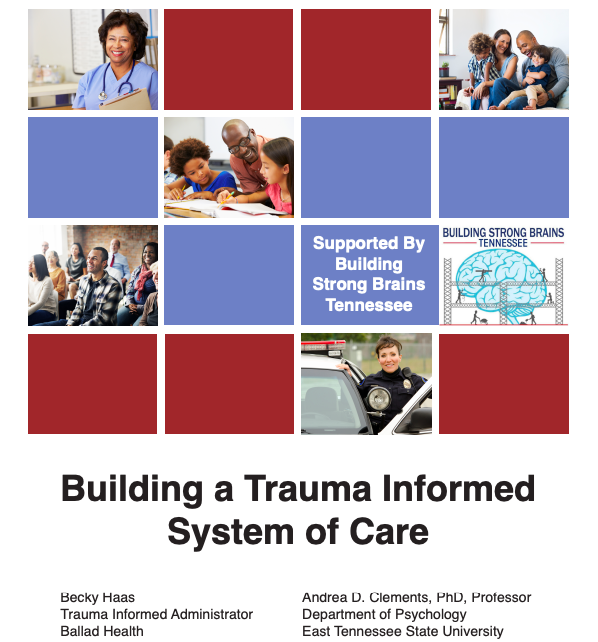
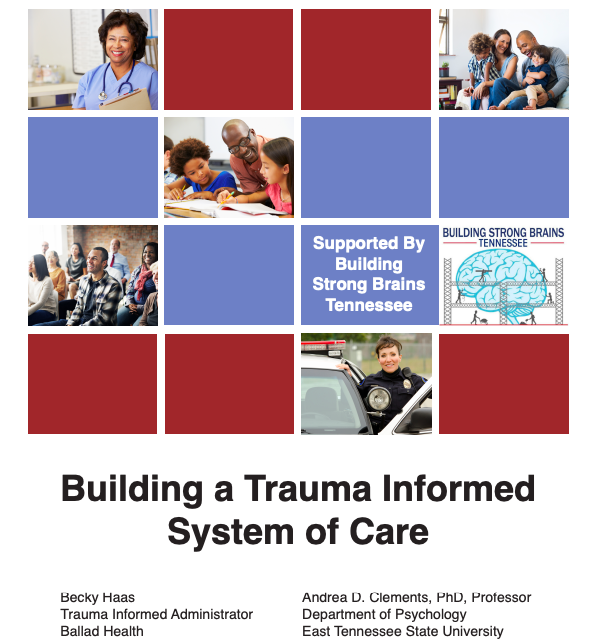
Haas, the author of a toolkit shared in ACEs Connection Growing Resilient Communities (Building a Trauma-Informed System of Care), learned about ACEs in 2014, while working with police to reduce drug-related and violent crime.
“Listening to stories of childhood abuse and neglect experienced by many in the justice system planted the thought in my mind that trauma was really the gateway drug. Though childhood trauma is not an excuse for drugs or crime, instead it now offered an explanation for it. I reasoned no one picks where they start in life and some of the hardship and abuse people experienced was through no fault of their own. Instead of communities focusing their efforts on a war on drugs (which those efforts don’t seem to be winning), we should shift our focus to a war on trauma…and so my journey began.”
Glass heard about the ACE Study in 2017 while working on a project for adjudicated youth that was funded by the Substance Abuse and Mental Health Services Administration. She realized the level of trauma exposure for young people was at an all-time high. The heightened level of family trauma and community trauma concerned her tremendously.
Following time in corporate America, Glass began her career as a consultant and community organizer. She now relies on decades of experience as well as tools from ACES Connection and tools she herself has created, such as a poverty simulator, to help community leaders, including elected officials, educators, healthcare providers and law enforcement, learn about the challenges of living in poverty and toxic childhood stress. Throughout her 30-year tenure in juvenile justice and youth development, Glass has worked with more than 30,000 teens, seeking to provide them with science, technology, engineering and math (STEM) skills to help them succeed. She also worked with youth to share what are now called “positive childhood experiences,” and consulted with the courts to help teens get needed services. She and her team also have been doing research on the inequity in health care for Black women who are, in some states, twice as likely to die in childbirth as White women.
Glass and Haas are bonded in part by their common missions of breaking down barriers and bringing greater loving kindness into the world. They are excited to come together to discuss how they are working from within and outside systems of care to help cross-sector groups improve individual and community resiliency.
“We hope people will take away how vitally important it is to create a more diverse, equitable and inclusive community — a ‘beloved community’ — especially right now, as things will get worse as a result of the COVID-19 pandemic,” says Glass.
“After the crisis, we are going to see an escalation of reported trauma exposure because right now young people in homes are not able to communicate the maltreatment they are experiencing,” she says. “Lack of accountability has left some young people vulnerable to being abused while school districts are in this virtual or digital learning setting.”
The coronavirus crisis also affects the mental health of parents, who are themselves traumatized. “And if they do not know how to manage or control their emotions in a positive manner, sometimes their children become the target of their frustration,” Glass says. “We need to be prepared to help. That’s a big part of what building community resilience is about: helping in the day-to-day and being prepared for traumas. That this is one of the greatest threats in modern times makes our work all the more urgent.”
To register for this A Better Normal webinar, please click here or use the link below.
Author, speaker and neuroscience educator Sarah Peyton is a friend to ACEs Connection. When I asked her recently to speak to the importance acknowledging the grief and trauma most of us are feeling during COVID-19, as we see the number of deaths increase and as people we know fall victim to the disease, she welcomed the opportunity.
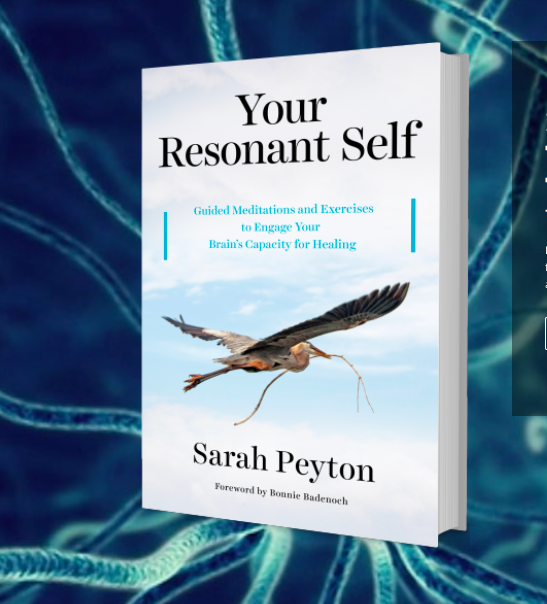
I wanted to ask Sarah to do this because recently, as I was listening to her “Your Resonant Self, Guided Meditations and Exercises to Engage Your Brain’s Capacity for Healing,”, it clicked for me what has been missing as a trauma survivor during the pandemic.
Sarah was telling the story of Nepalese boy soldiers who went off to civil war. The 2010 research showed that the boys who “came back to a welcome from their communities ended up with fewer signs of post-traumatic stress. But the boys who went off to the same war, fought shoulder to shoulder with those other boys, and came back to communities that turned their backs on them had much higher levels of post-traumatic stress.”
“This research helps us to understand that trauma is less defined by what happens to us than it is by how we are received afterward,” Sarah writes.
Acknowledgement of the trauma of having been in a war was the difference for the Nepalese boys.
The night before the inauguration, when President-elect Joe Biden with his wife, Jill, and Vice President-elect Kamala Harris with her husband, Doug Emhoff, held their somber memorial for the 400,000 Americans who had died during the pandemic, it was healing because it was acknowledgement. Seeing those deaths marked by 400 luminarias, one for each 100 victims, was healing because the truth was being seen, shared.
Having our country’s leadership acknowledge the pain and the loss we’ve seen day in and day out allowed us to breathe a collective sigh of grief and relief. Our grief is real. Most of us feel it. As Biden said, “…to heal, we must remember.”
As a trauma survivor, I was in my sixties before I began to embody the importance of grieving for myself about the trauma and the losses I’d experienced as the result of trauma. Trauma has cost me in terms of how well I did in school, in relationships, in my career, in my finances.
Sarah Peyton’s beautiful book, recommended to me by colleague Cissy White, has been a touchstone. Each time I’ve pulled it up to take another read or listen, I process a bit more.
How are you doing? Does it help you to know that some leaders are genuinely sorry for what we are all going through?
Leaders of PACEs science initiatives in four North Carolina counties are eager to begin measuring the impact of their work to solve the most intractable problems in their respective communities.
Tommy Taylor
“Each of these broad-based, cross-sector task forces is about preventing childhood trauma and its negative effects on long-term health. We want to heal trauma and create and build on positive childhood experiences in our communities so individuals, families, and communities themselves can grow in health, strength, and resilience. Their work to shine a light on ways racism and inequity hurt our communities, and to improve diversity, equity, inclusion, collaboration and opportunities, is work we believe in and are behind,” said Tommy Taylor, executive director of the United Way of Cape Fear Area, who has worked closely with each of the resiliency task forces.
Task forces are in four counties: New Hanover, Brunswick, Pender and Columbus.
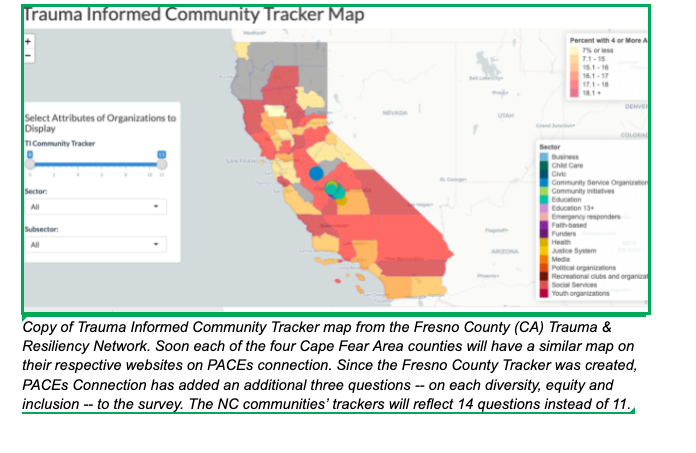
Soon, leaders of each resiliency effort will send a 14-question Milestones Survey, part of the PACES Connection Community Resilience Tracker, to organizations in each county that are participating in their respective resilience initiatives. The results of the survey will tell them how far these organizations have come on their path to becoming trauma-informed and healing-centered.
They are able to undertake this measurement because the United Way of Cape Fear Area is underwriting their access to the sophisticated data tools offered to members of the PACEs Connection Cooperative of Communities. As part of the Coop, they will join other affiliates not only in tracking their progress, but also in network leadership training; learning collaboratives on subjects such as trauma-informed education; and in-depth training in how diversity, equity and inclusion intertwine with the science of positive and adverse childhood experiences. They will also be able to collaborate with fellow members of the Coop to share what works and what doesn’t to develop a community that integrates practices and policies based on PACEs science.
According to Jane Stevens, founder and publisher of PACEs Connection, who was with the Cape Fear Area community managers and members of their communities last week for the announcement of their joining the Coop, the first part of the data gathering process is also prescriptive.
“Milestones survey questions are prescriptive, in that going through them gives organization leaders a path to achieve goals that will actually help the organization and its employees improve relationships, safely explore causes of employee turnover and likely improve employee and customer, client, or patient satisfaction,” she said.
“The second part of the data work is the sector surveys. Using publicly available data, including some from the Cape Fear Collective, we will be able to show part of the impact of having trauma-informed policies and practices in schools, healthcare, law enforcement and other sectors,” Stevens said.
Joining the PACEs Connection Cooperative of Communities is another step along the long and sustained path that the counties are taking to educate all citizens about the science of PACEs.
“In New Hanover County, community members have taken these trainings to help them function better in times of stress, whether it’s daily stressors at home, secondary trauma from working with traumatized children or adults, or natural disasters like hurricanes, tornadoes, or even the pandemic,” said Boyd.
A primary focus of the New Hanover County Resiliency Task Force’s work for almost three years, the CRM and R4R trainings offer an overview of the science of adverse childhood experiences, an understanding of the biology of stress and how the body and brain function—or don’t function—during traumatic stress.
J’vanete Skiba
“Most importantly,” said J’vanete Skiba, acting director of the New Hanover County Resiliency Task Force, herself a CRM trainer, “the trainings show people how to move their brains and bodies from the state of flight, fight, freeze, where they can add to the trauma of themselves and others, to a regulated state, where they can access their reasoning brain to think, plan, and de-escalate trauma.”
“I’m thankful for the time our community took to create an action plan that could be applied to our many systems,” said Boyd. “The CRM and R4R trainings were a critical part of ‘taking care of the providers’ goal first before we began educating the general public about ways to manage stress. We realized very early on that those who were providing services in our communities were being traumatized at work themselves, and that unless those providing services were well, we couldn’t provide helpful, trauma-informed services to the thousands in our community. That’s why we put so much emphasis on these trainings first.”
Community managers Lauren Clark in Brunswick County; Amy Read in Pender County, who are also certified to teach CRM, and Selena Rowell and Jai Robinson in Columbus County, have also been leading efforts in their respective counties to make these trainings available.
Further, just as in New Hanover County, they have used documentaries such as “Resilience” or “Paper Tigers” to help community members learn about trauma, its impact, and how working together to prevent and heal trauma leads to healthier individuals and communities.
Last week’s announcement of the UW-CFA funding for the four counties to join the Cooperative of Communities was made after months of work by the community managers of each group to build their memberships and vet the tools and benefits of the Coop. They worked with members and member organizations to discern priorities, create plans, and gather membership agreements pledging involvement in the work to advance trauma-informed policies, as these documents must be signed for an organization to participate in the Milestones Survey.
Accelerating change
“The data tools will reveal extremely valuable information that can show progress and accelerate change,” said Stevens. “This information can ultimately be used to help calculate how much money a community is saving by integrating practices based on PACEs science.”
Task force leaders say the ultimate goal is to have the trauma-informed, healing-centered practices integrated deeper into each sector and organization in the communities. With the Coop survey tools to track and document what is working and how well, the efforts are more likely to be sustainable over time, showing an ongoing return on investments.
PACEs Connection is a nonprofit organization founded in 2012 to advance the science of positive and adverse childhood experiences (PACEs) and unite the people, organizations, systems and communities in the worldwide PACEs movement in solving our most intractable problems. The PACEs Connection social network serves as the movement’s main information exchange and resource, providing support for hundreds of local, state and national PACEs initiatives. It recently surpassed 52,000 members worldwide, and offers a free community site and assistance to some 400 geographic and more than 40 interest-based communities.
This is the second of a series of articles about the four resiliency initiatives from the Cape Fear Area of North Carolina joining the Cooperative of Communities, and the involvement of the United Way of the Cape Fear Area in each of the county’s efforts.
For more information about the PACEs Connection Cooperative of Communities, please contact the Community Facilitator for your geographic region of the country.
US Communities
Northeast, Mid-Atlantic, & Southwest states Contact: Alison Cebulla
The horror of a child maltreatment case being mishandled or overlooked compelled this week’s guest on “History. Culture. Trauma.” to create a national, education-based solution.
Dr. Tyler Counsil is the director of Child Advocacy Studies (CAST), part of the Zero Abuse Project. He uses his passion for prevention, healing, education, and justice to the benefit of students at almost every level of education after high school.
“Today’s students in community colleges, technical schools and four-year colleges are eager to help prevent and heal child abuse and to bring justice for victims and survivors,” says Counsil. “Whether they are studying for a degree or certification in programs ranging from criminal justice to social work, they need to have a multidisciplinary understanding of how to respond to child maltreatment.”
According to Counsil, CAST courses are offered at 86 colleges, community colleges and universities across 29 states in the U.S. CAST learning focuses on developing students’ understanding of the factors that lead to child maltreatment as well as how various professionals, from law enforcement, social work, forensics and healthcare respond to abuse and neglect, so they can work more effectively.
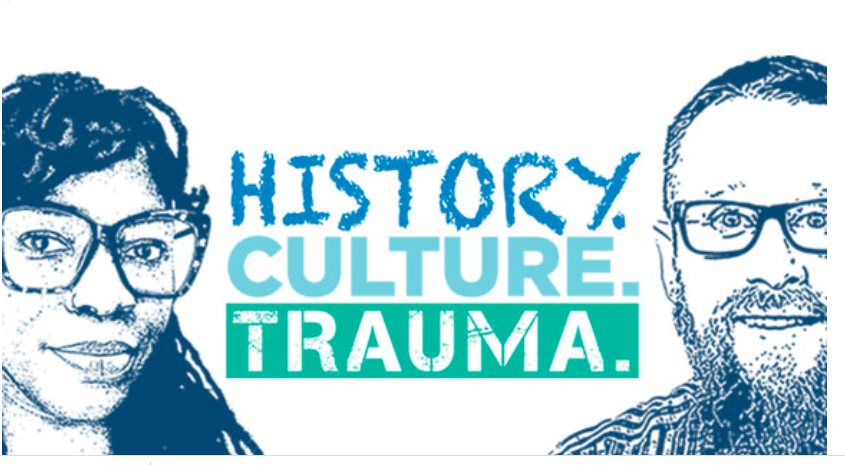
On Thursday’s podcast with hosts Ingrid Cockhren, CEO of PACEs Connection, and Mathew Portell, director of communities, Counsil will share insights to advance listeners’ understanding of our country’s history and culture of child abuse.
“Work on a single child abuse case may involve multiple systems and institutions,” says Counsil. “With CAST programs being shared at education centers across the country, students learn about the various professional responses to child maltreatment and develop a multidisciplinary understanding of the most effective responses.”
Those who complete the CAST courses are will be better equipped to carry out the work of different agencies and systems (healthcare, criminal justice, social services) as they advocate on behalf of the needs of children as victims and survivors of child abuse.
According to the CAST website, “Universities seldom prepare students for the reality of child protection. Successful professional training will produce child maltreatment professionals who will be knowledgeable enough to competently manage child maltreatment cases.”
“Beginning in college, we must produce an army of frontline workers well equipped to organize all the players in their local communities for the benefit of children,” he says. “Each member of the CAST front line has experience recognizing abuse typologies, speaking with survivors and non-offending caregivers, conducting agency-appropriate investigations and testifying in court. While these experiences increase professional competency, the most compelling reason to provide this training is that it may prevent a child maltreatment case from being mishandled or overlooked.”
Counsil has worked over six years in the public and private laboratory sector, having been employed as a microbiologist, DNA specialist, quality assurance/quality control manager, and forensic scientist throughout the span of his laboratory career. His most recent venture involved working as a forensic scientist with the Indiana State Police Laboratory Division. He is a deputy coroner and death investigator for his county. Counsil has also been appointed as president-elect for the National Partnership to End Interpersonal Violence Across the Lifespan.
Counsil also has extensive experience working in post-secondary education. With over seven years of professional work experience at institutions of higher education, he has served as an associate professor for traditional and online learning platforms, with a combined five years of program development and directorial leadership experience for Child Advocacy Studies (CAST) criminal justice and forensic science programs.
Counsil has a B.A. in biology from Hanover College (Hanover, IN), a B.S. in criminal justice from Oakland City University (Oakland City, IN), and a M.S. and Ed.D. in biology from Ball State University (Muncie, IN).
Professional memberships:
American Academy of Forensic Sciences
Midwestern Association of Forensic Scientists
National Alliance on Mental Illness
National Partnership to End Interpersonal Violence
National Science Teachers Association
Indiana Academy of the Social Sciences
Tune into the “History. Culture. Trauma.” podcast on Thursday at 1 p.m. PT; 4 p.m. ET here.
For this and past episodes, connect with your podcast provider below:
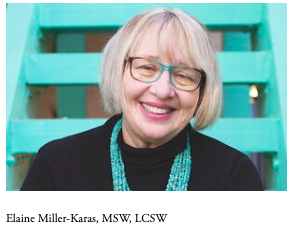
By Elaine Miller-Karas MSW, LCSW Building Resiliency to Trauma Psychology Today, September 30, 2022 Mental health can suffer after extreme climate events.
KEY POINTS
Mental health conditions exacerbated by natural disasters include post-traumatic stress disorder, depression, and anxiety.
After a disaster, the number of people needing assistance from the mental health systems strains or exceeds community capacity.
There are simple strategies helpers can use to help survivors restore well-being after climate events.
In September 2022, Puerto Rico, Cuba, and Florida are experiencing devastation from hurricanes. Extreme weather events — floods, hurricanes, and natural disasters like wildfires — are linked to a broad range of adverse mental health outcomes. The most reported mental health conditions in the aftermath of extreme weather events and natural disasters are post-traumatic stress disorder (PTSD) along with depression, anxiety, suicide, and substance abuse disorders (Cianconi et al., 2020).
Mental Health Systems Are Strained After Wide-Scale Disasters
Those impacted by the recent climate events are just beginning their journey. Emergency response mental health workers will be present in the initial days. However, the lasting impact for a community devastated by natural disasters lingers for weeks, months, or years. There is a strain on mental health systems as the number of people needing assistance exceeds a community’s capacity.
Suggestions for Helpers
For those assisting individuals during and after a disaster, the following suggestions reflect lessons learned by the Trauma Resource Institute as we have been invited to help communities after human-made and natural disasters:
1. Be careful not to interrupt the work of emergency response workers. Rescuing survivors and stabilizing infrastructure, such as restoring electricity, are priorities.
2. Help identify where survivors can acquire concrete services: water, food, shelter, hygiene products, and bathrooms. Direct survivors to where governmental groups like FEMA have established temporary locations. The elderly may need assistance with completing documents to receive benefits. As a result of the destruction, people with disabilities may have difficulty maneuvering to sites to receive services. Organizations like the Red Cross, local disaster response units, FEMA, Save the Children, and faith-based groups can help network support for community members.
3. Communication systems may be down because of power outages. There can be increased anxiety in not knowing the well-being of family members, friends, and pets and whether homes are still standing. Try to provide as much information about when providers may restore communication systems.
4. You may assume that people need to talk about what happened during the disaster to heal. We have found that this is not necessarily true for every person. Inviting choices to share or not to share about what happened is essential. Questions like, “I am here to provide support. If you would like, we can talk about what happened if that would be helpful. You can share with me as little or as much of what happened to you as you would like.”
Ask Strength-Based Questions to Remind Survivors of Encouraging Elements of Their Experience
5. Questions highlighting strengths can help survivors remember what else may be true now. Often when asking questions in this way, it broadens the perspective of the trauma to include other elements of the experience that were more positive. Questions can include:
“When did help first arrive?’
“When did you know you and your family were going to get to a safer place?”
“What or who is helping you the most right now?
If a person is agitated or sad, ask respectfully, “When challenging events have happened to you in the past, and what or who helped you get through?
Help Now! Strategies Can Be Simple and Effective Ways to Help
6. Another way to help calm a person who is distressed are the “Help Now!” strategies from the Community Resiliency Model set of wellness skills. They may appear simple, yet they can help people calm down and feel more like themselves. The following invitations can help children and adults experience a greater sense of well-being:
Would it be helpful to go for a walk together?
Sometimes, it helps to get the energy of anxiousness out by pushing against the wall with our hands or our back against it. Do you want to do it with me?
Can I get you a drink of water?
If I am anxious, sometimes it helps me to count down from 20. Would you like to try it with me?
If I am feeling a lot of tension in a part of my body, I try to find a part of my body that is less tense. Then, I bring my attention to the parts that feel better. Do you want to try doing this?
I found this app called iChill, and I listen to it when I am down or too anxious. You might want to consider using it when you are stressed or down.
Identify Community Mental Health Clinics and Alcohol and Drug Treatment Programs
7. It is a complex process to lose one’s home, livelihood, and surrounding community. The journey of recovering and rebuilding can exacerbate mental health conditions and also lead to increases in alcohol and drug use. Helping survivors identify community mental health clinics and drug and alcohol treatment programs can lead them to essential safety nets.
How to Learn More
To help to gain more information about how to build more resilient communities to prepare your community for climate events, contact the International Transformational Resilience Coalition (ITRC), inspired by the work of climate change advocate Bob Doppelt. The ITRC elaborates upon how society can invest in effective responses that can address the mental health challenges that invariably will result from climate events. The coalition has a wide range of experienced professionals working on a dynamic steering committee to guide its projects, policies, and advocacy, including representatives from the National Association of Social Workers, the American Psychiatric Association, the American Psychological Association, the American Public Health Association, the Alliance of Nurses for Healthy Environments, and more. As a founding member, my organization, the Trauma Resource Institute, has worked in collaboration with the ITRC to help communities prepare and respond to climate events.
References
Cianconi, P., Betro, S., & Janiri, L. (2020), The Impact of Climate Change on Mental Health: A Systematic Descriptive Review, Frontiers in Psychiatry, March 6, 2020, | https://doi.org/10.3389/fpsyt.2020.00074
Elaine Miller-Karas, LCSW, is an author, lecturer, consultant, radio show host, trauma therapist, and social entrepreneur. She is a co-founder and the Director of Innovation of the Trauma Resource Institute and a founding member of the International Transformational Resilience Coalition. She is the author of Building Resiliency to Trauma: The Trauma and Community Resiliency Models® (2015). Her models have been introduced in over 75 countries. She has presented at the Skoll World Forum, Resiliency 2020 and 2021, and the United Nations. Her book was selected by the United Nations and Taylor and Francis’ curated online library as one of the innovations helping to meet the United Nations’ Sustainable Development Goals. She is also a Senior Consultant to Emory University’s SEE Learning program, inspired, and launched by His Holiness the Dalai Lama, and she is consulting with the Medgar and Myrlie Evers Foundation to help create a virtual curriculum of the U.S. Civil Rights Movement. Her radio talk show, Resiliency Within: Building Resiliency during Unprecedented Times, is on VoiceAmerica.
By Daniel Amen, Image: Chelsea Victoria/Stocksy, mindbodygreen health, August 2, 2023
Your childhood upbringing plays a major role in your brain development. If you grow up in a happy, functional home, it supports the developing brain. However, when you experience childhood trauma—such as the death of a parent, neglect, sexual abuse, or other traumatic incidents—it negatively impacts the way your brain develops. Sadly, this can have lasting consequences on your mental health and cognitive function.
What are adverse childhood experiences?
Adverse childhood experiences, or ACEs, continue to affect people in adulthood. Many adults with emotional issues don’t realize that the traumatic experiences from their childhood are at the root of their problems. And they certainly don’t understand that those incidents changed the way their brain functions, which further contributes to their ongoing mental health issues.
The neurobiology of ACEs doesn’t get discussed enough, so I appreciate this article. That said, I have a different perspective than the author’s, which has more of a pathologizing tone that I like. My Western medicine training is based on the model that the patient I serve has pathology and that they need me to fix them, often with medications, surgeries, or injections. I have used my more recent trauma-informed approach with the PACEs science education I’ve had to recognize that the person who was exposed early in life to too much adversity without enough support has a brain that adaptively develops in a way to make their body really efficient at responding to potential threats/stressors. This adaptation makes sense, given that babies are born to be experience-dependent in our development. It also reframes the situation in a way that we now are appreciative of the body doing what it can to protect us, as opposed to “there’s something wrong with me”. A crucial additional point to make is that the traumatic world we all live in now is regularly triggering all of us, potentially more so in people whose brains are efficient at going into survival states.
Candice Valenzuela, whose 2022 podcast was among the most popular episodes last year, joins hosts Ingrid Cockhren, PACEs Connection CEO, and Mathew Portell, director of education and outreach, this Thursday at 1 p.m. PDT; 4 p.m. ET, to discuss the importance of healing intergenerational trauma.
“How can parents ensure that generational issues do not continue to impact future generations?” is one of the questions to be addressed in this live episode.
“This topic is especially important for parents who have a background of historical trauma, including slavery, and genocide,” said Cockhren.
Valenzuela’s last episode focused on self-care and minority mental health, and addressed how, according to Cockhren, “Self-care has become a buzzword when discussing solutions to the mental health crisis in BIPOC communities.”
Valenzuela, who describes herself as a “parent, a pet owner, a friend, a survivor, a geek, and a nature lover,” says, “I have learned that no professional titles will ever reflect all of who I am or my worth. I strive to be human before I strive to be a worker. I identify as Black, Indigenous, Queer and working-class allied.
“Professionally, I have been working at the crossroads of education, justice and community healing for 16 years. I have extensive experience in mindfulness, trauma informed care, anti-oppressive practices, cultural competency, liberatory education and youth empowerment,” she adds.
Valenzeula holds a bachelor’s degree in humanities, an master’s degree in East-West psychology, a masters’ degree in counseling psychology, and a 200-hour certificate in mindful yoga through the Niroga Institute.
 Donna Jackson Nakazawa 1/18/172:19 PM
 Carey SippFormats
  Jane StevensPublisher, ACEsTooHigh; founder, PACEs Connection
 Adrienne Decker DelgadoMember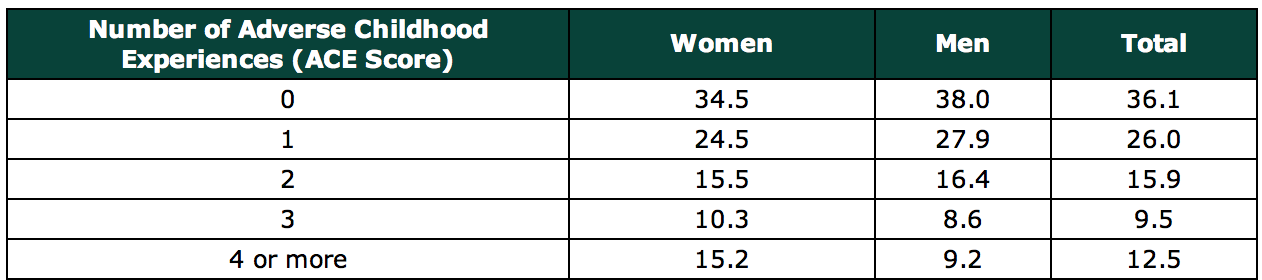



 By Elaine Miller-Karas MSW, LCSW Building Resiliency to Trauma Psychology Today, September 30, 2022 Mental health can suffer after extreme climate events.