Category Archives: Uncategorized

Year-end giving to PACEs Connection has become a family tradition for Lisa Hofmeister. ‘This work matches our family’s values.’

Carey Sipp Carey Sipp 12/22/2210:45 AM

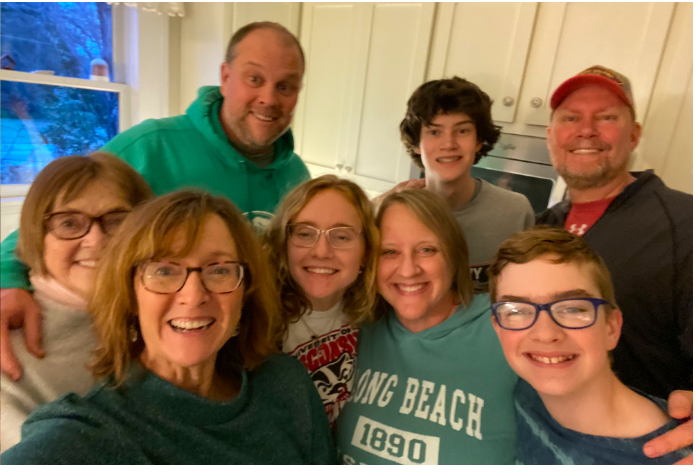
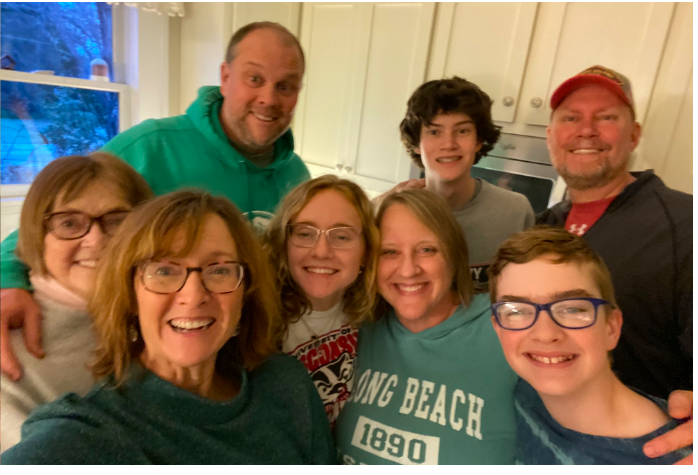
A recent photo of Lisa Hofmeister (second from left) with her family.

Note: PACEs Connection is in dire financial straits. We need you, our almost 58,000 members, to help us cover the loss of foundation funding that was promised and did not come through. Unfortunately, staff pay and hours were cut for December.

The good news is that, since sounding the alarm this summer, we’ve raised more than $65,000 thanks to all of your who donated. To get a sense of who your fellow members are, who is donating, and why, please read and share this eighth in a series of donor profiles. Now that you know we need your help, please join Lisa Hofmeister—who, with her mother and brother has made a family gift to PACEsConnection for the last three years—and make a generous tax-deductible year-end donation.

Most people are stunned when they first learn about PACEs science. Lisa Hofmeister is no exception.

With a degree in psychology, a career in healthcare information technology, and a personal interest in equity and restorative justice, Hofmeister was surprised when she heard about the CDC-Kaiser Permanente Adverse Childhood Experiences Study.

“It seemed as though I should have known about this earlier,” she says of the ground-breaking research that was first published in 1998.

Since discovering ACEs Connection, now PACEs Connection, Hofmeister has been an avid follower and supporter of the organization and the PACEs science movement to prevent and heal childhood adversity, and to build healthier and more resilient families and communities.

“Our family chooses a charitable organization to support every year, so I was eager to suggest PACEs Connection, especially given our family’s interest in social justice and grassroots community organizing”, she continues. “I see PACEs Connection as the scaffolding behind a movement—perhaps the most important public health movement of our time. It allows passionate, talented people to collaborate, share inspiration, and innovate by imitating what works.”.

Q: What motivated you to become involved in PACEs Connection?

A: “In 2019 after a local trauma therapist’s presentation about ACEs, brain science, and resilience, I went from complete ignorance to near-obsession. I couldn’t stop thinking about it and couldn’t find enough people to marvel about this powerful ‘root cause’ discovery with me. So I was thrilled to learn that PACEs Connection was already on the case, thoughtfully creating a network and a platform for sharing new research and ideas.”

Q: How do you hope PACEs science will change the world?

A: “I do believe PACEs science can bring paradigm-shifting and compassionate change to a world that desperately needs it. My hope is that, together, we can promote it in a way that invites others to be curious and hopeful in this time of extreme polarization. It has great potential to heal and unite us.”

Q: Why should other members of PACEs Connection provide financial support to our organization?

A: “Sometimes I worry that the sheer volume of PACEs-related groups dilutes the good work that people are doing, and makes it confusing. I admire how PACEs Connection is clearly trying to avoid working in a silo, partnering with groups like CTIPP (Campaign forTrauma Informed Policy and Practice) and providing a platform to connect. This is an invaluable service.”

Q: What is your involvement in a PACEs community?

A: “I recently got connected with the Trauma-Informed Healthcare Education and Research (TIHCER) Community on PACEs Connection and am looking forward to hearing ideas about bringing trauma-informed care into the realm of the electronic health record. I’m also hoping to connect with Wisconsin-based groups focused on trauma-informed care in education.”

Hofmeister encourages fellow members of PACEs Connection to join her in making a generous, tax-deductible donation to PACEs Connection here.

If you’d prefer to mail your gift rather than give it online, here’s how…

Make check payable to:

TSNE (Third Sector New England, our fiscal sponsor) and write PACEs Connection Donation on the memo line.

Mail check to:

mail iconPACEs Connection,

c/o TSNE, 89 South Street

Suite 700

                        Boston, MA 02111

information iconMaking a wire transfer or need Tax ID information?

Please contact Carey Sipp, Director of Strategic Partnerships, at csipp@pacesconnection.com

Carey Smith Sipp
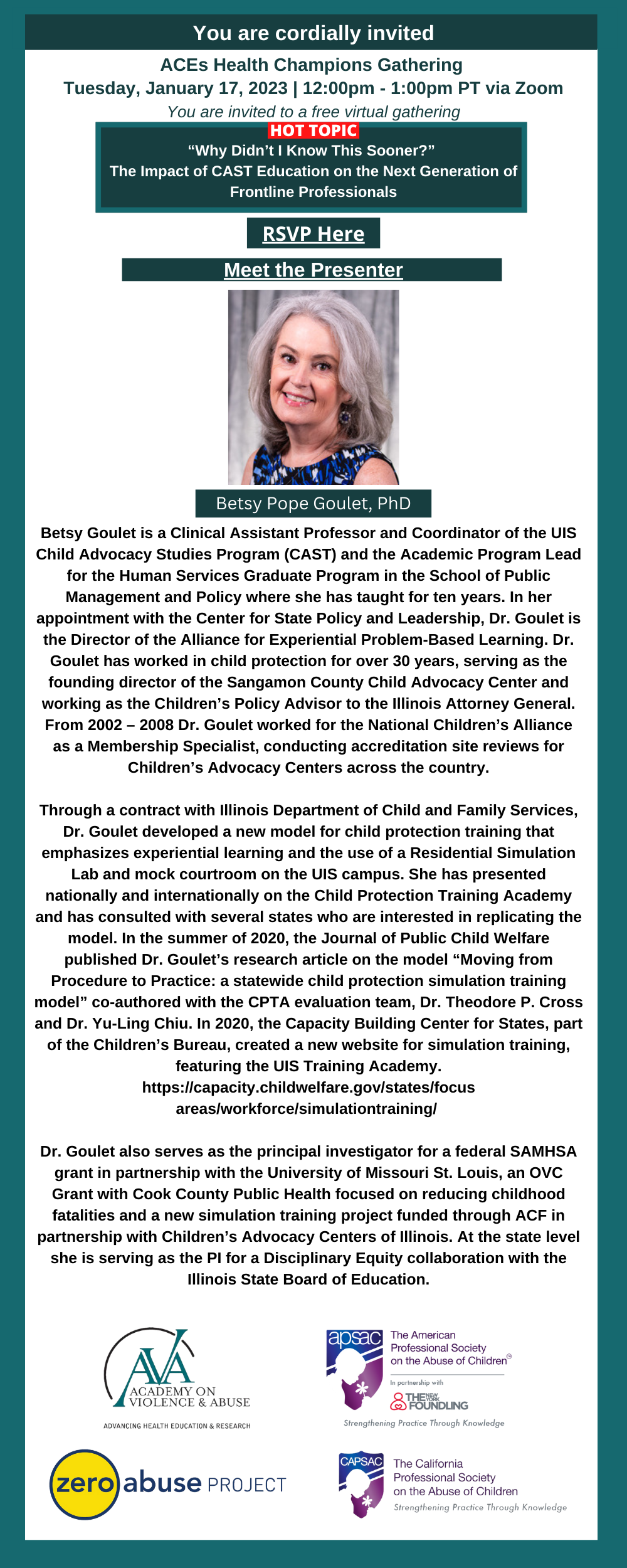
Year-end giving to PACEs Connection has become a family tradition for Lisa Hofmeister. ‘This work matches our family’s values.’

Carey Sipp Carey Sipp 12/22/2210:45 AM

A recent photo of Lisa Hofmeister (second from left) with her family.

Note: PACEs Connection is in dire financial straits. We need you, our almost 58,000 members, to help us cover the loss of foundation funding that was promised and did not come through. Unfortunately, staff pay and hours were cut for December.

The good news is that, since sounding the alarm this summer, we’ve raised more than $65,000 thanks to all of your who donated. To get a sense of who your fellow members are, who is donating, and why, please read and share this eighth in a series of donor profiles. Now that you know we need your help, please join Lisa Hofmeister—who, with her mother and brother has made a family gift to PACEsConnection for the last three years—and make a generous tax-deductible year-end donation.

Most people are stunned when they first learn about PACEs science. Lisa Hofmeister is no exception.

With a degree in psychology, a career in healthcare information technology, and a personal interest in equity and restorative justice, Hofmeister was surprised when she heard about the CDC-Kaiser Permanente Adverse Childhood Experiences Study.

“It seemed as though I should have known about this earlier,” she says of the ground-breaking research that was first published in 1998.

Since discovering ACEs Connection, now PACEs Connection, Hofmeister has been an avid follower and supporter of the organization and the PACEs science movement to prevent and heal childhood adversity, and to build healthier and more resilient families and communities.

“Our family chooses a charitable organization to support every year, so I was eager to suggest PACEs Connection, especially given our family’s interest in social justice and grassroots community organizing”, she continues. “I see PACEs Connection as the scaffolding behind a movement—perhaps the most important public health movement of our time. It allows passionate, talented people to collaborate, share inspiration, and innovate by imitating what works.”.

Q: What motivated you to become involved in PACEs Connection?

A: “In 2019 after a local trauma therapist’s presentation about ACEs, brain science, and resilience, I went from complete ignorance to near-obsession. I couldn’t stop thinking about it and couldn’t find enough people to marvel about this powerful ‘root cause’ discovery with me. So I was thrilled to learn that PACEs Connection was already on the case, thoughtfully creating a network and a platform for sharing new research and ideas.”

Q: How do you hope PACEs science will change the world?

A: “I do believe PACEs science can bring paradigm-shifting and compassionate change to a world that desperately needs it. My hope is that, together, we can promote it in a way that invites others to be curious and hopeful in this time of extreme polarization. It has great potential to heal and unite us.”

Q: Why should other members of PACEs Connection provide financial support to our organization?

A: “Sometimes I worry that the sheer volume of PACEs-related groups dilutes the good work that people are doing, and makes it confusing. I admire how PACEs Connection is clearly trying to avoid working in a silo, partnering with groups like CTIPP (Campaign forTrauma Informed Policy and Practice) and providing a platform to connect. This is an invaluable service.”

Q: What is your involvement in a PACEs community?

A: “I recently got connected with the Trauma-Informed Healthcare Education and Research (TIHCER) Community on PACEs Connection and am looking forward to hearing ideas about bringing trauma-informed care into the realm of the electronic health record. I’m also hoping to connect with Wisconsin-based groups focused on trauma-informed care in education.”

Hofmeister encourages fellow members of PACEs Connection to join her in making a generous, tax-deductible donation to PACEs Connection here.

If you’d prefer to mail your gift rather than give it online, here’s how…

Make check payable to:

TSNE (Third Sector New England, our fiscal sponsor) and write PACEs Connection Donation on the memo line.

Mail check to:

mail iconPACEs Connection,

c/o TSNE, 89 South Street

Suite 700

                        Boston, MA 02111

information iconMaking a wire transfer or need Tax ID information?

Please contact Carey Sipp, Director of Strategic Partnerships, at csipp@pacesconnection.com

Carey Smith Sipp
Why Other States Should Be Studying ‘Blueprint for Maryland’s Future’ [the74million.org]

Carey Sipp Carey Sipp 1/5/2312:00 PM

By Kalman R. Hettleman, The74, January 4, 2023

Maryland touts the Blueprint for Maryland’s Future, its all-encompassing school reform legislation chiefly enacted in 2020, as a “bellwether for the rest of the country.” The blueprint’s main architect, Marc Tucker, then head of the National Center on Education and the Economy and an expert on comparing the performance of U.S. schools to those in high-performing countries, called it “revolutionary.”

Yet, a recent article in The 74 observed that “the blueprint has barely made a splash, garnering little national attention.”

That’s a mistake. The blueprint should be better known and critically examined. Here’s why.

[Please click here to read more.]

Carey Smith Sipp

carey.pacescommunites@gmail.com

Can trauma pass through generations? New ‘History. Culture. Trauma.’ podcast Thursday, Jan. 12

Carey Sipp Carey Sipp 1/10/232:01 PM

We’ve all heard of ‘generational curses’. But did you know that a growing body of research finds that it’s possible for trauma to pass through generations?

“This research implies that the experiences of your ancestors can have real impact on your physical and mental health,” says PACEs Connection CEO Ingrid Cockhren. Cockhren co-hosts the “History. Culture. Trauma.” podcast with Mathew Portell, PACEs Connection director of education and outreach, on Thursday, January 12 at 1 p.m. PT; 4 p.m. ET.

In this week’s episode, Cockhren and Portell discuss how trauma is passed from generation to generation, including in their own families. Cockhren says this phenomenon of your ancestors’ experiences having an impact on your physical and mental health is known as intergenerational transmission of trauma, and is part of the science of epigenetics.

“Research in this area dates back to the 1960’s when scientists were studying the effects of the Holocaust on descendants of survivors,” she explains.

Cockhren and Portell will also discuss what can be done to mitigate the impact of intergenerational transmission of trauma on families.

Find your podcast provider and click on the link below to listen in live on Thursday, January 12 at 1 p.m. PT; 4 p.m. ET, or to listen at your convenience after the show airs.


Listen in Apple Podcasts

Listen in Google Podcasts

Listen on TuneIn

Listen on Stitcher

Listen on iHeartRadio

Listen on Spotify

Like us on FaceBook

Connect on LinkedIn

Follow on Twitter

Follow on Instagram

Channel Homepage

Carey Smith Sipp

carey.pacescommunites@gmail.com

PACEs Connection’s year-end giving campaign nets $66,272; many new monthly donors!

Carey Sipp Carey Sipp 1/10/233:02 PM

In the throes of a financial crisis as the result of a foundation reneging on a grant, PACEs Connection launched its most successful membership-focused fundraising drive to date, and raised more than $66,000 in the last two quarters of 2022. Many gifts were new quarterly pledges.

“We’re excited to have engaged more of our almost 58,000 members than in years past, and we hope that this is a sign of more involvement,” says Ingrid Cockhren, PACEs Connection CEO. “If everyone gave even a little each month, our membership could provide a meaningful source of funding.”

“We sounded the alarm about our finances in June, and in the last six months of 2022, more than 220 members stepped up. For the year, there were more than 300 donors. This process of engaging our members shows how they are owners of PACEs Connection. We want them to know that they are an integral part of this movement and its support, and we are extremely grateful for their participation,” Cockhren adds.

She also adds her thanks to the members who shared their stories of support in a series of donor profiles:

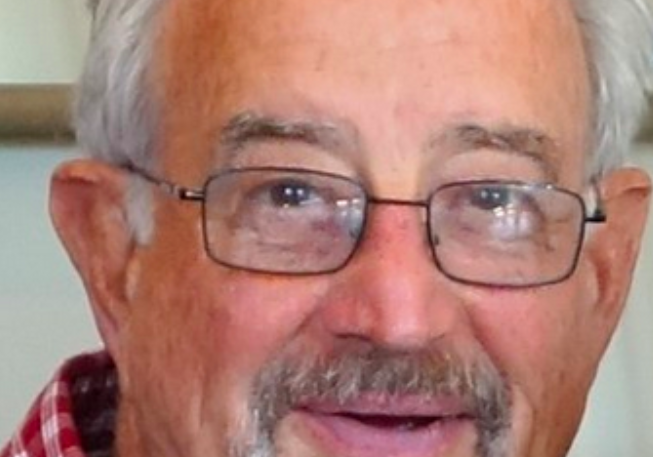
Screen Shot 2023-01-10 at 3.20.37 PMDonor Lois Hall says PACEs Connection is ‘proof of where hope is brought in communities’

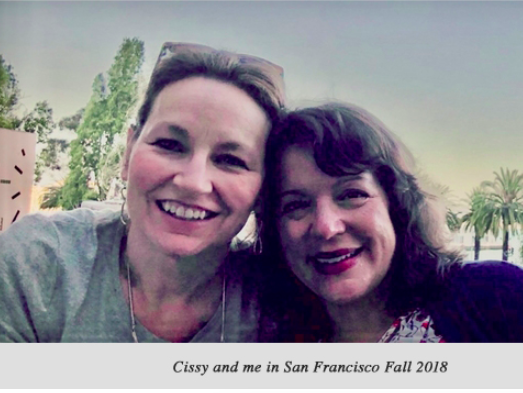
Screen Shot 2023-01-10 at 3.21.06 PMHighly-honored school nurse and nurse educator Robin Cogan calls PACEs Connection her ‘north star’; urges each member’s support!

Screen Shot 2023-01-10 at 3.21.26 PMJeoff Gordon sees PACEs science, PACEs Connection playing a vital role in ‘relieving some of the most anguishing pain in our society.’

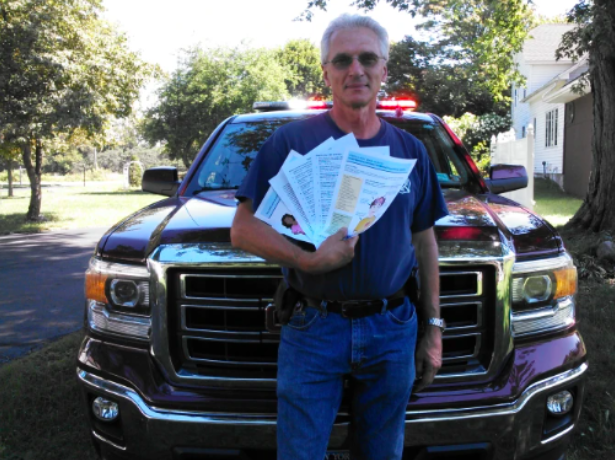
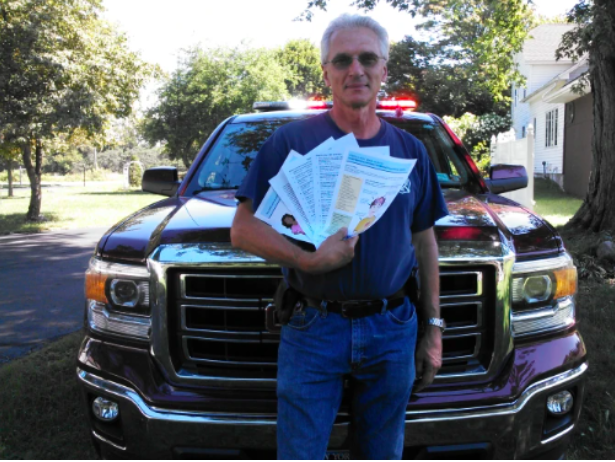
Screen Shot 2023-01-10 at 3.21.56 PM‘We cannot let this shining star die,’ says Peter Chiavetta, volunteer emergency medical technician and PACEs Connection donor.

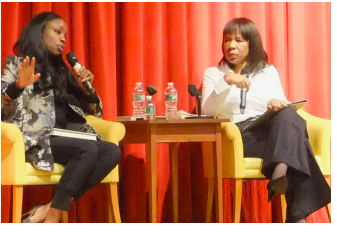
Screen Shot 2023-01-10 at 3.22.13 PMRenée Wilson-Simmons—founder of Healing Trauma, Reclaiming Joy—counts on PACEs Connection to be ‘a catalyst for cultivating the PACEs movement.’

Screen Shot 2023-01-10 at 3.22.43 PMHow Dr. Vincent Felitti, co-author of the ACE Study, and Jane Stevens, founder and publisher of PACEs Connection, crossed paths to accelerate a movement

Screen Shot 2023-01-10 at 3.22.28 PMSofiya Asedrem supports PACEs Connection to help address root causes in her fast-growing Florida community & make mental health a human right.

Screen Shot 2023-01-10 at 3.23.01 PMYear-end giving to PACEs Connection has become a family tradition for Lisa Hofmeister. ‘This work matches our family’s values.’

Donations given in memory of friends and loved ones

All donors are given the opportunity to make gifts in memory of friends and loved ones. Among those honored with gifts in memorial for 2022 were for

“My parents”

Dori Murray

May Belle Davison

Dan Press

Gail Kennedy’s husband, Scott Allison

“My mother, Pauline”

William Curtis Ridge

Cary DeYoung

Gifts given in honor of friends or family

Donors were also given the opportunity to make gifts in honor of someone. Among those honored with a gift in their name for 2022 were:

Jane Stevens

Carolyn Rich Curtis

Ellen Goldstein

“Carey Sipp and Cissy White, as well as all of the other amazing people I’ve met through PACEs Connection”

Jim Sporleder

Why did people give?

Many donors shared a reason for their giving. Among reasons listed were:

Your work fuels ours. We need each other. Thank you from the CRC Network in Central Florida.

You do amazing work and I am very happy to help support it!

I appreciate the work of ACEs Connection in keeping us informed about the progress that is made in understanding and mitigating the impact of trauma.  Your work helps us to better serve kids and families!!

Bless you for the work you are doing, Jane!

I much appreciate your work, as a small group of us are looking to put boots on the ground to support this work…take care and thanks for all you do!!!!!

PACEs Connection is pure brilliance! More than any other resource I know, it has united and accelerated the trauma-informed care movement to be a public health powerhouse for change. Thank you for everything you do!!!

Happy Birthday Jane! Thank you for ALL you have done, and continue to do!

Thank you for all you do.  Your work has helped me out so much, both professionally and personally. 🙂

Learning about ACEs helped me understand so many things about myself and has helped me in my advocacy work with others like me.  Thank you!

PACES Connection has made it possible to share my work and my passion for revolutionizing the way we think about and address human needs.  It has an incredible community of humans that support the work – in the organization and around the globe.  So grateful to have this space to commune with you all!  Thank you!

Thank you SO much to the PC staff for the incredible work you do. You’re changing the world!

To keep PACES Connection as a vital source of connection.

I love PACES Connection – read every item I get – and often share some each day!  Can’t imagine life w/o you!

Thank you to members who have donated over the last three years!

We at PACEs Connection are grateful to you, our members, with whom we share a common and profound purpose… to create a healthier world for all its creatures, including us!

Kerrie Ackerson

Melissa Adamchik

Sue Adams

Christina Algeciras

Frank Alix

Rachel Allen

Kristen Allott

Rika Alvo

Cathy Anthofer-Fialon

Allison Asahina

Sofiya Asedrem

Natalie Audage

Keith Bailey

Skye Baloo

Theresa Barilla

Maxine Barish-Wreden

Joe Barnhart

David Belford

Felicia Bellows

Risa Bernasconi

Deanna Berry

Christina Bethell

Marcia Black

Sally Blackwood

Deborah Bock

Patty Boorn

Carissa Boram

Dale Bordelon

Lynn Boyd

Sally Braffman

Robyn Brickel

Steven Brown

Christine Brugler

Rebecca Bryan

Laura Budd

Ruth Burcaw

Tami Buroker

Denise Busley

Cristina Buss

Jennifer Butcher

Barbara Cady

Nabiha Calcuttawala

Joan Caley

Linda Calvert PhD

Nicole Canfield

Margaret Casey

Joni Cash

Kimberley Cheatham

El Chess

Peter Chiavetta

Gioia Chilton

Roberta C Churchilll

Hollis Clapp

David Clarke

Karen Clemmer

Ingrid Cockhren

Robin Cogan

Amanda Coggin

Julie Cohen

Kathleen Cole

Vic Compher

Katie Conrad

Charity Cornet-Barnhart

David Cote

Dale Coupland

Dianne Couts

Stephanie Covington

Ali Crandall

Shannon Criniti

Terri Crowe

Donna Culver

Carolyn Curtis

Amy Cyr

Becky Dale

Emily Daniels

Ramona Danielson

Margaret Davies

Bo Dean

Susan Delucchi

Kristin Dempsey

Laura Dennis

Matthew Devereaux

Betty Devine

Suzy DeYoung

Carolyn Dixon

Carol Dolan

Lori Dorfman

Doreen Downs

Jennifer Drake-Croft

Steven Dudas

Sheri Eastridge

Adrienne B. Elder

William Emmet

James Encinas

Nathan Epps

Nina Esaki

Amy Fairchild

Michael Fasher

Tracy Fauver

Joel Fein

Vincent Felitti

Samantha Ferguson

Kara Fery

Barb Finch

Ellen Fink-Samnick

Sebern Fisher

Kaliopee Fiske

Mike Flaningam

Rose Fonseca

Lori Fougerousse

Barbara J Franco

Janet and Louis Frase

Lisa Frederiksen

Christopher Freeze

Allan & Carola Friesen

Kassie Gada

Esther Gilbert

Laura Gilchrist

Heather Gillis

Mary Giuliani

Glenmede Trust

Jeoffry Gordon

Winifred Gordon

Betsy Goulet

Jessie Graham

Rebecca Green

Stephanie Guinosso

Archana Gupta

Patti Gurney

Becky Haas

Lois Hall

Courtney Ham

Tim Hamming

Ross Hargis

Louise Hart

Ivan Haskell

Caitlin Haun

Mary Hawks

Ginger Healy

Sam Henry

Leah Hill

Christine Hoepfner

Lisa Hofmeister

Laura Hogan

Joy Hohnstine

Alicia Homrich

Asha Immanuelle

Hannah Ingber

Tasneem Ismailji

Sabahat Ismailji

George Jagatic

Amit Janco

Martina Jelley

Carrie Jensen

Karen Johnson

Linda Kauffer

Gail Kennedy

Nicole Kilburg

Asli Kivion

Gai Klass

Dena Klein

Judy Knapp

Betsy Knight

Geoff Knott

Carol Koepp

Melanie Krevitz

Richard Krugman

Mary Lambert

Michelle Lau

Erika Leaf

Leslie Leff

Rebecca Lemanski

Yuko Leong

Fitzroy Lewis

Leslie Lieberman

Rene Line

Judith Lipson

Kathleen Lisson

Alison Lobb

Sharon Lockhart-Carter

Kim Lodewyk

Katherine Lucatorto

Jenn Lynn-Whaley

Richard Krugman

Harriet Mall, Ph.D.

Lynda Mallory

Linda Manaugh

Maria Manna

Regina McCarthy

Brigid McCaw

Craig McEwen

Janyne McConnaughey

Laura McGurn

Madison McHugh

Edward McKinley

Stephanie McNerney

Elizabeth Meeker

Elaine Miller-Karas

Michael Mitchell

Christine Moran

Monica Morehead

Deborah Morrison

Debra Morse

Lynn Mumma

Simon Mundy

Erin Myers

Amie Myrick

Jennifer Nanda

Gretchen Nash-Gardner

Gail Neely Kolbeck

Allen Nishikawa

Christine Noble-Power

Rebecca Parton

Tina Pearson

Nanci Perocchi

Janet Peters

Sarah Peyton

Amber Pierce

Laura Pinhey

Laura Piscitello

Melanie Pollard

Dan & Cherie Porter

Janet Pozmantier

Heather Preston

Elizabeth Prewitt

Cherry Price

Donielle Prince

Cherri Pruitt

Carlene Przykucki

Shannon Qualls

Robert Quinn

Jenna Quinn

Michelle Quinn

Julie Raboin

Rardin Foundation

Heather Ralph

Ashlynn Ramirez

Lisa Reagan

Kay Reed

Donn Reid

Mary Clare Reidy

Eve Robinson

Teri Rowan

Randi Rubenstein

Patricia Rush

Myra Sabir

Melissa Sadin

Noel Schwartz

Herschel and Noel Schwartz

Calista Scott

Shay Seaborne

Sabrina Shane

Sherri Sharkins

Lynn Sharpe Underwood

Stephen Silha

Carey Sipp

Margaret Sipple

Wendie Skala

Ellen Smith

John Soghigian

Donald Spachman

Elaine Spicer

Jim Sporleder

Dustin Springer

Cendie Stanford

Nancy Staycer

Stephanie Steen

Don Steffen

Harise Stein

Maurean Stephenson

Becky Stern

Jane Stevens

Audrey Stillerman

Wendy Stokesbary

Trevor Storrs

Jean Sullivan

Susan Tarasevich

Martha Teeter

Eulanda Thorne

Deanne Tibbitts

Minerva Tico

Jeanie Tietjen

Deb Timmerman

Beth Tolley

Magda Underdown-DuBois

Beth Usher

Adriana van Altvorst

Anne VandeBerg

Morgan Vien

Katerina Vlahos

Wendy Wade

Sarah H Waite

Jim Wall

Ingre Walters

Sandy Washburn

Teri Wellbrock

Tim Wheatley

Tom and Carol Wheeler

Candace White

Cissy White

Karen White

Sue Fort White

Sarah Wilkinson

Alicia Williams

Laneita Williamson

Bickley Wilson

Emily Wilson

Renée Wilson-Simmons

Steve Wirtz, PhD

Bill Wood

Jodi Woydziak

Sanghoon Yoo

Nada Yorke

Kinika Young

Mara Ziegler

Member fundraising is an ongoing endeavor. To make your gift or monthly pledge, Cockhren encourages fellow members of PACEs Connection to join her and make a generous, tax-deductible donation to PACEs Connection here.

If mail iconyou’d prefer to mail your gift rather than give it online, here’s how:

Make check payable to:

TSNE (Third Sector New England, our fiscal sponsor) and write PACEs Connection Donation on the memo line.

Mail check to:

PACEs Connection,

c/o TSNE, 89 South Street

Suite 700

Boston, MA 02111

information iconMaking a wire transfer or need Tax ID information?

Please contact Carey Sipp, Director of Strategic Partnerships, at csipp@pacesconnection.com


Please visit here for a listing of our funders and partners, and to learn how  you or your organization can join our movement as a funder or partner.

Attachments

Hide

Images (8)

Screen Shot 2023-01-10 at 3.20.37 PM: Lois Hall
Screen Shot 2023-01-10 at 3.21.06 PM: Cissy White and Robin Cogan
Screen Shot 2023-01-10 at 3.21.26 PM: Jeoffry Gordon
Screen Shot 2023-01-10 at 3.21.56 PM: Peter Chiavetta
Screen Shot 2023-01-10 at 3.22.13 PM: Renee Wilson-Simons (r) with author Nadine Burke Harris
Screen Shot 2023-01-10 at 3.22.43 PM: Jane Stevens and Vincent Felitti
Screen Shot 2023-01-10 at 3.22.28 PM: Sofiya Asedrem
Screen Shot 2023-01-10 at 3.23.01 PM: Lisa Hofmeister and family

Carey Smith Sipp

carey.pacescommunites@gmail.com

👍 1

Tags: DonorsPartnersin memory ofin honor ofDonateDonationsFundersTax-deductible donationsgifts

Views: 452

More than a day, we are and have been building a moral fusion movement [poorpeoplescampaign.org]

Carey Sipp Carey Sipp 1/16/238:14 AM

By The Rev. Dr. William J. Barber II and Rev. Dr. Liz Theoharis, Jan. 14, 2023 – The Poor People’s Campaign –  This Martin Luther King Day, we must continue a campaign for social, political and economic rights, not simply to commemorate a man. This nation needs a different kind of Martin Luther King Day. More than a day, we are and have been, building a moral fusion movement. We need a movement led by poor and low-wage workers pushing for a Third Reconstruction and declaring that we don’t want some of our justice, we want all of our justice.Fifty years after Dr. King and other leaders like Caesar Chavez, Hank Adams, Bertha Burres, Myles Horton, welfare rights moms, the Jewish Federation and others called for a Poor People’s Campaign, poor and marginalized people across America have united not to commemorate their vision, but to consecrate a new movement that has the ability to transform the heart and soul of this nation, and the moral structures of society. The legacy of Fannie Lou Hamer, Rev. Douglass Kirkpatrick, Jimmy Collier, Betty Mae Fikes, Mary Wright Edelman – who brought the idea of forming a Poor People’s Campaign along with The National Welfare Rights Organization – and countless unnamed leaders from the ranks of the poor is, us. We carry on their legacy by building this national campaign organized around the needs and demands of the 140 million poor and low-wealth people in this nation. With over 35 state coordinating committees across the country, we are declaring we won’t be silent anymore!
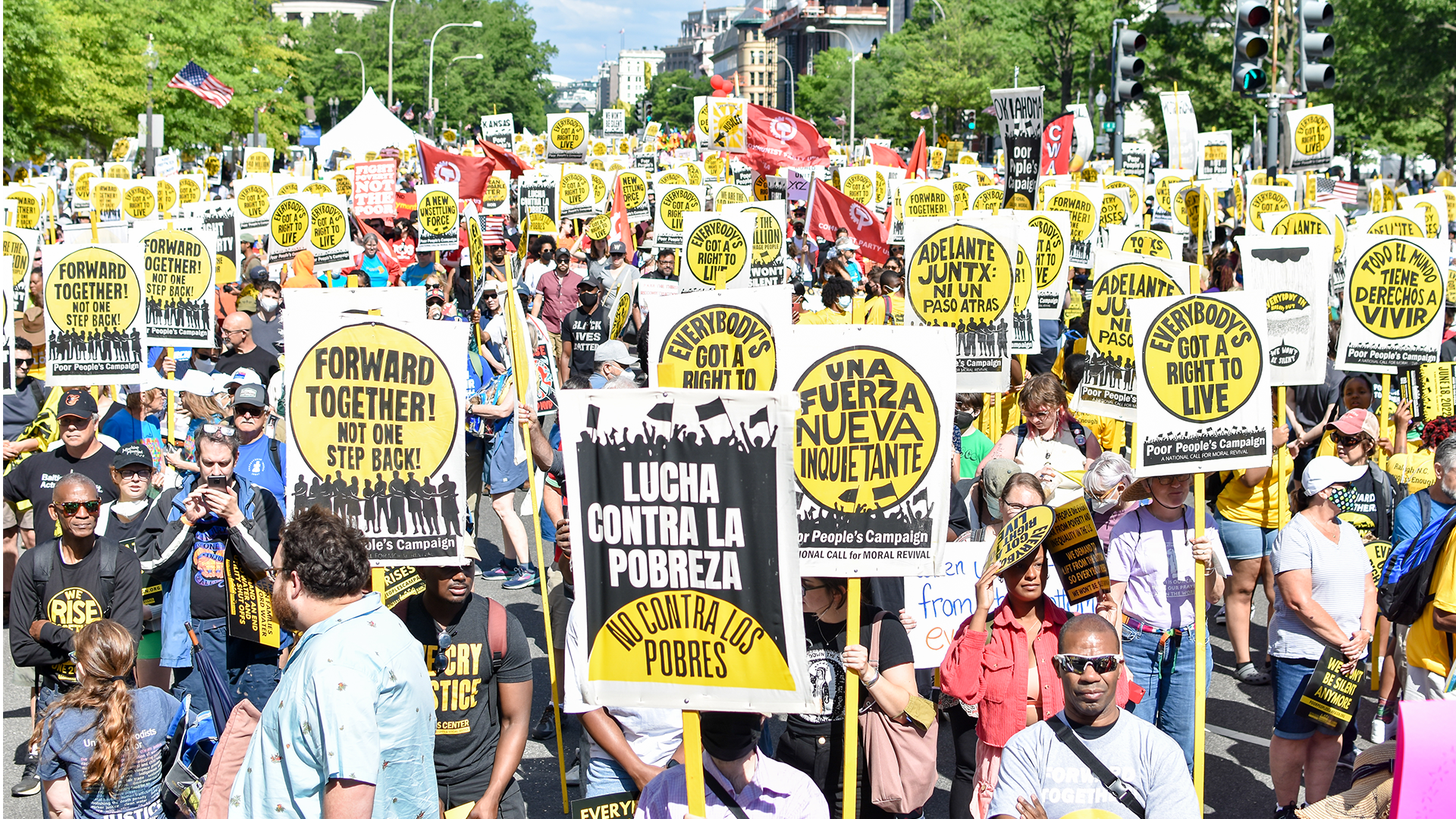
Picture by Emily Farthing from The Mass Poor People’s and Low-Wage Workers’ Assembly and Moral March on Washington and to the Polls . There are thousands of activists holding signs that read
This moral fusion movement is on the move! This weekend, state campaigns from coast to coast are taking action and shaking the very chains of the interlocking injustices of systemic racism, militarism, poverty, ecological devastation, and the false moral narrative of religious nationalism. The actions below serve as just a few examples of our work. It is important to reiterate this because we have built, and will continue, to build a movement, not just a moment.On January 16th, the California Poor People’s Campaign is hosting readings of our Third Reconstruction Agenda as part of the launch of their new Third Reconstruction Agenda campaign: Close the Wealth Gap, CA! They started this initiative last month to celebrate the success of the GOTV efforts across the state and outlined their plans for 2023.The Maine Poor People’s Campaign held a watch party of “Moral Policy Is Good Economics” featuring our Policy Director, Shailly Gupta Barnes.Earlier this week, the Maryland Poor People’s Campaign and other social change partners gathered in Annapolis for the opening of the 2023 Maryland General Assembly and handed out fact sheets with our 2023 legislative priorities.Yesterday, the Massachusetts Poor People’s Campaign gathered at The Cathedral Church of St Paul, Boston prior to the unveiling of The Embrace Sculpture to discuss the work and legacy of Dr Martin Luther King Jr and Coretta Scott King and the Poor People’s Campaign: A National Call for Moral Revival.The Mississippi Poor People’s Campaign continues to sound the alarm on the decades of neglect by crying out for clean water and the right to keep it public. These are just a few examples from our statewide coordinating committees.This weekend, the New York Poor People’s Campaign will be hosting three hybrid mass meetings to lift up a new ground-breaking State of the State Report (available in both English and Spanish) which documents the prevalence of poverty and mass inequality in the state. Did you know that more than half of all children in NY State are poor or low income and that homelessness in New York City is reaching the highest levels since the Great Depression?Last month the Rhode Island Poor People’s Campaign brought the lack of housing back to their State House, pointing out the “short term nature” of their Governor’s “response” to an exploding epidemic of homelessness.Indeed from Appalachia to Alabama, the Carolinas to California, the Borderlands to the Bronx, from the hood to the holler, people are uniting under the banner, “We Won’t Be Silent Anymore!!”
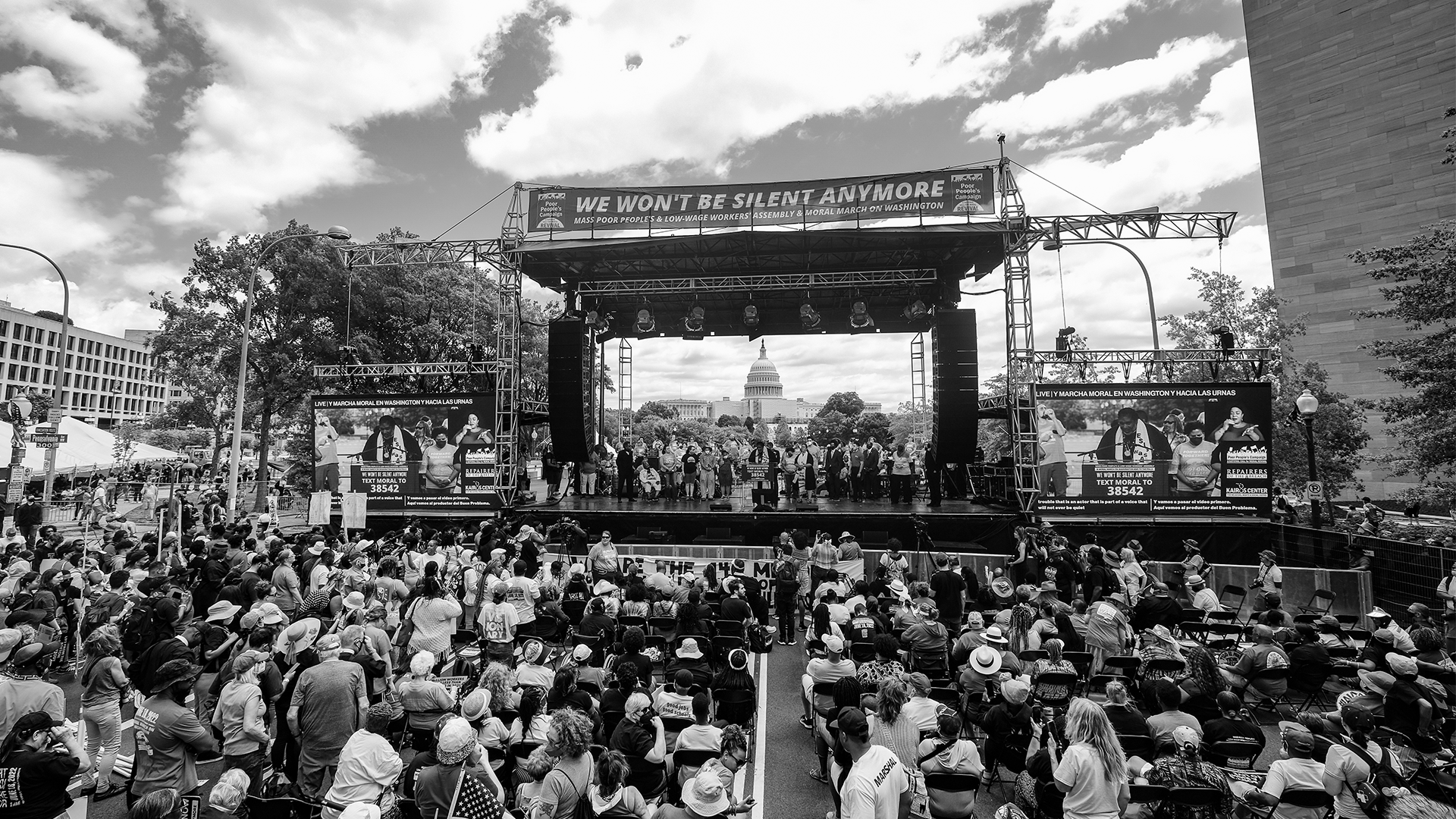
Picture by Steve Pavey from The Mass Poor People’s and Low-Wage Workers’ Assembly and Moral March on Washington and to the Polls . There are thousands of activists looking towards a stage with the Moral Justice Choir. The State Capital Building is in the background.
Last June, we held a historic, generationally transformative gathering of poor and low-wealth people at The Mass Poor People’s and Low-Wage Workers’ Assembly and Moral March on Washington and to the Polls which brought over 100,000 people to DC. In addition those in the streets, digital organizers with the PPC:NCMR have tracked several million people who watched on social media. Justice is coming.
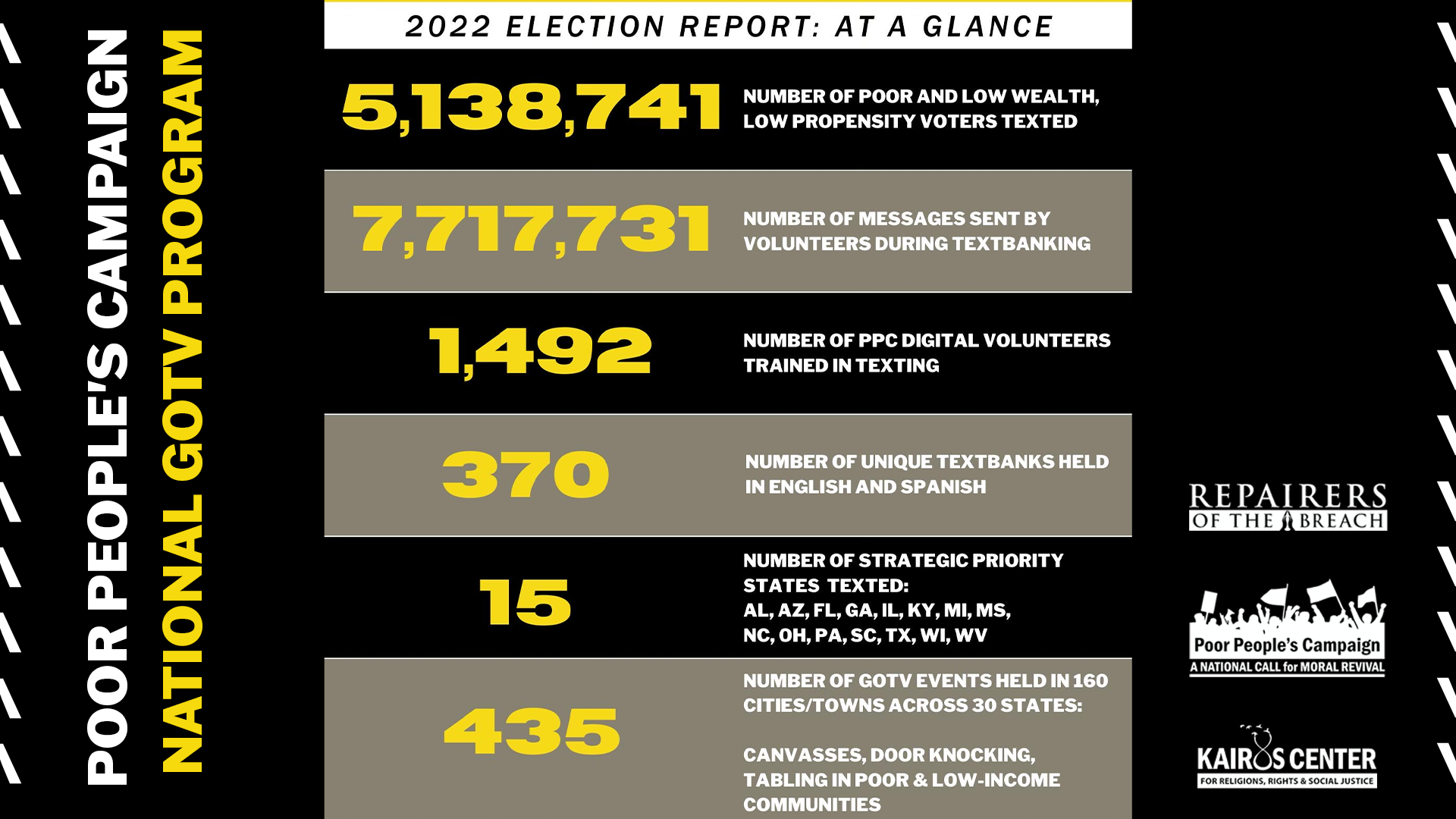
Picture of the successful stats from the PPC's National GOTV program. Over 5.1 million voters were contacted!
Last November, our nationwide Get Out The Vote Mobilization reached over 5.1 million poor and low-wealth voters in 15 priority states, representing 1 out of every 50 eligible voters. We more than doubled our reach from the last election! We are Waking The Sleeping Giant. Justice is coming.This June, we will hold our Poor People’s Moral Action Congress. We will hold major actions in state capitols across the country. We will continue to mobilize, organize, register, and educate. We won’t be silent or unseen anymore.Forward together, not one step back!The Rev Dr William J. Barber, II. President of Repairers of the Breach and co-chair of the Poor People’s Campaign: A National Call for Moral Revival.Rev. Dr. Liz Theoharis, Director of The Kairos Center for Religions Rights and Social Justice and co-chair of the Poor People’s Campaign: A National Call for Moral Revival.

Carey Smith Sipp

carey.pacescommunites@gmail.com

👍 1

Historical Trauma in the American Northwest

January 19, 20231:00 PM2:30 PM EST

January 19th, 2022

10:00am -11:30 am PDT

Historical Trauma in the America Series: Northwest America

Due to its popularity, PACEs Connection’s Race & Equity Workgroup is continuing the “Historical Trauma in America Series”. This event examines historical trauma in the United States and its impact on American society in a series of virtual discussions. It is sponsored by St. David’s Foundation.

The series, which began in July 2021, highlights several regions within the United States and outlines how unresolved historical trauma has impacted every aspect of American life and directly shapes the sociopolitical landscape of today as well as the overall well-being of Americans. The purpose of these discussions is to make connections between America’s history and the current mental health crisis, social determinants of health and the obvious disparities and inequities present in our communities today.

Click here to register in advance!

January 19th discussions will include the treatment of Indigenous Americans and Asian/Pacific Islanders, racial discrimination and labor exploitation among other relevant topics.

Carey Sipp Carey Sipp 1/16/239:00 AM

The Trauma & Triumph of the Civil Rights Movement ‘History. Culture. Trauma.’ podcast Thursday, Jan. 19

Carey Sipp Carey Sipp 1/17/231:28 PM

The historical trauma of the civil rights movement will be explored by “History. Culture. Trauma” podcast hosts Ingrid Cockhren and Mathew Portell this week, as they honor the birthday of slain civil rights leader Dr. Martin Luther King, Jr., and build on last week’s conversation about the generational impact of trauma.

Tune in at 1 p.m. PT, 4 p.m ET for Thursday’s podcast when Cockhren, CEO of PACEs Connection, and Portell, director of education and outreach, will examine the collective trauma the United States experienced during the civil rights era.

Collective trauma, which often goes unacknowledged, damages the basic fabric of society. It is also a crisis of meaning, according to research psychologist Gilad Herschberger of Reichman University in Herzliya, Israel.

“We’ll explore the collective trauma experienced during the end of racial segregation, and the importance of using the science of positive and adverse childhood experiences – PACEs science – to prevent, mitigate and heal historical trauma,” says Cockhren.

Find your podcast provider and click on the link below to listen in live on Thursday, January 12 at 1 p.m. PT; 4 p.m. ET, or to listen at your convenience after the show airs. This site also enables you to click to listen to past episodes of the podcast.

Listen in Apple Podcasts

Listen in Google Podcasts

Listen on TuneIn

Listen on Stitcher

Listen on iHeartRadio

Listen on Spotify

Like us on FaceBook

Connect on LinkedIn

Follow on Twitter

Follow on Instagram

Carey Smith Sipp
carey.pacescommunites@gmail.com

What we keep getting wrong about homelessness and mental illness in the US

Carey Sipp Carey Sipp 1/18/237:00 AM

By Nathianiel P. Morris, Photo: Ed Freeman/Getty Images, The Guardian, January 12, 2023

I scroll through the psychiatry consult list and add Mr C to my list of patients to see. He was transferred from a jail in another county to the jail where I work, where he has never been before, and I’ve been asked to see him for a psychiatric assessment.

As I review his chart, a pattern slowly emerges. An older Black man, Mr C has been arrested a few times over the years, typically for vague charges such as trespassing or disorderly conduct that are difficult to interpret. Is he truly menacing to people around him, or is he just trying to survive while living on the streets? He has little history of mental illness or substance use, except for an issue that seems to arise whenever he is brought to jail: he starts yelling that he doesn’t want to live any more.

When he’s incarcerated, Mr C becomes so distressed that he tears his clothing or sobs loudly throughout the night, to the point where other incarcerated people or custody staff get upset with him. He has been placed on suicide watch in padded jail cells, sent to emergency departments and seen by various mental health professionals, and usually these symptoms resolve within days after he enters jail or when he’s released.

[Please click here to read more.]

Carey Smith Sipp

Intergenerational trauma and the historical trauma of the Holocaust on “History. Culture. Trauma.” podcast, January 26, 2023

Carey Sipp Carey Sipp 1/24/233:24 PM

January 27th is International Holocaust Remembrance Day. It recognizes, as stated by the United States Holocaust Memorial Museum, “the systematic, state-sponsored persecution and murder of six million European Jews by the Nazi German regime and its allies and collaborators, the evolving process that took place throughout Europe between 1933 and 1945.”

Screen Shot 2022-10-12 at 1.25.13 PMThe historical trauma of the Holocaust will be explored by “History. Culture. Trauma.” podcast hosts Ingrid Cockhren and Mathew Portell this week, as they honor the lives of those lost and discuss intergenerational transmission of trauma and historical trauma.

Cockhren, the CEO of PACEs Connection, recommends reading the American Psychological Association’s article on “The Legacy of Trauma”, which features the earliest known study of intergenerational transmission of trauma conducted by Dr. Vivian Rakoff, a Canadian psychiatrist.

According to Cockren, Rakoff studied the descendants of Holocaust survivors and found that they displayed symptoms similar to post-traumatic stress disorder despite not having experienced the Holocaust themselves. Rakoff’s research findings on Holocaust survivors and their descendants led to a greater understanding of the impact of extremely traumatic events on families and across generations.

Tune in at 1 p.m. PT, 4 p.m ET for Thursday’s podcast with Cockhren and Portell, the PACEs Connection director of education and outreach.

Find your podcast provider and click on the link below to listen in live on Thursday, or to listen at your convenience after the show airs. This site also enables you to click to listen to past episodes of the podcast.

Listen in Apple Podcasts

Listen in Google Podcasts

Listen on TuneIn

Listen on Stitcher

Listen on iHeartRadio

Listen on Spotify

Like us on FaceBook

Connect on LinkedIn

Follow on Twitter

Follow on Instagram

Attachments

Hide

Images (1)

Screen Shot 2022-10-12 at 1.25.13 PM

Carey Smith Sipp

carey.pacescommunites@gmail.com