Tag Archives: faith

Trauma-informed policing: Learn how three highly experienced community leaders strengthen ties between police and community

Carey Sipp Carey Sipp 7/24/203:29 PM

ACEs initiative participants in communities where there is tension between the community and law enforcement will want to join Becky Haas in a compelling conversation on law enforcement, ACEs science, COVID-19 and the Black Lives Matter movement and protests. Haas is a nationally recognized adverse childhood experiences (ACEs) science initiative builder and trainer. She and colleagues Renee Wilson-Simmons, the head of the ACE Awareness Foundation of Memphis, Tennessee, and Maggi Duncan, executive director of the Tennessee Association of Chiefs of Police, will share a vision of trauma-informed law enforcement and answer your questions on Friday, July 31 at noon PDT; 3 p.m. EDT.

Wilson-Simmons and Haas will discuss, among other topics, how parents are the key to preventing many ACEs, and give an in-depth look at the ACE Awareness Foundation’s signature program, Universal Parenting Places (UPP), where parents can receive professional counseling, information, and emotional support for family-related issues or concerns, no matter how small. 

Haas and Duncan will discuss how their mutual passion to reduce childhood trauma has led to their work on behalf of Tennessee Governor Bill Lee to launch,  statewide, the Handle with Care (HWC) law, an innovative partnership with law enforcement and education.

In 2016, when Haas was working for the Johnson City Tennessee Police Department, staff was approached by HWC developer, Andrea Darr, about launching the program. Since Haas was simultaneously beginning to train her community about ACEs she knew that HWC was what they needed in her area of Tennessee, ravaged with opioid addiction, to help prevent trauma for children there.
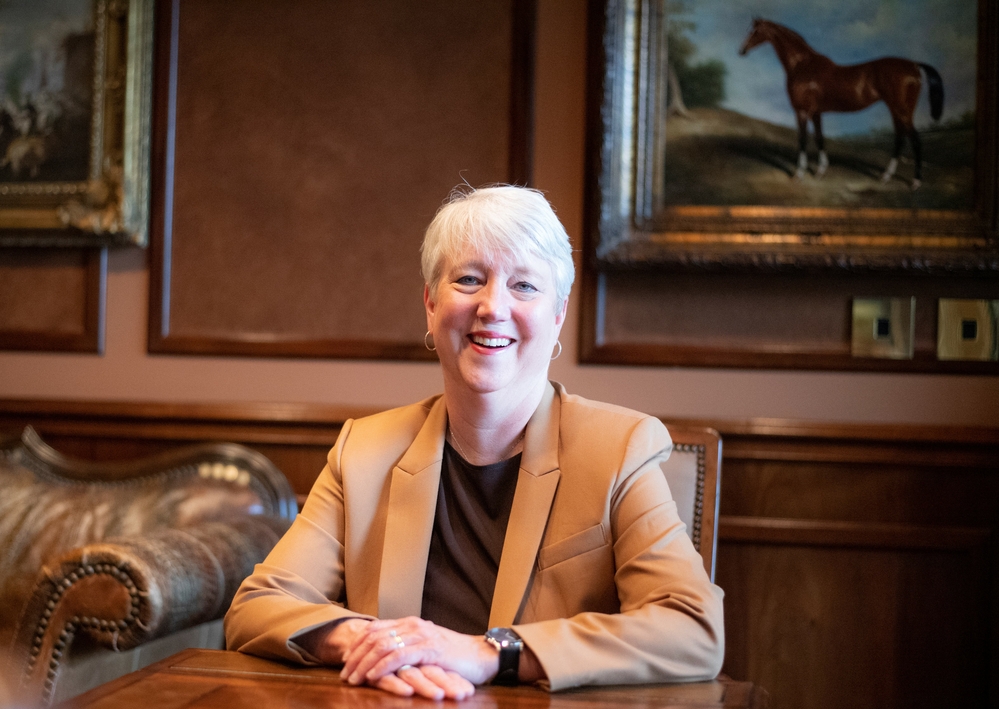
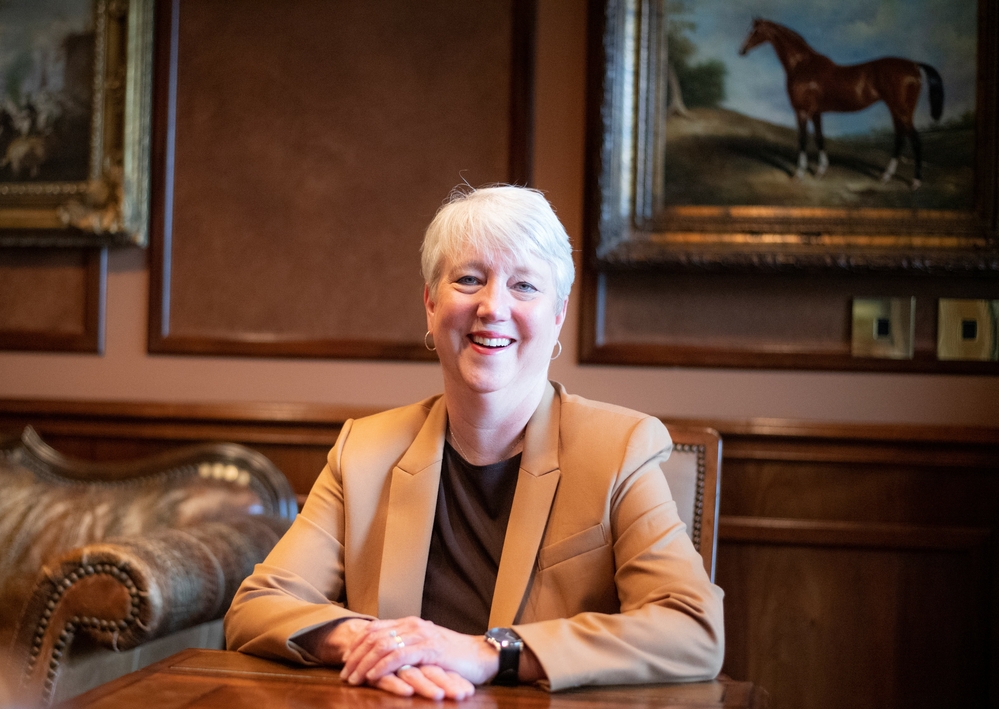
Haas headshot

Haas had started sharing ACEs science with her community shortly after learning about it in 2015. Getting the word about HWC was another step in a long path toward helping the state of Tennessee, and now communities throughout the United States, become more trauma-informed. 

“When children have seen parents fighting, or acting out in other ways on drugs or alcohol, to the point that law enforcement comes to their home, these children are in no shape, emotionally, physically, or mentally, to perform at school the next day. This law helps prevent already traumatized kids from having to take tests or go through other stressors at school. There is little learning done when a child is not rested, fed, regulated, and connected to his or her teachers. This law is about not re-traumatizing already traumatized children, by forcing them to perform when they are wrung out and dysregulated,” Haas said.

“By having law enforcement communicating by email to the child’s school, with only the child’s name and the words ‘handle with care’ on the email, school administrators, teachers, and counselors now know to give a child who needs it some safe and nurturing space and time to rest and recover,” Haas said. 

HWC was among many topics discussed when Haas and her partner in community building, Dr. Andrea Clements, a psychology professor at East Tennessee State University, hosted two governor’s wives, representatives from Tennessee and 20 other states at a Substance Abuse and Mental Health Services Administration forum (SAMHSA) forum in Johnson City in September 2018.

It was at that forum that several of Wilson-Simmons’ staff members from the ACE Awareness Foundation in Memphis shared about what they are doing with regard to the innovative UPP program, based on the work of international speaker Robin Karr-Morse, founder of “The Parenting Institute” based in Portland, Oregon.
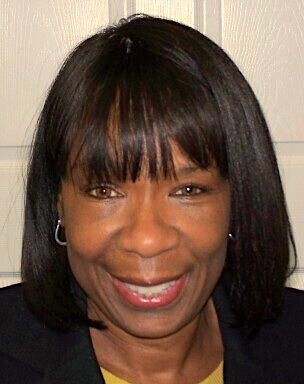
IMG_0001

Haas wanted to know more about this program with four sites in Memphis and one in Leland, Mississippi, and reached out to Wilson-Simmons. 

During the webinar, Wilson-Simmons and Haas will discuss the work done by the ACE Awareness Foundation and the UPPs. She will also ask Wilson-Simmons to share the latest on the work the foundation is doing to develop a partnership with the City of Memphis to ensure that the city’s police officers and emergency medical technicians (EMTs) are aware of ACEs and the important work of the UPPs, and are prepared to share information about the UPPs and make informal referrals to the UPPs.

Webinar participants will also be invited to ask Wilson-Simmons questions about the origin of the partnership, and her advice on how such a partnership might be replicated.

IMG_0280

Haas and Duncan met at the 2018 Tennessee Governor’s Summit, where Haas was speaking. Fellow Summit attendees from the Office of Criminal Justice Programs introduced the two women and Duncan, knowing of Haas’ work in crime reduction and with the Johnson City PD, she knew she wanted her assistance when the time came.  Duncan and the TACP have been providing training on the West Virginia HWC model for a few years but now were ready to look at launching HWC throughout Tennessee and asked Haas to help train law enforcement. This program of the Tennessee Association of Police Chiefs was set to begin this past spring, but was tabled, for now, by COVID-19.

Today Haas consults with leaders in law enforcement, juvenile justice, corrections, education, healthcare, and communities of faith. Her work to help create groundbreaking programs, including Building Strong Brains Tennessee and the Building a Trauma Informed System of Care toolkit, has led her to speaking and meeting officials throughout the country.

Haas and Duncan say that during the webinar they will talk about how HWC is a good starting point for community sectors such as education, police, and child services to begin working together to the benefit of all. They will also

  • Discuss the importance of police understanding trauma/ACEs science
  • Share tools to help reduce trauma on-scene for children
  • Give examples of trauma-informed policing and officer self-care 
  • Paint a picture of some solutions for what has been happening in policing for the last couple of months, since the death of George Floyd in Minneapolis, including the worldwide protests against police brutality and for defunding police forces 
  • Do a reality check on the challenges of taking trauma-informed policies into a police department 
  • Share the benefits of what an informed partnership between officers of the peace could mean for officers and communities 

Click here to register for the Trauma-Informed Policing webinar.

Attachments

Hide

Images (3)

Haas headshot: Becky Haas, adverse childhood experiences (ACEs) science initiative builder and trainer
IMG_0001: Renee' Wilson-Simmons, head of the ACE Awareness Foundation of Memphis, Tennessee
IMG_0280: Maggi Duncan, executive director, Tennessee Association of Chiefs of Police

Files (1)

Building a Trauma Informed System of Care Toolkit.pdf

Carey Smith Sipp

carey.pacescommunites@gmail.com

Tags: Becky HaasTennessee Association of Chiefs of policpolice chiefspoliceGeorge FloydProtestschiefs of policeBlack Lives MatterBuilding a Trauma Informed System of Carlaw enforcementACEs Awareness FoundationStrong Brains Tennessee

Views: 3,477

Community gun violence: Learn how to help reduce it on this week’s History. Culture. Trauma. podcast with guest Timothy Hughes

Carey Sipp Carey Sipp 7/5/221:16 PM

While news of mass shootings, such as the July 4th shooting at an Independence Day Parade in Highland Park, Illinois, dominates media feeds, community gun violence takes more lives and impacts more people in the United States.

This week the PACEs Connection podcast History. Culture. Trauma, again focuses on gun violence in America, with a conversation departing from the focus on mass shootings, to instead look at community violence and solutions to community violence with policy analyst and activist Timothy Hughes.

Screen Shot 2022-05-24 at 5.01.02 PM“Whereas, active shooter situations and school shootings tend to dominate our mainstream news outlets, community gun violence is often not given as much attention,” said Ingrid Cockhren, PACEs Connection CEO and co-host of the podcast.

“Community violence overwhelmingly impacts low-income communities and communities of color. Mainstream news coverage of this type of violence seldom focuses on mental health, trauma or even real solutions. Instead, violence in these communities is often viewed through the lens of culture.” said Cockhren.

Hughes, who is currently a research fellow at The Mosaic Changemakers, is also commentator, columnist, community organizer, educator, human rights advocate, and public intellectual, working at the intersection of public policy and social justice. He’s been involved with Gideon’s Army in Nashville, Tennessee, and their group of community members called Violence Interrupters.

He recently appeared in a PACEs Connection webinar about gun violence with Cockhren, who has hosted several 2022 events to explore gun violence, including the first episode of the History, Culture, Trauma podcast in which she and  PACEs Connection founder and publisher Jane Stevens discussed “How the News Media Suck at Violence Reporting” and how “integrating knowledge of the science of positive and adverse childhood experiences could help reduce and prevent violence, [and] help reduce systemic racism and its effects.”

Cockhren also recently interviewed the first “Minister of Gun Violence Prevention,” the Rev. Deanna Hollas, who wrote a blog post, “Why White Churches Need to Start Chopping Up Guns” in her role with the Presbyterian Peace Fellowship.

“In this year alone, there have been more mass shootings in America than in any other year on record. Since 2020, America has been ravaged by a pandemic and endured political divide, nationwide protests and civil unrest. It is apparent that the collective traumas of the past two years have accelerated America’s already dire gun violence crisis,” said Cockhren.

According to statistics from Giffords, the gun violence information and prevention website founded by former congresswoman Gabrielle Giffords, herself a victim of gun violence, in 2020 gun deaths reached their highest level in at least 40 years. Citing the Centers for Disease Control, the site reported 45,222 deaths in 2020.

Black men make up 52% of all gun homicide victims in the US, despite comprising less than 6% of the population, according to Giffords.

Further, firearm-related injuries became the leading cause of death in children ages 1 – 19, according to the 2020 statistics from The New England Journal of Medicine.

Tune in Thursday at 1 p.m. PT; 4 p.m. ET, to hear more of the discussion on the community gun violence as a social justice issue, and ways to reduce community gun violence.

To hear prior episodes via your favorite podcast service, use the links below.

Attachments

Hide

Images (1)

Screen Shot 2022-05-24 at 5.01.02 PM

Carey Smith Sipp

carey.pacescommunites@gmail.com

More than a day, we are and have been building a moral fusion movement [poorpeoplescampaign.org]

Carey Sipp Carey Sipp 1/16/238:14 AM

By The Rev. Dr. William J. Barber II and Rev. Dr. Liz Theoharis, Jan. 14, 2023 – The Poor People’s Campaign –  This Martin Luther King Day, we must continue a campaign for social, political and economic rights, not simply to commemorate a man. This nation needs a different kind of Martin Luther King Day. More than a day, we are and have been, building a moral fusion movement. We need a movement led by poor and low-wage workers pushing for a Third Reconstruction and declaring that we don’t want some of our justice, we want all of our justice.Fifty years after Dr. King and other leaders like Caesar Chavez, Hank Adams, Bertha Burres, Myles Horton, welfare rights moms, the Jewish Federation and others called for a Poor People’s Campaign, poor and marginalized people across America have united not to commemorate their vision, but to consecrate a new movement that has the ability to transform the heart and soul of this nation, and the moral structures of society. The legacy of Fannie Lou Hamer, Rev. Douglass Kirkpatrick, Jimmy Collier, Betty Mae Fikes, Mary Wright Edelman – who brought the idea of forming a Poor People’s Campaign along with The National Welfare Rights Organization – and countless unnamed leaders from the ranks of the poor is, us. We carry on their legacy by building this national campaign organized around the needs and demands of the 140 million poor and low-wealth people in this nation. With over 35 state coordinating committees across the country, we are declaring we won’t be silent anymore!
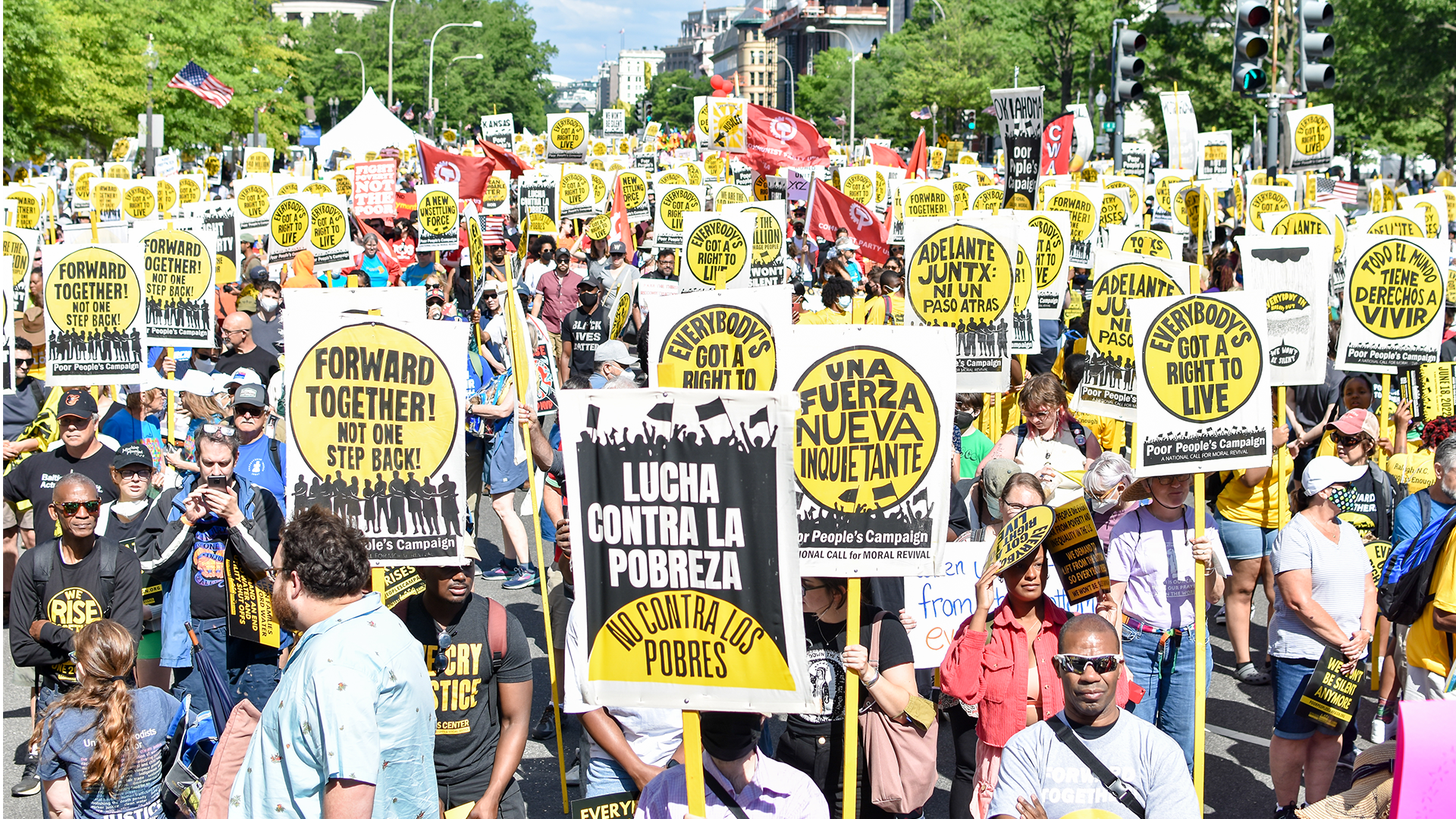
Picture by Emily Farthing from The Mass Poor People’s and Low-Wage Workers’ Assembly and Moral March on Washington and to the Polls . There are thousands of activists holding signs that read
This moral fusion movement is on the move! This weekend, state campaigns from coast to coast are taking action and shaking the very chains of the interlocking injustices of systemic racism, militarism, poverty, ecological devastation, and the false moral narrative of religious nationalism. The actions below serve as just a few examples of our work. It is important to reiterate this because we have built, and will continue, to build a movement, not just a moment.On January 16th, the California Poor People’s Campaign is hosting readings of our Third Reconstruction Agenda as part of the launch of their new Third Reconstruction Agenda campaign: Close the Wealth Gap, CA! They started this initiative last month to celebrate the success of the GOTV efforts across the state and outlined their plans for 2023.The Maine Poor People’s Campaign held a watch party of “Moral Policy Is Good Economics” featuring our Policy Director, Shailly Gupta Barnes.Earlier this week, the Maryland Poor People’s Campaign and other social change partners gathered in Annapolis for the opening of the 2023 Maryland General Assembly and handed out fact sheets with our 2023 legislative priorities.Yesterday, the Massachusetts Poor People’s Campaign gathered at The Cathedral Church of St Paul, Boston prior to the unveiling of The Embrace Sculpture to discuss the work and legacy of Dr Martin Luther King Jr and Coretta Scott King and the Poor People’s Campaign: A National Call for Moral Revival.The Mississippi Poor People’s Campaign continues to sound the alarm on the decades of neglect by crying out for clean water and the right to keep it public. These are just a few examples from our statewide coordinating committees.This weekend, the New York Poor People’s Campaign will be hosting three hybrid mass meetings to lift up a new ground-breaking State of the State Report (available in both English and Spanish) which documents the prevalence of poverty and mass inequality in the state. Did you know that more than half of all children in NY State are poor or low income and that homelessness in New York City is reaching the highest levels since the Great Depression?Last month the Rhode Island Poor People’s Campaign brought the lack of housing back to their State House, pointing out the “short term nature” of their Governor’s “response” to an exploding epidemic of homelessness.Indeed from Appalachia to Alabama, the Carolinas to California, the Borderlands to the Bronx, from the hood to the holler, people are uniting under the banner, “We Won’t Be Silent Anymore!!”
Picture by Steve Pavey from The Mass Poor People’s and Low-Wage Workers’ Assembly and Moral March on Washington and to the Polls . There are thousands of activists looking towards a stage with the Moral Justice Choir. The State Capital Building is in the background.
Last June, we held a historic, generationally transformative gathering of poor and low-wealth people at The Mass Poor People’s and Low-Wage Workers’ Assembly and Moral March on Washington and to the Polls which brought over 100,000 people to DC. In addition those in the streets, digital organizers with the PPC:NCMR have tracked several million people who watched on social media. Justice is coming.
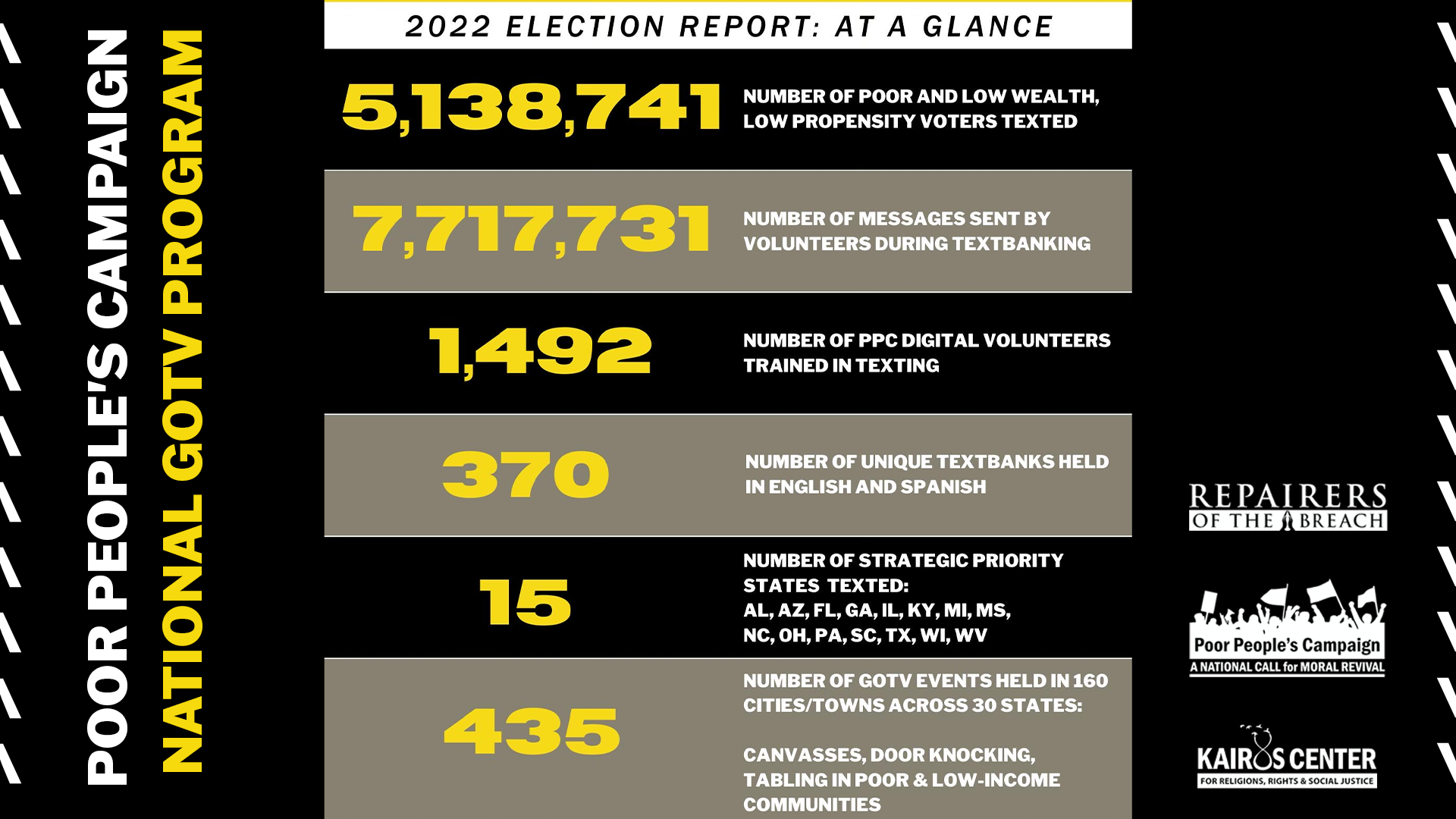
Picture of the successful stats from the PPC's National GOTV program. Over 5.1 million voters were contacted!
Last November, our nationwide Get Out The Vote Mobilization reached over 5.1 million poor and low-wealth voters in 15 priority states, representing 1 out of every 50 eligible voters. We more than doubled our reach from the last election! We are Waking The Sleeping Giant. Justice is coming.This June, we will hold our Poor People’s Moral Action Congress. We will hold major actions in state capitols across the country. We will continue to mobilize, organize, register, and educate. We won’t be silent or unseen anymore.Forward together, not one step back!The Rev Dr William J. Barber, II. President of Repairers of the Breach and co-chair of the Poor People’s Campaign: A National Call for Moral Revival.Rev. Dr. Liz Theoharis, Director of The Kairos Center for Religions Rights and Social Justice and co-chair of the Poor People’s Campaign: A National Call for Moral Revival.

Carey Smith Sipp

carey.pacescommunites@gmail.com

👍 1

The fourth leading cause of death in the US? Cumulative poverty [theguardian.com]

Carey Sipp Carey Sipp 6/26/232:19 PM

‘Cumulative poverty over many years is the fourth leading cause of death in this country.’ Photograph: Bryan Olin Dozier/NurPhoto/Shutterstock

By Reverend William Barber and Gregg Gonsalves, The Guardian, June 22, 2023

Can you name the top 10 causes of death in America? Without too much trouble, most Americans could likely come up with some of them: cancer, heart disease, stroke, accidents. But it would come as a surprise to many to know that poverty is right up there with these other dreaded scourges – much higher, in fact, than many ills that have inspired investigative committees, major policy investments and sustained attention from the public and private sectors in American life.

recent study by one of our colleagues shows that cumulative poverty over many years is the fourth leading cause of death in this country. Current poverty – just being poor right now – is seventh on that list, and it alone causes 10 times as many deaths as homicide, close to five times as many deaths as gun violence, and 2.5 times as many deaths as drug overdoses. Cumulative poverty that lingers year after year is associated with approximately 60% more deaths than current poverty, putting only heart disease, cancer and smoking-related deaths ahead in the number of Americans it kills.

But if this is true, why do we hear so much about crime rates, opioids and gun violence in America, but so little from our elected leaders about the crisis of poverty? Why is there no “Surgeon General’s Warning” on low-wage jobs? The relationship of poverty to disease and death is a well-established fact detailed in reports by the World Health Organization, the World Bank and our own government. But we as a people have become numb to the unnecessary deaths that are normalized by the ways we often think and talk about the economy in public life.

[Please click here to read more.]

Carey Smith Sipp

Community gun violence: How to reduce it?  Join Encore episode of History. Culture.Trauma. with educator and social justice proponent Timothy Hughes Thursday, July 6 at 1 p.m. PT; 4 p.m. ET

Carey Sipp Carey Sipp 7/4/233:37 PM

Graphic from a May 8, 2023 report on ABC News.

While news of mass shootings, such as the July 3 shooting deaths of five men in Philadelphia,  mirror the rash of shootings in 2022 and dominate media feeds, community gun violence takes more lives and impacts more people in the United States.

Screen Shot 2023-07-04 at 5.19.17 PM

This week the PACEs Connection podcast History. Culture. Trauma,  again focuses on gun violence in America, with a conversation departing from the focus on mass shootings, to instead look at community violence and solutions to community violence with policy analyst and activist Timothy Hughes.

“Whereas, active shooter situations and school shootings tend to dominate our mainstream news outlets, community gun violence is often not given as much attention,” said Ingrid Cockhren, PACEs Connection CEO and co-host of the podcast.

Screen Shot 2023-06-06 at 4.50.27 PM“Community violence overwhelmingly impacts low-income communities and communities of color. Mainstream news coverage of this type of violence seldom focuses on mental health, trauma or even real solutions. Instead, violence in these communities is often viewed through the lens of culture.” said Cockhren.

Hughes, who currently serves as a policy consultant at Black Clergy Collaborative of Memphis, is also commentator, columnist, community organizer, educator, human rights advocate, and public intellectual.  He works at the intersection of public policy and social justice and has been involved with Gideon’s Army in Nashville, Tennessee, and their group of community members called Violence Interrupters.

Hughes appeared in a PACEs Connection webinar about gun violence with Cockhren, who hosted several 2022 events to explore gun violence, including the first episode of the History, Culture, Trauma podcast in which she and  PACEs Connection founder and publisher Jane Stevens discussed “How the News Media Suck at Violence Reporting” and how “integrating knowledge of the science of positive and adverse childhood experiences could help reduce and prevent violence,(and) help reduce systemic racism and its effects.”

“In this year (2023), there have been more mass shootings in America than in any other year on record. As of May 8, 2023, there had been 131 mass shootings with four or more people wounded or killed so far as compared to 113 at the same time last year. Since 2020, America has been ravaged by a pandemic and endured political divide, nationwide protests and civil unrest. It is apparent that the collective traumas have accelerated America’s already dire gun violence crisis,” said Cockhren.

According to statistics from the Centers for Disease Control and Prevention, and reported in March by CNN, firearms have been the leading cause of death for US children and teens since 2020, representing 19% of all deaths for children 18 years and younger in 2021.

Tune in Thursday at 1 p.m. PT; 4 p.m. ET, to hear more of the discussion on the community gun violence as a social justice issue, and ways to reduce community gun violence.