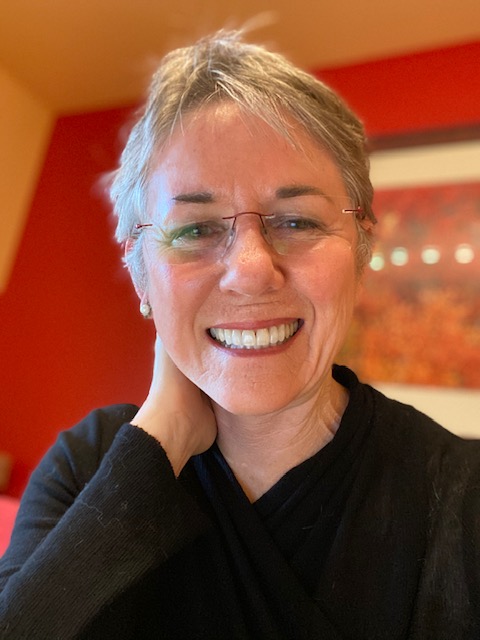
“We typically don’t talk about poverty as a condition that benefits some of us,” Desmond writes in his morally charged manifesto. “It seems we prefer more absolving theories of the problem.”Photograph by Philip Montgomery for The New Yorker
By Margaret Talbot, The New Yorker, March 13, 2023
“Books about poverty tend to be books about the poor,” the sociologist Matthew Desmond writes in “Poverty, by America” (Crown). That’s true whether the motivation is to blame the poor for their lot—chronicling the supposed pathologies creating a “culture of poverty”—or, more commonly nowadays, to generate empathy via detailed ethnographies of survival and agency amid deprivation. It was true of the first books that set out to systematically map and measure poverty, such as the Victorian reformer Charles Booth’s seventeen-volume “Life and Labour of the People in London,” and of Progressive Era attempts to rattle the consciences of the well-off, like Jacob Riis’s document of New York tenement life, “How the Other Half Lives.”
When Michael Harrington wrote his 1962 classic, “The Other America,” a work of morally charged narrative nonfiction often credited with helping to inspire the War on Poverty, his aim was to reveal the “socially invisible” poor to the rest of America. A cocoon of postwar prosperity and complacency, he wrote, blinkered “middle-class women coming in from Suburbia on a rare trip,” who might “catch the merest glimpse of the other America on the way to an evening at the theater”; it also blinkered “the business or professional man,” who might “drive along the fringes of slums in a car or bus” without regarding it as “an important experience.” The book’s dominant rhetorical modes, as Harrington’s biographer Maurice Isserman notes, were paradox and revelation. If the scales were pulled from the eyes of his well-meaning readers, they would see, in the shadows of American plenty, tens of millions of poor people, whom Harrington catalogued and described: rural poor, city-dwelling slum poor, alcoholic skid-row poor, and so on—all of them urgently needing the help of the government and liberal élites. Even a book like Charles Murray’s “Losing Ground,” an influential neocon attack on “welfare dependency,” from 1984, focussed on the poor themselves, if only so that Murray might make an argument about how they had immiserated themselves by adapting to anti-poverty policies.
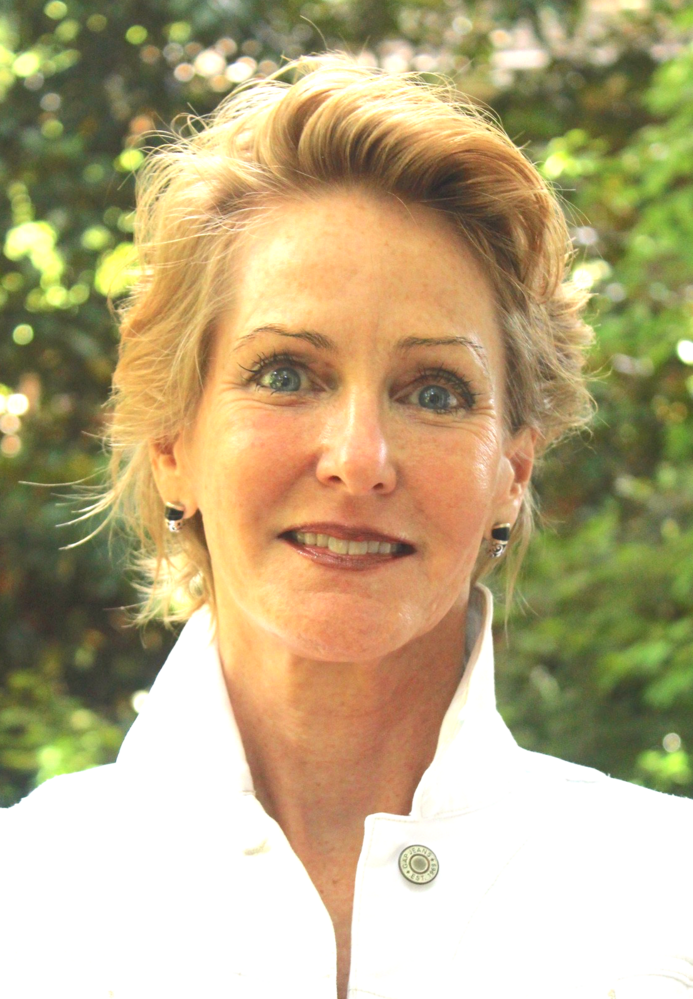
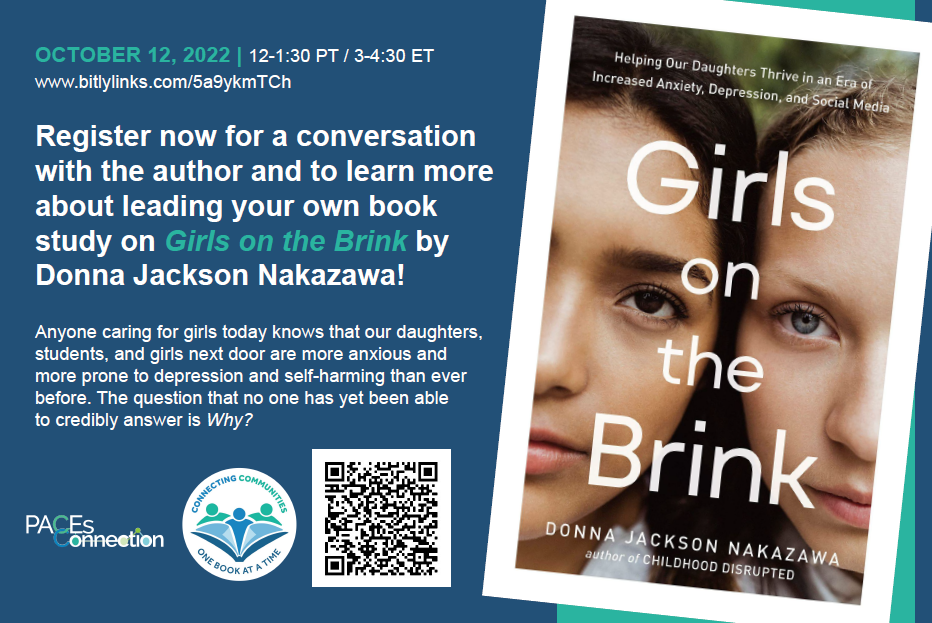
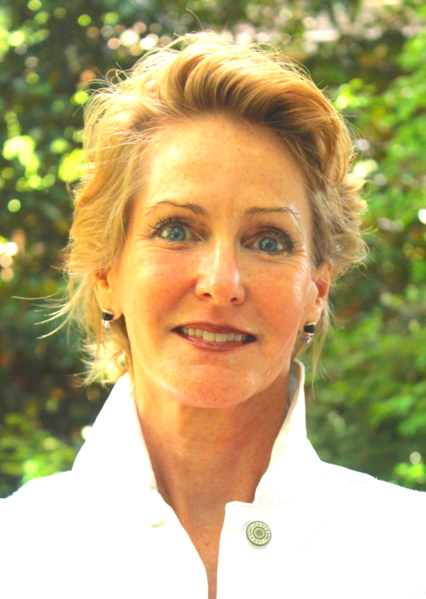
A headline earlier this year said it simply: Social Media is Devastating Girls Mental Health.Donna Jackson Nakazawa, an award-winning science journalist and the author of seven books exploring the intersection of neuroscience, immunology, and human emotion, is featured in this week’s episode of History Culture. Trauma, and explains the crisis facing today’s girls as being a biologically rooted phenomenon, and more, and offers solutions to the crisis that has many parents wondering what they can do.“The earlier onset of puberty mixes badly with the unchecked bloom of social media and cultural misogyny. When this toxic clash occurs during the critical neurodevelopmental window of adolescence, it can alter the female stress-immune response in ways that derail healthy emotional development,” explains Nakazawa.This week’s encore episode of History. Culture. Trauma. is an excerpt from a recorded interview of Nakazawa conducted by PACEs Connection team members Carey Sipp and Natalie Audage in October, 2022, as a part of the PACEs Connection Connecting Communities One Book at a Time initiative. The initiative featured her latest book Girls on the Brink:Helping Our Daughters Thrive in an Era of Increased Anxiety, Depression, and Social Media. The book was published last October.In this interview, Nakazawa focuses on the impact of modern society on adolescent girls. “Anyone caring for girls today knows that our daughters, students, and girls next door are more anxious and more prone to depression and self-harming than ever before. The question that no one has yet been able to credibly answer is “Why?”Nakazawa was clear that while she sees much to worry about girls’ mental health today, she also has hope. She offers 15 antidotes or “strategies for raising emotionally healthy girls” in the book and spoke about a several of them during the webinar from which this interview is gleaned. (See below for resources, including a link to the longer webinar interview in which she details the strategies.)Antidotes fall into three categories and include three on “the building blocks of good parent-child connection, and the importance of family connection,” six antidotes for “making her home a safe space,” and six antidotes to “bring in what the wider community can provide.” The longer webinar interview honed in on at least one antidote from each of the three categories, including making it a good experience when your daughter turns to you, the importance of “wonder”, and encouraging a sense of mastery.Jackson Nakazawa has appeared on The Today Show and NPR, and is a regular speaker at universities, including the Harvard Division of Science Library Series, Rutgers University, Johns Hopkins, Learning and the Brain, and the Andrew Weil Center for Integrative Medicine at the University of Arizona. She is also the creator and founder of the narrative writing-to-heal program, which uses a process called Neural Re-Narrating to help participants recognize and override their brain’s old thought patterns and internalized stories.
Listen to “History. Culture. Trauma.” here online on Thursday, or access this, or prior podcasts, at the podcast service of your choice listed below.
As a reflection on the past weekend’s celebration of Juneteenth, and the historical trauma of chattel slavery influencing our lives today, this week’s episode of the History. Culture. Trauma podcast is an excerpt from a recorded interview of Dr. Bruce Perry conducted by hosts Ingrid Cockhren, PACEs Connection CEO, and Mathew Portell, director of education and outreach, in June, 2022.
In this interview Perry discusses, within the context of historical trauma, his #1 New York Times Bestseller “What Happened to You? Conversations on Trauma, Resilience, and Healing” (2021), which he co-authored with Oprah Winfrey.
“If you don’t understand history, you’re never going to understand trauma. And if you don’t understand trauma, you’re never going to understand history. And this is part of our problem as a field,” said Perry in the wide-ranging interview discussing the intersecting fields of trauma and historical trauma.
“There are some really exciting and important things that are happening in the area of historical trauma,” said Perry. He addressed the history of colonialism, treatment of indigenous people, kidnapping and enslavement that are such a part of the history and historical trauma of the United States.
“You know, we are living in systems that are fundamentally colonial in construction,” he said. “And colonialism basically means I’m going to come into your space, your place, and I’m going to take your things and I’m going to make you feel privileged, if I give you a little bit of it back.”
Historical perspectives about trauma deserve “as much attention and funding and support” as is given to people studying the effects of a drug on post traumatic stress disorder (PTSD), or the effects of other treatments, he said.
Perry is the principal of the Neurosequential Network, senior fellow of The Child Trauma Academy and adjunct professor in the Departments of Psychiatry and Behavioral Sciences at the Feinberg School of Medicine at Northwestern University in Chicago and the School of Allied Health, College of Science, Health and Engineering, La Trobe University, Melbourne, Victoria Australia.
According to his website, “Over the last thirty years, Dr. Perry has been an active teacher, clinician and researcher in children’s mental health and the neurosciences holding a variety of academic positions. His work on the impact of abuse, neglect and trauma on the developing brain has impacted clinical practice, programs and policy across the world. Dr. Perry is the author, with Maia Szalavitz, of “The Boy Who Was Raised As A Dog”, a bestselling book based on his work with maltreated children, and “Born For Love: Why Empathy is Essential and Endangered”.
Perry, a native of Bismarck, North Dakota, earned his undergraduate degree at Stanford University and Amherst College. He attended medical and graduate school at Northwestern University, receiving both M.D. and Ph.D. degrees, and completed a residency in general psychiatry at Yale University School of Medicine and a fellowship in Child and Adolescent Psychiatry at The University of Chicago.
To listen to Thursday’s podcast at 1 p.m. PT, 4 p.m. ET, click here.
To hear prior episodes via your favorite podcast service, use the links below.
A headline earlier this year said it simply: Social Media is Devastating Teen’s Mental Health.Donna Jackson Nakazawa, an award-winning science journalist and the author of seven books exploring the intersection of neuroscience, immunology, and human emotion, is featured in this week’s encore episode of History Culture. Trauma.Jackson Nakazawa explains the crisis facing today’s girls as being a biologically -rooted phenomenon, and more, and offers solutions to the crisis that has many parents wondering what they can do.“The earlier onset of puberty mixes badly with the unchecked bloom of social media and cultural misogyny. When this toxic clash occurs during the critical neurodevelopmental window of adolescence, it can alter the female stress-immune response in ways that derail healthy emotional development,” explains Nakazawa.This week’s episode of History. Culture. Trauma. is an excerpt from a recorded interview of Jackson Nakazawa conducted by PACEs Connection team members Carey Sipp and Natalie Audage in October, 2022, as a part of the PACEs Connection Connecting Communities One Book at a Time initiative. The initiative featured Jackson Nakazawa’s latest book, Girls on the Brink:Helping Our Daughters Thrive in an Era of Increased Anxiety, Depression, and Social Media. The book was published last October.In the interview, Jackson Nakazawa focuses on the impact of modern society on adolescent girls. “Anyone caring for girls today knows that our daughters, students, and girls next door are more anxious and more prone to depression and self-harming than ever before. The question that no one has yet been able to credibly answer is “Why?”Jackson Nakazawa was clear that while she sees much to worry about girls’ mental health today, she also has hope. She offers 15 antidotes or “strategies for raising emotionally healthy girls” in the book and spoke about a several of them during the webinar from which this interview is gleaned. (See below for resources, including a link to the longer webinar interview in which she details the strategies.)Antidotes fall into three categories and include three on “the building blocks of good parent-child connection, and the importance of family connection,” six antidotes for “making her home a safe space,” and six antidotes to “bring in what the wider community can provide.” The longer webinar interview honed in on at least one antidote from each of the three categories, including making it a good experience when your daughter turns to you, the importance of “wonder”, and encouraging a sense of mastery.Jackson Nakazawa has appeared on The Today Show and NPR, and is a regular speaker at universities, including the Harvard Division of Science Library Series, Rutgers University, Johns Hopkins, Learning and the Brain, and the Andrew Weil Center for Integrative Medicine at the University of Arizona. She is also the creator and founder of the narrative writing-to-heal program, which uses a process called Neural Re-Narrating to help participants recognize and override their brain’s old thought patterns and internalized stories.
Listen to “History. Culture. Trauma.” here online on Thursday, or access this, or prior podcasts, at the podcast service of your choice listed below.
How traumatizing is it when something that is supposed to be a support ends up evoking trauma?
Tune into this Thursday’s History. Culture. Trauma. podcast at 1 p.m. PT; 4 p.m., ET, when guest Janyne McConnaughey, PhD, will talk with hosts Ingrid Cockhren, CEO of PACEs Connection, and Mathew Portell about how shame and blame theology, and the stigmatization of mental health supports, can inflict trauma.
“A supportive community can serve as a primary catalyst for healing individual and collective trauma,” said Portell, PACEs Connection director of communities. He grew up as the son of a minister, and has talked with McConnaughey about their mutual experiences in the church.
McConnaughey will discuss her latest book, “Trauma in the Pews: The Impact on Faith and Spiritual Practices”, and her extensive work as a trauma-informed author and speaker. The book draws on her 33-year career training teachers and ministry workers at colleges and universities, as well as her life-long involvement in church ministry.
McConnaughey began her healing from the impact of her childhood trauma at the age of 61. Realizing that healing was possible for survivors, she’s written two other books describing the effects of childhood trauma and the paths to healing that changed her life.
McConnaughey holds a PhD in educational leadership and innovation from Colorado State University–Denver and currently serves as president of the board of directors for the Attachment & Trauma Network (ATN).
She is also a distinguished visiting professor at Tabor College. She and her husband live with their rescue dog, Weber, south of Seattle, where they enjoy exploring the Pacific Northwest and spending time with their children and grandchildren.
Register now for this free event on March 27Noon to 1pm EST!In the early months of the year, the Trump Administration introduced sweeping health policy changes with implications for nonprofits and community organizations. Shifts in federal funding, evolving agency priorities, and potential cuts to key health initiatives are raising big questions.CHC: Creating Healthier Communities invites all nonprofit and for-profit leaders to join a webinar March 27 from noon to 1 p.m. to learn more about
🔹 What these changes mean for funding and compliance 🔹 How nonprofits can adapt their messaging strategies 🔹 What challenges—and opportunities—lie ahead
Luke Hartig, a seasoned expert in policy and governance, will provide key insights. Jean Accius, president and CEO of Creating Healthier Communities (CHCImpact.org) will share updates on how CHC is navigating these shifts to continue improving community health.
This event is for nonprofit professionals at all levels—including those in development, communications, and leadership—who want to stay ahead of federal policy changes in this evolving landscape.
(L-R) Morgan Zehner of Creating Healthier Communities (CHC), Luke Hartig of Gravity Research, and Carey Sipp of CHC discuss funding sources and the importance of language in current government funding applications.
NOTE: During our Creating Healthier Communities (CHC) Board meeting in Alexandria, Virginia two weeks ago, I heard Hartig speak and answer questions about how to frame the work being done in communities and nonprofits during this time of heightened sensitivity to how the work is described. In my work at PACEs Connection and Creating Healthier Communities I see takeaways that may bode well for resilient communities with regard to how we frame our work. Specifically? While we know certain terms such as diversity, equity, and inclusion (for which we will continue to advocate at PACEs Connection) are words that can cause a negative response in this political climate, some words we use often to describe our work are in favor and will be seen as positive descriptors to potential funders and government agencies.
Words that may help communities gain traction include
– prevention
– health access
– holistic care
– rural supports and focus
Hartig will likely offer additional updates on the importance of word use in funding applications and more when we meet on Thursday. I hope you will register and join us!
Editor’s note: It is with a heavy heart that Dana Brown and I share this information about our beloved former staff member of PACEs Connection, and friend, Elizabeth Prewitt.
Elizabeth and PACEs Connection founder Jane Stevens were lifelong friends and colleagues and would likely say their work together at PACEs was among the best they did.
We invite you to share remembrances of Elizabeth in space below this story. Together, we remember her determination, commitment to journalistic excellence, her fierce love of her children and her marriage, her love of books, yoga, community, and her grandchildren.
Washington Post – August 31, 2025 — Family-provided obituary — Elizabeth Harner Prewitt died on the morning of Tuesday, August 26, 2025 with her daughter and husband by her side at home in Washington, DC. Born in Lexington, Kentucky, she was 77 years old.
Employing skills gained during a five-decade career in government relations and advocacy, Elizabeth devoted much energy in the last five years of her life to learning and teaching members of the Mount Pleasant Village about the options that can be exercised as the end of life approaches. Her own final days became a lesson in clear planning and acceptance of death’s place in life’s arc.
Elizabeth’s start in Washington came in the office of Congressman Phil Ruppe of Michigan, who gave her a job when she arrived in the capital fresh out of the University of Kentucky. Eventually earning a Master’s degree from George Washington University, Elizabeth went on to work in government relations for the American Institute of Architects, the American College of Physicians, and the National Association of State Mental Health Program Directors. Her last professional position was as a writer and advocate for PACES Connection, working to increase knowledge about and demand for programs and policies aimed at preventing adverse childhood experiences and building resilience in individuals, systems, families, and communities.
The secret to Elizabeth’s professional standing and the love her family, friends, and neighbors felt for her was a rare combination of deep concern for others, gentle thoughtfulness, and a true moral compass. She loved living in Washington and, especially, the Mount Pleasant neighborhood, her home for the last decade and a half of her life. When the brain tumor that killed her was diagnosed, she was relieved to be facing a quick end, as she was grateful for the life she had led and wanted to avoid a prolonged decline if she could. As courageous as it was to forgo intrusive and unpleasant treatment, her decision was an instinctive reflection of her deeply held values. She knew very well that not everyone had the options that came her way.
She is survived by her husband William Emmet and daughter Elizabeth Castaneda. Known as Nookie by her siblings and childhood acquaintances, Elizabeth leaves sisters Sallie Prewitt, Susan Goodrich, Patricia Prewitt, and brother John Prewitt, along with their spouses and their children, her nieces and nephews. She will be missed by her grandchildren Mateas and Tiago Castaneda, step-grandchildren Flora and August Emmet Stewart and Juno Emmet, and stepchildren Nicholas Emmet and Susanna Emmet.
A gathering in Elizabeth’s memory will be scheduled in the fall, and her family will inter her ashes in Lexington Cemetery in Kentucky. Donations in her memory can be made to a cause of your choice or to Mount Pleasant Village (mountpleasantvillage.org).
To plant trees in memory, please visit the Sympathy Store.
Published by The Washington Post on Aug. 31, 2025.
(Note: This brief obituary was lovingly crafted with the support of Cherie Porter, Jane Ellen Stevens’ closest long-term friend; Dana Brown, one of the first employees of what became PACEs Connection; and Lori Dorfman, DrPH, MPH, director of the Berkey Media Studies Group, Jane’s friend with whom she taught and worked.)
Jane Ellen Stevens, beloved friend, award winning science journalist, and founder and publisher of ACEsTooHigh.com and PACEsConnection.com, died gratefully at her home in Northern California on Sunday, November 30th, in the company of her four cats and friend of 45 years, Cherie Porter.
Jane lived an active engaged life for seven years after her initial diagnosis of glioblastoma in 2018, followed by surgery, chemo, and radiation. In February of this year a second tumor foretold the inevitable, ultimately leading Jane to choose a “self-administered assisted death”, an end of life option in California.
Friends and colleagues were informed within the hour through the following message from Cherie:
The vivacious, wholly unique, and luminous star we have known as Jane, was extinguished at 12:00 p.m. on this day. She felt your love deeply, reflected love back, and was completely at peace.
Jane was born August 23, 1948 in New Jersey. Her career as a science journalist spanned nearly five decades and touched millions of lives world-wide through articles and stories in newspapers, magazines, videos and podcasts. Among others, she wrote for the Boston Globe, the San Francisco Examiner, the magazines Science, Nature, National Geographic, Technology Review, and the Los Angeles Times Magazine. She pioneered video journalism for New York Times TV and founded a health/science/technology feature service with more than 20 client news organizations worldwide.
As a multimedia journalist, Jane reported for Discovery Channel. At UC Berkeley’s Graduate School of Journalism, she helped found the multimedia reporting track, did groundbreaking work reporting on the prevalence and impact of domestic violence, and taught master classes for journalists on the importance of including in stories how exposure to trauma affects the epidemiology of violence.
Struck by the significance of findings in the 1998 Adverse Childhood Experiences (ACE) Study published by Kaiser Permanente and the Centers for Disease Control, Jane started writing about the study in 2005, with a post in the Sacramento Bee, “Targeting obesity at its roots: Childhood trauma may be at the core of the epidemic of overweight adults”. (As Jane was not a staff journalist at the Sacramento Bee, that post is not available in the publication’s online library.)
In 2009, Jane founded ACEsTooHigh.com, a news site for journalists and the general public. On this site she ultimately reposted the 2005 story which featured Dr. Vincent Felitti, co-principal author of the 1998 ACE Study, under the headline, “The Adverse Childhood Experiences Study — the largest, most important public health study you never heard of — began in an obesity clinic.” This article was among many of Jane’s ACEs Connection and then PACEs Connection posts that “went viral”, was picked up by news services, and generated hundreds of thousands, if not millions, of page views, helping increase awareness of ACEs Science. It also launched a two-decade, mutually respectful friendship between Jane and Dr. Felitti, the beginning of what would become the ACEs Science movement.
In 2012 Jane launched ACEs Connection.com, a social network comprising ACEsTooHigh.com and the ACEs Connection community of practice. ACEs Connection grew it from 200 members to some 60,000 members before Jane stepped down as its CEO in 2023.
Today, the site has more than 62,000 members worldwide, some 400 geographic sub-communities, and more than 40 topic-focused communities. There are 17 international communities represented on the site, with new members joining daily. Jane had launched ACEs Connection in part with an invitation email sent to 200 addresses from Dr. Felitti’s contact list.
Early on, Jane wrote of the work to make information about ACEs science more widely known:
The intent was to inform people, organizations, and communities about a new understanding of human behavior that had been emerging since the 1980s. It was clear that this new knowledge had the potential to solve our most intractable problems. The network was designed to connect the pioneers who were integrating trauma-informed and resilience-building practices based on ACEs science across sectors. This included pediatricians, educators, business owners, judges, community activists, people participating in associations, people working in juvenile justice, social workers, people in the faith-based community, emergency medical technicians.
Remarkably, even after her diagnosis of glioblastoma, the most aggressive form of brain cancer, in February of 2018, Jane continued to live life to the fullest. She remained committed to caring for her friendships and her cats, experiencing the gifts of nature, exercising body and mind, and writing.
In October 2018, eight months after recovering from brain surgery, chemo and radiation, Jane hosted the second international ACES Conference, co-hosted by Dr. Nadine Burke Harris, then of the Center for Youth Wellness, engaging and connecting hundreds of individuals from around the world. This was the second such international conference, the first being in 2016.
We invite you to share your thoughts and remembrances of Jane; how she herself influenced you, or how her efforts to raise awareness of the effects of toxic stress and the protective attributes of positive experiences benefitted your life or the life of those you love.
We plan to post a more detailed obituary in the near future.
Please share your memories by completing the Google form available at this link,Google Form for use in honoring Jane Ellen Stevens, being careful to note it if you want your comments to be posted anonymously.
We have received inquiries from people wanting to remember Jane and organizations she endorsed with a gift in her honor. One journalism nonprofit she worked with and supported is the Institute for Nonprofit News. You can also remember Jane with a tax-deductible gift to support the revitalization of PACEs Connectionhere.
Co-Directors of PACEs Connection Dana Brown and Carey Sipp are organizing a live on Zoom, Celebration of the Life and Work of Jane Stevens, to occur in mid-January 2026. Watch for this announcement in the next several days.
Photos of Jane through the years are below. More will be shared in a later, more expanded obituary and on a “memory wall” to be built with the support of those who share photos and memories of Jane using the Google Form for use in honoring Jane Ellen Stevens.
The “Legacy.com” obituary running in The San Francisco Chronicle through December 21, 2025, can be found here, if you would like to comment on it.
For those who would like to read several of Jane’s most memorable posts on PACEs Connection and other news outlets, a curated selection is shared below. If there are others you’d like to see added to the list, please share them in the comments below and we’ll review and add them as time permits.
Jane Stevens’ life, and the celebration of her life, were similar in that both were filled with stunning revelations and deep connections.
Cast as a love letter to the intrepid science journalist who founded PACEs Connection in 2012, the Valentine’s Day event’s highlights included a recounting of some of Jane’s most incredible adventures:
A trip in a research submersible to the deepest point in the ocean, the Mariana Trench (more people have walked on the moon than have visited the depths of the Mariana Trench)
Helping arrange the Olympic Circles skydivers for the 1988 Seoul games
Dancing as a Raiderette cheerleader for the Oakland Raiders
Riding in a Grumman F-14 Tomcat; carrier-capable supersonic jet and not throwing up until she was in the ladies’ room (much to the chagrin of the pilot and ground crew)
Joining three seven-week research trips on icebreakers into the Antarctic’s winter sea-ice zone leading to a print story in National Geographic Magazine and segments for National Geographic Explorer (TV) and the Discovery Channel
A recounting of some of Jane’s travels and research posts, and talents as a journalist, including:
Her four years in Kenya
Living among orangutans in Borneo
Travels through Malaysia and Africa, many with her best friend of four decades, Cherie Porter
Her renovations to houses she owned and rental units she left much improved
Her inherent ability to craft stories about science in ways that made the topics relatable
Her superpowers as an editor in taking stories by writers at PACEs Connection and making them infinitely better in record time.
One wall of photos sharing Jane Stevens’ adventures in a fighter jet, on a broncing bull, and on various trips to Antartica, Africa, and more.
Cherie Porter, Jane’s friend of close to four decades, sharing stories of their years of friendship, travel, and adventure.
As Cherie wrote of Jane in a beautiful booklet she created in Jane’s honor and shared at the celebration:
Sometime in her distant past, Jane discovered her north star when her natural skill as a storyteller linked up with her lifelong fascination with science.
She long appreciated the allure of science and that it could achieve wonderful things, but she knew that it was not infallible because it’s made by humans and, therefore, subject to all the shortcomings, biases, risks, and caveats inherent to all human endeavors.
She remained fascinated, but never lost sight of her role as a journalist. She was in service to readers, not scientists.
We remain the grateful beneficiaries.
Jane’s writing always reflected her curiosity, respect, understanding of the centrality of evidence, and an awareness of the flaws and limitations of knowledge.
Her readers felt that. They also connected with her stories because she wrote from her direct experience.
The scope of Jane’s stories required unusual research and led to extraordinary experiences.
About 50 of Jane’s friends joined Cherie to celebrate Jane’s remarkable life, career, achievements, relationships, and legacy.
L-R Carey Sipp, Alison Cebulla, Dana Brown, and Gail Kennedy, former PACEs Connection staffers. Carey and Dana are currently volunteer co-directors of PACEs Connection, working on the revitalization of the social network started by Jane Stevens as ACEs Connection in 2012.
Dana Brown and Carey Sipp, volunteer co-directors of PACEs Connection shared plans for the continuation of Jane’s work to create ACEs Connection. Jane started ACEs Connection in 2012 to raise awareness of the 1998 Adverse Childhood Experiences Study, which she wrote about in scores of articles in the 26 years after she learned about it, soon after it was published by Kaiser Permanente and The Centers for Disease Control.
Jane changed the name of the social network from ACEs Connection to PACEs Connection in 2021, to reflect the importance and findings of the Positive Childhood Experiences (PCE) Research study published in the Journal of American Medicine, Pediatrics, in 2019.
The study revealed the powerful protective and preventive impact of positive childhood experiences. Promoting this science tied into the purpose of the ACEs science movement to prevent and heal childhood trauma, and to promote resilience and positive childhood and community experiences (PCEs).
Jane’s love of creating and sharing positive experiences, of writing, science, and friendships was evident in the celebration of her life and the stories shared.
“It’s an honor that Carey and I can continue Jane’s legacy of sharing this science she respected and wrote about so much. There were donors to PACEs Connection at the event, donors and supporters. It was especially wonderful for us to be able to share with them that we are close to announcing a revitalization of PACEs Connection,” said Dana.
Photos below are of Lori Chelius, Dana Brown, Lori Dorfman, and Carey Sipp outside at Jane Stevens’ celebration of life near Sacramento, CA.
Carey Sipp, Dr. Jeoff Gordon, and Dr. Andres Sciolla share a moment at the celbration of life for Jane.
Additional resources, including some of Jane’s most read posts: