Tag Archives: book-review

Dave Ellis put NJ on solid footing to advance PACEs science practices, policies

Jane Stevens Jane Stevens 5/17/223:36 PM

Two years ago, instead of retiring as planned, Dave Ellis decided to apply for the new position of “executive on loan” to create and lead the New Jersey Office of Resilience (OoR) in the Department of Children and Families (DCF). It is the first state-level office to integrate policies and practices based on the science of positive and adverse childhood experiences. His appointment electrified the national PACEs movement, not only because he was a pioneer in the movement, but because the state was willing to make some bold moves.

On Friday, DCF announced that Ellis is leaving May 31, at the end of his two-year contract. Although he may be leaving New Jersey, his commitment to integrating policies and practices based on PACEs science, especially in communities, hasn’t waned. He’s already received inquiries from other states and is adding to his busy consulting schedule.

In reaction to the announcement, a chorus of “oh nooooo’s” began echoing throughout New Jersey as well as other states. Yesterday, Ellis and I had a Zoom call to talk about his tenure and departure.

“I refuse to be upset,” says Ellis, a plain-speaking, truth-talking, advocate with an insatiable curiosity, “mainly because I knew from the very beginning that this was a two-year opportunity. It’s always been two years. I kept telling folks, it’s a two-year grant position.”

His intention for the two years was simple: “To come to New Jersey, to recognize the great work already happening, to move the state into a position of national recognition and to give the community the ability to actually implement things that it believes will work. I also wanted to give local communities a voice. With the $3-million micro-grant process that we’ve launched, the amazing ideas that communities have come up with, and the upcoming People’s Gathering in September, the state is poised to truly exhibit what it looks like to partner with communities most impacted by adversity.”

How NJ laid the groundwork

Three foundations and DCF created a sound foundation for Ellis arrival so that he could hit the ground running. In 2018, The Nicholson Foundation, the Burke Foundation and the Turrell Fund worked with DCF to begin the process of launching the Office of Resilience. Ellis was chosen to lead the office; he is not a state employee—his salary is paid by the foundations. His five team members are paid by the state.

In two short years, the Office of Resilience developed the NJ ACEs Statewide Action Plan; a statewide awareness campaign, Actions4ACEs, that targets educators and law enforcement; a healing-centered education pilot in 75 school districts; and has provided in-depth training for around 4,000 people through ACE Interface.

When they began their work in 2020, “DCF had little contact with the Native American community,” says Ellis. “Not until Dwana Young on my staff went out there and kept beating on doors. Now we’re connected to all three tribes and the New Jersey Commission on American Indian Affairs. That’s important because the Indigenous populations across the country are No. 1 in being disproportionally impacted by ACEs.”

Great accomplishments, and more work to do

“We’ve done so much, and yet there’s so much left to do,” says Ellis.

Ellis worked with DCF’s grant and contract units to use $3 million in federal funding to design a system of awarding microgrants. “We awarded $3 million to three nonprofits to distribute through a process that will allow small agencies and individuals to submit their ideas for consideration,” says Ellis. “A selection committee made up of Office of Resilience staff, DCF staff, the three awarded agencies and community members will select the ideas to be funded.”

The reporting process will be unlike most grants, notes Ellis. “I told them it’s quite simple,” he says. “I’m interested in what we are learning. Whether you fail or succeed, that’s the wrong question. It’s not about how many you served. If you’re succeeding, I’m more interested in what are you learning? If you’re failing, what are you learning? And how do we share all of that with community so that we all learn, and we can all move forward together?”

All people who participate in the grants— funders, organizations and individuals alike—have been or will be trained in PACEs science, so that it becomes part of the DNA of the work, he says. Unless people who administer the funds and carry out the projects do the difficult work of understanding their own childhood trauma, they can’t be as successful as they could be. Training will continue to expand: With the support of two small grants from foundations, a cohort of trainers is being coached to train all 6,700 DCF staff in PACEs science.

Long-term goals for a long-term effort

Ellis’ main concerns are ensuring sustainability of the work over the next couple of decades and making sure the work is centered in communities. “How do I put this office in a position so that 10 years from now, 20 years from now this is still relevant work? That’s why I wanted things grounded in community so that whatever we did, the community then had the ability to do it themselves.”

The state, foundations, communities need to invest in integrating PACEs science in communities and state agencies for the next 10 to 20 years, he says: “You have to invest for the long haul. We tend to invest for the short term rather than looking at the long game which, in this work, is required to actually prevent ACEs and increased PCEs (positive childhood experiences.” Only in this way can the state solve its most intractable problems.

“There’s a request into the governor for a $10-million allotment over three years of the federal American Rescue Plan Act funds to stabilize this office outside of DCF,” says Elllis. “Because if this effort stays only in one state agency as a statewide initiative, it becomes associated just with that agency. The design, from my perspective has always been, that the OoR in DCF would continue, but that there would be a statewide, much larger umbrella that would be outside of DCF.” The working name of the organization is the Healing NJ Together Technical Assistance Center. Suggestions for its location include being housed at a university, creating it as a standalone nonprofit, or as part of the state extension office. That will be determined after Ellis’ departure.

He would like to see more involvement from the legislature. “There is no state appropriation at this time,” he explains. And yet, this is a statewide initiative. It began as a governor’s initiative. A lot of the work going forward will require state support specifically to support the office.”

And, above all, communities need to continue to be at the center and foundation of the work. “You know who I mean by community,” he points out. “Those people who are most directly impacted need to be involved in all decisions about them. That’s not what the traditional model is, but I believe that unless until we engage with them, this change isn’t going to happen.

“What I really want to see us figure out is how to move from a place where we’re doing harm and to think about how we prevent it,” he continues. “How do we not just heal from childhood adversities and their effects, but how do we prevent them from occurring? That is the ultimate goal. It’s the one thing that I won’t stop fighting for. We can’t focus on only healing because that means that we’re allowing all of these things to continue.”

As we talk, in the background Ellis’ wife is busy packing boxes. “Somebody asked me the other day: Are you okay?” Ellis muses. “I’m better than okay. I feel good that when I leave here, and there’s somebody younger who comes in, I will certainly work to help them transition and give them whatever I can. But I’m not going to tell them how to do this job. I want them to do it their way.”

Over a relative short time, he, his team, the state departments he’s worked with and the communities he’s inspired have made huge strides in New Jersey. At the end of this month, he and his wife will move to Arizona where they’re building a house. And after a two-week vacation in Portugal, he’ll return to figure out his next challenge.

Jane Stevens
Publisher, ACEsTooHigh.com
Founder, PACEs Connection

👍 2

Views: 803

Add Comment

Carey SippCarey SippFormats 

javascript:””

Comments (2) 

Newest · Oldest · Popular

Andrew J.S. WillisAndrew J.S. WillisMember

A hero of the movement.

 

Sanghoon YooSanghoon YooMember

Thank you Jane for the report. Dave has done amazing work, leaving a legacy. Exchanged brief messages a couple of days ago. Met him at my conference in February here Arizona, and he is coming here… interestingly small world and the movement advances wherever he goes!

 

Back To Top

Post

Add Comment

Manage Blog Post

Welcome to PACEs Connection

Learn about PACEs Connection & who we are.

How to be a part of our social network.

Join local or interest based communities.

Invite others to join PACEs Connection!
The text 'donate' on a background with many inter-connected spheres

Comments

Carey Sipp commented:
Thanks for posting, Laura! For posting this, and so many more blogs over the years. I’m thinking of the ones YOU’VE written (you are…

Carey Sipp

Carey Sipp commented:
Thanks, Jeoff. A lot of great relationships and ongoing work came from this incredible gathering. It laid the groundwork for deepening…

Carey Sipp

David Dooley commented:
Thank you for commenting, Mr. Holmes. I’m not sure what you’re getting at. Can you give me an example?

David Dooley

Tommy Holmes commented:
I loved how you highlighted the connection between ACEs and community resilience! It’s so important to empower people with this…

Tommy Holmes

Patrick Anderson commented:
This one landed, Dr. Long. What I’d underline is that you’ve framed being pushed out as a pattern rather than a run of bad luck — and…

Patrick Anderson

Robert Hawk commented:
That story is heartbreaking and really shows how history and present-day realities can intersect. Reading about Black history in China…

Robert Hawk

David Dooley commented:
Thank you for writing, Mr. Anderson. You wrote… “Your instinct that the utopia requires entirely new forms of parenting education that…

David Dooley

Cecilia Pace commented:
[heart] Pace, Cecilia reacted to your message:

CP

PACEs Connection Discount for Trauma Informed Jobs

TraumaInformedJobs.com is a new job board for the trauma and resilience communities. PACEs Connection members can save 10% on posting with code PACES10

Blog Archive

August 2026(6)

July 2026(35)

June 2026(35)

May 2026(28)

April 2026(37)

March 2026(29)

February 2026(26)

January 2026(18)

December 2025(31)

November 2025(33)

October 2025(32)

September 2025(28)

August 2025(32)

July 2025(26)

June 2025(23)

May 2025(37)

April 2025(35)

March 2025(32)

February 2025(67)

January 2025(62)

December 2024(55)

November 2024(38)

October 2024(38)

September 2024(0)

Blog Directory

Foster Care

PACEs

PACEs Science 101

Resources

Creating Resilient Communities

Donor Profiles

Special Announcements

STAR Network

Research

Feature

Jane Ellen Stevens

History. Culture. Trauma. Podcast
History. Culture. Trauma. Blog

CRC Fellowship

PC Reacts

Blog Directory

Christine “Cissy” White, December 7, 1966—April 2, 2023

Note – This is another post by Jane. It is about a fellow staffer whom we adored. We also lost Elizabeth Prewitt to cancer in 2025, and then Jane herself, also in 2025. This was following the death of Dan Press, founder of the Campaign on Trauma Informed Policy and Practice, a “sister organization”, in, I believe, 2022. Their obituaries are all posted on this careysipp.com site, as I wanted to save them, to remember these amazing people. With help from some of Jane’s friends and fellow PACEs staffers, I crafted Jane’s obituary, which I will try to link here once I fiture out more about wordpress. Also in the mix is the obituary of my dear friend and partner in Neuro Nuturing, Deborah McNelis, who also died of cancer in 2025. I did not post, unfortunately, the obituary of another dear friend of PACEs Connections, Robin Cogan, author of “The Relentless School Nurse.” I regret not posting about her untimely life and death in a fitting post on PACEs. Her death was stunning and grieved by literally thousands of nurses across the country. Too many wonderful people in this field die early and of cancer. I wonder about the connection. Knowing the stories of some of these people well, I could say their “numbers” told the tale. AND knowing some of these people so very well, I would say that were I to say this, that their ACEs spelled their death sentences, I know they would be PISSED. Because all of these people also believed in the power of positive childhood experiences (PCEs) and found and lifted up the positive as a part of their healing. It was remarkable and wonderful to witness; to be a part of their work to help prevent children from having their lives altered by toxic childhood stress. Again, not everyone I’ve mentioned here had a high ACE score. Their own writings reveal those facts and are their stories shared. Bottom line? I am grateful to have known each of the people mentioned, and Cissy, who was the first among the group to pass away, lived fully and was grieved mightily.

Jane Stevens Jane Stevens 4/5/2312:08 PM

Our beloved friend and former PACEs Connection staff member, Cissy White, died peacefully in Weymouth, MA, on Sunday morning, surrounded by family and friends.

This the obituary the family wrote that appeared here.

So many people are holding this angel of grace, strength, beauty, intellect, humor, and  compassion in their hearts right now, remembering Cissy’s deep kindness and generous, brave heart. She taught us all how to live.

Cissy leaves daughter Kai Schildmeier, mother Nancy Atwood and her husband Chip (Cissy’s stepfather), sister Karyn Doherty and her husband John, brother Joseph Atwood and his wife Mindy, stepbrother Dan Coxall, nieces Rachel and Catrin Doherty, nephews Zane and Kindred Atwood, beloved aunt and uncle Mary and Jimmy Moy, aunt Diane Shaughnessy, uncle Eddie Moy, cousins Jeffrey, Michael, Stephen, Danny, Jennifer, Jamie, Andrea, Chris, Corey, Teddy, Ryan, and Katie. She also leaves her co-parent, her former husband David Schildmeier, as well as many devoted friends, including caregivers Beth O’Malley, Heidi Aylward, Kathy MacDonald, and Lynn Tryba. Cissy’s biological father was the late Frank White of Boston.

Although she left us much too early, Cissy never viewed her diagnosis of ovarian cancer in 2019 as a tragedy. In her own words: “If I die soon, it will be too soon but it will also not be tragic because I got peace and a sense of closeness and acceptance of myself. I still feel triumphant and joyful about this life and I do not feel diminished.”

Cissy’s life was a triumph. Her only regrets were that she couldn’t be here longer for her daughter and that, as an activist, she didn’t always prioritize having fun. In recent years, Cissy made a practice of “joy stalking,” a phrase she coined to describe fiercely appreciating “the small and delicious delights” of everyday life. [Here is her post “Professional Joy Stalker”, and here is a link to all of Cissy’s posts on PACEsConnection.com.]

Before getting into Cissy’s many accomplishments, we want to take a moment to remember her one-of-a-kind laugh (her brother-in-law John describes it as a cross between Marilyn Monroe and Arnold Horschack); the warmth, safety, and acceptance she offered; the long conversations over glasses of iced coffee; the way she could be so open and verbally appreciative of others’ gifts and talents; the way she built connections among her many and assorted friends; the creative moments, gathering sea glass and making art; the way she spoiled her pets unapologetically; the way her daughter, Kai was always her number one priority.

Cissy was an outspoken and passionate advocate for trauma survivors, most recently working at ACEs Connection (now PACEs Connection), a social network that recognizes the impact of adverse childhood experiences (ACEs) in shaping physical and emotional health. Her roles included Northeast Region Community Facilitator as well as Community Manager, Parenting with ACEs.

“It’s not trauma-informed if it’s not informed by trauma survivors” was her motto; she always said that healing tools should be affordable, accessible, and appealing to survivors and that patient-centered care should center patients’ voices, experiences, and collaboration, otherwise it was hypocritical and silencing. Cis would not stand for anyone being silenced. Her survivor-led advocacy work earned her the Touching Trauma at its Heart Award from the Attachment and Trauma Network, the VOICE for Traumatized Children.

Her work was written about in the Atlantic Monthly, the Boston Globe, and other outlets. She appeared in the December 2020 PBS News Hour series “Invisible Scars: America’s Childhood Trauma Crisis,” in an episode about how treating trauma early can help kids cope down the line.

She was a guest on podcasts such as Cancer Connections by the Clarity Foundation and Trauma Therapist Podcast with Guy McPherson. She was a sought-after speaker on issues related to PTSD and childhood trauma. Herself a childhood trauma survivor, Cissy knew first hand the power of writing to heal. She began sharing her journey on her blog healwritenow.com in 2013. In 2014, she collaborated with artist, writer, and professor Margaret Bellafiore to create Body Language: An Interactive Installation Exploring the Impact of Trauma, which was shown in Cambridge, MA. The installation gave visitors the chance to viscerally experience the changes that occur in the body as a result of surviving trauma.
Cissy realized a longtime dream in 2015 when she opened the Heal Write Now Center in Weymouth. That experience was a powerful way for her to step out into the world, saying she believed in the healing power of words, community, truth-telling, and safe and affordable spaces for people to create and share.  Cissy’s journalism and essays were published in Ms. Magazine online, Elephant Journal, the Boston Globe, Spirituality Camp; Health, PTSD Journal, PsychCentral, To Write Love on Her Arms, ACEs Connection, PACEs Connection and ACEs Too High, among others.

After being diagnosed with ovarian cancer in 2019, Cissy became involved in patient advocacy work, volunteering for the Ovarian Cancer Research Alliance (OCRA) as part of the Survivors Teaching Students program. Her hope was that future medical professionals better understand the early symptoms of ovarian cancer in order to prevent misdiagnosis, delayed diagnosis, and a poorer prognosis, as there’s currently no way to screen for ovarian cancer.

After Cissy was herself misdiagnosed, she was dismayed to learn that ovarian cancer survival rates were no better than they were decades ago when she had been a caretaker for her beloved maternal grandmother, Edna “Nan” Shaughnessy, who died of ovarian cancer in 1990. Cissy’s first-person
account of what it was like to be involved in cancer drug trials, “The Clinical Trial Treatment Train,” was published in the New England Journal of Medicine on August 23, 2022. Throughout her rigorous and often disheartening treatment, Cis felt seen and supported by the team at MGH, and especially by her oncologist, Dr. Richard Penson, who knew her as a writer, not only as a cancer patient. It was their discussions that led to her essay in the NEJM.

Though Cis was proud of her published writing, equally important to her was the expressive creative writing she did right up until the last week of her life in her weekly writing circle. As she did her entire life, she leaned into the healing power of writing to hold her in joy and sorrow. She considered this practice, and the love of her family and friends, her medicine after treatments failed her.
From 2000 to 2003, Cissy worked in the Communications Camp; Events Planning department for Wide Horizons for Children, an adoption agency in Waltham, MA, that works with orphaned children worldwide. In 2003, she and her then-husband David Schildmeier traveled to China to adopt Kai, the love and light of Cissy’s life. In her own words: “My daughter brought the world to me. My daughter is a beam of sunlight brought to my soul.”

Cissy was an amazing parent who devoted her life to ensuring Kai had everything she needed to become the smart, caring, kind, and impressive young woman she is today, taking an active role as a parent advisor and
member of the board of trustees for the South Shore Charter Public School, and later through her years as a devoted and proud dance mom at the respective dance academies for which Kai was an avid dance team competitor. This culminated in Cissy’s great pride in Kai’s admission to Boston University, where she is a STEM student hoping to become a physician.

Cissy graduated from Bromfield High School in Harvard, MA, in 1985 and earned a BA from Hampshire College in Amherst, MA, in 1991. Her focus at Hampshire was social psychology and creative and critical writing. Cis appreciated and supported the work of Beth O’Malley’s Adoption Lifebook’s for children and teens who were either adopted or live in foster care; when she discovered O’Malley and her work, she made a lifelong friend.

She found inspiration in the work of psychotherapist Serben Fisher; guided imagery pioneer Belleruth Krepon Naparstek; science journalist Donna Jackson Nakazawa; and writer Nancy Slonim Aronie. Cis always said
Nancy’s writing workshops were where she found her voice.

Relatives and friends are respectfully invited to attend a visitation for Cissy on Saturday April 15, 2023, from 11-1pm in the CC Shepherd Funeral Home located at 134 Pleasant St (Columbian Sq.) Weymouth.  A service for Cissy will take place immediately after the visitation in the funeral home. Cissy asked that family and friends wear bright colors if they choose. Hot pink was her favorite, but all colors are encouraged. In lieu of flowers, memorial donations may be made to the Ovarian Cancer Research Alliance.

Please visit Cissy’s tribute page at https://give.ocrahope.org/cissy. Checks
may be mailed to Ovarian Cancer Research Alliance, PO Box 32141, New York, NY 10087-2141.

Jane Stevens
Publisher, ACEsTooHigh.com
Founder, PACEs Connection

❤️ 11😢 1

Views: 2,452

Connecting Communities One Book at a Time launches July 13: Register now to learn from our national and Georgia partners how to lead a book study of ‘What Happened To You?’

Natalie Audage Natalie Audage 7/5/229:30 AM

After more than two years of a deadly pandemic, a racial reckoning laying bare gross inequities, historic environmental catastrophes, and record-breaking gun violence and mental health challenges, could the first known national study of “What Happened to You?,” by Bruce D. Perry and Oprah Winfrey, help us heal our collective trauma, one relationship and community at a time?

Screen Shot 2022-05-03 at 2.44.50 PM

That’s the question Carey Sipp, PACEs Connection director of strategic partnerships, hopes will be answered with a resounding “yes” in the months and years following the July 13 launch of our Connecting Communities One Book at a Time reading initiative.

“I believe ‘What Happened to You?,’ a New York Times bestseller, is one of the most important works ever written on our collective public health crisis of trauma,” Sipp said. “This book  is a readable and relatable way to learn about trauma, its enormous impact in human suffering, loss of life and promise, economic costs and more. Whether you read it or listen to Perry and Oprah have the conversations, which I recommend, this book makes the science easy to understand. It is full of stunning insights, remarkable stories, and applicable solutions.

Carey Headshot 7.16.“Our hope is that asking ‘What happened?’ in community will lead to truth, empathy, compassion, connection. We hope that reading and studying the book together can help people process current and generational experiences, and learn about the science of PACEs – positive and adverse childhood experiences – and that this will lead to family and community efforts to prevent future trauma, and heal from past trauma,” she said.

PACEs Connection has partnered with the Children’s Trust Fund Alliance (CTF Alliance) and Georgia Essentials for Childhood, which is coordinated by Prevent Child Abuse Georgia and the Georgia Children’s Trust Fund, to organize six events (detailed below) related to the book study of “What Happened to You?” These events will be centered on helping people explore and share the book’s lessons on relational healing, intergenerational trauma, and community. The program will begin with a conversation between Perry, PACEs Connection CEO Ingrid Cockhren, and Mathew Portell, director of communities, on June 28 that will focus on historical trauma.

Georgia Reads was the inspiration

Sipp said the PACEs Connection initiative was inspired by the Georgia Reads “What Happened to You?” program, in which over 40 community book clubs, including the Georgia Parent Advisory Council group, met to discuss the book in 2021.

Chosewood head shot
Screen Shot 2022-06-06 at 3.34.19 PM

“I learned about the success of the Georgia program, started by Deborah Chosewood and Jennifer Lee Stein, in a LinkedIn post from Deborah, who is also a community manager for Georgia PACEs Connection. She explained that the PAC book club used a multi-session guide for parents developed by the Children’s Trust Fund Alliance and now promoted by Perry, while the Georgia Reads book clubs used a one- or two-session discussion guide developed by Georgia Essentials for Childhood. Both guides will be highlighted and shared – at no cost – in our July 13 webinar, when we officially launch the book study and begin registering book study leaders,” Sipp said.

As a part of her work at PACEs Connection, Sipp leads the launch of the Connecting Communities One Book at a Time initiative with me, Natalie Audage, the PACEs Connection family and community resources lead. Our partners for this project include Teresa Rafael, Chloe Corrion, Kara Georgi, and Maureen Hollacker of the Children’s Trust Fund Alliance, and Deborah Chosewood and Jennifer Lee Stein of Georgia Essentials for Childhood.

“Our partners have been incredible in offering their time, the guides they created, and their experience to help lay out a series of events, including two support sessions for book study leaders and a follow-up session on protective factors, that we believe will help make this entire effort have a lasting impact in communities,” Sipp said. “We are hoping new PACEs Connection communities will form as the result of the study, and study leaders and participants will connect and become involved with some of our more than 400 geographic and 40 interest-based communities.”

Perry’s reflections on the national book study

Perry said he finds the national book study a very exciting opportunity. “I don’t think that there has been anything like the scale and scope of what you have planned,” he said.

“Certainly, the impact of stress, distress and trauma has been all over the news recently, and, over the last two years of the COVID-19 pandemic, people have experienced the dysregulating impact of unpredictability, relational disconnection, chronic vigilance, decision fatigue and, for some, serious traumatic loss,” Perry said. “So in some ways, the time is right to better understand and address these issues.

“In reality, however, all of human history has been characterized – and shaped –  by traumatic events of all sorts, natural disasters, war, misogyny, racism, and so much more. But, as Maya Angelou said, ’I did then what I knew how to do. Now that I know better, I do better.’ So let’s help people know better so we can all do better.”

He added that he hopes the book study ”helps stimulate a bit more curiosity and kindness, which will lead to more conversation and connection.”

Our partners hope their groups will join in

Chloe Corrion came up with the idea of creating a detailed chapter-by-chapter study guide of the book. “As Dr. Perry, says, ‘Healing happens in community’,” she said. “I’m so excited for this work to continue spreading so that more individuals and communities can begin or continue their healing journeys.”

“This book club is about building relationships while learning, growing and healing with others as we celebrate the effect protective factors can have on our lives,” said Kara Georgi, Corrion’s partner on the guide and co-facilitator of the Georgia Parent Advisory Committee book study. “It’s not about a single journey or solution. It is about us all being able to approach a great piece of science and personal narrative where we are at. We can then decide what intention we will take as we move forward in our lives and communities in strength-based ways.”

Join us!Screen Shot 2022-06-06 at 3.28.42 PM

Register now to attend the upcoming “What Happened to You?” events. Please see the attached flier for more information about each event.

We hope you will join us on this journey, and we look forward to seeing you at the upcoming events!

In the meantime, stay tuned for future blog posts from PACEs Connection about our Historical Trauma in America series, and from our partners about the impact of Georgia Reads, the compelling story behind the Children’s Trust Fund Alliance guide, and more.

Here are additional resources:

Attachments

Hide

Images (6)

Screen Shot 2022-05-03 at 2.44.50 PM: Dr. Bruce Perry
Carey Headshot 7.16.: Carey Sipp
head shot Chosewood (1): Deborah Chosewood
Screen Shot 2022-06-06 at 3.34.19 PM: Jennifer Lee Stein
Screen Shot 2022-06-06 at 3.28.42 PM
Chosewood head shot

Files (1)

What Happened to You Book Study Events.pdf

Natalie Audage, MPH
Pronouns: She/Her/Hers

Ready to take your ACEs initiative to the next level? Click here!
#ACEsDataMatter

✅ 2

Tags: Georgia ReadsBruce PerryCarey SippBook StudyChildren’s Trust Fund Alliance“What Happened To You?”Prevent Child AbusePrevent Child Abuse GeorgiaNatalie AudageGeorgia Essentials for ChildhoodOprah WinfreyIngrid CockhrenConnecting Communities 1 Book at a Time

Views: 3,506

Successful launch of our first Connecting Communities One Book at a Time initiative: “What Happened to You?”

Natalie Audage Natalie Audage 9/28/2210:55 AM

PACEs Connection is thrilled to share that our first-ever Connecting Communities One Book at a Time initiative involved thousands of people; scores of book studies! The PACEs Connection’s Connecting Communities One Book at a Time initiative helps people bring their community together around books that help us have critical conversations about trauma, racism, inequity, protective factors, positive childhood experiences, and the role community plays in preventing and healing trauma and creating resiliency.

Our first book was What Happened to You? by Bruce D. Perry, MD PhD, and Oprah Winfrey. We’re excited to report that a total of 4,454 people registered for at least one of the six What Happened to You? book study events, and 136 people signed up to lead book studies in their communities.

We want to extend our gratitude to our wonderful partners in this effort: Children’s Trust Fund Alliance (CTF Alliance) and Georgia Essentials for Childhood, which is coordinated by Prevent Child Abuse Georgia and the Georgia Children’s Trust Fund.

Together with our partners, we hosted six book study events:

  • Meet the Author: a discussion of historical trauma in America with Bruce Perry,  PACEs Connection CEO Ingrid Cockhren, and director of communities Mathew Portell on June 28
  • Lead Your Own What Happened to You? Book Study on July 13
  • Book Study Leader Training by Children’s Trust Fund Alliance on July 27
  • Book Study Leader Check-In with Children’s Trust Fund Alliance on Aug. 10
  • Moving Families from Surviving to Thriving: Strengthening Families Protective Factors Framework Overview by Children’s Trust Fund Alliance on Aug. 30
  • Book Study Leader Check-In with Children’s Trust Fund Alliance on Sept. 20

As we wrap up our efforts, we want to share some next steps:

1. If you hosted a book study, please tell us about it in our What Happened to You? Book Study Evaluation.

2. It’s not too late to host a What Happened to You? book study in your community! You can still learn from all of the recordings and resources below and register to lead your own book study!

Past What Happened to You? events

What Happened to You? book study guides and resources

3. Join us for our next book study in the Connecting Communities One Book at a Time initiative!

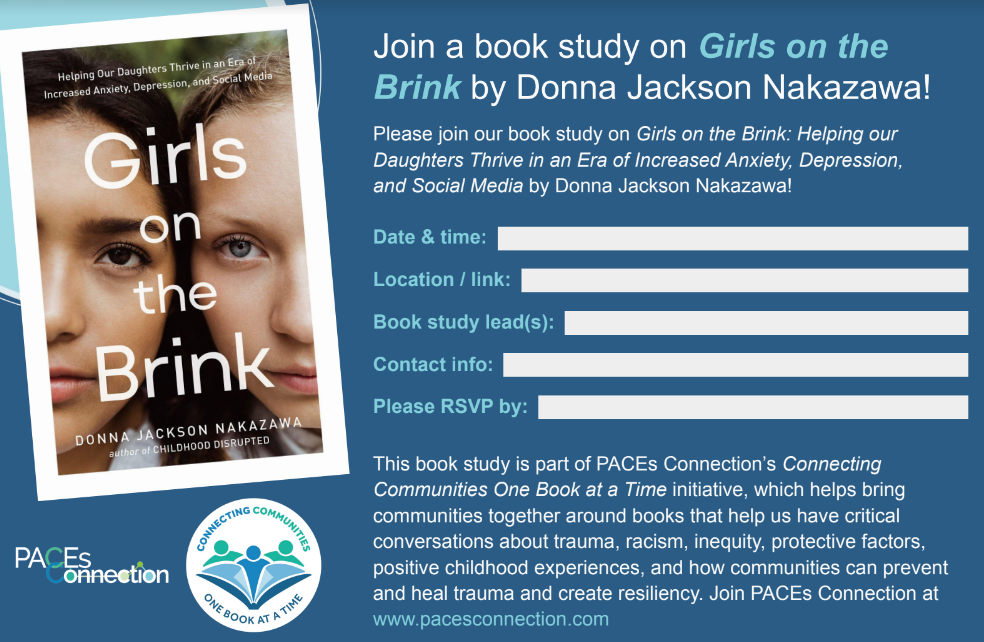
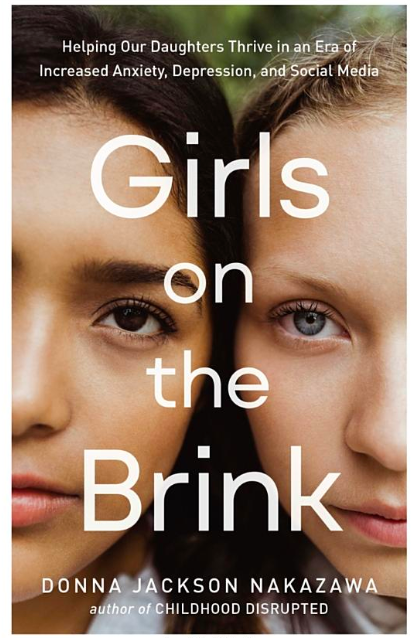
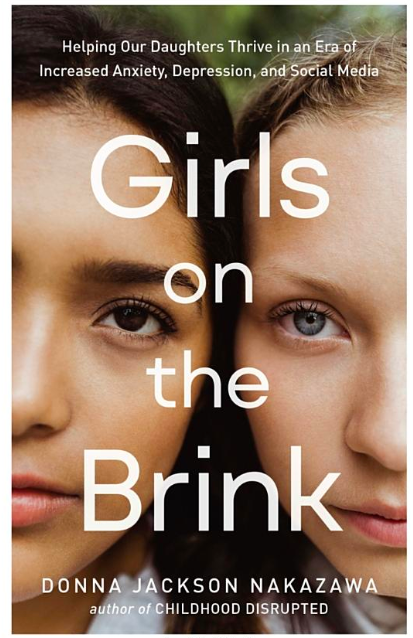
Girls on the Brink Title Image

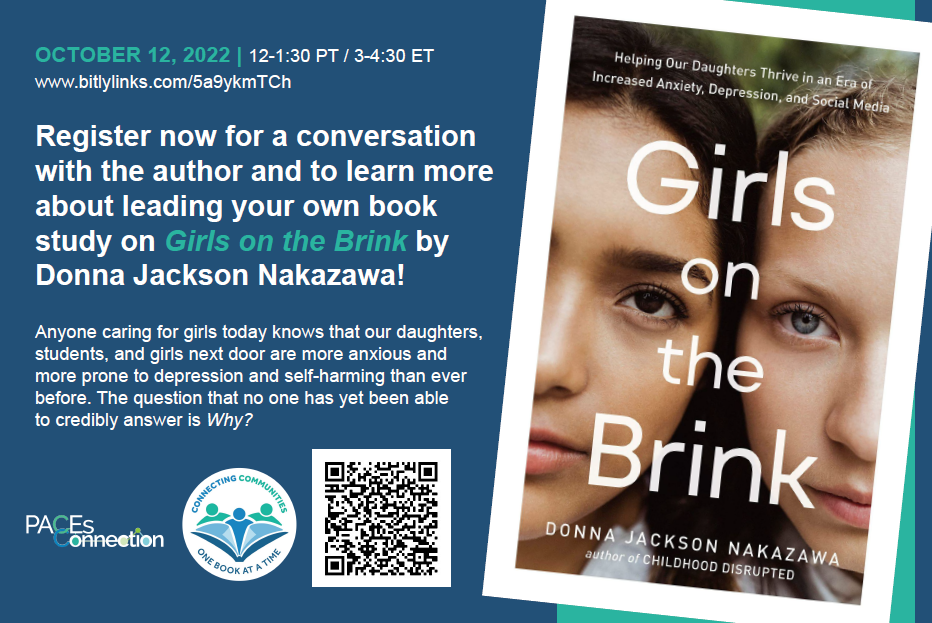
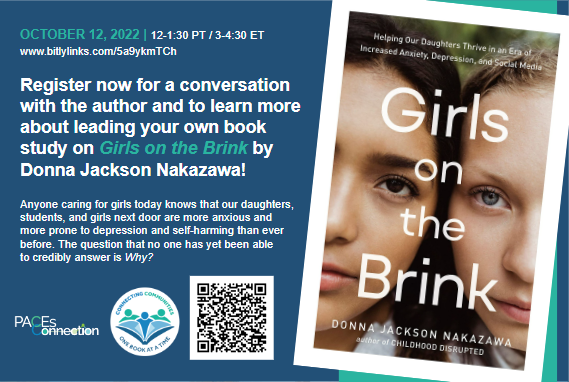
Our next book is Girls on the Brink: Helping Our Daughters Thrive in an Era of Increased Anxiety, Depression, and Social Media by Donna Jackson Nakazawa. Jackson Nakazawa will join PACEs Connection for our second Connecting Communities One Book at a Time book study webinar to discuss the book, why she wrote, it, and why it is so vitally important. The webinar is on October 12, 3-4:30 p.m. ET.

Register for the free webinar here, now!

You can also learn more about the book and why we chose it. Please share the attached flier widely!

If you are already involved in our book study initiative, we look forward to seeing you at our next event on October 12! If you are not, we invite you to join us as we work to Connect Communities One Book at a Time!

Attachments

Hide

Images (1)

Girls on the Brink Title Image

Files (1)

Girls on the Brink 10.12.22 Event Flier.pdf

Natalie Audage, MPH
Pronouns: She/Her/Hers

Ready to take your ACEs initiative to the next level? Click here!
#ACEsDataMatter

❤️ 1

Tags: Prevent Child Abuse Georgia“What Happened to You?”Georgia Essentials for ChildhoodGeorgia ReadsBruce PerryOprah WinfreyBook studyConnecting Communities 1 Book at a TimeChildren’s Trust Fund Alliance

Views: 650

Start your own book study of ‘Girls on the Brink’ by Donna Jackson Nakazawa!

Natalie Audage Natalie Audage 11/1/224:59 PM

“Extremely important” and “very needed” were among the comments of the nearly 100 attendees of the second Connecting Communities One Book at a Time book study webinar when they described Girls on the Brink: Helping Our Daughters Thrive in an Era of Increased Anxiety, Depression, and Social Media.

The book, published on September 13, 2022, was the focus of a conversation between the author, Donna Jackson Nakazawa, and Carey Sipp, PACEs Connection director of strategic partnerships, on October 12, 2022.

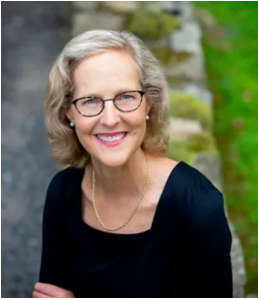
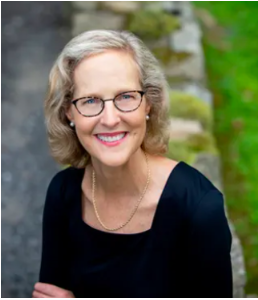
Donna Jackson NakazawaAs Nakazawa writes in the introduction of her book, “Depression has long been more prevalent in girls than in boys, but rates of depression in girls have now reached epidemic proportions.  One in four adolescent girls reports suffering from symptoms of major depression compared with fewer than one in ten boys. Girls and young women are twice as likely as boys to suffer from anxiety. In 2021, the Centers for Disease Control and Prevention reported that suicide attempts had recently increased 51 percent among girls compared with 4 percent among boys. These statistics cannot be explained by higher rates of awareness or diagnosis. They are real, and they are scary to every parent of every daughter and to anyone who cares about young women.”

She writes further, “In many ways I wrote this book because I felt a moral imperative to close the gap between what experts have learned about growing strong girls in an increasingly threat-laden ear and what parents need to know.”

“PACE’s Connection’s Connecting Communities One Book at a Time initiative was created to bring communities together around books that help us have critical conversations about trauma, racism, inequity, positive and adverse childhood experiences, and the role community plays in preventing and healing trauma and creating resiliency,” said Sipp. “The mental health of our young people is a concern in every community in the world right now. We believed this book could bring communities together to address a particularly frightening trend involving the increase in depression and anxiety in girls,” she added.

The conversation between Nakazawa and Sipp covered myriad topics, including the effects of unmitigated stress on the female brain, epigenetics, the complex interactions between estrogen and the female brain during adolescent development, sexism, the evolutionary mismatch between girls’ sensitivity to social cues and today’s social media culture, and the finding that the stress response can be decreased by talking to one trusted caregiver.

Nakazawa was clear that while she sees much to worry about girls’ mental health today, she also has hope. She offers 15 antidotes or “strategies for raising emotionally healthy girls” in the book and spoke about a few of them in the webinar.

Antidotes fall into three categories and include three on “the building blocks of good parent-child connection, and the importance of family connection,” six antidotes for “making her home a safe space,” and six antidotes to “bring in what the wider community can provide.” The interview honed in on at least one antidote from each of the three categories, including making it a good experience when your daughter turns to you, the importance of “wonder”, and encouraging a sense of mastery.

“We need to spread Nakazawa’s research and her message of hope. There is so much we can do to improve the mental health of the girls in our lives” said one participant. Another attendee wrote: “Thank you Donna! You’ve changed my life for the better—and I’ve shared your message with many, MANY others…”

“PACEs Connection encourages our members to come together in their communities of friends, colleagues, family members, and fellow parents to start a book study of Girls on the Brink,” said Sipp.”Book studies are terrific ways for communities to address challenges while building the relationships that can help reinforce solutions. We’d love to see many, many communities come together to share Donna’s work and help girls thrive, and have created tools to make this easy for our members to invite their friends, family members, others in their resiliency initiatives, parents of their daughters’ schoolmates, or other groups, to start a book club.”

Here are some resources to help members start their own book studies:

  1. If you missed the event, you can still view the recording of the Girls on the Brink October 12 webinar! You can also listen to an edited version that we prepared for our History. Culture. Trauma. podcast.
  2. Nakazawa and her team put together a wonderful Book Club Kit for people interested in leading Girls on the Brink book studies.
  3. Here’s a handout with tips and items to consider before starting a Girls on the Brink book study.
  4. You can use this recruiting postcard to invite people to join your book study.
  5. If you plan to lead a book study, please fill out the Girls on the Brink Book Study Leader Survey so we can keep track of the great work you’re doing!

Book Club Kit“Please join us as we work to Connect Communities One Book at a Time. By reading the book with a group of friends in your book study of Girls on the Brink, you can be part of the solution. All of us can play a part in supporting girls’ mental health,” said Sipp.

Connecting Communities One Book at a Time launched in June with a study of What Happened to You? by Dr. Bruce Perry and Oprah Winfrey, and resulted in more than 130 book clubs forming across the country, according to Sipp.

“We are thrilled to deliver study guides, support, and a connecting place for our members to come together, learn from the authors, share and learn from each other. We’ve even created an invitation leaders can use to invite members of the community to join their book study, to make it as easy as possible for them to get started,” said Sipp.

“We’d love to see this grow and bring unique books and opportunities to our more than 430 geographic and 40 interest-based communities, and hope they’ll use the book studies as ways to grow their communities, too!” she added.

Sipp encourages book study leaders to please register their book study with PACEs Connection, and to answer a few questions to help in planning for the next study. “Also, as we, learn about new resources that could become available in the “Girls on the Brink” book study, having this information helps us share news with book study leaders,” said Sipp.

Attachments

Hide

Images (3)

Book Club Kit
Donna Jackson Nakazawa
Recruiting form

Natalie Audage, MPH
Pronouns: She/Her/Hers

Ready to take your ACEs initiative to the next level? Click here!
#ACEsDataMatter

✅ 1

Tags: Donna Jackson NakazawaGirls on the BrinkBook studyConnecting Communities 1 Book at a Time

Views: 1,515

Add Comment

Carey SippCarey SippFormats 

javascript:””

Comments (1) 

Newest · Oldest · Popular

FSFrank Sterle Jr.Member

There remains platitudinous lip-service by society in genera, including police services, when it comes to proactive mental illness prevention as well as treatment. Various mainstream news and social media will state the obvious, that society must open up its collective minds and common dialogue when it comes to far more progressively addressing the challenge of more fruitfully treating and preventing such illness in general.   

But they will typically fail to address the problem of ill men, or even boys, refusing to open up and/or ask for help due to their fear of being perceived by peers, etcetera, as weak/non-masculine. The social ramifications exist all around us; indeed, it is endured, however silently, by males of/with whom we are aware/familiar or to whom so many of us are closely related. 

Even today, there remains a mentality, albeit perhaps a subconscious one: Men can take care of themselves, and boys often are basically little men.

Even Ms. Jackson Nakazawa’s own book, Childhood Disrupted, was only able to include one man among its six interviewed adult subjects, there presumably being such a small pool of ACE-traumatized men willing to formally tell his own story of childhood abuse.

One must ask: Is it yet more (in a societal pile of) evidence of a continuing subtle societal take-it-like-a-man mindset, one in which so many men will choose to abstain from ‘complaining’ about their torturous youth, as that is what ‘real men’ do?

One also sees some of that mentality reflected in, for example, a New York Times feature story (“She Was a Big Hit on TikTok. Then a Fan Showed Up With a Gun”, February 19, 2022). Written by Times reporter Elizabeth Williamson, the piece at one point states that “Instagram, owned by Meta, formerly known as Facebook, has … been accused of causing mental and emotional health problems among teenage female users.”

The fact is, mental and emotional — along with physical — health problems are being suffered by teenage boys directly due to social media use. Revelatory of the latter is the increasing incidence of social-media-focused obsession among boys with gaining significant muscle mass, a.k.a. “bigorexia”.

The author of The Highly Sensitive Man (2019, Tom Falkenstein, Ch.1) writes that There are “numerous psychological studies over the last forty years that tell us that, despite huge social change, the stereotypical image of the ‘strong man’ is still firmly with us at all ages, in all ethnic groups, and among all socio-economic backgrounds. In the face of problems, men tend not to seek out emotional or professional help from other people. They use, more often than women, alcohol or drugs to numb unpleasant feelings and, in crises, tend to try to deal with things on their own, instead of searching out closeness or help from others.

“While it is true that a higher percentage of women than men will be diagnosed with an anxiety disorder or a depressive episode, the suicide rate among men is much higher. In the United States, the suicide rate is notably higher in men than in women. According to data from the Centers for Disease Control and Prevention, men account for 77 percent of the forty-five thousand people who kill themselves every year in the United States.

“In fact, men commit suicide more than women everywhere in the world. Men are more likely to suffer from addiction, and when men discuss depressive symptoms with their doctor, they are less likely than women to be diagnosed with depression and consequently don’t receive adequate therapeutic and pharmacological treatment.”

While it’s important that the notable needs of girls’ mental health get properly addressed, society also needs to do more for its males.


👍 1

Trauma-Informed Money Management: ACE Score of 7+; Gaining Clarity in My Third Act (careysipp.com)

Carey Sipp Carey Sipp 7/24/174:56 PM

I almost felt slapped in the face – a wakeup slap; not a punishment – when I read Cissy White’s groundbreaking post describing her joy in finding out her “ACE score.”

Her writing about her elation at learning about the Adverse Childhood Experiences (ACE) study and questionnaire was an unintentional throw-down on her part. As I read her post I was compelled to reframe my shame, fear, and overall sense of dread about my own high ACE score. (Cissy has given me permission to use her name and to mention her writing.)

(continue reading)

Attachments

Hide

Images (1)

mceclip0

Carey Smith Sipp

carey.pacescommunites@gmail.com

❤️ 4

Views: 1,759

Add Comment

Carey SippCarey SippFormats 

javascript:””

Comments (2) 

Newest · Oldest · Popular

Robert OlcottRobert OlcottMember

Carey,

I’m quite certain that “Fore-Shortened Sense of the Future” PTSD ‘symptom’, was a ‘contributing factor’ in some of my own adolescent ‘Independent Living’ challenges, such as moving into my own apartment during my Senior Year of High School, after ‘couch surfing’ with friends, for a couple months. …

I wonder what in the World Health Organization’s ACE Screening Tool might address this, as it’s quite a bit more extensive than the CDC/Kaiser 8/10 question ACE Screening tool. It’s called the ‘WHO ACE International Questionaire’, and is available in over 100 languages on the WHO main page: lower Right corner-last time I checked.


❤️ 1

Christine Cissy WhiteChristine Cissy WhiteIt’s not trauma-informed unless it’s informed by trauma survivors.

Carey:

You bring up such an important topic and you write so well. It’s a little strange to read my name in your piece but if I helped provoke thoughts, feelings or writing in any way – that makes me so happy.

You wrote:

“Do you think, possibly, that people with high scores who have money issues could be spending money quickly because we think, on some deep level, we might not live to see the next day?” I asked.

Isn’t it cool how we get that aha awareness when curious and open and we feel safe? And when we feel we can talk and think and share about our actual issues and experiences? I think there’s so much freedom and relief in that even if we have to face uncomfortable stuff. 

I can’t wait to learn more from you about trauma-informed approaches to money and security and finances!. Lots of us have been, will be or are in the same boat or one like it floating on the same ocean 

Thanks for sharing. I love this passage, too. 

It was a soul-searing moment, as I let what I had asked sink in. The resulting pain and my awareness of it led to the realization that I needed to do more work on my trauma issues and start managing my finances in a “trauma-informed” way, as I realized, on a deep level, that have been a fear-based spender and under-earner most of my life.  How to get to the solution? Sometimes we have to look backward to go forward.

You are a beautiful writer and have so much insight, honesty, and passion. I’m glad writing and this page helped us get to know each other better. Thank you for helping all of us all better understand this issue.

THANK YOU!

Cissy


❤️ 2

Back To Top

“What Happened to You?” by Bruce Perry and Oprah Winfrey: a book that resonates with us in the PACEs world

Carey Sipp Carey Sipp 6/8/211:25 PM

What do PACEs Connection and “What Happened to You?”, the new book by Oprah Winfrey and Bruce Perry, have in common?

Almost everything. That’s my conclusion after I finished listening to the book on Audible and re-reading parts of it on Kindle.

In the book, Winfrey, a world-class connector, journalist, entertainer, author, thought leader, actor, and philanthropist, teams up with her longtime friend Perry, a child psychiatrist, neuroscientist, and principal of the neurosequential model of brain-based therapy. They engage in a series of conversations about trauma, resilience, the power of relationships and community, healing, what they call post-traumatic wisdom, and  what we need now.

Screen Shot 2021-06-08 at 12.22.24 PM

With warmth and their easy familiarity with each other, they take us through an education about trauma that I believe the world is hungry for, explaining the science of adverse childhood experiences (ACEs) and why and how traumas have affected us. Perry does a masterful job of explaining that how we are loved as infants and children is likely to determine how we are able to love—or not love — as adults, with Winfrey giving pointed and moving examples. They truly ring almost all of the bells we at PACEs Connection hope to ring in our vision to create a world where all people thrive, and in our mission to prevent and heal trauma, and help individuals, families and communities create and build on the positive experiences that lead to strength and resilience.

Winfrey stuns us over and over with personal accounts of intensely painful personal traumas, and leaves us, throughout the book and especially at the powerful ending, with the hope that our traumas can help us become wise and powerful.

I honestly believed we would see a book or a series of O Network specials from Perry and Winfrey three years ago, not long after the “60 Minutes” interview when she and Perry talked about adverse childhood experiences and trauma-informed approaches. In previewing the interview, Winfrey told long-time friend and fellow journalist Gayle King of CBS that learning about ACEs Science and trauma-informed care “changes everything,” and that she’d “dance on tabletops” if that’s what it took to get people to pay attention to it.

Whatever moved them to share this life-changing work, this is my truth about it: “What Happened to You?” is a book that humanity desperately needs to help us remember, and understand, deep in our bones and DNA, that we are wired for connection and empathy, despite the economic and technological forces that can sometimes make them seem so far out of reach. It is a book I love and want to share widely, especially with parents, policymakers, educators, faith leaders, coaches, law enforcement, the medical community—actually, anyone and everyone—even young students, as I believe our knowing this information early on in life could help prevent many traumas to self and others.

Perhaps I am projecting as I listen to Perry talk about the unrealistic expectations with which society has burdened single mothers. Or I am connecting dots that aren’t there when I think that perhaps Perry and Winfrey could normalize the belief—even among the most hardened anti-welfare politicians—that reducing the overwhelm and stress of poverty, oppression, and multi-generational addiction and abuse is the right thing to do, because withholding support damages the brains of our nation’s children.

What do we, as a nation, love? What collectively inspires consensus?

I believe it is love for our children, and this book will help us remember that. It explains the importance of giving our children the best start possible—especially in the first two months of life—and could help spark healing relationships.

99E9EED4-E2EB-47B1-A97A-2AC2EF832875

In “What Happened to You?” the two long-time friends advocate for nurturing brain development, and for the mental health, trauma education, and well being of their fellow Americans, the world. I believe that what they advocate for—community, acceptance, and a common understanding of the need to prevent trauma, promote regulation, relationships and reasoning—is vital to restoring and saving our collective humanity. They want us to ask, “What happened to you?” instead of “What’s wrong with you?” because asking the second question can traumatize already traumatized people with the implication that there is something bad or wrong with them, as opposed to there being something bad or wrong that happened to them.

That Perry and Winfrey are a powerful team is indisputable. When she focuses her attention on something, change happens. I believe her decades of work as a trusted Black journalist, daily coming into the homes of all kinds of people with intimate, often hard-to-hear stories of childhood abuse and uplifting stories of people who’ve overcome obstacles, helped set the stage for Barack Obama’s presidency, the Me Too Movement, and some Americans being more willing to have some difficult conversations.

But even as brilliant and straightforward as Perry and Winfrey are, it likely took a lot of work to make the book as approachable as it is. Its conversational style belies the volumes of information many readers are likely to absorb.

Help for even the most broken children

It is fascinating to hear Perry share, with the utmost respect, stories of people who’ve endured unimaginable trauma. He discusses his calm, easy way of relating with children by getting on the floor to color with them, by having very brief but frequent connections, by building trust, by observing and asking just the right slightly probing question at just the right moment. It’s clear that he knows exactly what amount and weight a relationship can take and when. With the help of Perry and his team, children who would seem too broken to mend are brought back to functioning by patiently following his brilliant neurosequential model of therapy.

12940CB2-E09E-45AF-98B2-F0428529D39B

Equally compelling, Winfrey reveals vulnerabilities that are searingly sad. Because I listened to the book, her velvety, deep voice was so warm and rich it cannot leave my mind. It  haunts me as I recall revelations that were so painful, I needed to pull my car off the road or stop walking and sit down to catch my breath.

Among her most personal revelations were her grandmother’s intense beatings and her mother’s ongoing abandonment. She recalled standing with her mother at the age of six and feeling crushed by her mother’s agreement with her landlady to let “that dark-skinned-nappy-headed child” sleep outside on the porch on Winfrey’s first night in Milwaukee. That Winfrey knows the truth then—that she is absolutely alone—evokes feelings of empathy, anger, grief, fear.

Winfrey later reveals how she learned she’d never truly been “tucked into bed”. It was during the making of a movie when the director asked her to tuck a child into bed, and she realized she didn’t know that tucking in also means sharing affection instead of just arranging blankets, because no one ever tucked her in at night. I again had to stop the car to handle the shock and grief I felt for her.

In the final chapter of the book, Winfrey’s honesty, humility, and compassion are breathtaking and gave me chills, repeatedly, as she shared how she and her mother finally connected prior to her mother’s death. Have some tissues ready and know you are likely to be a stronger, better human for the privilege of hearing this account.

Hearing their easy conversation as Perry and Winfrey talk back and forth about the importance of community, relationships, regulation and education buffers the pain of the stories they share. They definitely found a rhythm in sharing concepts, examples, solutions.

944045D8-B6CF-44C2-95FA-634B44FE03E2Hearing Perry explain, through vivid and moving examples, how the body reacts to trauma, will hopefully open people up to be more compassionate about children who are dysregulated, people who are dysregulated, themselves  when they are dysregulated.

Perry’s stories illustrate beautifully how we are wired for love—or not—and that how we are wired is projected onto the world. That he has figured out ways to help people heal, and that this takes years of healing work, is hopeful, daunting, and instructive. Don’t write off children who’ve suffered abuse.

A constant source of reassurance for me is that Oprah survives the abuse she shares, and that we know she’s oftentimes enjoying life after having done such a heroic and remarkable job of overcoming, thriving, and helping others.

First two months of life are critical

Which leads me to a couple of many profound moments in the book. First, about developmental trauma and the importance of the first two months of life, of mothers and babies developing a secure attachment.

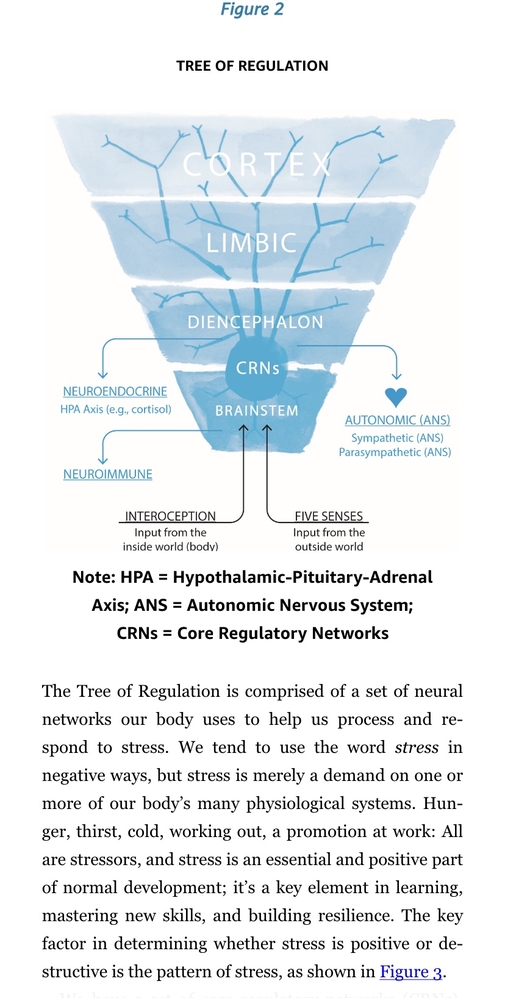
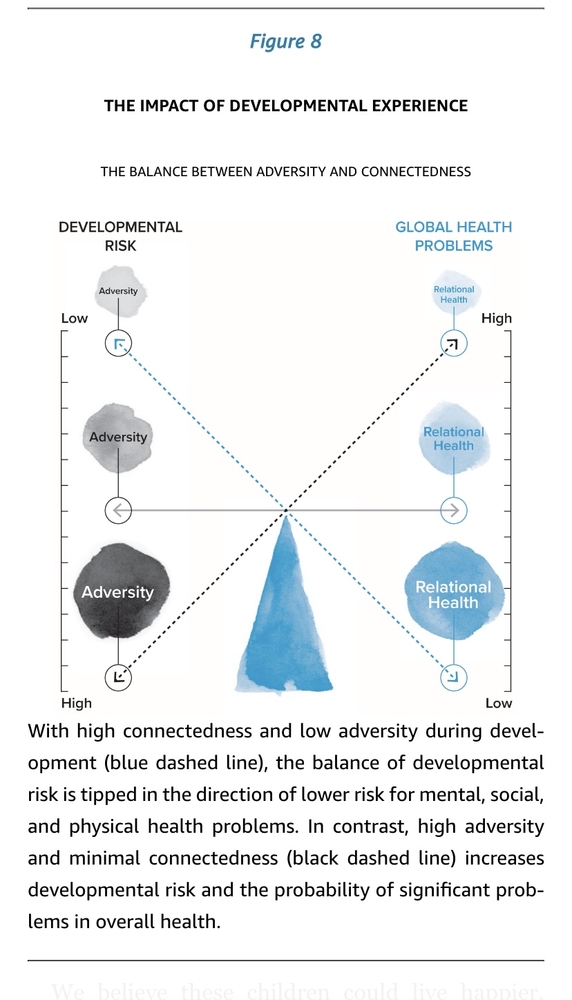
Perry writes, “The basic finding is that the experiences of the first two months of life have a disproportionately important impact on your long-term health and development. This has to do with the remarkably rapid growth of the brain early in life, and the organization of those all-important core regulatory networks.

“If, in the first two months of life, a child experienced high adversity with minimal relational buffering but was then put into a healthier environment for the next twelve years, their outcomes were worse than the outcomes of children who had low adversity and healthy relational connection in the first two months but then spent the next twelve years with high adversity.

“Think of that: The child who has only two months of really bad experiences does worse than the child with almost twelve years of bad experiences, all because of the timing of the experiences.

“This sounds discouraging. But we believe that poor outcomes are not inevitable; in fact, we believe that this is a perfect example of why we need developmentally informed, trauma-aware systems.”

Perry invites readers to think back to conversations about how important attentive, responsive caregiving is in providing the organizing experiences for the infant’s stress-response systems.

“Remember that if the life experiences of the first two months include inconsistent or unpredictable stress, this pattern of activation creates a sensitized stress response. That leads to a cascade of problems—trauma related problems. And even when these children are no longer in high-risk settings, their problems have to be addressed by caregivers, pediatricians, mental health providers, and educators. But if these people misunderstand what’s going on, if these systems focus on “What is wrong with you?”—as unfortunately, they typically do—the children won’t get better. They will continue to struggle. Their emotional reactivity and behavior problems will be viewed without a developmental or trauma lens, which could lead to ineffective interventions.”

Racism and trauma

A520C45A-14DD-43C7-92A3-EE91C1679AC1

Another big aha is Perry’s take on racism and trauma. He says: “I believe that if you don’t recognize the built-in biases in yourself and the structural biases in your systems—biases regarding race, gender, sexual orientation—you can’t truly be trauma-informed. Marginalized peoples—excluded, minimized, shamed—are traumatized peoples, because as we’ve discussed, humans are fundamentally relational creatures. To be excluded or dehumanized in an organization, community, or society you are part of results in prolonged uncontrollable stress that is sensitizing. Marginalization is a fundamental trauma.

“This is why I believe that a truly trauma-informed system is an anti-racist system. The destructive effects of racial marginalizing are pervasive and severe. In North America, Australia, and New Zealand, for instance, Black, brown, and Indigenous children are more likely to be over diagnosed and overmedicated in mental health systems, removed from their homes to enter the child welfare system, suspended or expelled from school, and charged at school with truancy and ‘assault,’ with the result that they enter the juvenile-justice system in disproportionate ways.”

If people could learn this and take to heart that each “micro-aggression” is actually damaging the brains of their co-workers, children in classrooms, grocery stores, buses, street corners, shops, schools—anywhere and everywhere that children, people of color are treated as less-than in even the slightest way—perhaps we would stop this invisible, persistent torture that is costing all of society by preventing children from reaching their full potential.

All this is why I think Winfrey and Perry would so connect with the work done at PACEs Connection to build community, to educate about trauma, to track the work being done, to engage people in sharing the science of positive and childhood experiences, and to celebrate that work. I believe they would help share the new science of positive childhood experiences—how important it is for children to experience and enjoy community traditions, feel supported at home and at school, have supportive friends and have at least two non-parent adults who genuinely care about them. Winfrey is living proof of the impact teachers can have in lifting a child up and helping them believe in themselves when no one else does. She readily credits a specific grammar school teacher for seeing something special in her, for nurturing her love of learning, and inspiring confidence when no one else did.

I urge you to borrow or buy and read this book, and if you are a member of one of the 400+ geographic or interest-based communities on PACEs Connection, entreat your community members to have a book group about “What Happened to You?”, post about it, and email the link to me at csipp@pacesconnection.com.

And  for more, listen to Oprah’s recent interview with Bruce Perry.

Attachments

Hide

Images (6)

Screen Shot 2021-06-08 at 12.22.24 PM
99E9EED4-E2EB-47B1-A97A-2AC2EF832875: Figure 2
12940CB2-E09E-45AF-98B2-F0428529D39B: Figure 3
944045D8-B6CF-44C2-95FA-634B44FE03E2: Figure 8
A520C45A-14DD-43C7-92A3-EE91C1679AC1: Figure 5
Screen Shot 2021-06-07 at 1.39.39 PM: Oprah Winfrey photo by Chris Craymer; Bruce Perry photo by Jimmy Greene

Carey Smith Sipp

carey.pacescommunites@gmail.com

❤️ 2👍 2

Tags: playreasonPovertyabusetrauma-informedhealing centeredcommunityrhythmhealingrelateregulationSingle mothersrelationshipRacism

Views: 27,775

Add Comment

Carey SippCarey SippFormats 

javascript:””

Register now! Dr. Bruce Perry to discuss historical trauma and help launch new “Connecting Communities One Book at a Time” book study with his best-seller, “What Happened to You?”

Carey Sipp Carey Sipp 6/23/2210:45 PM

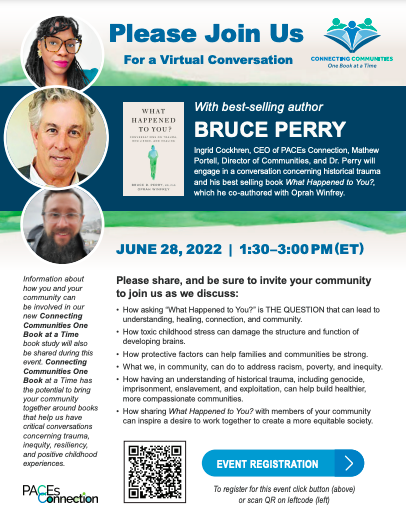
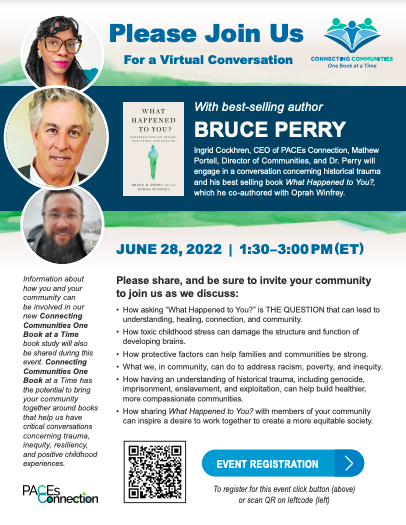
Please join us on June 28 from 1:30-3:00 p.m. ET for a virtual conversation with best-selling author Bruce Perry. Ingrid Cockhren, CEO of PACEs Connection; Mathew Portell, PACEs Connections’ director of communities, and Perry, a psychiatrist and neuroscientist, will engage in a conversation concerning historical trauma and Perry’s best-selling book “What Happened to You? Conversations on Trauma, Resilience and Healing,” which he co-authored with Oprah Winfrey.

Please share this blog post, and the attached flyer, and be sure to invite your community to join us as Perry and hosts address:

Screen Shot 2022-05-03 at 2.46.44 PM
  • How asking “What Happened to You?” is THE QUESTION that can lead to understanding, healing, connection, and community.
  • How toxic childhood stress can damage the structure and function of developing brains.
  • How protective factors can help families and communities be strong.
  • What we, in community, can do to address racism, poverty, and inequity.
  • How having an understanding of historical trauma, including genocide, imprisonment, enslavement, and exploitation, can help build healthier, more compassionate communities.
  • How sharing “What Happened to You?” with members of your community can inspire a desire to work together to create a more equitable society.

Register here.

Invite members of your community to this important event and learn how you and your community can be involved in our new Connecting Communities One Book at a Time book study.

Connecting Communities One Book at a Time has the potential to bring your community together around books that help us have critical conversations concerning trauma, inequity, resiliency, and positive childhood experiences.

Register now for the discussion with Perry on June 28, and watch for details of how your community can lead your local book study.

Screen Shot 2022-05-05 at 9.56.06 PMThis opportunity is a new way PACEs Connection members and communities can connect, learn, heal, brainstorm and work together to improve the lives of children and families based on lessons learned from the book. The Connecting Communities project was inspired by the Georgia Reads book study of “What Happened to You?”, in which more than 40 Georgia groups discussed the book in the past year.

For more information, please contact Carey Sipp, director of strategic partnerships, at csipp@pacesconnection.com.

For more information about the book and a review tying it to PACEs Connection, please click the link below.

What Happened to You?” by Bruce Perry and Oprah Winfrey: a book that resonates with us in the PACEs world

Attachments

Hide

Images (2)

What Happened to You?
Screen Shot 2022-05-05 at 9.56.06 PM: Flyer to download and share!

Files (1)

Final 6.28.22 Register Now_Flyer.pdf

Carey Smith Sipp

carey.pacescommunites@gmail.com

❤️ 3👍 2

‘Girls on the Brink’ — next choice for upcoming PACEs Connection book study – available in “indie bookstores” for a discount!

Carey Sipp Carey Sipp 9/13/221:46 PM

“Girls on the Brink: Helping Our Daughters Thrive in an Era of Increased Anxiety, Depression, and Social Media”, published today, is available at a pre-launch discount of up to $1.96 (from the $28 cover price to $26.04) via independent bookstores.

The book is the seventh by Donna Jackson Nakazawa, acclaimed author, science journalist, international speaker and longtime friend of PACEs Connection.

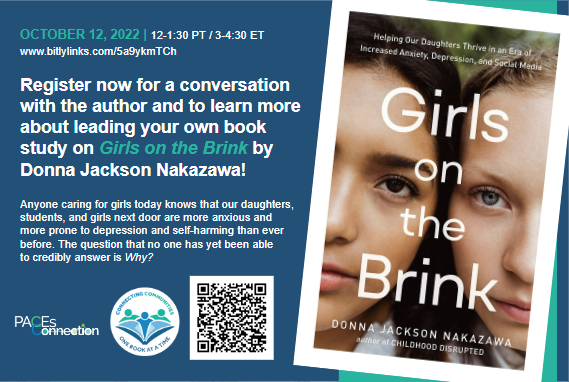
Jackson will join PACEs Connection for our second “Connecting Communities One Book at a Time” book study webinar to discuss the book, why she wrote, it, and why it is so vitally important. The webinar is on October 12, 3-4:30 p.m. ET. Register for the webinar here, now!

To preorder the book and support local independent bookstores, use this link. The book is also available on Amazon Kindle for just $13.

PACEs Connection’s “Connecting Communities One Book at a Time initiative” brings communities together around books that help us have critical conversations about positive and adverse childhood experiences, racism, inequity, and how communities can prevent and heal trauma and create resiliency.

Girls on the Brink title graphic with QR codePraise for “Girls on the Brink”

“This is a brave and important book; the challenging stories—both personal and scientific—will make you think, and, hopefully, act.”

—Bruce D. Perry, MD, PhD, New York Times bestselling co-author of “What Happened to You?”

“Some books translate science into understandable language; some offer advice in the form of actionable steps; and some weave stories that grab you by the heart. This one—miraculously—does all three.”—Cara Natterson, MD, bestselling author of “The Care and Keeping of You 2” and “Decoding Boys”.

“A perceptive, informative examination of the problems young American girls face and how to change them . . . All of the author’s advice is sound, and her insights into how to start the process of change make this an important book for parents of girls.”—Kirkus Reviews

“The smart analysis and wealth of neuroscientific and psychological research adds nuance to public discourse around girls’ mental health. . . . Timely and incisive, this issues an acute warning that the kids are not alright.”Publishers Weekly

From the book cover:

Anyone caring for girls today knows that our daughters, students, and girls next door are more anxious and more prone to depression and self-harming than ever before. The question that no one has yet been able to credibly answer is “Why?”

Now we have answers. As award-winning writer Donna Jackson Nakazawa deftly explains in Girls on the Brink, new findings reveal that the crisis facing today’s girls is a biologically rooted phenomenon: The earlier onset of puberty mixes badly with the unchecked bloom of social media and cultural misogyny. When this toxic clash occurs during the critical neurodevelopmental window of adolescence, it can alter the female stress-immune response in ways that derail healthy emotional development.

About the author:Screen Shot 2022-09-13 at 3.41.33 PM

Donna Jackson Nakazawa is an award-winning science journalist and author of seven books. Her work explores the intersection of neuroscience, immunology, and human emotion; her mission is to explore the science of the mind-body connection and harness it for healing.

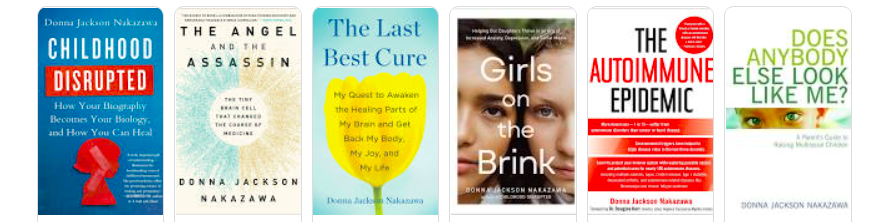
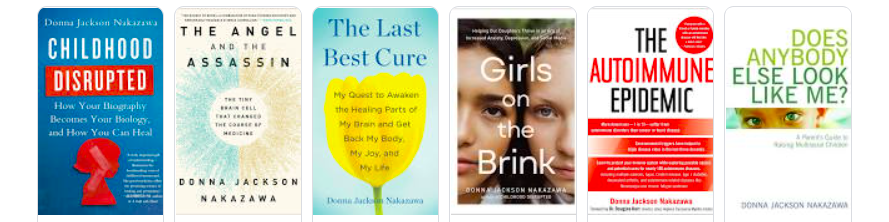
Nakazawa’s other books include “The Angel and the Assassin: The Tiny Brain Cell That Changed the Course of Medicine” named one of the best books of 2020 by Wired magazine; “Childhood Disrupted, a finalist for the Books for a Better Life Award; and “The Last Best Cure”.

Her writing has appeared in magazines and newspapers including WiredThe Boston GlobeStatThe Washington Post and Health Affairs. She has appeared on The Today Show and National Public Radio, and is a regular speaker at universities, including the Harvard Division of Science Library Series, Rutgers University, the Andrew Weil Center for Integrative Medicine at the University of Arizona, the Peace & Justice Institute, Learning and the Brain, and Johns Hopkins University.

For her writing on health and science, she received the AESKU lifetime achievement award and the National Health Information Award.

Nakazawa is also the creator and founder of the narrative writing-to-heal program, “Your Healing Narrative, which uses a process called Neural Re-Narrating™ to help participants recognize and override their brain’s old thought patterns and internalized stories to create a new, more powerful, inner healing narrative that calms the body, brain, and nervous system.

Attachments

Hide

Images (3)

Screen Shot 2022-09-13 at 3.41.33 PM
Screen Shot 2022-09-13 at 3.41.42 PM
Girls on the Brink title graphic with QR code

Carey Smith Sipp

carey.pacescommunites@gmail.com

Register now! Oct. 12, 2022—Connecting Communities One Book at a Time webinar with Donna Jackson Nakazawa on “Girls on the Brink: Helping our Daughters Thrive in an Era of Increased Anxiety, Depression and Social Media”

Carey Sipp Carey Sipp 10/4/229:45 AM

October 12, 2022, from 3-4:30 p.m. ET Register now!

Screen Shot 2022-08-30 at 3.20.08 PMMeet longtime friend of PACEs Connection and award-winning author, science journalist, and international speaker Donna Jackson Nakazawa as she shares insights and findings from her newest book, “Girls on the Brink: Helping our Daughters Thrive in an Era of Increased Anxiety, Depression and Social Media”. Her seven books explore the intersection of neuroscience, immunology, and human emotion, and are in 12 languages.

Register now to join our conversation with Nakazawa and be sure to invite your friends so we can all learn how to support our daughters, sisters, nieces, students, and friends in this stressful and toxic time for girls. You can also learn how to lead your own book study.

Screen Shot 2022-06-06 at 3.28.42 PMPACEs Connection’s Connecting Communities One Book at a Time initiative brings communities together around books that help us have critical conversations about positive and adverse childhood experiences, racism, inequity, and how communities can prevent and heal trauma and create resiliency.

Praise for “Girls on the Brink”

Screen Shot 2022-08-30 at 5.13.21 PM

“This is a brave and important book; the challenging stories—both personal and scientific—will make you think, and, hopefully, act.”

—Bruce D. Perry, MD, PhD, New York Times bestselling co-author of “What Happened to You?”

“Some books translate science into understandable language; some offer advice in the form of actionable steps; and some weave stories that grab you by the heart. This one—miraculously—does all three.”—Cara Natterson, MD, bestselling author of “The Care and Keeping of You 2” and “Decoding Boys”.

“A perceptive, informative examination of the problems young American girls face and how to change them . . . All of the author’s advice is sound, and her insights into how to start the process of change make this an important book for parents of girls.”—Kirkus Reviews

“The smart analysis and wealth of neuroscientific and psychological research adds nuance to public discourse around girls’ mental health. . . . Timely and incisive, this issues an acute warning that the kids are not alright.”Publishers Weekly

From the book cover:

Anyone caring for girls today knows that our daughters, students, and girls next door are more anxious and more prone to depression and self-harming than ever before. The question that no one has yet been able to credibly answer is “Why?”

Now we have answers. As award-winning writer Donna Jackson Nakazawa deftly explains in Girls on the Brink, new findings reveal that the crisis facing today’s girls is a biologically rooted phenomenon: The earlier onset of puberty mixes badly with the unchecked bloom of social media and cultural misogyny. When this toxic clash occurs during the critical neurodevelopmental window of adolescence, it can alter the female stress-immune response in ways that derail healthy emotional development.

About the author:

Donna Jackson Nakazawa is an award-winning science journalist and author of seven books. Her work explores the intersection of neuroscience, immunology, and human emotion; her mission is to explore the science of the mind-body connection and harness it for healing.

Nakazawa’s other books include “The Angel and the Assassin: The Tiny Brain Cell That Changed the Course of Medicine”, named one of the best books of 2020 by Wired magazine; “Childhood Disrupted, a finalist for the Books for a Better Life Award; and “The Last Best Cure”.

Screen Shot 2022-08-30 at 6.05.22 PM

Her writing has appeared in magazines and newspapers including WiredThe Boston GlobeStatThe Washington Post and Health Affairs. She has appeared on The Today Show and National Public Radio, and is a regular speaker at universities, including the Harvard Division of Science Library Series, Rutgers University, the Andrew Weil Center for Integrative Medicine at the University of Arizona, the Peace & Justice Institute, Learning and the Brain, and Johns Hopkins University.

For her writing on health and science, she received the AESKU lifetime achievement award and the National Health Information Award.

Nakazawa is also the creator and founder of the narrative writing-to-heal program, “Your Healing Narrative, which uses a process called Neural Re-Narrating™ to help participants recognize and override their brain’s old thought patterns and internalized stories to create a new, more powerful, inner healing narrative that calms the body, brain, and nervous system.

For more information about the Connecting Communities One Book at a Time initiative, please contact Carey Sipp, PACEs Connection’s director of strategic partnerships at csipp@pacesconnection.com

Registration for this Zoom webinar is through eventbrite.

Attachments

Hide

Images (4)

Screen Shot 2022-08-30 at 3.20.08 PM
Screen Shot 2022-08-30 at 5.13.21 PM
Screen Shot 2022-06-06 at 3.28.42 PM
Screen Shot 2022-08-30 at 6.05.22 PM