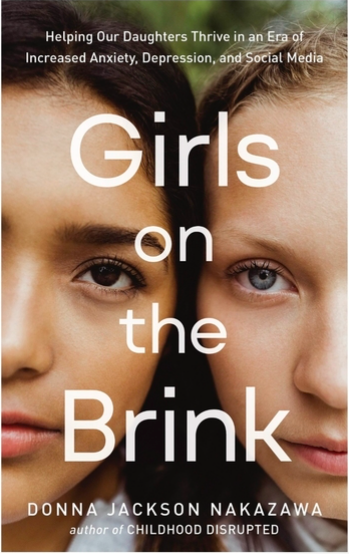
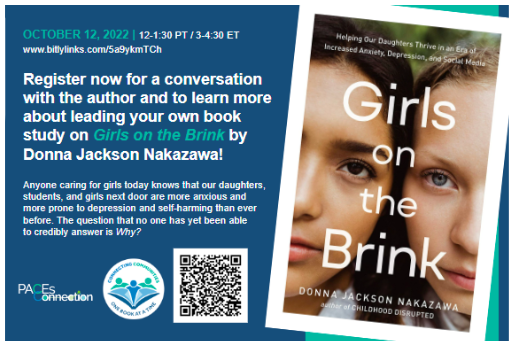
Donna Jackson Nakazawa, author of six books and longtime friend of PACEs Connection, joins the History. Culture. Trauma. podcast this week in an excerpt from the launch of her sixth book, “Girls on the Brink—Helping our Daughters Thrive in an Era of Increased Anxiety, Depression and Social Media.”
“Anyone caring for girls today knows that our daughters, students, and girls next door are more anxious and more prone to depression and self-harming than ever before,” said Nakazawa. But the question that seemed to have no answer was: “Why?” That’s why Nakazawa wrote the book, which she called a true labor of love.
The podcast comprises excerpts from a recent discussion among Nakazawa and PACEs Connection staff members Carey Sipp and Natalie Audage. Nakazawa noted that this time is especially challenging for girls. She cited the cultural challenges of social media and peer pressure as well as scientific evidence of hormonal and other biological changes in girls that are a cause for concern.
“The earlier onset of puberty mixes badly with the unchecked bloom of social media and cultural misogyny,” Nakazawa explained. “When this toxic clash occurs during the critical neurodevelopmental window of adolescence, it can alter the female stress-immune response in ways that derail healthy emotional development.”
The interview also focused on several of the 15 “antidotes” Nakazawa offers in this highly acclaimed book, as well as which factors in research on positive childhood experiences are most likely to help girls become secure and confident young women. Antidotes fall into three categories and include three on “the building blocks of good parent-child connection, and the importance of family connection,” six antidotes for “making her home a safe space,” and six antidotes to “bring in what the wider community can provide.” The interview honed in on at least one antidote from each of the three categories, including making it a good experience when your daughter turns to you, the importance of “wonder”, and encouraging a sense of mastery.
Nakazawa is an award winning science journalist, public speaker, and author of “The Last Best Cure”, in which she chronicled her year-long journey to health. “Childhood Disrupted” was born from the author’s own search to better understand the role her own childhood adversity played in the chronic health issues she faced as an adult.
Nakazawa lectures nationwide and has appeared on the TODAY Show, National Public Radio, and ABC News. Her work has been featured on the cover of Parade, in Time Magazine, USA Today Weekend, Parenting, and Psychology Today. She has been a regular contributor to More and her research has been covered by The Washington Post, Glamour, Ladies Home Journal, and AARP: the Magazine. Donna blogs regularly for Psychology Today.
The book is the second selection of the PACEs Connection Connecting Communities One Book at a Time book study. The first selection was “What Happened to You?” by Dr. Bruce Perry and Oprah Winfrey. More than 130 book studies formed as the result of the new initiative to communities together around books that help us have critical conversations about positive and adverse childhood experiences, racism, inequity, and how communities can prevent and heal trauma and create resiliency.
Tune into the interview broadcast at 1 p.m. PT; 4 p.m. ET on Thursday, October 27 here.
Note: PACEs Connection is in dire financial straits. We are asking for support, from you, our57,505 members, to help cover the loss of foundation funding that was promised and didnot come through. Pay and hours have been cut for our staff—most of us will be laid off for the month ofDecember. Another grant will pick up in January. Since sounding the alarm this summer,we’ve raisedabout $24,000. To geta sense of who your fellow members are, who is donating and why, please enjoy and share this secondpost in a series of donor profiles, and be likeRobin:Pleasemake a generous donationto PACEs Connection!
“PACEs Connection has been my north star for credible information about the science, research, and lived expertise that is centered on healing our most intractable problems,” says Robin Cogan, a nationally certified school nurse (NCSN) in an elementary school clinic in Camden, New Jersey.
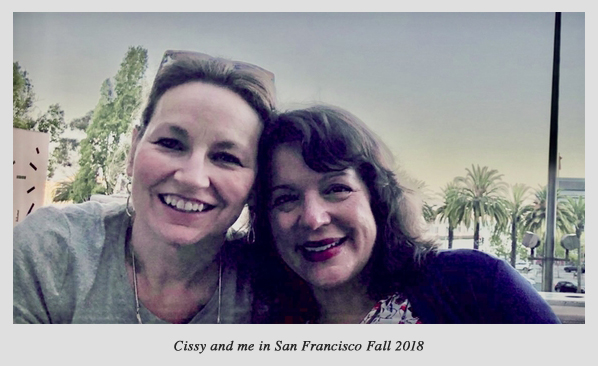
Cogan and former PACEs Connection employee and current blogger Cissy White met in person at the 2018 ACEs Conference in San Francisco after connecting on (then) ACEs Connection and Twitter!
She found PACEs Connection following the death of her father.
“He was a complex man who died from a hemorrhagic stroke, directly linked to the trauma he suffered as a 12-year-old boy witnessing the death of his entire family,’’ she explains. “He was buried on the 60th anniversary of the murders. I was on a quest to understand the life and death of my father, and found it through the research provided in the treasure trove of information available on PACEs Connection.”
Generational trauma
Cogan’s family has experienced the trauma of two mass shootings with both survivors and victims. A niece of Cogan’s was involved in a school shooting several years ago, and survived in the same way her grandfather survived in the mass shooting of his family seven decades earlier: She hid in a closet.
“Generational trauma was my original reason for digging deeper into the science of ACEs,” Cogan says. “It is my goal to do everything in my capacity as a school nurse and family-member survivor to end gun violence through public health measures which drive me to share this work. PACEs science holds the key by reducing and working to eliminate childhood adversity, especially exposure to violence. That will change the world.”
Headaches and stomach aches
As a clinical coordinator in the school nurse specialty program where she teaches at the Rutgers School of Nursing in Camden, Cogan has shared her passion and expertise in school nursing with hundreds of college students who follow in her footsteps to be, oftentimes, the one person who understands what’s happening when a child shows up at a school clinic with the fifth headache of the month; the third stomach ache of the week. She knows trauma is likely the root cause of many of those headaches and stomach aches.
Her work on the faculty in the School Nurse Certificate Program at Rutgers University-Camden School of Nursing earned her the 2018 Rutgers University – Camden Chancellor’s Teaching Excellence Award for Part-time Faculty.
“The Relentless School Nurse”
Cogan is also a prolific writer. Her weekly “Relentless School Nurse” posts were named “Top Nursing Blog” in 2020 on her website by the same name. Cogan also authors a monthly column in “My American Nurse”, the official journal of the American Nurses Association, and is the recipient of multiple awards for her work in school nursing and population health, including the 2019 and 2020 National Association of School Nurses President’s Award and the New Jersey Department of Health 2017 Population Health Hero Award. She was also named the 2018 National Certified School Nurse (NCSN) School Nurse of the Year, and the 2017 Johnson & Johnson School Nurse of the Year.
“Our gifts back…will bring more light..”
As for her generous support of PACEs Connection, Cogan says, “For so long the content of PACEs Connection has been open-access and I am sure that will continue. But answering this call for support is the least that we can provide for all that has been given by the organization.
“When you look at the structure behind PACEs Connection, you realize how few devoted people are providing so much content, research, opportunities for community building, and space to exhale in this complex world. I have given over the years, but realize that if each of us gave even a small amount, the collective impact would be a game-changer for PACEs Connection,” she adds.
”I appreciate that PACEs Connection lifts up community-inspired solutions by engaging grassroots groups working to heal their communities,” she says. “It has been a focal hub for learning, growing, and amplifying the science of positive and adverse childhood experiences. Our gifts back will be used to bring more light into this world in great need of healing.”
Cogan encourages fellow members of PACEs Connection to join her in making a generous, tax-deductible donation to PACEs Connection here.
If you’d prefer to mail your gift rather than give it online, here’s how…
Make check payable to: TSNE (Third Sector New England, our fiscal sponsor) and write PACEs Connection Donation on the memo line.
Mail check to: PACEs Connection, c/o TSNE, 89 South Street, Suite 700, Boston, MA 02111
Making a wire transfer or need Tax ID information?
Note: PACEs Connection is in dire financial straits. We need you, our 57,651 members, to helpcover the loss of foundation funding that was promised and did not come through. Unfortunately, pay and hours have had to be cut for our staff. Most of uswill be laid-off for the month of December. The good news is that, since sounding the alarm thisSummer,we’ve raised $46,000! Thank you to all who’ve donated. To get a sense of who yourfellow members are, who is donating, and why, please read and share this fourth in a seriesof donor profiles. Now that you know we need your help, please join Peter Chiavetta andmake agenerousdonationto PACEs Connection!
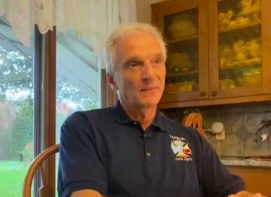
Peter Chiavetta said he knew what he wanted to do when he was three years old.
“When I was three,” says Chiavetta, now 70, “there was a threat of nuclear war. Everyone was scared. And I knew then I wanted to save the world.”
At 21, Chiavetta witnessed a horrific car crash, one he himself was almost in. As he stood watching a victim, not knowing how to help, he knew he had to learn how to save people’s lives in emergencies. So he became a volunteer emergency medical technician (EMT) at the Farnham New York Fire Department & Seneca Volunteer Fire/EMs Department.
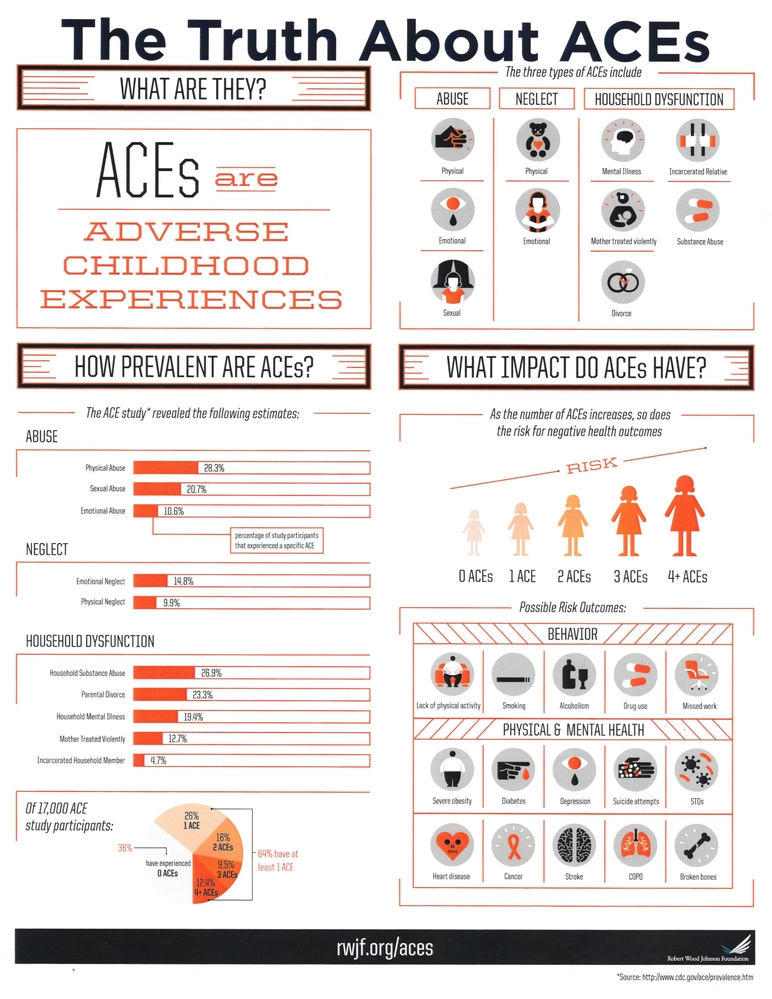
Fast forward 40 years and many emergencies later. That’s when Chiavetta stumbled on the Adverse Childhood Experience survey (ACEs) study, (CDC-Kaiser Permanente Adverse Childhood Experiences Study). It was then he knew he’d found the way to do what he’d wanted to do since he was that three-year-old child.
“I always said if I found a way to help this country continue, I would support it. The PACEs science movement is that movement.”
For Chiavetta, the ACE Study was the “aha” moment he needed to connect the dots between people having challenging childhoods and then experiencing chronic health problems as adults. And he saw no reason to not help people connect the dots…in his family catering business, with his family, in medical offices and town meetings, and on his most familiar turf—the back of an ambulance.
Learning about the ACE Study in 2014 put it all together for Chiavetta, who is, to his knowledge, the only EMT in the country spreading the news about PACEs science in a formal way, on almost every call.
Chiavetta counts connecting with Jane Stevens, founder and publisher of then ACEs Connection, now PACEs Connection, as a turning point for him.
“Jane brought, in ACEs Connection, the information, community, tools, courage, and more,” he says. All of which help Chiavetta on his quest to make the science mainstream, a matter of course everywhere, all the time, and make Chiavetta an ardent supporter of PACEs Connection.
“I always said that If I found a movement that I would help this country continue, that I would support it. The PACEs science movement is that movement. It can keep this country going—the understanding, forgiveness, help and hope it brings. And PACEs Connection leads the movement, because it can help people understand that the accidents they’re in, the diseases they have, they are not their fault,” Chiavetta says.
“I now know how to look at everything through a trauma lens, and can help people. I ask a motorcycle accident victim about his childhood while we’re in the back of an ambulance. I hear he’s had a rough childhood. I can say, ‘Man, I hear you’ve had a tough life and an even tougher childhood. It’s not your fault. And this accident is not your fault,’’’ he said.
“I tell him he’s not alone, and that he should have been protected, cared for and loved. It’s that easy to help someone,” Chiavetta says.
Planting seeds for patients to understand the impact of trauma on their children.
He believes it is that easy to help people begin to see that they want their children to have better lives, to plant the seed of their wanting their children to know the love, protection and security they may have missed.
“I support PACEs Connection because of what it has given back to me—the information to help people forgive themselves and start their lives with a new understanding of how they are where they are,” he says. “I am helping them. ”
Though Chiavetta does far more than have moments of connection in a speeding ambulance.
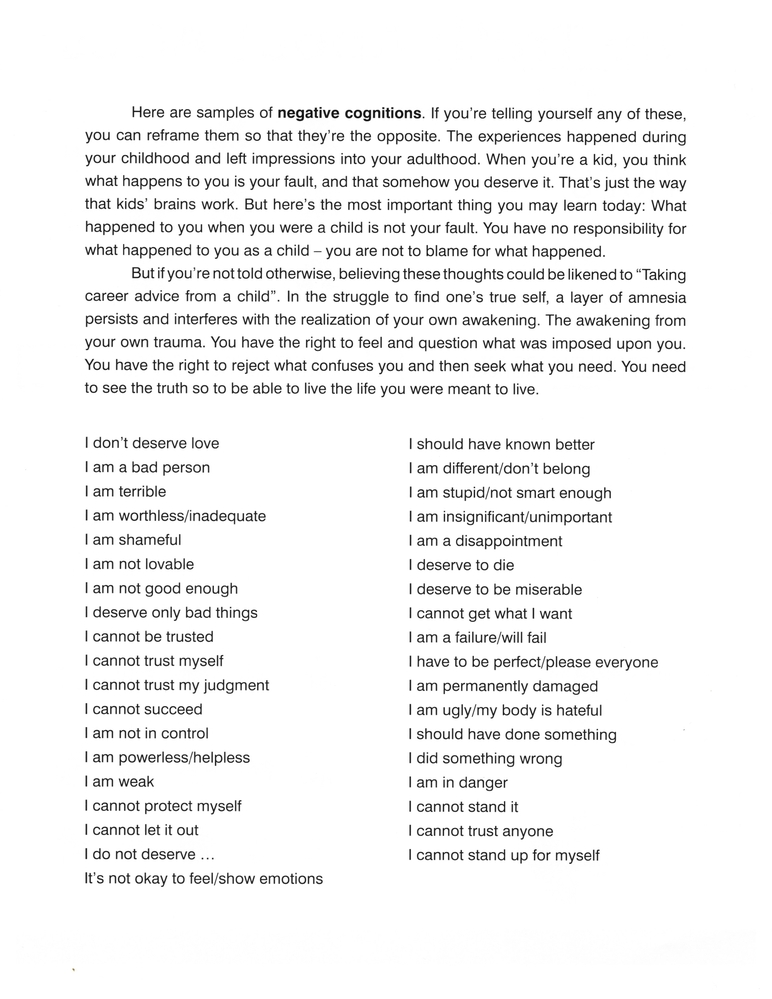
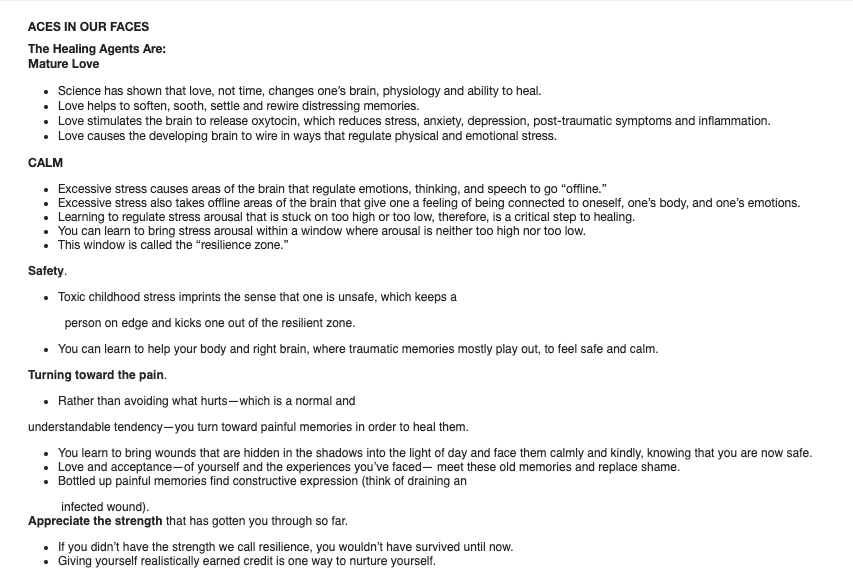
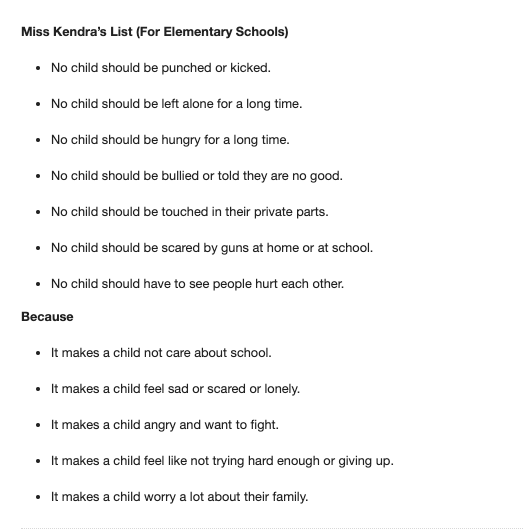
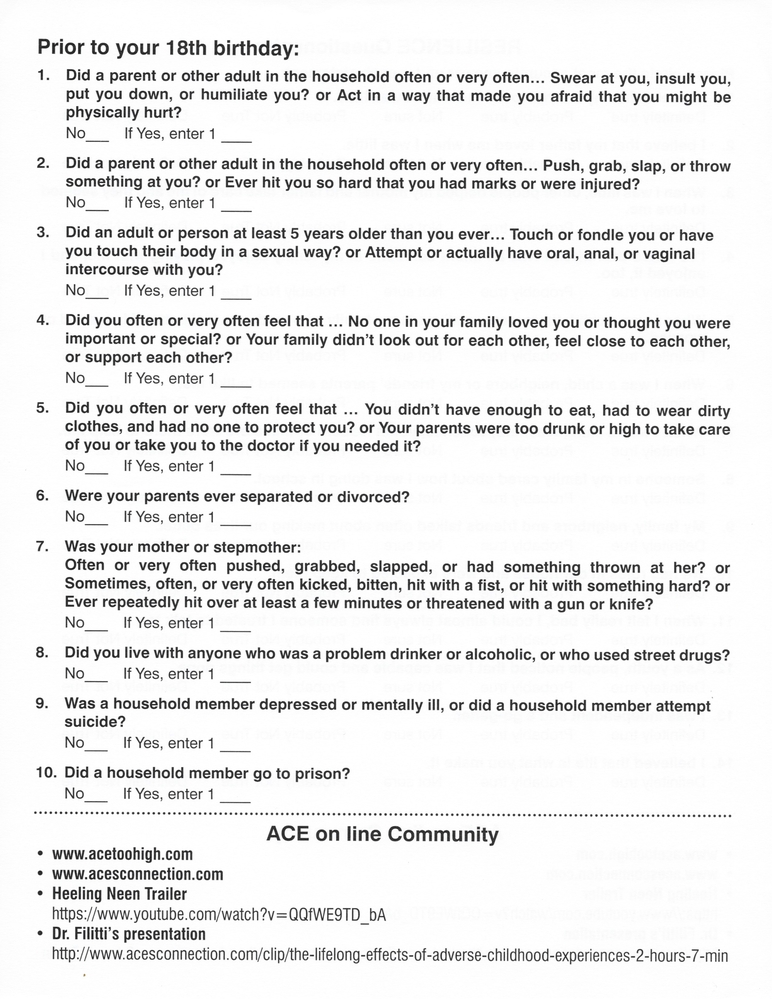
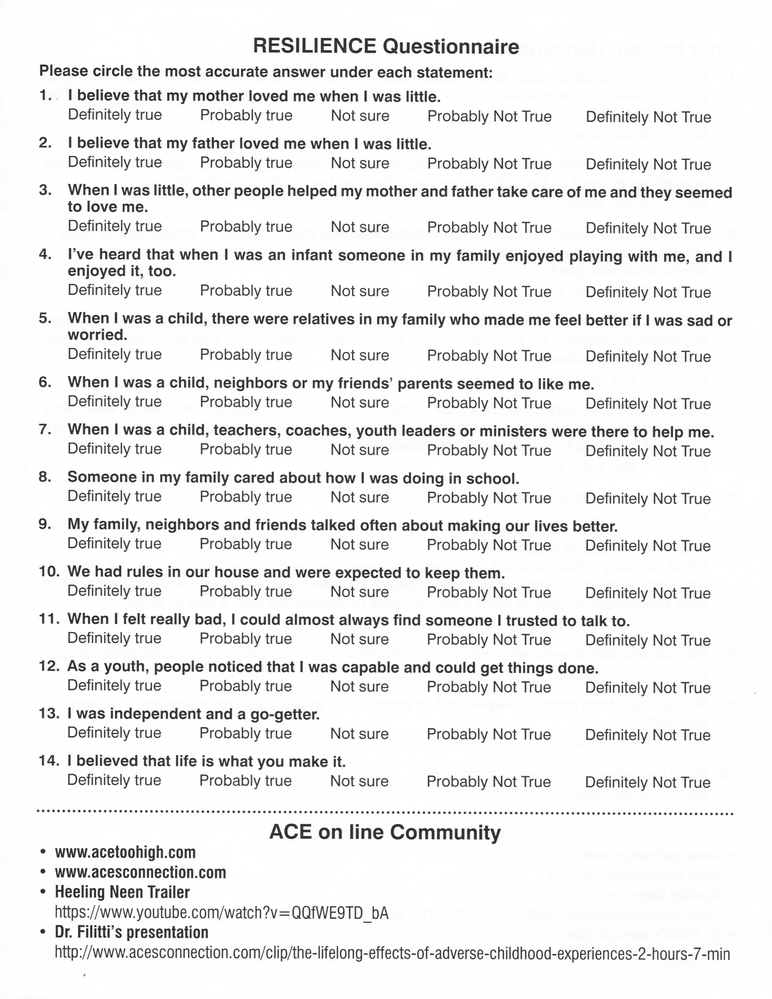
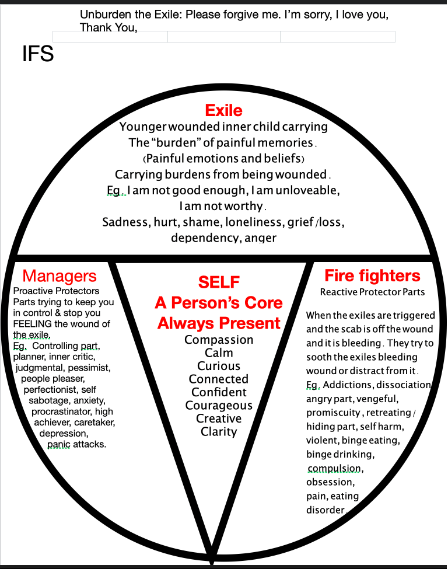
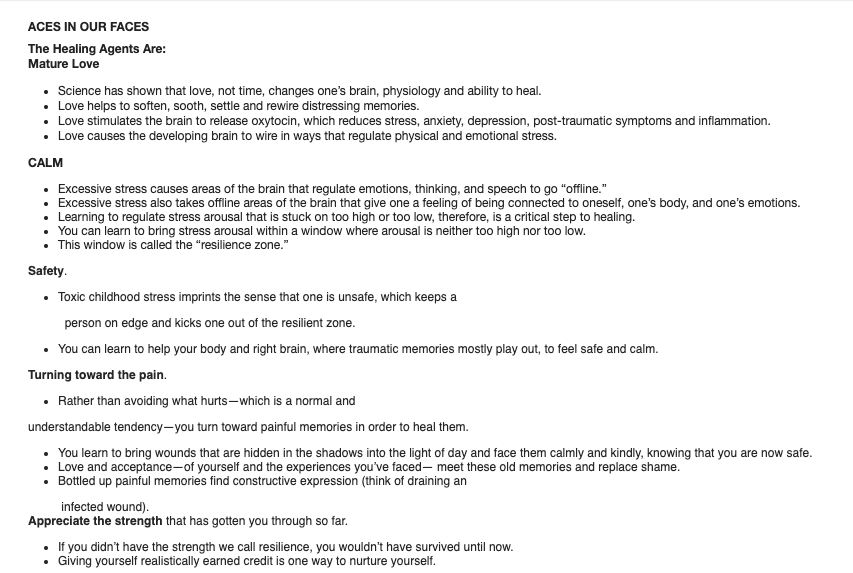
He has a handout he shares, goes over it with patients, and checks on them in the hospital. He estimates that he’s shared his eight-page handout (shared below) with more than a thousand people over the years.
He’s not saving the world in a grand, single swoop, but he is helping to change the world for those patients. He has a brief chat with each that helps them connect their childhood trauma with why their lives have turned out the way they have, and what they can do to help turn things around. And then he hands them easy-to-understand bits of the science, along with some inspiration. He believes some of this sharing is taken to heart.
“I recently had coffee with an old friend, and she said she wanted me to know how much what I have done over the years has helped our town, with working for better safety in getting four-way stops instead of lights, and in helping share this information about ACEs. It felt good,” he says.
For Chiavetta, the benefit of PACEs Connection has been getting the word out on the science and tracking how it is changing the world. It also validates him as he takes the science with him into hospitals and board rooms.
Documentation and dissemination—outside the comfort zone.
“We are tracking the integration of PACEs into the workplace. It’s not in the culture yet, but seeing the work go into the workplace gives us hope,” he says.
“PACEs Connection has documented that and it helps feed the hope that we will eventually see the integration occur throughout our culture. I’m on a call on Mondays with other people who want to apply what they know about PACEs science in the workplace, and they experience pushback as they try to get trauma-informed care going. Having PACEs Connection helps keep us going. It’s the documentation and the dissemination of what we know. It gives us validity. It helps us step outside of our comfort zone to push for a more trauma-informed world.”
How does he hope PACEs science will change the world?
“So many young people who are stuck think they don’t deserve to have better lives,” he explains. “This science helps people realize they don’t have to live this life—there is an alternative. I’ve heard it said that ‘traumatized people stand on the grave of dreams.’ Traumatized people have dreams, but don’t know how to access them. I think this information helps people access those dreams. It helps prevent more trauma. It helps them realize the struggle is on the inside.”
“I wish some politician would get up and say ‘I want one year of paid paternity leave.’ One year of paid paternity leave would turn the world upside down,” he explains. “I wish they’d ask for it and go into the ‘why’ of talking about the importance of secure attachment, safe, stable, nurturing environments. PACEs Connection helps get ideas such as that out there.”
“It’s too early for this shining star to die.”
Why should other members of PACEs Connection provide financial support to our organization?
Chiavetta is straightforward in his answer.
“It’s too early for a shining star to die,” he says. “We really need to perpetuate the efforts of PACEs Connection. It can become extinct. When trauma-informed care first started in western New York, people poured everything into it, and it failed. And then it got resurrected again. But the original founders of it lost traction. They had all the enthusiasm in the world and lost traction.
“I feel like we’re showing people the door to save themselves, and people are still running back into the fire. It is very important that PACEs Connection keep going—that it be that light, be that open door. This is the direction.”
Chiavetta encourages fellow members of PACEs Connection to join him in making a generous, tax-deductible donation to PACEs Connectionhere.
If you’d prefer to mail your gift rather than give it online, here’s how…
Make check payable to: TSNE (Third Sector New England, our fiscal sponsor) and write PACEs Connection Donation on the memo line.
Mail check to: PACEs Connection, c/o TSNE, 89 South Street, Suite 700, Boston, MA 02111
Making a wire transfer or need Tax ID information?
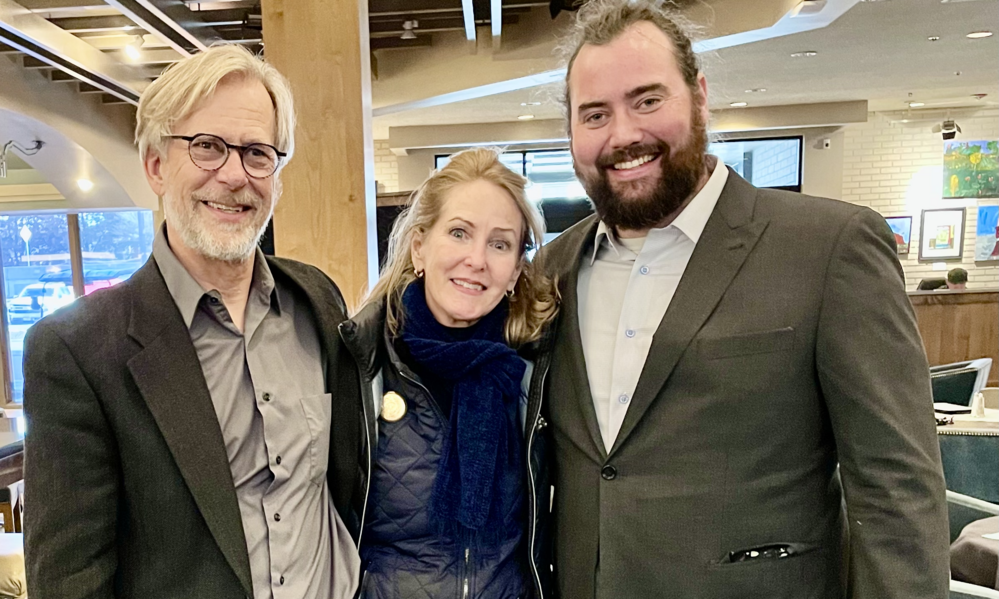
Bill Foxcroft, executive director of the Idaho Head Start Association and me with Tommy Sheridan, deputy director of the National Head Start Association.
There’s some irony in asking for help after giving a talk on asking for help.
I’ll explain.
Sitting at the airport in Salt Lake City, two talks for the Idaho Head Start Association completed, I was glancing through the evaluations of my talks—95% were 8+. Whew. Apparently the topic—how asking for help as a single mother of two helped save my family and me—resonated with staff, teachers, and parents in the Head Start program in Idaho.
I loved the audience, love the organization, and am a long-time proponent of early childhood education, intervention, and support. The National Head Start program has served more than 36 million children over its 58-year history. Today more than a million children attend Head Start programs, which employ more than 257,000 people! The talks and new friendships made in Boise were affirming for myself as well.
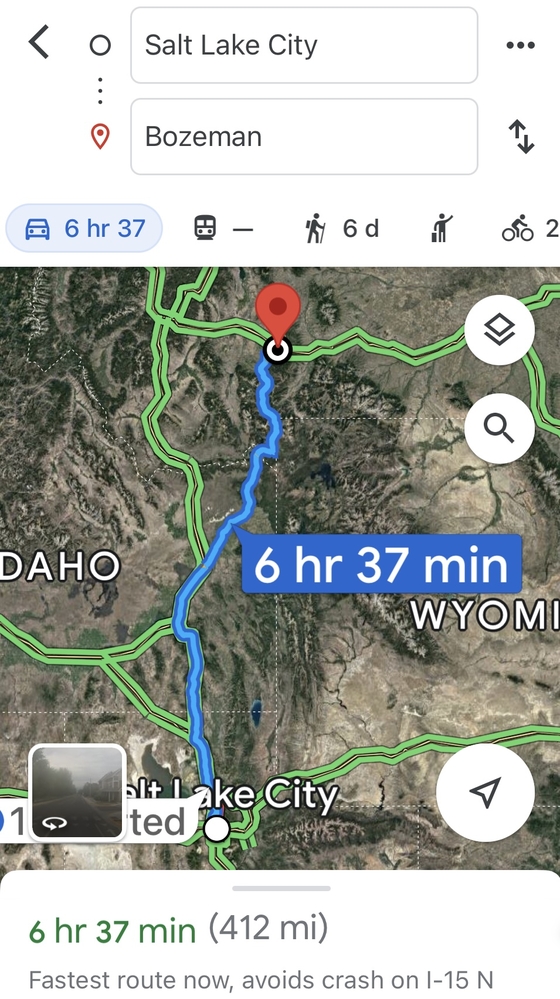
Next stop? Bozeman, Montana, for a brief visit with my grown children, their respective significant others, and my grandpuppies. It would be my first-ever foray into the “Treasure State” in the worst part of the winter. It was supposed to be -17 degrees in Bozeman when I landed.
When I looked up from the evaluations, I noticed the woman sitting next to me doing something I recognized, and said: “I know that move. You’re checking on a child sleeping behind that column, aren’t you?”
Yes, she replied and told me that she and her daughter, age 11, had been traveling all day from Belgium, where they’d spent time with her parents. We laughed about a similar experience I’d had with my daughter when she was about the same age—we’d spent the night under a desk at the Portland airport waiting to catch a flight to Atlanta.
Geraldine—by that time we’d exchanged names—agreed to watch my things while I went to the ladies’ room. When I returned, she said our flight had been canceled, and that she’d booked the last room at the airport Radisson. I gave her a thumbs up and said I was going to look for an alternate fight.
Maybe I could fly into Billings tonight.
Or rent a car. It was a six-hour-plus drive. The roads were rough. No dice.
No flights to Billings, either.
I started zigging and zagging over the map of Montana to see what else could work, and thought about Helena. It wasn’t that far from Bozeman. Meanwhile the line to the Delta service desk, which was about 100-people deep when I got to the gate, had about 200 people waiting impatiently.
Then, jackpot. There was a flight to Helena—a 90-minute drive from Bozeman—the next morning. Better still,I booked a seat.
I told Geraldine and she started checking availability for the same flight. A few minutes later, she and her daughter, Nelle, booked their seats.
Relief in the air, I made a big ask: Would Geraldine be willing to split the cost of the room and perhaps she, her daughter and I could have a Salt Lake City girls’ night sleepover?
I didn’t know the extent of Geraldine’s world traveling experience at that time, but I could tell she’d sized me up. In the little bit of conversation that we’d had—I’d told her I was coming from giving a talk to the Idaho Head Start Association and that I was eager to see my adult children in Bozeman for the first time in months—she’d decided I was a safe risk. She said yes, and I said I’d pay for the ride to the hotel.
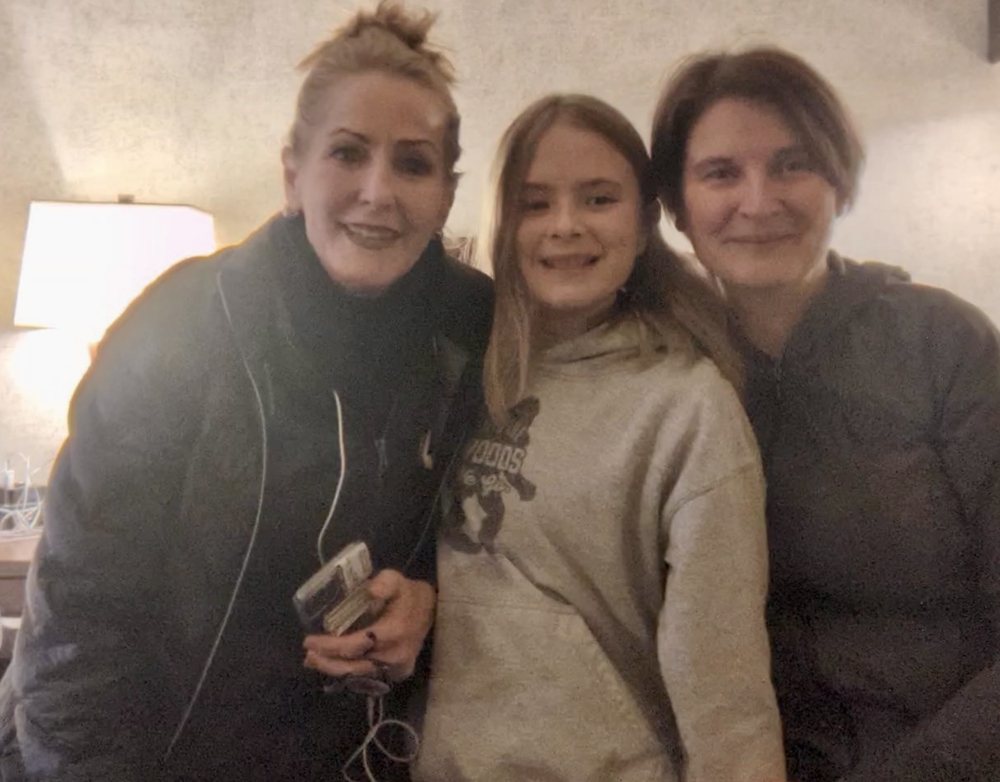
Long story short: We did have the last room at the Airport Radisson. It had two queen-sized beds. Nelle and Geraldine bedded down quickly; they’d had a long day. I sent a few messages to the kids, confirming everything, did an abbreviated cleanup, and went to sleep around 1 a.m., grateful to be in a clean bed instead of trying to sleep in a chair at the airport.
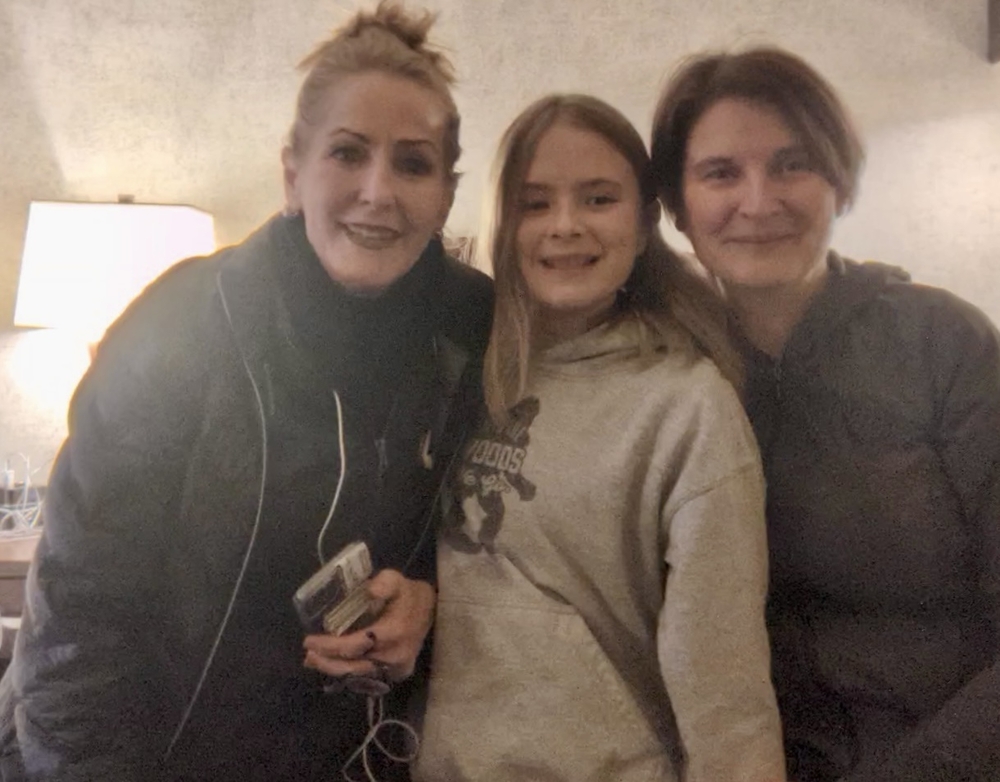
Geraldine, Nelle, and me before heading back to the airport, after our pop-up girls-only Salt Lake City slumber party!
At 6:30 a.m. we headed back to the airport. While waiting, Geraldine and I shared more bits of personal histories. She’d been a college recruiter, and had traveled throughout China, India, and Malaysia before having children. We talked a bit about having daughters, and how grateful I was that my daughter is not a pre-teen at this time when the news about teenage girls and the post-pandemic pressures they are feeling with social media and more, is a great cause of concern. These facts are well-documented in a book I recommended to Geraldine, Girls on the Brink by author and friend Donna Jackson Nakazawa.
When we boarded the plane, our conversation ended; our seats were far apart. After landing, we hugged and thanked each other. My daughter arrived to whisk me away; Geraldine’s husband came to pick up his wife and daughter. And our adventure seemed to come to an end.
But I decided there was something to be learned from writing about this experience.
Later, I texted Geraldine to ask if she was okay if I wrote a story about what we’d experienced in the last 14 or so hours, if I only used their first names and sent it to her first. She was good with that.
And here we are.
I’m back from a great experience of meeting wonderful people who work with Head Start, and spending an incredibly sweet time with my children, during which I thanked them for living so close to each other.
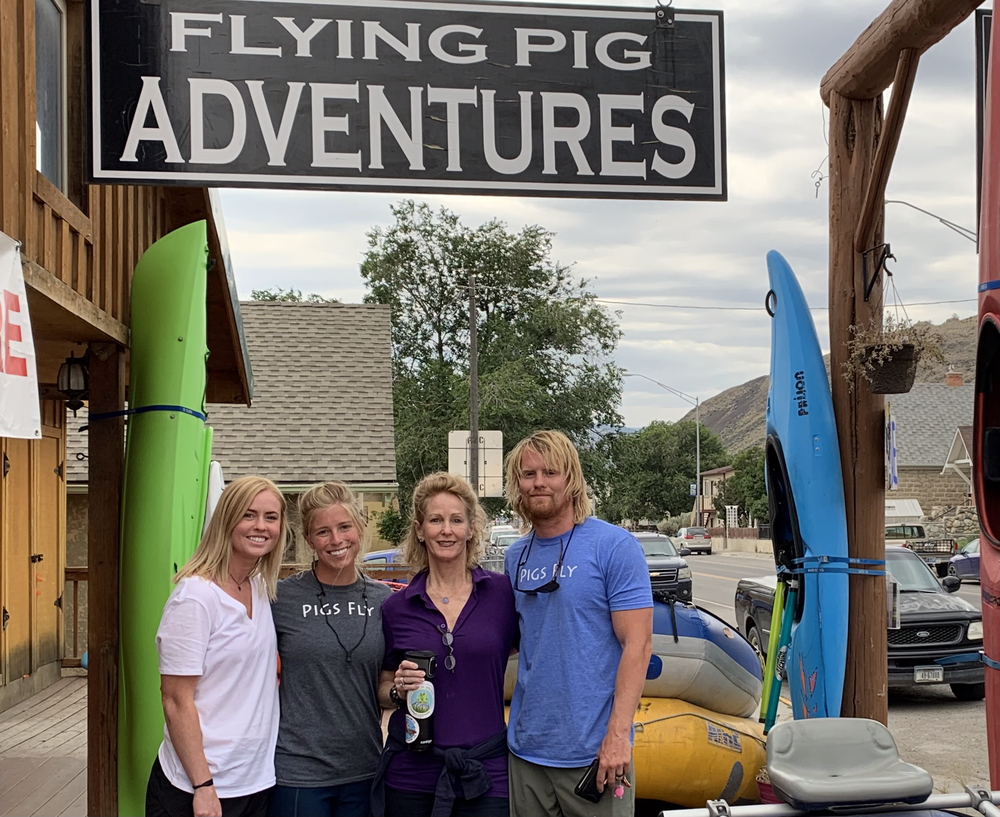
They’d always been close, so when Patrick left Georgia for Montana six years ago, Louisa, who also loves the outdoors, followed suit. They have been rock-solid supports for each other. They know how to ask each other for help when they need it, and they know how to offer support in healthy ways. This served them well when Patrick and a friend of his bought a white-water rafting business, and Louisa helped him with bookings and more for several summers.
There was so much gratitude gained during this brief adventure.
Gratitude for my health, my children and their great relationships with their significant others and amazing dogs. Gratitude that I had enjoyed giving the talks I gave and that they were so well received. Gratitude for the confidence to ask for help and that I’d listened when people along the way told me that asking for help is a sign of maturity. Gratitude that I’d made new connections with people who were enthusiastic about the work being done at PACEs Connection, and how well it aligns with work being done by the thousands of employees at Head Start who are eager, too, to prevent and heal trauma.
Writing this blog was a kind of gift to myself on this March day, which is also my birthday. It is also a way of marking and celebrating these new friendships and possibilities, and affirming the fact that we’re never too old to ask for help, or to have a pop-up, girls-only slumber party.
A headline earlier this year said it simply: Social Media is Devastating Girls Mental Health.Donna Jackson Nakazawa, an award-winning science journalist and the author of seven books exploring the intersection of neuroscience, immunology, and human emotion, is featured in this week’s episode of History Culture. Trauma, and explains the crisis facing today’s girls as being a biologically rooted phenomenon, and more, and offers solutions to the crisis that has many parents wondering what they can do.“The earlier onset of puberty mixes badly with the unchecked bloom of social media and cultural misogyny. When this toxic clash occurs during the critical neurodevelopmental window of adolescence, it can alter the female stress-immune response in ways that derail healthy emotional development,” explains Nakazawa.This week’s encore episode of History. Culture. Trauma. is an excerpt from a recorded interview of Nakazawa conducted by PACEs Connection team members Carey Sipp and Natalie Audage in October, 2022, as a part of the PACEs Connection Connecting Communities One Book at a Time initiative. The initiative featured her latest book Girls on the Brink:Helping Our Daughters Thrive in an Era of Increased Anxiety, Depression, and Social Media. The book was published last October.In this interview, Nakazawa focuses on the impact of modern society on adolescent girls. “Anyone caring for girls today knows that our daughters, students, and girls next door are more anxious and more prone to depression and self-harming than ever before. The question that no one has yet been able to credibly answer is “Why?”Nakazawa was clear that while she sees much to worry about girls’ mental health today, she also has hope. She offers 15 antidotes or “strategies for raising emotionally healthy girls” in the book and spoke about a several of them during the webinar from which this interview is gleaned. (See below for resources, including a link to the longer webinar interview in which she details the strategies.)Antidotes fall into three categories and include three on “the building blocks of good parent-child connection, and the importance of family connection,” six antidotes for “making her home a safe space,” and six antidotes to “bring in what the wider community can provide.” The longer webinar interview honed in on at least one antidote from each of the three categories, including making it a good experience when your daughter turns to you, the importance of “wonder”, and encouraging a sense of mastery.Jackson Nakazawa has appeared on The Today Show and NPR, and is a regular speaker at universities, including the Harvard Division of Science Library Series, Rutgers University, Johns Hopkins, Learning and the Brain, and the Andrew Weil Center for Integrative Medicine at the University of Arizona. She is also the creator and founder of the narrative writing-to-heal program, which uses a process called Neural Re-Narrating to help participants recognize and override their brain’s old thought patterns and internalized stories.
Listen to “History. Culture. Trauma.” here online on Thursday, or access this, or prior podcasts, at the podcast service of your choice listed below.
A headline earlier this year said it simply: Social Media is Devastating Teen’s Mental Health.Donna Jackson Nakazawa, an award-winning science journalist and the author of seven books exploring the intersection of neuroscience, immunology, and human emotion, is featured in this week’s encore episode of History Culture. Trauma.Jackson Nakazawa explains the crisis facing today’s girls as being a biologically -rooted phenomenon, and more, and offers solutions to the crisis that has many parents wondering what they can do.“The earlier onset of puberty mixes badly with the unchecked bloom of social media and cultural misogyny. When this toxic clash occurs during the critical neurodevelopmental window of adolescence, it can alter the female stress-immune response in ways that derail healthy emotional development,” explains Nakazawa.This week’s episode of History. Culture. Trauma. is an excerpt from a recorded interview of Jackson Nakazawa conducted by PACEs Connection team members Carey Sipp and Natalie Audage in October, 2022, as a part of the PACEs Connection Connecting Communities One Book at a Time initiative. The initiative featured Jackson Nakazawa’s latest book, Girls on the Brink:Helping Our Daughters Thrive in an Era of Increased Anxiety, Depression, and Social Media. The book was published last October.In the interview, Jackson Nakazawa focuses on the impact of modern society on adolescent girls. “Anyone caring for girls today knows that our daughters, students, and girls next door are more anxious and more prone to depression and self-harming than ever before. The question that no one has yet been able to credibly answer is “Why?”Jackson Nakazawa was clear that while she sees much to worry about girls’ mental health today, she also has hope. She offers 15 antidotes or “strategies for raising emotionally healthy girls” in the book and spoke about a several of them during the webinar from which this interview is gleaned. (See below for resources, including a link to the longer webinar interview in which she details the strategies.)Antidotes fall into three categories and include three on “the building blocks of good parent-child connection, and the importance of family connection,” six antidotes for “making her home a safe space,” and six antidotes to “bring in what the wider community can provide.” The longer webinar interview honed in on at least one antidote from each of the three categories, including making it a good experience when your daughter turns to you, the importance of “wonder”, and encouraging a sense of mastery.Jackson Nakazawa has appeared on The Today Show and NPR, and is a regular speaker at universities, including the Harvard Division of Science Library Series, Rutgers University, Johns Hopkins, Learning and the Brain, and the Andrew Weil Center for Integrative Medicine at the University of Arizona. She is also the creator and founder of the narrative writing-to-heal program, which uses a process called Neural Re-Narrating to help participants recognize and override their brain’s old thought patterns and internalized stories.
Listen to “History. Culture. Trauma.” here online on Thursday, or access this, or prior podcasts, at the podcast service of your choice listed below.
(Note: This brief obituary was lovingly crafted with the support of Cherie Porter, Jane Ellen Stevens’ closest long-term friend; Dana Brown, one of the first employees of what became PACEs Connection; and Lori Dorfman, DrPH, MPH, director of the Berkey Media Studies Group, Jane’s friend with whom she taught and worked.)
Jane Ellen Stevens, beloved friend, award winning science journalist, and founder and publisher of ACEsTooHigh.com and PACEsConnection.com, died gratefully at her home in Northern California on Sunday, November 30th, in the company of her four cats and friend of 45 years, Cherie Porter.
Jane lived an active engaged life for seven years after her initial diagnosis of glioblastoma in 2018, followed by surgery, chemo, and radiation. In February of this year a second tumor foretold the inevitable, ultimately leading Jane to choose a “self-administered assisted death”, an end of life option in California.
Friends and colleagues were informed within the hour through the following message from Cherie:
The vivacious, wholly unique, and luminous star we have known as Jane, was extinguished at 12:00 p.m. on this day. She felt your love deeply, reflected love back, and was completely at peace.
Jane was born August 23, 1948 in New Jersey. Her career as a science journalist spanned nearly five decades and touched millions of lives world-wide through articles and stories in newspapers, magazines, videos and podcasts. Among others, she wrote for the Boston Globe, the San Francisco Examiner, the magazines Science, Nature, National Geographic, Technology Review, and the Los Angeles Times Magazine. She pioneered video journalism for New York Times TV and founded a health/science/technology feature service with more than 20 client news organizations worldwide.
As a multimedia journalist, Jane reported for Discovery Channel. At UC Berkeley’s Graduate School of Journalism, she helped found the multimedia reporting track, did groundbreaking work reporting on the prevalence and impact of domestic violence, and taught master classes for journalists on the importance of including in stories how exposure to trauma affects the epidemiology of violence.
Struck by the significance of findings in the 1998 Adverse Childhood Experiences (ACE) Study published by Kaiser Permanente and the Centers for Disease Control, Jane started writing about the study in 2005, with a post in the Sacramento Bee, “Targeting obesity at its roots: Childhood trauma may be at the core of the epidemic of overweight adults”. (As Jane was not a staff journalist at the Sacramento Bee, that post is not available in the publication’s online library.)
In 2009, Jane founded ACEsTooHigh.com, a news site for journalists and the general public. On this site she ultimately reposted the 2005 story which featured Dr. Vincent Felitti, co-principal author of the 1998 ACE Study, under the headline, “The Adverse Childhood Experiences Study — the largest, most important public health study you never heard of — began in an obesity clinic.” This article was among many of Jane’s ACEs Connection and then PACEs Connection posts that “went viral”, was picked up by news services, and generated hundreds of thousands, if not millions, of page views, helping increase awareness of ACEs Science. It also launched a two-decade, mutually respectful friendship between Jane and Dr. Felitti, the beginning of what would become the ACEs Science movement.
In 2012 Jane launched ACEs Connection.com, a social network comprising ACEsTooHigh.com and the ACEs Connection community of practice. ACEs Connection grew it from 200 members to some 60,000 members before Jane stepped down as its CEO in 2023.
Today, the site has more than 62,000 members worldwide, some 400 geographic sub-communities, and more than 40 topic-focused communities. There are 17 international communities represented on the site, with new members joining daily. Jane had launched ACEs Connection in part with an invitation email sent to 200 addresses from Dr. Felitti’s contact list.
Early on, Jane wrote of the work to make information about ACEs science more widely known:
The intent was to inform people, organizations, and communities about a new understanding of human behavior that had been emerging since the 1980s. It was clear that this new knowledge had the potential to solve our most intractable problems. The network was designed to connect the pioneers who were integrating trauma-informed and resilience-building practices based on ACEs science across sectors. This included pediatricians, educators, business owners, judges, community activists, people participating in associations, people working in juvenile justice, social workers, people in the faith-based community, emergency medical technicians.
Remarkably, even after her diagnosis of glioblastoma, the most aggressive form of brain cancer, in February of 2018, Jane continued to live life to the fullest. She remained committed to caring for her friendships and her cats, experiencing the gifts of nature, exercising body and mind, and writing.
In October 2018, eight months after recovering from brain surgery, chemo and radiation, Jane hosted the second international ACES Conference, co-hosted by Dr. Nadine Burke Harris, then of the Center for Youth Wellness, engaging and connecting hundreds of individuals from around the world. This was the second such international conference, the first being in 2016.
We invite you to share your thoughts and remembrances of Jane; how she herself influenced you, or how her efforts to raise awareness of the effects of toxic stress and the protective attributes of positive experiences benefitted your life or the life of those you love.
We plan to post a more detailed obituary in the near future.
Please share your memories by completing the Google form available at this link,Google Form for use in honoring Jane Ellen Stevens, being careful to note it if you want your comments to be posted anonymously.
We have received inquiries from people wanting to remember Jane and organizations she endorsed with a gift in her honor. One journalism nonprofit she worked with and supported is the Institute for Nonprofit News. You can also remember Jane with a tax-deductible gift to support the revitalization of PACEs Connectionhere.
Co-Directors of PACEs Connection Dana Brown and Carey Sipp are organizing a live on Zoom, Celebration of the Life and Work of Jane Stevens, to occur in mid-January 2026. Watch for this announcement in the next several days.
Photos of Jane through the years are below. More will be shared in a later, more expanded obituary and on a “memory wall” to be built with the support of those who share photos and memories of Jane using the Google Form for use in honoring Jane Ellen Stevens.
The “Legacy.com” obituary running in The San Francisco Chronicle through December 21, 2025, can be found here, if you would like to comment on it.
For those who would like to read several of Jane’s most memorable posts on PACEs Connection and other news outlets, a curated selection is shared below. If there are others you’d like to see added to the list, please share them in the comments below and we’ll review and add them as time permits.
Jane Stevens’ life, and the celebration of her life, were similar in that both were filled with stunning revelations and deep connections.
Cast as a love letter to the intrepid science journalist who founded PACEs Connection in 2012, the Valentine’s Day event’s highlights included a recounting of some of Jane’s most incredible adventures:
A trip in a research submersible to the deepest point in the ocean, the Mariana Trench (more people have walked on the moon than have visited the depths of the Mariana Trench)
Helping arrange the Olympic Circles skydivers for the 1988 Seoul games
Dancing as a Raiderette cheerleader for the Oakland Raiders
Riding in a Grumman F-14 Tomcat; carrier-capable supersonic jet and not throwing up until she was in the ladies’ room (much to the chagrin of the pilot and ground crew)
Joining three seven-week research trips on icebreakers into the Antarctic’s winter sea-ice zone leading to a print story in National Geographic Magazine and segments for National Geographic Explorer (TV) and the Discovery Channel
A recounting of some of Jane’s travels and research posts, and talents as a journalist, including:
Her four years in Kenya
Living among orangutans in Borneo
Travels through Malaysia and Africa, many with her best friend of four decades, Cherie Porter
Her renovations to houses she owned and rental units she left much improved
Her inherent ability to craft stories about science in ways that made the topics relatable
Her superpowers as an editor in taking stories by writers at PACEs Connection and making them infinitely better in record time.
One wall of photos sharing Jane Stevens’ adventures in a fighter jet, on a broncing bull, and on various trips to Antartica, Africa, and more.
Cherie Porter, Jane’s friend of close to four decades, sharing stories of their years of friendship, travel, and adventure.
As Cherie wrote of Jane in a beautiful booklet she created in Jane’s honor and shared at the celebration:
Sometime in her distant past, Jane discovered her north star when her natural skill as a storyteller linked up with her lifelong fascination with science.
She long appreciated the allure of science and that it could achieve wonderful things, but she knew that it was not infallible because it’s made by humans and, therefore, subject to all the shortcomings, biases, risks, and caveats inherent to all human endeavors.
She remained fascinated, but never lost sight of her role as a journalist. She was in service to readers, not scientists.
We remain the grateful beneficiaries.
Jane’s writing always reflected her curiosity, respect, understanding of the centrality of evidence, and an awareness of the flaws and limitations of knowledge.
Her readers felt that. They also connected with her stories because she wrote from her direct experience.
The scope of Jane’s stories required unusual research and led to extraordinary experiences.
About 50 of Jane’s friends joined Cherie to celebrate Jane’s remarkable life, career, achievements, relationships, and legacy.
L-R Carey Sipp, Alison Cebulla, Dana Brown, and Gail Kennedy, former PACEs Connection staffers. Carey and Dana are currently volunteer co-directors of PACEs Connection, working on the revitalization of the social network started by Jane Stevens as ACEs Connection in 2012.
Dana Brown and Carey Sipp, volunteer co-directors of PACEs Connection shared plans for the continuation of Jane’s work to create ACEs Connection. Jane started ACEs Connection in 2012 to raise awareness of the 1998 Adverse Childhood Experiences Study, which she wrote about in scores of articles in the 26 years after she learned about it, soon after it was published by Kaiser Permanente and The Centers for Disease Control.
Jane changed the name of the social network from ACEs Connection to PACEs Connection in 2021, to reflect the importance and findings of the Positive Childhood Experiences (PCE) Research study published in the Journal of American Medicine, Pediatrics, in 2019.
The study revealed the powerful protective and preventive impact of positive childhood experiences. Promoting this science tied into the purpose of the ACEs science movement to prevent and heal childhood trauma, and to promote resilience and positive childhood and community experiences (PCEs).
Jane’s love of creating and sharing positive experiences, of writing, science, and friendships was evident in the celebration of her life and the stories shared.
“It’s an honor that Carey and I can continue Jane’s legacy of sharing this science she respected and wrote about so much. There were donors to PACEs Connection at the event, donors and supporters. It was especially wonderful for us to be able to share with them that we are close to announcing a revitalization of PACEs Connection,” said Dana.
Photos below are of Lori Chelius, Dana Brown, Lori Dorfman, and Carey Sipp outside at Jane Stevens’ celebration of life near Sacramento, CA.
Carey Sipp, Dr. Jeoff Gordon, and Dr. Andres Sciolla share a moment at the celbration of life for Jane.
Additional resources, including some of Jane’s most read posts:
 Carey Sipp 10/25/223:32 PM
 “Anyone caring for girls today knows that our daughters, students, and girls next door are more anxious and more prone to depression and self-harming than ever before,” said Nakazawa. But the question that seemed to have no answer was: “Why?” That’s why Nakazawa wrote the book, which she called a true labor of love.
 The interview also focused on several of the 15 “antidotes” Nakazawa offers in this highly acclaimed book, as well as which factors in research on positive childhood experiences are most likely to help girls become secure and confident young women. Antidotes fall into three categories and include three on “the building blocks of good parent-child connection, and the importance of family connection,” six antidotes for “making her home a safe space,” and six antidotes to “bring in what the wider community can provide.” The interview honed in on at least one antidote from each of the three categories, including making it a good experience when your daughter turns to you, the importance of “wonder”, and encouraging a sense of mastery.

 If you’d prefer to mail your gift rather than give it online, here’s how…
 Making a wire transfer or need Tax ID information?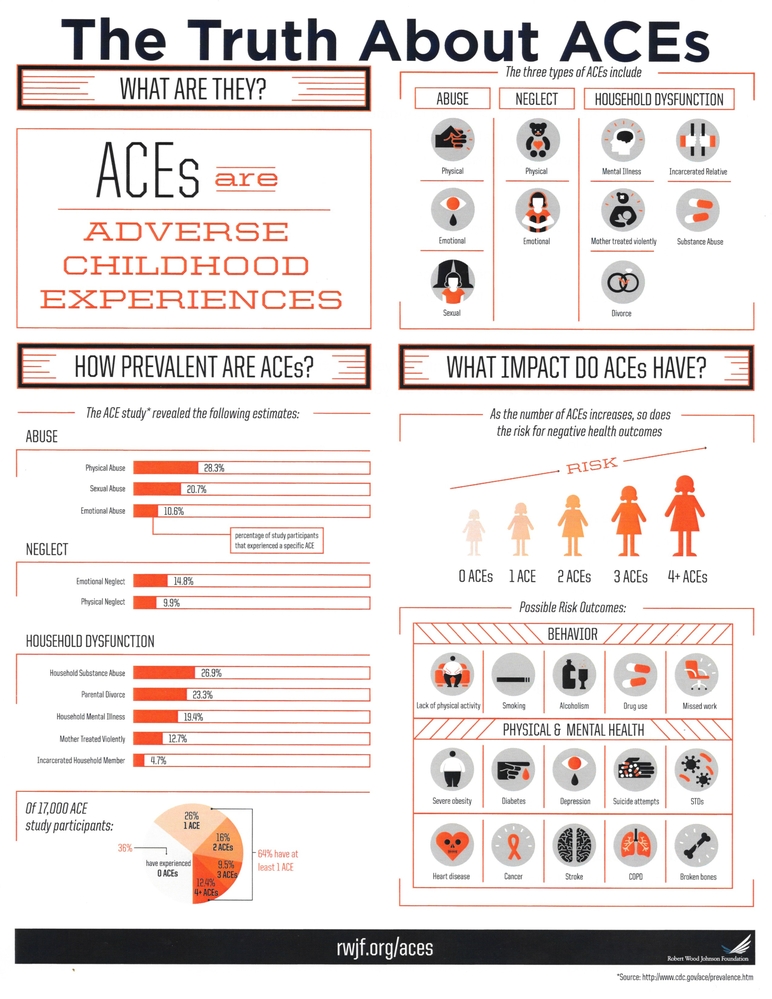

 They’d always been close, so when Patrick left Georgia for Montana six years ago, Louisa, who also loves the outdoors, followed suit. They have been rock-solid supports for each other. They know how to ask each other for help when they need it, and they know how to offer support in healthy ways. This served them well when Patrick and a friend of his bought a white-water rafting business, and Louisa helped him with bookings and more for several summers.