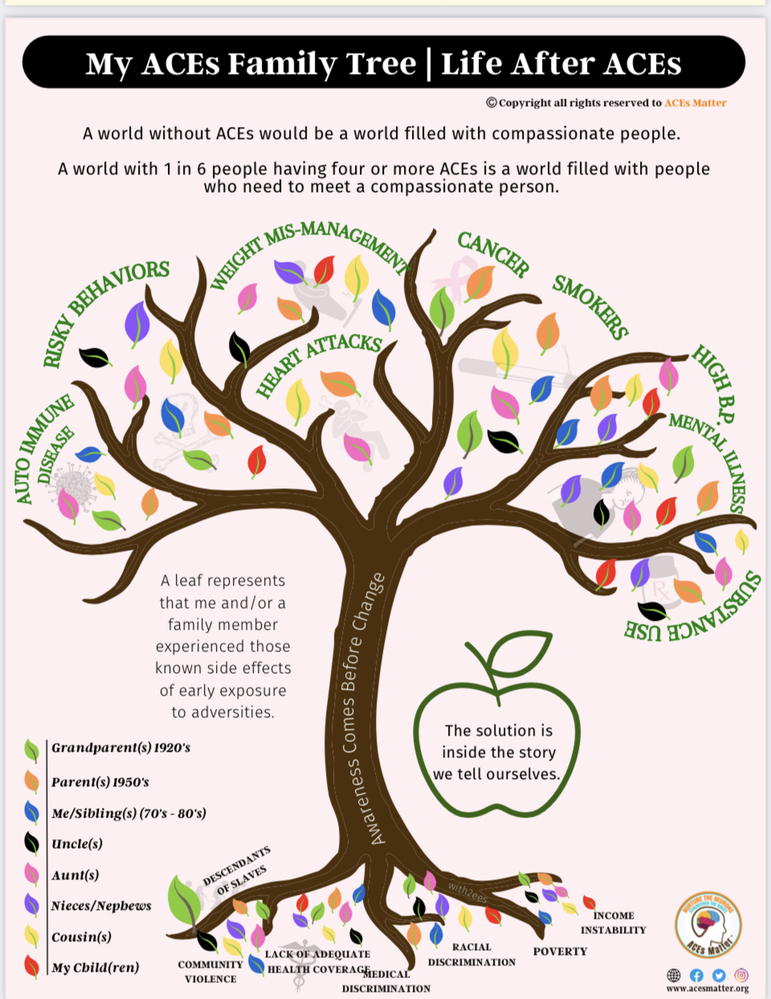
This is the second of two stunning illustrations showing how adverse childhood experiences (ACEs) affected the family of Cendie Stanford, founder of the nonprofit ACEs Matter. Each leaf represents a family member affected by ACEs, and the health consequences they suffered.
When Cendie Stanford, founder and president of ACEs Matter, finished drawing “My ACEs Tree—Genealogy”—she saw clearly the remarkable number of ACEs her grandparents, parents, children and extended family had experienced. The second tree—Life after ACEs—shows how horrifically ACEs played out in their lives.
Yet when she studied the devastating stories of pain and suffering told in the tree leaves, “I felt at peace,” she says. “There was no racing in my heart. There was not a physical reaction to it, when I looked at what ACEs had done to my family, because when I think about the people who have passed, I now have a better understanding of why it happened, why they had cancer, depression, problems with weight management and risky behaviors.”
‘Everybody I know needs this.’
For Stanford, just learning about ACEs science two years ago, and the fact that her score of “10 plus” did not bode well for her future health, was enough to have her turn over a new leaf in self care. “Since I’ve started learning about ACEs,” she says, “I am encouraged to eat better. Meditate. Exercise. I know it’s hard for people to take on self care sometimes, because we didn’t grow up seeing people do those things. I’d never seen anybody that I know meditating.”
She knows this is not the case for many people, that “information is not transformation.” It’s not guaranteed to bring the behavior changes to give up cigarettes, fried foods, sweets, and many other comforts that, consumed habitually, may be very useful to cope with the consequences of ACEs, but are, in the long run, harmful.
She wants people in underserved communities to create a tree like this for themselves, “so they can decide whether or not they want to do something about it,” she says. “Everyone deserves to know about ACEs, so they can make choices, so they can be inspired to help improve their health; practice self care, help rewire their nervous system. So they can maybe help kids and adults learn how to be calm and become regulated without becoming violent, or looking for a cigarette, or food, or a drug or drink” she says. “Brains can change at any age, and our bodies want to heal.”
Transformation requires more than just information.
“Helping people in underserved communities work on their own genealogy by drawing their own ACEs trees may help people open up. People in vulnerable populations don’t feel like it’s safe to talk about feelings. But even if these conversations can be activating, I believe being able to have people create and share their own family tree will show that we all have a lot in common, and need to take some action to improve our health. I hope we all see that not having the conversation is catastrophic,” says Stanford.
“Awareness will lead us to change. I know it is going to take some time. But what we can’t do is just wait for the people in these underserved communities to come to us. Right now we have to find representatives who’ll take this information into the communities, and help people figure out how to calm these kids’ nervous systems, so kids stop killing kids. Something needs to be done so these kids learn how to self regulate, so people get healthier and live better, and longer,” she explains.
Stanford says she plans to prioritize her work in neighborhoods in the zip codes she and her ACEs Matter board of directors are in the process of identifying. “People are advertising their depression every day on social media. You can look at people’s status updates and see that they are hurting,” she adds.
Her next step is to involve representatives from all types of organizations, or sectors, by taking her “ACEs trees” to business and industries as well as into the schools, faith communities, health clinics, first responders and more, in each neighborhood prioritized.
“If businesses—for example, grocery store companies—understand this (the effects of ACEs) and address it,” Stanford explains, “their employees’ productivity could be improved. They’re hiring a lot of these people who are coming to work with adversities, especially if they are in communities where there’s high violence. This is affecting their workers and their shoppers. So if they focused on preventing trauma and promoting resilience, the benefits to their communities could be life-changing, and life-saving.
“Every report I read says communities need to be involved,” she continues. “And that’s what ACEs Matter feels like it can do, just by giving people the tools to take ACEs awareness into the communities and start the conversation. Let’s see where that goes.”
The solutions are right here.
“We need to do what PACEs Connection is talking about, to get communities invested in their people, and build PACEs initiatives in communities, because healthy people are the product of an ACEs aware, resilient community. Let’s invest in these communities because the active community members can pass the knowledge down generation after generation, and stop ACEs and the bad health outcomes from being compounded generation upon generation,” says Stanford.
“I mean, the solutions are right there for us,” she continues. “We just need to make sure that everybody gets invited to the conversation, and then they get to decide what they do with the information, right?”
This is part two of a three-part series.Part one: My ACEs tree: Geneology.Part three: How positive childhood experiences, including those in the family and the community, helped her.
Next week’s illustration and story? Putting it together: At 16, Cendie endured a trauma that could have killed her. In her third illustration, she’ll share how positive childhood experiences (PCEs)—including positive community experiences—helped her go on with life, recover, and become an advocate for the science of positive and adverse childhood experiences.
Cendie, Thank you for sharing your journey. This is a beautiful and powerfully moving tool. Do you have plans to make this shareable or reproducible as a resource?
We also appreciate so much your creativity, passion, and love of the science.
Your sharing your own adverse childhood experiences story, and your family’s story, in these clear pictures of the WHY ACEs Matter, is a gift.
Thanks for putting yourself and your story and passion out into the world. I cannot wait to see what happens to these, and to your third illustration, which we’ll share next week! I believe they will help us all as we use them to help establish connection and create community.
Note: PACEs Connection is in dire financial straits. A funder who’d promised $500,000 reversed course and we are asking for help, from you, our 57,400+ members, to help cover the loss. Pay and hours have been cut for our staff – most of us will be laid-off for the month of December. Since sounding the alarm this summer,we’ve raised about $22,000. To get a sense of who your fellow members are, who is donating, and why, please enjoy our first in a series of donor profiles, and be like Lois: Now that you know we need your help, pleasemake a generous donationto PACEs Connection!
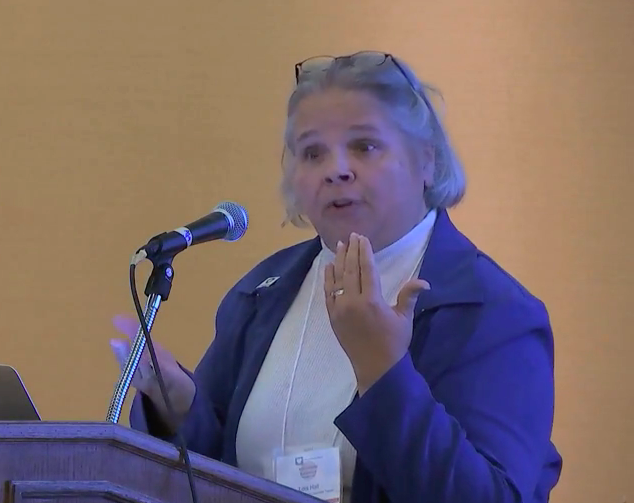
“I love PACEs Connection—and the thought that it might go away was not only frightening—but sad. Where else would I find the things I get from PACES Connection, all in one place?”—Lois Hall, grief recovery specialist
When Lois Hall first learned about the science of adverse childhood experiences (ACEs) in 1998, it made complete sense. “That study, and all the ensuing research and analysis proves that grief/change/loss—in the broadest terms—is indeed the root of almost all (if not all) of our ills as individuals, communities and… our world,” she says.
She would know as well as anyone. Hall, past executive director of the Ohio Public Health Association, has been doing Grief Recovery Method programs and training for more than two decades. She’s been in the field of public health for more than 40 years.
“I took my Grief Recovery Method (GRM) training in 1998 and saw the important role of grief/loss/change in the basics of all we do in public health. I remember in my training thinking, ‘We have a program and brochure for all of these topics—but they’re not working.’ In public health we weren’t getting to ‘the heart’ of those topics—obesity, smoking, alcoholism, abuse, drug use, suicide, violence, etc.,” she says.
“Bingo! All the pieces came together,” she recalls. “I literally sat in that staff meeting and cried, because it is indeed those things that happen to us in childhood that impact us throughout our lives—till death.”
As an “early adopter,” Hall began referencing the ACE Study into her work as national trainer and technical assistance consultant at the Grief Recovery Institute.
“I look to PACES Connection for proof of where hope is brought in communities…”
“When I do Grief Recovery Method training for the Grief Recovery Institute,” she explains, I always conclude by telling the new trainees that while they came to become Grief Recovery Method specialists, I’m sending them out as that AND as ‘hope-bringers’ to a pretty hopeless-seeming world.
She gives PACEs Connection much credit for the hope she has.
“I look to PACES Connection for proof of where hope is brought in communities, data that proves the impact of PACEs and interventions that can help bring that hope, in addition to our programs, of course.
“I love PACEs Connection—and the thought that it might go away was not only frightening—but sad. Where else would I find the things I get from PACES Connection, all in one place? I just didn’t want to imagine not having it,” she says.
Hall counts on PACEs Connection for what’s in the name of the organization: Connection. “Working for a small company there’s no ‘chatting around the water fountain’ about what we’ve heard or seen in journals or other articles,” she explains. “I count on PACES Connection for that.”
Hall relies on the resources, information, and the Weekly Roundup as among her primary sources of continued learning and staying current on PACE research and practice. “For me to stay informed and current, PACEs Connection is my ‘community of like-minded professionals and advocates,” she says.
“And ‘being involved’ also means I have chosen to make a financial donation,” Hall points out, adding, “Why should other members of PACES Connection provide financial support? If not us, then who?”
Note: PACEs Connection is in dire financial straits. We are asking for support, from you, our57,505 members, to help cover the loss of foundation funding that was promised and didnot come through. Pay and hours have been cut for our staff—most of us will be laid off for the month ofDecember. Another grant will pick up in January. Since sounding the alarm this summer,we’ve raisedabout $24,000. To geta sense of who your fellow members are, who is donating and why, please enjoy and share this secondpost in a series of donor profiles, and be likeRobin:Pleasemake a generous donationto PACEs Connection!
“PACEs Connection has been my north star for credible information about the science, research, and lived expertise that is centered on healing our most intractable problems,” says Robin Cogan, a nationally certified school nurse (NCSN) in an elementary school clinic in Camden, New Jersey.
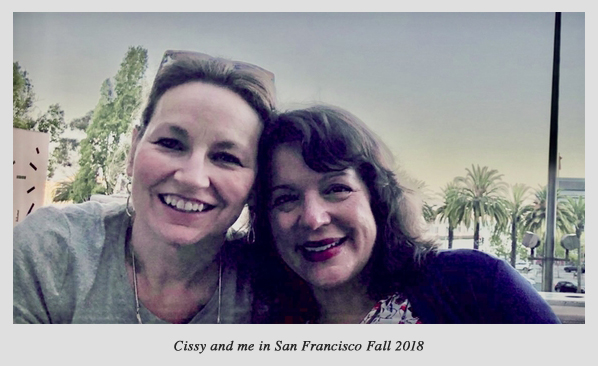
Cogan and former PACEs Connection employee and current blogger Cissy White met in person at the 2018 ACEs Conference in San Francisco after connecting on (then) ACEs Connection and Twitter!
She found PACEs Connection following the death of her father.
“He was a complex man who died from a hemorrhagic stroke, directly linked to the trauma he suffered as a 12-year-old boy witnessing the death of his entire family,’’ she explains. “He was buried on the 60th anniversary of the murders. I was on a quest to understand the life and death of my father, and found it through the research provided in the treasure trove of information available on PACEs Connection.”
Generational trauma
Cogan’s family has experienced the trauma of two mass shootings with both survivors and victims. A niece of Cogan’s was involved in a school shooting several years ago, and survived in the same way her grandfather survived in the mass shooting of his family seven decades earlier: She hid in a closet.
“Generational trauma was my original reason for digging deeper into the science of ACEs,” Cogan says. “It is my goal to do everything in my capacity as a school nurse and family-member survivor to end gun violence through public health measures which drive me to share this work. PACEs science holds the key by reducing and working to eliminate childhood adversity, especially exposure to violence. That will change the world.”
Headaches and stomach aches
As a clinical coordinator in the school nurse specialty program where she teaches at the Rutgers School of Nursing in Camden, Cogan has shared her passion and expertise in school nursing with hundreds of college students who follow in her footsteps to be, oftentimes, the one person who understands what’s happening when a child shows up at a school clinic with the fifth headache of the month; the third stomach ache of the week. She knows trauma is likely the root cause of many of those headaches and stomach aches.
Her work on the faculty in the School Nurse Certificate Program at Rutgers University-Camden School of Nursing earned her the 2018 Rutgers University – Camden Chancellor’s Teaching Excellence Award for Part-time Faculty.
“The Relentless School Nurse”
Cogan is also a prolific writer. Her weekly “Relentless School Nurse” posts were named “Top Nursing Blog” in 2020 on her website by the same name. Cogan also authors a monthly column in “My American Nurse”, the official journal of the American Nurses Association, and is the recipient of multiple awards for her work in school nursing and population health, including the 2019 and 2020 National Association of School Nurses President’s Award and the New Jersey Department of Health 2017 Population Health Hero Award. She was also named the 2018 National Certified School Nurse (NCSN) School Nurse of the Year, and the 2017 Johnson & Johnson School Nurse of the Year.
“Our gifts back…will bring more light..”
As for her generous support of PACEs Connection, Cogan says, “For so long the content of PACEs Connection has been open-access and I am sure that will continue. But answering this call for support is the least that we can provide for all that has been given by the organization.
“When you look at the structure behind PACEs Connection, you realize how few devoted people are providing so much content, research, opportunities for community building, and space to exhale in this complex world. I have given over the years, but realize that if each of us gave even a small amount, the collective impact would be a game-changer for PACEs Connection,” she adds.
”I appreciate that PACEs Connection lifts up community-inspired solutions by engaging grassroots groups working to heal their communities,” she says. “It has been a focal hub for learning, growing, and amplifying the science of positive and adverse childhood experiences. Our gifts back will be used to bring more light into this world in great need of healing.”
Cogan encourages fellow members of PACEs Connection to join her in making a generous, tax-deductible donation to PACEs Connection here.
If you’d prefer to mail your gift rather than give it online, here’s how…
Make check payable to: TSNE (Third Sector New England, our fiscal sponsor) and write PACEs Connection Donation on the memo line.
Mail check to: PACEs Connection, c/o TSNE, 89 South Street, Suite 700, Boston, MA 02111
Making a wire transfer or need Tax ID information?
Note: PACEs Connection is in dire financial straits. We need you, our 57,651 members, to helpcover the loss of foundation funding that was promised and did not come through. Unfortunately, pay and hours have had to be cut for our staff. Most of uswill be laid-off for the month of December. The good news is that, since sounding the alarm thisSummer,we’ve raised $46,000! Thank you to all who’ve donated. To get a sense of who yourfellow members are, who is donating, and why, please read and share this fourth in a seriesof donor profiles. Now that you know we need your help, please join Peter Chiavetta andmake agenerousdonationto PACEs Connection!
Peter Chiavetta said he knew what he wanted to do when he was three years old.
“When I was three,” says Chiavetta, now 70, “there was a threat of nuclear war. Everyone was scared. And I knew then I wanted to save the world.”
At 21, Chiavetta witnessed a horrific car crash, one he himself was almost in. As he stood watching a victim, not knowing how to help, he knew he had to learn how to save people’s lives in emergencies. So he became a volunteer emergency medical technician (EMT) at the Farnham New York Fire Department & Seneca Volunteer Fire/EMs Department.
Fast forward 40 years and many emergencies later. That’s when Chiavetta stumbled on the Adverse Childhood Experience survey (ACEs) study, (CDC-Kaiser Permanente Adverse Childhood Experiences Study). It was then he knew he’d found the way to do what he’d wanted to do since he was that three-year-old child.
“I always said if I found a way to help this country continue, I would support it. The PACEs science movement is that movement.”
For Chiavetta, the ACE Study was the “aha” moment he needed to connect the dots between people having challenging childhoods and then experiencing chronic health problems as adults. And he saw no reason to not help people connect the dots…in his family catering business, with his family, in medical offices and town meetings, and on his most familiar turf—the back of an ambulance.
Learning about the ACE Study in 2014 put it all together for Chiavetta, who is, to his knowledge, the only EMT in the country spreading the news about PACEs science in a formal way, on almost every call.
Chiavetta counts connecting with Jane Stevens, founder and publisher of then ACEs Connection, now PACEs Connection, as a turning point for him.
“Jane brought, in ACEs Connection, the information, community, tools, courage, and more,” he says. All of which help Chiavetta on his quest to make the science mainstream, a matter of course everywhere, all the time, and make Chiavetta an ardent supporter of PACEs Connection.
“I always said that If I found a movement that I would help this country continue, that I would support it. The PACEs science movement is that movement. It can keep this country going—the understanding, forgiveness, help and hope it brings. And PACEs Connection leads the movement, because it can help people understand that the accidents they’re in, the diseases they have, they are not their fault,” Chiavetta says.
“I now know how to look at everything through a trauma lens, and can help people. I ask a motorcycle accident victim about his childhood while we’re in the back of an ambulance. I hear he’s had a rough childhood. I can say, ‘Man, I hear you’ve had a tough life and an even tougher childhood. It’s not your fault. And this accident is not your fault,’’’ he said.
“I tell him he’s not alone, and that he should have been protected, cared for and loved. It’s that easy to help someone,” Chiavetta says.
Planting seeds for patients to understand the impact of trauma on their children.
He believes it is that easy to help people begin to see that they want their children to have better lives, to plant the seed of their wanting their children to know the love, protection and security they may have missed.
“I support PACEs Connection because of what it has given back to me—the information to help people forgive themselves and start their lives with a new understanding of how they are where they are,” he says. “I am helping them. ”
Though Chiavetta does far more than have moments of connection in a speeding ambulance.
He has a handout he shares, goes over it with patients, and checks on them in the hospital. He estimates that he’s shared his eight-page handout (shared below) with more than a thousand people over the years.
He’s not saving the world in a grand, single swoop, but he is helping to change the world for those patients. He has a brief chat with each that helps them connect their childhood trauma with why their lives have turned out the way they have, and what they can do to help turn things around. And then he hands them easy-to-understand bits of the science, along with some inspiration. He believes some of this sharing is taken to heart.
“I recently had coffee with an old friend, and she said she wanted me to know how much what I have done over the years has helped our town, with working for better safety in getting four-way stops instead of lights, and in helping share this information about ACEs. It felt good,” he says.
For Chiavetta, the benefit of PACEs Connection has been getting the word out on the science and tracking how it is changing the world. It also validates him as he takes the science with him into hospitals and board rooms.
Documentation and dissemination—outside the comfort zone.
“We are tracking the integration of PACEs into the workplace. It’s not in the culture yet, but seeing the work go into the workplace gives us hope,” he says.
“PACEs Connection has documented that and it helps feed the hope that we will eventually see the integration occur throughout our culture. I’m on a call on Mondays with other people who want to apply what they know about PACEs science in the workplace, and they experience pushback as they try to get trauma-informed care going. Having PACEs Connection helps keep us going. It’s the documentation and the dissemination of what we know. It gives us validity. It helps us step outside of our comfort zone to push for a more trauma-informed world.”
How does he hope PACEs science will change the world?
“So many young people who are stuck think they don’t deserve to have better lives,” he explains. “This science helps people realize they don’t have to live this life—there is an alternative. I’ve heard it said that ‘traumatized people stand on the grave of dreams.’ Traumatized people have dreams, but don’t know how to access them. I think this information helps people access those dreams. It helps prevent more trauma. It helps them realize the struggle is on the inside.”
“I wish some politician would get up and say ‘I want one year of paid paternity leave.’ One year of paid paternity leave would turn the world upside down,” he explains. “I wish they’d ask for it and go into the ‘why’ of talking about the importance of secure attachment, safe, stable, nurturing environments. PACEs Connection helps get ideas such as that out there.”
“It’s too early for this shining star to die.”
Why should other members of PACEs Connection provide financial support to our organization?
Chiavetta is straightforward in his answer.
“It’s too early for a shining star to die,” he says. “We really need to perpetuate the efforts of PACEs Connection. It can become extinct. When trauma-informed care first started in western New York, people poured everything into it, and it failed. And then it got resurrected again. But the original founders of it lost traction. They had all the enthusiasm in the world and lost traction.
“I feel like we’re showing people the door to save themselves, and people are still running back into the fire. It is very important that PACEs Connection keep going—that it be that light, be that open door. This is the direction.”
Chiavetta encourages fellow members of PACEs Connection to join him in making a generous, tax-deductible donation to PACEs Connectionhere.
If you’d prefer to mail your gift rather than give it online, here’s how…
Make check payable to: TSNE (Third Sector New England, our fiscal sponsor) and write PACEs Connection Donation on the memo line.
Mail check to: PACEs Connection, c/o TSNE, 89 South Street, Suite 700, Boston, MA 02111
Making a wire transfer or need Tax ID information?
(Note: I was looking through some old essays and found this one I wrote for a wellness website exactly 10 years ago. With a couple of updates, it still rings true to my decades-long commitment to breaking cycles of addiction and abuse.)
It’s as omnipresent as bad Christmas music: that vague sense of dread for people who are related to an active addict at holiday time.
“I don’t know when he’ll do it, but I know it’s a matter of time before he’ll drink too much and make an ass out of himself.”
“I used to love Christmas. Then I married into a family with an alcoholic who manages to suck the joy out of every gathering; everyone is so worried that she’ll fall, or pass out, or cuss somebody out. Even if she behaves, everyone else is so busy trying to control everything that there’s bound to be a blowup. It happens every year!”
“It’s hell living with a food addict. They obsess over not binging, then they binge, and then they get mad as hell at anyone and everyone as if we MADE them eat.”
A solution to this family tradition of carried pain and shame isn’t what most folks want to hear. We want a quick fix and the ability to continue blaming and shaming “the person with the problem.”
But judging someone else, and the resulting blame or shame, fear or control, isn’t helping anyone. Especially not the co-addict, or codependent — the “para-addict” — who begins to act like the alcoholic, drug addict, food addict, or whomever, without even using the substance.
Addiction is, after all, a family disease, meaning everyone is touched by it.
I’ve heard it said that codependence kills more people than alcoholism ever thought about killing. And I believe it. The stress of living with someone active in an addiction — be it alcohol, drugs, food, sex, spending, work, gossip, whatever — is overwhelming, unless we seek help. Even with help it is a challenge.
I have found relief from the effects of growing up with this pain through a support group for families and friends of alcoholics.
For the last 28 years this group — with meetings online, down the street, on the phone, and all over the world — has meant respite and a reset. I am grateful for this gathering of friends and strangers who share a common concern and learn a common solution: to keep the focus on themselves.
By learning more about caring for ourselves; repeatedly hearing that we didn’t cause the problem, we cannot control it, and we cannot cure it; by learning to be gentle with ourselves and others, we slowly but surely begin to find some joy.
The support group speaks of our “turning our will and our lives over to a power greater than ourselves.” For me, the Higher Power is a quartet of love, nature, gratitude, and peace. And I have leaned so heavily into them over the years that despite multiple challenges I can maintain, most of the time, “the peace that passes all understanding.”
People who’re addicted, and the people who live with and love them, often change behaviors in an instant. They can be happy one minute, and then irritable and lashing out the next. They can cast a pall over what should be a time of celebration and love.
They can trash your holiday — or motivate you to make a change within yourself.
Hurting people hurt people. Hurt people hurt people.
To keep from joining an addict in hurting the ones you love, take time out to nurture yourself. Give Al-Anon or Alateen a try for six meetings. See if the acceptance, hope, and peace doesn’t bring you a sense of relief.
It can’t hurt. And it may just help stop the hurting.
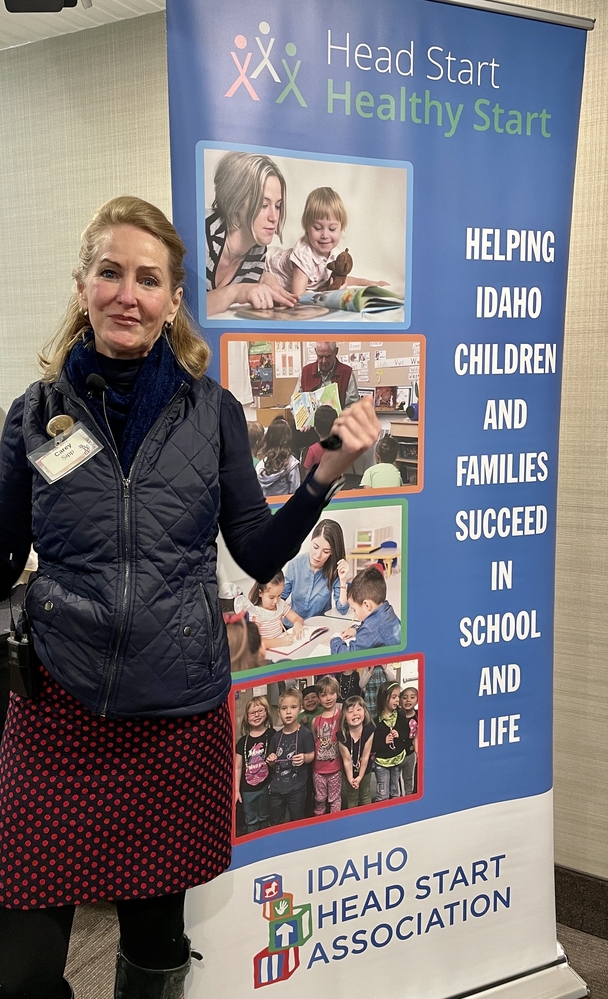
Bill Foxcroft, executive director of the Idaho Head Start Association and me with Tommy Sheridan, deputy director of the National Head Start Association.
There’s some irony in asking for help after giving a talk on asking for help.
I’ll explain.
Sitting at the airport in Salt Lake City, two talks for the Idaho Head Start Association completed, I was glancing through the evaluations of my talks—95% were 8+. Whew. Apparently the topic—how asking for help as a single mother of two helped save my family and me—resonated with staff, teachers, and parents in the Head Start program in Idaho.
I loved the audience, love the organization, and am a long-time proponent of early childhood education, intervention, and support. The National Head Start program has served more than 36 million children over its 58-year history. Today more than a million children attend Head Start programs, which employ more than 257,000 people! The talks and new friendships made in Boise were affirming for myself as well.
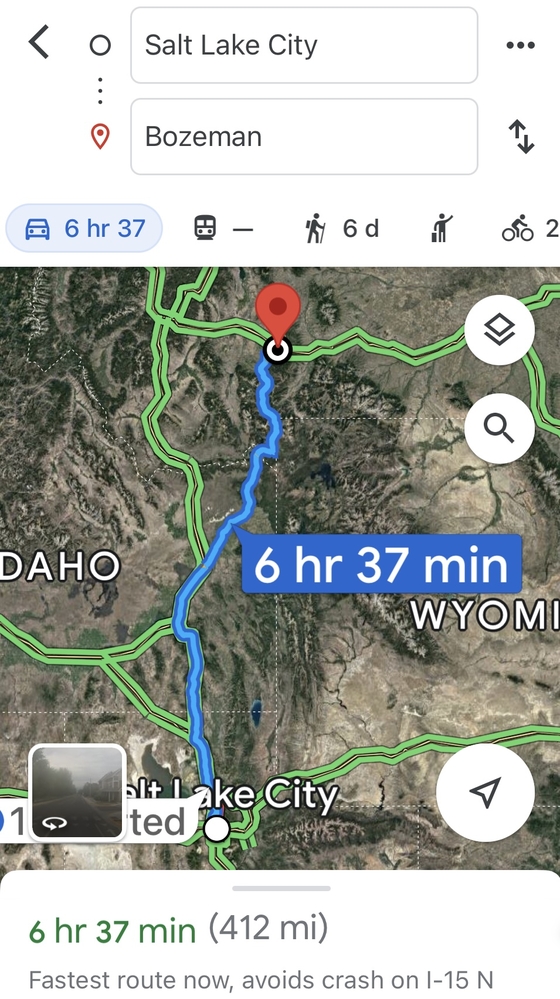
Next stop? Bozeman, Montana, for a brief visit with my grown children, their respective significant others, and my grandpuppies. It would be my first-ever foray into the “Treasure State” in the worst part of the winter. It was supposed to be -17 degrees in Bozeman when I landed.
When I looked up from the evaluations, I noticed the woman sitting next to me doing something I recognized, and said: “I know that move. You’re checking on a child sleeping behind that column, aren’t you?”
Yes, she replied and told me that she and her daughter, age 11, had been traveling all day from Belgium, where they’d spent time with her parents. We laughed about a similar experience I’d had with my daughter when she was about the same age—we’d spent the night under a desk at the Portland airport waiting to catch a flight to Atlanta.
Geraldine—by that time we’d exchanged names—agreed to watch my things while I went to the ladies’ room. When I returned, she said our flight had been canceled, and that she’d booked the last room at the airport Radisson. I gave her a thumbs up and said I was going to look for an alternate fight.
Maybe I could fly into Billings tonight.
Or rent a car. It was a six-hour-plus drive. The roads were rough. No dice.
No flights to Billings, either.
I started zigging and zagging over the map of Montana to see what else could work, and thought about Helena. It wasn’t that far from Bozeman. Meanwhile the line to the Delta service desk, which was about 100-people deep when I got to the gate, had about 200 people waiting impatiently.
Then, jackpot. There was a flight to Helena—a 90-minute drive from Bozeman—the next morning. Better still,I booked a seat.
I told Geraldine and she started checking availability for the same flight. A few minutes later, she and her daughter, Nelle, booked their seats.
Relief in the air, I made a big ask: Would Geraldine be willing to split the cost of the room and perhaps she, her daughter and I could have a Salt Lake City girls’ night sleepover?
I didn’t know the extent of Geraldine’s world traveling experience at that time, but I could tell she’d sized me up. In the little bit of conversation that we’d had—I’d told her I was coming from giving a talk to the Idaho Head Start Association and that I was eager to see my adult children in Bozeman for the first time in months—she’d decided I was a safe risk. She said yes, and I said I’d pay for the ride to the hotel.
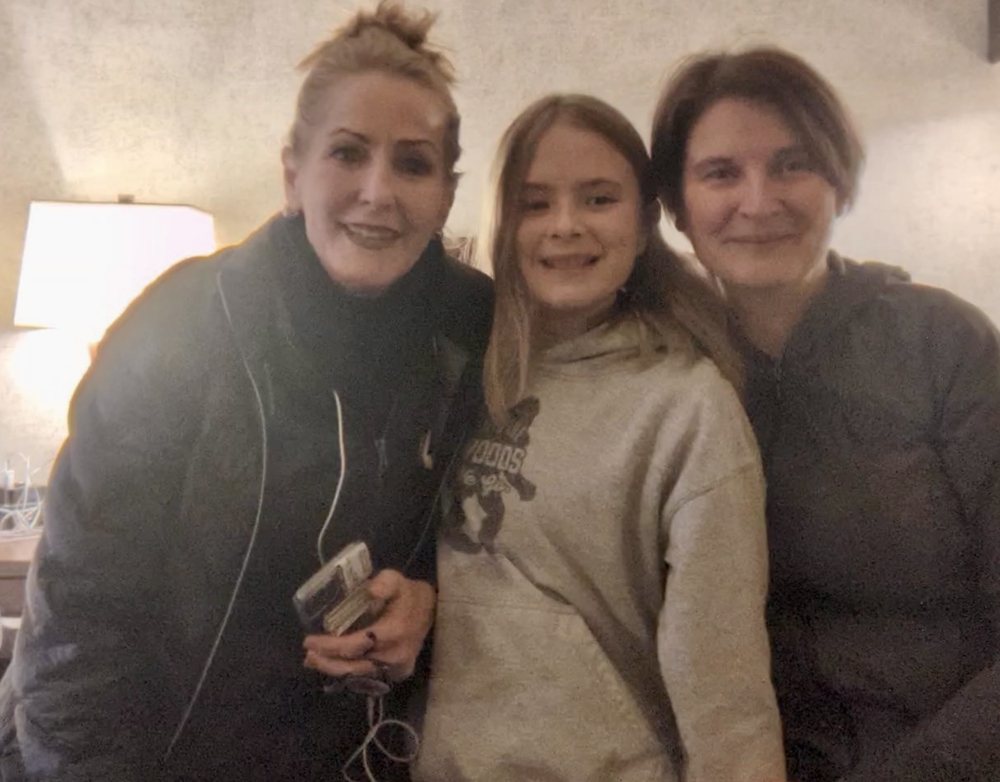
Long story short: We did have the last room at the Airport Radisson. It had two queen-sized beds. Nelle and Geraldine bedded down quickly; they’d had a long day. I sent a few messages to the kids, confirming everything, did an abbreviated cleanup, and went to sleep around 1 a.m., grateful to be in a clean bed instead of trying to sleep in a chair at the airport.
Geraldine, Nelle, and me before heading back to the airport, after our pop-up girls-only Salt Lake City slumber party!
At 6:30 a.m. we headed back to the airport. While waiting, Geraldine and I shared more bits of personal histories. She’d been a college recruiter, and had traveled throughout China, India, and Malaysia before having children. We talked a bit about having daughters, and how grateful I was that my daughter is not a pre-teen at this time when the news about teenage girls and the post-pandemic pressures they are feeling with social media and more, is a great cause of concern. These facts are well-documented in a book I recommended to Geraldine, Girls on the Brink by author and friend Donna Jackson Nakazawa.
When we boarded the plane, our conversation ended; our seats were far apart. After landing, we hugged and thanked each other. My daughter arrived to whisk me away; Geraldine’s husband came to pick up his wife and daughter. And our adventure seemed to come to an end.
But I decided there was something to be learned from writing about this experience.
Later, I texted Geraldine to ask if she was okay if I wrote a story about what we’d experienced in the last 14 or so hours, if I only used their first names and sent it to her first. She was good with that.
And here we are.
I’m back from a great experience of meeting wonderful people who work with Head Start, and spending an incredibly sweet time with my children, during which I thanked them for living so close to each other.
They’d always been close, so when Patrick left Georgia for Montana six years ago, Louisa, who also loves the outdoors, followed suit. They have been rock-solid supports for each other. They know how to ask each other for help when they need it, and they know how to offer support in healthy ways. This served them well when Patrick and a friend of his bought a white-water rafting business, and Louisa helped him with bookings and more for several summers.
There was so much gratitude gained during this brief adventure.
Gratitude for my health, my children and their great relationships with their significant others and amazing dogs. Gratitude that I had enjoyed giving the talks I gave and that they were so well received. Gratitude for the confidence to ask for help and that I’d listened when people along the way told me that asking for help is a sign of maturity. Gratitude that I’d made new connections with people who were enthusiastic about the work being done at PACEs Connection, and how well it aligns with work being done by the thousands of employees at Head Start who are eager, too, to prevent and heal trauma.
Writing this blog was a kind of gift to myself on this March day, which is also my birthday. It is also a way of marking and celebrating these new friendships and possibilities, and affirming the fact that we’re never too old to ask for help, or to have a pop-up, girls-only slumber party.
“These are some of my favorite people and me at from a recent conference,” said PACEs Connection monthly donor Kerrie Ackerson. From left to right—Ginger Healy from the Attachment Trauma Network, Kerrie’s sister “my (little) big sister Stacey (our family’s brave teacher)”, trauma informed educators and advocates Jim Sporleder, Lara Kain, Jodi Place, and Ackerson.
The number of donors giving to PACEs Connection with a monthly gift is increasing.
“While we’ve added about 15 new monthly donors recently, and we are grateful for them, it would be good to see more of our members — and visitors — supporting our work to prevent and heal trauma,” said Ingrid Cockhren, PACEs Connection CEO.
With more than 58,000 members of this networking community, and with the staff needed to support the site, the communities, the newsletters, our podcasts, webinars, and conferences, Cockhren is asking members to sign on to make a monthly donation.
“If just ten percent of you made an automatic monthly donation of $10, you could help us cover a substantial portion of our budget,” said Cockhren.
Please consider following in the footsteps of supporter Kerrie Ackerson, who shares below her reasons for making a monthly gift to PACEs Connection.
Name:Kerrie Ackerson
Occupation:Writer
Connection to PACEs Connection/PACEs science?Survivor, foster mom, adoptive mom, auntie, wife of a nurse who survived COVID.
Do you work in the field?My career started as a literacy volunteer in an institution for adults who committed violent crimes and were found “not guilty by reason of mental disease or defect.” From there I worked at a maximum-security prison for adults who were too violent and/or actively psychotic to be placed in a “normal” prison. Later I worked in county human services and ran the juvenile court division including a shelter facility, a secure detention center, youth probation offices, and a diversion program. My most recent 12 years were spent at an educational service agency in Wisconsin working in the areas of youth mental health and school safety.
How did you find out about PACEs Connection?One day I got an email inviting me to a webinar that was being done by a woman named Lara Kain from Los Angeles. SHE BLEW MY MIND with PACES science. I was telling my sister about this fabulous woman, and she said –“That’s funny, I used to work with someone with that same name in Madison.” It was the same person! Crazy, small, world. We both have followed Lara ever since (including following her during her time at PACES Connection).
Were you surprised to find this resource?Yes. The best contacts I have ever met are all followers of PACES, and I was shocked to find such a wonderful source of important information AND such fabulous humans all in one place.
What part of PACEs Connection do you like best?I like it all. I’ve benefitted from Ingrid’s regional historical perspectives on racial trauma, Mathew’s podcasts, countless webinars, blog posts, and now every time I get my weekly PACES email I end up losing a LOT of time reading the stories and “clicking deeper.”
How do you use PACEs Connection?There is so much valuable information, research, resources and more that PACES puts out. As a grant writer, reading the weekly RoundUp keeps me at the front of the field and keeps information at my fingertips.
Do you read the Weekly RoundUp (enewsletter)?Yes.
Do you share stories from the Weekly RoundUp?Yes.
Do you belong to a resiliency initiative?I do not. I help to run a Trauma Training Project for school professionals across Wisconsin in partnership with Dr. Bruce Perry’s Neurosequential Network, and I find that quite energizing. But I don’t belong to a formal resiliency initiative…unless you count my 16 person “Trauma Peeps” text group which provides a safe haven where we can say things that could get us in trouble if we yelled them out into the universe. 😊
What prompted you to support PACEs Connection with your gift?The incredible value that I get from PACES made me a supporter. When I heard the initiative was truly self-funded and needed support, I wanted to do what I could.
What keeps you giving as a monthly donor?The value of the content and the people.
What would you tell others, to encourage them to support PACEs Connection on a monthly basis?Please help this AMAZING resource stay strong. If you aren’t involved, get involved, it is life-changing.
15. What is your greatest hope for what happens with PACEs science? That we end child abuse? Create equity? Eliminate racism? Do away with poverty? Create a trauma-informed and healing-centered planet?Gosh, I’d like it if ANY of those things could happen. As I now know (thanks to PACES) all of those things are intricately connected. If I could wish one thing for all humans, it would be true connection. As I just heard Dr. Perry say the other day on a podcast, “Connection is at the core of all human success, and all human need—to be connected and belong to a community of people.” We are in a pandemic of loneliness and disconnection, and the state of our world reflects that. PACES works every day to change that, and I am so appreciative of the work you all do.
Ackerson encourages fellow members of PACEs Connection to join her in making a generous, tax-deductible donation to PACEs Connectionhere.
If you’d prefer to mail your gift rather than give it online, here’s how…
Make check payable to: TSNE (Third Sector New England, our fiscal sponsor) and write PACEs Connection Donation on the memo line.
Mail check to: PACEs Connection, c/o TSNE, 89 South Street, Suite 700, Boston, MA 02111
Making a wire transfer or need Tax ID information?
Bo Dean with New Hanover area Community Resiliency Model trainers Audry Hart, the late Chris Johnson, and J’vanete Skiba.
Bo Dean answered the call for monthly donations to PACEs Connection more than a year ago for many reasons, one of the main ones being that PACEs Connection and the work it supports helps us “live into our humanity.”
In addition to his supporting learning and development for some 2200 employees in New Hanover County, North Carolina, Dean also co-chairs the County’s Resiliency Task Force and helped found and support a new resource for people teaching various courses to help increase resiliency in the region, which was devastated by Hurricane Florence almost six years ago.
PACEs Connection CEO Ingrid Cochkren says she wishes more people would follow Dean’s lead in doing the work and in making monthly donations.
“While we’re steadily adding monthly donors, it would be good to see more of our almost 59,000 members — and hundreds of thousands of visitors — support our work to prevent and heal trauma,” said Cockhren.
She is asking members to sign on now to make a monthly donation to help fund the staff needed to support the site as well as our work with communities, and the newsletters, podcasts, webinars, Resource Center, and other free tools and guides offered by PACEs Connections.
“If just ten percent of our members made an automatic monthly donation of $10, you could help us cover a substantial portion of our costs,” said Cockhren.
Please consider following in the footsteps of community leader and PACEs Connection supporter Bo Dean, who shares below his reasons for making his monthly gift to PACEs Connection.
Name: Bo Dean
Occupation: Sr. Human Resource Analyst, Learning and Development, New Hanover County, NC
Connection to PACEs Connection/PACEs science? We are a trauma-informed/ACES informed county agency and have been working with and informed by ACES, now PACES, for over six years. We began our work by participating in and with the New Hanover County Resilience Task Force, a multi-agency partnership that began as a primary focus on childhood resilience, and still has that as its primary work, but has become a central change agent for building community resilience.
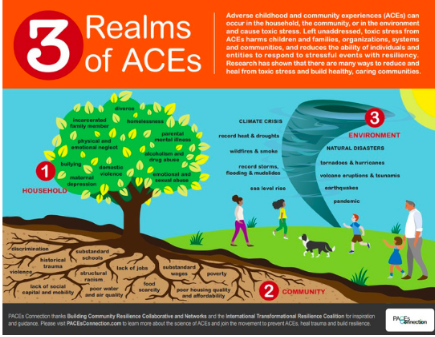
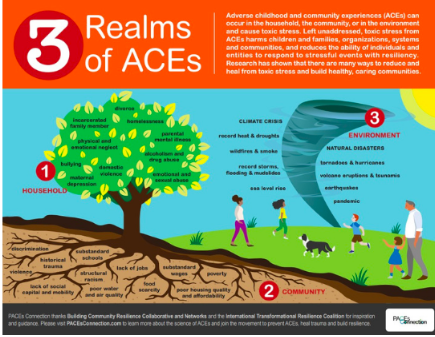
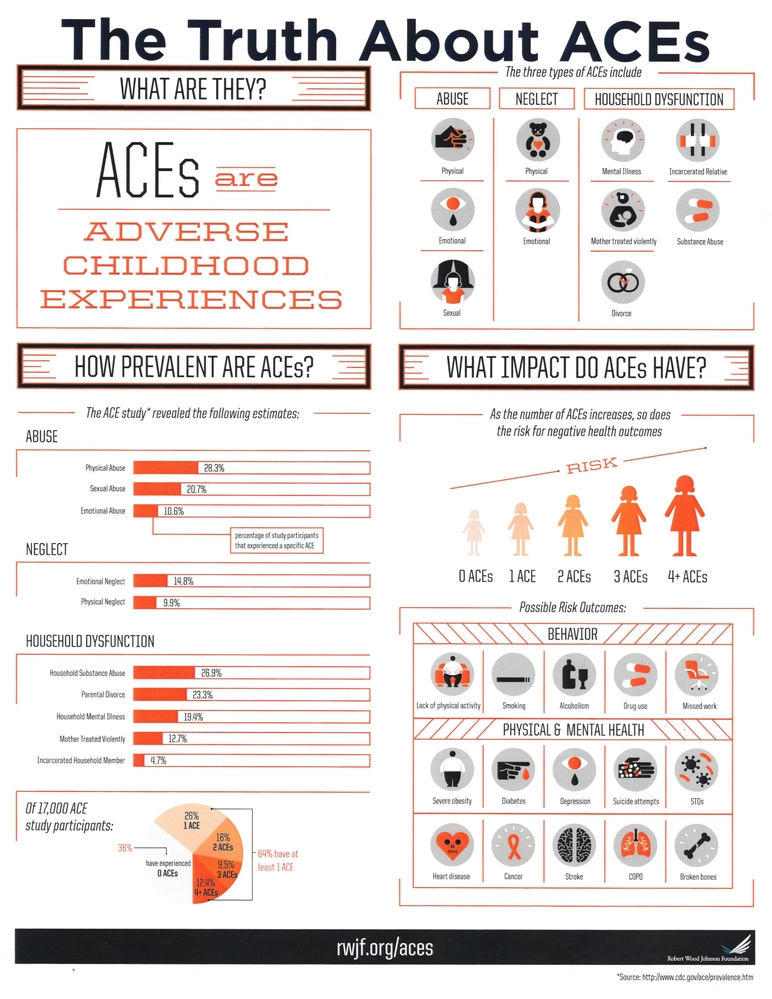
Do you work in the field? Yes. In my job, I work in PACEs science by using it in all I facilitate. I am the architect for learning and development of professional growth and strategic alignment for our agency for our over 2200 employees. In that work, I have found it essential to permeate our development with foundations of ACES-informed science and understanding in ALL of the work, whether we are looking at individual, team, department, or enterprise-wide learning. The four realms of trauma (as seen in the PACes Connection infographic below) affect our internal and external service, and drive some of the ways we can build compassion and empathy. The science drives the ways we connect to that service, but also how we see one another as we create care and understanding for ourselves to improve our overall well being. It factors into all aspects of how we optimize our service.
How did you find out about PACEs Connection? We are fortunate to have had Carey Sipp (PACEs Connection director of Strategic Partnerships) as a motivator, teacher, and partner from the very beginning. (Note: Sipp moved to Wilmington, NC, in 2018 to join the New Hanover Resiliency Task Force, learn from its leaders, use the learnings to guide her work with other communities in her role as as PACEs Connection’s southeastern community facilitator. Now as the national director of strategic partnerships for PACEs Connection, Sipp continues to learn from the local task force, and plans to stay in North Carolina because she loves it!)
Were you surprised to find PACEs Connection? Being a witness to so much good in public service, I am constant in awe at what IS done for others. Surprise is not the word I would use. It is gratitude that I have for those who see purpose in using data to drive efficacious practices to help connect us all to better means to serve everyone. In doing this work, we see revelations in the systems and issues that are not at the forefront of all discussions, but are related to living. These have to be addressed and discussed.Some of our folks see and deal with trauma-related challenges on the regular, but don’t always have the ability to articulate their needs and connect with resources. PACEs Connection is not only a connector; it is also a means to voice the validity, the reality of the issues we see, and to help those who want to make a difference to make a difference with a feeling of being supported. It helps those who don’t see these issues in the day-to-day, be able to hear and see it the traumas they might not have seen had they not been made more aware by information received in PACEs Connection.
What part of PACEs Connection do you like best? The ready access to information that has efficacy, and the connection to others nationally and locally.
How do you use PACEs Connection? I take the information and deliver it directly to our groups here in the county to help keep us updated. We have a Resilience Working Group that helps permeate the science into our work as well as professional staff. PACEs Connection helps me offer information for ongoing professional development resources.
Do you read the Weekly RoundUp? Yes. It is the summation that I can give to our leaders. They are inundated with information, but with the RoundUp, they can choose items that they then use for their own purposes. It is clear and concise. Digestible. That is so important.
Do you share stories from the Weekly RoundUp? Of course!
Do you belong to a resiliency initiative? I belong to several 😊. I am on the steering committee and I co-chair the NHC Resilience Task Force, which has over 100 agencies signed on! I staff our Resilience Working Group in the NHC government. I founded the Resilience Working Group that is now led by a chair, vice chair and secretary. Its members who have been through the eight-hour Community Resiliency Model (CRM) training. We are a peer support, trauma-informed leadership team. We have over 200 members and meet monthly. We also offer twice-monthly resilience “huddles” virtually for folks to check in and receive support. In addition, we hold eight-hour CRM training sessions each month. I am a CRM trainer and Resources for Resilience (R4R) Trainer.
What prompted you to support PACEs Connection with your gift? This is the most valuable work I have been involved in. This is where we SEE one another, open up lines of communication, compassion, empathy and support. This is where we lose judgment and find and practice “What happened to you?”NOT “What is wrong with you?” ways of being. The more we do this, the more we see one another and lift up one another, the more we begin to LIVE “What is right with you” and what can we do to celebrate one another.
What keeps you giving as a monthly donor? All that I said, this work has to continue. Shootings, drag bills, systemic issues that are engineered to separate us in sex and race and orientation, all of these wedges that draw us away from each other are so intentional and purposeful. We need one another. We are our brother’s and sister’s keepers. PACEs science and PACEs Connection allow us to be as one. To know we are not perfect, to know we all experience something and together. Together we heal; we thrive. This is the work of being human and living in that humanity.
What would you tell others, to encourage them to support PACEs Connection on a monthly basis? I don’t give a ton, but folks, if each of us gave $25 a month, think of the multiplier effect of that! All for less than five coffees a month.
What is your greatest hope for what happens with PACEs science? That we end child abuse? Create equity? Eliminate racism? Do away with poverty? Create a trauma-informed and healing-centered planet? I said it before. My hope is that we live into our humanity. We can end the issues that challenge us by connecting. We can find, secure and share empathy and compassion. We are human. We are wired for connection and protection even though we have a negativity bias. What we feed the protection and connection, what we share in our experiences, what we give to each other in those connections and sharing will make that difference. We don’t change who we are as biological animals, but we can create better spiritual beings and “human livings” that are connected to the best of what and who we are.
Dean encourages fellow members of PACEs Connection to join him in making a monthly tax-deductible donation to PACEs Connectionhere.
One-time donations are encouraged as well!
If you’d prefer to mail your gift rather than give it online, here’s how…
Make check payable to: TSNE (Third Sector New England, our fiscal sponsor) and write PACEs Connection Donation on the memo line.
Mail check to: PACEs Connection, c/o TSNE, 89 South Street, Suite 700, Boston, MA 02111
Making a wire transfer or need Tax ID information?
If you would like to be featured as a monthly donor, please send an email to Carey Sipp, director of strategic partnerships, with “Donor Spotlight” in the subject line to answer the 15 questions and let your fellow community members know more about you, how you use PACEs Connection, why you support the work.
Each year millions of Americans face the reality of living with mental health struggles. The collective trauma of COVID-19 has exasperated our country’s mental health crisis.
In honor of May’s designation as Mental Health Awareness Month, co-hosts of the History. Culture. Trauma. podcasts Ingrid Cockhren, CEO of PACEs Connection, and Mathew Portell, director of communities, speak with guests about our country’s science, support, education, advocacy, and policies focused on mental health.
This week’s episode—at 1 pm PT, 4 pm ET, Thursday—features an encore of an interview with Rebecca Lewis-Pankratz.
Lewis-Pankratz is a learning centers director and poverty consultant. She regularly speaks on rural poverty and systems, including foster care, and how they affected her journey.
Despite growing up in addiction and poverty, Lewis-Pankratz was able, against all odds, to fight her way out of poverty. Her journey from the trailer park where she was living with her three young sons began in 2011 when she connected with a local poverty resolution project.
Lewis-Pankratz later went to work for that non-profit, and went on to build multiple projects like it to help more families.
More about Rebecca Lewis-Pankratz
Today Lewis-Pankratz works with communities and schools across the US to solve poverty and heal trauma. She does this by helping caring leaders create sustainable ecosystems of resilience based on building better relationships.
In 2015, Lewis-Pankratz started working with public education and ignited a trauma-informed schools movement in her state and beyond. From her experience of trauma and poverty, and by accessing buffering relationships, Lewis-Pankratz healed from both poverty and addiction and continues to light the path for others.
Lewis-Pankratz and her team have partnered with Youth Core Ministries out of Greensburg, Kansas, to establish and sustain poverty resolution projects across Kansas and Illinois. Currently, they are working with over 200 families who are systematically building their paths out of poverty. Lewis-Pankratz is widely known in Kansas and across the United States for her extensive work in building trauma-informed schools.
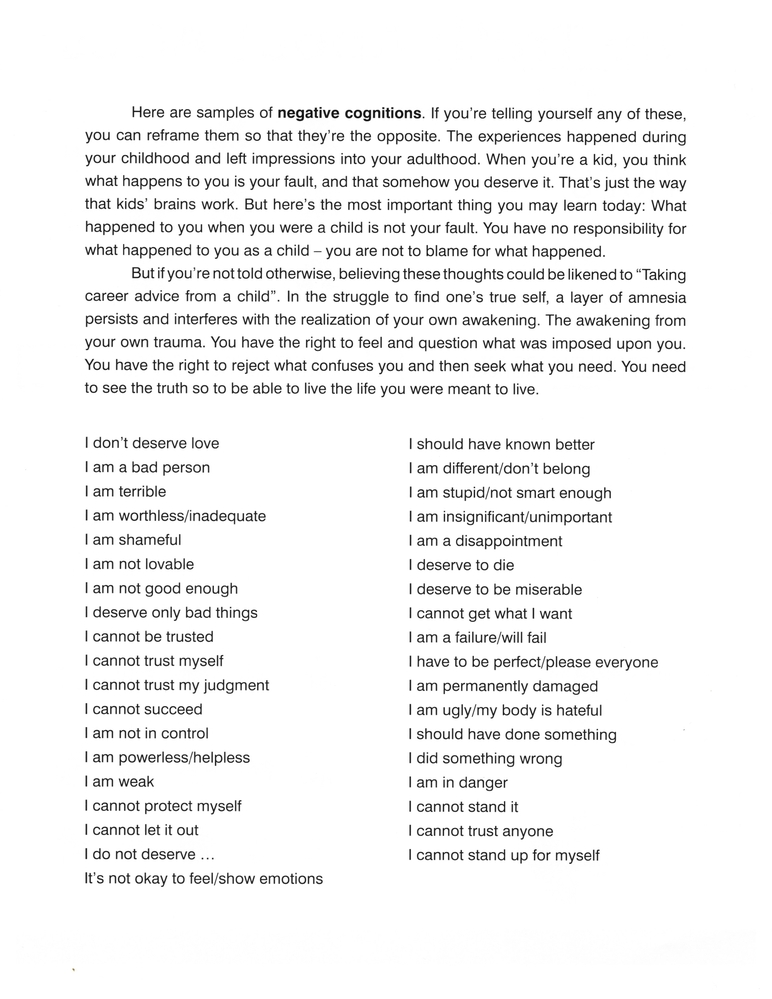
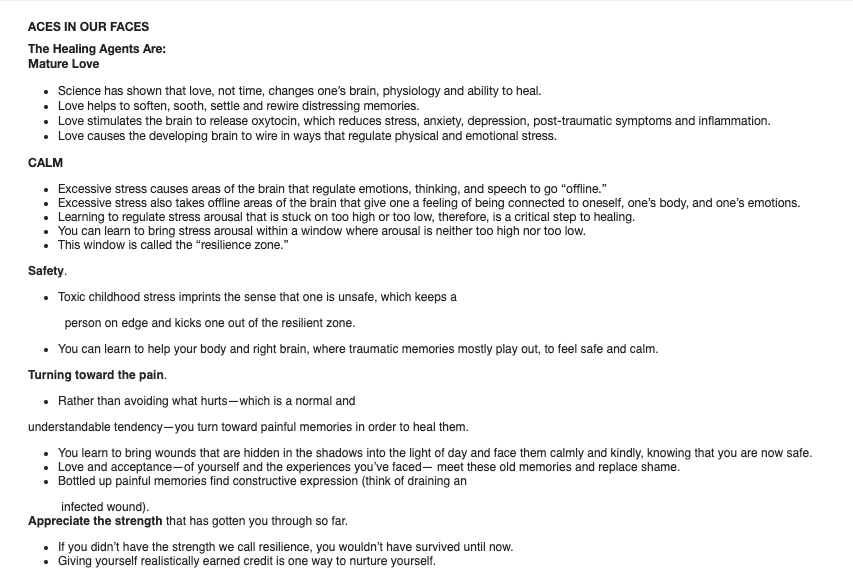
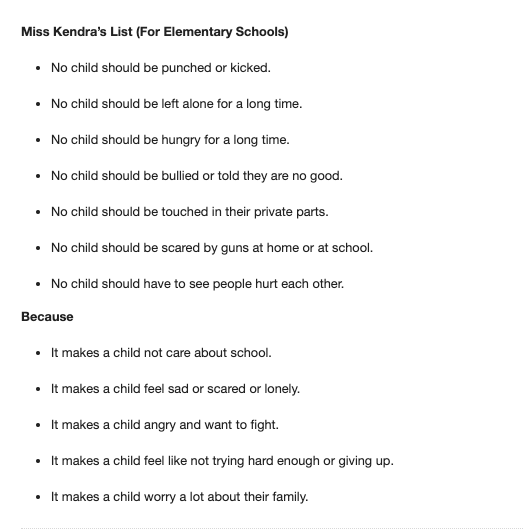
This is the first in a series of blogs about what I believe to be some of the consequences – “negative” and “positive” – of positive and adverse childhood experiences (PACEs) across my lifespan. I share this as my healing journey takes another twisty turn for the better. I’d love to know if and how you believe your positive and adverse childhood experiences have affected your health.
I’ll post other installments as we at PACEs Connection continue to share the latest science, and stay focused on our work to connect and create healing communities. Subsequent topics may include insights on PACEs and finances, relationships, and parenting.
Please know my intention is not to offend anyone, or to make light of my own experiences, or to make light of the experiences of others. It is to share experiences in hopes of helping fellow travelers and wanting the world to know that the traumas being wrought upon us are in large part the results of broken values and systems in the collective that affect families and individuals — across the lifespan!
Physicians, policymakers, and business leaders need to know about the pain perpetuated and created by their reluctance to recognize and address childhood trauma as the root cause of most of our seemingly most intractable societal and personal challenges. We all live with collective “undigested trauma” and I believe that is why we are a nation and a people experiencing so much pain. The pain is trying to tell us all a lot. And I’ll say more about that in subsequent essays.
I do believe we are our own best healers, that laughter is some of the best medicine, and that being able to look back on adversity with curiosity, compassion, and grace adds years to our lives.
There is science to support those beliefs. Proof positive? I am still here, and look forward to sharing these and other findings with this “chosen family” of fellow members of PACEs Connection.
Happy 4th of July weekend. May it be truly liberating.
GUTS
Here’s the deal: I was born with gut issues. There are myriad reasons for it, probably, but the root cause of the root and sacral chakra block that keeps my guts twisted, turning, and sometimes frozen or burning, is likely trauma experienced when I was an itty-bitty fetus.
Adverse fetal experiences?
I say adverse birth experiences because my mother was the victim of horrific domestic violence while she carried me, and it sure didn’t get better when she had a baby girl instead of the hoped-for baby boy.
Anyway, that’s kind of root cause of why, at 5 a.m. on a Saturday morning, I am AWAKE. Doing cat-cow yoga moves. Breathing deeply into my bowels. Drinking MORE hot water. Taking the fistful of probiotics I take in the morning to complement the fistful of probiotics I take mid-day and the fistfull I take at night.
This is a 24-7 operation, trying to regulate my dysregulated guts. And it has been for much of my life. Oddly, while I was pregnant and pumped full of progesterone, and then breastfeeding and high on my own oxytocin, I didn’t have these issues. But that was more than 30 years ago. Those were the sweetest of days, despite all manner of other challenges.
But now it is about 5:45 a.m. I’ve done more yoga moves. I am sitting on the john with my feet up on a box to replicate the effect of using a “Squatty Potty”, a plastic footstool like thing I’d bought years ago after seeing it on SharkTank. As part of the sales pitch, the successful inventor revealed that the way Americans sit while toileting actually prevents a healthy bowel movement.
Go figure. Not having our bodies in a squatting position – as our hunter-gatherer nomadic ancestors did – isn’t good for us for many reasons. But that’s another gut report.
How many different simultaneous actions are happening here to support this effort?
All those probiotics are working in my frozen gut
I am massaging my part of my lower abdomen in a way that is supposed to help facilitate movement
I have been listening to the “Inner River” meditation in my “Flare Up Kit” on the Nerva app (I pay about $20 a month for it.) It is delightful. A lovely Australian lady hypnotizes me in 15 minutes to “relax my body” and calm my sympathetic nervous system the-heck -down so I can get to rest and digest and what I call DIVEST
I’ve been rocking gently, as that, too, is supposed to help
Prior to this magic moment, I sipped a cup of hot water
I also drank a tall-boy cup of “Bio Coffee” that tastes great with some stevia in it, and was created to help customers “love what it does to your body” because it’s formulated to help support gut health
Hours before this moment, I drank a few ounces of purified water into which I had dumped a scoop of “Calm” magnesium, which helps me sleep and has the side benefit of promoting “motility”
Prior to bed, I had also exercised, eaten a meal of organic turkey, organic jicama tortillas, and papaya. (I eat about six papayas a week because they are supposed to be so good for your guts). I had laughed some by watching the most recent episode of “Ted Lasso.” Laughter is great for guts
I had also had a long talk with a dear friend, which helped me have a sense of being supported and connected. (Relational health supports all health systems, but especially gut health. I think about this often as I eat dinner alone and don’t always relate to my food respectfully by taking time to savor it and thank the plant or creature whose energy I am consuming to stay alive. Note to self: ponder these things for a future essay!)
If I had a nickel for every dollar spent on different remedies for JUST my stomach issues over my lifetime, I might not be rich. But I’d be on the way.
A little bit of information (there is MUCH more) about PACEs science and gut health.
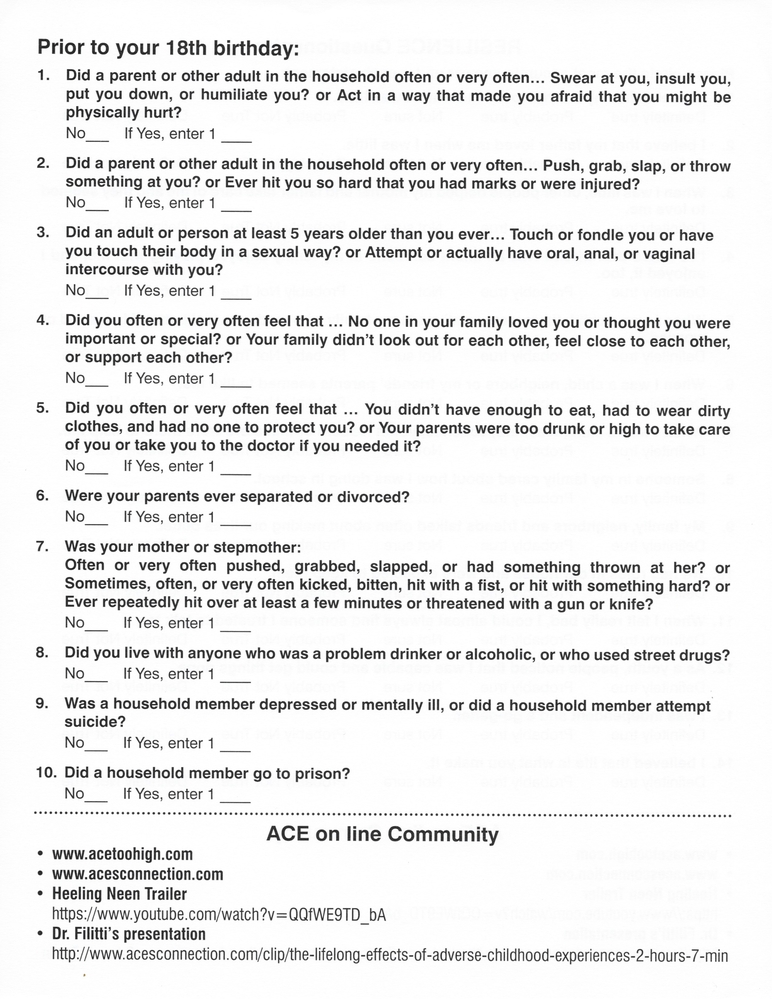
We know from the landmark Adverse Childhood Experiences (ACE) study published in 1998 by The Centers for Disease Control and Prevention and Kaiser Permenete, and written by personal heroes Vincent Felitte, MD, and Rob Anda, MD, that the more ACEs are stacked up in our history, the greater the likelihood of all manner of health issues. My score is eight out of the ten original ACEs.
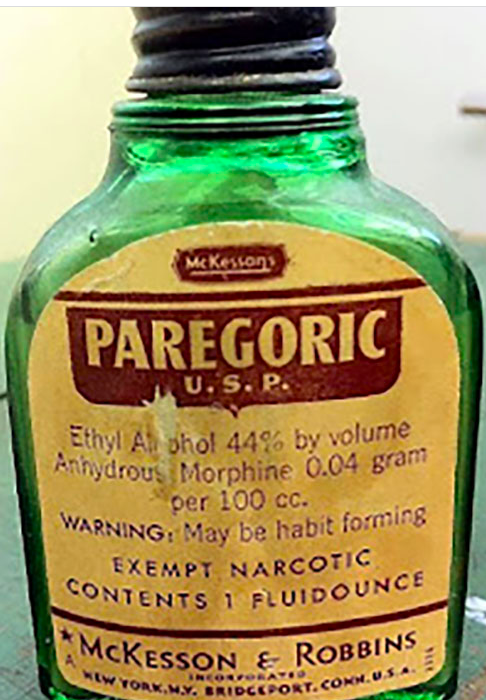
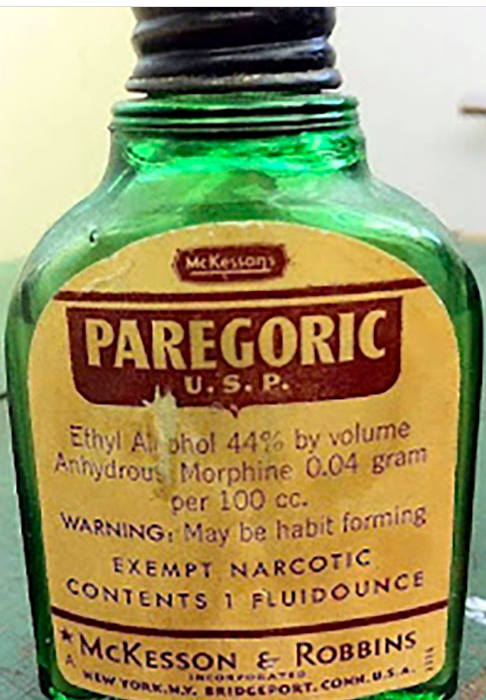
As a child there were visits to the pediatrician. And the memories of being given paregoric – opium – which tasted like licorice (I cannot stand that taste) and which my mother kept above the refrigerator.
I have no idea how often she pulled out the dropper to knock me out when I was a colicky baby and whiny toddler. Or how many times the cleaning ladies who took care of me much of the time from the age of early infancy until I became a latchkey kid, slipped it to me so they could have a moment’s peace to do the work they were hired to do.
I have imagined, since doing exhausting rounds of inner child work and putting it together that my maternal grandmother died at the same time my mother went back to work – when I was just six weeks old – that the instructions to the cleaning ladies, who were paid $4 a day and not treated very well, must have been to “cook, clean, iron, and oh, by-the-way, there’s a baby in there”.
So that must have been part of the reason I have almost always felt an undercurrent of loneliness. Because I was left at home with the cleaning lady at least three or four days a week while my mother was working and or taking part in her myriad civic duties. And the person hired to clean the house and do all those other chores and take care of me? How could she have had a lot of enthusiasm for the role, given that she was being paid less than a dollar an hour, was expected to do an inordinate number of tasks, and was likely missing her own children? It was a no-win situation and when I was older and learned more about how Black people were treated, that, too, made my stomach hurt. Still does.
Where the nurturing came into the equation.
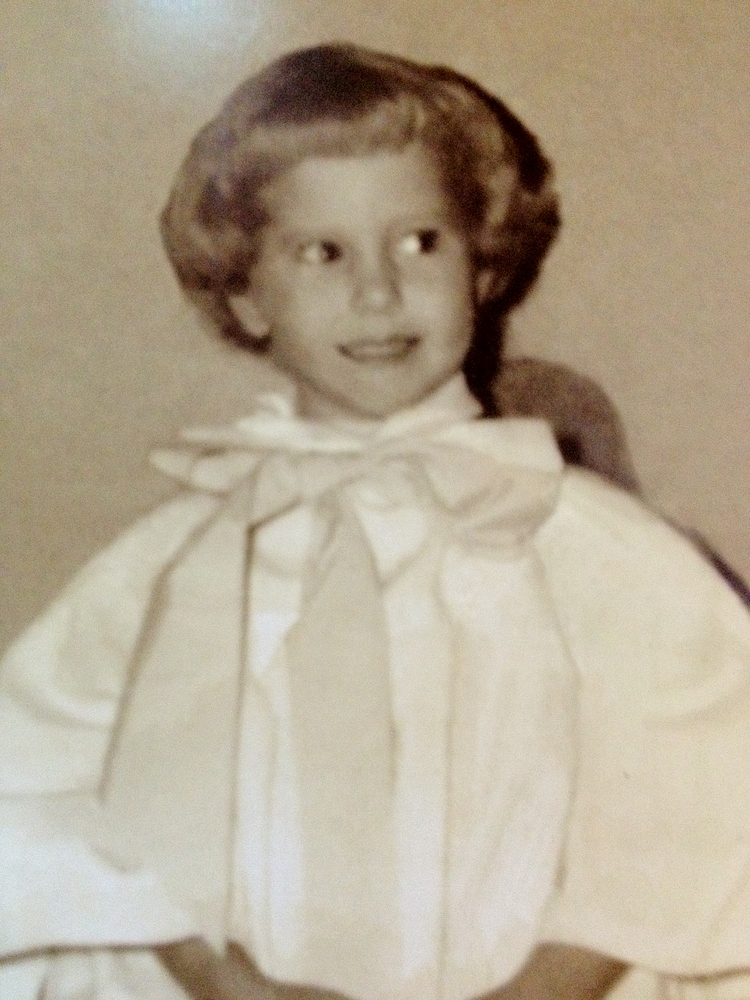
Thank God I also know that I sometimes stayed with my paternal grandmother. She loved me deeply and taught me, from an early age, about being kind to people. She also taught me about bugs, flowers, gardening, canning, pickling, cooking, and the joy of shelling peas. She was a living, breathing positive childhood experience (PCE) for me.
But in between those lovely visits to her farm, and wonderful times watching my next door neighbor, Miss Minnie Anne, cook and garden, I was a pretty sickly child who got carsick on the way to school. And who would throw up at the first whiff of certain odors. In fact, as a third grader, I contributed mightily to the Great Maple Street Elementary School Chain Reaction Barf of 1964.
The Great Maple Street Elementary School Chain Reaction Barf of 1964.
I remember it as if it were a minute ago: Someone threw up in the hallway on the way back from the lunchroom. We’d had fish sticks, mashed potatoes and maybe turnip greens or peas for lunch. Something green. Anyway, the scent of fishy vomit floated my way.
My friend Sally stood in line in front of me as I projectile vomited into her waist-length, shiny brown hair.
Several other kids chucked on the person in front of them.
The school janitor was shoveling that minty sawdust-like stuff all over the hallway to try and mask the scent. It was a feast for all the senses: sight, smell, sound, the touch of the teachers pushing us against the wall and away from each other, and the lingering taste of, well, you know.
We all got to go home for the rest of the day.
While I know Sally forgave me for upchucking on her, I once advocated for her so vociferously that I got paddled by the principal.
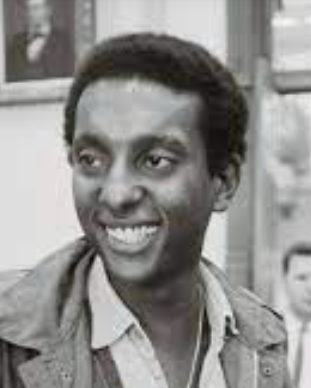
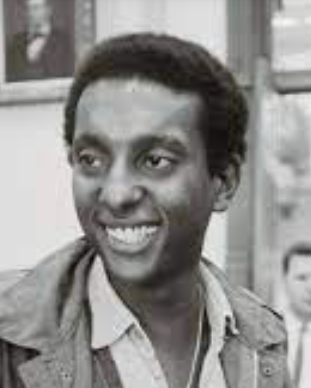
“A little Stokely Charmichael”
Perhaps I fought so hard on her behalf out of guilt for spewing bodily fluids onto her; perhaps it was because I started fighting for the underdog as a tiny child protecting my brother during my parent’s knock-down, drag-out, liquor-fueled (him, NOT her; thank God they weren’t both drinking!) fights.
Whatever the reason, later that year or the next, Sally had been out sick for a week or two, and was being forced to complete all of her homework in what other kids and I thought was an unre asonably short period of time. I circulated a petition about this being unfair, resulting in the paddling and my being called “a little Stokely Carmichael” by the principal, as he whacked my fifty or so pound self three or four times with a long wooden paddle. It even had holes in it to enhance the pain.
Stokely Carmichael was a civil rights leader. In pre-integration small-town Georgia, comparing me to a Black man threatening this old white principal’s way of life was NOT a compliment. It was a comparison that earned me more punishment at home.
My beloved little paternal grandmother – she probably weighed eighty-five pounds soaking wet – was courageous as hell, herself a victim of domestic violence and an advocate for the Black tenants to whom my grandfather rented run-down shanties. I’d like to think she was secretly proud of the principal’s comparison, though I am certain it mortified the rest of the family, most of whom did not hold me in favor for my questioning of the hymn, “Jesus Loves the Little Children” with its key line “red and yellow, black and white, they are precious in his sight. Jesus loves the little children of the world.” I wondered why, if Jesus loved everyone, we weren’t supposed to too?
A thrilling diagnosis.
I could go on about my guts as a kid, but I’ll fast forward to being 20 and having an “ulcerated area in my duodenum.” Truly, I was thrilled with the diagnosis, tendered by our trusted family doctor when I stayed in the hospital for tests and rest on a Christmas vacation home from college. Finally I had proof that I wasn’t making it all up, or, as my mother loved to say, “It is all in your head.”
She claimed I was faking it despite the fact that she drank about three bottles of Maalox a week to wash down the Anacin she took to help the tension headaches caused by the stress of her job working for a man she was terrified of, and living with a man she was terrified of because he would yank her hair out, punch her, throw her down steps, and threaten us with myriad weapons. Guns. Knives. Belts.
To make sure she knew whatever she did was worthless, he’d also sometimes trash the nice furniture she bought by slashing the surface of bedside tables with a hunting knife, punching or shooting holes in the wall, breaking glass to get into the door at all hours of the night, and literally pissing on the flowers she planted.
Yep. I think I came by my tender guts honestly.
Sometimes my mother would be doubled over in pain as she put on her makeup to go to work. Oh. And THAT smell would get to me, too. Because she had a port wine birthmark over half of her face, she literally cooked her “pancake” makeup each morning before applying it. Pancake makeup does not smell good first thing in the morning. Or ever.
She looked beautiful. But underneath that layer of makeup, and the starched white uniform, seamed white hose, and white oxford shoes she wore as her dental hygienist’s uniform, there was a riot of rage as dark and jagged as that birthmark that must have caused ungodly teasing in Depression-era Georgia and Alabama. It was probably part of the reason she felt as if she’d better say yes to my father’s proposal. About him? When she married him he was a World War II veteran who’d experienced his own share of trauma as a child whose father beat the hell out of him, and as a 18-year-old on a submarine in the Pacific during World War II. One story was that his best friend died right in front of him. My father had “hatch duty”. But one day the friend asked to open the hatch instead, and was killed the instant his head popped out in open air.
Multi-generational ACEs; medicine combinations; the bitter end of dark chocolate.
I now understand why my father suffered bouts of depression and anxiety, though I wish he’d had healthier ways of coping than jigger upon jigger of Early Times bourbon mixed with Coca-Cola, tons of my grandmother’s carbohydrate and fat-filled home cooking, relentless skirt chasing, and pound-downs on my mother when she sniffled, cleaned, didn’t cook what he wanted, complained about his wild spending or carousing, or didn’t properly clean and freeze the dove and quail he killed and brought home and left for her to “dress” because he was too smashed to do it himself.
Yep. Dead birds, bird guts and feathers, frozen little bird bodies suspended in ice in plastic containers in a deep freezer full of all manner of ice-encased fish and fowl.
Those could get me gagging too.
But I digress.
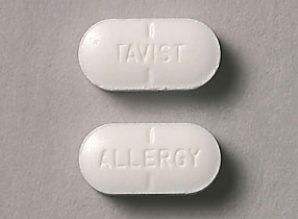
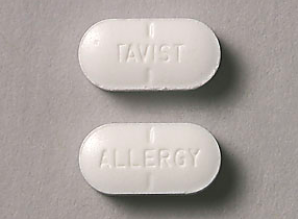
Yes. I’ve had a lifetime of gut issues I medicated with combinations of allergy medicine – because seasonal allergies and the resulting post-nasal drip (Sorry, but for folks with lots of ACEs, there are often issues with hyper-responses to allergens) – and the latest prescription for stomach ulcers. Tagamet and Tavist? That was a great combination, I explained to my doctor when I was in my early twenties. I don’t think he’d made the connection, yet, between allergies, post-nasal drip, and the Spring and Fall flare ups with gut pain and nausea until I explained why I needed both prescriptions.
Over the years there were endoscopies. Colonoscopies.The self-medicating power of the bubbles in beer. The realization that dairy was off the table. The realization that nightshade vegetables were off the table. The realization that gluten, too, was off the table. And then the horrific and deeply painful grief when one of my most favorite foods of all times – dark chocolate – was literally off the table and pretty much out of my life unless I wanted to pay dearly for having savored a bite or two of what had been a staple: four or five bars of Green & Black’s 85% organic chocolate a week. Almost a bar a day. For YEARS.
That loss came when the Damdemic hit, and I suddenly regressed into a primal fear of feeling incredibly unsafe in my own home, and in my own body, where the fire in my belly burned as if I’d swallowed a molten bowling ball.
Next report: Damndemic guts, masked horror, “Better Normals”, ACEs to PACEs, and the road to recovery being paved with many efforts.
 Carey Sipp 2/1/221:12 PM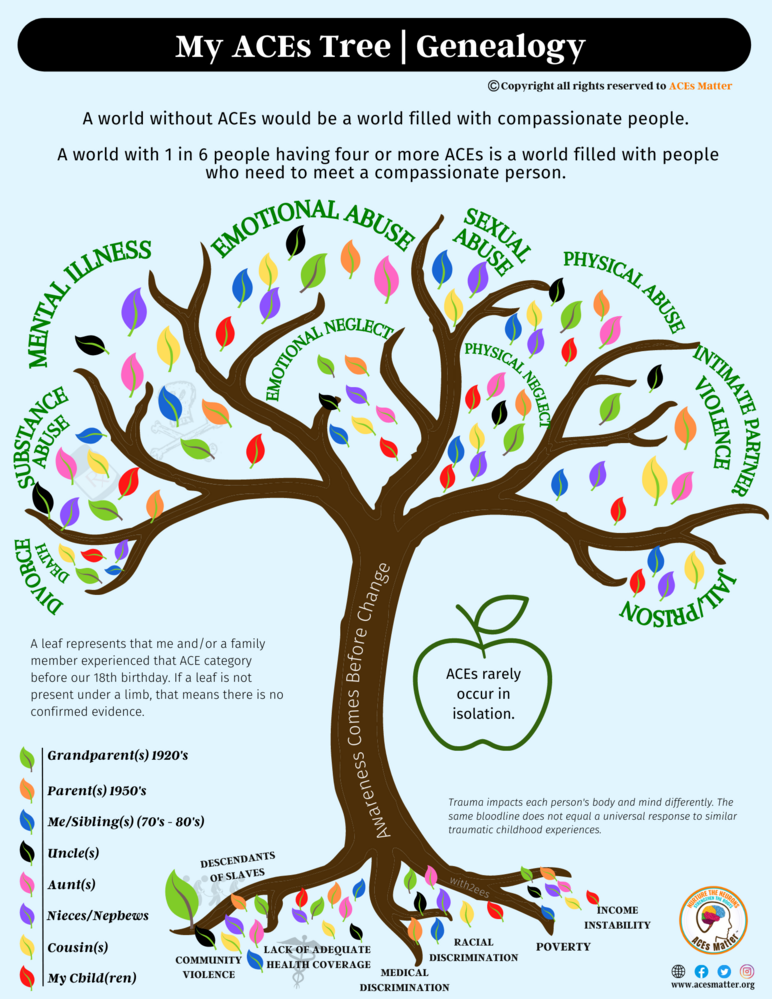
 Alyshia BoagniMember
 Cendie StanfordMember

 If you’d prefer to mail your gift rather than give it online, here’s how…
 Making a wire transfer or need Tax ID information?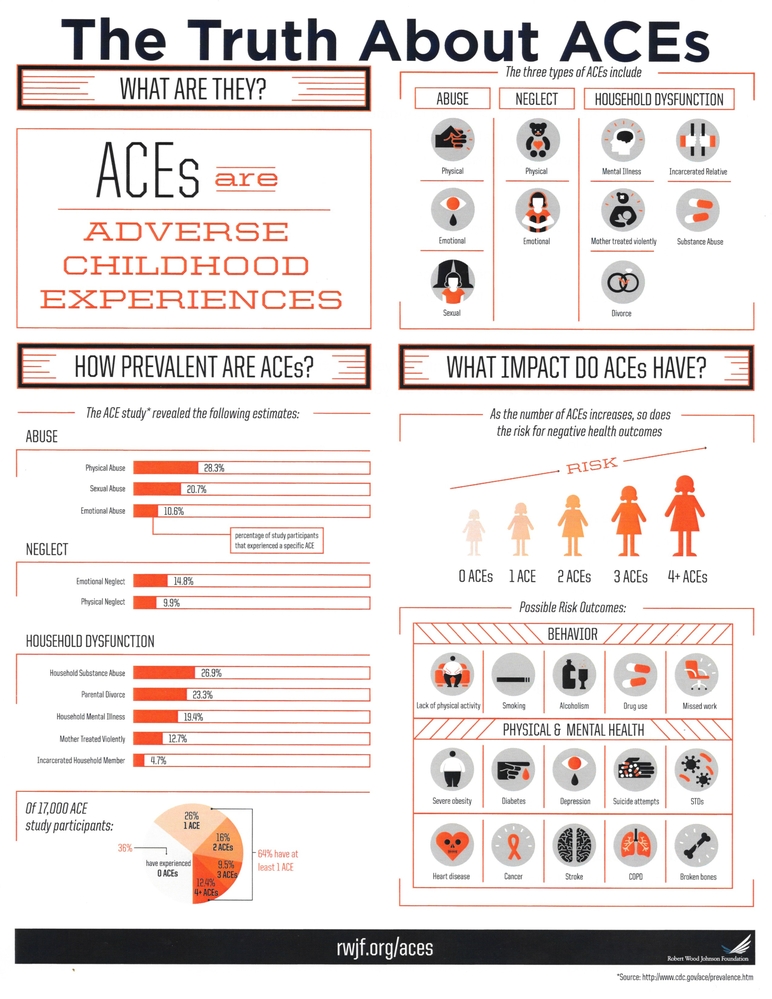






 They’d always been close, so when Patrick left Georgia for Montana six years ago, Louisa, who also loves the outdoors, followed suit. They have been rock-solid supports for each other. They know how to ask each other for help when they need it, and they know how to offer support in healthy ways. This served them well when Patrick and a friend of his bought a white-water rafting business, and Louisa helped him with bookings and more for several summers.