By Lindsay Braman, LindsayBraman.com, March 11, 2021
By now, most counselors, pediatricians, teachers, and other people who work with children know about ACES: The “Adverse Childhood Experiences” scale. ACE’s predict, based on measuring the number of traumatic or adverse events experienced, which kids are likely to struggle developmentally and emotionally as they mature. (You can take the ACES quiz here).
New results from a survey based on a study of 6188 adults at Johns Hopkins shows that there are 7 childhood experiences that can be statistically linked to good mental health in adults.
What has been less well understood is why a small percentage of kids with high ACE scores have normal development and good adult emotional health. What factors created a level of resiliency in these kids that helped them to survive and thrive despite difficult childhoods?
The most revolutionary part of President Biden’s agenda so far is his focus on a constituency that doesn’t write whiny op-ed columns, doesn’t vote, doesn’t hire lobbyists and so has been neglected for half a century: children.
Biden’s proposal to establish a national pre-K and child care system would be a huge step forward for children and for working parents alike. It would make it easier for moms and dads to hold jobs, and above all it would be a lifeline for many disadvantaged children.
Imagine: You drop a kid off at a high-quality prekindergarten program in the morning and pick the child up on the way home from work. That’s how it is in many other advanced countries, and in the United States military.
When my wife and I lived in Japan in the late 1990s, we sent our kids to one of these nurseries, and they were a dream.
By Alla Katsnelson, The New York Times, April 7, 2021
New monthly payments in the pandemic relief package have the potential to lift millions of American children out of poverty. Some scientists believe the payments could change children’s lives even more fundamentally — via their brains.
It’s well established that growing up in poverty correlates with disparities in educational achievement, health and employment. But an emerging branch of neuroscience asks how poverty affects the developing brain.
Over the past 15 years, dozens of studies have found that children raised in meager circumstances have subtle brain differences compared with children from families of higher means. On average, the surface area of the brain’s outer layer of cells is smaller, especially in areas relating to language and impulse control, as is the volume of a structure called the hippocampus, which is responsible for learning and memory.
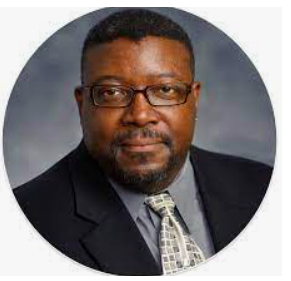
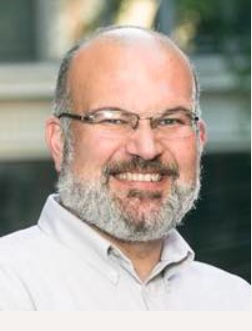
Dr. Chan Hellman, leading researcher in the power of hope to improve lives of impoverished children and families who have experienced abuse and neglect, Justice Dawn Beam, and Christopher Freeze, co-chair of Mississippi ACEs Connection, on day three of presentations by Hellman to judges and staff members of Mississippi’s Youth Courts.
“Hope is a better predictor of college success than the ACT or the SAT score” was one of the startling comments made by Chan Hellman, Ph.D., in the first of three trainings on the Power of Hope shared with members of the Youth Courts in Mississippi this week.
Hellman is a leading researcher in the power of hope to improve the lives of impoverished children and families who have experienced abuse and neglect. And the court-focused training programs where he presented are themselves a hope realized by Justice Dawn Beam, co-chair of the state’s Commission on Children’s Justice.
The 1,200 employees taking the one-day training work with abused and neglected children in the Youth Courts. Sessions were scheduled for Pearl, Oxford, and Gulfport.
“There is this real thirst for how we can make systemic change in our state,” Justice Beam said as she introduced Hellman at the first session.
Participants included judges and court staff, Department of Child Protection Services leaders and social workers; Department of Education school attendance officers; and representatives from the Department of Human Services, the Department of Mental Health, and various child advocacy centers and service providers. Youth Court teams from each jurisdiction will participate as groups in the interactive training.
Resident Jurist John N. Hudson of Natchez, who is among the staff helping to lead the training, said that hope needs to be infused from the top down in all Youth Court settings. “We want everything that touches this court to be hope-centered – on the juvenile delinquency side, on the child protection side – so that when we bring those social workers into the courtroom, when we bring those juvenile counselors in the courtroom, their message is: We are about hope here.”
Hellman, of Tulsa, Oklahoma, is a professor of social work at the University of Oklahoma and director of The Hope Research Center. His research is focused on hope as a psychological strength, helping children and adults overcome trauma and adversity. He is the co-author of the book “Hope Rising: How the Science of Hope Can Change Your Life.”
His approach includes teaching people to do three things:
set desirable goals
identify viable pathways to goals, finding solutions to the problems that stand in the way
maintain the willpower to pursue those goals.
“Hope is the belief that the future will be better, and you have the power to make it so,” Hellman said. Here are other highlights of his remarks:
Imagination is the instrument of hope.
Hope begets hope.
Increased hope is an indicator of well-being.
The opposite of hope is apathy.
We can teach and nurture hope.
The collective hope of a group is a predictor of a group’s ability to achieve goals.
The biggest thing we can do for children is to let them know they matter.
The program agenda and training material are available here.
The Commission on Children’s Justice established Programs of HOPE to continue to address child neglect prevention. The idea is to create pathways of hope for children and families.
“We are committed to help them improve their lives,” Justice Beam said. “We believe this is possible one person, one family, one community at a time.”
The presentations are part of the Court Improvement Program. The programs are sponsored by the Commission on Children’s Justice and Casey Family Programs in cooperation with the Mississippi Judicial College.
Therapist and anti-spanking advocate Robbyn Peters Bennett
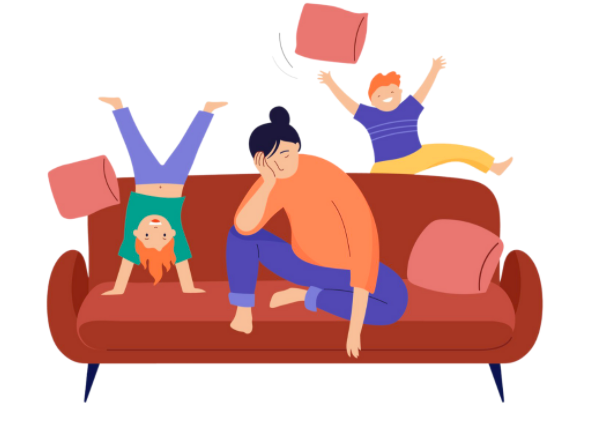
Three therapists have teamed up to lp with overwhelmed, stressed parents by offering a free workshop each remaining day this week: Pandemic Parenting!
Robbyn Peters Bennett from Portland, Oregon, Lori Petro from Philadelphia, Pennsylvania, and Amy Bryant from Decatur, Georgia, organized the event to help parents who have been struggling during the pandemic. Here are the details on what they’re offering and how to attend.
Background:
Bennett said recent research shows the alarming negative impact that chronic pandemic stress has had on children and their parents. Several studies have shown:
A majority of parents (52%) said financial stress and social isolation are getting in their way of parenting
1 in 5 said they spanked/slapped their child at least once in the past two weeks, and 12% did it more often
4 in 10 parents shouted at their child in the past two weeks
1 in 5 said they are shouting and spanking more often
“Probably one of the most stressful aspects of the pandemic has been the breakdown of community support for families,” Bennett said. “Parents feel isolated, overwhelmed, burdened with the task of also being their child’s teacher while continuing to hold a full-time job and of course many are struggling with financial worry and feeling isolated. We are shouting across the street to our neighbors and trying to connect through the muffled sounds of face masks. Children have few social interactions and are more dysregulated as a result.
“So my colleagues and I wanted to create a “Community of Care,” said Bennett.
“This parenting event is trauma-informed and is structured to support parents in a way that respects their need for connection, movement, meditation, and science-based parenting support,” said Bennett.
What is it?
The event runs April 20-24, and sessions are free. Each day parents receive a free learning module in their inbox that includes:
movement and meditation videos to prepare for, integrate and process all the learning and experiences
parent stories to inspire and connect
multiple interview sessions to help parents better understand child development, stress responses, and what children – and parents – need to feel more connected and less overwhelmed
Organizers also are offering a live event each night for a modest fee of $25. These events are aimed at helping create a feeling of community and fun, and the fee will help Bennett and her partners create more events in the future.
Who can attend
The workshop is designed for parents, grandparents and anyone who loves children and would like to feel more supported in caring for them. So that can be teachers, coaches, ministers and daycare providers as well.
Live events:
April 20:
Ask the Warden: What Makes Kids Delinquent? Led by George Davis, M.D.
It is amazing how many parents use harsh punishment (even though they don’t want to) out of fear for their children and a strong commitment to keep their child out of trouble. There will be a live Q&A with Davis, the former director of the New Mexico Juvenile Justice system. He is publishing some amazing research on delinquency and adverse childhood experiences.
April 21
Movement Medicine: Calming the Nervous System through Therapeutic Movement. Led by somatic therapist David Mooney
Experience the restorative practice of movement so parents feel better and are better resourced
April 22
Game Night! Movement for Regulation, led by occupational therapist Tinsley Martin
Children/s challenging behaviors are often driven by dysregulation – so mirroring their feelings or talking logically to them isn’t enough. This session is a playful approach to helping children regulate their nervous system and emotion — and parents will feel better too.
April 23
Game Night! Play to Connect, led by Sheena Hill, Parenting Works
There just isn’t enough fun right now! This is a way to join community and play and connect and simply feel good.
April 24
Addressing Our Triggers, led by psychologist Lynyetta Willis, Ph.D.
Feeling activated into flight-fight-freeze is the new normal for a lot of parents who simply have too much stress and not enough support. This session will help parents feel more connected to themselves and will give them some tools to help with their own reactivity.
Additional speakers:
What to say when you wanna say, “Do as you’re told!” with Mr. Chazz Lewis, M.S.
Mr. Chazz, an inspirational parenting coach on TikTok, talks about why it is difficult for dads, especially, to give up fear based parenting
Feeling overwhelmed by your toddler? How to set limits that meet your own needs, with Devon Kuntzman
Practical helping parents know what to expect of toddlers and how to help them develop impulse control.
How to deal with irritable and defiant kids, with Robbyn Peters Bennett, LPC, CMHS
Addressing trauma specifically and how to work with children who are often dysregulated and may be thought of as oppositional defiant.
The link between juvenile delinquency and discipline, with George Davis, M.D.
Davis talks about his second ACEs study with children in the juvenile justice system.
What’s my kid supposed to be learning? Trauma-sensitive approach to helping kids learn during a pandemic, with Erin Hambrick, PhD
Parents have intense expectations about child’s academic progress during the pandemic. Hambrick, from the ChildTrauma Academy, talks about how to prioritize your child’s learning needs and how to deal with the school who may lack a trauma-informed lens.
Building lifelong relationships with kids and teens (and why it matters), with DeAntwann “DJ” Johnson
How to stay close to your teenagers, when they need you the most!
Tools to identify and release triggers, with Lynyetta Willis, Ph.D.
We are all feeling triggered more than usual these days. Willis helps us sort through and validate our triggers.
Others include:
Communicating with neurodiverse kids and teens, with Lori Petro
When kids steal: supporting your child’s inner guide, with Vivek Patel
What grumpy kids need, with Sheena Hill
Tired of nagging? Untriggering to parent the next generation, with Iris Chen
When siblings hit: setting limits that nurture empathy, with Laura Markham
Desired outcome:
Bennett said the therapists’ goal is to help parents feel more connected and supported by community, and to feel more regulated themselves so that parenting is easier. “We want to raise awareness on the dangers of harsh parenting. A recent study showed that getting angry, hitting, or yelling at children when they are little is linked to inhibited brain development. We know that tending to the connection between the parent and child is the most powerful way to ensure the well-being of children into the future. We want to help parents understand how to deal with challenging behaviors, but also provide them with the care and support they need so that their nervous system can manage it. If we want parents to do better, we have to help them feel better!”
If parents can’t find time to watch all the videos during these five days, they can access all the seminars for free until the end of the month. If they want to hang on to them longer, they only need to pay $25.
Therapist and anti-spanking advocate Robbyn Peters Bennett
Three therapists have teamed up to help with overwhelmed, stressed parents by offering a free workshop each remaining day this week: Pandemic Parenting!
Robbyn Peters Bennett from Portland, Oregon, Lori Petro from Philadelphia, Pennsylvania, and Amy Bryant from Decatur, Georgia, organized the event to help parents who have been struggling during the pandemic. Here are the details on what they’re offering and how to attend.
Background:
Bennett said recent research shows the alarming negative impact that chronic pandemic stress has had on children and their parents. Several studies have shown:
A majority of parents (52%) said financial stress and social isolation are getting in their way of parenting
1 in 5 said they spanked/slapped their child at least once in the past two weeks, and 12% did it more often
4 in 10 parents shouted at their child in the past two weeks
1 in 5 said they are shouting and spanking more often
“Probably one of the most stressful aspects of the pandemic has been the breakdown of community support for families,” Bennett said. “Parents feel isolated, overwhelmed, burdened with the task of also being their child’s teacher while continuing to hold a full-time job and of course many are struggling with financial worry and feeling isolated. We are shouting across the street to our neighbors and trying to connect through the muffled sounds of face masks. Children have few social interactions and are more dysregulated as a result.
“So my colleagues and I wanted to create a “Community of Care,” said Bennett.
“This parenting event is trauma-informed and is structured to support parents in a way that respects their need for connection, movement, meditation, and science-based parenting support,” said Bennett.
What is it?
The event runs April 20-24, and sessions are free. Each day parents receive a free learning module in their inbox that includes:
movement and meditation videos to prepare for, integrate and process all the learning and experiences
parent stories to inspire and connect
multiple interview sessions to help parents better understand child development, stress responses, and what children – and parents – need to feel more connected and less overwhelmed
Organizers also are offering a live event each night for a modest fee of $25. These events are aimed at helping create a feeling of community and fun, and the fee will help Bennett and her partners create more events in the future.
Who can attend
The workshop is designed for parents, grandparents and anyone who loves children and would like to feel more supported in caring for them. So that can be teachers, coaches, ministers and daycare providers as well.
Live events:
April 20:
Ask the Warden: What Makes Kids Delinquent? Led by George Davis, M.D.
It is amazing how many parents use harsh punishment (even though they don’t want to) out of fear for their children and a strong commitment to keep their child out of trouble. There will be a live Q&A with Davis, the former director of the New Mexico Juvenile Justice system. He is publishing some amazing research on delinquency and adverse childhood experiences.
April 21
Movement Medicine: Calming the Nervous System through Therapeutic Movement. Led by somatic therapist David Mooney
Experience the restorative practice of movement so parents feel better and are better resourced
April 22
Game Night! Movement for Regulation, led by occupational therapist Tinsley Martin
Children/s challenging behaviors are often driven by dysregulation – so mirroring their feelings or talking logically to them isn’t enough. This session is a playful approach to helping children regulate their nervous system and emotion — and parents will feel better too.
April 23
Game Night! Play to Connect, led by Sheena Hill, Parenting Works
There just isn’t enough fun right now! This is a way to join community and play and connect and simply feel good.
April 24
Addressing Our Triggers, led by psychologist Lynyetta Willis, Ph.D.
Feeling activated into flight-fight-freeze is the new normal for a lot of parents who simply have too much stress and not enough support. This session will help parents feel more connected to themselves and will give them some tools to help with their own reactivity.
Additional speakers:
What to say when you wanna say, “Do as you’re told!” with Mr. Chazz Lewis, M.S.
Mr. Chazz, an inspirational parenting coach on TikTok, talks about why it is difficult for dads, especially, to give up fear based parenting
Feeling overwhelmed by your toddler? How to set limits that meet your own needs, with Devon Kuntzman
Practical helping parents know what to expect of toddlers and how to help them develop impulse control.
How to deal with irritable and defiant kids, with Robbyn Peters Bennett, LPC, CMHS
Addressing trauma specifically and how to work with children who are often dysregulated and may be thought of as oppositional defiant.
The link between juvenile delinquency and discipline, with George Davis, M.D.
Davis talks about his second ACEs study with children in the juvenile justice system.
What’s my kid supposed to be learning? Trauma-sensitive approach to helping kids learn during a pandemic, with Erin Hambrick, PhD
Parents have intense expectations about child’s academic progress during the pandemic. Hambrick, from the ChildTrauma Academy, talks about how to prioritize your child’s learning needs and how to deal with the school who may lack a trauma-informed lens.
Building lifelong relationships with kids and teens (and why it matters), with DeAntwann “DJ” Johnson
How to stay close to your teenagers, when they need you the most!
Tools to identify and release triggers, with Lynyetta Willis, Ph.D.
We are all feeling triggered more than usual these days. Willis helps us sort through and validate our triggers.
Others include:
Communicating with neurodiverse kids and teens, with Lori Petro
When kids steal: supporting your child’s inner guide, with Vivek Patel
What grumpy kids need, with Sheena Hill
Tired of nagging? Untriggering to parent the next generation, with Iris Chen
When siblings hit: setting limits that nurture empathy, with Laura Markham
Desired outcome:
Bennett said the therapists’ goal is to help parents feel more connected and supported by community, and to feel more regulated themselves so that parenting is easier. “We want to raise awareness on the dangers of harsh parenting. A recent study showed that getting angry, hitting, or yelling at children when they are little is linked to inhibited brain development. We know that tending to the connection between the parent and child is the most powerful way to ensure the well-being of children into the future. We want to help parents understand how to deal with challenging behaviors, but also provide them with the care and support they need so that their nervous system can manage it. If we want parents to do better, we have to help them feel better!”
If parents can’t find time to watch all the videos during these five days, they can access all the seminars for free until the end of the month. If they want to hang on to them longer, they only need to pay $25.
Growing up in Canada, Agnes Woodward, who’s Plains Cree and originally from Kawacatoose First Nation, always knew that her family cared deeply about missing and murdered Indigenous women. In the 1990s, she watched as her aunt Mona and a few others began trying to draw attention to the lacking police response when Indigenous women went missing: They would hold up images of missing friends on street corners. In 1992, they organized the first march in Vancouver in memory of missing and murdered Indigenous women (MMIW).
Then, in 2015, the Canadian government approached Woodward’s family to ask if they wanted to add her aunt, Eleanor (Laney) Ewenin, to the list it was compiling as part of its National Inquiry into Missing and Murdered Indigenous Women and Girls. The entire family gathered to talk over the decision and concluded that “if we step up and we tell our story” and it helps any other families, “then it’s our responsibility to do so,” Woodward recalled. Her mother, uncle and aunts had been taken from their parents in Canada’s so-called Sixties Scoop, a period that lasted into the 1980s during which the Canadian government removed Indigenous children from their parents’ care and placed them with foster families. Laney had been separated from the other children, and in 1982, when she was just 23, she was killed.
Woodward, now 38, became a seamstress and began designing ribbon skirts in honor of her aunt and other missing women, eventually creating the company ReeCreations in 2018. Her ribbon skirts quickly became a continentwide symbol of the MMIW movement.
“There is a difference between being informed and getting retraumatized.”
That’s what clinical therapist Paul Bashea Williams tells himself and his clients as they struggle with the distressing images that resurfaced during the Derek Chauvin trial.
The proceeding churned up a persistent trauma. The frequent replay of George Floyd’s final moments may have left many feeling raw, vulnerable and without relief.
Thanks for sharing this. I’m also in the favour of supporting black people for maintaining their mental health and overcoming their mental health issues. I’m a therapist and offer my services as Black Marriage Counseling Online California and through this, my clients are happy with my services.
“The most important thing you can do with your children is play with them!” said Dr. Bruce Perry, noted child psychiatrist and author. He was answering the question, “How do we prepare our children to go back to school next fall?”
Perry, a brain expert specializing in how children are impacted by trauma, gave a presentation on his neuro-sequential model of brain development to more than 800 people at an Austin Ed Fund event Monday evening. The co-author, with Oprah Winfrey, of the new book What Happened to You, also discussed the importance of educators focusing on “regulation and relationships.”
“If educators keep the focus on regulation and relationships, you’ll have many many more children with an open (able to learn) cortex. Keep the focus on regulation and relationship building you cannot go wrong,” Perry said.
Other topics Perry addressed during the more than two-hour event included workplace stress, how school boards can best support teachers, why going slowly is important post-pandemic, the importance of the arts and sports to brain development, and what corporations could learn about the importance of valuing their employees’ brains. The event was sponsored by the Buena Vista Foundation, Tapestry Foundation, The Klein Foundation, and St. David’s Foundation.
In the wide-ranging conversation, Perry also addressed these topics:
On preparing children to be ready for school this fall
“Play with them and let them play, and let them play with each other. Let them sort of reconnect with their friends, you know, do things that are fun. What that means is, if your kids over the summer have a regulating and rewarding set of experiences, they’re going to come to school ready to go to work.”
On the importance of fun
“I think fun is the best way to learn things. I think kids keep telling us that when they find something that they enjoy. It’s amazing what they can learn. So I am always happy to let them play, let them take the lead when it comes to acquisition of cognitive content.”
On school boards supporting teachers
We spend a lot of our work trying to help the teacher, through improving awareness about self care. But we’re really working to try to help schools to create policies and practices that are respectful, that are regulating, that are relational, so that there can be parallel process from, you know, the board all the way down to the administrators down into their classroom, down to the teachers and then out into the community.
When children learn self-regulation and take it home When a child taught them (parents) a little bit about the brain, that’s really what we want to see. We think that that’s the greatest way to have this creating impact…as the children kind of become the teacher, when it comes to (teaching) that great framework of regulate, relate and reason.
On the pressures of being a young parent in today’s world
We put way too much pressure on our young parents. Human beings are intended to parent with more adults around us, with the extended family model, where there’s an auntie and an older cousin and the grandmother can jump in every once in a while to help. We’re not biologically designed to meet the fundamental needs of multiple kids by ourselves. So, first it (for) parents listening, just be forgiving of yourself. Give yourself a little bit of a break. And remember what I said about the parallel process (of self-regulation) with teachers. You need to get regulated too. I mean it’s good for you to go to your exercise or take your walks or have your coffee with friends. That’s not being selfish. That’s actually allowing you to be your best for your child when they’re in the home.
What we can do to help each other during the pandemic.
I think one of the things that we really need to keep doing with each other is just be very nice to each other. We need to be kinder to each other. We need to go, “Wow, you’re in a tough situation. So how can I help? How can we figure out how to get us some help?” And I think when we do that, the community will be better.
The question NOT to you can ask your children
Everybody knows that when kids come home from school, like the worst thing you could ever ask them is, do they have any homework. Don’t ask them. Feed them, give them a chance to get regulated, and then engage them. But again these are the things that we (all) need.
About bringing the concept of regulation into the corporate world
I have to say though there’s a lot of promise about bringing these concepts (regulate, relate, reason) into corporate environments and into the workplace. Because for the corporation, the most valuable resource of any organization is the people. And the most valuable part of those people is their cortex. That’s the part of them that can be creative, productive, and most social. All the things that you want in the workplace are going to be cortically mediated. And so, it’s in the best interest of the corporation to have a lot of open cortexes. And so once you teach people about this, then corporate environments change, and they create a more regulating, respectful environment. When we go to workplaces or organizational environments that begin to appreciate this, they make changes that lead to monetary bottom line improvements, and that, you know in a corporate environment, that helps something stick.
About protecting yourself in a toxic workplace
If you’re in an organization that doesn’t get this, you’ve got to figure out ways to protect yourself. And one of the most important ways to do it is with your tiny little group.You create a little group of people you feel safe with. You take care of each other. That’s how we optimally survive in relationship. So if you can find a group that you can connect with and belong with to help you sort of buffer all of the things that go on at work, then that’s a really valuable thing, to have that small group. To just being kind to yourself and being kind to others. It’s such a simple and great message.
What should teachers know on as they go back to school
I would recommend that they (teachers) focus on regulation and relationship. And if those elements are incorporated into the process of coming back into the learning environment, you’re going to have many many more open cortexes. So whatever way you decide to do, whether it’s through team building or games, focus on regulation. And then, relationship building.
What administrators should focus on
Yeah, I think this is where you really need to have your administrators step up and protect you (teachers). There really has to be communication all the way up to the board of education in the state, so that we know that these kids are ultimately going to be able to master any of the content that we want them to by the time they graduate from high school or middle school or wherever. But if we’re smart about it, we’re going to keep more kids in school, which is a big issue for a lot of places in high school…if we don’t try to shove cognitive content down their throats, when everything’s all dysregulated.
And so, when I say go slow, I’m not saying don’t learn anything. I’m just saying, don’t let the pressure of not mastering some kinds of concepts unravel you, you’ll get through it. You may just want to change the pacing of how you learn certain things. You may want to think about different strategies of how you sort of co-mingle curricular content. I can guarantee you that if you had your teachers sit down and look at what you’re supposed to learn in history and what you’re supposed to learn in some other topic, they could come up with a creative way to collapse the minutes of instructional minutes and feather in a whole lot of regulatory stuff. You know one of the things that I think they should consider doing for example, is if you take a typical middle-school history teacher who’s got four classes, that person will give the same didactic presentation in 20 minutes four times in the day. He should record it, and then those kids can have control over when they watch it. And that’s part of their assignment, (to) watch the lecture, before you come to class. But then when you’re going in class, do stuff (that) is for regulating, and more conversational, more relational. They’ll get more engaged, they’ll learn more. So, if you let the teachers be creative about this stuff, they’re gonna do fine. But if you say, “Hey here’s the worksheet that you have to do on the third day of this week,” that’s just gonna make everybody feel crazy. And you’re setting yourself up for failure, and setting us up for failure.
On helping kids feel safe and become lifelong learners
If you really want people to be lifelong learners, and you want people to be creative and productive and contribute to society and ultimately pay taxes, and write books and do sculptures and create musicals, you’ve got to make them feel safe. You’ve got to make them love their learning environment. And you do that by respecting them and listening to them and being patient with them.
On resilience and the importance of community
One of the things that we’re able to look at is the timing and the nature of bad things. It could be a loss of a parent, it could be abuse, it could be neglect and so forth. But we also looked at the timing and the nature of good things — relational health, connection to family, community and culture. And here’s basically what we find: that if you have adversity, but you also have connections to family and community and culture, which are resilience building factors, you’re not at any increased risk for bad outcomes. However, if you have adversity and the amount of adversities sort of outweighs the presence of relational connection, you have significant increase in risk.
And so this is where relational poverty is a really important thing. You know families that have no extended family nearby. They’re not connected to their community of faith; they don’t know their neighbors. That kind of social isolation puts you at tremendous risk for even minor adversity. If you have big adversity and then you have that relational poverty, that’s when you’re really at risk.
And, the ideal is, and this is why we really have been focusing a lot on building community, culture and connection to each other, is that we have a lot of relational health. Even with adversity, you end up being pretty healthy. And so in the end, the most powerful factors that determine how you function in the present is connections to others, positive connections. That is really is the major (factor). You know people that study resilience. It really is basically all about how you’re connected.That’s what we found; that’s what a lot of other people that do this research have found. You don’t have to have thousands of people that you’re connected to.
Oprah talks about this a lot. She literally points to one teacher who saw her and understood how special she was, and who really was her lifeline. She provided resilience building experiences that set her on her life trajectory. And I think that’s true for a lot of people. And the good news therefore, from my perspective is that every one of us out there can be that kind of person for somebody. You know, it may be your child or your nieces and nephews and maybe a neighbor kid, or it may be the kid you’re coaching in little league. If you’re a teacher, you’re doing this all the time and you probably don’t even realize you’re literally creating life-saving, and life-transforming experiences for children, even in the little moments, the moments when you really are present with them.
Sensory overload One of the unfortunate things about our modern world is that we’re so sensory overloaded with our phones and our appointments that even when we are around people, we don’t slow down enough to give them that moment. People feel it when you see a colleague or a friend answer a text in the middle of a conversation. It’s a completely different experience than when they’re truly present and listening. I think that this is something that we can all do for the people around us, and if we can be better at doing that, the social fabric in our family and in our community will grow and become stronger. If you can put everything aside, and truly be with that person, and hear them, take a stance of curiosity, as opposed to a stance of judgment, you’re, you’re gonna make a huge difference in that person’s life,
The role of arts in learning One of the most important resilience-building activities that you can do is music, the arts and sports. And the irony is, in educational environments, all too often we view those as add-ons, sort of as electives. But the truth is, if you really understand how the brain works, you’ll recognize that the best way to make somebody available for high-quality academic achievement is to give them episodic regulatory opportunities for resilience-building through sport, through music, through creative arts, through performance arts. Those things should be absolutely core to high-quality academic curriculum. If you look at the origin of Western education, sports, music, theater, they were all part of the traditional Greek and Roman education. People over centuries tend to do things because they work. And I think that we should listen to our ancestors in that regard, and reincorporate some of that back into schools.
For more information on the Dr. Bruce Perry webinar, the Austin Ed Fund and the Austin School District’s Social and Emotional Learning work visit https://austinedfund.org/dr-bruce-perry-event/
(l-r) Judge Andrew Heath, Chief Justice Paul Newby, District Attorney Ben David
Plans to integrate practices and policies based on the science of adverse childhood experiences in North Carolina’s 6,500-person,100-county statewide judiciary were announced today by Chief Justice Paul Newby.
The announcement featured a presentation by Ben David, district attorney for North Carolina’s 13th District, that focused on building community health, the science of adverse childhood experiences (ACEs), and how communities can engage service providers and courthouse professionals to work together to prevent crime and reduce recidivism.
“Emerging science has shown that childhood traumas, such as adverse childhood experiences and adverse community environments—we refer to these as ACEs-—can have profoundly negative impacts on children,” said Newby.
“These traumas increase the likelihood that these children could end up in the courtroom either as the defendant or as a victim,” he continued. “Our court officials are on the front line, and regularly encounter children who may be victims of trauma, abuse, or neglect and therefore could be impacted by ACEs. I’m pleased to announce that I am establishing the Chief Justice’s Task Force on ACEs-informed courts. The mission will be to enable judicial branch stakeholders to understand the impact of children’s exposure to ACEs at an early age, and to develop strategies for addressing adverse consequences within our court system.”
The task force will:
Educate judges and court administrators on the effects of ACEs—adverse childhood experiences and adverse community environments;
Equip juvenile court officials to recognize young offenders and victims impacted by ACEs;
Identify existing programs and design new programs that intervene in the lives of children whether they’re offenders or victims, to help them lead a successful life;
Provide a platform for which court officials can offer feedback to educators regarding their experiences to create further avenues for research.
Judge Andrew Heath, executive director of the Administrative Office of the Courts, which provides centralized administration and budgeting for the state’s courts, said members of the task force include judges, prosecutors, defense attorneys, clerks, law enforcement, private attorneys, child advocates and academic researchers.
“This talented group will be supplemented with an advisory group made up of subject-matter experts, as well as representatives from law schools, universities, the executive branch, and private foundations,” Heath said.
Following the announcement, David, a longtime advocate for child welfare and ACEs science, explained why the task force was created and why it’s so important to the health and well being of all people in North Carolina. He wove together education on ACEs science, stories of children and their outcomes, real-life examples of the progression of victims of trauma through the court system, and the good outcomes that can come from trauma-informed, healing centered approaches to helping trauma survivors. He also spoke of the importance of community support across many different systems to achieve the goal of having a healthier community where mental, physical, and emotional well-being and healthy relationships help to make the entire community healthier.
There may have been attendees with more questions than answers following a recent webinar on federal funding coming as the result of the American Rescue Plan Act. But much was made clear in the webinar sponsored by PACEs Connection and the Campaign for Trauma Informed Policy and Practice (CTIPP).
For starters, said Marlo Nash, “The pandemic is continuing to impact physical, mental, social, and economic health, and pretty much every public system and the people who are in those systems. It also continues to lay bare structural and racial inequities that predate the pandemic.” Nash is policy advocate, systems strategist and member of the CTIPP National Trauma Campaign.
“The American Rescue Plan is designed to help with all of that, and the guidance is making it very clear that the money can be used not only to address issues that the pandemic has caused, but it also can be used to address the structural and racial inequities that were in place before the pandemic,” Nash continued.
The almost $2 trillion American Rescue Plan Act has several buckets of funding that can be used to promote trauma-informed and healing-centered projects, said Nash and CTIPP Executive Director Jesse Kohler.
Both CTIPP leaders and those from PACEs Connection are encouraging communities to sit down and talk to local and state leaders, to help influence where the money goes.
“The American Rescue Plan Act offers historic financing wins, like cutting child poverty in half. It is the largest one-time investment from the federal government in childcare and offers levels of funding for state, local, and tribal governments that are very very flexible funds,” Nash said.
“Your public leaders are challenged and they really need to have kind of plug-and-play solutions where you come in with a whole plan thought out. So really, really think through what you could propose to them. They are in different places in their understanding of what is encompassed in the term ‘mental health’. Part of the advocacy is to help them understand how trauma-informed and healing-centered approaches fit within mental health,” she continued. “You may have to make the case to help them understand that where the law says mental health, it actually can pay for trauma-informed and healing centered approaches.”
Nash and Kohler also hope that PACEs Connection communities will keep each other informed about what’s happening where, and for whom, by posting stories, emailing their community facilitators, and being in touch with CTIPP via calls or email.
“As grassroots advocates, you can help us understand what is happening in your community, so as you learn, please keep us informed,” said Kohler. “We will continue to provide the most up-to-date information possible, but your on-the-ground knowledge is our strongest resource as we learn more. Working together, we will continue to find the best opportunities to leverage funding for trauma-informed, resilience-focused, and healing-centered community practices,” said Nash. “This is a historic and unprecedented opportunity to secure federal funding to see the massive, sweeping change that will truly accelerate the PACEs science and trauma-informed movement to prevent and mitigate the impacts of trauma, and help people heal, which helps communities flourish,” she said.
The fact sheet, slide decks, and other information highlighted during the presentation are shared as resources in this article.
Also shared are slide decks from Dave Ellis, executive director of the New Jersey Office of Resilience, and Dan Jurman, executive director of the Governor’s Office of Advocacy and Reform for the State of Pennsylvania. They both spoke from the vantage point of having been, at times in their careers, seeking funding. Now both are allocating funding.
Ellis discussed the New Jersey Action Plan, and urged people seeking funding to look through it, as there is language in it that could be helpful as they write grant applications.
He also urged communities to use the tools available on PACEs Connection, and to begin by looking at the outcomes they want.
“We have to work backward from there,” he said. He stressed the importance of working across sectors and having a core strategy around public awareness.
“Right now our focus is on law enforcement and education. You’ll see a half-a-million-dollar awareness campaign come out in New Jersey—in I believe it’s June—where we will be targeting those two groups,” he said.
As he allocates funds, Ellis said he hopes to move money “deep into communities, into those places and spaces where it may be no more than an individual who has an idea or an individual who’s doing something that works. We want to move money in that direction, to support that, and actually bring it scale.”
“We’re going to do requests for ideas. We’re streamlining the process that allows us to move money out of state agencies into a nonprofit deeper in the community, and get rid of all the state red tape in the middle,” said Ellis.
Ellis and Jurman are both using the model of a state agency working with a nonprofit collaborative. Both of their initiatives have communities on PACEs Connection, including a website, community building tools, updates on legislation, and best practices from other states.
In Pennsylvania, Jurman said, “We created 48 recommendations, and really focused on three core pillars. One was changing the…culture policy and practice within state government. So doing things like adding trauma-informed language and responsibilities within the job description of every employee in the Commonwealth of Pennsylvania, making sure that every single employee in Pennsylvania gets at least introductory trauma training. And so, you know, things like that start to really embed all across (the state) so that no matter what your job is in state government, you’re required to understand this. And then we worked on grassroots connectivity, and so Paces Connection was a big part of that.”
During the webinar, PACEs Connection founder and publisher Jane Stevens and Southeastern regional community facilitator Carey Sipp also spoke about the importance of beginning with the end in mind when applying for the funding. They discussed the important role of community-building as well as tracking progress and outcomes to increase the likelihood of sustaining programs over the several decades required for lasting change.
“We want communities to see the importance of growing in ways that include all sectors from their communities, and to track their progress and outcomes by using tools created by PACEs Connection,” said Stevens. “Showing data-driven outcomes will help make the case for continued funding as practices and policies based on PACEs science reduce domestic violence; improve school and work attendance; reduce school suspensions and expulsions; decrease incarcerations, illnesses, addictions, and suicides; increase job satisfaction and, hopefully, increase paychecks and opportunities for families.”
“We don’t want short-term change for a couple of years after the pandemic,” Stevens said. “We want ongoing change that, 20 to 40 years from now, sees systems restructured to create environments that drastically reduce inequality, racism and poverty. By implementing this knowledge of PACEs science, future generations won’t have to bear what we’ve regarded as the intractable problems of racism, inequity, violence, addiction, and trauma.”
Sign up for the National Trauma Campaign to be included in other calls to action as we work toward a trauma-informed, resilience-focused, and healing-centered United States.
Dave Ellis, the executive director for the New Jersey Office of Resilience, and Christine Norbut Beyer, commissioner of the New Jersey Department of Children and Families, cover the development of the Statewide ACEs Action Plan and release, the technical assistance center, Virtual Learning Community, the importance of community as the center of the whole initiative, and progress to date.
Daniel Jurman, executive director for the Pennsylvania Governor’s Office of Advocacy and Reform, covers the creation of the Trauma-Informed PA Plan and the creation of HEAL PA, a public/private coalition of nearly 150 people from all over the state focused on implementing the statewide plan, and their progress to date.
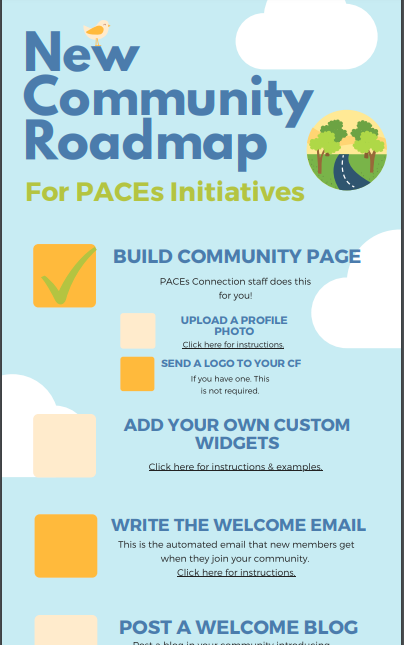
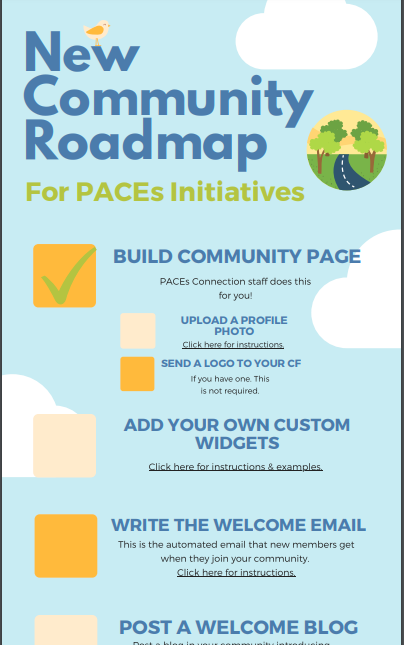
New Community Roadmap for PACEs Initiatives (Not shared in webinar but available now, with links to documents and trainings to help you grow your community; uploaded below as a resource.)
Stay tuned for additional webinars and articles for information on how to apply for funding, and examples of how people and organizations are applying for funding.
 Carey Sipp 3/24/215:00 AM
 of the most stressful aspects of the pandemic has been the breakdown of community support for families,” Bennett said. “Parents feel isolated, overwhelmed, burdened with the task of also being their child’s teacher while continuing to hold a full-time job and of course many are struggling with financial worry and feeling isolated. We are shouting across the street to our neighbors and trying to connect through the muffled sounds of face masks. Children have few social interactions and are more dysregulated as a result.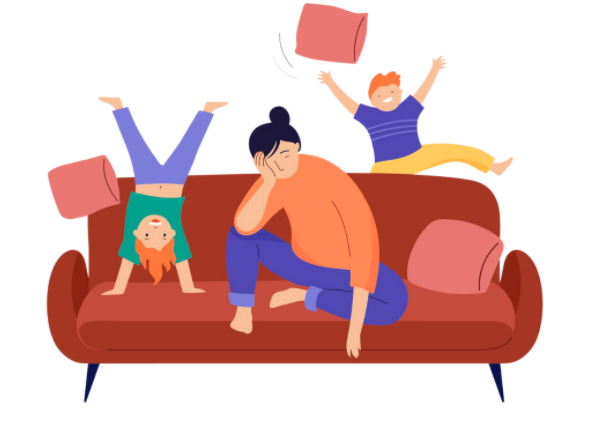

 lp with overwhelmed, stressed parents by offering a free workshop each remaining day this week: Pandemic Parenting!

 ters, said Marlo Nash, “The pandemic is continuing to impact physical, mental, social, and economic health, and pretty much every public system and the people who are in those systems. It also continues to lay bare structural and racial inequities that predate the pandemic.” Nash is policy advocate, systems strategist and member of the CTIPP National Trauma Campaign.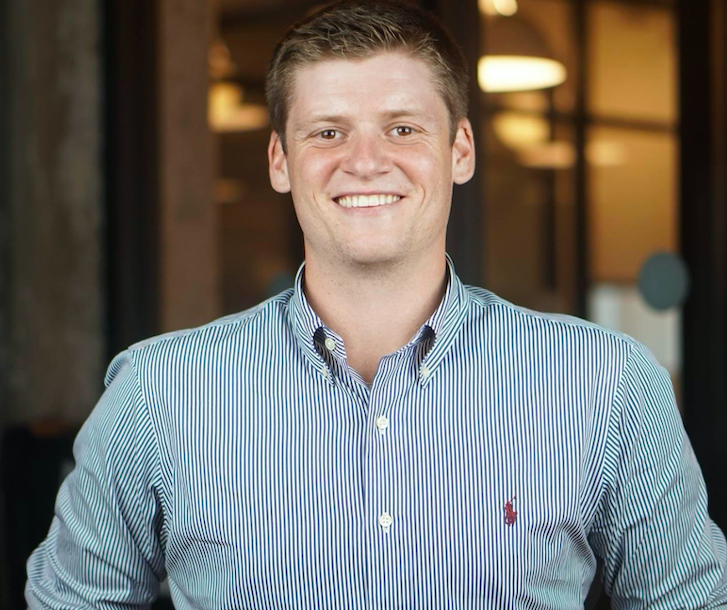
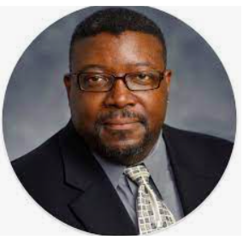 Also shared are slide decks from Dave Ellis, executive director of the New Jersey Office of Resilience, and Dan Jurman, executive director of the Governor’s Office of Advocacy and Reform for the State of Pennsylvania. They both spoke from the vantage point of having been, at times in their careers, seeking funding. Now both are allocating funding.