 Porter Jennings-McGarity 11/30/236:34 PM
(Note – Posting this as it is about a program the late Deborah McNelis and I created and delivered via PACEs Connection to the North Carolina Foster Family Alliance. It was underwritten by Healthy Blue, with Communities in School of Brunswick County, NC, as our fiscal sponsor.)
“YES!” was the response of Gaile Osborne, executive director of Foster Family Alliance of North Carolina (FFANC), when asked for input on a new program to help foster and kinship care families learn how to support the brain development of young children.
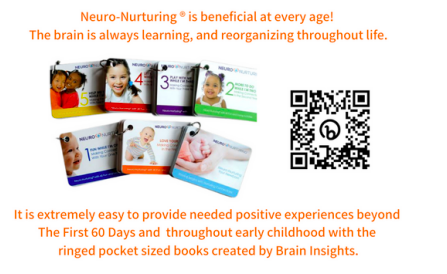
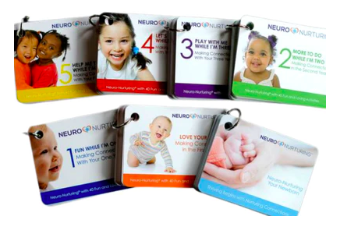
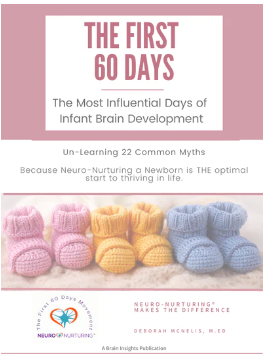
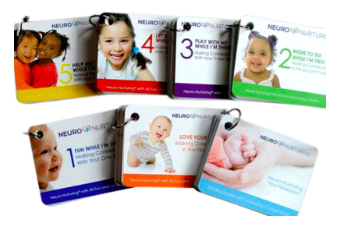
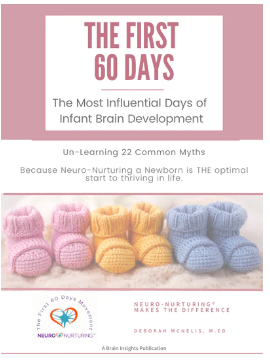
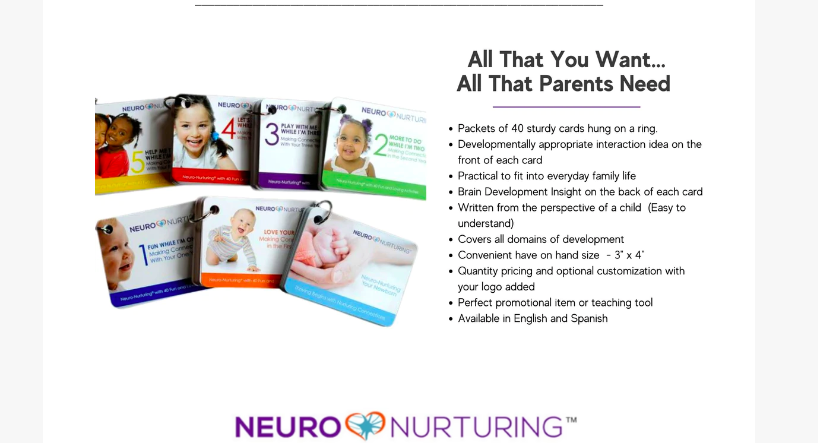
“I love these Brain Insights materials. How soon can we start?” said Osborne upon receiving the “The First 60 Days” booklet on myths about newborns and their caregivers and the eight “Neuro-Nurturing” ringed books.
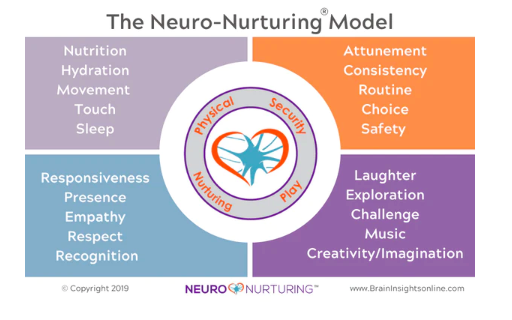
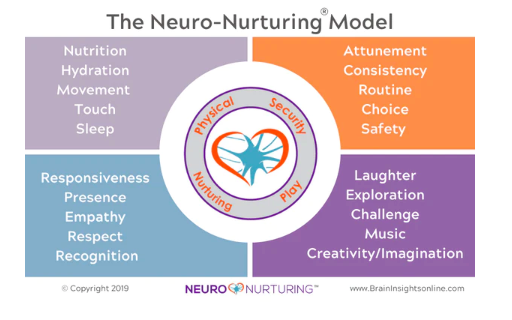
The materials delivered through a program created by PACEs Connection will support parents in “Neuro-Nurturing” – providing the consistent love, healthy touch, connection, and attention proven to support healthy brain development – for ages newborn through five, beginning with secure attachment in the early months and covering overall optimal development throughout the series. The four areas in the model for “Neuro-Nurturing” are physical needs, security, nurturing, and play.
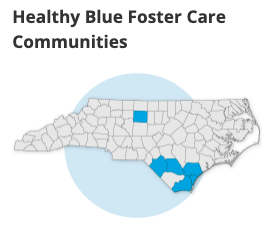
Blue Cross and Blue Shield of North Carolina’s (Blue Cross NC’s) Healthy Blue Medicaid plan provided funding to offer these materials, as one component of several years of programming designed to support families and caregivers.
“Healthy Blue has been a terrific partner since 2021,” said Carey Sipp, director of strategic partnerships for PACEs Connection.
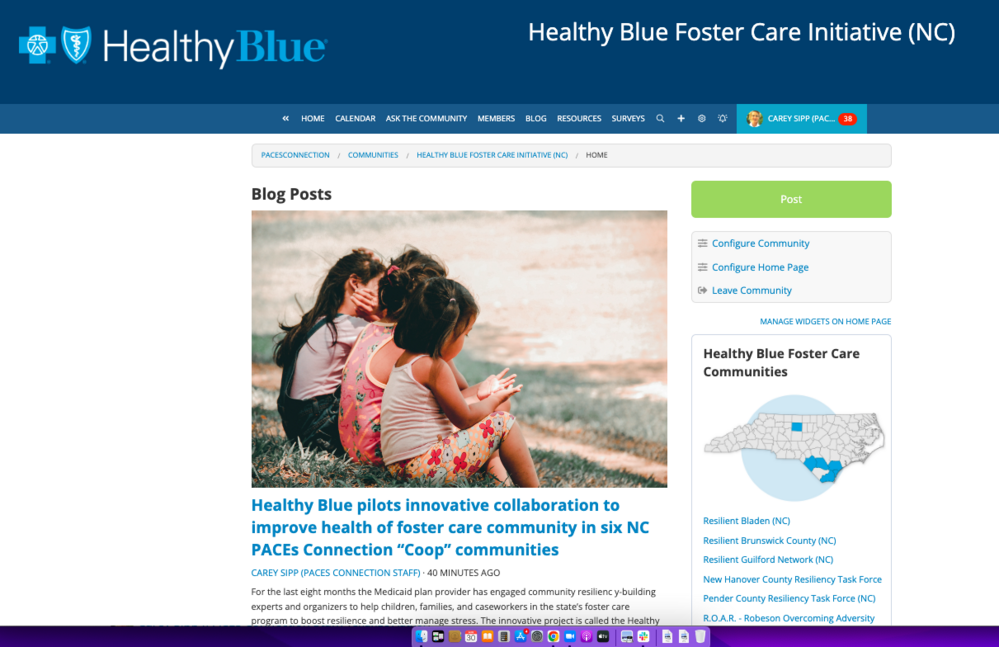
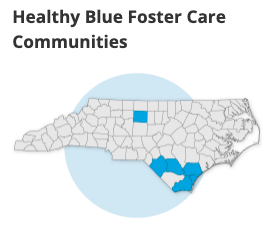
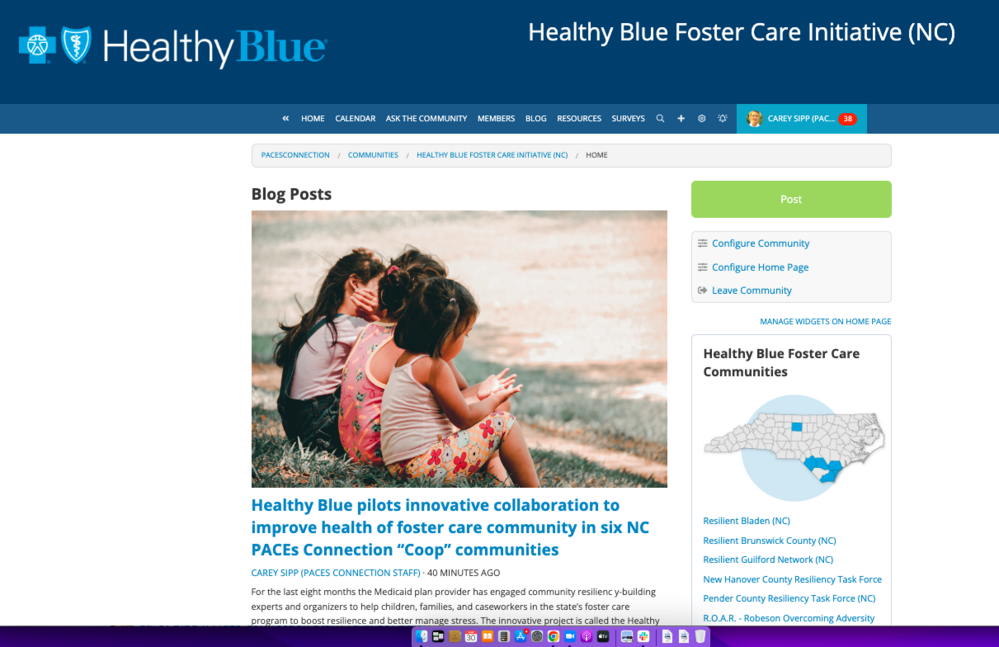
Part of this funding enabled six North Carolina counties to join the PACEs Connection Cooperative of Communities, which offers peer-to-peer support, a monthly training and think tank for its member communities, and purchase of the materials for the FFANC program.
“We decided we could help children and families best by supporting caregivers.”
“The first year of the work was during the pandemic. We held a focus group with some Department of Social Service (DSS) county-level supervisors and caseworkers and other family-supporting professionals from several counties to see how we could best achieve the objectives, and we decided we could help children and families best by supporting caregivers. The stress caregivers were under was intense. Our efforts to promote the Community Resiliency Model (CRM) training was very well received by DSS professionals,” said Sipp.
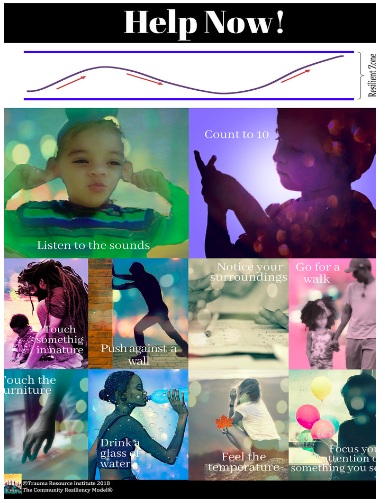
“With Healthy Blue’s support, we decided to share the CRM training widely, as it is designed to help create more ‘trauma-informed’ and ‘resiliency-focused’ communities by helping members of the communities learn how, when stressed, to self-regulate and co-regulate,” said Sipp.
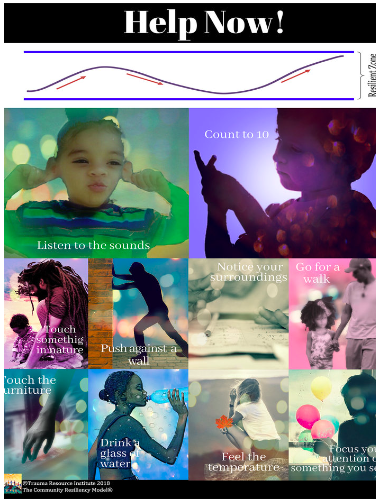
“The CRM training gives community members a common understanding of the impact of trauma and chronic stress on the nervous system. It also helps people see how the ability to bounce back – resiliency – can be restored or increased using this skills-based approach. We wanted families as well as “helping professionals” to better understand the impact of different types of stress and experience the healing power of learning how to regulate their nervous systems, help others regulate their nervous systems. Participants learn more about the power of compassion, especially self-compassion, that they can share with the children,” said Sipp.
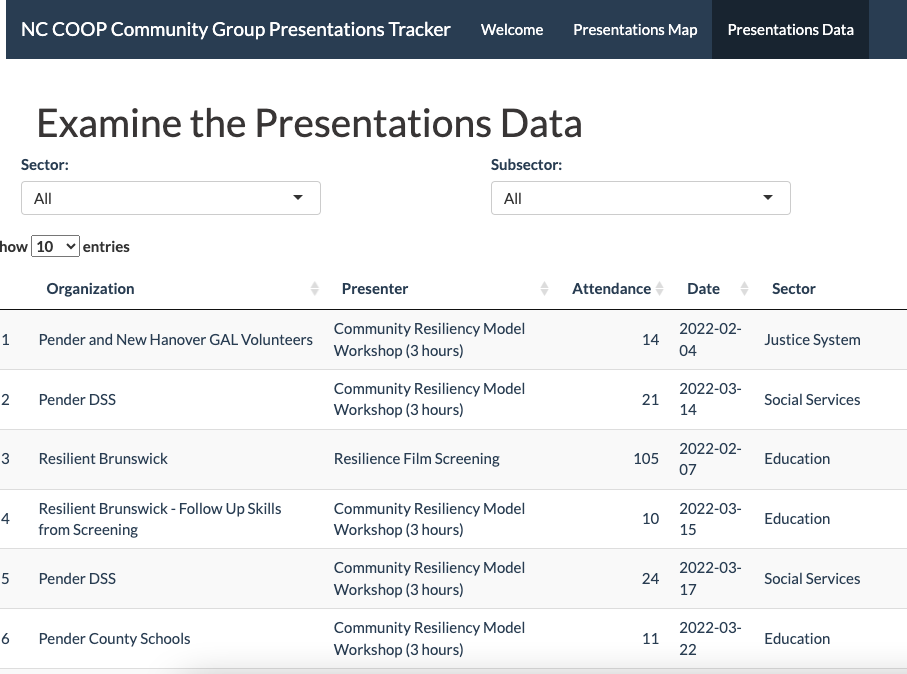
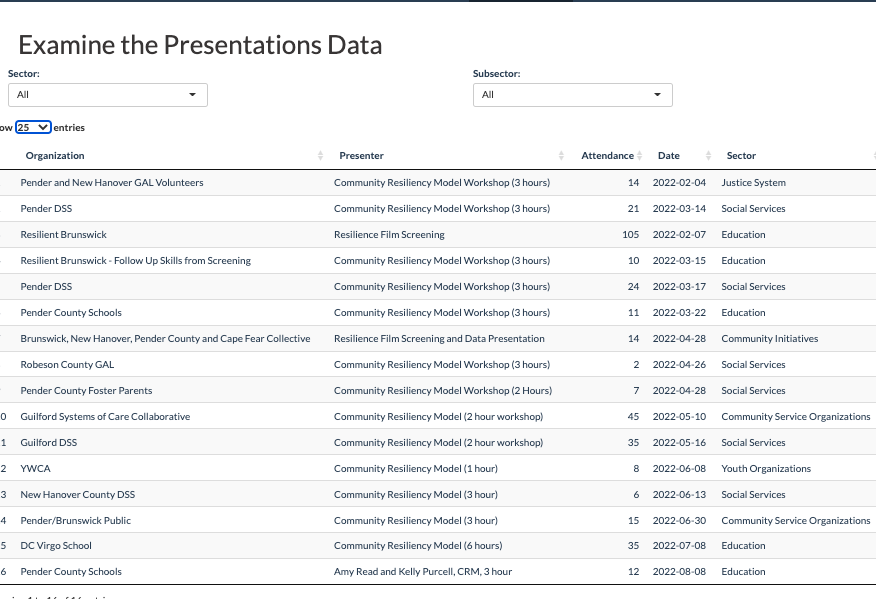
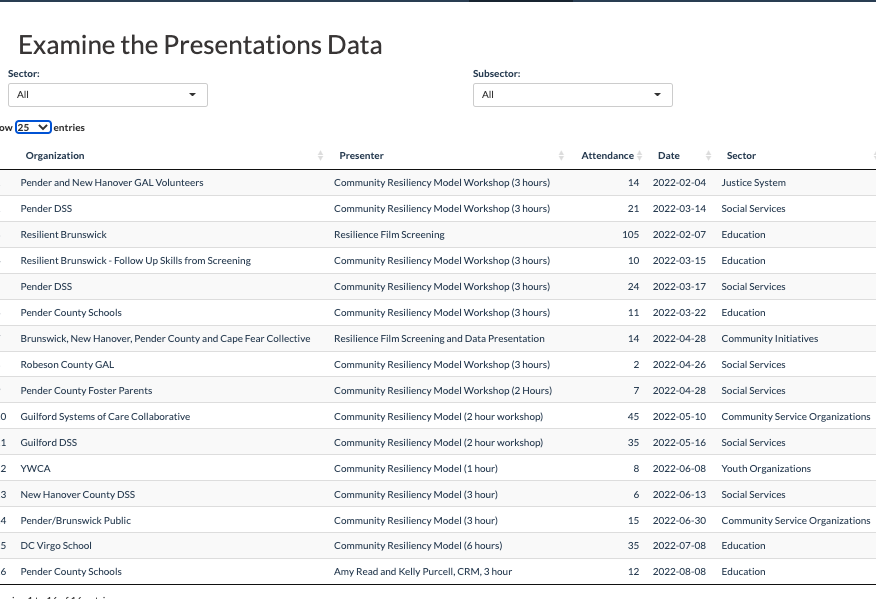
Ultimately, more than 700 people in the six North Carolina counties received some training on the model, and 18 people – including one or two from each county – took the week-long CRM training so they could continue to share it in their communities.
“Overview sessions of one to three hours were shared with DSS workers, Foster Family Alliance members, guardians ad litem, and other groups. We wanted a cross-sector group from each community – people in education, communities of faith, healthcare, law enforcement, mental health, family support, childcare, and more – to have it,” said Sipp.
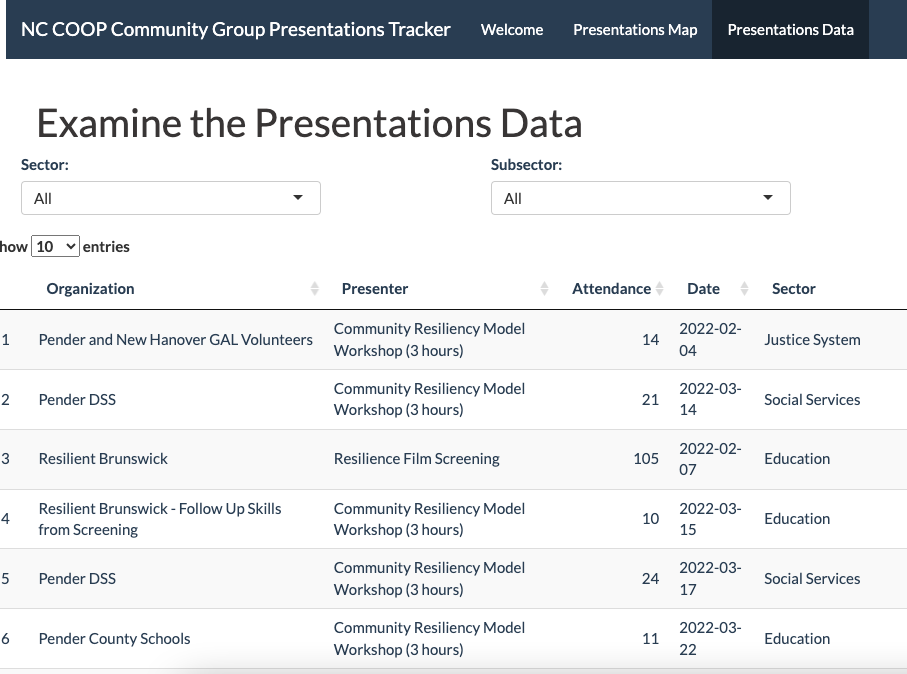 “Some of the foster parents took the week-long training so they could become certified to become CRM teachers as well. We even have one mother, whose son wasn’t old enough for the training but will take it as soon as he is old enough, plan to become a mother-son training team. The mom has since been able to adopt her son, who practices and shares the skills informally with friends. They will likely share the training together as soon as the son is old enough to be certified, ” said Sipp.
This year’s work began with sending a questionnaire to foster families to gauge their interest in participating and receiving the Brain Insights materials.
“This deeper dive into learning about the brain – and how being supportive of the child’s developing brain can lead to better relational health – was of great interest to the families. We were flooded with responses – 165 surveys were returned in the first 16 hours after it was sent,” said Sipp.
Packages with the materials will soon be received by the first 165 parents to respond. All parents who are members of the Foster Family Alliance are also eligible to participate in a series of webinars taught by the author of the materials, early brain development specialist and founder of Brain Insights, Deborah McNelis.

“My entire career has been built on a passion for adults to understand what contributes best for children to reach their full potential – each as a beautifully unique individual. When adults learn the basics of how the brain develops based on repeated experiences, and what the science reveals that children need most at each stage of development, they are thrilled to have that understanding,” said McNelis.
“Suddenly it makes sense as to why a two-year-old does not have the capabilities that a four-year-old might have. Adults become more confident in their nurturing abilities, which helps children become calmer, as, from birth, the primary caregivers of babies are providing needed experiences. Positive experiences make for the healthy brain connections that lead to a foundation of trust, health, the ability to communicate, to learn, to get along with others, and so much more,” said McNelis.
McNelis is quick to point out her understanding of the special needs of foster parents and the children who come into their care, and how vitally important it is to build connections and trust.
 “There is a lot of emphasis put on the first two months of life. It is wonderful to be able to have that special time to bond and for the baby to establish a secure attachment. But we know older children benefit greatly from the Brain Insights “Neuro-Nurturing” supports, and our sharing of ways to nurture, interact, play and learn. When children and caregivers make connections with consistency while playing, exploring, spending time in nature, and simply enjoying time together, early relational health improves, which leads to better health outcomes physically, emotionally, and psychologically,” said McNelis.
Apparently, McNelis is connecting well with the parents who’ve taken the first round of webinars.

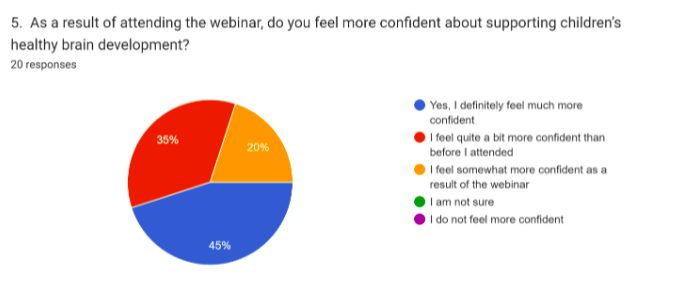
“Evaluations of the first webinars have been incredibly positive, with 100 percent of respondents saying they are likely or very likely to attend subsequent webinars, and 100 percent of respondents saying they were likely to recommend, or would recommend, the webinars to others,” said Kate Schultz, deputy director of the Foster Family Alliance.
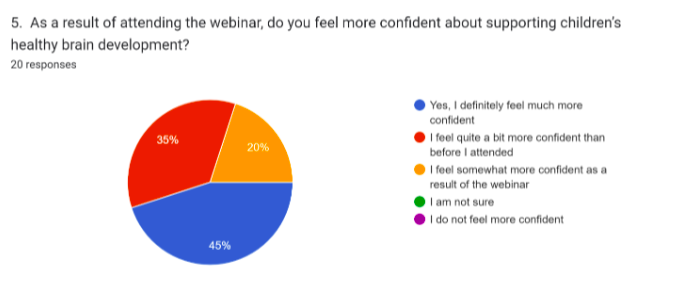
Additionally, 100 percent of participants said that as a result of the webinar, they felt a greater level of confidence in supporting children’s healthy brain development.

“We are thrilled that Healthy Blue could support these PACEs Connection communities and this innovative programming that helps caregivers connect in new ways with the children placed in their care. It spoke volumes to us that Gaile Osborne, a foster parent herself, was so enthusiastic about the materials. We are looking forward to the next phase of the program,” said Kristy Kent, director of county engagement for Blue Cross NC.
“While this content goes deeper into brain development, it is also designed to help foster parents and caregivers learn how to PLAY and positively interact with the children. We understand the importance of positive childhood experiences (PCEs) in helping children build ‘buffers’ against the losses and adversity they have experienced. With these materials in-hand, parents have examples of positive experiences they can share with children,” said Kent.
The program, which started in November, will continue with monthly webinars through June 2024. Other aspects of the program will be announced in the months to come, according to Sipp.
For more information, contact Carey Sipp at csipp@pacesconnection.com, or Kate Schultz at kate.schultz@ffa-nc.org
Attachments
Images (11)



Porter Jennings-McGarity, PhD/LCSW (She/Her/Hers)
Tags: Gaile Osborne, Kristy Kent, Foster Family Alliance of North Carolina, Healthy Blue, Deborah McNelis, Neuro- Nurturing (R), Healthy Blue North Carolina, Community Resiliency Model, Kate Schultz, Carey Smith Sipp, The First 60 Days
Views: 1,527
Comments (3)
 Cendie StanfordMember
YES! This profound initiative underscores the undeniable truth:
“Building resilience is not a solitary journey but a collaborative effort that must commence early in a child’s life.” @Carey Sipp – thanks for sharing
 Jeff LinkenbachMember
Porter – Great post and such important information. Well done and thank you.
 Carey SippFormer Volunteer Co-Director, PACEs Connection Revitalization
Thanks for posting, Porter!
It has been wonderful here at PACEs Connection to help bring scores of communities into the network, and help many of them grow, find funding, connect with others doing the work who could help them accelerate change. More than that, I have loved learning from the leaders of communities about the importance of establishing a sense of safety and acceptance during their monthly meetings, the absolute need for transparency and trust if a community is to grow; the need for keeping the mantras “nothing about us without us” and “how we do the work is the work we do” front and center.
In all this time, being asked to help support the community of people including children in foster care, foster and kinship parents, guardian ad litem volunteers, Department of Social Service professionals, and community volunteers working with child protective service children and families, was one of the more interesting and compelling challenges. It was also a compliment of sorts, I think, that our funder Healthy Blue thought we could effect change.
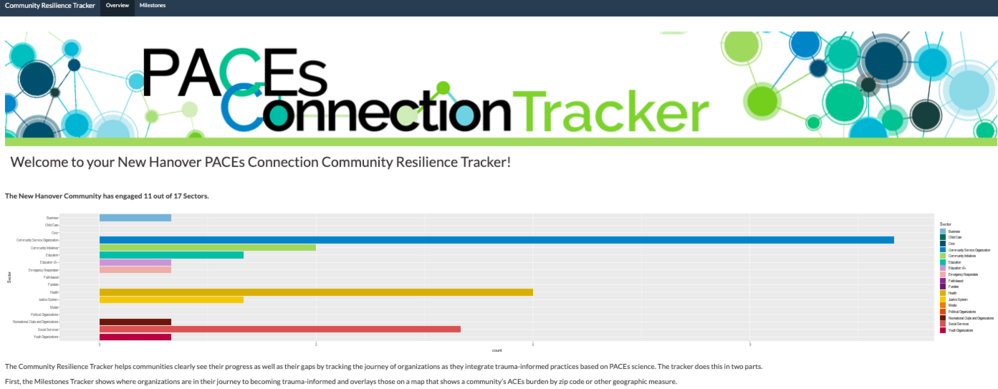
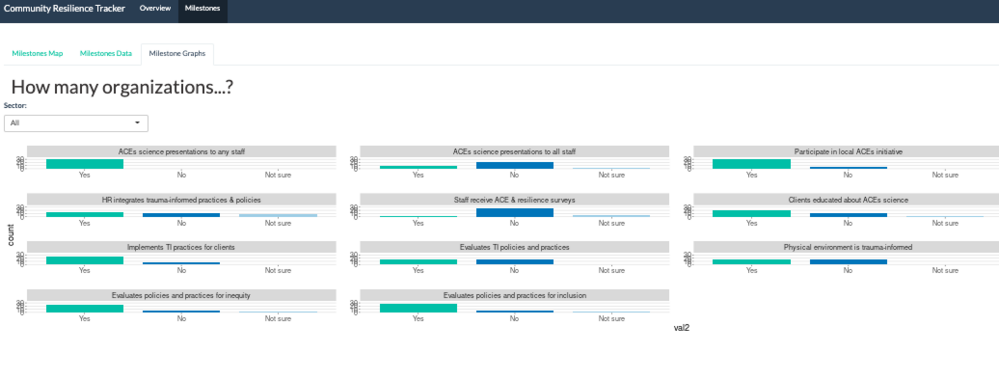
All this is to say that I have loved this project of being asked to find ways to help improve the health and well-being of children and families in the foster care system, and being trusted to do so. The fact that there were solid relationships across sectors in the communities in which we did this work made asking for input, creating strategies, and taking action steps a joy. Team members Kelly Purcell, Amy Read, and Bonnie Jordan were and are amazing as we proudly shared the Community Resiliency Model and tracked people’s response to it.
That work made it easier to gain interest, approval, and excitement about the idea of going deeper into helping foster parents and others become excited about learning more about infant and child brain development. It felt wonderful to have that trust when talking about why understanding brain development matters and how this understanding can help us all become more patient, aware, effective, and compassionate, ultimately in support of the people who’ve had so little voice or choice in what happens in their lives.
Carey

 of the most stressful aspects of the pandemic has been the breakdown of community support for families,” Bennett said. “Parents feel isolated, overwhelmed, burdened with the task of also being their child’s teacher while continuing to hold a full-time job and of course many are struggling with financial worry and feeling isolated. We are shouting across the street to our neighbors and trying to connect through the muffled sounds of face masks. Children have few social interactions and are more dysregulated as a result.


 lp with overwhelmed, stressed parents by offering a free workshop each remaining day this week: Pandemic Parenting!






 If you’d prefer to mail your gift rather than give it online, here’s how…
 Making a wire transfer or need Tax ID information?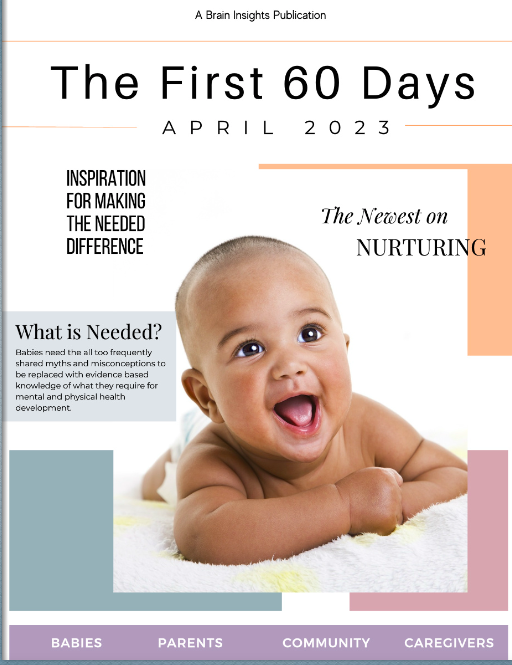


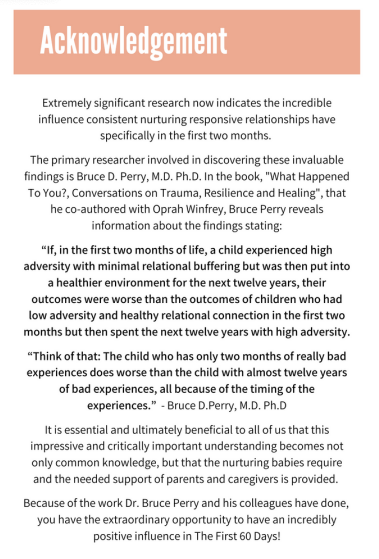
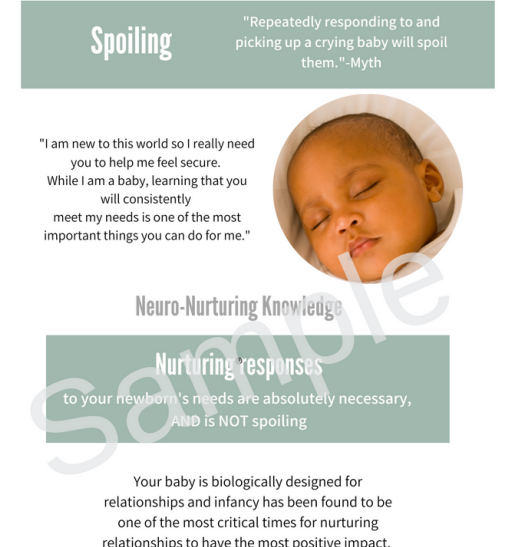
 Her booklet dispels 22 potentially harmful myths about caring for newborns, among them: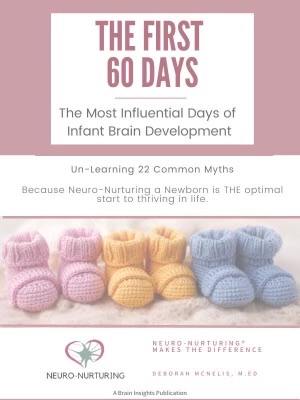
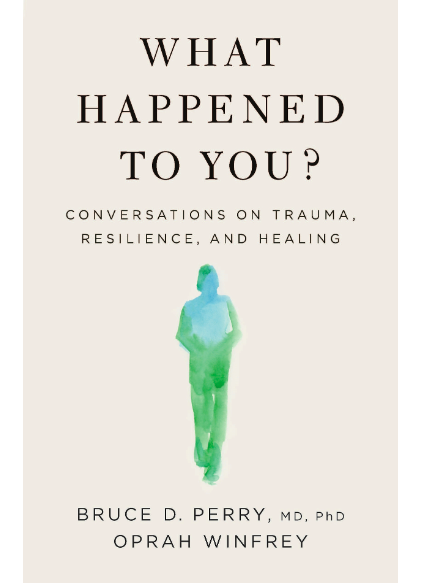 In their New York Times best-seller, Perry and Winfrey share ways to help heal Complex Post Traumatic Stress Disorder (C-PTSD) and Post Traumatic Stress Disorder (PTSD).