Tag Archives: health

ACEs Connection/CTIPP Southeastern Leaders’ call: State updates, funding information, and “mind-blowing” information about helping people out of poverty

Carey Sipp Carey Sipp 12/20/2011:31 AM

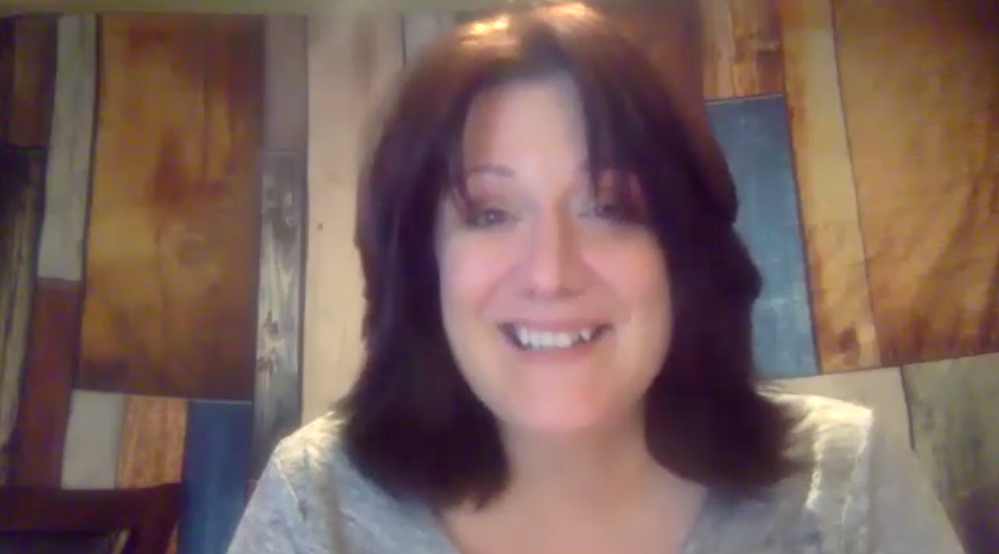
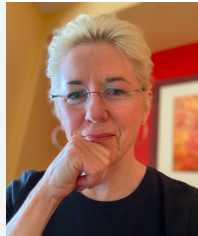
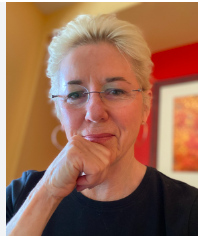
Southeastern ACEs Connection and national CTIPP leaders on the quarterly leader call welcomed guest speaker Rebecca Lewis-Pankratz (top left) for their quarterly call. Also among those present were (top row l-r) Carey Sipp, Jesse Kohler, Jesse Hardin, (second row, l-r) Patti Tiberi, Mebane Boyd, Jen Drake-Croft, Dan Press, (third row, l-r) Mimi Graham, Christopher Freeze, Margaret Stagmeier, (fourth row, l-r) Emily Marsh, Liz Peterson, Alyssa Koziarski and  Janet Pozmantier. Also present was Caitlin LaVine. Dorothy Oppenheiser was among those calling in for the meeting.

Learning ways to help people walk out of the trauma of multi-generational poverty and abuse to create their own destinies and build new lives, representatives from 10 Southeastern states met last week to hear inspiring remarks from a formerly impoverished mom of three sons.

Screen Shot 2020-12-07 at 6.29.05 PM

Participants on the ACEs Connection/CTIPP Southeastern Leaders call also updated the group about work being done in their states.

Rebecca Lewis-Pankratz, who transformed her own life and is now an educational and poverty consultant, was the educational speaker. Dan Press, general counsel for CTIPP (the Campaign for Trauma Informed Policy and Practice), said his “mind was blown” by Lewis-Pankratz’s story and methodology for helping people leave behind generational poverty and trauma.

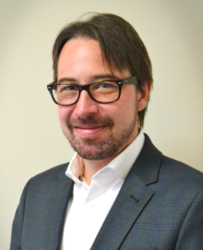
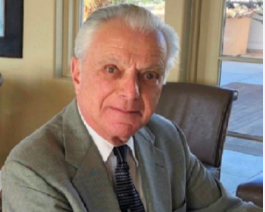
Screen Shot 2020-12-21 at 10.23.26 AM“What you are saying is revolutionary,” he said. “All lobbyists in (Washington) D.C. will grit their teeth when they hear this. They say people whose brains are disabled by poverty aren’t going to be able to get out of poverty.”

Walking families out of poverty

Lewis-Pankratz’s story mesmerized those on the call, as they heard her explain the impact of trusting, stable relationships on her growth. She talked about living with three little boys in a $1,000 mobile home “that should have been condemned” as she struggled to complete a four-year degree and keep her kids in diapers.

“That trailer was what stood between me and homelessness. I’d been working nights as a bartender and had been in college almost a decade to get a degree and become a high school art teacher. I’d been clean and sober for about seven months, but bone-crushing poverty kept spinning me back,” she said.

Things started shifting when Lewis-Pankratz went to a church for some free diapers.

“A lady there took a shine to me. I told her I wanted to give back so other moms could get the same help. She pointed to a flyer about a class on getting out of poverty and I asked her what they could teach me that I was not already doing. But I figured this lady had been giving me free diapers so I had better sign up.

“When I bumped up against people working to get people out of generational poverty, my world changed. I got a position at that nonprofit,” she said. Later, she left to start a ministry of her own.

“In college I learned about the science of brain architecture – that by five your brain is set. Zero to five years was not good for me. And I had a strong history of using alcohol and drugs. But I got involved in this nonprofit that was really intentional about building relationships between people in poverty and middle-class people as a way of helping poor people get out of poverty.

“So I was surrounded by middle-class women supporting me. And I began to see a way forward, to feel less reactive, to be able to walk into large groups of people. I realized something was happening to my brain,” Lewis-Pankratz said.

She explained that in looking at the brain science of poverty and the brain science of trauma, “the pictures of the brains are the same. The brain doesn’t know whether it is in war or abuse, the brain is just stressed.”

Families in poverty “are always in toxic stress, always spending more time in survival,” she said.

“I have eight ACEs and my mom has nine,” Lewis-Pankratz said. “I was working with 35 families and all but one had high ACEs scores. When I fell into the science of resilience, I found my brain healing at the age of 37, and it was because of relationships people had created for me before they knew me. The science of resilience became my hope, as I learned it was all about relationships,” she said.

Over the last nine years, Lewis-Pankratz has helped teachers and administrators in hundreds of schools learn about ACEs and brain science. She has personally nurtured trusting relationships to help 90 families walk out of poverty.

Carey Sipp, Southeastern Community Facilitator for ACEs Connection, noted that there were two people on the call whose work is about stabilizing families by building trust and relationships. She connected Lewis-Pankratz in Kansas to Margaret Stagmeier, who started a revolutionary “edu-housing” program in Georgia, saying she looked forward to seeing what these two innovative thinkers can do together to provide traumatized people with opportunities to become stable, and improve the lives of their children and themselves.

“When people know stability and safety, when they are in relationship with people who have middle-class lives, who will help them gain confidence in themselves, we are preventing trauma, healing trauma, building resilience,” Sipp said. “I look forward to the day all communities are consciously doing this kind of work.”

State updates

Others on the call shared these updates from their states:

Alabama:

Emily Marsh, public and governmental affairs manager at the Alabama Department of Child Abuse and Neglect, reported that the state’s mental health grant in Alabama has been extended through 2021.

The Department of Mental Health funded training on trauma-informed care, ACEs science, strengthening families, and protective factors at home. she said. Her group did 22 trainings from June-September, and next year will target workers in mental health as well as teachers, law enforcement and counselors.

Marsh said the Department of Mental Health had been complimentary of the work done. “We will continue to partner with the Alabama Network of Family Resources, so this is good news.”

Florida:

Mimi Graham, Ph. D., director of The Center for Prevention and Early Intervention Policy at Florida State University, said that she and Andy Blanch, Ph.D, president and director of the Center for Religious Tolerance, will speak next May on CTIPP’s national call about a new tool, created in Florida, for trauma assessments.

“There are agencies that say they are trauma informed, but they are separating breastfeeding moms from babies, or children from parents. This new tool for trauma assessment of agencies (reviewing agencies in person in addition to other assessments) will help agencies become more trauma informed,” Graham said.

Georgia:

Resilient Georgia’s executive director Emily Anne Vall, Ph.D. was not on the call but she sent a report outlining highlights of work going on in the state. She said the eight Resilient Georgia regional grantees are doing fantastic work in their communities.

They are currently meeting with stakeholders from across the state to identify partners that can work together to create action plans for their next two rounds of grantees.

“The Resilient Georgia Trauma Informed Training Road Map is up and running, and available for all states to peruse. A copy of the survey they sent out that informed this work is on this webpage, too,” Vall wrote.
Screen Shot 2020-12-21 at 10.15.00 AM

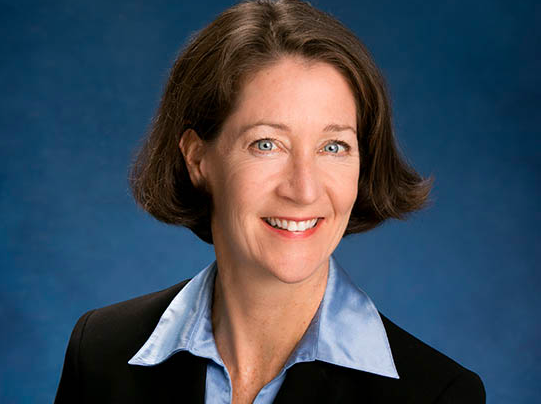
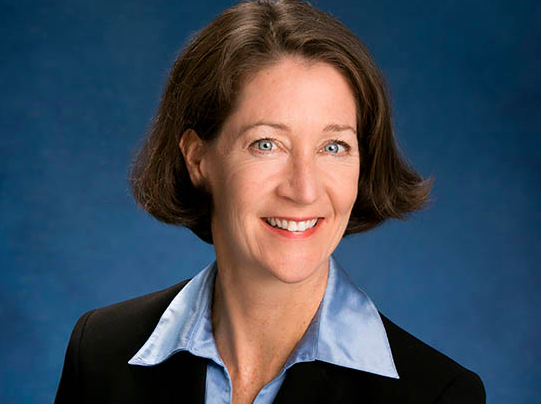
Margaret Stagmeier, founder and board chair of Star-C, a nonprofit working to stabilize rents and transiency in workforce housing communities, spoke briefly about her work with the residents at two of the blighted properties she bought, repaired and cleaned up. “When we started, we didn’t realize how traumatized these families are,” she said. “Since we began putting the lens of ACEs (adverse childhood experiences) over the community, I now understand what better to do. First get rid of crime. Then get an after-school program with social emotional learning,” she listed as a couple of the steps along the path of helping families, apartment complexes, and nearby schools become more stable.

Kentucky:

Carey Sipp, Southeastern Community Facilitator for ACEs Connection, shared that work to build a statewide structure in Kentucky is underway. Meetings with leaders from Kentucky Youth Advocates and other organizations are scheduled for the second week of January.

Mississippi:

Chris Freeze, a trauma-informed business consultant, will soon be working with statewide community manager Jackie Chatmon, System of Care project director at the Mississippi Department of Mental Health, to further activate the state.

North Carolina:

Mebane Boyd, executive director of the New Hanover Resiliency Task Force, said the Resilient North Carolina Collaborative is meeting with trauma-informed leaders throughout the state to coordinate advocacy efforts, to “find a way to align our advocacy and prioritize what might be best, so we are all asking for the same thing.” She said the group will be doing a training in early 2021 on how to do advocacy, who to contact, when and how to organize.

CTIPP general counsel Press said North Carolina’s Sen. Richard Burr will be either the chair of the Senate Health, Education, and Labor Committee or the ranking minority leader of that committee, depending on what happens in the upcoming Senate runoffs in Georgia. “Either way, he will be influential, and we need trauma-informed programs to educate him and his staffers,” Press said. There will be a call with North Carolina leaders the first week in January to put together a strategy to reach out to Burr.

South Carolina:

Alyssa Koziarsky, research and evaluation assistant at the Children’s Trust of South Carolina, said the Children’s Trust, which leads the South Carolina ACE initiative, is sharing its COVID-19 Impact on Children’s Well-Being Data Snapshot.

The report discusses disparities in housing, health care, and economic opportunities, and sheds light on the importance of protective factors. “We have been working on this for months,” she said. “Now we are providing advocacy steps for how to provide local supports. We are excited about this and will be sharing it out with legislators in January.’’

Tennessee:

Jennifer Drake Croft, director of child well-being at the Tennessee Commission on Children and Youth, said there is a new phase of strategic planning for the state’s signature Building Strong Brains Tennessee program. The goal is to establish Tennessee as a national model for how a state can promote culture change in early childhood, based on a philosophy that preventing and mitigating adverse childhood experiences, and their impact, is the most promising approach to helping Tennessee children lead productive, healthy lives and ensuring the future prosperity of the state.

The group is bracing for the possibility of major funding cuts. There are now some 1,252 diverse sector trainers for the Building Strong Brains program, representing all 95 counties in the state. The Department of Education has received approval for a second cohort of schools to become trauma-informed, the Department of Health has been through strategic planning and named ACEs as a priority, and the Building Strong Brains program will now be shared as part of training for foster parents.

Croft said Tennessee has been invited to the National Governors Association meeting to share a presentation on their work in adverse childhood experiences. She also said that East Tennessee State University has founded the Strong BRAIN (Building Resilience through ACEs Informed Networking) Institute, which is an ACEs Center of Excellence working with organizations to transform policies, procedures, and philosophies to promote resilience and mitigate the effects of ACEs.

The Commission on Children and Youth is executing a social media campaign following the success of last year’s campaign, which reached 500,000 people. The new campaign will raise awareness of the importance of brain development and preventing toxic stress. “We will be publishing a toolkit that people from other states can adopt for their use – this is coming,” Croft said.

Among updates from Nashville, Croft said that Ingrid Cockhren, ACEs Connection Community Facilitator for the Midwest and Tennessee, has been doing a community education series for parents, and that the ACE Nashville team, with some 400 members, is focusing on equity within the membership and the leadership team.

Texas:

Janet Pozmantier, nonprofit consultant and trainer, and Jullian Gaut, social worker, have been working with Sipp to create a survey that will live on the Texas ACEs Connection site. A link to the survey will be emailed to the more than 1,000 Texas members of ACEs Connection, to help leaders identify and connect with ACEs initiatives throughout the state.

Legislative update

CTIPP leaders Press and Jesse Kohler reported that more than 600 people have emailed Kohler to add their names to the Sign On Letter for Biden Harris Administration’s First 100 Days.
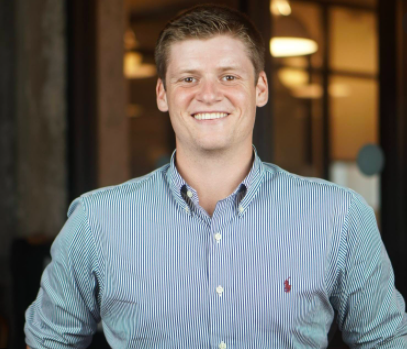
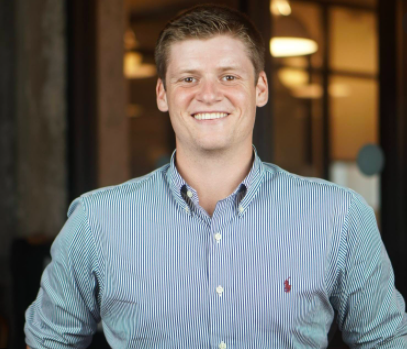
Screen Shot 2020-12-21 at 10.39.49 AMKohler said that there is a social media campaign to help CTIPP add to the number of people signing versions of the letter. “If you still want to sign on, just email me to be added,” he said. His email address is jesse@traumacampaign.org.

Press encouraged attendees to alert him if they know of any state legislators who are trauma informed, as he would like to invite them to join the CTIPP Community Action Network.

Federal funding update

Press urged the group to try to secure some of the money that states and communities soon will be getting through the resolution of opioid lawsuits.

“You should start looking into this,” he said. “Right now, most of the money will be spent on people who have already suffered. Some of this funding needs to be spent on preventing trauma, and on building resilience. You are encouraged to find out where the money is going and get in there and advocate for a portion to be used for prevention and for resilience building.”

Press also shared that CTIPP is exploring ways to finance trauma-informed programs that don’t rely on government funding, because governments are running out of money. “One of the things we need is evidence that trauma-informed programs save money,” he said. “We know schools implementing trauma-informed programs have fewer discipline issues and less teacher turnover, fewer security guards, and more kids in seats, so they receive more money because attendance is better.

“We are having trouble finding good hard data. If any of you have actual hard data, we think we have people ready to invest in trauma-informed programs that can be paid back over time.”

Monthly call schedule

Here are the upcoming calls, with educational topics, for the CTIPP Community Action Network (CAN). Calls are the third Wednesday of each month from 2-3:30 p.m. EST, except for January 2021, as that’s the day Joe Biden and Kamala Harris will be inaugurated.

Jan. 27 – East Tennessee State University and Southern Oregon University are becoming trauma informed; representatives from the two schools will share what they are doing to facilitate the transitions.

Feb. 17 – Delaware First Lady Tracey Quillen Carney will talk about Delaware’s becoming the first trauma-informed state in the U.S.

March 17 – A representative from England’s WAVE Trust will discuss the initiative working to reduce child abuse by 70 percent in 10 years, and how Great Britain and the U.S. can work together.

April 21 – Rebecca Lewis-Pankratz will elaborate on how she and her organization are helping some 235 families break out of the multi-generational cycle of poverty and trauma.

May 19 – Mimi Graham and Andy Blanch will share information about a new program involving in-person trauma assessments of agencies to help them become more trauma-informed.

Upcoming SE leader calls

The next ACEs Connection SE Leader quarterly call is scheduled for Tuesday, March 2. Subsequent calls will be on for June 15, September 21, and December 21. All calls are from 2:30-4 p.m. EST.

To learn more about CTIPP, Rebecca Lewis-Pankratz, or Margaret Stagmeier:

http://www.ctipp.org/nationaltraumacampaign/

Rebecca Lewis-Pankratz

Margaret Stagmeier

Attachments

Hide

Images (4)

Screen Shot 2020-12-07 at 6.29.05 PM: Rebecca Lewis-Pankratz
Screen Shot 2020-12-21 at 10.23.26 AM: Dan Press, CTIPP General Counsel
Screen Shot 2020-12-21 at 10.15.00 AM: Margaret Stagmeier, Founder and Board Chair, 3starcommunities.orgStar-C
Screen Shot 2020-12-21 at 10.39.49 AM: Jesse Kohler, CTIPP Board Member, Co-Chair, CTIPP Trauma Campaign

Carey Smith Sipp

carey.pacescommunites@gmail.com

👍 1

Tags: Opioid crisisPovertyTennesseeaddictionMargaret StagmeierTrauma-informed housingrecoveryHousingAlabamaFloridaMimi GrahamEdu-housingEmily MarshDan PressPoverty ministryWalking out of povertyRelationshipsalcoholismTrauma CampaignStar-CGeorgiaRebecca Lewis-Pankratz

Views: 304
Four NC affiliates of PACEs Connection Cooperative of Communities ready to measure their success in solving community problems

Carey Sipp Carey Sipp 7/13/213:16 PM

Leaders of PACEs science initiatives in four North Carolina counties are eager to begin measuring the impact of their work to solve the most intractable problems in their respective communities.

Screen Shot 2021-07-13 at 5.11.29 PM
Tommy Taylor

“Each of these broad-based, cross-sector task forces is about preventing childhood trauma and its negative effects on long-term health. We want to heal trauma and create and build on positive childhood experiences in our communities so individuals, families, and communities themselves can grow in health, strength, and resilience. Their work to shine a light on ways racism and inequity hurt our communities, and to improve diversity, equity, inclusion, collaboration and opportunities, is work we believe in and are behind,” said Tommy Taylor, executive director of the United Way of Cape Fear Area, who has worked closely with each of the resiliency task forces.

Task forces are in four counties: New Hanover, Brunswick, Pender and Columbus.

Soon, leaders of each resiliency effort will send a 14-question Milestones Survey, part of the PACES Connection Community Resilience Tracker, to organizations in each county that are participating in their respective resilience initiatives. The results of the survey will tell them how far these organizations have come on their path to becoming trauma-informed and healing-centered.

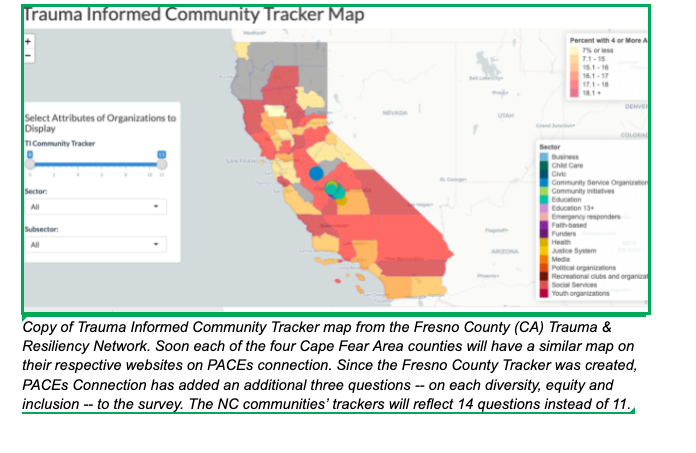
Screen Shot 2021-07-13 at 4.30.23 PMThey are able to undertake this measurement because the United Way of Cape Fear Area is underwriting their access to the sophisticated data tools offered to members of the PACEs Connection Cooperative of Communities. As part of the Coop, they will join other affiliates not only in tracking their progress, but also in network leadership training; learning collaboratives on subjects such as trauma-informed education; and in-depth training in how diversity, equity and inclusion intertwine with the science of positive and adverse childhood experiences. They will also be able to collaborate with fellow members of the Coop to share what works and what doesn’t to develop a community that integrates practices and policies based on PACEs science.

According to Jane Stevens, founder and publisher of PACEs Connection, who was with the Cape Fear Area community managers and members of their communities last week for the announcement of their joining the Coop, the first part of the data gathering process is also prescriptive.

“Milestones survey questions are prescriptive, in that going through them gives organization leaders a path to achieve goals that will actually help the organization and its employees improve relationships, safely explore causes of employee turnover and likely improve employee and customer, client, or patient satisfaction,” she said.

“The second part of the data work is the sector surveys. Using publicly available data, including some from the Cape Fear Collective, we will be able to show part of the impact of having trauma-informed policies and practices in schools, healthcare, law enforcement and other sectors,” Stevens said.

Joining the PACEs Connection Cooperative of Communities is another step along the long and sustained path that the counties are taking to educate all citizens about the science of PACEs.

Screen Shot 2021-07-13 at 5.10.38 PM
Mebane Boyd

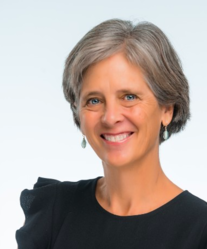
“We are particularly interested in seeing the impact of having more than 4,000 people in New Hanover County trained in either theCommunity Resiliency Model(CRM) or theResources for4 Resiliency(R4R) model,” said Mebane Boyd, the former director of theNew Hanover Resiliency Task Force, who now serves as Resilient Communities Officer at theNorth Carolina Partnership for Childrenworking with coalitions throughout the state.

“In New Hanover County, community members have taken these trainings to help them function better in times of stress, whether it’s daily stressors at home, secondary trauma from working with traumatized children or adults, or natural disasters like hurricanes, tornadoes, or even the pandemic,” said Boyd.

A primary focus of the New Hanover County Resiliency Task Force’s work for almost three years, the CRM and R4R trainings offer an overview of the science of adverse childhood experiences, an understanding of the biology of stress and how the body and brain function—or don’t function—during traumatic stress.

Screen Shot 2021-07-13 at 5.26.31 PM
J’vanete Skiba

“Most importantly,” said J’vanete Skiba, acting director of the New Hanover County Resiliency Task Force, herself a CRM trainer, “the trainings show people how to move their brains and bodies from the state of flight, fight, freeze, where they can add to the trauma of themselves and others, to a regulated state, where they can access their reasoning brain to think, plan, and de-escalate trauma.”

“I’m thankful for the time our community took to create an action plan that could be applied to our many systems,” said Boyd. “The CRM and R4R trainings were a critical part of ‘taking care of the providers’ goal first before we began educating the general public about ways to manage stress. We realized very early on that those who were providing services in our communities were being traumatized at work themselves, and that unless those providing services were well, we couldn’t provide helpful, trauma-informed services to the thousands in our community. That’s why we put so much emphasis on these trainings first.”

Community managers Lauren Clark in Brunswick County; Amy Read in Pender County, who are also certified to teach CRM, and Selena Rowell and Jai Robinson in Columbus County, have also been leading efforts in their respective counties to make these trainings available.

Further, just as in New Hanover County, they have used documentaries such as “Resilience” or “Paper Tigers” to help community members learn about trauma, its impact, and how working together to prevent and heal trauma leads to healthier individuals and communities.

Last week’s announcement of the UW-CFA funding for the four counties to join the Cooperative of Communities was made after months of work by the community managers of each group to build their memberships and vet the tools and benefits of the Coop. They worked with members and member organizations to discern priorities, create plans, and gather membership agreements pledging involvement in the work to advance trauma-informed policies, as these documents must be signed for an organization to participate in the Milestones Survey.

Accelerating change

“The data tools will reveal extremely valuable information that can show progress and accelerate change,” said Stevens. “This information can ultimately be used to help calculate how much money a community is saving by integrating practices based on PACEs science.”

Task force leaders say the ultimate goal is to have the trauma-informed, healing-centered practices integrated deeper into each sector and organization in the communities. With the Coop survey tools to track and document what is working and how well, the efforts are more likely to be sustainable over time, showing an ongoing return on investments.

PACEs Connection is a nonprofit organization founded in 2012 to advance the science of positive and adverse childhood experiences (PACEs) and unite the people, organizations, systems and communities in the worldwide PACEs movement in solving our most intractable problems. The PACEs Connection social network serves as the movement’s main information exchange and resource, providing support for hundreds of local, state and national PACEs initiatives. It recently surpassed 52,000 members worldwide, and offers a free community site and assistance to some 400 geographic and more than 40 interest-based communities.

This is the second of a series of articles about the four resiliency initiatives from the Cape Fear Area of North Carolina joining the Cooperative of Communities, and the involvement of the United Way of the Cape Fear Area in each of the county’s efforts.

For more information about the PACEs Connection Cooperative of Communities, please contact the Community Facilitator for your geographic region of the country.

US Communities

Northeast, Mid-Atlantic, & Southwest states
Contact: Alison Cebulla

Southern states
Contact: Carey Sipp

Midwest states
Contact: Porter Jennings-McGarity

Washington, Oregon, Montana, Wyoming, Idaho, Alaska, and Hawaii
Contact: Karen Clemmer

California

Southern California
Contact: Lara Kain

Northern California
Contact: Karen Clemmer

San Francisco Bay Area
Contact: Donielle Prince

The Capitol Region, Central Valley, Monterey, East San Benito counties
Contact: John Dovales Flores

International Communities

Contact: Alison Cebulla

Attachments

Hide

Mental health among healthcare workers and other vulnerable groups during the COVID-19 pandemic and coronavirus outbreaks: a rapid systematic review [journals.plos.org]

Carey Sipp Carey Sipp 8/18/212:09 PM

By Eleonora P. Uphoff, Chiara Lombardo, Gordon Johnston et al., PLOS ONE, August 4, 2021

Abstract

Introduction

Although most countries and healthcare systems worldwide have been affected by the COVID-19 pandemic, some groups of the population may be more vulnerable to detrimental effects of the pandemic on mental health than others. The aim of this systematic review was to synthesise evidence currently available from systematic reviews on the impact of COVID-19 and other coronavirus outbreaks on mental health for groups of the population thought to be at increased risk of detrimental mental health impacts.

Materials and methods

We conducted a systematic review of reviews on adults and children residing in a country affected by a coronavirus outbreak and belonging to a group considered to be at risk of experiencing mental health inequalities. Data were collected on symptoms or diagnoses of any mental health condition, quality of life, suicide or attempted suicide. The protocol for this systematic review was registered in the online PROSPERO database prior to commencing the review (https://www.crd.york.ac.uk/pro….php?RecordID=194264).

Results

We included 25 systematic reviews. Most reviews included primary studies of hospital workers from multiple countries. Reviews reported variable estimates for the burden of symptoms of mental health problems among acute healthcare workers, COVID-19 patients with physical comorbidities, and children and adolescents. No evaluations of interventions were identified. Risk- and protective factors, mostly for healthcare workers, showed the importance of personal factors, the work environment, and social networks for mental health.

Conclusions

This review of reviews based on primary studies conducted in the early months of the COVID-19 pandemic shows a lack of evidence on mental health interventions and mental health impacts on vulnerable groups in the population.

[Please click here to read the article.]

Carey Smith Sipp

carey.pacescommunites@gmail.com

Join ex-NFL athlete Caleb Campbell this Thursday on our podcast History. Culture. Trauma.


Join ex-NFL athlete Caleb Campbell this Thursday on our podcast History. Culture. Trauma

Carey Sipp Carey Sipp 5/24/223:04 PM

Caleb Campbell, ex-NFL player, is a mental health advocate and consultant on trauma-informed leadership.

Each year millions of Americans face the reality of living with mental health struggles. The collective trauma of COVID-19 has exasperated our country’s mental health crisis. May is Mental Health Awareness Month. In honor of this designation, History. Culture. Trauma. podcast co-hosts Ingrid Cockhren, CEO of PACEs Connection, and Mathew Portell, director of communities, have spoken with guests about our nation’s science, support, education, advocacy, and policies focused on mental health.

Screen Shot 2022-05-24 at 5.01.02 PMThis Thursday, May 26, Cockhren and Portell will examine the history of mental health responses in this country with mental health advocate Caleb Campbell, who went from West Point Military Academy to the National Football League and eventually became a mental health advocate and consultant on trauma-informed leadership.

Campbell says his journey brought him to understand mental health, trauma, stress, and ”how it plays out in life.”

In 2008, Campbell graduated from the United States Military Academy at West Point and was commissioned as an officer in the United States Army with 972 other cadets. The difference between Campbell and his classmates was that while the majority of them were sent to war, Campbell went to the NFL.

Campbell says he didn’t know at the time that he was about to fight his own battle—his own inner war—and it would almost cost him his life. As a survivor of mental health challenges, Campbell says it is his passion and mission to deliver an authentic and actionable message.

Drawing from his deep well of personal stories around being a West Point graduate, former U.S. Army officer, and an ex-NFL athlete, Campbell says he hopes to help leaders increase their inner capacity so that they can expand their leadership capabilities and deepen their impact.

Co-hosts Cockhren and Portell say Campbell’s message around leadership expansion is timely and important as more and more leaders face unprecedented amounts of stress and pressure.

To listen Thursday, May 26 at 4 p.m. ET; 1 p.m. PT, tune in here.

To find prior podcasts, visit here.

Find History. Culture. Trauma. on your favorite podcast provider by clicking the link below.

Attachments

Hide

Images (1)

Screen Shot 2022-05-24 at 5.01.02 PM

How to Help Survivors of Extreme Climate Events (psychologytoday.com)

Carey Sipp Carey Sipp 9/30/226:50 PM

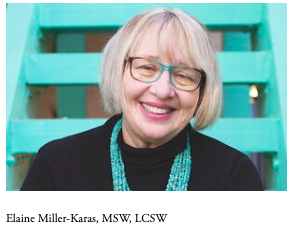
Screen Shot 2022-09-30 at 8.46.25 PMBy Elaine Miller-Karas MSW, LCSW Building Resiliency to Trauma Psychology Today, September 30, 2022 Mental health can suffer after extreme climate events.
KEY POINTS

  • Mental health conditions exacerbated by natural disasters include post-traumatic stress disorder, depression, and anxiety.
  • After a disaster, the number of people needing assistance from the mental health systems strains or exceeds community capacity.
  • There are simple strategies helpers can use to help survivors restore well-being after climate events.

In September 2022, Puerto Rico, Cuba, and Florida are experiencing devastation from hurricanes. Extreme weather events — floods, hurricanes, and natural disasters like wildfires — are linked to a broad range of adverse mental health outcomes. The most reported mental health conditions in the aftermath of extreme weather events and natural disasters are post-traumatic stress disorder (PTSD) along with depressionanxietysuicide, and substance abuse disorders (Cianconi et al., 2020).

Mental Health Systems Are Strained After Wide-Scale Disasters

Those impacted by the recent climate events are just beginning their journey. Emergency response mental health workers will be present in the initial days. However, the lasting impact for a community devastated by natural disasters lingers for weeks, months, or years. There is a strain on mental health systems as the number of people needing assistance exceeds a community’s capacity.

Suggestions for Helpers

For those assisting individuals during and after a disaster, the following suggestions reflect lessons learned by the Trauma Resource Institute as we have been invited to help communities after human-made and natural disasters:

1. Be careful not to interrupt the work of emergency response workers. Rescuing survivors and stabilizing infrastructure, such as restoring electricity, are priorities.

2. Help identify where survivors can acquire concrete services: water, food, shelter, hygiene products, and bathrooms. Direct survivors to where governmental groups like FEMA have established temporary locations. The elderly may need assistance with completing documents to receive benefits. As a result of the destruction, people with disabilities may have difficulty maneuvering to sites to receive services. Organizations like the Red Cross, local disaster response units, FEMA, Save the Children, and faith-based groups can help network support for community members.

3. Communication systems may be down because of power outages. There can be increased anxiety in not knowing the well-being of family members, friends, and pets and whether homes are still standing. Try to provide as much information about when providers may restore communication systems.

4. You may assume that people need to talk about what happened during the disaster to heal. We have found that this is not necessarily true for every person. Inviting choices to share or not to share about what happened is essential. Questions like, “I am here to provide support. If you would like, we can talk about what happened if that would be helpful. You can share with me as little or as much of what happened to you as you would like.”

Ask Strength-Based Questions to Remind Survivors of Encouraging Elements of Their Experience

5. Questions highlighting strengths can help survivors remember what else may be true now. Often when asking questions in this way, it broadens the perspective of the trauma to include other elements of the experience that were more positive. Questions can include:

  • “When did help first arrive?’
  • “When did you know you and your family were going to get to a safer place?”
  • “What or who is helping you the most right now?
  • If a person is agitated or sad, ask respectfully, “When challenging events have happened to you in the past, and what or who helped you get through?

Help Now! Strategies Can Be Simple and Effective Ways to Help

6. Another way to help calm a person who is distressed are the “Help Now!” strategies from the Community Resiliency Model set of wellness skills. They may appear simple, yet they can help people calm down and feel more like themselves. The following invitations can help children and adults experience a greater sense of well-being:

  • Would it be helpful to go for a walk together?
  • Sometimes, it helps to get the energy of anxiousness out by pushing against the wall with our hands or our back against it. Do you want to do it with me?
  • Can I get you a drink of water?
  • If I am anxious, sometimes it helps me to count down from 20. Would you like to try it with me?
  • If I am feeling a lot of tension in a part of my body, I try to find a part of my body that is less tense. Then, I bring my attention to the parts that feel better. Do you want to try doing this?
  • I found this app called iChill, and I listen to it when I am down or too anxious. You might want to consider using it when you are stressed or down.

Identify Community Mental Health Clinics and Alcohol and Drug Treatment Programs

7. It is a complex process to lose one’s home, livelihood, and surrounding community. The journey of recovering and rebuilding can exacerbate mental health conditions and also lead to increases in alcohol and drug use. Helping survivors identify community mental health clinics and drug and alcohol treatment programs can lead them to essential safety nets.

How to Learn More

To help to gain more information about how to build more resilient communities to prepare your community for climate events, contact the International Transformational Resilience Coalition (ITRC), inspired by the work of climate change advocate Bob Doppelt. The ITRC elaborates upon how society can invest in effective responses that can address the mental health challenges that invariably will result from climate events. The coalition has a wide range of experienced professionals working on a dynamic steering committee to guide its projects, policies, and advocacy, including representatives from the National Association of Social Workers, the American Psychiatric Association, the American Psychological Association, the American Public Health Association, the Alliance of Nurses for Healthy Environments, and more. As a founding member, my organization, the Trauma Resource Institute, has worked in collaboration with the ITRC to help communities prepare and respond to climate events.

References

Cianconi, P., Betro, S., & Janiri, L. (2020), The Impact of Climate Change on Mental Health: A Systematic Descriptive Review, Frontiers in Psychiatry, March 6, 2020, | https://doi.org/10.3389/fpsyt.2020.00074

Elaine Miller-Karas, LCSW, is an author, lecturer, consultant, radio show host, trauma therapist, and social entrepreneur. She is a co-founder and the Director of Innovation of the Trauma Resource Institute and a founding member of the International Transformational Resilience Coalition. She is the author of Building Resiliency to Trauma: The Trauma and Community Resiliency Models® (2015). Her models have been introduced in over 75 countries. She has presented at the Skoll World Forum, Resiliency 2020 and 2021, and the United Nations. Her book was selected by the United Nations and Taylor and Francis’ curated online library as one of the innovations helping to meet the United Nations’ Sustainable Development Goals. She is also a Senior Consultant to Emory University’s SEE Learning program, inspired, and launched by His Holiness the Dalai Lama, and she is consulting with the Medgar and Myrlie Evers Foundation to help create a virtual curriculum of the U.S. Civil Rights Movement. Her radio talk show, Resiliency Within: Building Resiliency during Unprecedented Times, is on VoiceAmerica.

Attachments

Hide

Images (1)

Highly-honored school nurse and nurse educator Robin Cogan calls PACEs Connection her ‘north star’; urges each member’s support!

Carey Sipp Carey Sipp 11/1/222:07 PM

Note: PACEs Connection is in dire financial straits. We are asking for support, from you, our 57,505 members, to help cover the loss of foundation funding that was promised and did not come through. Pay and hours have been cut for our staff—most of us will be laid off for the month of December. Another grant will pick up in January. Since sounding the alarm this summer, we’ve raised about $24,000. To get a sense of who your fellow members are, who is donating and why, please enjoy and share this second post in a series of donor profiles, and be like Robin: Please make a generous donation to PACEs Connection!

“PACEs Connection has been my north star for credible information about the science, research, and lived expertise that is centered on healing our most intractable problems,” says Robin Cogan, a nationally certified school nurse (NCSN) in an elementary school clinic in Camden, New Jersey.

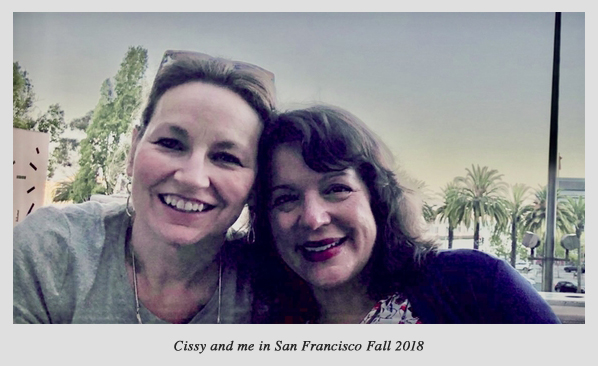
Cissy & Cogan San Francisco Fall 2018

Cogan and former PACEs Connection employee and current blogger Cissy White met in person at the 2018 ACEs Conference in San Francisco after connecting on (then) ACEs Connection and Twitter!


She found PACEs Connection following the death of her father.

“He was a complex man who died from a hemorrhagic stroke, directly linked to the trauma he suffered as a 12-year-old boy witnessing the death of his entire family,’’ she explains. “He was buried on the 60th anniversary of the murders. I was on a quest to understand the life and death of my father, and found it through the research provided in the treasure trove of information available on PACEs Connection.”

Generational trauma

Cogan’s family has experienced the trauma of two mass shootings with both survivors and victims. A niece of Cogan’s was involved in a school shooting several years ago, and survived in the same way her grandfather survived in the mass shooting of his family seven decades earlier: She hid in a closet.

“Generational trauma was my original reason for digging deeper into the science of ACEs,” Cogan says. “It is my goal to do everything in my capacity as a school nurse and family-member survivor to end gun violence through public health measures which drive me to share this work. PACEs science holds the key by reducing and working to eliminate childhood adversity, especially exposure to violence. That will change the world.”

Headaches and stomach aches

As a clinical coordinator in the school nurse specialty program where she teaches at the Rutgers School of Nursing in Camden, Cogan has shared her passion and expertise in school nursing with hundreds of college students who follow in her footsteps to be, oftentimes, the one person who understands what’s happening when a child shows up at a school clinic with the fifth headache of the month; the third stomach ache of the week. She knows trauma is likely the root cause of many of those headaches and stomach aches.

Her work on the faculty in the School Nurse Certificate Program at Rutgers University-Camden School of Nursing earned her the 2018 Rutgers University – Camden Chancellor’s Teaching Excellence Award for Part-time Faculty.

“The Relentless School Nurse”Screen Shot 2022-11-01 at 3.57.36 PM

Cogan is also a prolific writer. Her weekly “Relentless School Nurse” posts were named “Top Nursing Blog” in 2020 on her website by the same name. Cogan also authors a monthly column in “My American Nurse”, the official journal of the American Nurses Association, and is the recipient of multiple awards for her work in school nursing and population health, including the 2019 and 2020 National Association of School Nurses President’s Award and the New Jersey Department of Health 2017 Population Health Hero Award. She was also named the 2018 National Certified School Nurse (NCSN) School Nurse of the Year, and the 2017 Johnson & Johnson School Nurse of the Year.

“Our gifts back…will bring more light..”

As for her generous support of PACEs Connection, Cogan says, “For so long the content of PACEs Connection has been open-access and I am sure that will continue. But answering this call for support is the least that we can provide for all that has been given by the organization.

“When you look at the structure behind PACEs Connection, you realize how few devoted people are providing so much content, research, opportunities for community building, and space to exhale in this complex world. I have given over the years, but realize that if each of us gave even a small amount, the collective impact would be a game-changer for PACEs Connection,” she adds.

”I appreciate that PACEs Connection lifts up community-inspired solutions by engaging grassroots groups working to heal their communities,” she says. “It  has been a focal hub for learning, growing, and amplifying the science of positive and adverse childhood experiences. Our gifts back will be used to bring more light into this world in great need of healing.”

Cogan encourages fellow members of PACEs Connection to join her in making a generous, tax-deductible donation to PACEs Connection here.

mail iconIf you’d prefer to mail your gift rather than give it online, here’s how…

Make check payable to:
TSNE (Third Sector New England, our fiscal sponsor) and write PACEs Connection Donation on the memo line.

Mail check to:
PACEs Connection, c/o TSNE, 89 South Street, Suite 700, Boston, MA 02111

information iconMaking a wire transfer or need Tax ID information?
Please contact Carey Sipp, Director of Strategic Partnerships, at csipp@pacesconnection.com

Jeoff Gordon sees PACEs science, PACEs Connection playing a vital role in ‘relieving some of the most anguishing pain in our society.’

Carey Sipp Carey Sipp 11/8/2211:46 AM

Note: PACEs Connection is in dire financial straits. We are asking for support, from you, our 57,586 members, to help cover the loss of foundation funding that was promised and did not come through. Pay and hours have been cut for our staff—most of us will be laid off for the month of December. Another grant will pick up in January, but we will still be underfunded. Since sounding the alarm this summer, we’ve raised about $26,000. Thankfully, about 25% of new donors are making monthly donations. To get a sense of who your fellow members are, who is donating and why, please enjoy and share this third post in a series of donor profiles, and be like Jeoff Gordon: Please make a generous donation to PACEs Connection!

Dr. Jeoffry Gordon learned about the CDC-Kaiser Permanente Adverse Childhood Experiences Study when he attended a talk in 2003 by the study’s co-principle investigator, Dr. Vincent Felliti.

“But I had no understanding of the terrible consequences of child abuse trauma until 15 years later when I started seeing patients in a clinic for the homeless, where it was a common condition,” says Gordon, a retired family physician and PACEs Connection supporter and activist.

Gordon, who practiced family medicine for 40 years in San Diego, California, attended some of the most elite schools in the nation: Harvard College, Case Western Reserve University School of Medicine, Harvard Medical Service at Boston City Hospital for his medical internship,  and Tulane University for a master’s of public health.

“…a tragic, soul-searing experience…”

“I was always up to date in cardiology, endocrinology, neurology, etc.,” he says, “but never heard the phrase ‘trauma-informed care’ until the last year I saw patients, in 2019. It was then I started connecting the effects of child abuse, neglect and trauma. I saw what can be a tragic, soul-searing experience, affecting physical health, mental health, and social capacity.”

Does he wish he’d known about the connection to childhood adversity and health outcomes earlier? Does he wish there had been the information and a resource such as PACEs Connection when he was practicing family medicine?

“Absolutely,” he says. “Although I certainly ‘knew’ about child abuse and ACEs, my lack of clinical appreciation and insight must have frequently led to inadequate evaluation and treatment of many patients with both psychological and physical illnesses. I learned this several years after I retired when a former patient contacted me for records to support his disability application. I had administered an ACEs questionnaire to him and he had a high score, but I had treated him like any other patient with anxiety and depression with ineffective meds and never applied PACES science.”

The relationship between inequity, racism, and trauma.

Active in social justice issues for decades, Gordon has a keen sense of the relationship between inequity, racism, and trauma. “I got involved in child abuse mitigation and prevention because I felt in this space I could relieve some of the worst and most anguishing pain in our society,” he says.

Gordon would know. He has been an outspoken member of the California Citizens Review Panel on Critical Incidents (child abuse homicides) for three years, posting multiple times on PACEs Connection in support of this work and legislation to support it.

“I think it is an obligation, and more than a privilege, to support PACEs Connection during this period of financial stress.”

“PACEs Connection has made an amazing national contribution to dealing with ACEs,” he explains, “connecting survivors to survivors, connecting therapists to therapists, connecting survivors to therapists, promoting medical and counseling education, catalyzing many community-based intervention programs, and sponsoring many educational sessions. I think it is an obligation, and more than a privilege, to support PACEs Connection during this period of financial stress.”

Gordon considers himself to be an unaffiliated, freelance community advocate and activist trying to remediate years of disregard and public avoidance of the tragedies of child abuse and neglect.

Expanding the appreciation of the epidemic of child abuse; recommending that friends become involved in PACEs Connection.

“I am working to expand the appreciation of the epidemic of child abuse and child abuse trauma especially within the medical professions, especially psychiatry,” he points out, “and promoting the application of PACEs knowledge throughout all medical specialties. I also work on expanding resources devoted to this problem at all levels of government. I am especially concerned and active trying to repair the inattention and chaos in California around the tragic issue of child homicides due to abuse or neglect.”

When it comes to recommending that friends and colleagues become involved in PACEs Connection, Gordon says: “I think every researcher and professional providing therapy to people who have experienced maltreatment, people who are traumatized, does not do an adequate job if they are not also working to bring attention, in the public square, to the ongoing tragedies generated by childhood trauma.”

Gordon encourages fellow members of PACEs Connection to join hm in making a generous, tax-deductible donation to PACEs Connection here.

mail iconIf you’d prefer to mail your gift rather than give it online, here’s how…

Make check payable to:
TSNE (Third Sector New England, our fiscal sponsor) and write PACEs Connection Donation on the memo line.

Mail check to:
PACEs Connection, c/o TSNE, 89 South Street, Suite 700, Boston, MA 02111

information iconMaking a wire transfer or need Tax ID information?

Please contact Carey Sipp, Director of Strategic Partnerships, at csipp@pacesconnection.com

Carey Smith Sipp

carey.pacescommunites@gmail.com

Congressional Briefing: Science-Driven Approaches to Reducing Inequities Through Public Health Policy [npscoalition.org]

HomeBlogCongressional Briefing: Science-Driven Approaches to Reducing Inequities Through Public Health Policy [npscoalition.org

Carey Sipp Carey Sipp 11/17/223:41 PM

Join us for a virtual congressional briefing

SCIENCE-DRIVEN APPROACHES TO REDUCING INEQUITIES THROUGH PUBLIC HEALTH POLICY

Tuesday   •   December 6th   •   1:30-3:00 ET

The National Prevention Science Coalition to Improve Lives (NPSC) will host a congressional briefing on deploying prevention strategies to improve racial equity, particularly in issue areas such as health and education.  Research and experience provide guidance about what works to reduce racial disparities and improve health outcomes for all Americans.  Despite the existence of strategies shown to reduce inequities and foster equitable practices, translating that knowledge into effective policies has lagged behind the science.  Speakers in this briefing will present evidence-based prevention policies that reduce the conditions that perpetuate inequities and strengthen factors that protect against them.

During this session, national experts on this topic will present approaches to advance equity by implementing prevention-informed policies, especially in the areas of health and education.  Speakers will discuss policies likely to have a population level impact and others that are targeted to specific social conditions within communities. They will also discuss how researchers and public sectors can work together to enact such change.

Many universal policies that aim to prevent negative outcomes for all people tend to benefit only certain segments of the population, leaving minority groups in particular with unequal access to needed services.  The science of prevention offers solutions to this problem. To illustrate, Dr. Shelton will discuss how implementation evaluation strategies can provide a framework to identify and resolve the barriers to even-handed enactment of health policies.  Also, implementation science can aid in our understanding of how prevention policies are enforced, further illuminating the root causes of health policy inequities.

Additional solution-based strategies work to reduce existing inequities by promoting health and well-being for specific populations.  Dr. Iruka will discuss how policies focused on preservation, protection, and promotion can ensure that Black children and their families are able to thrive and have equal opportunities to live healthy lives.  Her work not only provides actionable solutions to support Black families, but it is also a model for promoting equity for other negatively affected groups.

Dr. Johnson-Lawrence will demonstrate how successful partnerships between researchers and public officials can learn from policy challenges and failures and move forward to prevent repeated disaster and improve equitable outcomes.  She will provide examples of using community-based approaches from the Flint water crisis to promote health improvements through existing health and community systems.

The pandemic exacerbated preexisting inequalities in rates of unemployment, food insecurity, violence, and mortality to name a few.  Now is the time to ensure U.S. health policy is grounded in science-driven approaches to reduce economic, health, and social disparities for all people across the nation.

[Please click here for more information and to register.]

Carey Smith Sipp

carey.pacescommunites@gmail.com

‘Stop separating physical health from mental health!—Encore episode of ‘History. Culture. Trauma.’ podcast Thursday

Carey Sipp Carey Sipp 11/29/223:07 PM

It is time, as a society, to stop separating mental health from physical health.

“Research has found that there is credibility to the term ‘mind-body connection’. There is a clear link between our thoughts, feelings, emotions and our physical body. At this point, should we, as a society, stop separating mental health and physical health? Are they not one in the same?” said Ingrid Cockhren, PACEs Connection CEO and co-host of the podcast History. Culture. Trauma.

Screen Shot 2022-09-27 at 4.11.33 PMShe and guest Dr. Donielle Prince, PACEs Connection’s director of statewide initiatives, will tackle the topic for the encore broadcast of this episode on Thurs, Dec. 1 at 1 p.m. PT; 4 p.m. ET.

Prince, a former child therapist, relies on her extensive training and more than 20 years’ experience as a program evaluator of education, community-based youth programming, mental health, and the intersections of the disciplines as she and Cockhren discuss the mind-body connection.

Prince’s core expertise is in creating programs and initiatives that yield potential for change. Her work has included evaluating youth development studies, trauma-informed training, educational equity focused programs and curriculum evaluation.

“In the community, Prince’s experience with research, policy, and reform is reflected in her deep commitment to advocating for social justice,” said Cockhren.

In her role contributing to and coordinating the PACEs Connection Creating Resilient Communities Accelerator, Prince supports PACEs Connection’s mission to help start and grow statewide and local community resilience initiatives.

Prince has mentored youth, including first-time offending juveniles and foster youth. She’s also been involved in community-based organizing against state violence, educational inequity, and lack of access to mental health supports, particularly for members of marginalized communities.

Prince was raised in such a marginalized community, in East Palo Alto, California, located in Silicon Valley. She currently lives in Sacramento, CA.

Prince’s educational experience includes extensive studies in education, counseling psychology, human development, and race and racism. She earned her bachelor’s degree from Wellesley College, her master’s in education from the University of Pennsylvania, and her doctorate from Stanford University. She has been on staff at PACEs Connection since 2017.

To listen to Thursday’s podcast at 1 p.m. PT, 4 p.m. ET, click here.

To hear prior episodes via your favorite podcast service, use the links below.

Attachments

Hide

Images (1)

Screen Shot 2022-09-27 at 4.11.33 PM

Carey Smith Sipp

How Dr. Vincent Felitti, co-author of the ACE Study, and Jane Stevens, founder and publisher of PACEs Connection, crossed paths to accelerate a movement

Carey Sipp Carey Sipp 12/21/2210:00 PM

Jane Stevens and Vincent Felitti at the 2018 National ACEs Conference in San Francisco, CA

Note: This week is the final in our year-end giving campaign. PACEs Connection in dire financial straits. We need you, our 57,837 members, to help cover the loss of foundation funding that was promised and did not come through. Unfortunately, pay and hours have had to be cut for our staff. Most of us have been laid off for the month of December. The good news is that, since sounding the alarm this summer, we’ve raised more than $65,000, thanks to all of you who have donated. To get a sense of who is donating and why, please read this post, one of a series of donor profiles. Please join Dr. Vincent Felitti and PACEs Connection founder Jane Stevens to make a generous donation to PACEs Connection!

What if I told you you’re probably reading this post in this blog because of a mistake in a weight loss clinic in 1985, and a horrific shipboard explosion in the Antarctic ocean in 1998?

Or that you might not even know about the CDC-Kaiser Permanente Adverse Childhood Experiences Study (ACE Study) much less the study on positive childhood experiences (PCEs), were it not for that mistake and that explosion?

It’s true.

The doctor’s mistake-turned-revelation and a relentless reporter’s outrage and commitment to “get the science to everybody” can also be credited, at least in part, for sparking:

  • ACE surveys in every state;
  • Thousands of studies on the impact of childhood adversity subsequent to the original 1998 study, and those studies being shared, widely;
  • Your PACEs Connection social network of more than 57,730 members;
  • More than 440 cross-sector geographic communities working to prevent and heal childhood adversity to build a healthier, more compassionate world where all thrive;
  • More than 40 interest-based communities including those dedicated to infusing the science into the justice system, communities of faith, foster care, medical, nursing and allied health schools, and those supporting parents, survivors, the LGBTQI community;
  • Amazing work by people and organizations integrating ACEs science, including schools that have integrated policies and practices based on the the science of positive and adverse childhood experiences, and no longer need to expel or suspend students; Safe Babies courts—family courts whose judges and staff are trained in the science of childhood adversity—that see 90 percent of the kids who come through suffer no further abuse; Plymouth County, Massachusetts, where law enforcement, rehab centers, and hospitals work together in a cross-sector program that has resulted in a 26% drop in opioid deaths v. an 84% increase in deaths in surrounding counties. Batterers’ intervention courses that reduce recidivism from 60% to less than 5%
  • Hundreds of thousands of people dedicating their lives and careers to ending and healing childhood trauma—including me.

Two decades-long stories intertwine and today make the same request: support PACEs Connection

Felitti and Dr. Robert Anda, co-principle investigator of the ACE Study, first published their findings in 1998. Over the next 20 years, more than 70 publications followed. The story about the mistaken question that led to the ACE Study can be found in this article —“The Adverse Childhood Experiences Study — the largest, most important public health study you never heard of — began in an obesity clinic”.

Screen Shot 2022-11-23 at 9.15.26 PMThe turning point in Felitti’s quest came by accident. The physician was running through yet another series of questions with yet another obesity program patient: How much did you weigh when you were born? How much did you weigh when you started first grade? How much did you weigh when you entered high school? How old were you when you became sexually active? How old were you when you married?

“I misspoke,” he recalls, probably out of discomfort in asking about when she became sexually active – although physicians are given plenty of training in examining body parts without hesitation, they’re given little support in talking about what patients do with some of those body parts. “Instead of asking, “How old were you when you were first sexually active,” I asked, “How much did you weigh when you were first sexually active?’ The patient, a woman, answered, ‘Forty pounds.’”

He didn’t understand what he was hearing. He misspoke the question again. She gave the same answer, burst into tears and added, “It was when I was four years old, with my father.”

Screen Shot 2022-11-23 at 9.07.53 PMTwo months after the first ACE Study was published, Jane Stevens, a science journalist, boarded the Aurora Australis, a research icebreaker, in Hobart, Australia, for a seven-week research expedition into the Antarctic winter sea ice. Her mission: Chronicle the expedition with words, photos, and video for the Discovery Channel’s website. Several days into the voyage, in the middle of the night, the ship’s main engine exploded to leave the ship and its expeditioners and crew stranded hundreds of miles from safe harbor with no hope of rescue. In Mayday at the Bottom of the World, Stevens tells the story of how the trauma of the explosion awakened and coalesced memories of her childhood abuse—including sexual and verbal abuse. And how learning about the ACE Study in 2004 changed her life trajectory.

Screen Shot 2022-11-23 at 9.07.27 PM

Her first reaction to the ACE Study: Somebody’s making this up.

Somebody’s making up that adversity in childhood leads to the adult onset of most chronic diseases and mental illnesses, and is at the root of violent behavior, whether by a perpetrator or a victim.

Somebody’s making up the finding that most people have one or more of the 10 adverse childhood experiences that were measured in the study. And that if you have four “ACEs,” your likelihood of becoming an alcoholic increases 700% compared with people who have an “ACE score” of zero. And that your likelihood of attempting suicide increases 1,200%. And that your risk of a heart attack doubles and of lung cancer triples.

Felitti and Stevens first met in 2004 when Stevens interviewed him and Anda for an article about the link between ACEs and obesity, which was published in the Sacramento Bee’s Sunday Forum section in 2005. (Several years ago, the Bee deleted all articles written by freelance writers, so the only link that exists is on the NoSpank site: https://nospank.net/stevens.htm.)

Loose connections begin tightening.

Over the next several years, the loose connections between Felitti and Stevens began tightening. Felitti, Anda and their fellow researchers released one study after another. The co-authors made presentations about their work to anyone who would listen, especially to the medical community to which they belonged, but weren’t getting much traction. Stevens moved on through the journalism world, ending up as an online news executive and occasionally writing an article about the latest ACE Study paper.

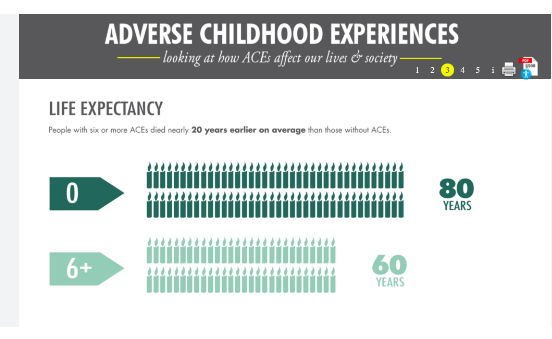
But there was one piece of research that compelled me to leave a solid career as an online news executive. It was the 2009 finding that people with six or more of the 10 ACEs in the original study — including abuse and neglect — are at a higher risk of dying 20 years prematurely than people with zero ACEs.

That’s me: seven ACEs.

Screen Shot 2022-11-25 at 7.41.21 AMIn

Felitti had emailed everyone in his contact list about the site.

In January 2012, Stevens launched ACEs Connection, which in March 2021 became PACEs Connection, to add the latest research about “positive” childhood experiences. It comprised ACEsTooHigh.com, a news site for the general public, and the social network ACEsConnection.com (now PACEsConnection.com), for people who were actively engaged in integrating ACEs science into their personal, family, organizational and community lives.

As she went to sleep the night after the launch, a grim thought occurred: What if nobody joins ACEsConnection? She woke up the next morning to see 200 new members. Felitti had emailed everyone in his contact list about the site. A year later, there were 1,000 members, and membership has been galloping along ever since to reach 57,730 today.

It’s difficult to pinpoint exactly what drove the explosion of interest in ACEs science (or PACEs science, which we define as epidemiology, neurobiology, health consequences, epigenetic or historical trauma, and resilience research of positive and adverse childhood experiences) because the increase in the number of articles, research publications and projects to integrate ACEs science began accelerating in 2012 and hasn’t stopped. But it was definitely the combination of:

  • the mind-bending results of the ACE Study put together by Felitti and Anda, two people who complemented each other in their brilliance;
  • their tireless efforts to engage the health community even when it dismissed the science;
  • and ACEs Connection taking advantage of the magic of social networking to light the fire under people who immediately grokked the science and began spreading it among their own networks.


“It has been of extraordinary importance, the worldwide effect she has had.”

Felitti officially retired from Kaiser Permanente in 2001. He was still involved in the ACE Study until 2018, when it was ended; he stayed active in an obesity reduction program at Kaiser for several years, and, until COVID hit, traveled the world to consult and do presentations about ACEs science. He recently moved to a retirement community in California, and remains active in the PACEs movement. Anda left the CDC to found ACE Interface with Laura Porter, an early pioneer who introduced the ACE Study to a network of more than 40 communities in Washington State. The two have done hundreds of train-the-trainer workshops about what they call NEAR science—neurobiology, epigenetics, adverse childhood experiences, and resilience—in cities and states around the country.

“It is not surprising to me that PACEs Connection has created a worldwide movement because Jane Stevens, in addition to being a really superb writer, knew how to present this information in a way that would disseminate it widely,” says Felitti. “It has been of extraordinary importance, the worldwide effect she has had.”

“…home for the growing community of survivors, trauma professionals…”

Both Stevens and Felitti are glad there is a home for the growing community of survivors, trauma professionals, parents trying to stop cycles of family addiction and abuse, pediatricians, mental health workers, educators, nurses, judges and others looking for resources to solve the most intractable problems in their communities.

When asked about the impact of PACEs Connection on the spread of information about the connection between childhood trauma and adult disease, and why people should support PACEs Connection, Felitti says: “They’ve built a database with a worldwide membership, mainly in the US, but clearly worldwide, but even more important, it is the transmission of that information about positive and adverse childhood experiences (that is important).

“PACEs Connection has pages that have been seen by millions of viewers who are not regular members of PACEs Connection,” Felitti continues. “Viewers are being sent these pages by friends, colleagues. The implication is truly worldwide coverage.”

“I can’t imagine a better way of honoring Dr. Felitti than to make sure his work is shared,” says Stevens.

Screen Shot 2022-11-23 at 9.10.13 PM“Supporting PACEs Connection helps people from all walks of life with the resources and information that they can use. It helps survivors experience the freedom that comes from learning they are not alone, that they are not at fault for how they coped with their childhood adversity. They didn’t cause or deserve the abuse, and together we can heal from it.

“I hope all who have been touched by the work that Dr. Felitti and I have done to use PACEs science to prevent and heal trauma will remember PACEs Connection on Giving Tuesday. I hope you will join us and make a generous donation to continue our work to create a world where all children have the opportunity to thrive.”

Felitti and Stevens encourage fellow members of PACEs Connection to join them in making a generous, tax-deductible donation to PACEs Connection here.

mail iconIf you’d prefer to mail your gift rather than give it online, here’s how…

Make check payable to:
TSNE (Third Sector New England, our fiscal sponsor) and write PACEs Connection Donation on the memo line.

Mail check to:
PACEs Connection, c/o TSNE, 89 South Street, Suite 700, Boston, MA 02111

information iconMaking a wire transfer or need Tax ID information?
Please contact Carey Sipp, Director of Strategic Partnerships, at csipp@pacesconnection.com

Attachments

Hide

Images (5)

Screen Shot 2022-11-23 at 9.15.26 PM: Dr. Vincent Felitti
Screen Shot 2022-11-23 at 9.07.53 PM: Jane Stevens
Screen Shot 2022-11-23 at 9.07.27 PM: Aurora Australis
Screen Shot 2022-11-25 at 7.41.21 AM: Effects of ACEs on the lifespan
Screen Shot 2022-11-23 at 9.10.13 PM: Jane Stevens, 2022

Carey Smith Sipp

carey.pacescommunites@gmail.com

❤️ 6🙏 1