Tag Archives: health

Year-end giving to PACEs Connection has become a family tradition for Lisa Hofmeister. ‘This work matches our family’s values.’

Carey Sipp Carey Sipp 12/22/2210:45 AM

A recent photo of Lisa Hofmeister (second from left) with her family.

Note: PACEs Connection is in dire financial straits. We need you, our almost 58,000 members, to help us cover the loss of foundation funding that was promised and did not come through. Unfortunately, staff pay and hours were cut for December.

The good news is that, since sounding the alarm this summer, we’ve raised more than $65,000 thanks to all of your who donated. To get a sense of who your fellow members are, who is donating, and why, please read and share this eighth in a series of donor profiles. Now that you know we need your help, please join Lisa Hofmeister—who, with her mother and brother has made a family gift to PACEsConnection for the last three years—and make a generous tax-deductible year-end donation.

Most people are stunned when they first learn about PACEs science. Lisa Hofmeister is no exception.

With a degree in psychology, a career in healthcare information technology, and a personal interest in equity and restorative justice, Hofmeister was surprised when she heard about the CDC-Kaiser Permanente Adverse Childhood Experiences Study.

“It seemed as though I should have known about this earlier,” she says of the ground-breaking research that was first published in 1998.

Since discovering ACEs Connection, now PACEs Connection, Hofmeister has been an avid follower and supporter of the organization and the PACEs science movement to prevent and heal childhood adversity, and to build healthier and more resilient families and communities.

“Our family chooses a charitable organization to support every year, so I was eager to suggest PACEs Connection, especially given our family’s interest in social justice and grassroots community organizing”, she continues. “I see PACEs Connection as the scaffolding behind a movement—perhaps the most important public health movement of our time. It allows passionate, talented people to collaborate, share inspiration, and innovate by imitating what works.”.

Q: What motivated you to become involved in PACEs Connection?

A: “In 2019 after a local trauma therapist’s presentation about ACEs, brain science, and resilience, I went from complete ignorance to near-obsession. I couldn’t stop thinking about it and couldn’t find enough people to marvel about this powerful ‘root cause’ discovery with me. So I was thrilled to learn that PACEs Connection was already on the case, thoughtfully creating a network and a platform for sharing new research and ideas.”

Q: How do you hope PACEs science will change the world?

A: “I do believe PACEs science can bring paradigm-shifting and compassionate change to a world that desperately needs it. My hope is that, together, we can promote it in a way that invites others to be curious and hopeful in this time of extreme polarization. It has great potential to heal and unite us.”

Q: Why should other members of PACEs Connection provide financial support to our organization?

A: “Sometimes I worry that the sheer volume of PACEs-related groups dilutes the good work that people are doing, and makes it confusing. I admire how PACEs Connection is clearly trying to avoid working in a silo, partnering with groups like CTIPP (Campaign forTrauma Informed Policy and Practice) and providing a platform to connect. This is an invaluable service.”

Q: What is your involvement in a PACEs community?

A: “I recently got connected with the Trauma-Informed Healthcare Education and Research (TIHCER) Community on PACEs Connection and am looking forward to hearing ideas about bringing trauma-informed care into the realm of the electronic health record. I’m also hoping to connect with Wisconsin-based groups focused on trauma-informed care in education.”

Hofmeister encourages fellow members of PACEs Connection to join her in making a generous, tax-deductible donation to PACEs Connection here.

If you’d prefer to mail your gift rather than give it online, here’s how…

Make check payable to:

TSNE (Third Sector New England, our fiscal sponsor) and write PACEs Connection Donation on the memo line.

Mail check to:

mail iconPACEs Connection,

c/o TSNE, 89 South Street

Suite 700

                        Boston, MA 02111

information iconMaking a wire transfer or need Tax ID information?

Please contact Carey Sipp, Director of Strategic Partnerships, at csipp@pacesconnection.com

Carey Smith Sipp
Year-end giving to PACEs Connection has become a family tradition for Lisa Hofmeister. ‘This work matches our family’s values.’

Carey Sipp Carey Sipp 12/22/2210:45 AM

A recent photo of Lisa Hofmeister (second from left) with her family.

Note: PACEs Connection is in dire financial straits. We need you, our almost 58,000 members, to help us cover the loss of foundation funding that was promised and did not come through. Unfortunately, staff pay and hours were cut for December.

The good news is that, since sounding the alarm this summer, we’ve raised more than $65,000 thanks to all of your who donated. To get a sense of who your fellow members are, who is donating, and why, please read and share this eighth in a series of donor profiles. Now that you know we need your help, please join Lisa Hofmeister—who, with her mother and brother has made a family gift to PACEsConnection for the last three years—and make a generous tax-deductible year-end donation.

Most people are stunned when they first learn about PACEs science. Lisa Hofmeister is no exception.

With a degree in psychology, a career in healthcare information technology, and a personal interest in equity and restorative justice, Hofmeister was surprised when she heard about the CDC-Kaiser Permanente Adverse Childhood Experiences Study.

“It seemed as though I should have known about this earlier,” she says of the ground-breaking research that was first published in 1998.

Since discovering ACEs Connection, now PACEs Connection, Hofmeister has been an avid follower and supporter of the organization and the PACEs science movement to prevent and heal childhood adversity, and to build healthier and more resilient families and communities.

“Our family chooses a charitable organization to support every year, so I was eager to suggest PACEs Connection, especially given our family’s interest in social justice and grassroots community organizing”, she continues. “I see PACEs Connection as the scaffolding behind a movement—perhaps the most important public health movement of our time. It allows passionate, talented people to collaborate, share inspiration, and innovate by imitating what works.”.

Q: What motivated you to become involved in PACEs Connection?

A: “In 2019 after a local trauma therapist’s presentation about ACEs, brain science, and resilience, I went from complete ignorance to near-obsession. I couldn’t stop thinking about it and couldn’t find enough people to marvel about this powerful ‘root cause’ discovery with me. So I was thrilled to learn that PACEs Connection was already on the case, thoughtfully creating a network and a platform for sharing new research and ideas.”

Q: How do you hope PACEs science will change the world?

A: “I do believe PACEs science can bring paradigm-shifting and compassionate change to a world that desperately needs it. My hope is that, together, we can promote it in a way that invites others to be curious and hopeful in this time of extreme polarization. It has great potential to heal and unite us.”

Q: Why should other members of PACEs Connection provide financial support to our organization?

A: “Sometimes I worry that the sheer volume of PACEs-related groups dilutes the good work that people are doing, and makes it confusing. I admire how PACEs Connection is clearly trying to avoid working in a silo, partnering with groups like CTIPP (Campaign forTrauma Informed Policy and Practice) and providing a platform to connect. This is an invaluable service.”

Q: What is your involvement in a PACEs community?

A: “I recently got connected with the Trauma-Informed Healthcare Education and Research (TIHCER) Community on PACEs Connection and am looking forward to hearing ideas about bringing trauma-informed care into the realm of the electronic health record. I’m also hoping to connect with Wisconsin-based groups focused on trauma-informed care in education.”

Hofmeister encourages fellow members of PACEs Connection to join her in making a generous, tax-deductible donation to PACEs Connection here.

If you’d prefer to mail your gift rather than give it online, here’s how…

Make check payable to:

TSNE (Third Sector New England, our fiscal sponsor) and write PACEs Connection Donation on the memo line.

Mail check to:

mail iconPACEs Connection,

c/o TSNE, 89 South Street

Suite 700

                        Boston, MA 02111

information iconMaking a wire transfer or need Tax ID information?

Please contact Carey Sipp, Director of Strategic Partnerships, at csipp@pacesconnection.com

Carey Smith Sipp
Women of the PACEs Movement: Janet Pozmantier, author, therapist and early childhood development expert on teaching children parenting skills on Thursday’s History. Culture. Trauma. podcast.

Carey Sipp Carey Sipp 3/28/232:31 PM

Should we teach children parenting skills?

Janet Pozmantier, a licensed professional counselor, marriage and family therapist, play therapist, award-winning author, curriculum developer, trainer, and child advocate specializing in primary prevention programming, believes we should.

Screen Shot 2023-03-28 at 4.30.06 PM

In this last episode honoring Women’s History Month, we will explore the importance of teaching children about their own development and positive discipline techniques that might prepare them to be mentally healthy future parents. The hope for this teaching is to diminish the risk of children  passing on dysfunctional or abusive parenting techniques that may have been used in their homes.

Pozmantier, who has created and successfully implemented child abuse prevention, relationship, parenting, mental health, trauma, and youth suicide prevention education curricula for children, youth, and adults is the co-author of a book on early childhood development (The First Years, DK Publishing, 2001).

She was instrumental in establishing several children’s advocacy organizations in Houston and served as the founding director of the Center for School Behavioral Health at Mental Health America of Greater Houston.

Pozmantier has spoken at local, state, and national conferences and specializes in “hands-on,” interactive presentations.

She is a recipient of the Unsung Hero Award from Children at Risk, the Distinguished Service Award from ChildBuilders, and the Trainer of the Year Award from Texas Association for the Education of Young Children.

Pozmantier is also a certified Mental Health First Aid Trainer (Youth and Adult), a certified Training Specialist for Mind Matters, and an American Leadership Forum Senior Fellow. As a consultant, she provides strategic planning, board and staff development, specialized trainings, and other services for non-profit organizations.

Tune in here on Thursday at 1 p.m. PT; 4 p.m. ET.

Or find the History. Culture. Trauma. podcast on your favorite podcast source.

Attachments

Hide

Images (1)

Screen Shot 2023-03-28 at 4.30.06 PM

Carey Smith Sipp

carey.pacescommunites@gmail.com

FSU center director wins Lawton Chiles Advocacy Award for work supporting children (news.fsu.edu/news/university-news)


Carey Sipp Carey Sipp 4/12/2311:39 PM
 

Stanley Lynch, chief medical officer of United Healthcare Community Plan, Mimi Graham, director of the Center for Prevention and Early Intervention Policy, Jim Clark, provost and executive vice president for Academic Affairs at Florida State University.
BY: MARK BLACKWELL THOMAS | PUBLISHED:  |
Mimi Graham, director of the Center for Prevention and Early Intervention Policy (CPEIP) at Florida State University, is the winner of the 2023 Lawton Chiles Advocacy Award.
Through 34 years at FSU, Graham’s work has aimed to improve the health of children, particularly from conception through the first 1,000 days of life.
“Mimi Graham has been an extraordinary advocate for children throughout her entire career,” said Vice President for Research Stacey Patterson. “Her research and advocacy have effectively addressed some of society’s most challenging issues related to infants, young children and teens. This award is a deserving recognition of her work, which she never sees as complete.”
Former Florida Governor Lawton Chiles started CPEIP to improve maternal and child health outcomes. Graham’s accomplishments there include leading a statewide infant mental health movement helping to build clinical capacity, co-founding the Florida Association for Infant Mental Health in 2000 and infusing infant mental health into programs across the state. That work includes ensuring judges in Florida’s Early Childhood Courts are trauma-educated and better equipped to address the needs of young children.
“I’m so proud to receive this award named after Governor Chiles, whose vision still inspires my work,” Graham said. “Making Florida a better place for kids is something we should all strive for. We know that through investments in trauma-informed systems and early interventions, we can break multi-generational cycles of abuse and set children up to have healthy lives.”
Graham added: “We need to continue to work to ensure that our state prioritizes these investments in children so that every kid has the resources and care they need to succeed.”
Under Graham, CPEIP has embarked upon a multitude of programs and initiatives including the “Partners for a Healthy Baby” home visiting curriculum, which has served over 20 million families and provides research-based guidance to help expectant families have healthy pregnancies.
CPEIP has attracted more than $100 million in grants for FSU since launching in 1992.
For more information, visit the Chiles Advocacy Award.
Carey Smith Sipp
carey.pacescommunites@gmail.com
👍 1

Donor Spotlight: Social Worker Becky Green “Imagine if the systems that shape our lives…were trauma-informed? This is the work that the PACEs Connection does, but only with our support.”

Carey Sipp Carey Sipp 4/13/238:23 AM

Social worker and PACEs Connection supporter Becky Green hiking with her partner, Kerry Toner (l) and good friend Paul Gerlitz (r).

The number of donors giving to PACEs Connection with a monthly gift is increasing.

“While we’ve added about 16 new monthly donors recently, and we are grateful for them, it would be good to see more of our members — and visitors — supporting our work to prevent and heal trauma,” said Ingrid Cockhren, PACEs Connection CEO.

With more than 58,000 members of this networking community, and with the staff needed to support the site, the communities, the newsletters, our podcasts, webinars, and conferences, Cockhren is asking members to sign on right now to make a monthly donation.

“If just ten percent of you made an automatic monthly donation of $10, you could help us cover a substantial portion of our budget,” said Cockhren.

If you would like to be featured as a monthly donor, please send an email to Carey Sipp, director of strategic partnerships, with “Donor Spotlight” in the subject line to answer the 15 questions and let your fellow community members know more about you, how you use PACEs Connection, why you support the work.

Please consider following in the footsteps of social worker and supporter Becky Green, who shares below her reasons for making her monthly gift to PACEs Connection.

  1. Name:Becky Green
  2. Occupation:I’m a social worker by training, my current role is Director of Trauma Informed Care and Integrated Services for an outpatient behavioral health organization called South Shore Guidance Center in Freeport, NY.
  3. Connection to PACEs Connection/PACEs science?I’m a student of PACEs science, I relate to it personally and use PACEs Connection as a key source of information in my work.
  4. Do you work in the field?Yes!  I have the amazing privilege of helping an outpatient behavioral health organization become more trauma-informed, using PACEs science.
  5. How did you find out about PACEs Connection?I stumbled across the ACES study around 10 years ago, and immediately was blown away by the science linking psychological trauma to physical health outcomes. At the time, I was giving trauma-informed care trainings to a variety of audiences, including medical providers and students, and I knew how important it was for those audiences to understand the science. I would often refer folks to the ACES Too High website for more resources, and then discovered PACEs Connection through that resource.
  6. Were you surprised to find this resource?I’ll say yes, simply because it is such a gift that this incredible resource freely exists.
  7. What part of PACEs Connection do you like best?The Resource Center is my go-to.
  8. How do you use PACEs Connection?I use PACEs Connection to stay current on trauma-related research, trainings, content, etc.  I often will visit the Resource Center (my favorite section) when I’m putting together a training or updating our internal trauma-informed care resource directory.
  9. Do you read the Weekly RoundUp?Yes!
  10. Do you share stories from the Weekly RoundUp?Yes, I’ll often forward specific stories or articles from the Weekly RoundUp to our staff.
  11. Do you belong to a resiliency initiative?I joined several of the PACEs Connection communities when I first started in my role (like Books! Educational Videos! Documentaries! and others) but admittedly, am not as active as I would like to be in those spaces.  I’m not a big social media person in general, so I tend to use other aspects of PACEs Connection more.
  12. What prompted you to support PACEs Connection with your monthly gifts?I think PACEs science is so incredibly vital to so many areas, and PACEs Connection does such a good job as reliable clearinghouse of information and connection.
  13. What keeps you giving as a monthly donor? If I can play a small part to support such vital work, I am in.
  14. What would you tell others, to encourage them to support PACEs Connection on a monthly basis? Imagine if we lived in a world where we all truly understood the connections between the adverse experiences we have as children and lives we lead as adults…imagine if we lived in a world where we had adequate resources to support children and their families to prevent or minimize those ACES, and also to support adults in truly healing from them…imagine if the systems that shape our lives (schools, healthcare, social services, etc) were trauma-informed…this is the work that the PACEs Connection does, but only with our support.
  15. What is your greatest hope for what happens with PACEs science? That we end child abuse? Create equity? Eliminate racism? Do away with poverty?  Create a trauma-informed and healing-centered planet?Oof.  That is a hard question, PACEs science has the ability to positively influence so many things wrong with our world.  Yes to all the examples named and a million others.

Green encourages fellow members of PACEs Connection to join her in making a generous, tax-deductible donation to PACEs Connection here.

mail iconIf you’d prefer to mail your gift rather than give it online, here’s how…

Make check payable to:
TSNE (Third Sector New England, our fiscal sponsor) and write PACEs Connection Donation on the memo line.

Mail check to:
PACEs Connection, c/o TSNE, 89 South Street, Suite 700, Boston, MA 02111

information iconMaking a wire transfer or need Tax ID information?

Please contact Carey Sipp, Director of Strategic Partnerships, at csipp@pacesconnection.com

Carey Smith Sipp

carey.pacescommunites@gmail.com

Does Trauma Informed “Workforce Development” Live Up to the Hype? Study respondents needed to see how some people turn learning about developmental adversity into transformative action!

Carey Sipp Carey Sipp 4/25/232:32 PM

By Krista Goldstine-Cole, EdD, co-principal investigator, Into the Black Box study of developmental adversity, Billings, Montana – April 25, 2023

A team of researchers at the University of Montana School of Public and Community Health Sciences has launched Into the Black Box, an extensive and ground-breaking study of how some adult learners turn information about developmental adversity—the traumas, adversities, and significant stressors that are sufficient to alter the brain, body, or developmental trajectory—into transformative action.

Screen Shot 2023-04-25 at 3.50.54 PMOver the past ten years, community organizations, philanthropy and government have called for workforce development or training as a first and necessary step to achieve trauma-informed practice as well as wholesale systems change. To date, no studies or evaluations have been published examining whether developmental adversity education works as imagined, and if so, for which learners, according to co-principal investigator Krista Goldstine-Cole.

The survey portion of this study is now open online, and researchers are seeking 1,000 respondents.

“It’s a big number,” Goldstine-Cole says. “But we are hoping to hear from the broadest possible group of people.  We want to capture variation in who learners are, how and why they are learning, and what they have been learning about—adverse childhood experiences (ACEs), neurobiology, epigenetics, ACEs, and resilience (NEAR) science, trauma-informed practice, toxic stress, and adjacent topics.

“We also want variation in how long people have been involved in developmental adversity education. We want to hear from people in a range of professions as well as those who are learning about developmental adversity (DA) in the context of community,” Goldstine-Cole added.

“The potential to generate greater momentum in the trauma-informed movement.”

Screen Shot 2023-04-25 at 4.24.23 PMJesse Kohler, executive director of the Campaign for Trauma Informed Policy and Practice (CTIPP) believes the study findings “have the potential to generate greater momentum in the trauma informed movement and build greater capacity to address the root causes of health and social issues throughout our society.”

“We want to understand “the spark” of DA education,” said co-principal investigator, Siwen Zhang Minero, EdD.

Screen Shot 2023-04-25 at 3.51.07 PM“Through interviews, we have found that some—but not all—learners really catch fire when they start to learn the science of developmental adversity. A few years ago, we did a video project where we asked innovators in the field how their thinking had changed over time. It taught me that learning about developmental adversity can be a source of personal and professional transformation.  We want to open up that black box and see how often this kind of transformation happens, for whom, and under what circumstances,” Minero said.

The confidential survey takes 30-40 minutes to complete and can be found at: https://umt.co1.qualtrics.com/…m/SV_3Cy41XUM3x4YQXs.

While the questionnaire can be completed on a small screen, using a tablet or computer will ensure greater access for participants who use screen readers or other accessibility tools.  Participation is limited to individuals over the age of 18, who have engaged in some form of developmental adversity learning, and who live or practice in the US.

“Developmental adversity education has grown hand-in-glove with the broader PACE movement,” Goldstine-Cole said.

“…there is an urgent need to equip our early learning and care providers, educators, and school personnel with foundational knowledge…”

Scientists at the US Centers for Disease Control, Kaiser Permanente, the Oregon Health Sciences Center and elsewhere have found that preventing developmental adversity and interrupting the progression of adversity over the life span holds the potential to reduce healthcare, social services, special education, incarceration, and other costs by over $100 billion.

DA education has increasingly been tied to crisis recovery as well.  For example, Dr. Diana Ramos, California’s newly appointed surgeon general notes on California.gov “As we begin to recover from the trauma of the pandemic, there is an urgent need to equip our early learning and care providers, educators, and school personnel with foundational knowledge of Adverse Childhood Experiences and trauma- informed principles.”

Goldstine-Cole and Minero met at the Harvard Graduate School of Education while earning doctorates in human development.  The two joined the University of Montana in January 2023, and with support from Susan Miller and ANSR and have formed the Developmental Adversity Resilience and Transformation (DART) lab with co-director, James Caringi, PhD.

Into the Black Box is DART’s first study.

Contact Info

Name: Krista Goldstine-Cole, EdD

Email: krista.goldstine-cole@umontana.edu

Org: University of Montana School of Public & Community Health Sciences

Developmental Adversity, Resilience & Transformation Lab

Address: 32 Campus Drive, Missoula, MT 59801

Phone: 360-584-6187

Attachments

Hide

Images (3)

Screen Shot 2023-04-25 at 3.50.54 PM: Krista Goldstine-Cole.
Screen Shot 2023-04-25 at 4.24.23 PM: Jesse Kohler, CTIPP
Screen Shot 2023-04-25 at 3.51.07 PM: Siwen Zhang Minero, EdD

Carey Smith Sipp

carey.pacescommunites@gmail.com

Community leader Bo Dean uses and shares PACEs Connection information and support to “connect to the best of what and who we are”; urges your support!

Carey Sipp Carey Sipp 4/27/2311:54 AM

Bo Dean with New Hanover area Community Resiliency Model trainers Audry Hart, the late Chris Johnson, and J’vanete Skiba.

Bo Dean answered the call for monthly donations to PACEs Connection more than a year ago for many reasons, one of the main ones being that PACEs Connection and the work it supports helps us “live into our humanity.”

In addition to his supporting learning and development for some 2200 employees in New Hanover County, North Carolina, Dean also co-chairs the County’s Resiliency Task Force and helped found and support a new resource for people teaching various courses to help increase resiliency in the region, which was devastated by Hurricane Florence almost six years ago.

PACEs Connection CEO Ingrid Cochkren says she wishes more people would follow Dean’s lead in doing the work and in making monthly donations.

“While we’re steadily adding monthly donors, it would be good to see more of our almost 59,000 members — and hundreds of thousands of visitors — support our work to prevent and heal trauma,” said Cockhren.

She is asking members to sign on now to make a monthly donation to help fund the staff needed to support the site as well as our work with communities, and the newsletters, podcasts, webinars, Resource Center, and other free tools and guides offered by PACEs Connections.

“If just ten percent of our members made an automatic monthly donation of $10, you could help us cover a substantial portion of our costs,” said Cockhren.

Please consider following in the footsteps of community leader and PACEs Connection supporter Bo Dean, who shares below his  reasons for making his monthly gift to PACEs Connection.

  1. Name: Bo Dean
  2. Occupation: Sr. Human Resource Analyst, Learning and Development, New Hanover County, NC
  3. Connection to PACEs Connection/PACEs science? We are a trauma-informed/ACES informed county agency and have been working with and informed by ACES, now PACES, for over six years. We began our work by  participating in and with the New Hanover County Resilience Task Force, a multi-agency partnership that began as a primary focus on childhood resilience, and still has that as its primary work, but has become a central change agent for building community resilience.
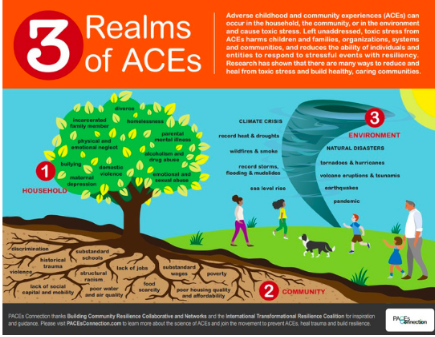
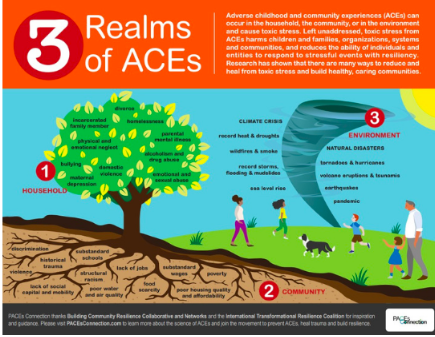
  4. Do you work in the field? Yes. In my job, I work in PACEs science by  using it in all I facilitate. I am the architect for learning and development of professional growth and strategic alignment for our agency for our over 2200 employees. In that work, I have found it essential to permeate our development with foundations of ACES-informed science and understanding in ALL of the work, whether we are looking at individual, team, department, or enterprise-wide learning. The four realms of trauma (as seen in the PACes Connection infographic below) affect our internal and external service, and drive some of the ways we can build compassion and empathy. The science drives the ways we connect to that service, but also how we see one another as we create care and understanding for ourselves to improve our overall well being. It factors into all aspects of how we optimize our service.Screen Shot 2023-04-27 at 1.35.04 PM
  5. How did you find out about PACEs Connection? We are fortunate to have had Carey Sipp  (PACEs Connection director of Strategic Partnerships) as a motivator, teacher, and partner from the very beginning. (Note: Sipp moved to Wilmington, NC, in 2018 to join the New Hanover Resiliency Task Force, learn from its leaders, use the learnings to guide her work with other communities in her role as as PACEs Connection’s southeastern community facilitator. Now as the national director of strategic partnerships for PACEs Connection, Sipp continues to learn from the local task force, and plans to stay in North Carolina because she loves it!)
  6. Were you surprised to find PACEs Connection? Being a witness to so much good in public service, I am constant in awe at what IS done for others. Surprise is not the word I would use. It is gratitude that I have for those who see purpose in using data to drive efficacious practices to help connect us all to better means to serve everyone. In doing this work, we see revelations in the systems and issues that are not at the forefront of all discussions, but are related to living. These have to be addressed and discussed.Some of our folks see and deal with trauma-related challenges on the regular, but don’t always have the ability to articulate their needs and connect with resources. PACEs Connection is not only a connector;  it is also a means to voice the validity, the reality of the issues we see, and to help those who want to make a difference to make a difference with a feeling of being supported. It helps  those who don’t see these issues in the day-to-day, be able to hear and see it the traumas they might not have seen had they not been made more aware by information received in PACEs Connection.
  7. What part of PACEs Connection do you like best? The ready access to information that has efficacy, and the connection to others nationally and locally.
  8. How do you use PACEs Connection? I take the information and deliver it directly to our groups here in the county to help keep us updated. We have a Resilience Working Group that helps permeate the science into our work as well as professional staff. PACEs Connection helps me offer information for ongoing professional development resources.
  9. Do you read the Weekly RoundUp? Yes. It is the summation that I can give to our leaders.  They are inundated with information, but with the RoundUp, they can choose items that they then use for their own purposes.  It is clear and concise. Digestible. That is so important.
  10. Do you share stories from the Weekly RoundUp? Of course!
  11. Do you belong to a resiliency initiative? I belong to several 😊. I am on the steering committee and I co-chair  the NHC Resilience Task Force, which has over 100 agencies signed on! I staff our Resilience Working Group in the NHC government. I founded the Resilience Working Group that is now led by a chair, vice chair and secretary. Its members who have been through the eight-hour Community Resiliency Model (CRM) training. We are a peer support, trauma-informed leadership team. We have over 200 members and meet monthly. We also offer twice-monthly resilience “huddles” virtually for folks to check in and receive support. In addition, we hold eight-hour CRM training sessions each month. I am a CRM trainer and Resources for Resilience (R4R) Trainer.
  12. What prompted you to support PACEs Connection with your gift? This is the most valuable work I have been involved in. This is where we SEE one another, open up lines of communication, compassion, empathy and support. This is where we lose judgment and find and practice “What happened to you?”NOT “What is wrong with you?” ways of being. The more we do this, the more we see one another and lift up one another, the more we begin to LIVE “What is right with you” and what can we do to celebrate one another.
  13. What keeps you giving as a monthly donor? All that I said, this work has to continue. Shootings, drag bills, systemic issues that are engineered to separate us in sex and race and orientation, all of these wedges that draw us away from each other are so intentional and purposeful. We need one another. We are our brother’s and sister’s keepers. PACEs science and PACEs Connection allow us to be as one. To know we are not perfect, to know we all experience something and together. Together we heal; we thrive. This is the work of being human and living in that humanity.
  14. What would you tell others, to encourage them to support PACEs Connection on a monthly basis? I don’t give a ton, but folks, if each of us gave $25 a month, think of the multiplier effect of that! All for less than five coffees a month.
  15. What is your greatest hope for what happens with PACEs science? That we end child abuse? Create equity? Eliminate racism? Do away with poverty?  Create a trauma-informed and healing-centered planet? I said it before. My hope is that we live into our humanity. We can end the issues that challenge us by connecting. We can find, secure and share empathy and compassion. We are human. We are wired for connection and protection even though we have a negativity bias. What we feed the protection and connection, what we share in our experiences, what we give to each other in those connections and sharing will make that difference. We don’t change who we are as biological animals, but we can create better spiritual beings and “human livings” that are connected to the best of what and who we are.

Dean encourages fellow members of PACEs Connection to join him in making a monthly tax-deductible donation to PACEs Connection here.

One-time donations are encouraged as well!

mail iconIf you’d prefer to mail your gift rather than give it online, here’s how…

Make check payable to:
TSNE (Third Sector New England, our fiscal sponsor) and write PACEs Connection Donation on the memo line.

Mail check to:
PACEs Connection, c/o TSNE, 89 South Street, Suite 700, Boston, MA 02111

information iconMaking a wire transfer or need Tax ID information?

Please contact Carey Sipp, Director of Strategic Partnerships, at csipp@pacesconnection.com

If you would like to be featured as a monthly donor, please send an email to Carey Sipp, director of strategic partnerships, with “Donor Spotlight” in the subject line to answer the 15 questions and let your fellow community members know more about you, how you use PACEs Connection, why you support the work.

Attachments

Hide

Images (1)

Screen Shot 2023-04-27 at 1.35.04 PM

Carey Smith Sipp

carey.pacescommunites@gmail.com

PACEs Connection Awarded Hearst Foundations Grant

Carey Sipp Carey Sipp 5/23/2312:37 PM

The Hearst Foundations announced it would award $300,000  to PACEs Connection as a part of the philanthropic organization’s effort to support nonprofits working across a range of disciplines.

The award reflects the philanthropic interests of William Randolph Hearst and the Foundations’ goal of providing opportunities to people of all backgrounds.

“We are thrilled to receive this generous support,” said Ingrid Cockhren, CEO of PACEs Connection (PACEs stands for positive and adverse childhood experiences).

“These funds will help us on our mission to raise awareness of the negative health consequences of adverse childhood experiences (ACEs), and the buffering effects of positive childhood experiences (PCEs).

“Racism, poverty, climate trauma, inequity, injustice, domestic and community violence, environmental racism, and the collective and historical traumas our nation’s people have endured for hundreds of years and are enduring now have major health and economic consequences for all of us,” Cockhren said.

PACEs Connection is a social network that supports communities to accelerate the global PACEs science movement, to recognize the impact of positive and adverse childhood experiences (PACEs) in shaping adult behavior and health, and to promote trauma-informed and resilience-building practices and policies in all communities and institutions — from schools to prisons to hospitals and churches — to help heal and to develop resilience instead of traumatizing already traumatized people. Learn more about us here.

Cockhren encourages fellow readers of PACEs Connection to join her in making tax-deductible donations to PACEs Connection here.

If you’d prefer to mail your gift rather than give it online, here’s how…

Make check payable to:
TSNE (Third Sector New England, our fiscal sponsor) and write PACEs Connection Donation on the memo line.

Mail check to:
PACEs Connection, c/o TSNE, 89 South Street, Suite 700, Boston, MA 02111

Making a wire transfer or need Tax ID information?

Please contact Carey Sipp, Director of Strategic Partnerships, at csipp@pacesconnection.com

Carey Smith Sipp

carey.pacescommunites@gmail.com

❤️ 4👍 1

Register now: The Future of Work: Envisioning a Healing-Centered Workplace June 13-15 

Carey Sipp Carey Sipp 6/6/235:53 PM

Could a workplace actually help prevent trauma and help people heal?

If you are burned out, tired of a toxic workplace, looking to join the Great Resignation, or, if you’re an employer, if looking for ways to prevent a mass exodus and retain valued employees, you are not alone.

The last three years have seen the pandemic, racial unrest,  environmental traumas, increases in poverty, major policy and political shifts, and the effect these existential threats have on our stress levels. These collective traumas have inevitably affected our tolerance for challenges to our lives, livelihoods, and wellbeing.

To explore the future of work; ways work both contributes to our stress and could in fact be a means of promoting wellbeing, PACEs Connection called on experts from the fields of PACEs science, human resources, public policy, infant and child development, trauma-informed leadership and more for a deep look into the workplace and we were met with these topics to consider:

  • A History of Work – Paid and Unpaid Labor in America
  • Nurturance: The Fundamental Condition Every Human Needs to Thrive
  • Do Policies Create Poverty, Child Abuse, and Neglect ?
  • What If Babies Ran the Workplace?
  • Compassion Fatigue
  • Toxic Workplaces
  • Trauma Informed – Being Embraced by Every Professional Sector
  • Partnering across Georgia to Create Trauma Informed, Inclusive Workplaces
  • The American Laborer
  • Empathetic Leadership: Toward a Workplace that is Human-Centered and Trauma-Informed.
  • Reimagining Workplaces, the Role of Wellness
  • How One Organization is Tracking and Recognizing Organizations that are Becoming More Trauma Informed.

PACEs Connection will explore these topics and more for three afternoons next week, and invites you to register here now for the conference, taking place from noon – 5:00 p.m. ET, June 13 – 15. Tickets range from $150 for a single day to $399 for the full conference. Conference sessions will be recorded and offered for sale at a later date.

Screen Shot 2023-06-06 at 7.10.55 PMJoin PACEs Connection CEO Ingrid Cockhren and authors and leaders from the field of PACEs science, human resources and trauma-informed leadership as they share historical and late-breaking perspectives on work and trauma, our economy, the dignity of work, lived experiences, the impact of policy, who’s looking to create “trauma-informed workplaces”, and the future of work.

How would we work in a “Just Society”, where all are valued equally? The healing-centered workplace – and the disruptions it will take to create it  – will happen through community.

Descriptions of each day:

Day 1: The Great Resignation: How did we get here? How is it that we created and now perpetuate a system that values the work of some and denigrates the work of others? How did we get to the point of The Great Resignation? When and how will it stop? How does historical trauma in America affect the way we work– and overwork – ourselves and each other?

Screen Shot 2023-06-06 at 7.05.59 PMWhat about economics, racism, and poverty and their impact on how we work?
How do current policies and practices encourage child abuse and neglect?

What if BABIES ran the workplace?

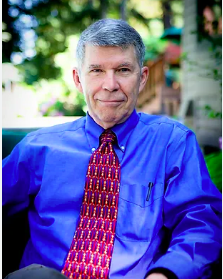
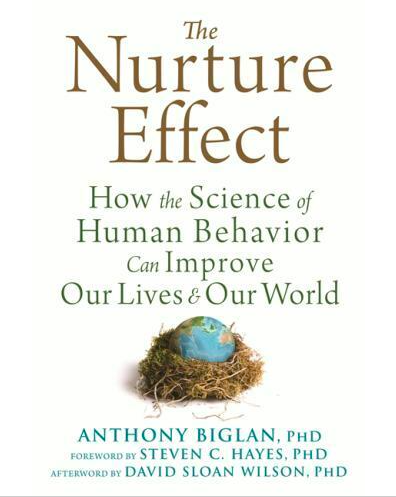
Speakers will include Cockhren, an expert on historical trauma in America, and author Tony Biglan, PhD, a Senior Scientist at Oregon Research Institute and the Co-Director of the Promise Neighborhood Research Consortium. Dr. Biglan has been conducting research on the development and prevention of child and adolescent problem behavior for the past 30 years. His books include, The Nurture Effect, How the Science of Human Behavior Can Improve Our Lives and Our World; and Rebooting Capitalism: How We Can Forge a Society That Works for Everyone.

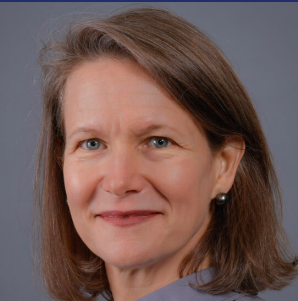
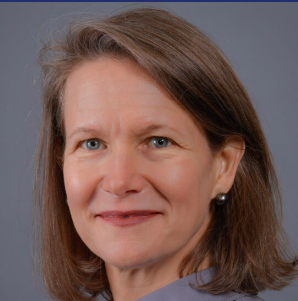
Screen Shot 2023-06-06 at 7.20.31 PMClare Anderson, MSW, Senior Policy Fellow at Chapin Hall at the University of Chicago, will share research on the economics of child abuse and neglect, and how some polices perpetuate poverty.

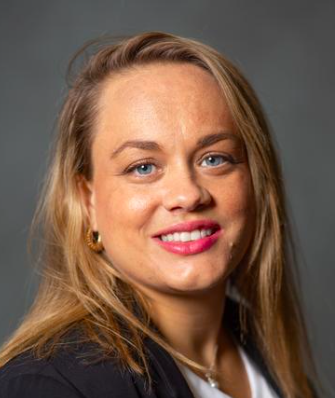
Screen Shot 2023-06-06 at 7.00.14 PMDeborah McNelis, M.Ed, author, The First 60 Days and The Neuro-Nurturing ® Interactive Packet Series for new parents, founder, Brain Insights will share what the workplace would look like if babies ran it!

Day 2: Change starts here: Toxic stress, burnout, and work life balance. We have to look at where we are  – as individuals – with toxic stress, burnout, and work life balance.  What are the lived experiences of people who’ve survived toxic workplaces? Racism on the job? Microaggressions for being LGBTQI? Loss of employment or income due to lack of quality affordable childcare? What are the lived experiences of people in places where new parents are given time off, and high quality childcare is state-sponsored, as is healthcare? How are states handling the mental health crisis and creating trauma-informed, inclusive workplaces? Is diversity, equity, inclusivity, and belonging work the solution?

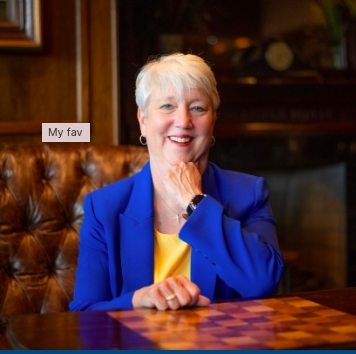
Screen Shot 2023-06-06 at 7.11.50 PMSpeakers will include Porter Jennings-McGarity, PhD, LCSW, PACEs Connection Director of Community Data + Continuous Quality Improvement and Trauma-Informed Criminal Justice Consultant, Alison Cebulla, Healthy Workplaces Consultant, and Becky Haas, internationally recognized advocate, trainer, and organizational coach on using a trauma-informed approach.

Guided by her direct practice experience in the child welfare system, Dr. Jennings-McGarity’s scholarly agenda includes empirical research related to secondary trauma and burnout in the child-welfare system, including co-authorship of a peer-reviewed research paper on compassion satisfaction published in the Journal of Social Service Research.

Screen Shot 2023-06-06 at 7.19.02 PMHaas is the co-author of  the Building a Trauma Informed System of Care Toolkit for the Tennessee Department of Children’s Services. It details a blueprint for creating community resilience, as featured in PACEs Connection, Growing Resilient Communities 2.1, and has been recommended as a “practical tool” in Johns Hopkins, Progress in Community Health Partnerships: Research, Education, and Action.

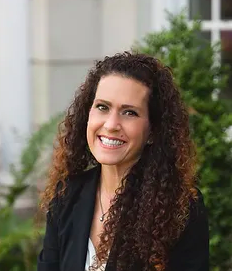
Screen Shot 2023-06-06 at 6.58.34 PMEmily Anne Vall, Ph.D. and executive director of Resilient Georgia, and Jenn Graham, founder and CEO of Inclusivv  will discuss how Resilient Georgia has created several tools, resources and opportunities that all partners can take advantage of to create a more trauma informed workplace culture and recognize secondary trauma and/or empathy fatigue.

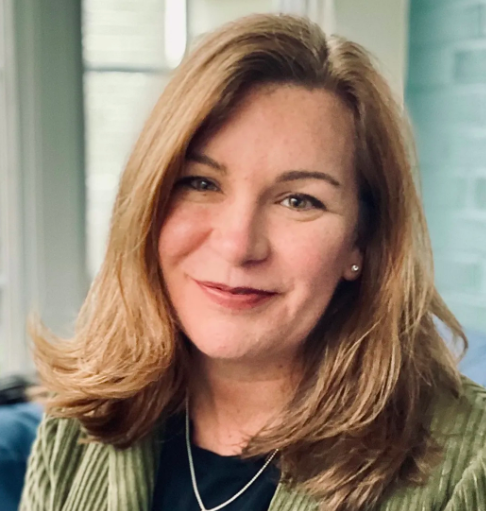
Screen Shot 2023-06-06 at 6.59.43 PM

Vall and Graham will also discuss ways  regional coalitions have bolstered this work through workplace training opportunities, leadership opportunities, and courageous conversations. They will also share more about the work of  Inclusivv across Georgia to embrace workplace culture and inclusivity.

Day 3: The Future of Work – Envisioning a healing-centered workplace and just society. Diversity, equity and inclusion, and health and wellness. What does work look like in a “Just Society”?  Do we value – or not value – the sacredness of work? How do we pay people what they’re worth? How do we ensure that people are able to do work they love? How will it be when all work is honored and valued, when all are assured an income that makes truly living – being able to afford the basics of housing, food, clothing, transportation, education, and healthcare as a given, but also earning enough to enjoy life’s pleasures of vacations, entertainment, free time? Will we actually be more productive? Can we create enough trust in the workplace to ask for empathy? Who is monitoring what organizations become trauma-informed, what does that mean, and how do we find out which workplaces are “Family Forward”?

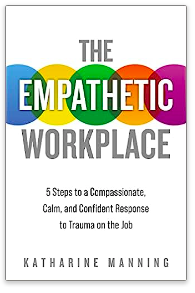
Screen Shot 2023-06-06 at 7.06.38 PMSpeakers will include Katharine Manning, author of The Empathetic Workplace, and Vernisha Crawford, CEO of theTrauma-Informed Institute, as well as Lisa Finaldi, Community Engagement Leader at the North Carolina Early Childhood Foundation, which recently began certifying “Family Forward” workplaces.

Manning has worked on issues of trauma and victimization for more than 25 years. As a senior attorney advisor with the Executive Office for United States Attorneys, for fifteen years, Manning guided the Justice Department through its response to victims in cases ranging from terrorism to large-scale financial fraud to child exploitation.

Screen Shot 2023-06-06 at 7.07.05 PMCrawford’s Trauma-Informed Institute certifies leaders as trauma-informed professionals to reduce workplace trauma and prioritize wellness. Her presentation will emphasize the non-negotiable nature of wellness in our lives, and how prioritizing our physical, mental, and emotional well-being impacts personal and professional success.

IMG_6635

Finaldi, Community Engagement Leader at the North Carolina Early Childhood Foundation, has led the charge on creating Family Forward NC, an initiative to “improve children’s health and well-being and keep North Carolina’s businesses competitive”.  The program is “employer-led change to increase access to research-based, family-friendly practices — big and small — that improve workplace productivity, recruitment and retention; grow a strong economy; and support children’s healthy development.”

At the end of each day’s presentations, a panel discussion with the speakers will give speakers and attendees alike the opportunity to make comments and ask questions.


For current and future sponsorship packages and other information, contact Carey Sipp, PACEs Connection, director of strategic partnerships, at csipp@pacesconnection.com.

Register here now for Healing Centered Workplaces: The Future of Work conference, taking place from noon – 5:00 p.m. ET, June 13 – 15. Tickets range from $150 for a single day to $399 for the full conference. Conference sessions will be recorded and offered for sale at a later date.

Attachments

Hide

Images (13)

Screen Shot 2023-06-06 at 7.10.55 PM: Ingrid Cockhren, PACEs Connection CEO
Screen Shot 2023-06-06 at 7.05.59 PM: Anthony Biglan, PhD
Screen Shot 2023-06-06 at 7.07.54 PM
Screen Shot 2023-06-06 at 7.20.31 PM: Clare Anderson, Senior Policy Fellow, Chapin Hall at the University of Chicago
Screen Shot 2023-06-06 at 7.00.14 PM: Deborah McNelis, M.Ed.
Screen Shot 2023-06-06 at 7.11.50 PM: Porter Jennings-McGarity, PhD, Director of Continuous Quality Improvement,  and Justice Consultant, PACEs Connection
Screen Shot 2023-06-06 at 7.19.02 PM
Screen Shot 2023-06-06 at 6.58.34 PM: Emily Anne Vall, PhD, Executive Director, Resilient Georgia
Screen Shot 2023-06-06 at 6.59.43 PM: Jenn Graham, Exclusivv
Screen Shot 2023-06-06 at 7.06.38 PM: Katharine Manning, Author, The Empathetic Workplace
Screen Shot 2023-06-06 at 7.08.15 PM
Screen Shot 2023-06-06 at 7.07.05 PM: Vernisha Crawford, CEO, Trauma Informed Institute
IMG_6635: Lisa Finaldi, Community Engagement Leader, North Carolina Early Childhood Foundation

The fourth leading cause of death in the US? Cumulative poverty [theguardian.com]

Carey Sipp Carey Sipp 6/26/232:19 PM

‘Cumulative poverty over many years is the fourth leading cause of death in this country.’ Photograph: Bryan Olin Dozier/NurPhoto/Shutterstock

By Reverend William Barber and Gregg Gonsalves, The Guardian, June 22, 2023

Can you name the top 10 causes of death in America? Without too much trouble, most Americans could likely come up with some of them: cancer, heart disease, stroke, accidents. But it would come as a surprise to many to know that poverty is right up there with these other dreaded scourges – much higher, in fact, than many ills that have inspired investigative committees, major policy investments and sustained attention from the public and private sectors in American life.

recent study by one of our colleagues shows that cumulative poverty over many years is the fourth leading cause of death in this country. Current poverty – just being poor right now – is seventh on that list, and it alone causes 10 times as many deaths as homicide, close to five times as many deaths as gun violence, and 2.5 times as many deaths as drug overdoses. Cumulative poverty that lingers year after year is associated with approximately 60% more deaths than current poverty, putting only heart disease, cancer and smoking-related deaths ahead in the number of Americans it kills.

But if this is true, why do we hear so much about crime rates, opioids and gun violence in America, but so little from our elected leaders about the crisis of poverty? Why is there no “Surgeon General’s Warning” on low-wage jobs? The relationship of poverty to disease and death is a well-established fact detailed in reports by the World Health Organization, the World Bank and our own government. But we as a people have become numb to the unnecessary deaths that are normalized by the ways we often think and talk about the economy in public life.

[Please click here to read more.]

Carey Smith Sipp

What Childhood Trauma Actually Does To Your Brain & How To Heal [mindbodygreen.com]

Carey Sipp Carey Sipp 8/3/232:01 PM

By Daniel Amen, Image: Chelsea Victoria/Stocksy, mindbodygreen health, August 2, 2023

Your childhood upbringing plays a major role in your brain development. If you grow up in a happy, functional home, it supports the developing brain. However, when you experience childhood trauma—such as the death of a parent, neglect, sexual abuse, or other traumatic incidents—it negatively impacts the way your brain develops. Sadly, this can have lasting consequences on your mental health and cognitive function.

What are adverse childhood experiences?

Adverse childhood experiences, or ACEs, continue to affect people in adulthood. Many adults with emotional issues don’t realize that the traumatic experiences from their childhood are at the root of their problems. And they certainly don’t understand that those incidents changed the way their brain functions, which further contributes to their ongoing mental health issues.

[Please click here to read more.]

Carey Smith Sipp

carey.pacescommunites@gmail.com

Views: 831

Add Comment

Carey SippCarey SippFormats 

javascript:””

Comments (1) 

Newest · Oldest · Popular

Mike FlaningamMike FlaningamMember

The neurobiology of ACEs doesn’t get discussed enough, so I appreciate this article. That said, I have a different perspective than the author’s, which has more of a pathologizing tone that I like. My Western medicine training is based on the model that the patient I serve has pathology and that they need me to fix them, often with medications, surgeries, or injections. I have used my more recent trauma-informed approach with the PACEs science education I’ve had to recognize that the person who was exposed early in life to too much adversity without enough support has a brain that adaptively develops in a way to make their body really efficient at responding to potential threats/stressors. This adaptation makes sense, given that babies are born to be experience-dependent in our development.  It also reframes the situation in a way that we now are appreciative of the body doing what it can to protect us, as opposed to “there’s something wrong with me”. A crucial additional point to make is that the traumatic world we all live in now is regularly triggering all of us, potentially more so in people whose brains are efficient at going into survival states.