Tag Archives: health

PACEs Connection Launches Sustaining Resilient Communities Initiative!

Carey Sipp Carey Sipp 10/17/2312:15 PM

Pilot is for DEIB professional development with Yolo County, California, Division of Health and Human Services

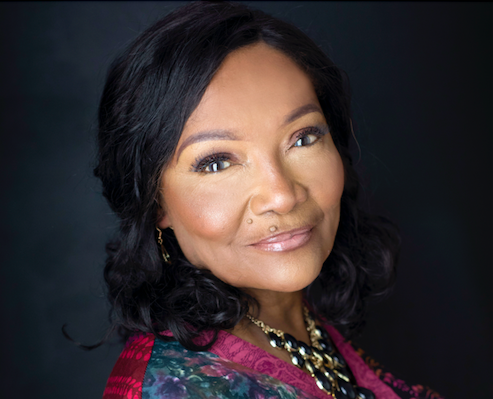
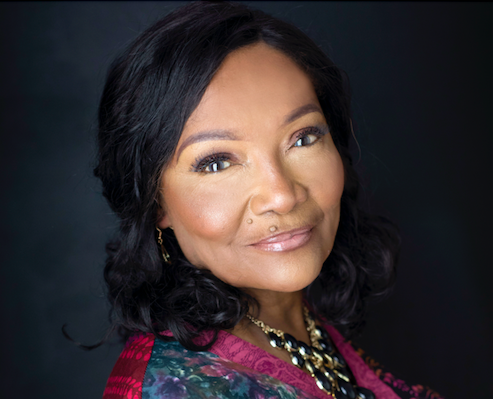
As the first phase of PACEs Connection’s consulting engagement with Yolo County, California, draws to a close, CEO Ingrid Cockhren is announcing the launch of the organization’s Sustaining Resilient Communities (SRC) initiative, expanding services to include consulting and professional development for counties, cities, corporations, and government agencies.

Screen Shot 2023-07-25 at 3.26.31 PM“We’ve branched into a  new area in supporting and sustaining communities by developing and leading a series of trainings for the Yolo County  Health and Human Services staff. The work began  in December 2022, to facilitate awareness building, capacity development, and operationalization of racial equity, diversity, inclusion, and belonging (DEIB), and trauma-informed principles in the workplace,” said Cockhren.

“We hoped to increase understanding of core DEIB and trauma-informed principles and to see a demonstrated commitment from staff to racial equity, DEIB, and trauma-informed practices. I’ve done this work for several years, in other roles, and it is good to offer it through PACEs Connection now, as we have the capability and experience. It fits in our overall strategy not only to serve our members in ways they’ve said they need help but in our efforts to expand the awareness beyond community organizations to state agencies, corporations, and other entities to support our goal of this being a worldwide movement. ” she added.
Screen Shot 2023-07-25 at 3.24.22 PMYolo County’s lead contact for the work, Tessa Smith, diversity, equity, and inclusion coordinator for the Health and Human Services Agency, would agree that the work is being achieved.

“We’re working with 760 employees in this training.  Some of them may be in the managerial track, and some of them may be in the general track. Success here will look like better leadership-to-staff relationships, better colleague-to-colleague relationships, better service and service outcomes, or treatment outcomes for the people we serve. From a trauma-informed approach we are learning not to assume or judge another person’s stories or experience by the chapter of their story we came in on,” said Smith.

The work has included a leadership track to help leadership identify and practice effective ways to talk about racial equity as well as intersectionality and privilege. PACEs staff also helped Yolo leadership learn about the role of trauma on the nervous system and practices and policies to help create a trauma-responsive workplace, and how to support racial equity practices come alive in the work across teams.

“Our hope was that we would generate empathy for each of us, in our own humanity, and then work a different way in a different way, stay in service to each other and the community. These ideas used to be only for behavioral health, but now it’s for everybody, the whole agency, and for anybody that does any business with us, that we have a shared language, a shared vision and shared goals,” said Smith.

She said it was important that the groups address communications issues that come from lack of knowledge and lack of understanding about “how we intersect as people, and about what should be everybody’s basic human rights.

“Any group has got its own history of trauma that they bring.  When we start talking about history, we knew it could be hard with leadership. That history was 400 years in the making, and people today need to understand this. So the historical trauma training for leadership was important,” said Smith.

Screen Shot 2023-07-25 at 3.27.40 PM“If anybody can talk about a hard subject and not have people running from the room screaming, it will be Ingrid (Cockhren) and Mathew (Portell, PACEs Connection director of education and outreach). We have plans to reinforce this training, because people need to hear things over and over again. So this needed to NOT be a ‘one and done training.’  We worked it out so that people would have a piece of this training every month, to keep it constantly in their thought processes,” Smith explained.

Smith says doing this training can be delicate work sometimes.

“It takes someone who has an understanding of what that feels like in a person’s body, mind and spirit, and that’s what you get from Paces Connection. You get that actual linkage back to somebody who can speak to the humanity of all of this, and that kept the conversations on the rails,” she said.

Smith also shared the challenges of this initiative.
Screen Shot 2023-07-25 at 3.30.29 PM“This is really hard work.  Facing history and ourselves can be jarring. I think organizations need to be prepared for the sensitivities of their staff because all staff are on a spectrum of what it means to be trauma- and DEIB-informed with some being prepared to do the work and some being pulled along reluctantly into the present and future,” Smith said.

“So our approach in our agency right now is that we have got to take care of ourselves in order to be able to give the best service to our clients and the people that we serve. That means being an inclusive space where everybody feels like they belong, where we appreciate diversity. And the way people show up is as a healthy and good team that’s being trauma informed,” she said.

Among other benefits of doing the work?

Smith says, “It’s helped us in recruiting. People hear we are doing this work and they are much more interested in wanting to work with us.”

The work has also included multiple sessions on trauma-informed care and psychological safety in the workforce, becoming anti-biased and culturally responsive, and exploring the historical trauma specific to Yolo County and surrounding areas.

PACEs Connection is also providing training videos on a number of topics including health, mental health, child welfare, education, criminal justice and other social determinants of health, the historical trauma of the region with regard to LGBTQI+, migrant workers, Native American peoples, immigrants, and refugees, and the Substance Abuse and Mental Health Services Administration (SAMSHA) trauma-informed principles and practices.

For more information about engaging PACEs Connection for DEIB work, please contact icockhren@pacesconnection.com

Attachments

Hide

Images (4)

Screen Shot 2023-07-25 at 3.26.31 PM: Ingrid Cockhren, CEO, PACEs Connection
Screen Shot 2023-07-25 at 3.24.22 PM: Tessa Smith,  Cultural Competence/Diversity, Equity, and Inclusion Coordinator for Yolo County Health and Human Services Agency
Screen Shot 2023-07-25 at 3.27.40 PM: Mathew Portell, PACEs Connection director of education and outreach
Screen Shot 2023-07-25 at 3.30.29 PM: Official Seal of Yolo County, CA

Carey Smith Sipp

carey.pacescommunites@gmail.com

👍 3❤️ 2 

Parenting with ACEs; Healing Historical and Intergenerational Trauma on History. Culture. Trauma. Thursday at 1 p.m. PDT

Carey Sipp Carey Sipp 10/17/233:27 PM

Candice Valenzuela, whose 2022 podcast was among the most popular episodes last year,  joins  hosts Ingrid Cockhren, PACEs Connection CEO, and Mathew Portell, director of education and outreach, this Thursday at 1 p.m. PDT; 4 p.m. ET,  to discuss the importance of healing intergenerational trauma.

“How can parents ensure that generational issues do not continue to impact future generations?” is one of the questions to be addressed in this live episode.

“This topic is especially important for parents who have a background of historical trauma, including slavery, and genocide,” said Cockhren.

Screen Shot 2023-09-19 at 4.13.41 PMValenzuela’s last episode focused on self-care and minority mental health, and addressed  how, according to Cockhren, “Self-care has become a buzzword when discussing solutions to the mental health crisis in BIPOC communities.”

Valenzuela, who describes herself as a “parent, a pet owner, a friend, a survivor, a geek, and a nature lover,” says, “I have learned that no professional titles will ever reflect all of who I am or my worth. I strive to be human before I strive to be a worker. I identify as Black, Indigenous, Queer and working-class allied.

“Professionally, I have been working at the crossroads of education, justice and community healing for 16 years. I have extensive experience in mindfulness, trauma informed care, anti-oppressive practices, cultural competency, liberatory education and youth empowerment,” she adds.

Valenzeula holds a bachelor’s degree in humanities, an master’s degree in East-West psychology, a masters’ degree in counseling psychology, and a 200-hour certificate in mindful yoga through the Niroga Institute.

Tune in here live Thursday at 1 p.m. PDT; 4 p.m. ET, or visit your favorite podcast provider for this and prior episodes.

Show Links

EXCITING NEWS – PACEs Connection is BACK!

Carey Sipp Carey Sipp 10/13/248:31 PM

Former PACEs Connection employees Dana Brown (L) with Vincent Felitti, MD, co-author of the 1998 Adverse Childhood Experiences study, and Carey Sipp (R) in San Diego in January, 2024.

The last few months have been quite challenging, but we pushed, persevered, and didn’t give up hope.

The “we” is Carey Sipp and Dana Brown. We were long-time staff members of PACEs Connection determined to reinstate the website and the resources and information we provide to communities after the platform went dormant in April when our funding stream dried up.

We both vowed to do whatever we could to keep PACEsConnection.com from slipping away because imparting information about the lifelong effects of positive and adverse childhood experiences and ways to promote nurturing conditions for children, families, and communities is too important to leave to chance. So over the last six months, we’ve spent countless hours working to keep the site and the organization alive.

With encouragement and support from two key organizations—National Prevention Science Coalition to Improve Lives (NPSC) and PACEs Connection’s former fiscal sponsor, Third Sector New England (TSNE)—as well as from many individual supporters—PACEs Connection’s doors are again open!

Our new mission-aligned home!

Screen Shot 2024-10-13 at 12.06.05 PM“We understood the importance of PACEs Connection to have a nonprofit organizational home with similar goals under which it could operate and bring in funding to continue its work,” Diana Fishbein tells us. Dr. Fishbein is founder and co-director of NPSC.

“NPSC and PACEs Connection had worked well together on several projects over the last couple of years, so having PACEs Connection become a division of NPSC made perfect sense,” Dr. Fishbein added.

Screen Shot 2024-10-13 at 12.06.21 PM

(Graphic is an example of our work together on the 2022 webinar series on Building a National Movement to Prevent Trauma and Foster Resilience. To access invaluable resources from the series, click here!)

As its website shows, NPSC is “a professional organization dedicated to translating scientific knowledge from the field of prevention science into effective and sustainable practices, systems and policies.”

Among the 70+ organizations affiliated with NPSC is the Campaign on Trauma Informed Policy and Practice (CTIPP), with which PACEs Connection has partnered for several years to advance the trauma-informed movement.Screen Shot 2024-10-06 at 4.15.50 PM

“We are thrilled that Jesse Kohler, who sits on the NPSC board and is executive director of CTIPP, will be the board liaison with PACEs Connection,” Dr. Fishbein adds.

We are happy and grateful to continue the work with CTIPP and Jesse Kohler, too!

We welcome back our 60,900 members engaged in the important work to prevent ACEs and promote health and wellbeing!

Please feel free to start posting again! Let the PACEs world – and us – know what you’ve been up to. (Posting instructions and trauma-informed community guidelines remain the same.)

Amidst the celebration of being back, we must also share this reality: We’re not out of the woods yet.

Our previous fiscal sponsor (TSNE) is kind enough to keep the social networking platform that drives PACEsConnection.com running until November 11. By November 5 (allowing time to process funds), we’ll need nearly $15K for PACEs Connection to stay afloat until March 31, 2025.

We’ve already heard from prior donors that they are ready to support the cause but we need more. The donor button is accessible here! Know, too, that your donation is tax deductible, as NPSC is a federally-recognized 501 (c) (3) non-profit organization.

Also, several content contributors we’ve alerted are planning and preparing posts to gin up support for PACEs

Dr. Lori Dorfman, director of the Berkeley Media Studies Group, a project of the Public Health Institute, was delighted to hear news of PACEs Connection’s revitalization, and is eager to see the network continue to grow and thrive.

“BMSG has conducted research on media portrayals of ACEs science for many years. BMSG found that the number of (ACEs) stories increased dramatically after 2012 – the year science journalist Jane Stevens founded the social network comprising ACEs Too High and ACEs Connection – especially in local and regional news outlets, even though the number of stories was low compared to other topics, particularly considering how impactful ACEs are,” said Dr. Dorfman.

Screen Shot 2024-10-09 at 12.14.46 PM


As we think about new blog posts and resources to add to our Resource Center, the research on media coverage and subsequent studies are on the list to help show how important news coverage is to expanding awareness of the science.

Every blog post our members share on social media helps build awareness of the need to prevent and heal trauma; to foster resilience.

Support, patience, and some of what’s ahead!

You can support PACEs Connection today by making an online donation here, or mailing a check made out to the National Prevention Science Coalition to Improve Lives – with “PACEs Connection” on the memo line – in care of Dana Brown, 4364 Bonita Road, PMB322, Bonita, CA 91902. To make a wire transfer or other type of gift, please email Carey Sipp at carey.pacescommunities@gmail.com to receive NPSC’s wire transfer or other electronic funds transfer information. No amount is too small!

We ask you to be patient with us as we update our social networking site. There are broken links and scores of communities with new leadership. We’ve also been working on a business and sustainable funding plan so we can overhaul the site, be paid for our efforts, and hire staff as needed.

We are determined to continue to raise awareness of the impacts of adverse and positive childhood experiences. The benefits of preventing trauma and increasing positive experiences must be considered in all of our decision making, especially by parents, educators, child-serving entities, and policymakers. All organizations, including those in healthcare, business, education, childcare, and all levels of government, need to be aware of the causes and effects of trauma and well-tested approaches to prevent it.

Dr. Fishbein agrees: “We are excited about the opportunity afforded us to play a role in keeping this vitally important social network—the primary source of news and connection in the trauma prevention community—online and leveraged to further the movement to prevent trauma and build resilience.”

For more information about the origins of PACEs Connection and the history of the relationship between Vincent Felitti, MD, co-author of the 1998 Adverse Childhood Experiences Study, and Jane Stevens, founder of PACEs Connection, please click here or visit our History of PACEs Connection.

Attachments

Hide

Images (4)

Screen Shot 2024-10-13 at 12.06.05 PM: Diana Fishbein, PhD, president and co-director, The National Prevention Science Coalition to Improve Lives
Screen Shot 2024-10-13 at 12.06.21 PM: (Example of work together from 2022) CTIPP, NPSC, and PACEs Connection hosted a national webinar series together over the course of five months in 2022.
Screen Shot 2024-10-06 at 4.15.50 PM: Jesse Kohler, executive director of the Campaign on Trauma-Informed Policy and Practice
Screen Shot 2024-10-09 at 12.14.46 PM: Chart showing increase of media mentions of ACEs before and after launch of ACEs Connection and ACEsTooHigh.com, by PACEs Connection founder and former publisher Jane Stevens in 2012.

Carey Smith Sipp

carey.pacescommunites@gmail.com

Sign on now to support the “Decade of the Child” movement led by the National Prevention Science Coalition to Improve Lives (NPSC) and partnering organizations

Carey Sipp Carey Sipp 10/24/244:02 PM

Screen Shot 2024-10-24 at 8.10.50 PMA movement to motivate the incoming administration to proclaim the next 10 years as the DECADE OF THE CHILD is being led and launched by the National Prevention Science Coalition to Improve Lives, (NPSC) with support from PACEs Connection and a growing list of research, public, behavioral, and mental health-oriented organizations, as well as nonprofits supporting child advocacy, policy, and social justice.

Screen Shot 2024-10-24 at 8.12.08 PM“Our nation is failing its children. Despite our economic power, millions of children in the United States face grim realities. We need an unprecedented mobilization—a comprehensive, coordinated strategy to prioritize the health and well-being of every child in America, said Diana Fishbein, PhD, founder, president, and co-director of NPSC, in announcing news of the movement.

“We will seek congressional support for both policy change and dollars to be allocated to the National Institute for Health (NIH) for whole child health and wellbeing research, and are launching the movement to unite people, organizations, and agencies to mobilize an unprecedented national movement. We are working to end the deficiencies and disparities in child health and wellbeing, and  envision future generations of happy, healthy, and productive children and adults” said Fishbein.

A general description of the initiative can be found on the NPSC website. NPSC intends to invoke the same process used to proclaim the Decade of the Brain in the 1990s.

“We would like to be able to document widespread support for creating this movement. Your organizational and individual endorsement could make a critical difference. Our list of supportive organizations, foundations, societies, and individuals is rapidly growing, which is a heartening sign. We would love to see as many of the almost 61,000 individual members of PACEs Connection sign on as possible,” said Fishbein.

“Our hope is that you will indicate  your individual support and possibly also that of your organization for the Decade of the Child on our website. We are not asking for money; we just want to marshal the power of organizations, institutions, foundations, communities, and individuals to spread the word about the value of this initiative, so please repost this PACEs Connection story using the social media icons below the post” Fishbein said.

Screen Shot 2024-10-24 at 8.11.23 PMOrganizations may also customize a request for individual members to endorse the movement by using materials on the NPSC site. They may also send out a more generic request if desired.

“It is past time for the ‘Decade of the Child’ as too many of our children are suffering. We need all people concerned about the health and wellbeing of our nation’s children to be involved in bringing others on board to help,” said Fishbein.

Organizational endorsements will be updated frequently on the NPSC website. They are, as of October 23, 2024

  • Pacific Institute for Research and Evaluation (PIRE)
  • Applied Prevention Science International
  • Integrated Care for Kids/InCK Marks Network
  • HEDCO Institute for Evidence-Based Educational Practice
  • Association for Positive Behavior Support (APBS)
  • itotheN | Intergenerational Impact
  • Positive Childhood Alliance North Carolina
  • Institute for Research and Development “Utrip”
  • Partnership to End Addiction
  • Blueprints for Healthy Youth Development
  • Campaign for Trauma-Informed Policy & Practice
  • Center for Whole Health Learning in K-12
  • Association For Behavior Analysis International
  • Nova Institute for Health
  • Global Alliance for Behavioral Health & Social Justice
  • PACEs Connection
  • Society of Behavioral Medicine

For more information, please visit https://www.npscoalition.org/p…/decade-of-the-child

Learn how to bring “Neuro-Nurturing®” to your community! Free webinar with neurodevelopment and public health experts Friday, January 10 from 3-4 p.m. EST

Carey Sipp Carey Sipp 1/7/259:14 PM

REGISTER now and plan to join us Friday, January 10, 2025 from 2:00-3:00pm CTResearch on investing in early childhood development shows it to be the most influential, productive, and cost-effective strategy for establishing children on a path to strong self-regulation, well-developed executive function, and lasting resilience that will improve, in countless ways, their lives across the lifespan.”The first three years of development, and especially the first two or three months, are incredibly important for secure attachment and neurodevelopment,” said Bill Barberg, co-creator and lead organizer of a series of webinars on creating a Neuro-Nurturing® Ecosystem in your community.Screen Shot 2025-01-07 at 10.51.53 PMBarberg’s Population Health Learning Collaborative, with initial partners Deborah McNelis of Brain Insights and Carey Sipp of PACEs Connection, is teaming up with a growing coalition to simplify, accelerate, and support the journey of creatingNeuro-Nurturing® Ecosystems to help communities establish lasting connection and ongoing supports for pregnant women and new mothers, caregivers, and families with newborns.The growing number of organizations supporting the webinar series currently includes:NPSC – The National Prevention Science Coalition to Improve LivesPACEs ConnectionCTIPP – The Campaign on Trauma-Informed Policy and PracticeCAHMI – The Child and Adolescent Health Measurement InitiativeDecade of the Child – a national research and policy agenda focused on whole child health and wellbeing.REGISTER now and plan to join us Friday, January 10, 2025 from 2:00-3:00pm CT*This briefing will be recorded and sent to all registrants.Register now to learn ways to co-create and implement powerful upstream strategies to improve the education, health, wealth, and health equity of your community.     “We’re presenting a long-term strategy that can be done with many small steps by different organizations, with many of wins along the way,” said Barberg.”Our goal in this series of webinars is to share plans and resources so communities can build on the work of neurodevelopment experts, advocates, and leaders in practices and policies with regard to infants, child welfare, and families. We will help community leaders to take advantage of resources that you can add to this this high-impact approach to improve equity and positive early development outcomes,” Barberg explained.To support this effort to raise awareness of the importance of early relational health, and to learn ways to support early relational and optimal neurodevelopment in your community, please register now, and then please share information about the webinar with your colleagues.Plan to spend an hour on January 10th (or whenever you have time to watch the recording) to learn more about creating a Neuro-Nurturing® Ecosystem in your community.Building community and corporate support can improve the lives of new parents and caregivers, help their infants — your newest citizens — benefit from optimal early brain development, which pays health, mental and emotional health, and other dividends across the lifespan.Barberg says he expects most communities learning about the ecosystem will focus on building awareness and buy-in for the strategy during 2025 so they can be positioned for accelerating and expanding their positive impact with actual programs and events in 2026 and beyond.”The most critically important action we can take for pregnant and new parents and their precious newborns is to learn and share this information in hopes of reducing stress in the lives of new parents, increasing their ability to nurture and create the most brain-healthy start possible for their new baby. Starting this program, creating ways to track impact and scale it, will have terrific lasting impact for infants, parents, educators, and all who’re dedicated to supporting the best outcomes possible,” said Barberg.Here are three social media posts to help you spread the word:LinkedIn PostFacebook PostInstagram Post
This webinar is the first in a series of several webinars that will feature respected experts in early childhood development. Presenters (and collaborators) for the series will include:Christina Bethell, Ph.D., Professor at the Johns Hopkins Bloomberg School of Public Health and Founding Director of the Child and Adolescent Health Measurement Initiative.Diana (“Denni”) FishbeinPh.D., Senior Scientist, Franklin Porter Graham Child Development Institute at UNC-Chapel Hill, President & Co-Director of the National Prevention Science Coalition to Improve Lives.George Halvorson, Chair and CEO of the Institute for InterGroup Understanding; former CEO of six different health care delivery and financing organizations in the U.S. including Kaiser Permenente, where he served as chairman and CEO for more than 10 years. Author and child advocate.Deborah McNelis, M.Ed, early brain development expert, creator of the Neuro-Nurturing® model, author of “The First 60 Days” and the Neuro-Nurturing® series of developmentally appropriate ringed activity books loved and in use worldwide.And many more.Register for this first webinar and you’ll be invited to the subsequent ones in the series.

TODAY! Register now for Advancing Neuro-Nurturing Webinar March 14.

Carey Sipp Carey Sipp 3/14/2510:30 AM

Please join top researchers and leaders in the movement to create Neuro Nurturing Ecosystems in support of maternal, infant, family and community health TODAY, March 14th, for an information-packed webinar co-sponsored, in part, by PACEs Connection and its fiscal sponsor, the National Prevention Science Coalition.REGISTER now to attend this free webinar, the second in a series that has received scores of five-star reviews.National leaders in early relational health, health equity, and more will share on the importance of Neuro-Nurturing infants to support positive pathways to health and wellbeing and preventing and healing trauma. We will also hear the latest on the Black Birthing Initiative led by Creating Healthier Communities (CHCImpact.org)This webinar shares valuable information on practical strategies for community coalitions to be part of a national (and international) movement that can influence the health and wellbeing of a population of healthier babies across the lifespan.Click to below to learn more about the expert presenters and webinar details.

Compelling research indicates that improvements in infant neurodevelopment and Early Relational Health (ERH) could reduce the need for massive amounts of future spending on healthcare, mental health services, and programs related to poverty or crime.

“Everyone wins when infants are nurtured in the environments and with connections that help them develop self-regulation, executive function, and the precursors to literacy and more advanced learning,”said Bill Barberg, longtime international public health consultant and lead coordinator of the series.“This webinar will share insights from top researchers and strategists about practical actions we can take to help individuals, neighborhoods, and communities adopt a wide range of Neuro-Nurturing practices and supports.
“Now is the time to put the science we’ve learned into practice at the scale we need to improve the wellbeing of today’s infants and the future’s adults,” said Barberg.”Communities supporting pregnant women and new parents and caregivers in these natural, loving practices can help create entire populations of babies whose brains are nurtured for optimal health and development across the lifespan,” Barberg added.
Friday, March 14th, 2025 | 3:00 PM – 4:00 PM Eastern TimeREGISTER *This briefing will be recorded and sent to all registrants.**While it is not necessary to view the first webinar in the series to get the value from this second webinar, we encourage you to view the recording from January 10th.

Carey Smith Sipp

carey.pacescommunites@gmail.com

Neuro-Nuturing: Advancing Powerful Strategies for Lifelong Health and Black Birthing and Decade of the Child Initiatives webinar Thursday, Noon ET.

Carey Sipp Carey Sipp 5/20/251:07 AM

Can a 10-minute-old-baby actually learn something?

Can such a new and tiny being figure out “I’m like you and you’re like me?”

Beatrice Beebe, PhD, Columbia University and New York State Psychological Institute psychologist, shares research showing that babies can imitate expressions at 10-minutes-old!

“Early infancy is a critical developmental period,” says Dr. Beebe.

We’ll be sharing more of her video and wisdom in our Neuro-Nuturing: Advancing Powerful Strategies for Lifelong Health and Black Birthing and Decade of the Child Initiatives webinar this Thursday!

Join us May 22 from Noon – 12:30 p.m. ET for this free CHC: Creating Healthier Communities CHC University webinar featuring internationally-recognized subject-matter experts in early relational health.

Please click here to secure your registration.


🌎 How important is this information to the health of your organization? Your community? Our nation? The world?

🧠 How can learning more about how a baby’s brain develops help you and your team create healthier communities?

💕 Join us and learn how and why early relational health is the foundation of emotional, mental, and physical health and wellbeing — for improved lifelong health and wellbeing — and how an infant’s experiences literally shape the architecture of his or her brain for future trust, curiosity, ability to connect and relate, or, conversely, be more likely to experience fear, mistrust, and isolation.

We’ll also explore strategies for your organization, faith community, health care system, child- and family-serving organization to create and leverage “Neuro-Nurturing Ecosystems”, and engage more fathers in the birthing journey and early relational health.

Register now for this free webinar brought to you by CHC: Creating Healthier Communities in cooperation with Population Health Learning Collaborative and PACEs Connection.

“This webinar emphasizes proactive Neuro-Nurturing as a vital intervention for infant neurodevelopment and early relational health,” said Deborah McNelisM.Ed., author of “The First 60 Days: The Most Influential Days of Infant Brain Development”, who will highlight how early experiences shape lifelong health. Curated videos by Beatrice Beebe, PhD, Psychologist at Columbia University Department of Psychiatry and New York State Psychiatric Institute, will be shared  — including one of a 10-minute old infant already mimicking his father —  demonstrating the the importance of parent-infant attunement.

Screenshot 2025-05-13 at 4.10.31%u202FPM

In a proven example of scaling successful strategies for maternal and child health, Demetrius GeigerMPH, program manager for CHC: Creating Healthier Communities (CHC), will share about the impact of CHC’s Black Birthing Initiative.

Christina BethellPh.D., MBA, MPH, the Director of the Child & Adolescent Health Measurement Initiative (CAHMI) and public health professor at Johns Hopkins University will share frameworks and tools such as the Well Visit Planner, that show how to integrate Neuro-Nurturing and Whole Child Health Policy into healthcare systems across a state.

Screenshot 2025-05-13 at 4.26.30 PMDiana Fishbein, PhD,Nova Scholar, Nova Institute for Health; Senior Scientist, Frank Porter Graham Child Development Institute, University of North Carolina-Chapel Hill, and founder, president, and co-director of the National Prevention Science Coalition to Improve Lives, (NPSC), will share updates on THE DECADE OF THE CHILD initiative, a call for the “transformational change our children need that can be achieved by comprehensively supporting our families and communities through collaborations across all sectors of society.”

Screenshot 2025-05-13 at 4.11.08 PM

Bill Barberg, population health and system change expert, will share valuable approaches to implementing pragmatic, collaborative strategies for achieving positive impact at a community scale, highlighting strategies for engaging fathers in Neuro-Nurturing. Barberg is also founder of the Population Health Learning Collaborative.

Screenshot 2025-05-13 at 4.28.24 PMJoshua Liston Zawadi,founder of Dad Doula University, will share his approach for engaging fathers in the birthing journey and in supporting early childhood development.

The webinar will be moderated by Carey Sipp, webinar convener, director of nonprofit partnerships for CHC: Creating Healthier Communities, and volunteer director of strategic partnerships for PACEs Connection.

“This webinar promises to engage participants with expert insights and actionable strategies. We are thrilled to have assembled these nationally recognized leaders dedicated to early relational health, systems change, and child and parent advocacy for this event,” said Sipp.

Please click here to secure your registration.

Attachments

Hide

Videos (1)

copy_721DA2A1-6481-4604-8DFA-26520289991F

Jane Stevens Dies at Home Following Return of Brain Cancer 

Carey Sipp Carey Sipp 1/10/261:00 AM

(Note: This brief obituary was lovingly crafted with the support of Cherie Porter, Jane Ellen Stevens’ closest long-term friend; Dana Brown, one of the first employees of what became PACEs Connection; and Lori Dorfman, DrPH, MPH, director of the Berkey Media Studies Group, Jane’s friend with whom she taught and worked.)

Jane Ellen Stevens, beloved friend, award winning science journalist, and founder and publisher of ACEsTooHigh.com and PACEsConnection.com, died gratefully at her home in Northern California on Sunday, November 30th, in the company of her four cats and friend of 45 years, Cherie Porter.

Jane Stevens and Cherie Porter in the wilds of Borneo when Jane studied orangatangs

Jane lived an active engaged life for seven years after her initial diagnosis of glioblastoma in 2018, followed by surgery, chemo, and radiation. In February of this year a second tumor foretold the inevitable, ultimately leading Jane to choose a “self-administered assisted death”, an end of life option in California.

Friends and colleagues were informed within the hour through the following message from Cherie:

The vivacious, wholly unique, and luminous star we have known as Jane, was extinguished at 12:00 p.m. on this day. She felt your love deeply, reflected love back, and was completely at peace.

Jane was born August 23, 1948 in New Jersey. Her career as a science journalist spanned nearly five decades and touched millions of lives world-wide through articles and stories in newspapers, magazines, videos and podcasts. Among others, she wrote for the Boston Globe, the San Francisco Examiner, the magazines ScienceNatureNational GeographicTechnology Review, and the Los Angeles Times Magazine. She pioneered video journalism for New York Times TV and founded a health/science/technology feature service with more than 20 client news organizations worldwide.

As a multimedia journalist, Jane reported for Discovery Channel. At UC Berkeley’s Graduate School of Journalism, she helped found the multimedia reporting track, did groundbreaking work reporting on the prevalence and impact of domestic violence, and taught master classes for journalists on the importance of including in stories how exposure to trauma affects the epidemiology of violence.

Struck by the significance of findings in the 1998 Adverse Childhood Experiences (ACE) Study published by Kaiser Permanente and the Centers for Disease Control, Jane started writing about the study in 2005, with a post in the Sacramento Bee, “Targeting obesity at its roots: Childhood trauma may be at the core of the epidemic of overweight adults”. (As Jane was not a staff journalist at the Sacramento Bee, that post is not available in the publication’s online library.)

In 2009, Jane founded ACEsTooHigh.com, a news site for journalists and the general public. On this site she ultimately reposted the 2005 story which featured Dr. Vincent Felitti, co-principal author of the 1998 ACE Study, under the headline, “The Adverse Childhood Experiences Study — the largest, most important public health study you never heard of — began in an obesity clinic.” This article was among many of Jane’s ACEs Connection and then PACEs Connection posts that “went viral”, was picked up by news services, and generated hundreds of thousands, if not millions, of page views, helping increase awareness of ACEs Science. It also launched a two-decade, mutually respectful friendship between Jane and Dr. Felitti, the beginning of what would become the ACEs Science movement.

In 2012 Jane launched ACEs Connection.com, a social network comprising ACEsTooHigh.com and the ACEs Connection community of practice. ACEs Connection grew it from 200 members to some 60,000 members before Jane stepped down as its CEO in 2023.

Today, the site has more than 62,000 members worldwide, some 400 geographic sub-communities, and more than 40 topic-focused communities. There are 17 international communities represented on the site, with new members joining daily. Jane had launched ACEs Connection in part with an invitation email sent to 200 addresses from Dr. Felitti’s contact list.

Early on, Jane wrote of the work to make information about ACEs science more widely known:

The intent was to inform people, organizations, and communities about a new understanding of human behavior that had been emerging since the 1980s. It was clear that this new knowledge had the potential to solve our most intractable problems. The network was designed to connect the pioneers who were integrating trauma-informed and resilience-building practices based on ACEs science across sectors. This included pediatricians, educators, business owners, judges, community activists, people participating in associations, people working in juvenile justice, social workers, people in the faith-based community, emergency medical technicians.

In 2021 Jane drove the name change from ACEs Connection to PACEs Connection, denoting the significance of both positive and adverse childhood experiences.

Remarkably, even after her diagnosis of glioblastoma, the most aggressive form of brain cancer, in February of 2018, Jane continued to live life to the fullest. She remained committed to caring for her friendships and her cats, experiencing the gifts of nature, exercising body and mind, and writing.

In October 2018, eight months after recovering from brain surgery, chemo and radiation, Jane hosted the second international ACES Conference, co-hosted by Dr. Nadine Burke Harris, then of the Center for Youth Wellness, engaging and connecting hundreds of individuals from around the world. This was the second such international conference, the first being in 2016.

In 2025, following the recurrence of glioblastoma, her second brain surgery, and the prescribed treatments, Jane said she was fortunate and grateful that California was among the 11 states that allow and support self-administered assisted dying, also referred to as medical aid in dying, and death with dignity.

(This practice is strictly regulated by the laws and rules of the state or country in which a person lives, but holds to the concept of the medical right to die; the right of a person to choose when and how they will die, either through medical aid in dying [a physician’s assistance limited to writing a prescription for a lethal dose of drugs], or by refusing life-saving medical treatment.)

We invite you to share your thoughts and remembrances of Jane; how she herself influenced you, or how her efforts to raise awareness of the effects of toxic stress and the protective attributes of positive experiences benefitted your life or the life of those you love.

We plan to post a more detailed obituary in the near future.

Please share your memories by completing the Google form available at this link,Google Form for use in honoring Jane Ellen Stevens, being careful to note it if you want your comments to be posted anonymously.

We have received inquiries from people wanting to remember Jane and organizations she endorsed with a gift in her honor. One journalism nonprofit she worked with and supported is the Institute for Nonprofit News. You can also remember Jane with a tax-deductible gift to support the revitalization of PACEs Connection here.

Co-Directors of PACEs Connection Dana Brown and Carey Sipp are organizing a live on Zoom, Celebration of the Life and Work of Jane Stevens, to occur in mid-January 2026. Watch for this announcement in the next several days.

For more information, please contact:

Dana Brown dana.pacescommunities@gmail.com or

Carey Sipp carey.pacescommunities@gmail.com

Photos of Jane through the years are below. More will be shared in a later, more expanded obituary and on a “memory wall” to be built with the support of those who share photos and memories of Jane using the Google Form for use in honoring Jane Ellen Stevens.

The “Legacy.com” obituary running in The San Francisco Chronicle through December 21, 2025, can be found here, if you would like to comment on it.

For those who would like to read several of Jane’s most memorable posts on PACEs Connection and other news outlets, a curated selection is shared below. If there are others you’d like to see added to the list, please share them in the comments below and we’ll review and add them as time permits.

IMG_4668
Screenshot 2025-12-08 at 8.31.23 AM
IMG_8310

IMG_7135
IMG_8338
IMG_6440
Screenshot 2025-12-08 at 8.33.59 AM
IMG_8178
IMG_8176

Attachments

Hide

Images (11)

Jane Stevens and Cherie Porter in the wilds of Borneo when Jane studied orangatangs: Jane and Cherie
IMG_4668: Jane Stevens and Cherie Porter
Screenshot 2025-12-08 at 8.31.23 AM: Jane in San Diego for the Youth Leadership Conference where she met Dana Brown
IMG_7135: Jane Stevens at Mobilizing Action for Resilient Communities meeting
IMG_8310: Jane and Dr. Vincent Felitti at the 2018 ACEs Conference
Screenshot 2025-12-07 at 9.30.15 PM: Jane at 2018 ACEs Connection staff retreat
IMG_8338: Jane with one of her beloved cats
IMG_6440: Jane with ACEs Connection Staff retreat in 2018
Screenshot 2025-12-08 at 8.33.59 AM: Carey Sipp and Jane Stevens at the ACEs Staff Retreat, 2018
IMG_8178: Jane at her home Sunday, November 30, 2025
IMG_8176

Carey Smith Sipp

carey.pacescommunites@gmail.com

❤️ 10🙏 3 

Thinking of all of us working to prevent and heal trauma; build resilience and child flourishing.

Carey Sipp Carey Sipp 1/23/265:52 AM

IMG_8762

A personal note:

Thank you, leaders and members of resiliency task forces, PACEs communities, and people just discovering the connection between childhood trauma and positive experiences and life outcomes, for helping raise awareness of the vital and undeniable connection between positive and adverse childhood experiences and lifelong health consequences of both.

Thank you to all who keep sharing ACEs science, who keep sharing the science of positive and adverse childhood experiences (PACEs). Who keep reminding people that what is predicable is preventable. And that child flourishing, too, is possible.

We know those positive experiences of belonging, feeling safe, being in a safe, stable, nurturing environment, feeling as if someone in your family has your back, having friends, experiencing community traditions, having two people other than one’s parents — that these are among the positive childhood experiences that help counter the adversity. And can help prevent adult mental illness.

Thank you to all the PACEs Connection members and community leaders who keep speaking truth to power about the science. The 1998 Adverse Childhood Experiences Study and the 2019 study on the impact of positive childhood experiences on adult mental health. And for those also promoting the 2018 study Bruce Perry, MD, PhD, MPA, did on the TIMING of ACEs, and how important consistent nurture is, especially the first two months of life, to infant brain development and laying a foundation for optimal brain development. Truly, early relational health is foundational to lifelong health and wellbeing.

Times are terrifying, sad, outrageous, exasperating, and more, to say the least. And yet I know so many leaders of resilient communities who are keeping their meetings going. Adding members to their task forces, taking on new projects to go way the heck upstream to prevent and hopefully heal trauma; to bring positive experiences to their communities by supporting pregnant and newly delivered women, families, schools, people across the lifespan.

This is a personal thank you. We see you. We love seeing you post in your communities and share about your meetings, plans, programs.

Thank you. Your sharing these lights inspires others. And may well be the single act of kindness that prevents or helps begin healing, or helps set someone toward nurturing a child or family. Or community.  

Thank you. It has been a hard, hard couple of years, for myriad reasons including the loss of dear friends, mentors, leaders.

Thank you for keeping the work going. Thank you. Thank you to fellow volunteer co-director of PACEs Connection Dana Brown, and our fiscal sponsor and partners at National Prevention Science Coalition to Improve Lives, Diana Fishbein, PhD, and Jess Bair. Thank you to Alliance Practice Partners who continue to advise and help guide the work, and beloved donors, who we will name in full soon and who include Dr. Jamie Huysman of STAR Network Foundation; Harriet Stein, MD; The Parallel Foundation; Jeoffry Gordon, MD; The Langeloth Foundation and many more, who, again, will be named soon in a formal thank you.

Carey Sipp

Volunteer Co-Director

PACEs Connection

Vincent J. Felitti, MD, Co-Principal Investigator of the Landmark ACEs Study, Receives Prestigious STAR NeuroLeadership Award

Carey Sipp Carey Sipp 4/5/2612:00 PM

Felitti and Co-Principal Investigator Robert F. Anda, MD, to Be Celebrated at May 22 Virtual Global Summit Marking Nearly 30 Years of Adverse Childhood Experiences Science

Nearly three decades after publishing one of the most consequential public health studies in American history, Vincent J. Felitti, MD, FACP, has been recognized with the 2026 STAR NeuroLeadership Award, presented by the STAR Network Foundation — and will be honored at the same virtual gathering as his co-principal investigator, Robert F. Anda, MD, MS, who will receive the same award at the third annual Scars to STARs Day Summit: The ACEs Next 30 Years Global Leadership Gathering, taking place on May 22, 2026, during Mental Health Awareness Month.

Scars to STARs Day Summit — STARS for Survivors of Toxic and Abusive Relationships — is among the most significant annual gatherings in the global trauma recovery and prevention movement. Hosted by the STAR Network Foundation, the 2026 summit brings together scientists, clinicians, survivors, policymakers, practitioners, educators, and community leaders from across the United States and around the world — all participating virtually — to explore how science, lived experience, and systems innovation can break cycles of trauma and protect the next generation. Dr. Felitti will be featured in an opening film honoring the legacy of the ACEs Study and the science that has helped the world better understand the impact of childhood adversity.

The event is a free, online summit. Early registration is encouraged and is available at this link.

Dr. Felitti received the  award in San Diego, California on February 9, 2026. Dr. Anda, former Senior Scientist at the CDC, will receive the STAR NeuroLeadership Award — [to be confirmed: at the May 22 summit or separately] — presented virtually by The Honorable Patrick J. Kennedy, Founder of The Kennedy Forum and recipient of the 2025 STAR NeuroLeadership Award.

A Study That Changed Everything — For Those Who Know About It

The 1998 ACEs Study — published jointly by Kaiser Permanente and the U.S. Centers for Disease Control and Prevention — revealed a striking and dose-dependent relationship between adverse childhood experiences, including abuse, neglect, and household dysfunction, and lifelong physical and mental health outcomes. The higher a person’s ACE score, the greater their risk of heart disease, cancer, addiction, mental illness, domestic violence, poverty, and premature death.

The study has since generated thousands of follow-on studies worldwide and fundamentally reshaped how scientists, clinicians, and an emerging community of practitioners understand the root causes of society’s most seemingly intractable challenges. And yet, despite being published by two of the nation’s most trusted health institutions, it remains largely unknown outside the fields of public health, medicine, and social services. The science that could help explain — and prevent — generation after generation of child abuse, neglect, addiction, poverty, mental illness, and violence has not yet reached the critical mass of leaders needed to act on it.

The  landmark 2019 study onPositive Childhood Experiences added a powerful and hopeful dimension to the science — finding that positive childhood and community experiences have a meaningful buffering effect against the impact of ACEs, and that seven specific positive childhood experiences are associated with a protective effect against adult mental illness. It was in recognition of this growing body of science that the network formerly known as ACEs Connection renamed itself PACEs Connection — with the “P” standing for positive — reflecting a commitment not only to understanding and healing adversity, but to actively cultivating the experiences that build resilience and prevent harm.

“The ACEs study is one of the most important pieces of public health research ever published,” said Carey Sipp, Editor-at-Large and Director of Upstream Strategies at PACEs Connection, the global network that has served for more than a decade as the connective tissue of the ACEs science movement to prevent and heal trauma, foster individual, family, and community resilience. “Dr. Felitti and Dr. Anda gave the world a roadmap. The work of all of us is to make sure a significant number of people use it — and that it is used to overhaul the very systems that perpetuate trauma.”

“PACEs Connection has been honored to serve as a gathering place, a library, and a connector for this movement,” said Dana Brown, Interim Executive Director of PACEs Connection. “Honoring Dr. Felitti and Dr. Anda at this summit is a recognition not just of their science, but of the millions of survivors whose lives that science has helped explain — and whose healing it continues to inform.”

“The STAR Network Foundation is proud to honor the scientists whose work gave the world a new lens through which to understand human suffering — and human resilience,” said Jamie Huysman, PsyD, LCSW, Founder and Executive Director of the STAR Network Foundation. “Bringing together this coalition of organizations to advance the next 30 years of ACEs science is exactly the kind of collective action this moment demands.”

About the STAR NeuroLeadership Award

The STAR SuperNova NeuroLeadership award is given for “neuroLeadership in trauma-informed care and recovery’.  Previous recipient: Patrick J. Kennedy (2025).

Scars to STARs  – A Landmark Gathering for the Next 30 Years

The May 22 virtual summit will feature a distinguished faculty of leaders working at the intersections of trauma science, recovery, prevention, and systems change, including:

  • Jamie Huysman, PsyD, LCSW, Founder and Executive Director, STAR Network Foundation
  • Diana H. Fishbein, PhD, Founder and Co-Director, National Prevention Science Coalition to Improve Lives
  • George Rapier III, MD, Chairman and CEO, WellMed Medical Management
  • Jesse Kohler, former Executive Director, Campaign for Trauma-Informed Policy and Practice and Founder, The Change Campaign
  • Michael J. Menard, author of Greater Than Gravity: How Childhood Trauma Is Pulling Down Humanity and Founder, United Against Childhood Trauma
  • Glenn R. Schiraldi, PhD, Founder, Resilience Training International [confirm full title]
  • Thomas G. Bognanno, Principal, Alliance Practice LLC

At the close of the summit, leaders of PACEs Connection will announce its revitalization as a global community platform, supported by a coalition of partner organizations committed to advancing the next 30 years of ACEs science.

Organizations in early conversations include:

About PACEs Connection

PACEs Connection — PACEs stands for positive and adverse childhood experiences — is a 63,000+ member global network advancing the science of positive and adverse childhood experiences to prevent and heal trauma, build resilience, and support flourishing communities worldwide.

About the STAR Network Foundation

The STAR Network Foundation is a global organization dedicated to advancing trauma recovery, prevention, and survivor leadership. The annual Scars to STARs Day Summit is its flagship convening, bringing together survivors and leaders from across the world to accelerate trauma-informed systems change.

For more information contact: Carey Sipp Editor-at-Large & Director of Upstream Strategies, PACEs Connection carey.pacescommunities@gmail.com | or Dana Brown, Interim Executive Director of PACEs Connection at dana.pacescommunities@gmail.com dana.pacescommunities@gmail.com

Carey Smith Sipp

carey.pacescommunites@gmail.com