Author, speaker and neuroscience educator Sarah Peyton is a friend to ACEs Connection. When I asked her recently to speak to the importance acknowledging the grief and trauma most of us are feeling during COVID-19, as we see the number of deaths increase and as people we know fall victim to the disease, she welcomed the opportunity.
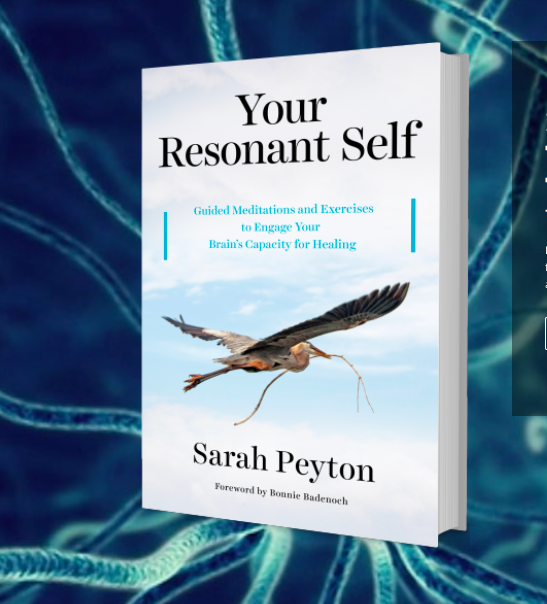
I wanted to ask Sarah to do this because recently, as I was listening to her “Your Resonant Self, Guided Meditations and Exercises to Engage Your Brain’s Capacity for Healing,”, it clicked for me what has been missing as a trauma survivor during the pandemic.
Sarah was telling the story of Nepalese boy soldiers who went off to civil war. The 2010 research showed that the boys who “came back to a welcome from their communities ended up with fewer signs of post-traumatic stress. But the boys who went off to the same war, fought shoulder to shoulder with those other boys, and came back to communities that turned their backs on them had much higher levels of post-traumatic stress.”
“This research helps us to understand that trauma is less defined by what happens to us than it is by how we are received afterward,” Sarah writes.
Acknowledgement of the trauma of having been in a war was the difference for the Nepalese boys.
The night before the inauguration, when President-elect Joe Biden with his wife, Jill, and Vice President-elect Kamala Harris with her husband, Doug Emhoff, held their somber memorial for the 400,000 Americans who had died during the pandemic, it was healing because it was acknowledgement. Seeing those deaths marked by 400 luminarias, one for each 100 victims, was healing because the truth was being seen, shared.
Having our country’s leadership acknowledge the pain and the loss we’ve seen day in and day out allowed us to breathe a collective sigh of grief and relief. Our grief is real. Most of us feel it. As Biden said, “…to heal, we must remember.”
As a trauma survivor, I was in my sixties before I began to embody the importance of grieving for myself about the trauma and the losses I’d experienced as the result of trauma. Trauma has cost me in terms of how well I did in school, in relationships, in my career, in my finances.
Sarah Peyton’s beautiful book, recommended to me by colleague Cissy White, has been a touchstone. Each time I’ve pulled it up to take another read or listen, I process a bit more.
How are you doing? Does it help you to know that some leaders are genuinely sorry for what we are all going through?
Leaders of PACEs science initiatives in four North Carolina counties are eager to begin measuring the impact of their work to solve the most intractable problems in their respective communities.
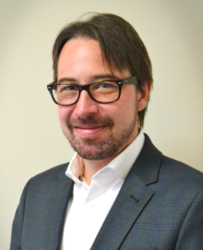
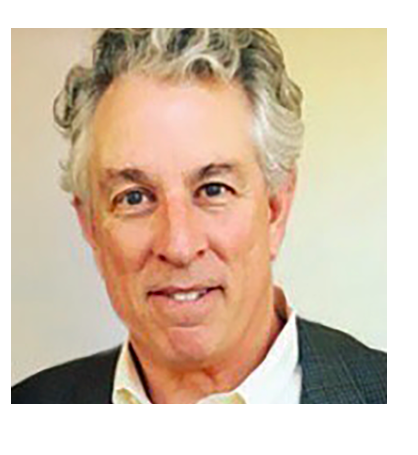
Tommy Taylor
“Each of these broad-based, cross-sector task forces is about preventing childhood trauma and its negative effects on long-term health. We want to heal trauma and create and build on positive childhood experiences in our communities so individuals, families, and communities themselves can grow in health, strength, and resilience. Their work to shine a light on ways racism and inequity hurt our communities, and to improve diversity, equity, inclusion, collaboration and opportunities, is work we believe in and are behind,” said Tommy Taylor, executive director of the United Way of Cape Fear Area, who has worked closely with each of the resiliency task forces.
Task forces are in four counties: New Hanover, Brunswick, Pender and Columbus.
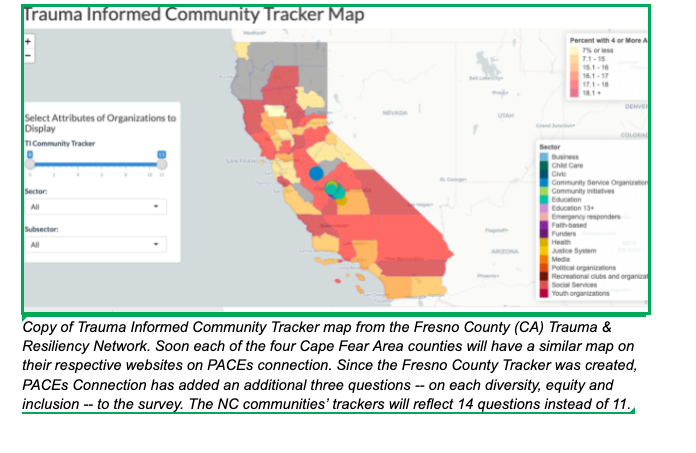
Soon, leaders of each resiliency effort will send a 14-question Milestones Survey, part of the PACES Connection Community Resilience Tracker, to organizations in each county that are participating in their respective resilience initiatives. The results of the survey will tell them how far these organizations have come on their path to becoming trauma-informed and healing-centered.
They are able to undertake this measurement because the United Way of Cape Fear Area is underwriting their access to the sophisticated data tools offered to members of the PACEs Connection Cooperative of Communities. As part of the Coop, they will join other affiliates not only in tracking their progress, but also in network leadership training; learning collaboratives on subjects such as trauma-informed education; and in-depth training in how diversity, equity and inclusion intertwine with the science of positive and adverse childhood experiences. They will also be able to collaborate with fellow members of the Coop to share what works and what doesn’t to develop a community that integrates practices and policies based on PACEs science.
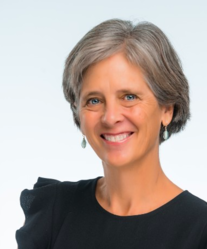
According to Jane Stevens, founder and publisher of PACEs Connection, who was with the Cape Fear Area community managers and members of their communities last week for the announcement of their joining the Coop, the first part of the data gathering process is also prescriptive.
“Milestones survey questions are prescriptive, in that going through them gives organization leaders a path to achieve goals that will actually help the organization and its employees improve relationships, safely explore causes of employee turnover and likely improve employee and customer, client, or patient satisfaction,” she said.
“The second part of the data work is the sector surveys. Using publicly available data, including some from the Cape Fear Collective, we will be able to show part of the impact of having trauma-informed policies and practices in schools, healthcare, law enforcement and other sectors,” Stevens said.
Joining the PACEs Connection Cooperative of Communities is another step along the long and sustained path that the counties are taking to educate all citizens about the science of PACEs.
“In New Hanover County, community members have taken these trainings to help them function better in times of stress, whether it’s daily stressors at home, secondary trauma from working with traumatized children or adults, or natural disasters like hurricanes, tornadoes, or even the pandemic,” said Boyd.
A primary focus of the New Hanover County Resiliency Task Force’s work for almost three years, the CRM and R4R trainings offer an overview of the science of adverse childhood experiences, an understanding of the biology of stress and how the body and brain function—or don’t function—during traumatic stress.
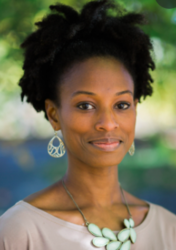
J’vanete Skiba
“Most importantly,” said J’vanete Skiba, acting director of the New Hanover County Resiliency Task Force, herself a CRM trainer, “the trainings show people how to move their brains and bodies from the state of flight, fight, freeze, where they can add to the trauma of themselves and others, to a regulated state, where they can access their reasoning brain to think, plan, and de-escalate trauma.”
“I’m thankful for the time our community took to create an action plan that could be applied to our many systems,” said Boyd. “The CRM and R4R trainings were a critical part of ‘taking care of the providers’ goal first before we began educating the general public about ways to manage stress. We realized very early on that those who were providing services in our communities were being traumatized at work themselves, and that unless those providing services were well, we couldn’t provide helpful, trauma-informed services to the thousands in our community. That’s why we put so much emphasis on these trainings first.”
Community managers Lauren Clark in Brunswick County; Amy Read in Pender County, who are also certified to teach CRM, and Selena Rowell and Jai Robinson in Columbus County, have also been leading efforts in their respective counties to make these trainings available.
Further, just as in New Hanover County, they have used documentaries such as “Resilience” or “Paper Tigers” to help community members learn about trauma, its impact, and how working together to prevent and heal trauma leads to healthier individuals and communities.
Last week’s announcement of the UW-CFA funding for the four counties to join the Cooperative of Communities was made after months of work by the community managers of each group to build their memberships and vet the tools and benefits of the Coop. They worked with members and member organizations to discern priorities, create plans, and gather membership agreements pledging involvement in the work to advance trauma-informed policies, as these documents must be signed for an organization to participate in the Milestones Survey.
Accelerating change
“The data tools will reveal extremely valuable information that can show progress and accelerate change,” said Stevens. “This information can ultimately be used to help calculate how much money a community is saving by integrating practices based on PACEs science.”
Task force leaders say the ultimate goal is to have the trauma-informed, healing-centered practices integrated deeper into each sector and organization in the communities. With the Coop survey tools to track and document what is working and how well, the efforts are more likely to be sustainable over time, showing an ongoing return on investments.
PACEs Connection is a nonprofit organization founded in 2012 to advance the science of positive and adverse childhood experiences (PACEs) and unite the people, organizations, systems and communities in the worldwide PACEs movement in solving our most intractable problems. The PACEs Connection social network serves as the movement’s main information exchange and resource, providing support for hundreds of local, state and national PACEs initiatives. It recently surpassed 52,000 members worldwide, and offers a free community site and assistance to some 400 geographic and more than 40 interest-based communities.
This is the second of a series of articles about the four resiliency initiatives from the Cape Fear Area of North Carolina joining the Cooperative of Communities, and the involvement of the United Way of the Cape Fear Area in each of the county’s efforts.
For more information about the PACEs Connection Cooperative of Communities, please contact the Community Facilitator for your geographic region of the country.
US Communities
Northeast, Mid-Atlantic, & Southwest states Contact: Alison Cebulla
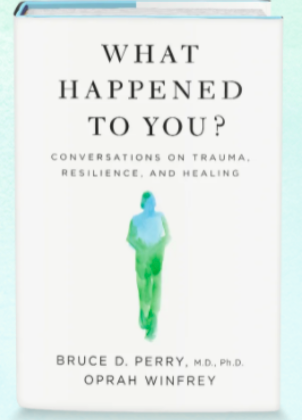
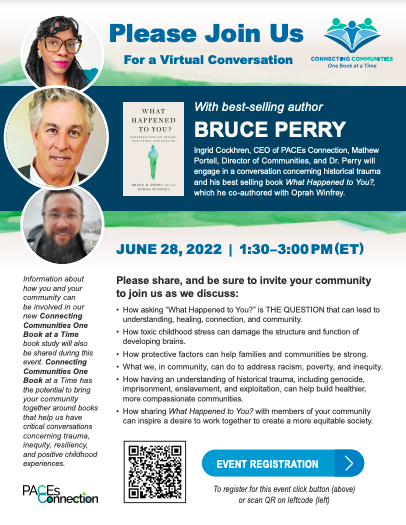
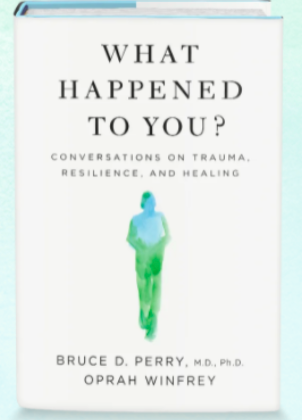
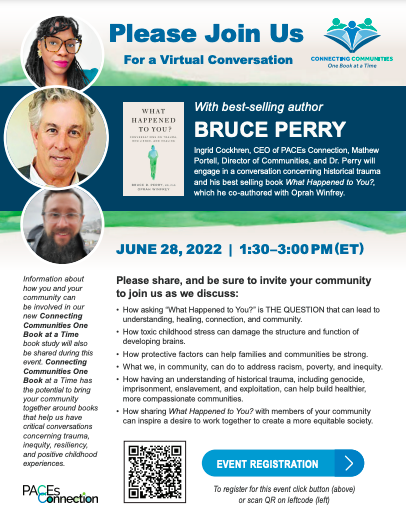
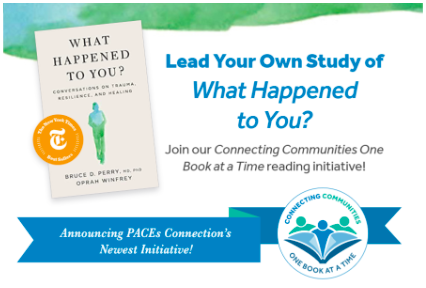
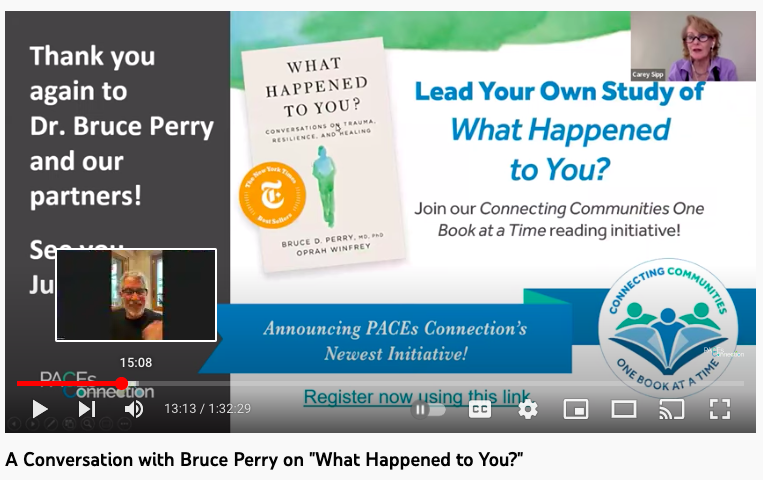
Please join us on June 28 from 1:30-3:00 p.m. ET for a virtual conversation with best-selling author Bruce Perry. Ingrid Cockhren, CEO of PACEs Connection; Mathew Portell, PACEs Connections’ director of communities, and Perry, a psychiatrist and neuroscientist, will engage in a conversation concerning historical trauma and Perry’s best-selling book “What Happened to You? Conversations on Trauma, Resilience and Healing,” which he co-authored with Oprah Winfrey.
Please share this blog post, and the attached flyer, and be sure to invite your community to join us as Perry and hosts address:
How asking “What Happened to You?” is THE QUESTION that can lead to understanding, healing, connection, and community.
How toxic childhood stress can damage the structure and function of developing brains.
How protective factors can help families and communities be strong.
What we, in community, can do to address racism, poverty, and inequity.
How having an understanding of historical trauma, including genocide, imprisonment, enslavement, and exploitation, can help build healthier, more compassionate communities.
How sharing “What Happened to You?” with members of your community can inspire a desire to work together to create a more equitable society.
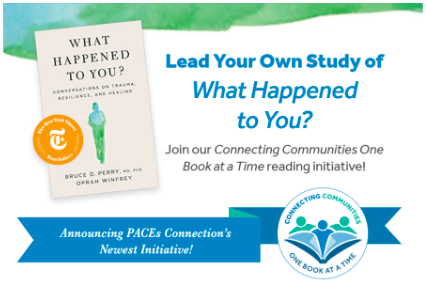
Invite members of your community to this important event and learn how you and your community can be involved in our new Connecting Communities One Book at a Time book study.
Connecting Communities One Book at a Time has the potential to bring your community together around books that help us have critical conversations concerning trauma, inequity, resiliency, and positive childhood experiences.
Register now for the discussion with Perry on June 28, and watch for details of how your community can lead your local book study.
This opportunity is a new way PACEs Connection members and communities can connect, learn, heal, brainstorm and work together to improve the lives of children and families based on lessons learned from the book. The Connecting Communities project was inspired by the Georgia Reads book study of “What Happened to You?”, in which more than 40 Georgia groups discussed the book in the past year.
For more information, please contact Carey Sipp, director of strategic partnerships, at csipp@pacesconnection.com.
For more information about the book and a review tying it to PACEs Connection, please click the link below.
The horror of a child maltreatment case being mishandled or overlooked compelled this week’s guest on “History. Culture. Trauma.” to create a national, education-based solution.
Dr. Tyler Counsil is the director of Child Advocacy Studies (CAST), part of the Zero Abuse Project. He uses his passion for prevention, healing, education, and justice to the benefit of students at almost every level of education after high school.
“Today’s students in community colleges, technical schools and four-year colleges are eager to help prevent and heal child abuse and to bring justice for victims and survivors,” says Counsil. “Whether they are studying for a degree or certification in programs ranging from criminal justice to social work, they need to have a multidisciplinary understanding of how to respond to child maltreatment.”
According to Counsil, CAST courses are offered at 86 colleges, community colleges and universities across 29 states in the U.S. CAST learning focuses on developing students’ understanding of the factors that lead to child maltreatment as well as how various professionals, from law enforcement, social work, forensics and healthcare respond to abuse and neglect, so they can work more effectively.
On Thursday’s podcast with hosts Ingrid Cockhren, CEO of PACEs Connection, and Mathew Portell, director of communities, Counsil will share insights to advance listeners’ understanding of our country’s history and culture of child abuse.
“Work on a single child abuse case may involve multiple systems and institutions,” says Counsil. “With CAST programs being shared at education centers across the country, students learn about the various professional responses to child maltreatment and develop a multidisciplinary understanding of the most effective responses.”
Those who complete the CAST courses are will be better equipped to carry out the work of different agencies and systems (healthcare, criminal justice, social services) as they advocate on behalf of the needs of children as victims and survivors of child abuse.
According to the CAST website, “Universities seldom prepare students for the reality of child protection. Successful professional training will produce child maltreatment professionals who will be knowledgeable enough to competently manage child maltreatment cases.”
“Beginning in college, we must produce an army of frontline workers well equipped to organize all the players in their local communities for the benefit of children,” he says. “Each member of the CAST front line has experience recognizing abuse typologies, speaking with survivors and non-offending caregivers, conducting agency-appropriate investigations and testifying in court. While these experiences increase professional competency, the most compelling reason to provide this training is that it may prevent a child maltreatment case from being mishandled or overlooked.”
Counsil has worked over six years in the public and private laboratory sector, having been employed as a microbiologist, DNA specialist, quality assurance/quality control manager, and forensic scientist throughout the span of his laboratory career. His most recent venture involved working as a forensic scientist with the Indiana State Police Laboratory Division. He is a deputy coroner and death investigator for his county. Counsil has also been appointed as president-elect for the National Partnership to End Interpersonal Violence Across the Lifespan.
Counsil also has extensive experience working in post-secondary education. With over seven years of professional work experience at institutions of higher education, he has served as an associate professor for traditional and online learning platforms, with a combined five years of program development and directorial leadership experience for Child Advocacy Studies (CAST) criminal justice and forensic science programs.
Counsil has a B.A. in biology from Hanover College (Hanover, IN), a B.S. in criminal justice from Oakland City University (Oakland City, IN), and a M.S. and Ed.D. in biology from Ball State University (Muncie, IN).
Professional memberships:
American Academy of Forensic Sciences
Midwestern Association of Forensic Scientists
National Alliance on Mental Illness
National Partnership to End Interpersonal Violence
National Science Teachers Association
Indiana Academy of the Social Sciences
Tune into the “History. Culture. Trauma.” podcast on Thursday at 1 p.m. PT; 4 p.m. ET here.
For this and past episodes, connect with your podcast provider below:
“If you don’t understand history, you’re never going to understand trauma. And if you don’t understand trauma, you’re never going to understand history. And this is part of our problem as a field,” said Dr. Bruce Perry in a webinar interview last month, highlights of which will be shared in our “History. Culture.Trauma.” podcast this Thursday at 1 p.m. PT; 4 p.m. ET.
In the webinar, attended by more than 1200 registrants, Perry and hosts Ingrid Cockhren, CEO of PACEs Connection, and Mathew Portell, director of communities, discussed the intersecting fields of trauma and historical trauma and his best selling book, co-authored with Oprah Winfrey, “What Happened to You?”
“There are some really exciting and important things that are happening in the area of historical trauma,” said Perry. He addressed the history of colonialism, treatment of indigenous people, kidnapping and enslavement that are such a part of the history and historical trauma of the United States.
“You know, we are living in systems that are fundamentally colonial in construction,” he said. “And colonialism basically means I’m going to come into your space, your place, and I’m going to take your things and I’m going to make you feel privileged, if I give you a little bit of it back.”
Historical perspectives about trauma deserve “as much attention and funding and support” as is given to people studying the effects of a drug on post traumatic stress disorder (PTSD), or the effects of other treatments, he said.
The June webinar also launched the Connecting Communities One Book at a Time community book study initiative. The initiative begins with a study of “What Happened to You?” in PACEs Connection communities across the country. For more information about this initiative you can attend our book study leader training with our partner Children’s Trust Fund Alliance on July 27 or visit here. To sign up as a book study leader, please complete the form available here.
Perry is the principal of the Neurosequential Network, senior fellow of The Child Trauma Academy and adjunct professor in the Departments of Psychiatry and Behavioral Sciences at the Feinberg School of Medicine at Northwestern University in Chicago and the School of Allied Health, College of Science, Health and Engineering, La Trobe University, Melbourne, Victoria Australia.
According to his website, “Over the last thirty years, Dr. Perry has been an active teacher, clinician and researcher in children’s mental health and the neurosciences holding a variety of academic positions. His work on the impact of abuse, neglect and trauma on the developing brain has impacted clinical practice, programs and policy across the world. Dr. Perry is the author, with Maia Szalavitz, of “The Boy Who Was Raised As A Dog”, a bestselling book based on his work with maltreated children, and “Born For Love: Why Empathy is Essential and Endangered”.
Perry, a native of Bismarck, North Dakota, earned his undergraduate degree at Stanford University and Amherst College. He attended medical and graduate school at Northwestern University, receiving both M.D. and Ph.D. degrees, and completed a residency in general psychiatry at Yale University School of Medicine and a fellowship in Child and Adolescent Psychiatry at The University of Chicago.
To listen to Thursday’s podcast at 1 p.m. PT, 4 p.m. ET, click here.
To hear prior episodes via your favorite podcast service, use the links below.
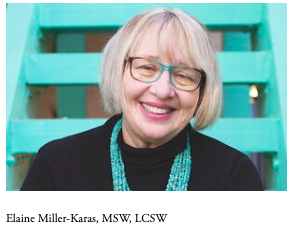
By Elaine Miller-Karas MSW, LCSW Building Resiliency to Trauma Psychology Today, September 30, 2022 Mental health can suffer after extreme climate events.
KEY POINTS
Mental health conditions exacerbated by natural disasters include post-traumatic stress disorder, depression, and anxiety.
After a disaster, the number of people needing assistance from the mental health systems strains or exceeds community capacity.
There are simple strategies helpers can use to help survivors restore well-being after climate events.
In September 2022, Puerto Rico, Cuba, and Florida are experiencing devastation from hurricanes. Extreme weather events — floods, hurricanes, and natural disasters like wildfires — are linked to a broad range of adverse mental health outcomes. The most reported mental health conditions in the aftermath of extreme weather events and natural disasters are post-traumatic stress disorder (PTSD) along with depression, anxiety, suicide, and substance abuse disorders (Cianconi et al., 2020).
Mental Health Systems Are Strained After Wide-Scale Disasters
Those impacted by the recent climate events are just beginning their journey. Emergency response mental health workers will be present in the initial days. However, the lasting impact for a community devastated by natural disasters lingers for weeks, months, or years. There is a strain on mental health systems as the number of people needing assistance exceeds a community’s capacity.
Suggestions for Helpers
For those assisting individuals during and after a disaster, the following suggestions reflect lessons learned by the Trauma Resource Institute as we have been invited to help communities after human-made and natural disasters:
1. Be careful not to interrupt the work of emergency response workers. Rescuing survivors and stabilizing infrastructure, such as restoring electricity, are priorities.
2. Help identify where survivors can acquire concrete services: water, food, shelter, hygiene products, and bathrooms. Direct survivors to where governmental groups like FEMA have established temporary locations. The elderly may need assistance with completing documents to receive benefits. As a result of the destruction, people with disabilities may have difficulty maneuvering to sites to receive services. Organizations like the Red Cross, local disaster response units, FEMA, Save the Children, and faith-based groups can help network support for community members.
3. Communication systems may be down because of power outages. There can be increased anxiety in not knowing the well-being of family members, friends, and pets and whether homes are still standing. Try to provide as much information about when providers may restore communication systems.
4. You may assume that people need to talk about what happened during the disaster to heal. We have found that this is not necessarily true for every person. Inviting choices to share or not to share about what happened is essential. Questions like, “I am here to provide support. If you would like, we can talk about what happened if that would be helpful. You can share with me as little or as much of what happened to you as you would like.”
Ask Strength-Based Questions to Remind Survivors of Encouraging Elements of Their Experience
5. Questions highlighting strengths can help survivors remember what else may be true now. Often when asking questions in this way, it broadens the perspective of the trauma to include other elements of the experience that were more positive. Questions can include:
“When did help first arrive?’
“When did you know you and your family were going to get to a safer place?”
“What or who is helping you the most right now?
If a person is agitated or sad, ask respectfully, “When challenging events have happened to you in the past, and what or who helped you get through?
Help Now! Strategies Can Be Simple and Effective Ways to Help
6. Another way to help calm a person who is distressed are the “Help Now!” strategies from the Community Resiliency Model set of wellness skills. They may appear simple, yet they can help people calm down and feel more like themselves. The following invitations can help children and adults experience a greater sense of well-being:
Would it be helpful to go for a walk together?
Sometimes, it helps to get the energy of anxiousness out by pushing against the wall with our hands or our back against it. Do you want to do it with me?
Can I get you a drink of water?
If I am anxious, sometimes it helps me to count down from 20. Would you like to try it with me?
If I am feeling a lot of tension in a part of my body, I try to find a part of my body that is less tense. Then, I bring my attention to the parts that feel better. Do you want to try doing this?
I found this app called iChill, and I listen to it when I am down or too anxious. You might want to consider using it when you are stressed or down.
Identify Community Mental Health Clinics and Alcohol and Drug Treatment Programs
7. It is a complex process to lose one’s home, livelihood, and surrounding community. The journey of recovering and rebuilding can exacerbate mental health conditions and also lead to increases in alcohol and drug use. Helping survivors identify community mental health clinics and drug and alcohol treatment programs can lead them to essential safety nets.
How to Learn More
To help to gain more information about how to build more resilient communities to prepare your community for climate events, contact the International Transformational Resilience Coalition (ITRC), inspired by the work of climate change advocate Bob Doppelt. The ITRC elaborates upon how society can invest in effective responses that can address the mental health challenges that invariably will result from climate events. The coalition has a wide range of experienced professionals working on a dynamic steering committee to guide its projects, policies, and advocacy, including representatives from the National Association of Social Workers, the American Psychiatric Association, the American Psychological Association, the American Public Health Association, the Alliance of Nurses for Healthy Environments, and more. As a founding member, my organization, the Trauma Resource Institute, has worked in collaboration with the ITRC to help communities prepare and respond to climate events.
References
Cianconi, P., Betro, S., & Janiri, L. (2020), The Impact of Climate Change on Mental Health: A Systematic Descriptive Review, Frontiers in Psychiatry, March 6, 2020, | https://doi.org/10.3389/fpsyt.2020.00074
Elaine Miller-Karas, LCSW, is an author, lecturer, consultant, radio show host, trauma therapist, and social entrepreneur. She is a co-founder and the Director of Innovation of the Trauma Resource Institute and a founding member of the International Transformational Resilience Coalition. She is the author of Building Resiliency to Trauma: The Trauma and Community Resiliency Models® (2015). Her models have been introduced in over 75 countries. She has presented at the Skoll World Forum, Resiliency 2020 and 2021, and the United Nations. Her book was selected by the United Nations and Taylor and Francis’ curated online library as one of the innovations helping to meet the United Nations’ Sustainable Development Goals. She is also a Senior Consultant to Emory University’s SEE Learning program, inspired, and launched by His Holiness the Dalai Lama, and she is consulting with the Medgar and Myrlie Evers Foundation to help create a virtual curriculum of the U.S. Civil Rights Movement. Her radio talk show, Resiliency Within: Building Resiliency during Unprecedented Times, is on VoiceAmerica.
Note: PACEs Connection is in dire financial straits. We are asking for support, from you, our57,586 members, to help cover the loss of foundation funding that was promised and didnot come through. Pay and hours have been cut for our staff—most of us will be laid off for the month ofDecember. Another grant will pick up in January, but we will still be underfunded. Since sounding the alarm this summer,we’ve raisedabout $26,000. Thankfully, about 25% of new donors are making monthly donations. To geta sense of who your fellow members are, who is donating and why, please enjoy and share this thirdpost in a series of donor profiles, and be likeJeoff Gordon:Pleasemake a generous donationto PACEs Connection!
Dr. Jeoffry Gordon learned about the CDC-Kaiser Permanente Adverse Childhood Experiences Study when he attended a talk in 2003 by the study’s co-principle investigator, Dr. Vincent Felliti.
“But I had no understanding of the terrible consequences of child abuse trauma until 15 years later when I started seeing patients in a clinic for the homeless, where it was a common condition,” says Gordon, a retired family physician and PACEs Connection supporter and activist.
Gordon, who practiced family medicine for 40 years in San Diego, California, attended some of the most elite schools in the nation: Harvard College, Case Western Reserve University School of Medicine, Harvard Medical Service at Boston City Hospital for his medical internship, and Tulane University for a master’s of public health.
“…a tragic, soul-searing experience…”
“I was always up to date in cardiology, endocrinology, neurology, etc.,” he says, “but never heard the phrase ‘trauma-informed care’ until the last year I saw patients, in 2019. It was then I started connecting the effects of child abuse, neglect and trauma. I saw what can be a tragic, soul-searing experience, affecting physical health, mental health, and social capacity.”
Does he wish he’d known about the connection to childhood adversity and health outcomes earlier? Does he wish there had been the information and a resource such as PACEs Connection when he was practicing family medicine?
“Absolutely,” he says. “Although I certainly ‘knew’ about child abuse and ACEs, my lack of clinical appreciation and insight must have frequently led to inadequate evaluation and treatment of many patients with both psychological and physical illnesses. I learned this several years after I retired when a former patient contacted me for records to support his disability application. I had administered an ACEs questionnaire to him and he had a high score, but I had treated him like any other patient with anxiety and depression with ineffective meds and never applied PACES science.”
The relationship between inequity, racism, and trauma.
Active in social justice issues for decades, Gordon has a keen sense of the relationship between inequity, racism, and trauma. “I got involved in child abuse mitigation and prevention because I felt in this space I could relieve some of the worst and most anguishing pain in our society,” he says.
Gordon would know. He has been an outspoken member of the California Citizens Review Panel on Critical Incidents (child abuse homicides) for three years, posting multiple times on PACEs Connection in support of this work and legislation to support it.
“I think it is an obligation, and more than a privilege, to support PACEs Connection during this period of financial stress.”
“PACEs Connection has made an amazing national contribution to dealing with ACEs,” he explains, “connecting survivors to survivors, connecting therapists to therapists, connecting survivors to therapists, promoting medical and counseling education, catalyzing many community-based intervention programs, and sponsoring many educational sessions. I think it is an obligation, and more than a privilege, to support PACEs Connection during this period of financial stress.”
Gordon considers himself to be an unaffiliated, freelance community advocate and activist trying to remediate years of disregard and public avoidance of the tragedies of child abuse and neglect.
Expanding the appreciation of the epidemic of child abuse; recommending that friends become involved in PACEs Connection.
“I am working to expand the appreciation of the epidemic of child abuse and child abuse trauma especially within the medical professions, especially psychiatry,” he points out, “and promoting the application of PACEs knowledge throughout all medical specialties. I also work on expanding resources devoted to this problem at all levels of government. I am especially concerned and active trying to repair the inattention and chaos in California around the tragic issue of child homicides due to abuse or neglect.”
When it comes to recommending that friends and colleagues become involved in PACEs Connection, Gordon says: “I think every researcher and professional providing therapy to people who have experienced maltreatment, people who are traumatized, does not do an adequate job if they are not also working to bring attention, in the public square, to the ongoing tragedies generated by childhood trauma.”
Gordon encourages fellow members of PACEs Connection to join hm in making a generous, tax-deductible donation to PACEs Connection here.
If you’d prefer to mail your gift rather than give it online, here’s how…
Make check payable to: TSNE (Third Sector New England, our fiscal sponsor) and write PACEs Connection Donation on the memo line.
Mail check to: PACEs Connection, c/o TSNE, 89 South Street, Suite 700, Boston, MA 02111
Making a wire transfer or need Tax ID information?
It is time, as a society, to stop separating mental health from physical health.
“Research has found that there is credibility to the term ‘mind-body connection’. There is a clear link between our thoughts, feelings, emotions and our physical body. At this point, should we, as a society, stop separating mental health and physical health? Are they not one in the same?” said Ingrid Cockhren, PACEs Connection CEO and co-host of the podcast History. Culture. Trauma.
She and guest Dr. Donielle Prince, PACEs Connection’s director of statewide initiatives, will tackle the topic for the encore broadcast of this episode on Thurs, Dec. 1 at 1 p.m. PT; 4 p.m. ET.
Prince, a former child therapist, relies on her extensive training and more than 20 years’ experience as a program evaluator of education, community-based youth programming, mental health, and the intersections of the disciplines as she and Cockhren discuss the mind-body connection.
Prince’s core expertise is in creating programs and initiatives that yield potential for change. Her work has included evaluating youth development studies, trauma-informed training, educational equity focused programs and curriculum evaluation.
“In the community, Prince’s experience with research, policy, and reform is reflected in her deep commitment to advocating for social justice,” said Cockhren.
In her role contributing to and coordinating the PACEs Connection Creating Resilient Communities Accelerator, Prince supports PACEs Connection’s mission to help start and grow statewide and local community resilience initiatives.
Prince has mentored youth, including first-time offending juveniles and foster youth. She’s also been involved in community-based organizing against state violence, educational inequity, and lack of access to mental health supports, particularly for members of marginalized communities.
Prince was raised in such a marginalized community, in East Palo Alto, California, located in Silicon Valley. She currently lives in Sacramento, CA.
Prince’s educational experience includes extensive studies in education, counseling psychology, human development, and race and racism. She earned her bachelor’s degree from Wellesley College, her master’s in education from the University of Pennsylvania, and her doctorate from Stanford University. She has been on staff at PACEs Connection since 2017.
To listen to Thursday’s podcast at 1 p.m. PT, 4 p.m. ET, click here.
To hear prior episodes via your favorite podcast service, use the links below.
Jane Stevens and Vincent Felitti at the 2018 National ACEs Conference in San Francisco, CA
Note: This week is the final in our year-end giving campaign. PACEs Connection in dire financial straits. We need you, our 57,837 members, to helpcover the loss of foundation funding that was promised and did not come through. Unfortunately, pay and hours have had to be cut for our staff. Most of ushave beenlaid off for the month of December. The good news is that, since sounding the alarm thissummer,we’ve raised more than $65,000,thanksto all of you who have donated. To get a sense of who is donating and why, please read this post, one of a seriesof donor profiles. Please join Dr. Vincent Felitti and PACEs Connection founder Jane Stevens tomake agenerousdonationto PACEs Connection!
What if I told you you’re probably reading this post in this blog because of a mistake in a weight loss clinic in 1985, and a horrific shipboard explosion in the Antarctic ocean in 1998?
The doctor’s mistake-turned-revelation and a relentless reporter’s outrage and commitment to “get the science to everybody” can also be credited, at least in part, for sparking:
ACE surveys in every state;
Thousands of studies on the impact of childhood adversity subsequent to the original 1998 study, and those studies being shared, widely;
Your PACEs Connection social network of more than 57,730 members;
More than 440 cross-sector geographic communities working to prevent and heal childhood adversity to build a healthier, more compassionate world where all thrive;
More than 40 interest-based communities including those dedicated to infusing the science into the justice system, communities of faith, foster care, medical, nursing and allied health schools, and those supporting parents, survivors, the LGBTQI community;
Amazing work by people and organizations integrating ACEs science, including schools that have integrated policies and practices based on the the science of positive and adverse childhood experiences, and no longer need to expel or suspend students; Safe Babies courts—family courts whose judges and staff are trained in the science of childhood adversity—that see 90 percent of the kids who come through suffer no further abuse; Plymouth County, Massachusetts, where law enforcement, rehab centers, and hospitals work together in a cross-sector program that has resulted in a 26% drop in opioid deaths v. an 84% increase in deaths in surrounding counties. Batterers’ intervention courses that reduce recidivism from 60% to less than 5%
Hundreds of thousands of people dedicating their lives and careers to ending and healing childhood trauma—including me.
Two decades-long stories intertwine and today make the same request: support PACEs Connection
The turning point in Felitti’s quest came by accident. The physician was running through yet another series of questions with yet another obesity program patient: How much did you weigh when you were born? How much did you weigh when you started first grade? How much did you weigh when you entered high school? How old were you when you became sexually active? How old were you when you married?
“I misspoke,” he recalls, probably out of discomfort in asking about when she became sexually active – although physicians are given plenty of training in examining body parts without hesitation, they’re given little support in talking about what patients do with some of those body parts. “Instead of asking, “How old were you when you were first sexually active,” I asked, “How much did you weigh when you were first sexually active?’ The patient, a woman, answered, ‘Forty pounds.’”
He didn’t understand what he was hearing. He misspoke the question again. She gave the same answer, burst into tears and added, “It was when I was four years old, with my father.”
Two months after the first ACE Study was published, Jane Stevens, a science journalist, boarded the Aurora Australis, a research icebreaker, in Hobart, Australia, for a seven-week research expedition into the Antarctic winter sea ice. Her mission: Chronicle the expedition with words, photos, and video for the Discovery Channel’s website. Several days into the voyage, in the middle of the night, the ship’s main engine exploded to leave the ship and its expeditioners and crew stranded hundreds of miles from safe harbor with no hope of rescue. In Mayday at the Bottom of the World, Stevens tells the story of how the trauma of the explosion awakened and coalesced memories of her childhood abuse—including sexual and verbal abuse. And how learning about the ACE Study in 2004 changed her life trajectory.
Her first reaction to the ACE Study: Somebody’s making this up.
Somebody’s making up that adversity in childhood leads to the adult onset of most chronic diseases and mental illnesses, and is at the root of violent behavior, whether by a perpetrator or a victim.
Somebody’s making up the finding that most people have one or more of the 10 adverse childhood experiences that were measured in the study. And that if you have four “ACEs,” your likelihood of becoming an alcoholic increases 700% compared with people who have an “ACE score” of zero. And that your likelihood of attempting suicide increases 1,200%. And that your risk of a heart attack doubles and of lung cancer triples.
Felitti and Stevens first met in 2004 when Stevens interviewed him and Anda for an article about the link between ACEs and obesity, which was published in the Sacramento Bee’s Sunday Forum section in 2005. (Several years ago, the Bee deleted all articles written by freelance writers, so the only link that exists is on the NoSpank site: https://nospank.net/stevens.htm.)
Loose connections begin tightening.
Over the next several years, the loose connections between Felitti and Stevens began tightening. Felitti, Anda and their fellow researchers released one study after another. The co-authors made presentations about their work to anyone who would listen, especially to the medical community to which they belonged, but weren’t getting much traction. Stevens moved on through the journalism world, ending up as an online news executive and occasionally writing an article about the latest ACE Study paper.
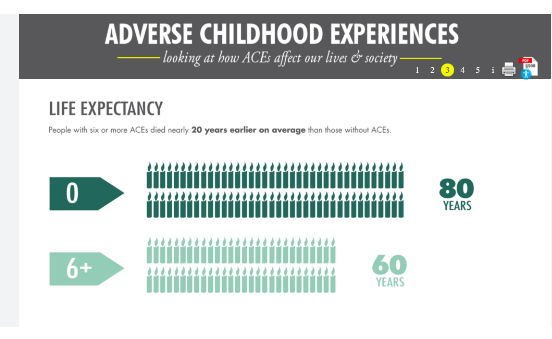
But there was one piece of research that compelled me to leave a solid career as an online news executive. It was the 2009 finding that people with six or more of the 10 ACEs in the original study — including abuse and neglect — are at a higher risk of dying 20 years prematurely than people with zero ACEs.
That’s me: seven ACEs.
In
Felitti had emailed everyone in his contact list about the site.
In January 2012, Stevens launched ACEs Connection, which in March 2021 became PACEs Connection, to add the latest research about “positive” childhood experiences. It comprised ACEsTooHigh.com, a news site for the general public, and the social network ACEsConnection.com (now PACEsConnection.com), for people who were actively engaged in integrating ACEs science into their personal, family, organizational and community lives.
As she went to sleep the night after the launch, a grim thought occurred: What if nobody joins ACEsConnection? She woke up the next morning to see 200 new members. Felitti had emailed everyone in his contact list about the site. A year later, there were 1,000 members, and membership has been galloping along ever since to reach 57,730 today.
It’s difficult to pinpoint exactly what drove the explosion of interest in ACEs science (or PACEs science, which we define as epidemiology, neurobiology, health consequences, epigenetic or historical trauma, and resilience research of positive and adverse childhood experiences) because the increase in the number of articles, research publications and projects to integrate ACEs science began accelerating in 2012 and hasn’t stopped. But it was definitely the combination of:
the mind-bending results of the ACE Study put together by Felitti and Anda, two people who complemented each other in their brilliance;
their tireless efforts to engage the health community even when it dismissed the science;
and ACEs Connection taking advantage of the magic of social networking to light the fire under people who immediately grokked the science and began spreading it among their own networks.
“It has been of extraordinary importance, the worldwide effect she has had.”
Felitti officially retired from Kaiser Permanente in 2001. He was still involved in the ACE Study until 2018, when it was ended; he stayed active in an obesity reduction program at Kaiser for several years, and, until COVID hit, traveled the world to consult and do presentations about ACEs science. He recently moved to a retirement community in California, and remains active in the PACEs movement. Anda left the CDC to found ACE Interface with Laura Porter, an early pioneer who introduced the ACE Study to a network of more than 40 communities in Washington State. The two have done hundreds of train-the-trainer workshops about what they call NEAR science—neurobiology, epigenetics, adverse childhood experiences, and resilience—in cities and states around the country.
“It is not surprising to me that PACEs Connection has created a worldwide movement because Jane Stevens, in addition to being a really superb writer, knew how to present this information in a way that would disseminate it widely,” says Felitti. “It has been of extraordinary importance, the worldwide effect she has had.”
“…home for the growing community of survivors, trauma professionals…”
Both Stevens and Felitti are glad there is a home for the growing community of survivors, trauma professionals, parents trying to stop cycles of family addiction and abuse, pediatricians, mental health workers, educators, nurses, judges and others looking for resources to solve the most intractable problems in their communities.
When asked about the impact of PACEs Connection on the spread of information about the connection between childhood trauma and adult disease, and why people should support PACEs Connection, Felitti says: “They’ve built a database with a worldwide membership, mainly in the US, but clearly worldwide, but even more important, it is the transmission of that information about positive and adverse childhood experiences (that is important).
“PACEs Connection has pages that have been seen by millions of viewers who are not regular members of PACEs Connection,” Felitti continues. “Viewers are being sent these pages by friends, colleagues. The implication is truly worldwide coverage.”
“I can’t imagine a better way of honoring Dr. Felitti than to make sure his work is shared,” says Stevens.
“Supporting PACEs Connection helps people from all walks of life with the resources and information that they can use. It helps survivors experience the freedom that comes from learning they are not alone, that they are not at fault for how they coped with their childhood adversity. They didn’t cause or deserve the abuse, and together we can heal from it.
“I hope all who have been touched by the work that Dr. Felitti and I have done to use PACEs science to prevent and heal trauma will remember PACEs Connection on Giving Tuesday. I hope you will join us and make a generous donation to continue our work to create a world where all children have the opportunity to thrive.”
Felitti and Stevens encourage fellow members of PACEs Connection to join them in making a generous, tax-deductible donation to PACEs Connectionhere.
If you’d prefer to mail your gift rather than give it online, here’s how…
Make check payable to: TSNE (Third Sector New England, our fiscal sponsor) and write PACEs Connection Donation on the memo line.
Mail check to: PACEs Connection, c/o TSNE, 89 South Street, Suite 700, Boston, MA 02111
Making a wire transfer or need Tax ID information?
“These are some of my favorite people and me at from a recent conference,” said PACEs Connection monthly donor Kerrie Ackerson. From left to right—Ginger Healy from the Attachment Trauma Network, Kerrie’s sister “my (little) big sister Stacey (our family’s brave teacher)”, trauma informed educators and advocates Jim Sporleder, Lara Kain, Jodi Place, and Ackerson.
The number of donors giving to PACEs Connection with a monthly gift is increasing.
“While we’ve added about 15 new monthly donors recently, and we are grateful for them, it would be good to see more of our members — and visitors — supporting our work to prevent and heal trauma,” said Ingrid Cockhren, PACEs Connection CEO.
With more than 58,000 members of this networking community, and with the staff needed to support the site, the communities, the newsletters, our podcasts, webinars, and conferences, Cockhren is asking members to sign on to make a monthly donation.
“If just ten percent of you made an automatic monthly donation of $10, you could help us cover a substantial portion of our budget,” said Cockhren.
Please consider following in the footsteps of supporter Kerrie Ackerson, who shares below her reasons for making a monthly gift to PACEs Connection.
Name:Kerrie Ackerson
Occupation:Writer
Connection to PACEs Connection/PACEs science?Survivor, foster mom, adoptive mom, auntie, wife of a nurse who survived COVID.
Do you work in the field?My career started as a literacy volunteer in an institution for adults who committed violent crimes and were found “not guilty by reason of mental disease or defect.” From there I worked at a maximum-security prison for adults who were too violent and/or actively psychotic to be placed in a “normal” prison. Later I worked in county human services and ran the juvenile court division including a shelter facility, a secure detention center, youth probation offices, and a diversion program. My most recent 12 years were spent at an educational service agency in Wisconsin working in the areas of youth mental health and school safety.
How did you find out about PACEs Connection?One day I got an email inviting me to a webinar that was being done by a woman named Lara Kain from Los Angeles. SHE BLEW MY MIND with PACES science. I was telling my sister about this fabulous woman, and she said –“That’s funny, I used to work with someone with that same name in Madison.” It was the same person! Crazy, small, world. We both have followed Lara ever since (including following her during her time at PACES Connection).
Were you surprised to find this resource?Yes. The best contacts I have ever met are all followers of PACES, and I was shocked to find such a wonderful source of important information AND such fabulous humans all in one place.
What part of PACEs Connection do you like best?I like it all. I’ve benefitted from Ingrid’s regional historical perspectives on racial trauma, Mathew’s podcasts, countless webinars, blog posts, and now every time I get my weekly PACES email I end up losing a LOT of time reading the stories and “clicking deeper.”
How do you use PACEs Connection?There is so much valuable information, research, resources and more that PACES puts out. As a grant writer, reading the weekly RoundUp keeps me at the front of the field and keeps information at my fingertips.
Do you read the Weekly RoundUp (enewsletter)?Yes.
Do you share stories from the Weekly RoundUp?Yes.
Do you belong to a resiliency initiative?I do not. I help to run a Trauma Training Project for school professionals across Wisconsin in partnership with Dr. Bruce Perry’s Neurosequential Network, and I find that quite energizing. But I don’t belong to a formal resiliency initiative…unless you count my 16 person “Trauma Peeps” text group which provides a safe haven where we can say things that could get us in trouble if we yelled them out into the universe. 😊
What prompted you to support PACEs Connection with your gift?The incredible value that I get from PACES made me a supporter. When I heard the initiative was truly self-funded and needed support, I wanted to do what I could.
What keeps you giving as a monthly donor?The value of the content and the people.
What would you tell others, to encourage them to support PACEs Connection on a monthly basis?Please help this AMAZING resource stay strong. If you aren’t involved, get involved, it is life-changing.
15. What is your greatest hope for what happens with PACEs science? That we end child abuse? Create equity? Eliminate racism? Do away with poverty? Create a trauma-informed and healing-centered planet?Gosh, I’d like it if ANY of those things could happen. As I now know (thanks to PACES) all of those things are intricately connected. If I could wish one thing for all humans, it would be true connection. As I just heard Dr. Perry say the other day on a podcast, “Connection is at the core of all human success, and all human need—to be connected and belong to a community of people.” We are in a pandemic of loneliness and disconnection, and the state of our world reflects that. PACES works every day to change that, and I am so appreciative of the work you all do.
Ackerson encourages fellow members of PACEs Connection to join her in making a generous, tax-deductible donation to PACEs Connectionhere.
If you’d prefer to mail your gift rather than give it online, here’s how…
Make check payable to: TSNE (Third Sector New England, our fiscal sponsor) and write PACEs Connection Donation on the memo line.
Mail check to: PACEs Connection, c/o TSNE, 89 South Street, Suite 700, Boston, MA 02111
Making a wire transfer or need Tax ID information?
 Carey Sipp 2/16/218:47 AM
 Sarah was telling the story of Nepalese boy soldiers who went off to civil war. The 2010 research showed that the boys who “came back to a welcome from their communities ended up with fewer signs of post-traumatic stress. But the boys who went off to the same war, fought shoulder to shoulder with those other boys, and came back to communities that turned their backs on them had much higher levels of post-traumatic stress.”
 Having our country’s leadership acknowledge the pain and the loss we’ve seen day in and day out allowed us to breathe a collective sigh of grief and relief. Our grief is real. Most of us feel it. As Biden said, “…to heal, we must remember.”

 By Elaine Miller-Karas MSW, LCSW Building Resiliency to Trauma Psychology Today, September 30, 2022 Mental health can suffer after extreme climate events.
 If you’d prefer to mail your gift rather than give it online, here’s how…
 Making a wire transfer or need Tax ID information?