Tag Archives: mental-health

Register now: The Future of Work: Envisioning a Healing-Centered Workplace June 13-15 

Carey Sipp Carey Sipp 6/6/235:53 PM

Could a workplace actually help prevent trauma and help people heal?

If you are burned out, tired of a toxic workplace, looking to join the Great Resignation, or, if you’re an employer, if looking for ways to prevent a mass exodus and retain valued employees, you are not alone.

The last three years have seen the pandemic, racial unrest,  environmental traumas, increases in poverty, major policy and political shifts, and the effect these existential threats have on our stress levels. These collective traumas have inevitably affected our tolerance for challenges to our lives, livelihoods, and wellbeing.

To explore the future of work; ways work both contributes to our stress and could in fact be a means of promoting wellbeing, PACEs Connection called on experts from the fields of PACEs science, human resources, public policy, infant and child development, trauma-informed leadership and more for a deep look into the workplace and we were met with these topics to consider:

  • A History of Work – Paid and Unpaid Labor in America
  • Nurturance: The Fundamental Condition Every Human Needs to Thrive
  • Do Policies Create Poverty, Child Abuse, and Neglect ?
  • What If Babies Ran the Workplace?
  • Compassion Fatigue
  • Toxic Workplaces
  • Trauma Informed – Being Embraced by Every Professional Sector
  • Partnering across Georgia to Create Trauma Informed, Inclusive Workplaces
  • The American Laborer
  • Empathetic Leadership: Toward a Workplace that is Human-Centered and Trauma-Informed.
  • Reimagining Workplaces, the Role of Wellness
  • How One Organization is Tracking and Recognizing Organizations that are Becoming More Trauma Informed.

PACEs Connection will explore these topics and more for three afternoons next week, and invites you to register here now for the conference, taking place from noon – 5:00 p.m. ET, June 13 – 15. Tickets range from $150 for a single day to $399 for the full conference. Conference sessions will be recorded and offered for sale at a later date.

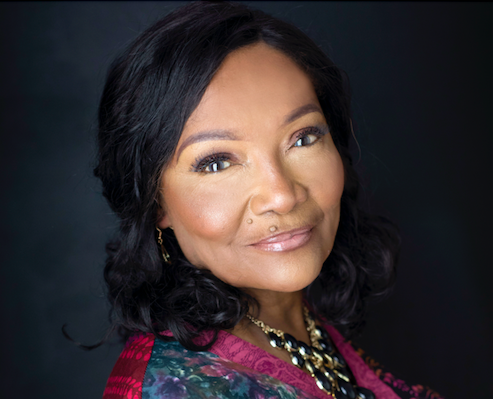
Screen Shot 2023-06-06 at 7.10.55 PMJoin PACEs Connection CEO Ingrid Cockhren and authors and leaders from the field of PACEs science, human resources and trauma-informed leadership as they share historical and late-breaking perspectives on work and trauma, our economy, the dignity of work, lived experiences, the impact of policy, who’s looking to create “trauma-informed workplaces”, and the future of work.

How would we work in a “Just Society”, where all are valued equally? The healing-centered workplace – and the disruptions it will take to create it  – will happen through community.

Descriptions of each day:

Day 1: The Great Resignation: How did we get here? How is it that we created and now perpetuate a system that values the work of some and denigrates the work of others? How did we get to the point of The Great Resignation? When and how will it stop? How does historical trauma in America affect the way we work– and overwork – ourselves and each other?
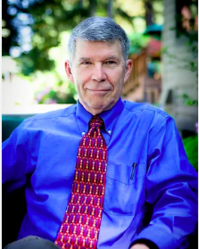
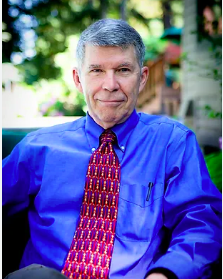
Screen Shot 2023-06-06 at 7.05.59 PMWhat about economics, racism, and poverty and their impact on how we work?

How do current policies and practices encourage child abuse and neglect?

What if BABIES ran the workplace?

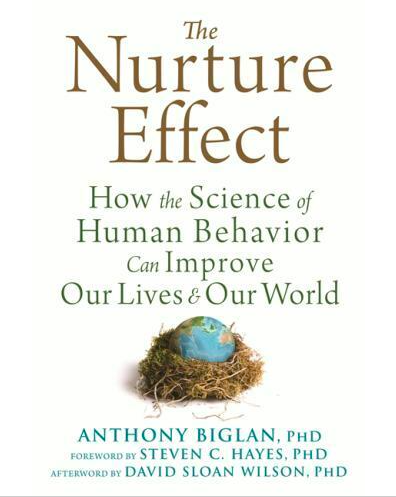
Speakers will include Cockhren, an expert on historical trauma in America, and author Tony Biglan, PhD, a Senior Scientist at Oregon Research Institute and the Co-Director of the Promise Neighborhood Research Consortium. Dr. Biglan has been conducting research on the development and prevention of child and adolescent problem behavior for the past 30 years. His books include, The Nurture Effect, How the Science of Human Behavior Can Improve Our Lives and Our World; and Rebooting Capitalism: How We Can Forge a Society That Works for Everyone.
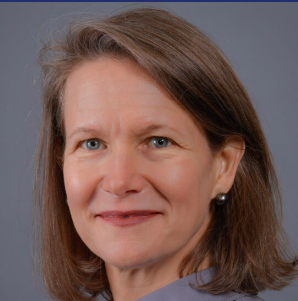
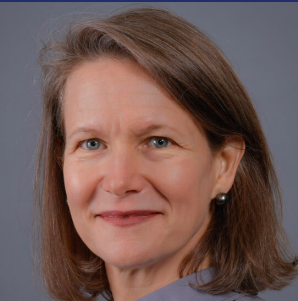
Screen Shot 2023-06-06 at 7.20.31 PMClare Anderson, MSW, Senior Policy Fellow at Chapin Hall at the University of Chicago, will share research on the economics of child abuse and neglect, and how some polices perpetuate poverty.

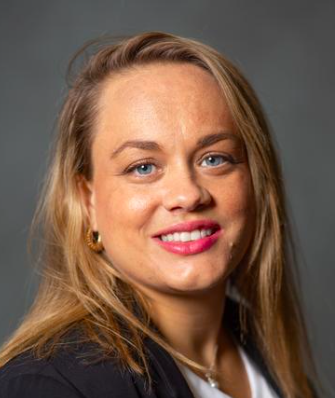
Screen Shot 2023-06-06 at 7.00.14 PMDeborah McNelis, M.Ed, author, The First 60 Days and The Neuro-Nurturing ® Interactive Packet Series for new parents, founder, Brain Insights will share what the workplace would look like if babies ran it!

Day 2: Change starts here: Toxic stress, burnout, and work life balance. We have to look at where we are  – as individuals – with toxic stress, burnout, and work life balance.  What are the lived experiences of people who’ve survived toxic workplaces? Racism on the job? Microaggressions for being LGBTQI? Loss of employment or income due to lack of quality affordable childcare? What are the lived experiences of people in places where new parents are given time off, and high quality childcare is state-sponsored, as is healthcare? How are states handling the mental health crisis and creating trauma-informed, inclusive workplaces? Is diversity, equity, inclusivity, and belonging work the solution?
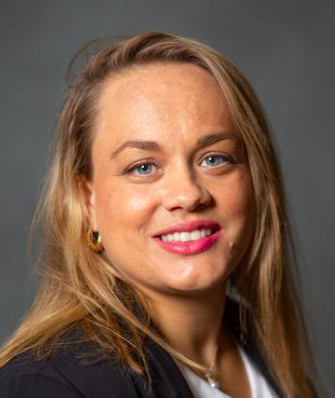
Screen Shot 2023-06-06 at 7.11.50 PMSpeakers will include Porter Jennings-McGarity, PhD, LCSW, PACEs Connection Director of Community Data + Continuous Quality Improvement and Trauma-Informed Criminal Justice Consultant, Alison Cebulla, Healthy Workplaces Consultant, and Becky Haas, internationally recognized advocate, trainer, and organizational coach on using a trauma-informed approach.

Guided by her direct practice experience in the child welfare system, Dr. Jennings-McGarity’s scholarly agenda includes empirical research related to secondary trauma and burnout in the child-welfare system, including co-authorship of a peer-reviewed research paper on compassion satisfaction published in the Journal of Social Service Research.
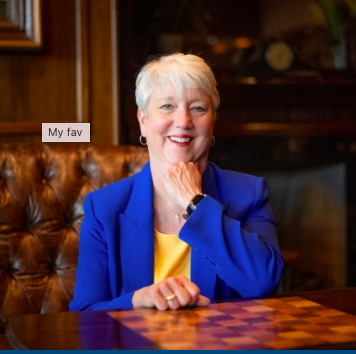
Screen Shot 2023-06-06 at 7.19.02 PMHaas is the co-author of  the Building a Trauma Informed System of Care Toolkit for the Tennessee Department of Children’s Services. It details a blueprint for creating community resilience, as featured in PACEs Connection, Growing Resilient Communities 2.1, and has been recommended as a “practical tool” in Johns Hopkins, Progress in Community Health Partnerships: Research, Education, and Action.
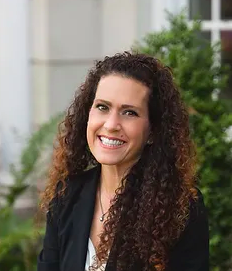
Screen Shot 2023-06-06 at 6.58.34 PMEmily Anne Vall, Ph.D. and executive director of Resilient Georgia, and Jenn Graham, founder and CEO of Inclusivv  will discuss how Resilient Georgia has created several tools, resources and opportunities that all partners can take advantage of to create a more trauma informed workplace culture and recognize secondary trauma and/or empathy fatigue.
Screen Shot 2023-06-06 at 6.59.43 PM

Vall and Graham will also discuss ways  regional coalitions have bolstered this work through workplace training opportunities, leadership opportunities, and courageous conversations. They will also share more about the work of  Inclusivv across Georgia to embrace workplace culture and inclusivity.

Day 3: The Future of Work – Envisioning a healing-centered workplace and just society. Diversity, equity and inclusion, and health and wellness. What does work look like in a “Just Society”?  Do we value – or not value – the sacredness of work? How do we pay people what they’re worth? How do we ensure that people are able to do work they love? How will it be when all work is honored and valued, when all are assured an income that makes truly living – being able to afford the basics of housing, food, clothing, transportation, education, and healthcare as a given, but also earning enough to enjoy life’s pleasures of vacations, entertainment, free time? Will we actually be more productive? Can we create enough trust in the workplace to ask for empathy? Who is monitoring what organizations become trauma-informed, what does that mean, and how do we find out which workplaces are “Family Forward”?
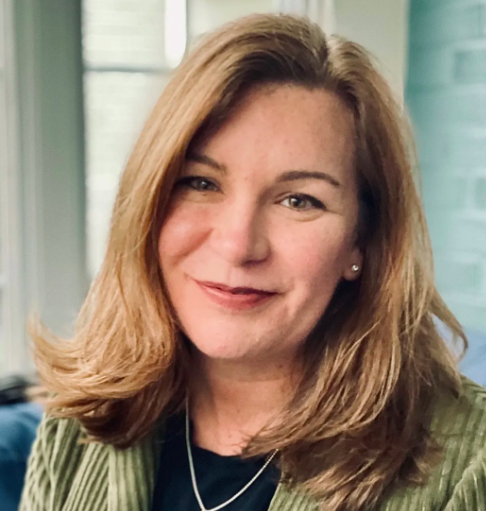
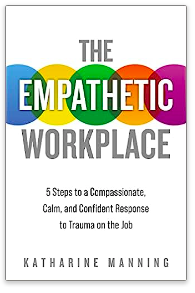
Screen Shot 2023-06-06 at 7.06.38 PMSpeakers will include Katharine Manning, author of The Empathetic Workplace, and Vernisha Crawford, CEO of theTrauma-Informed Institute, as well as Lisa Finaldi, Community Engagement Leader at the North Carolina Early Childhood Foundation, which recently began certifying “Family Forward” workplaces.

Manning has worked on issues of trauma and victimization for more than 25 years. As a senior attorney advisor with the Executive Office for United States Attorneys, for fifteen years, Manning guided the Justice Department through its response to victims in cases ranging from terrorism to large-scale financial fraud to child exploitation.

Screen Shot 2023-06-06 at 7.07.05 PMCrawford’s Trauma-Informed Institute certifies leaders as trauma-informed professionals to reduce workplace trauma and prioritize wellness. Her presentation will emphasize the non-negotiable nature of wellness in our lives, and how prioritizing our physical, mental, and emotional well-being impacts personal and professional success.
IMG_6635

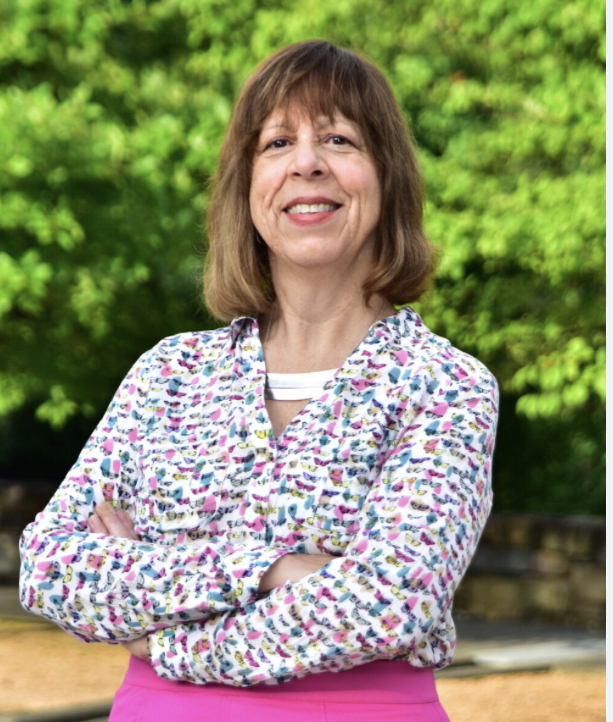
Finaldi, Community Engagement Leader at the North Carolina Early Childhood Foundation, has led the charge on creating Family Forward NC, an initiative to “improve children’s health and well-being and keep North Carolina’s businesses competitive”.  The program is “employer-led change to increase access to research-based, family-friendly practices — big and small — that improve workplace productivity, recruitment and retention; grow a strong economy; and support children’s healthy development.”

At the end of each day’s presentations, a panel discussion with the speakers will give speakers and attendees alike the opportunity to make comments and ask questions.


For current and future sponsorship packages and other information, contact Carey Sipp, PACEs Connection, director of strategic partnerships, at csipp@pacesconnection.com.

Register here now for Healing Centered Workplaces: The Future of Work conference, taking place from noon – 5:00 p.m. ET, June 13 – 15. Tickets range from $150 for a single day to $399 for the full conference. Conference sessions will be recorded and offered for sale at a later date.

Attachments

Hide

Images (13)

Screen Shot 2023-06-06 at 7.10.55 PM: Ingrid Cockhren, PACEs Connection CEO
Screen Shot 2023-06-06 at 7.05.59 PM: Anthony Biglan, PhD
Screen Shot 2023-06-06 at 7.07.54 PM
Screen Shot 2023-06-06 at 7.20.31 PM: Clare Anderson, Senior Policy Fellow, Chapin Hall at the University of Chicago
Screen Shot 2023-06-06 at 7.00.14 PM: Deborah McNelis, M.Ed.
Screen Shot 2023-06-06 at 7.11.50 PM: Porter Jennings-McGarity, PhD, Director of Continuous Quality Improvement,  and Justice Consultant, PACEs Connection
Screen Shot 2023-06-06 at 7.19.02 PM
Screen Shot 2023-06-06 at 6.58.34 PM: Emily Anne Vall, PhD, Executive Director, Resilient Georgia
Screen Shot 2023-06-06 at 6.59.43 PM: Jenn Graham, Exclusivv
Screen Shot 2023-06-06 at 7.06.38 PM: Katharine Manning, Author, The Empathetic Workplace
Screen Shot 2023-06-06 at 7.08.15 PM
Screen Shot 2023-06-06 at 7.07.05 PM: Vernisha Crawford, CEO, Trauma Informed Institute
IMG_6635: Lisa Finaldi, Community Engagement Leader, North Carolina Early Childhood Foundation

‘History. Culture. Trauma.’ podcast: Encore interview with Dr. Bruce Perry on historical trauma and ‘What Happened to You?’ Thurs. 1 p.m. PT; 4 p.m. ET

Carey Sipp Carey Sipp 6/20/231:55 PM

As a reflection on the past weekend’s celebration of Juneteenth, and the historical trauma of chattel slavery influencing our lives today, this week’s episode of the History. Culture. Trauma podcast is an excerpt from a recorded interview of Dr. Bruce Perry conducted by hosts Ingrid Cockhren, PACEs Connection CEO,  and Mathew Portell, director of education and outreach, in June, 2022.

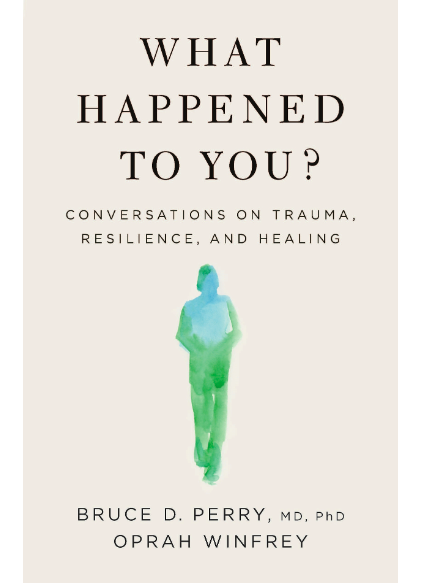
In this interview Perry discusses, within the context of historical trauma, his #1 New York Times Bestseller “What Happened to You? Conversations on Trauma, Resilience, and Healing” (2021), which he co-authored with Oprah Winfrey.

“If you don’t understand history, you’re never going to understand trauma. And if you don’t understand trauma, you’re never going to understand history. And this is part of our problem as a field,” said Perry in the wide-ranging interview discussing  the intersecting fields of trauma and historical trauma.

“There are some really exciting and important things that are happening in the area of historical trauma,” said Perry. He addressed the history of colonialism, treatment of indigenous people, kidnapping and enslavement that are such a part of the history and historical trauma of the United States.

“You know, we are living in systems that are fundamentally colonial in construction,” he said. “And colonialism basically means I’m going to come into your space, your place, and I’m going to take your things and I’m going to make you feel privileged, if I give you a little bit of it back.”

Screen Shot 2023-06-20 at 3.53.23 PM
Historical perspectives about trauma deserve “as much attention and funding and support” as is given to people studying the effects of a drug on post traumatic stress disorder (PTSD), or the effects of other treatments, he said.

Perry is the principal of the Neurosequential Network, senior fellow of The Child Trauma Academy and adjunct professor in the Departments of Psychiatry and Behavioral Sciences at the Feinberg School of Medicine at Northwestern University in Chicago and the School of Allied Health, College of Science, Health and Engineering, La Trobe University, Melbourne, Victoria Australia.

According to his website, “Over the last thirty years, Dr. Perry has been an active teacher, clinician and researcher in children’s mental health and the neurosciences holding a variety of academic positions. His work on the impact of abuse, neglect and trauma on the developing brain has impacted clinical practice, programs and policy across the world. Dr. Perry is the author, with Maia Szalavitz, of “The Boy Who Was Raised As A Dog”, a bestselling book based on his work with maltreated children, and “Born For Love: Why Empathy is Essential and Endangered”.

Perry, a native of Bismarck, North Dakota, earned his undergraduate degree at Stanford University and Amherst College. He attended medical and graduate school at Northwestern University, receiving both M.D. and Ph.D. degrees, and completed a residency in general psychiatry at Yale University School of Medicine and a fellowship in Child and Adolescent Psychiatry at The University of Chicago.

To listen to Thursday’s podcast at 1 p.m. PT, 4 p.m. ET, click here.

To hear prior episodes via your favorite podcast service, use the links below.

To watch the complete webinar, visit the PACEs Connection YouTube channel here.

Constipation nation? Damndemic guts and PACEs science. Anybody else on the john at 5 a.m. being hypnotized by their IBS App?

Carey Sipp Carey Sipp 6/29/236:23 PM

This is the first in a series of blogs about what I believe to be some of the consequences – “negative” and “positive” – of positive and adverse childhood experiences (PACEs) across my lifespan. I share this as my healing journey takes another twisty turn for the better. I’d love to know if and how you believe your positive and adverse childhood experiences have affected your health.

I’ll post other installments as we at PACEs Connection continue to share the latest science, and stay focused on our work to connect and create healing communities. Subsequent topics may include insights on PACEs and finances, relationships, and parenting.

Please know my intention is not to offend anyone, or to make light of my own experiences, or to make light of the experiences of others. It is to share experiences in hopes of helping fellow travelers and wanting the world to know that the traumas being wrought upon us are in large part the results of broken values and systems in the collective that affect families and individuals — across the lifespan!

Physicians, policymakers, and business leaders need to know about the pain perpetuated and created by their reluctance to recognize and address childhood trauma as the root cause of most of our seemingly most intractable societal and personal challenges. We all live with collective “undigested trauma” and I believe that is why we are a nation and a people experiencing so much pain. The pain is trying to tell us all a lot. And I’ll say more about that in subsequent essays.

I do believe we are our own best healers, that laughter is some of the best medicine, and that being able to look back on adversity with curiosity, compassion, and grace adds years to our lives.

There is science to support those beliefs. Proof positive? I am still here, and look forward to sharing these and other findings with this “chosen family” of fellow members of PACEs Connection.

Happy 4th of July weekend. May it be truly liberating.

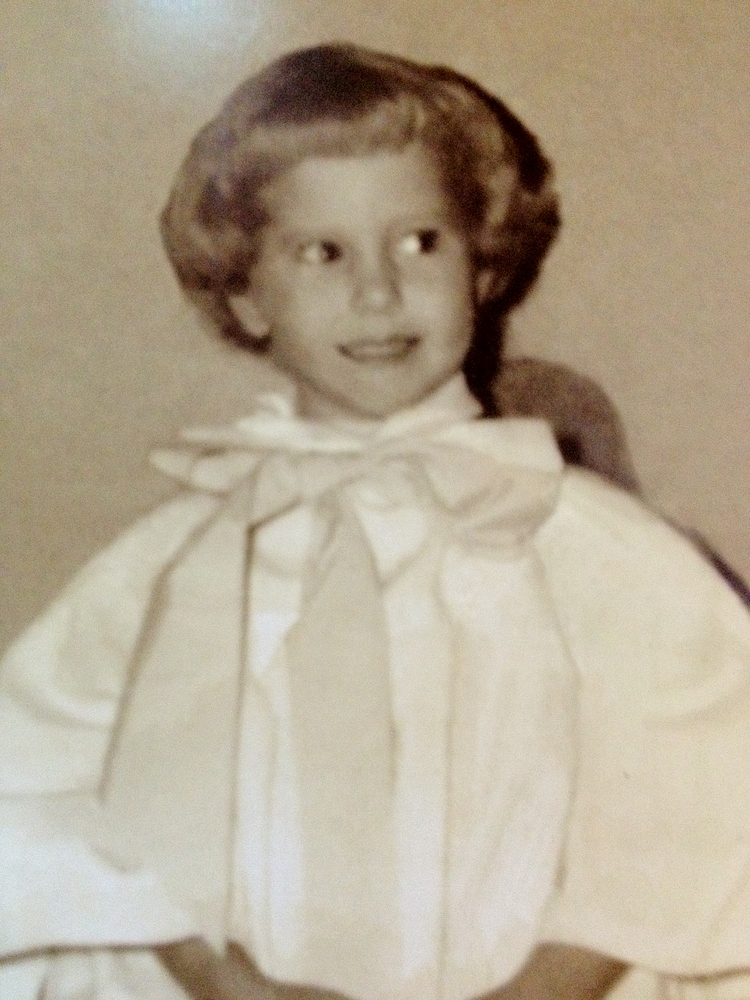
IMG_2842

GUTS

Here’s the deal: I was born with gut issues. There are myriad reasons for it, probably, but the root cause of the root and sacral chakra block that keeps my guts twisted, turning, and sometimes frozen or  burning, is likely trauma experienced when I was an itty-bitty fetus.

Adverse fetal experiences?

I say adverse birth experiences because my mother was the victim of horrific domestic violence while she carried me, and it sure didn’t get better when she had a baby girl instead of the hoped-for baby boy.

Anyway, that’s kind of root cause of why, at 5 a.m. on a Saturday morning, I am AWAKE. Doing cat-cow yoga moves. Breathing deeply into my bowels. Drinking MORE hot water. Taking the fistful of probiotics I take in the morning to complement the fistful of probiotics I take mid-day and the fistfull I take at night.

This is a 24-7 operation, trying to regulate my dysregulated guts. And it has been for much of my life. Oddly, while I was pregnant and pumped full of progesterone, and then breastfeeding and high on my own oxytocin, I didn’t have these issues. But that was more than 30 years ago. Those were the sweetest of days, despite all manner of other challenges.

But now it is about 5:45 a.m. I’ve done more yoga moves. I am sitting on the john with my feet up on a box to replicate the effect of using a “Squatty Potty”, a plastic footstool like thing I’d bought years ago after seeing it on SharkTank.  As part of the sales pitch, the successful inventor revealed that the way Americans sit while toileting actually prevents a healthy bowel movement.

Go figure. Not having our bodies in a squatting position – as our hunter-gatherer nomadic ancestors did – isn’t good for us for many reasons. But that’s another gut report.

How many different simultaneous actions are happening here to support this effort?

  1. All those probiotics are working in my frozen gut
  2. I am massaging my part of my lower abdomen in a way that is supposed to help facilitate movement
  3. I have been listening to the “Inner River” meditation in my “Flare Up Kit” on the Nerva app (I pay about $20 a month for it.)  It is delightful. A lovely Australian lady hypnotizes me in 15 minutes to “relax my body” and calm my sympathetic nervous system the-heck -down so I can get to rest and digest and what I call DIVEST
  4. I’ve been rocking gently, as that, too, is supposed to help
  5. Prior to this magic moment, I sipped a cup of hot water
  6. I also drank a tall-boy cup of “Bio Coffee” that tastes great with some stevia in it, and was created to help customers “love what it does to your body” because it’s formulated to help support gut health
  7. Hours before this moment, I drank a few ounces of purified water into which I had dumped a scoop of “Calm” magnesium, which helps me sleep and has the side benefit of promoting “motility”
  8. Prior to bed, I had also exercised, eaten a meal of organic turkey, organic jicama tortillas, and papaya. (I eat about six papayas a week because they are supposed to be so good for your guts). I had laughed some by watching the most recent episode of “Ted Lasso.” Laughter is great for guts
  9. I had also had a long talk with a dear friend, which helped me have a sense of being supported and connected. (Relational health supports all health systems, but especially gut health. I think about this often as I eat dinner alone and don’t always relate to my food respectfully by taking time to savor it and thank the plant or creature whose energy I am consuming to stay alive. Note to self: ponder these things for a future essay!)

If I had a nickel for every dollar spent on different remedies for JUST my stomach issues over my lifetime, I might not be rich. But I’d be on the way.

A little bit of information (there is MUCH more) about PACEs science and gut health.

We know from the landmark Adverse Childhood Experiences (ACE) study published in 1998 by The Centers for Disease Control and Prevention and Kaiser Permenete, and written by personal heroes Vincent Felitte, MD, and Rob Anda, MD, that the more ACEs are stacked up in our history, the greater the likelihood of all manner of health issues. My score is eight out of the ten original ACEs.

Subsequent studies looking specifically at gut health show the correlation between gastrointestinal issues and ACEs. The dose-related response truths hold up. The more ACEs, the greater the likelihood of gut trouble. (I am also telling this story because I want to raise awareness of the connection between ACEs and all manner of issues, but also because I want to contribute to raising awareness of the correlation so maybe, just maybe, the next gut doctor I go to will know the rationale for asking patients to answer the ACE questionnaire!)

Baby and little kid guts. Opium?

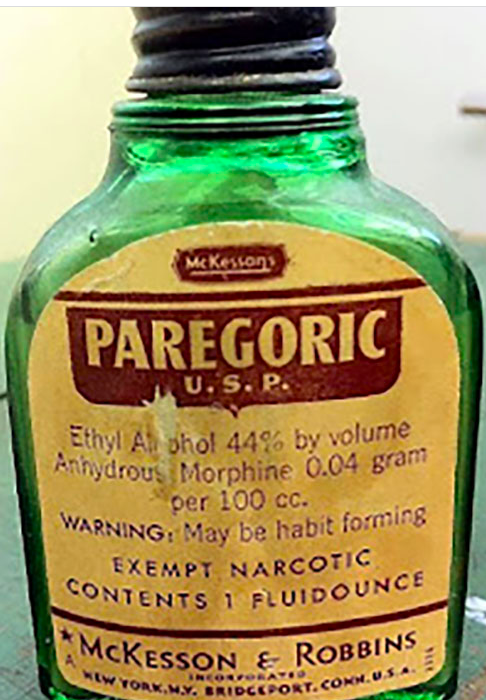
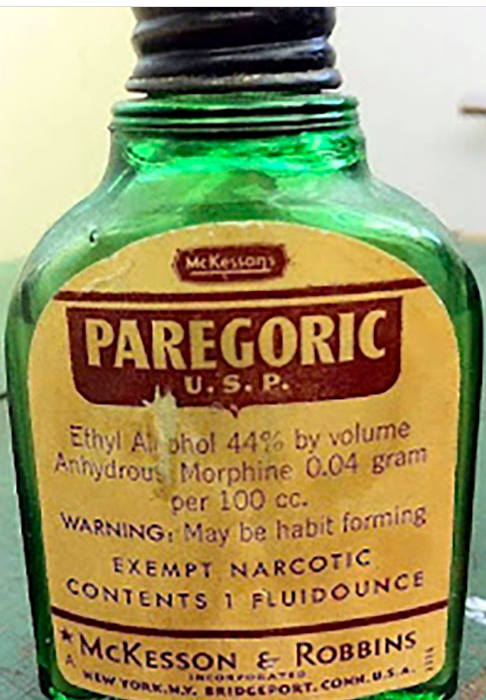
As a child there were visits to the pediatrician. And the memories of being given paregoric – opium – which tasted like licorice (I cannot stand that taste) and which my mother kept above the refrigerator.

Screen Shot 2023-06-30 at 3.35.35 PM

I have no idea how often she pulled out the dropper to knock me out when I was a colicky baby and whiny toddler. Or how many times the cleaning ladies who took care of me much of the time from the age of early infancy until I became a latchkey kid, slipped it to me so they could have a moment’s peace to do the work they were hired to do.

I have imagined, since doing exhausting rounds of inner child work and putting it together that my maternal grandmother died at the same time my mother went back to work – when I was just six weeks old – that the instructions to the cleaning ladies, who were paid $4 a day and not treated very well, must have been to “cook, clean, iron, and oh, by-the-way, there’s a baby in there”.

So that must have been part of the reason I have almost always felt an undercurrent of loneliness. Because I was left at home with the cleaning lady at least  three or four days a week while my mother was working and or taking part in her myriad civic duties. And the person hired to clean the house and do all those other chores and take care of me? How could she have had a lot of enthusiasm for the role, given that she was being paid less than a dollar an hour, was expected to do an inordinate number of tasks, and was likely missing her own children? It was a no-win situation and when I was older and learned more about how Black people were treated, that, too, made my stomach hurt. Still does.

Where the nurturing came into the equation.

Thank God I also know that I sometimes stayed with my paternal grandmother. She loved me deeply and taught me, from an early age, about being kind to people. She also taught me about bugs, flowers, gardening, canning, pickling, cooking, and the joy of shelling peas. She was a living, breathing positive childhood experience (PCE) for me.

But in between those lovely visits to her farm, and wonderful times watching  my next door neighbor, Miss Minnie Anne, cook and garden, I was a pretty sickly child who got carsick on the way to school. And who would throw up at the first whiff of certain odors. In fact, as a third grader, I contributed mightily to the Great Maple Street Elementary School Chain Reaction Barf of 1964.

The Great Maple Street Elementary School Chain Reaction Barf of 1964.

I remember it as if it were a minute ago: Someone threw up in the hallway on the way back from the lunchroom. We’d had fish sticks, mashed potatoes and maybe turnip greens or peas for lunch. Something green. Anyway, the scent of fishy vomit floated my way.

My friend Sally stood in line in front of me as I projectile vomited into her waist-length, shiny brown hair.

Several other kids chucked on the person in front of them.

The school janitor was shoveling that minty sawdust-like stuff all over the hallway to try and mask the scent. It was a feast for all the senses: sight, smell, sound, the touch of the teachers pushing us against the wall and away from each other, and the lingering taste of, well, you know.

We all got to go home for the rest of the day.

While I know Sally forgave me for upchucking on her, I once advocated for her so vociferously that I got paddled by the principal.

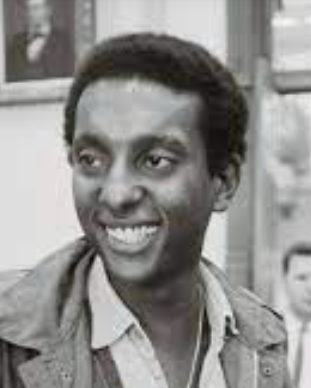
“A little Stokely Charmichael”

Perhaps I fought so hard on her behalf out of guilt for spewing bodily fluids onto her; perhaps it was because I started fighting for the underdog as a tiny child protecting my brother during my parent’s knock-down, drag-out, liquor-fueled (him, NOT her; thank God they weren’t both drinking!) fights.

Whatever the reason, later that year or the next, Sally had been out sick for a week or two, and was being forced to complete all of her homework in what other kids and I thought was an unre
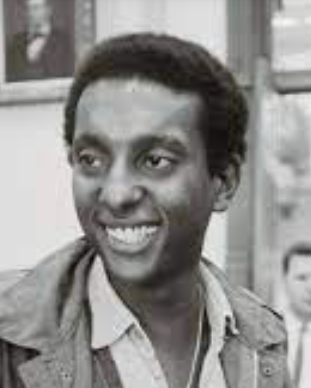
asonably short period of time. I circulated a petition about this being unfair, resulting in the paddling and my being called “a little Stokely Carmichael” by the principal, as he whacked my fifty or so pound self three or four times with a long wooden paddle. It even had holes in it to enhance the pain.

Screen Shot 2023-06-30 at 3.40.41 PM

Stokely Carmichael was a civil rights leader. In pre-integration small-town Georgia, comparing me to a Black man threatening this old white principal’s way of life was NOT a compliment. It was a comparison that earned me more punishment at home.

My beloved  little paternal grandmother – she probably weighed eighty-five pounds soaking wet – was courageous as hell, herself a victim of domestic violence and an advocate for the Black tenants to whom my grandfather rented run-down shanties. I’d like to think she was secretly proud of the principal’s comparison, though I am certain it mortified the rest of the family, most of whom did not hold me in favor for my questioning of the hymn, “Jesus Loves the Little Children” with its key line “red and yellow, black and white, they are precious in his sight. Jesus loves the little children of the world.” I wondered why, if Jesus loved everyone, we weren’t supposed to too?

A thrilling diagnosis.

I could go on about my guts as a kid, but I’ll fast forward to being 20 and having an “ulcerated area in my duodenum.” Truly, I was thrilled with the diagnosis, tendered by our trusted family doctor when I stayed in the hospital for tests and rest on a Christmas vacation home from college. Finally I had proof that I wasn’t making it all up, or, as my mother loved to say, “It is all in your head.”

She claimed I was faking it despite the fact that she drank about three bottles of Maalox a week to wash down the Anacin she took to help the tension headaches caused by the stress of her job working for a man she was terrified of, and living with a man she was terrified of because he would yank her hair out, punch her, throw her down steps, and threaten us with myriad weapons. Guns. Knives. Belts.

To make sure she knew whatever she did was worthless, he’d also sometimes trash the nice furniture she bought by slashing the surface of bedside tables with a hunting knife, punching or shooting holes in the wall, breaking glass to get into the door at all hours of the night, and literally pissing on the flowers she planted.

Yep. I think I came by my tender guts honestly.

Sometimes my mother would be doubled over in pain as she put on her makeup to go to work. Oh. And THAT smell would get to me, too. Because she had a port wine birthmark over half of her face, she literally cooked her “pancake” makeup each morning before applying it. Pancake makeup does not smell good first thing in the morning. Or ever.

She looked beautiful. But underneath that layer of makeup, and the starched white uniform, seamed white hose, and white oxford shoes she wore as her dental hygienist’s uniform, there was a riot of rage as dark and jagged as that birthmark that must have caused ungodly teasing in Depression-era Georgia and Alabama. It was probably part of the reason she felt as if she’d better say yes to my father’s proposal. About him? When she married him he was a World War II veteran who’d experienced his own share of trauma as a child whose father beat the hell out of him, and as a 18-year-old on a submarine in the Pacific during World War II. One story was that his best friend died right in front of him. My father had “hatch duty”. But one day the friend asked to open the hatch instead, and was killed the instant his head popped out in open air.

Multi-generational ACEs; medicine combinations; the bitter end of dark chocolate.

I now understand why my father suffered bouts of depression and anxiety, though I wish he’d had healthier ways of coping than jigger upon jigger of Early Times bourbon mixed with Coca-Cola, tons of my grandmother’s carbohydrate and fat-filled home cooking, relentless skirt chasing, and pound-downs on my mother when she sniffled, cleaned, didn’t cook what he wanted, complained about his wild spending or carousing, or didn’t properly clean and freeze the dove and quail he killed and brought home and left for her to “dress” because he was too smashed to do it himself.

Yep. Dead birds, bird guts and feathers, frozen little bird bodies suspended in ice in plastic containers in a deep freezer full of all manner of ice-encased fish and fowl.

Those could get me gagging too.

But I digress.

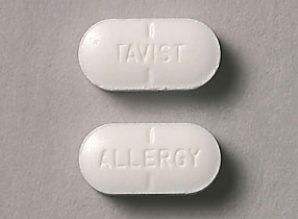
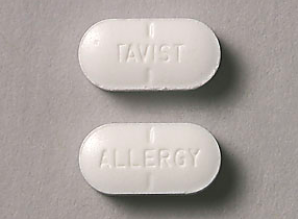
Yes. I’ve had a lifetime of gut issues I medicated with combinations of allergy medicine – because seasonal allergies and the resulting post-nasal drip (Sorry, but for folks with lots of ACEs, there are often issues with hyper-responses to allergens) – and the latest prescription for stomach ulcers. Tagamet and Tavist? That was a great combination, I explained to my doctor when I was in my early twenties. I don’t think he’d made the connection, yet, between allergies, post-nasal drip, and the Spring and Fall flare ups with gut pain and nausea until I explained why I needed both prescriptions.

Screen Shot 2023-06-30 at 3.49.07 PMOver the years there were endoscopies. Colonoscopies.The self-medicating power of the bubbles in beer. The realization that dairy was off the table. The realization that nightshade vegetables were off the table. The realization that gluten, too, was off the table. And then the horrific and deeply painful grief when one of my most favorite foods of all times – dark chocolate – was literally off the table and pretty much out of my life unless I wanted to pay dearly for having savored a bite or two of what had been a staple: four or five bars of Green & Black’s 85% organic chocolate a week. Almost a bar a day. For YEARS.

That loss came when the Damdemic hit, and I suddenly regressed into a primal fear of feeling incredibly unsafe in my own home, and in my own body, where the fire in my belly burned as if I’d swallowed a molten bowling ball.

Next report: Damndemic guts, masked horror, “Better Normals”, ACEs to PACEs, and the road to recovery being paved with many efforts.

Attachments

Hide

Images (4)

IMG_2842
Screen Shot 2023-06-30 at 3.35.35 PM
Screen Shot 2023-06-30 at 3.40.41 PM
Screen Shot 2023-06-30 at 3.49.07 PM

Carey Smith Sipp

carey.pacescommunites@gmail.com

❤️ 4👏 2

Review of “First 60 Days” booklet: Leveraging author’s work and movement could spark revolution to prevent and heal trauma, one precious baby, child, and caregiver at a time.

Carey Sipp Carey Sipp 7/25/236:28 PM

(This is a review of what I believe is an important new resource for the PACEs [for positive and adverse childhood experiences] science movement. Opinions expressed are my own, and are shared as a parent, advocate, author, and longtime student of trauma, healing, and prevention. Thoughts are also shared through my lens as someone who believes, deeply, in the incredible importance of and value in building healthier, more compassionate communities to support and nurture pregnant and new mothers; new parents and caregivers; young families. Full disclosure: Deborah McNelis’s company, Brain Insights, will soon be listed as a PACEs Connection partner, and is donating to PACEs Connection 5% of the profits from the sale of materials sold to our members or member organizations.)

Screen Shot 2023-07-25 at 8.52.29 PM


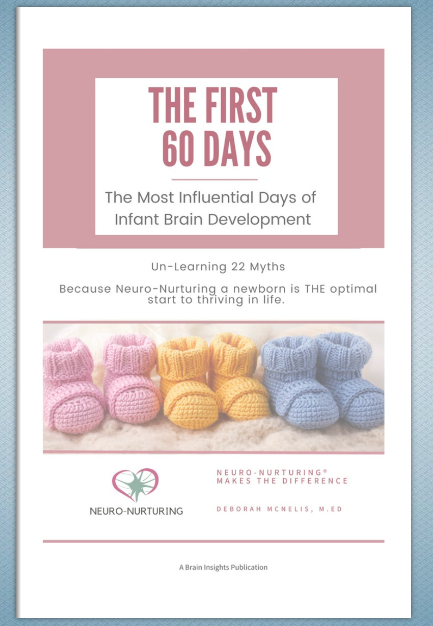
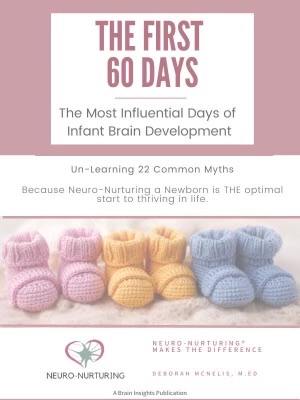
Deborah McNelis’s newest offering, “The First 60 Days,” booklet (link is to a 12-page sample) is her heartfelt response to groundbreaking research by Dr. Bruce Duncan Perry and colleagues showing the negative developmental impact of toxic stress the first two months of life, and the importance of practicing what she calls “Neuro-Nurturing ®” during this influential time in  infant brain development.

Screen Shot 2023-07-25 at 8.51.43 PMHer booklet dispels 22 potentially harmful myths about caring for newborns, among them:
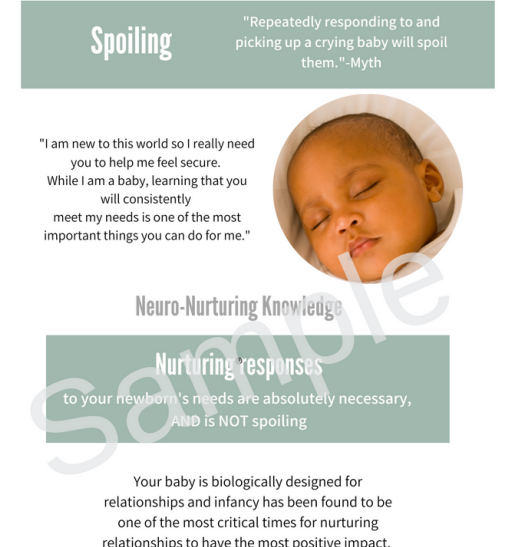
  • Repeatedly responding to and picking up a crying baby will spoil them.
  • Just like the heart is fully developed at birth, the brain is fully developed.
  • Babies are too young. They don’t know what is happening.
  • Rocking the baby creates a bad habit.
  • Your level of stress doesn’t matter to a baby.
  • If left alone babies will learn to self-regulate.
The first 60 Days - Cover revised


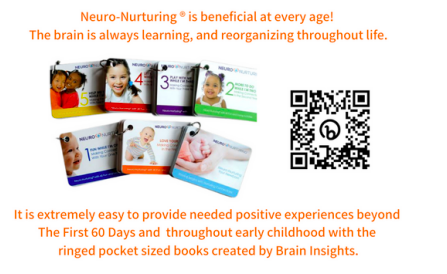
While it is not hefty, the booklet is packed with research-based recommendations, and is the capstone to McNelis’s decades of work with children and families. Over the course of some four decades in education, family support, and community building work, she created and introduced her “Neuro-Nurturing ® series of ringed, pocket-sized books, filled with loving and easy activities for caregivers to use with children at each age and stage, from newborn through age five. (These are books I definitely would have loved to have had when my children were young!)

Screen Shot 2023-07-25 at 8.50.21 PM


What about those of us who didn’t necessarily have a Neuro-Nurturing ® start?  Or children who may have experienced a lot of trauma? Or professionals who work with people who’ve experienced developmental trauma?

The research that moved McNelis to write her booklet was shared in the book “What Happened to You? Conversations on Trauma, Resilience, and Healing” by Perry and co-author Oprah Winfrey.

Screen Shot 2023-07-25 at 9.08.49 PMIn their New York Times best-seller, Perry and Winfrey share ways to help heal Complex Post Traumatic Stress Disorder (C-PTSD) and Post Traumatic Stress Disorder (PTSD).

They also share causes of trauma as well as many ways we can help prevent it, including nurturing infants and children, building more compassionate communities, and being aware of the impact of racism and working to prevent it.

Those are parts of “What Happened to You?” that I loved most, so much so, in fact, that I have given away about twenty copies of it, reviewed it here on PACEs Connection, and last summer, with the help of partners including the Children’s Trust Fund Alliance and Prevent Child Abuse Georgia, helped drive a national book study of it, resulting in about 140 community-led book studies. That effort also resulted in a PACEs Connection webinar with Perry and PACEs Connection CEO Ingrid Cockhren and director of outreach and education Mathew Portell.

Screen Shot 2023-07-26 at 10.24.31 AM

McNelis’s ringed books, though first published in 2008, show a mindfulness to racial diversity that was not often seen 15 years ago. The origin of the ringed books is quite dear, too.

“As a kindergarten teacher for 10 years, I was constantly asked by parents about what to do with their new babies and toddlers, the siblings of my students. So I created index cards of activities to promote bonding, fun, and love – by age and stage – and shared the cards to provide quick and easy answers. And that is how these popular ringed booklets came to be,” McNelis said.

Screen Shot 2023-07-25 at 8.52.49 PM

My take? Were we to truly leverage the findings of Perry and colleagues in their seminal paper, “Beyond the ACE score: Examining relationships between timing of developmental adversity, relational health and developmental outcomes in children”, published in 2018, and adopt, nationally, a program of “Neuro-Nurturing ®”, starting with this beautiful booklet of McNelis’s, we would likely see massive shifts in society within a generation.

We’d likely see a reduction in violence, child abuse, neglect, learning delays, school expulsions and suspensions, crime, domestic violence, poverty, racism and more.

Love begets love. Regulation begets regulation.

We have the resources to have a world influenced by Neuro-Nuturing ®, which could help babies receive the relational support science demonstrates helps promote healthy brain development and secure attachment.

A prediction?

I believe we’ll be hearing much more about the importance of the first two months of life from Oprah Winfrey, Perry’s co-author and friend of more than three decades, whose excitement in finding out about the adverse childhood experiences (ACEs) Study in 2018 is likely matched by her learning about Perry’s research on showing the importance of a baby’s first two months.

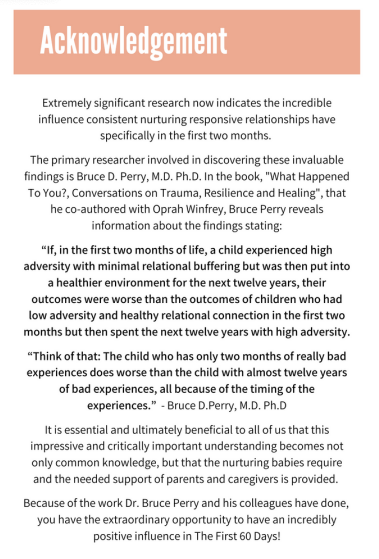
One of the key findings? An infant who has healthy relational connections the first two months of life and has high adversity the next 12 years will likely have a better outcome than the infant who has really bad experiences first two months of life and a healthy environment the next 12 years.

“Think of that,” Perry wrote in “What Happened to You?”. “The child who has only two months of really bad experiences does worse than the child with almost twelve years of bad experiences, all because of the timing of the experiences.

He continued, “This sounds discouraging, But we believe that poor outcomes are not inevitable; in fact, we believe that this is a perfect example of why we need developmentally informed, trauma-aware systems,” he said in the book.

Winfrey’s excitement about learning this information is palpable in the video clip  below. In it Winfrey says she would be “so satisfied” if she could get the message out about the importance of the first two months of life.

As a society, we need to take our claims that we love our children and make them so!

If you are having a baby, have young children, or know people who’re having having a baby, consider these materials as a gift to yourself and your family, or as the perfect baby gift.

If you’re on a hospital board, or own a business having anything to do with children, consider buying the materials in bulk and customizing them with your logo. This also applies if you are part of an advocacy agency or organization, a medical practice, or community group. Or if you are a policymaker or work in city, county, or state government.

According to McNelis, “The materials are impressive promotional items that grab attention for your efforts, while  contributing to a positive influence. State agencies, zoos, an Audubon Society chapter, health organizations, and more have bought these items as ‘premiums’ for new and expectant parents, as well as parents who needed parenting support. One state agency bought 47,000 sets and customized them with their logo.

“Visiting nurse organizations, a state representative who is also on a hospital board, judges and people in law enforcement are interested in the booklets for incarcerated mothers, foster parents, parents needing support,” she added.

Further, McNelis is donating five percent of the net profits from sales of the materials to PACEs Connection, when you mention PACEs Connection as the way you found out about her work.

For more information about ordering “The First 60 Days” booklets or the “Neuro-Nurturing ®” ringed books, please visit the Brain Insights website, or email McNelis at deb@braininsightsonline.com to receive your quantity order discount code.

Related articles: Donor Spotlight on Deborah McNelis

Attachments

Hide

Images (7)

Screen Shot 2023-07-25 at 8.52.29 PM: Author Deborah McNelis
The first 60 Days - Cover revised
Screen Shot 2023-07-25 at 8.51.43 PM
Screen Shot 2023-07-25 at 8.50.21 PM: Sample of  22 "Myths" McNelis dispels in her booklet
Screen Shot 2023-07-25 at 8.52.49 PM: Ringed booklets to help parents co-regulate with their infants, babies, toddlers, children through age five
Screen Shot 2023-07-25 at 9.08.49 PM: Cover "What Happened to You? Conversations on Trauma, Resilience, and Healing"
Screen Shot 2023-07-26 at 10.24.31 AM: Acknowledgment page from "The First 60 Days"

Files (1)

The First 60 Days Booklet – 12 Sample Pages- Brain Insights (2).pdf

Carey Smith Sipp

carey.pacescommunites@gmail.com

❤️ 2🙏 1

What Childhood Trauma Actually Does To Your Brain & How To Heal [mindbodygreen.com]

Carey Sipp Carey Sipp 8/3/232:01 PM

By Daniel Amen, Image: Chelsea Victoria/Stocksy, mindbodygreen health, August 2, 2023

Your childhood upbringing plays a major role in your brain development. If you grow up in a happy, functional home, it supports the developing brain. However, when you experience childhood trauma—such as the death of a parent, neglect, sexual abuse, or other traumatic incidents—it negatively impacts the way your brain develops. Sadly, this can have lasting consequences on your mental health and cognitive function.

What are adverse childhood experiences?

Adverse childhood experiences, or ACEs, continue to affect people in adulthood. Many adults with emotional issues don’t realize that the traumatic experiences from their childhood are at the root of their problems. And they certainly don’t understand that those incidents changed the way their brain functions, which further contributes to their ongoing mental health issues.

[Please click here to read more.]

Carey Smith Sipp

carey.pacescommunites@gmail.com

Views: 831

Add Comment

Carey SippCarey SippFormats 

javascript:””

Comments (1) 

Newest · Oldest · Popular

Mike FlaningamMike FlaningamMember

The neurobiology of ACEs doesn’t get discussed enough, so I appreciate this article. That said, I have a different perspective than the author’s, which has more of a pathologizing tone that I like. My Western medicine training is based on the model that the patient I serve has pathology and that they need me to fix them, often with medications, surgeries, or injections. I have used my more recent trauma-informed approach with the PACEs science education I’ve had to recognize that the person who was exposed early in life to too much adversity without enough support has a brain that adaptively develops in a way to make their body really efficient at responding to potential threats/stressors. This adaptation makes sense, given that babies are born to be experience-dependent in our development.  It also reframes the situation in a way that we now are appreciative of the body doing what it can to protect us, as opposed to “there’s something wrong with me”. A crucial additional point to make is that the traumatic world we all live in now is regularly triggering all of us, potentially more so in people whose brains are efficient at going into survival states.


A special request from the staff at PACEs Connection

Carey Sipp Carey Sipp 8/22/2311:30 AM

Photo above is of the PACEs Connection staff as we said goodbye to Jane Stevens, PACEs Connection founder and former CEO and publisher, on her transitioning to her new role as publisher of ACEsTooHigh, which was spun off from PACEs Connection on May 1. The eight staff members left in this photo curate and maintain the website, calendar, enewsletters, podcasts, webinars, maps, schedule of Creating Resilient Communities classes, membership profiles and more! They are, top row, l-r, Kahshanna Evans, director of Creating Resilient Communities; Carey Sipp, director of strategic partnerships; Jane Stevens, founder and former CEO, now retired; second row, l-r, Ingrid Cockhren, CEO; Rafael Maravilla, network manager, and Mathew Portell, director of education and outreach; third row, l-r, Jenna Quinn, program coordinator, environmental justice consultant; Porter Jennings McGarity, director of continuous quality improvement and community data, and Tawana Irvin, chief administrative officer.

“As long as I have worked here, I’ve only met two of my colleagues in person. There will always be a barrier that exists when the only way you are able to communicate with someone is through a screen.”

Did you know PACEs Connection …

  • Is a community of communities that’s raised awareness of the science of adverse childhood experiences (ACEs) for 11 years? In 2020, when we changed the name to PACEs Connection, we started cementing the importance of positive and adverse childhood experiences (PACEs) across all sectors, including journalism, policy and legislation, medicine, education and law enforcement, as well as the faith-based, parenting, LGBTQAI+ communities, and more. Our community of communities is now almost 60,000 strong!
  • Is home to 400 cross-sector (involving at least three sectors, such as education, healthcare, communities of faith, government) geographic, and 40 interest-based sub-communities. Tied together by our site, the communities help members find each other, promote their work on their respective free websites, leverage the network, use our social media tools, and more, to learn and share information.
  • Brings you the latest news on PACEs science viaour e-newsletters, the stories we write, the plethora of articles, videos, and resources we curate and post daily, and the monthly Research Corner, filled with the latest peer-reviewed scientific journal articles shared with us by Dr. Harise Stein, a medical doctor and Stanford University professor. We also create and share our ownwebinars andconferences, our History. Culture. Trauma. podcasts, our Historical Trauma in America series, plus the 25 Creating Resilient Communities (CRC) educational webinars staff members present each month. We also offer  – again, at no charge – our Resource Center, modeled after those used in public libraries, and offering a wealth of free resources (many in Spanish and English) used by schools, parenting groups, community outreach programs, colleges, universities, physicians’ offices and more.
  • Connects members of our Cooperative of Communities for our coast-to-coast think tank, and gives members access to your posts, questions, conference and event promotions, comments, and more. It’s a platform we monitor closely to keep as a safe space for our members – including ourselves. It’s also a tool members use  to calendar, market,  and build businesses, promote themselves as subject matter experts, and promote podcasts, workshops, conferences, goods and services. We are delighted to have played a role in your success! With that thought in mind, this is also where we recently shared news of our own offerings in professional development and consulting, and invited you to reach out to Ingrid Cockhren, our CEO, for more information on our services, which started with diversity, equity, inclusion, and belonging work.
  • Is actually run by a lean and scrappy team of just eight dedicated individuals? That’s right. All of this work, and more, is done by just eight people!

Surprised?

We know this work is important to many of our almost 60,000 members, because you, too, share blog posts about your work, your events, your experiences.

We are your conveners, offering this home to post and process, to relate, to learn how to regulate, and reason, and to find members in your own state – and possibly right down the street – who care about the same concerns you do!

Here, each month, there are more than 2.5 million page views!

Some of our members may well have been able to launch or sustain businesses in large part because PACEs Connection has helped them get the word out about trainings, podcasts, webinars, books, public speaking, recovery programs, and more.

Again, this is a service we have loved to provide – with no subscription or membership fee – since 2012.

It’s time, though, for us to make a special request of you. It’s not a heavy lift.

You see, we’d really like to meet each other in person! And we’re hoping you, our readers, members, frequent users, and friends, will support this request by making a tax-deductible contribution to PACEs Connection that will help us connect, in person, later this summer.

Half of us have never met another staff person! And most of us who have met each other haven’t seen each other in five years. Truth? We would deeply appreciate the time to meet each other, connect, work together on some important planning, and have some recreation and restoration time together. All so we can keep improving what we deliver to you, every day.

When asked why they are eager to have a staff retreat, comments included:

“Fresh ideas come when folks can hang out for some team building and fun. Spending time in 3-D is really important for developing trust and bonds with each other.”

“We’ve accomplished so much on a strictly virtual platform. We need to have some in-person bonding. The pandemic showed the world that having human interaction every now and then is necessary; this retreat will support that!”

“We need a work retreat  to support healthy team collaborations, to have the opportunity to step away from our daily routines and stresses, and allow many of us to talk face-to-face for the first time ever, build understanding, and foster a stronger, more cohesive team culture.”

“Empirical evidence underscores the importance of investing in practices to foster healthy team building, especially in non profit organizations. Such activities help unite a team, which helps the team fulfill its mission.”

With your help, we’re hoping to raise about $20,000, enabling staff from California, Massachusetts, New York, North Carolina, and Tennessee, to travel and connect for three days of strategic planning, solution seeking, getting to know each other, and bonding.

Would you be willing to help us connect as we work to improve the work we do for you, our members and readers?

Your donation is tax deductible. You may donate online, or to mail your donation, please make your check payable to: TSNE (Third Sector New England, our fiscal sponsor) and write PACEs Connection Donation on the memo line.

Mail check to:

PACEs Connection, c/o TSNE, 89 South Street, Suite 700, Boston, MA 02111

To wire transfer funds, or if you have questions or comments, please email me, Carey Sipp, director of strategic partnerships, at csipp@pacesconnection.com, or email Ingrid Cockhren, our CEO, at icockhren@pacesconnection.com with the subject line: In-person staff meeting.

Thank you in advance for your support!

Your support of our work is greatly appreciated. Please click here to donate today.

Carey Smith Sipp

carey.pacescommunites@gmail.com

Opinion: Our economy is about to meet the childcare cliff — and it will be devastating (hechingerreport.org)

Carey Sipp Carey Sipp 9/29/239:49 PM

According to estimates, up to 70,000 daycare facilities could close, causing three million child care slots to vanish. Credit: Camilla Forte/ The Hechinger Report

by Lisa M. Hamilton September 28, 2023 (Opinion) The Hechinger Report

IMG_7991

(Lisa M. Hamilton is the president and chief executive officer of the Annie E. Casey Foundation.)


Millions of working parents will face a child care emergency after pandemic-era federal funding ends Sept. 30, just two days from now.

Whether you are one of the affected parents or not, you will feel the impact on our nation’s workforce and economy.

According to estimates, up to 70,000 daycare facilities could close, causing three million child care slots to vanish. This is a loss of educational opportunity for children, but also a devastating loss of support for millions of working parents who may have to leave their jobs.

All of us will surely feel the resulting blow to our economy if a projected $9 billion-plus in earnings is lost.

Related: What American can learn from Canada’s new $10 a day childcare

Sadly, this is just the latest failure in a child care system that has been broken for decades.

As The Casey Foundation recently highlighted in our 2023 KIDS COUNT® Data Book, shortcomings of the child care system already cost the country $122 billion a year in lost wages, tax revenue and productivity.

We cannot allow these cascading consequences to continue.

Every other country with an economy comparable to ours has created a sustainable system that better meets the needs of families, employers and child care workers.

It’s time for policymakers to explore immediate solutions. We know they exist: Every other country with an economy comparable to ours has created a sustainable system that better meets the needs of families, employers and child care workers.

Moreover, we already have evidence in our own economy of what can work. For example, home-based providers are more likely to operate during non-traditional hours, when shift workers, single parents and student parents need them. One thing we can do right away is to increase access to affordable startup and expansion capital for new and existing home-based centers.

A robust, reliable care system requires investment. Average public spending on child care among the comparatively wealthy Organization for Economic Cooperation and Development (OECD) nations is $16,000 a year per child.

The United States invests a mere $500 per child. How can we invest so little in our future workforce? In the leaders of tomorrow?

Related: A wave of childcare closures is coming as funding dries up

Families are working hard to meet their needs but costs continue to rise, putting quality care beyond their reach. Child care costs in the U.S. averaged $10,600 a year in 2021, according to an analysis by the advocacy organization Child Care Aware. That’s 10 percent of a couple’s average income — or 35 percent of a single parent’s income.

In at least 34 states, care for the youngest children is more expensive than in-state college tuition.

What support does exist for families is difficult to get and insufficient. As a result, only one out of every six U.S. children eligible for public subsidies receives them.

Women, single parents, parents in poverty, families of color and immigrant families carry the heaviest burden of this crisis: An analysis of 2017 data indicated center-based care for two children absorbed 26 percent of a white working mother’s median household income. For Latino, American Indian or Alaska Native, and Black working mothers, those figures were 42 percent, 51 percent and 56 percent, respectively.

These figures demonstrate how the cost of care can make it almost impossible for a household to meet other basic needs like housing, food and transportation — which all continue to escalate in cost.

In spite of this, providers themselves, almost all women and disproportionately women of color, are barely staying afloat, operating on one percent margins.

No wonder so many are expected to close their doors starting next month.

In August, more than 1,500 state lawmakers from across the country gathered in Indianapolis for the annual National Conference of State Legislatures summit.

We heard Republicans and Democrats agree that something must be done to address the child care crisis.

They know the fallout will keep us from moving forward, from filling jobs and from ensuring that children are safe and thriving while their parents are working or completing their own education.

It’s time to channel that consensus into urgent action and real solutions.  

This is a time for creativity and thinking big among both the private and public sector. The Casey Foundation urges lawmakers to invest in the child care sector, starting with these steps:

  • Congress should reauthorize and strengthen the Child Care and Development Block Grant Act. The main reason we didn’t lose 75,000 child care centers and 3 million slots during the pandemic was the $40 billion allocated to strengthen the child care sector in the American Rescue Plan Act. We now have evidence that these investments work.
  • Public and private leaders should work together specifically to improve infrastructure for home-based child care providers. Start by increasing access to affordable startup and expansion capital.
  • Governors and legislators should encourage the higher education and business communities to take steps such as co-locating child care at work and learning sites to reduce transportation challenges.

The underpinnings of our families and our economy are too important for our elected officials to continue to ignore what is happening. The pandemic sharpened our understanding of the issues. There are good models to follow.

Now is the moment for generational action to ensure children, parents and guardians, providers and employers are never again standing at the edge of a cliff, looking for a bridge to safety, and wondering whose kids will make it to the other side and whose will be left behind.

Lisa M. Hamilton is president and CEO of the Annie E. Casey Foundation.

This story about the child care funding cliff was produced by The Hechinger Report, a nonprofit, independent news organization focused on inequality and innovation in education. Sign up for the Hechinger newsletter.

Attachments

Hide

Images (1)

IMG_7991: Lisa M. Hamilton, President and CEO, Annie E. Casey Foundation

Early Relational Health Innovators Partner In Program Supported by PACEs Connection Cooperative of Communities Members in Twelve California Counties

Carey Sipp Carey Sipp 10/3/234:59 PM

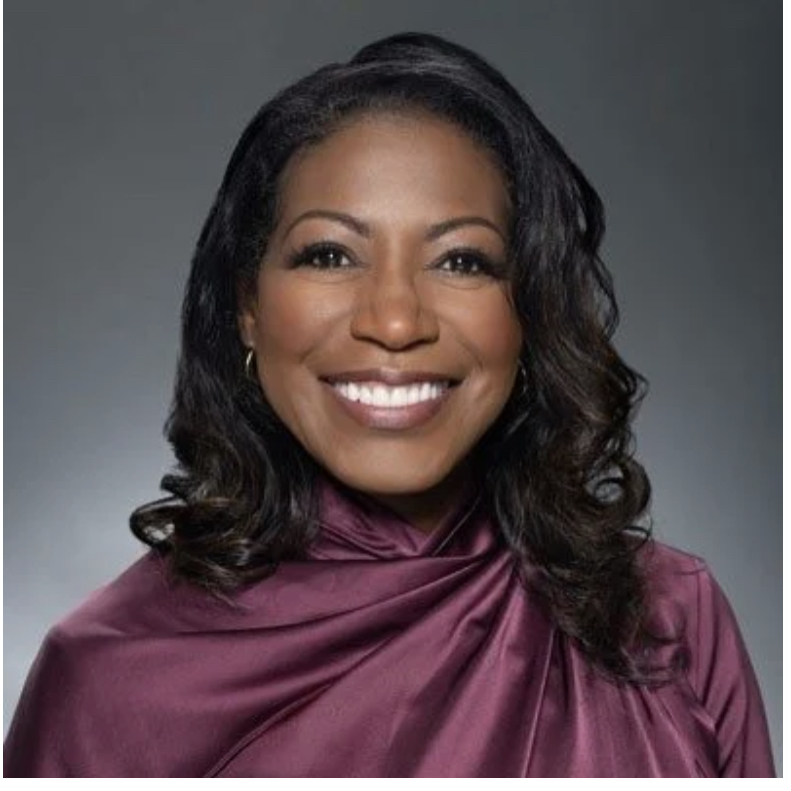
Christina Bethell, Ph.D, MBA, MPH, founder of the Child and Adolescent Health Measurement Initiative (CAHMI), principal author of the groundbreaking study on positive childhood experiences, and creator of the free Well Visit Planner, among other innovations.

Two internationally-respected leaders and innovators in complementary aspects of early relational health and childhood and maternal health equity recently launched a partnership they believe will benefit everyone from newborn babies and the mothers, fathers, grandparents, adoptive, kinship, foster parents and other primary caregivers who care for them, to pediatricians providing recommended well child visits, and communities focused on trauma prevention and resiliency building.

Screen Shot 2023-10-03 at 6.36.44 PM

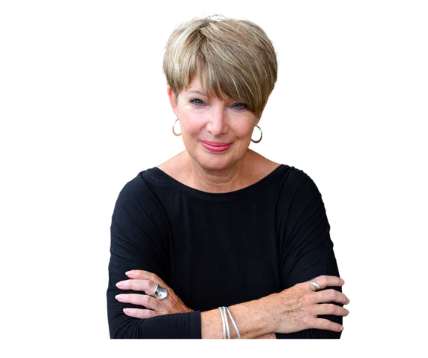
Christina Bethell, PhD, MBA, MPH, and founder of the Child and Adolescent Health Measurement Initiative (CHAMI) and the EnACT! (Engagement in Action Framework) is cross-promoting her free Well Visit Planner, a web-based application to help families and physicians be better prepared for recommended well child visits, with Deborah McNelis, M. Ed, author and founder of “The First 60 Days” booklet and movement.

Bethell is also the principal author of a study on positive childhood experiences (PCEs) and their impact on preventing adult mental illness that led to the name change of ACEs Connection to PACEs Connection — for positive and adverse childhood experiences — in March of 2021.

Screen Shot 2023-10-03 at 6.11.51 PM

McNelis is the founder of Brain Insights and creator of the Neuro-Nurturing® series of ringed booklets sharing age-appropriate activities paired with brain development insights for caregivers to use in everyday life with babies and children. These activities increase the likelihood of secure attachment and a foundation of early relational and physical health.

McNelis is also the author of a groundbreaking booklet, “The First 60 Days” (link is to a 12-page sample). The booklet and a movement she has started by the same name, are her heartfelt response to groundbreaking research by Dr. Bruce Duncan Perry and colleagues showing the negative developmental impact of toxic stress in the first two months of life, and the importance of practicing what she calls “Neuro-Nurturing®” during this influential time in  infant brain development.


Screen Shot 2023-10-03 at 6.41.45 PM
The booklet dispels 22 potentially harmful myths to reassure and support new parents. A portion of each myth is told from the newborn’s point of view. Readers also learn what newborns need for establishing a secure attachment and overall optimal development from what McNelis refers to as,Neuro-Nurturing® Knowledge. “It is all based on brain science revealing what babies and their parents/caregivers really need,” McNelis said.

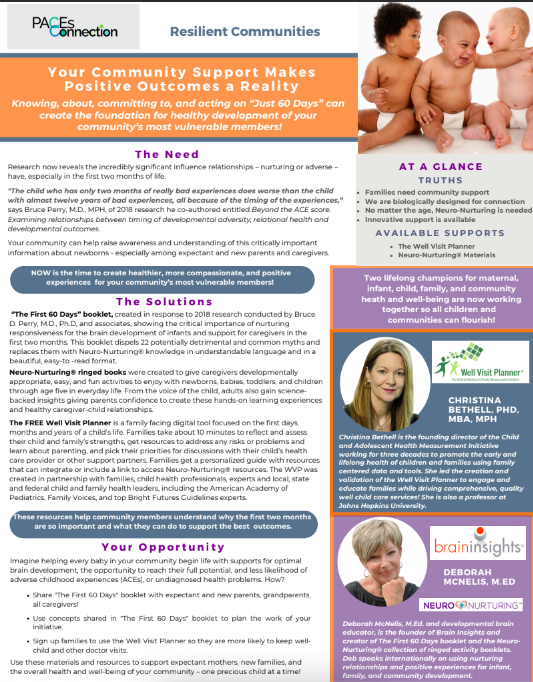
Details of ways the project’s partnership between Bethell and McNelis can benefit newborns, families, caregivers, communities, and PACEs Connection are spelled out in the attached one-sheet that is ready for download and distribution at resiliency initiative meetings across the country.

Screen Shot 2023-10-03 at 6.49.28 PM

The sheet shares information about Bethell and McNelis and their work thus far, and was created with support from Dana Brown, PACEs Connection PACEs science statewide facilitator, who is hoping that promoting the work directly to communities will create use of the Well Visit Planner and the Neuro-Nurturing® materials.

Screen Shot 2023-10-03 at 6.12.34 PM“Bethell and McNelis are dedicated to creating positive health equity, including child flourishing and family resilience. This is a terrific fit for any community,” said Brown.

“In California we have PACEs Connection cross-sector, resiliency focused communities in numerous counties. We’re starting out with the members of the PACEs Connection Cooperative of Communities. Our hope is that member organizations in 12 counties in the Cooperatives will share the information with the parents and caregivers for the families they serve, and that hospitals, clinics, and child-serving organizations – including home-visiting nurses – will help promote use of the Well Visit Planner and the Brain Insights materials,” said Brown.

Cross-sector community member organizations belonging to the Coops include schools, communities of faith, health clinics, child-and-family-serving organizations, businesses, hospitals, media representatives, law enforcement, county and city government offices, and more.

The twelve member counties are: Fresno, Los Angeles, Madera, Orange, Riverside, Sacramento, San Bernardino, Santa Barbara, San Diego, Sonoma, Tulare, and Yolo.

“We’ll know we’re succeeding if there is an increase in enrollments in the Well Visit Planner in these areas. This is important because by promoting well child visits, we increase the likelihood of families and physicians establishing a an ongoing relationship. Building on a trusted relationship, together they are more likely to be able to identify a developmental delay, postpartum depression, or  consequences of a challenge in the home that can be supported before a challenge becomes a crisis,” said Brown.

Screen Shot 2023-10-03 at 6.46.05 PM

“The hope is to continue to braid resources within communities — as they are interested — so there are lists of resources available for the pediatricians and other caregivers to share with families. We want to support parents, care providers, and communities in creating safe, stable, nurturing relationships and environments for every child, and believe these innovations, in combination with more to come, can help to do that,” said Brown.

“This project partnership and the fact that Deb is willing to discount her materials so they can be a potential fundraiser for communities, and is sharing with PACEs Connection profits from the sale of her materials — which are promoted on the Well Visit Planner site, which has the potential to reach millions of parents — bodes well for all involved,” said Brown.

Screen Shot 2023-10-03 at 6.13.04 PM

According to McNelis, the ringed books are literally positive infant and childhood experiences parents and childcare providers alike can keep in their pockets and use throughout the day to engage little ones in activities that nurture optimal brain development. Across the series of books, there are scores of activities to stimulate fine and large motor development, language skills, thinking abilities, creativity, curiosity, self-awareness, and most importantly, connection with others.

State and child serving organizations have bought thousands of sets of the ringed books for parents in various programs.

“The First 60 Days” booklet and the ringed Neuro-Nurturing® series from newborn through age five, are available for bulk and individual purchase. Organizations seeking to customize the materials can opt to have their logo printed on the back cover, and can resell the materials at the retail price for fundraisers, in hospital and faith community gift shops, at health fairs and such, as is detailed in the attached one sheet,” said Brown.

“People wishing to access and use the Well Visit Planner with their infants and children need simply click on the link and enroll,” she added.

For more information about joining the PACEs Connection Cooperative of communities in California, reach out to Dana Brown at dbrown@pacesconnection.com. For Coop information the U.S. and territories, contact Mathew Portell, director of education and outreach, at mportell@pacesconnection.com.

Attachments

Hide

Images (8)

Screen Shot 2023-10-03 at 6.36.44 PM: Child and Adolescent Health Measurement Initiative logo
Screen Shot 2023-10-03 at 6.11.51 PM: Deborah McNelis, M.Ed.
Screen Shot 2023-10-03 at 6.41.45 PM: "The First 60 Days" booklet
Screen Shot 2023-10-03 at 6.12.34 PM: Dana Brown, PACEs Connection PACEs science statewide facilitator
Screen Shot 2023-10-03 at 6.13.04 PM: Neuro-Nurturing(R) Materials
Screen Shot 2023-10-03 at 6.49.28 PM: Download and share this one-sheet with your community
Screen Shot 2023-10-03 at 6.46.05 PM: Home page of the Well Visit Planner
Screen Shot 2023-10-03 at 6.30.31 PM: Christina Bethell, PhD. MBA, MPH

Files (1)

10.3.23 Community Support Flyer.pdf

Carey Smith Sipp

carey.pacescommunites@gmail.com

👍 2👏 1

PACEs Connection Launches Sustaining Resilient Communities Initiative!

Carey Sipp Carey Sipp 10/17/2312:15 PM

Pilot is for DEIB professional development with Yolo County, California, Division of Health and Human Services

As the first phase of PACEs Connection’s consulting engagement with Yolo County, California, draws to a close, CEO Ingrid Cockhren is announcing the launch of the organization’s Sustaining Resilient Communities (SRC) initiative, expanding services to include consulting and professional development for counties, cities, corporations, and government agencies.

Screen Shot 2023-07-25 at 3.26.31 PM“We’ve branched into a  new area in supporting and sustaining communities by developing and leading a series of trainings for the Yolo County  Health and Human Services staff. The work began  in December 2022, to facilitate awareness building, capacity development, and operationalization of racial equity, diversity, inclusion, and belonging (DEIB), and trauma-informed principles in the workplace,” said Cockhren.


“We hoped to increase understanding of core DEIB and trauma-informed principles and to see a demonstrated commitment from staff to racial equity, DEIB, and trauma-informed practices. I’ve done this work for several years, in other roles, and it is good to offer it through PACEs Connection now, as we have the capability and experience. It fits in our overall strategy not only to serve our members in ways they’ve said they need help but in our efforts to expand the awareness beyond community organizations to state agencies, corporations, and other entities to support our goal of this being a worldwide movement. ” she added.

Screen Shot 2023-07-25 at 3.24.22 PMYolo County’s lead contact for the work, Tessa Smith, diversity, equity, and inclusion coordinator for the Health and Human Services Agency, would agree that the work is being achieved.

“We’re working with 760 employees in this training.  Some of them may be in the managerial track, and some of them may be in the general track. Success here will look like better leadership-to-staff relationships, better colleague-to-colleague relationships, better service and service outcomes, or treatment outcomes for the people we serve. From a trauma-informed approach we are learning not to assume or judge another person’s stories or experience by the chapter of their story we came in on,” said Smith.

The work has included a leadership track to help leadership identify and practice effective ways to talk about racial equity as well as intersectionality and privilege. PACEs staff also helped Yolo leadership learn about the role of trauma on the nervous system and practices and policies to help create a trauma-responsive workplace, and how to support racial equity practices come alive in the work across teams.

“Our hope was that we would generate empathy for each of us, in our own humanity, and then work a different way in a different way, stay in service to each other and the community. These ideas used to be only for behavioral health, but now it’s for everybody, the whole agency, and for anybody that does any business with us, that we have a shared language, a shared vision and shared goals,” said Smith.

She said it was important that the groups address communications issues that come from lack of knowledge and lack of understanding about “how we intersect as people, and about what should be everybody’s basic human rights.

“Any group has got its own history of trauma that they bring.  When we start talking about history, we knew it could be hard with leadership. That history was 400 years in the making, and people today need to understand this. So the historical trauma training for leadership was important,” said Smith.

Screen Shot 2023-07-25 at 3.27.40 PM“If anybody can talk about a hard subject and not have people running from the room screaming, it will be Ingrid (Cockhren) and Mathew (Portell, PACEs Connection director of education and outreach). We have plans to reinforce this training, because people need to hear things over and over again. So this needed to NOT be a ‘one and done training.’  We worked it out so that people would have a piece of this training every month, to keep it constantly in their thought processes,” Smith explained.

Smith says doing this training can be delicate work sometimes.

“It takes someone who has an understanding of what that feels like in a person’s body, mind and spirit, and that’s what you get from Paces Connection. You get that actual linkage back to somebody who can speak to the humanity of all of this, and that kept the conversations on the rails,” she said.

Smith also shared the challenges of this initiative.

Screen Shot 2023-07-25 at 3.30.29 PM“This is really hard work.  Facing history and ourselves can be jarring. I think organizations need to be prepared for the sensitivities of their staff because all staff are on a spectrum of what it means to be trauma- and DEIB-informed with some being prepared to do the work and some being pulled along reluctantly into the present and future,” Smith said.

“So our approach in our agency right now is that we have got to take care of ourselves in order to be able to give the best service to our clients and the people that we serve. That means being an inclusive space where everybody feels like they belong, where we appreciate diversity. And the way people show up is as a healthy and good team that’s being trauma informed,” she said.

Among other benefits of doing the work?

Smith says, “It’s helped us in recruiting. People hear we are doing this work and they are much more interested in wanting to work with us.”

The work has also included multiple sessions on trauma-informed care and psychological safety in the workforce, becoming anti-biased and culturally responsive, and exploring the historical trauma specific to Yolo County and surrounding areas.

PACEs Connection is also providing training videos on a number of topics including health, mental health, child welfare, education, criminal justice and other social determinants of health, the historical trauma of the region with regard to LGBTQI+, migrant workers, Native American peoples, immigrants, and refugees, and the Substance Abuse and Mental Health Services Administration (SAMSHA) trauma-informed principles and practices.

For more information about engaging PACEs Connection for DEIB work, please contact icockhren@pacesconnection.com

Attachments

Hide

Images (4)

Screen Shot 2023-07-25 at 3.26.31 PM: Ingrid Cockhren, CEO, PACEs Connection
Screen Shot 2023-07-25 at 3.24.22 PM: Tessa Smith,  Cultural Competence/Diversity, Equity, and Inclusion Coordinator for Yolo County Health and Human Services Agency
Screen Shot 2023-07-25 at 3.27.40 PM: Mathew Portell, PACEs Connection director of education and outreach
Screen Shot 2023-07-25 at 3.30.29 PM: Official Seal of Yolo County, CA

Carey Smith Sipp

carey.pacescommunites@gmail.com

👍 3❤️ 2 

Children Born in the Pandemic: Developmental and Family Challenges — How is Oklahoma Using ARPA Funds to Help?

Carey Sipp Carey Sipp 10/17/231:45 PM

While in many early reports it sounded as though babies born during the Pandemic would likely be affected by developmental delays, newer research shows mixed or fewer concerns.

There is no denying, though, that for families having new babies, or adopting, or providing foster care for babies during the Pandemic, there were additional stresses.

Join PACEs Connection for a free webinar October 19 from 12 p.m to 1:30 p.m. ET/ 9 a.m. – 10:30 PT, to explore how leaders in one state, and two PACES Connection senior staff members, have been addressing the challenges of welcoming a new baby – or multiple babies – during that time.

Please register here.

Trauma experts share their experiences of pregnancy and childbirth during the Pandemic

Screen Shot 2023-10-02 at 9.31.52 PMPACEs Connection CEO Ingrid Cockhren, leads, among multiple educational offerings, the PACEs Connection Historical Trauma in America series. She will share about historical trauma and the Racial Reckoning erupting during the Pandemic, as well as her personal experience of giving birth to twins – a girl and a boy – in November, 2021.

Screen Shot 2023-10-02 at 9.32.19 PMCockhren will be joined by Porter Jennings McGarity, PhD, LCSW, and PACEs Connection trauma-informed criminal Justice consultant and director of continuous quality improvement (CQI). Jennings-McGarity gave birth to two sons during the Pandemic.

How Oklahoma looks to support parents, caregivers, families, children

Screen Shot 2023-10-02 at 9.33.11 PMLinda Manaugh, chief program officer of the Potts Family Foundation, which is leading the work in Oklahoma, and Marlo Nash, a longtime consultant on early childhood and child welfare systems, will be joined by Laura Porter, international expert on the science of adverse childhood experiences,Screen Shot 2023-10-02 at 9.33.55 PM to discuss the work in Oklahoma.

Porter is the co-founder of ACE Interface, LLC. She, Manaugh and Nash have worked together to design, secure American Rescue Plan Act (ARPA) funding for, and implement the groundbreaking work in Oklahoma.

Screen Shot 2023-10-02 at 9.34.52 PMThe work involves research in 15 communities to learn more about how young children and families are doing, what their needs are, and how well their communities are supporting them.

How can PACEs Connection members help support families who welcomed babies during the Pandemic?

Screen Shot 2023-10-02 at 9.57.24 PMRounding out the webinar to share learning that can be used across all communities, Deborah McNelis, M.Ed, will share about ways to be supportive of babies born during the Pandemic, and their caregivers. McNelis is an early brain development specialists and the creator of resources to encourage positive childhood experiences in young families.

Register for the webinar here.

Full disclosure: McNelis donates to PACEs Connection five percent of net profits from related sales of her Neuro-Nurturing(R) materials from Brain Insights.

Attachments

Hide

Images (6)

Screen Shot 2023-10-02 at 9.31.52 PM: Ingrid Cockhren, PACEs Connection
Screen Shot 2023-10-02 at 9.32.19 PM: Porter Jennings-McGarity, PACEs Connection
Screen Shot 2023-10-02 at 9.33.11 PM: Linda Manaugh, Potts Family Foundation
Screen Shot 2023-10-02 at 9.33.55 PM: Marlo Nash
Screen Shot 2023-10-02 at 9.34.52 PM: Laura Porter, ACE Interface
Screen Shot 2023-10-02 at 9.57.24 PM: Deborah McNelis, Brain Insights

Carey Smith Sipp

carey.pacescommunites@gmail.com