A headline earlier this year said it simply: Social Media is Devastating Girls Mental Health.Donna Jackson Nakazawa, an award-winning science journalist and the author of seven books exploring the intersection of neuroscience, immunology, and human emotion, is featured in this week’s episode of History Culture. Trauma, and explains the crisis facing today’s girls as being a biologically rooted phenomenon, and more, and offers solutions to the crisis that has many parents wondering what they can do.“The earlier onset of puberty mixes badly with the unchecked bloom of social media and cultural misogyny. When this toxic clash occurs during the critical neurodevelopmental window of adolescence, it can alter the female stress-immune response in ways that derail healthy emotional development,” explains Nakazawa.This week’s encore episode of History. Culture. Trauma. is an excerpt from a recorded interview of Nakazawa conducted by PACEs Connection team members Carey Sipp and Natalie Audage in October, 2022, as a part of the PACEs Connection Connecting Communities One Book at a Time initiative. The initiative featured her latest book Girls on the Brink:Helping Our Daughters Thrive in an Era of Increased Anxiety, Depression, and Social Media. The book was published last October.In this interview, Nakazawa focuses on the impact of modern society on adolescent girls. “Anyone caring for girls today knows that our daughters, students, and girls next door are more anxious and more prone to depression and self-harming than ever before. The question that no one has yet been able to credibly answer is “Why?”Nakazawa was clear that while she sees much to worry about girls’ mental health today, she also has hope. She offers 15 antidotes or “strategies for raising emotionally healthy girls” in the book and spoke about a several of them during the webinar from which this interview is gleaned. (See below for resources, including a link to the longer webinar interview in which she details the strategies.)Antidotes fall into three categories and include three on “the building blocks of good parent-child connection, and the importance of family connection,” six antidotes for “making her home a safe space,” and six antidotes to “bring in what the wider community can provide.” The longer webinar interview honed in on at least one antidote from each of the three categories, including making it a good experience when your daughter turns to you, the importance of “wonder”, and encouraging a sense of mastery.Jackson Nakazawa has appeared on The Today Show and NPR, and is a regular speaker at universities, including the Harvard Division of Science Library Series, Rutgers University, Johns Hopkins, Learning and the Brain, and the Andrew Weil Center for Integrative Medicine at the University of Arizona. She is also the creator and founder of the narrative writing-to-heal program, which uses a process called Neural Re-Narrating to help participants recognize and override their brain’s old thought patterns and internalized stories.
Listen to “History. Culture. Trauma.” here online on Thursday, or access this, or prior podcasts, at the podcast service of your choice listed below.
Could a workplace actually help prevent trauma and help people heal?
If you are burned out, tired of a toxic workplace, looking to join the Great Resignation, or, if you’re an employer, if looking for ways to prevent a mass exodus and retain valued employees, you are not alone.
The last three years have seen the pandemic, racial unrest, environmental traumas, increases in poverty, major policy and political shifts, and the effect these existential threats have on our stress levels. These collective traumas have inevitably affected our tolerance for challenges to our lives, livelihoods, and wellbeing.
To explore the future of work; ways work both contributes to our stress and could in fact be a means of promoting wellbeing, PACEs Connection called on experts from the fields of PACEs science, human resources, public policy, infant and child development, trauma-informed leadership and more for a deep look into the workplace and we were met with these topics to consider:
A History of Work – Paid and Unpaid Labor in America
Nurturance: The Fundamental Condition Every Human Needs to Thrive
Do Policies Create Poverty, Child Abuse, and Neglect ?
What If Babies Ran the Workplace?
Compassion Fatigue
Toxic Workplaces
Trauma Informed – Being Embraced by Every Professional Sector
Partnering across Georgia to Create Trauma Informed, Inclusive Workplaces
The American Laborer
Empathetic Leadership: Toward a Workplace that is Human-Centered and Trauma-Informed.
Reimagining Workplaces, the Role of Wellness
How One Organization is Tracking and Recognizing Organizations that are Becoming More Trauma Informed.
PACEs Connection will explore these topics and more for three afternoons next week, and invites you to register here now for the conference, taking place from noon – 5:00 p.m. ET, June 13 – 15. Tickets range from $150 for a single day to $399 for the full conference. Conference sessions will be recorded and offered for sale at a later date.
Join PACEs Connection CEO Ingrid Cockhren and authors and leaders from the field of PACEs science, human resources and trauma-informed leadership as they share historical and late-breaking perspectives on work and trauma, our economy, the dignity of work, lived experiences, the impact of policy, who’s looking to create “trauma-informed workplaces”, and the future of work.
How would we work in a “Just Society”, where all are valued equally? The healing-centered workplace – and the disruptions it will take to create it – will happen through community.
Descriptions of each day:
Day 1:The Great Resignation: How did we get here? How is it that we created and now perpetuate a system that values the work of some and denigrates the work of others? How did we get to the point of The Great Resignation? When and how will it stop? How does historical trauma in America affect the way we work– and overwork – ourselves and each other?
What about economics, racism, and poverty and their impact on how we work?
How do current policies and practices encourage child abuse and neglect?
Clare Anderson, MSW, Senior Policy Fellow at Chapin Hall at the University of Chicago, will share research on the economics of child abuse and neglect, and how some polices perpetuate poverty.
Day 2:Change starts here: Toxic stress, burnout, and work life balance. We have to look at where we are – as individuals – with toxic stress, burnout, and work life balance. What are the lived experiences of people who’ve survived toxic workplaces? Racism on the job? Microaggressions for being LGBTQI? Loss of employment or income due to lack of quality affordable childcare? What are the lived experiences of people in places where new parents are given time off, and high quality childcare is state-sponsored, as is healthcare? How are states handling the mental health crisis and creating trauma-informed, inclusive workplaces? Is diversity, equity, inclusivity, and belonging work the solution?
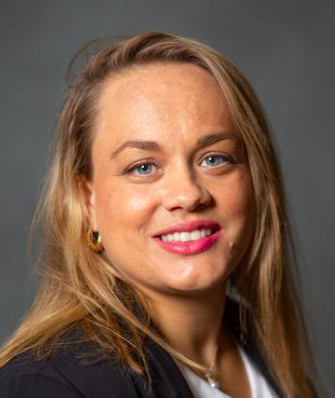
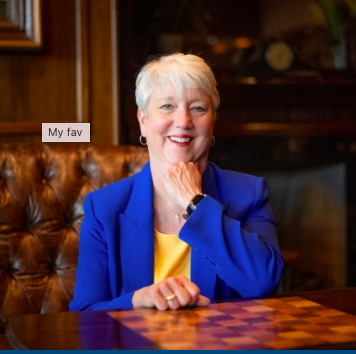
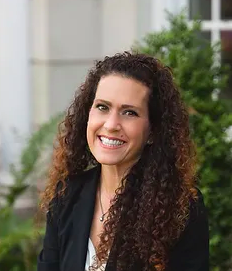
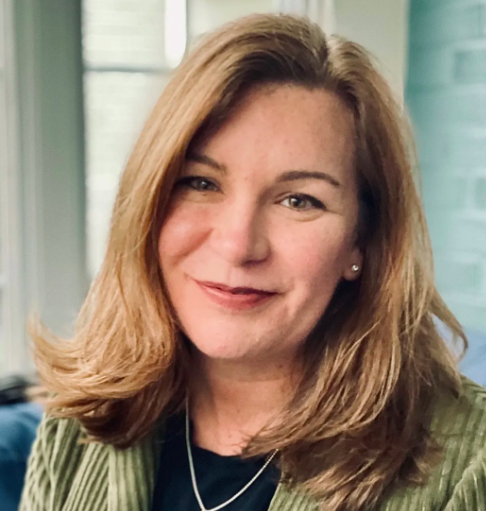
Speakers will include Porter Jennings-McGarity, PhD, LCSW, PACEs Connection Director of Community Data + Continuous Quality Improvement and Trauma-Informed Criminal Justice Consultant, Alison Cebulla, Healthy Workplaces Consultant, and Becky Haas, internationally recognized advocate, trainer, and organizational coach on using a trauma-informed approach.
Haas is the co-author of the Building a Trauma Informed System of Care Toolkit for the Tennessee Department of Children’s Services. It details a blueprint for creating community resilience, as featured in PACEs Connection, Growing Resilient Communities 2.1, and has been recommended as a “practical tool” in Johns Hopkins, Progress in Community Health Partnerships: Research, Education, and Action.
Emily Anne Vall, Ph.D. and executive director of Resilient Georgia, and Jenn Graham, founder and CEO of Inclusivv will discuss how Resilient Georgia has created several tools, resources and opportunities that all partners can take advantage of to create a more trauma informed workplace culture and recognize secondary trauma and/or empathy fatigue.
Vall and Graham will also discuss ways regional coalitions have bolstered this work through workplace training opportunities, leadership opportunities, and courageous conversations. They will also share more about the work of Inclusivv across Georgia to embrace workplace culture and inclusivity.
Day 3:The Future of Work – Envisioning a healing-centered workplace and just society. Diversity, equity and inclusion, and health and wellness. What does work look like in a “Just Society”? Do we value – or not value – the sacredness of work? How do we pay people what they’re worth? How do we ensure that people are able to do work they love? How will it be when all work is honored and valued, when all are assured an income that makes truly living – being able to afford the basics of housing, food, clothing, transportation, education, and healthcare as a given, but also earning enough to enjoy life’s pleasures of vacations, entertainment, free time? Will we actually be more productive? Can we create enough trust in the workplace to ask for empathy? Who is monitoring what organizations become trauma-informed, what does that mean, and how do we find out which workplaces are “Family Forward”?
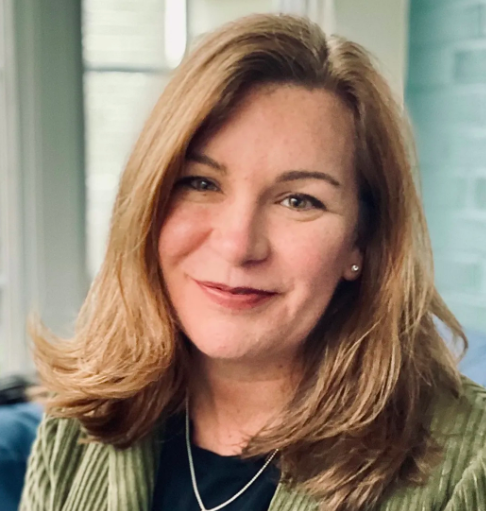
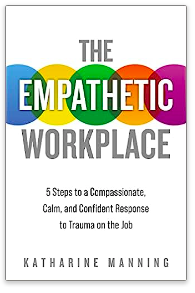
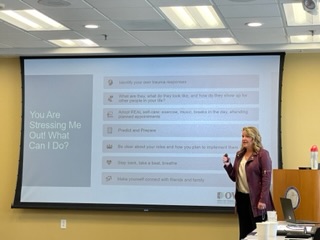
Manning has worked on issues of trauma and victimization for more than 25 years. As a senior attorney advisor with the Executive Office for United States Attorneys, for fifteen years, Manning guided the Justice Department through its response to victims in cases ranging from terrorism to large-scale financial fraud to child exploitation.
Crawford’s Trauma-Informed Institute certifies leaders as trauma-informed professionals to reduce workplace trauma and prioritize wellness. Her presentation will emphasize the non-negotiable nature of wellness in our lives, and how prioritizing our physical, mental, and emotional well-being impacts personal and professional success.
Finaldi, Community Engagement Leader at the North Carolina Early Childhood Foundation, has led the charge on creating Family Forward NC, an initiative to “improve children’s health and well-being and keep North Carolina’s businesses competitive”. The program is “employer-led change to increase access to research-based, family-friendly practices — big and small — that improve workplace productivity, recruitment and retention; grow a strong economy; and support children’s healthy development.”
At the end of each day’s presentations, a panel discussion with the speakers will give speakers and attendees alike the opportunity to make comments and ask questions.
For current and future sponsorship packages and other information, contact Carey Sipp, PACEs Connection, director of strategic partnerships, at csipp@pacesconnection.com.
Register here now for Healing Centered Workplaces: The Future of Work conference, taking place from noon – 5:00 p.m. ET, June 13 – 15. Tickets range from $150 for a single day to $399 for the full conference. Conference sessions will be recorded and offered for sale at a later date.
By E. McCabe, S. Hockenberry, et al., Photo: from article, National Governors Association, June 28, 2023
States are actively engaged in supporting trauma-informed best practices to mitigate the effects of ACEs and trauma and promote resilience for their communities.
In 2021, the National Governors Association Center for Best Practices (NGA Center) published a report highlighting best practices for state and territorial leaders seeking to prevent and mitigate the effects of Adverse Childhood Experiences (ACEs) and trauma. The report was developed based on highlights from states participating in the ACEs Learning Collaborative, which took place from 2020 to 2021. These states have been joined by an expanding network of states and subsequently formed the State Trauma and Resilience Network (STRN) that isconvened by the Healthcare Delivery team within the NGA Center.
Since the release of the initial report, states have been actively working to implement strategies and best practices to address ACEs and trauma and promote resilience. This resource guide highlights the work states in the STRN have been actively involved with since December 2021 and is meant to be used as a resource for states and territories interested in standing up offices or programs focused on trauma informed care or coordinating such efforts. The information in this guide was provided to the NGA Center by states in the STRN and was then condensed, edited and organized by NGA Center staff who added background and examples. For additional context and background information on the NGA Center’s work on ACEs and trauma, see the December 2021 report State Actions to Prevent and Mitigate Adverse Childhood Experiences.
Having friends, family, and other strong social ties is essential for happiness. GETTY IMAGES
By Kristine Gill, Fortune Well., August 13, 2023
The happiest country in the world is Finland, according to the 2023 World Happiness Report. But short of moving across the ocean, experts agree there are ways to improve your own happiness regardless of where you live.
“Happiness is a habit,” says Talia Soen, CEO and founder of Happy Things, a platform that helps you build those habits with daily activities.
Soen claims happiness has not always come easily for her. Her oldest brother has a much higher baseline of happiness, and as she reflected on that difference she decided to start an app as a way of improving her life based on the science behind happiness.
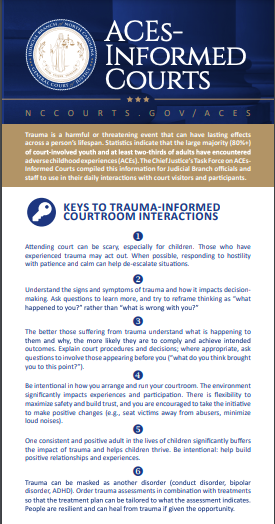
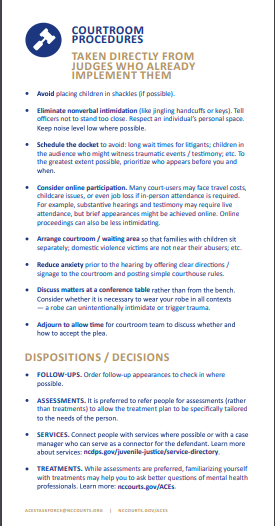
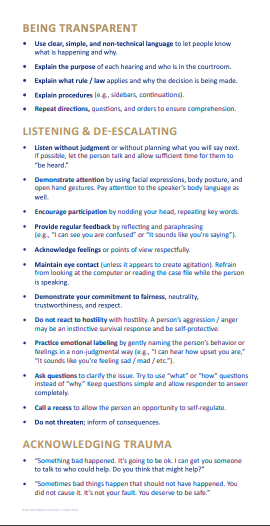
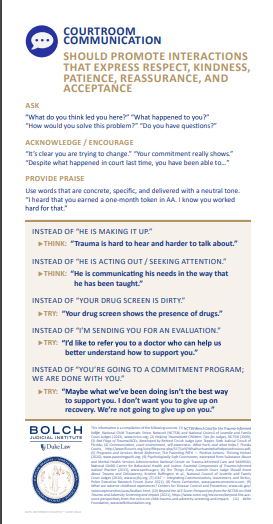
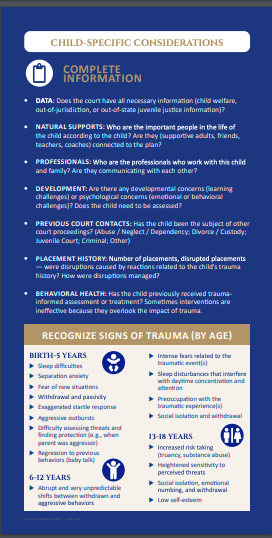
Ben David, co-chair of the North Carolina Chief Justice’s Task Force on ACEs-Informed Courts, shares plans to sustain the work done during the two-year term of the Task Force, to “care for our own” speaking of North Carolina’s children, youth, families, communities, victims of crimes, members of law enforcement, the judiciary and court officers and staffers. He also shared Chief Justice Paul Newby’s hopes of “getting ACEs-informed courts” into the culture, and said a national conference for judges is a long-term objective.
The theme unfolded across reports on children, families, victims of crime, law enforcement officers, victim’s advocates, various programs and resources, and the judges, officers, and employees of the courts themselves at the final official quarterly meeting of the North Carolina Chief Justice’s Task Force on ACEs Informed Courts in May.
The work of the Task Force, coming to the close of its two-year commitment, focused on caring for the people of North Carolina in myriad ways, as highlighted in reports from Task Force leadership, presented at the Administrative Office of the Courts (AOC) state headquarters in Raleigh.
“As our work officially comes to an end, we need to ask Republicans and Democrats in the legislature to put aside their differences and put their interests into the wellbeing of our children,” said Task Force co-chair Ben David to a group of about 35 people, including judges, officers of the court, and subject matter experts.
“We must understand the impact of early childhood adversity – ACEs – and we must become trauma-informed,” said David, who is also the District Attorney for New Hanover and Pender Counties.
With support from co-chair Ryan Boyce, the new director of the Administrative Office of the Courts, and Task Force member Judge J.H. Corpening, chief district court judge of New Hanover and Pender counties, David’s reports, and those from other Task Force members, revealed efforts across many systems working to prevent harm, promote understanding, restitution and healing, and to sustain the new efforts.
Among ongoing and new initiatives and reports:
Education and awareness of victim compensation programs
“We have 500 subject matter experts who respond to mass violence, and exist to help the community in crisis,” Ware said, inviting Task Force members to take advantage of all programs out of the Office of Victims, including the National Elder Fraud Hotline.
Ware encouraged Task Force members to focus on how they are all taking care of themselves and the people who work in the courts, in law enforcement, and victim advocacy.
“This can’t be extra,” said Ware in reference to caring for staff. “How can we be trauma informed in public if you’re not trauma informed in private?
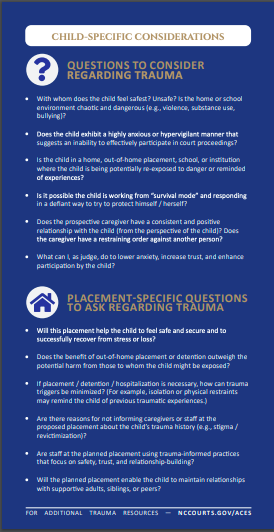
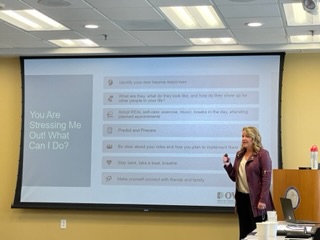
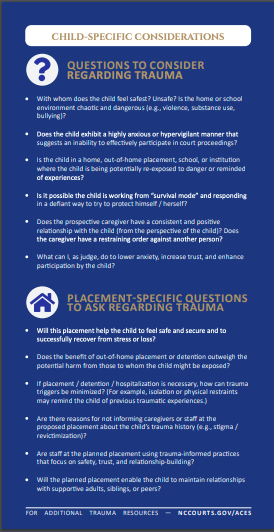
“You’ve got to operationalize self care to get up and go and look out at the sky and make sure it’s still there. To reduce our own trauma we must predict and prepare. So if you have a day that is nothing but child sexual assaults, you know it’s going to be a hard day,” she said, adding that, “And if you have a hard day you need to say it out loud.”
Support strategies
In response, both David and Corpening spoke about strategies to help employees feel more supported and connected. David has members of his staff log two hours a week of community volunteering time, to do what they feel most passionate about in community, and to stay connected to the people they serve. He has had employees do this since he took on the role of district attorney some 18 years ago.
Every Monday, Corpening takes a bag of apples to the Juvenile Justice Center for the staff, and has been told how much people appreciate being remembered and having a free apple.
Corpening also reiterated Ware’s counsel about the “hard days”, mentioning a recent day of traumatic cases that were back-to-back, and the need to pull staff together and acknowledge the impact of what they are hearing.
Crime Victim’s Compensation Fund
In addition to supporting the people who work in the justice system, David and Ware emphasized the need to support North Carolinians who are victims of crime.
“There is a Crime Victim Compensation Fund that is part of the Federal Victims of Crime Act (VOCA). The funds come through the Department of Public Safety. Some states pay for emotional injury, or will help people who have been a witness or have been a victim of sexual assault,” said David.
“There is federal reimbursement available for victims of vicarious trauma as well, and we need to get easier pathways for that,” he added.
Training for new judges
Amelia Thorn, assistant director of the Bolch Judicial Institute, an institute of Duke Law School, shared plans for new District Judges to attend a new session of new judges school. This session will focus on trauma-informed training and be taught by leaders from the Bolch Institute, Duke University, the courts, and others in the justice system.
In addition to the new judges orientation program this summer, the Institute will also host an educational program at Duke for Chief District Court Judges in the fall of this year.
“It was impressive to see how many judges signed up as soon as this was offered,” said Thorn, citing that of the 42 new judges, more than 30 signed up in the first few days the opportunity was offered.
“It will be critical for judges to look at their own trauma,” said Judge Andy Humphrey of the training.
Safe Baby Courts Pilot Program
Thorn also reported that Safe Baby Courts, another key initiative of the Chief Justice’s Task Force on ACEs-Informed Courts, will be piloted in three counties – New Hanover, Mitchell, and Yancey. The counties are a mix of urban and rural counties. AOC is currently recruiting to fill the State Director and State Coordinator positions for this project.
The Duke Endowment gave $2.3 million dollars and the Dogwood Endowment Trust gave $1 million to fund the Safe Baby Court pilot counties for three years.
Safe Baby Courts, which have been adopted in many states, essentially provide a system in which parents accused of child abuse or neglect are asked,”What happened to you?” instead of “What’s wrong with you?” They are offered services such as parenting classes, counseling, job training, housing services, transportation services— to help the family get back on its feet following charges of child abuse or neglect. Asia Prince, AOC program officer, has worked with Corpening and others to help bring the program into the three-year piloting stage.
School-Justice Partnership
Judge Corpening spoke about the The School-Justice Partnership and how these partnerships help to keep kids in school and off the streets, minimizing suspensions and expulsions.
“It’s all about being trauma informed and identifying root causes. We need the School Justice Partnership to help us keep from pushing kids out of school and into the courts,” Corpening said.
At the February Task Force meeting Corpening reminded fellow members that the School-Justice Partnership has reduced court referrals by 60 percent the first year.
Corpening also mentioned the challenges of increased violence among youth following Covid. “We’ve got to get back the protective factors that were lost when kids were out of school,” said Corpening, referring to the advantage of having kids in school where teachers and support staff have contact and connection with kids, and the ability to identify and respond to behavioral challenges before they require involvement with law enforcement.
Opioid Settlement Funds
Amber Faith Harris, North Carolina Association of County Commissioners director of government relations for the association, provided an opioid settlement update. She also provided resources to help counties seek and manage the $600 million dollars the State is receiving in Settlement funds.
“Caring for our own”
As this, the final planned meeting of the Task Force came to a close, David reminded members again about the need for Republicans and Democrats to put differences aside and put their interests on the well-being of the State’s children.
“We must understand the impact of the early years. We’ve got to look at the early ACEs, and become trauma informed. Safe Baby Courts are important. We must also make sure the relationships exist to get our Recovery Courts fully funded. We need to study the efficacy of Recovery Courts and get them funded at the state level,” David said.
Secondary trauma and suicide
In caring for all of North Carolina’s people, David also stressed the need to address secondary trauma; to help law enforcement.
“The weight of suicide is high. There are more officers who die by suicide than are killed in the line of duty. We cannot serve and protect if we are not taking care of our own,” David said.
Pathways from Poverty; Positive Childhood Experiences (PCEs)
He also spoke about the need to find pathways out of poverty for North Carolinians, and the need for communities to talk about the seven Positive Childhood Experiences (PCEs), keeping in mind that four of the seven PCEs happen in community.
“We need to help prevent tragedies. Adverse community experiences are ACEs, and with them we are failing kids,” David said, speaking of experiences such as community violence, racism, poverty, lack of equity in schools, healthcare, opportunities, lack of employment, the challenges of intergenerational trauma, and more.
Getting ACEs-Informed Courts into the culture; what’s ahead.
Looking forward, David spoke about the need for more focus on the Crime Victims Compensation Fund that is available to all crime victims, and how each judicial district can help share that information. He also shared his hope that this work from the last two years in North Carolina could help spread trauma informed courts work in other states.
“We’ve got to get this into the culture,” said David.
“We’ve spoken with judges in other states and know we need to look at lived experience. There are some pilot projects we’re looking at in other states. We know Chief Justice (Paul Newby) wants to share the ACEs-informed work into the culture. A national conference is a long-term objective,” he said.
For more information about the North Carolina Chief Justice’s ACEs Informed Courts Task Force, contact Mike Silver, training and services director, North Carolina Administrative Office of the Courts.
Additional resources may be found at the links below:
Juneteenth marks the day—June 19, 1865—when federal troops arrived in Galveston, Texas, led by Union Army general Gordon Granger. He announced General Order No. 3 that proclaimed freedom for all enslaved people in Texas, two years after President Abraham Lincoln issued the Emancipation Proclamation. The state was the last of the Confederacy that had institutional slavery.
Black communities began celebrating Juneteenth in Galveston in 1866, and since then the commemoration spread across the United States. On June 15, 2021, it was finally recognized by the U.S. government as a federal holiday.
This This week’s “History. Culture. Trauma.” podcast examines trauma and resilience, not just at the individual level but at the systems and cultural level,” says Ingrid Cockhren, podcast co-host and CEO of PACEs Connection, who examines the questions, “How has the trauma of slavery and genocide impacted our current society? Why are the cultural manifestations of trauma, that is, community violence, school shootings, etc., so pervasive?
In this episode recognizing Juneteenth, Cockhren and guest Brandon Jones will discuss the historical and current context of Juneteenth, how it is recognized.
Jones, the executive director of the Minnesota Association for Children’s Mental Health (MACMH), has a consulting and training background in addressing adverse childhood experiences (ACEs), historical and intergenerational trauma, social/emotional Intelligence, leadership, and intercultural development inventory.
Jones holds a B.A. in sociology from the University of Minnesota, a master’s in community psychology from Metropolitan State University, and a master’s in psychotherapy from Adler Graduate School. He is also a 2013 Bush Foundation Leadership Fellow. He provides “the MACMH staff and board with the leadership and vision necessary to keep MACMH at the forefront of mental health education and advocacy,” he explains.
Jones says he lives by the motto of, “Live life with purpose on purpose.”
To listen to History. Culture. Trauma. this Thursday at 1 p.m. PT, 4 p.m. ET, please click here.
‘I was angry that she could never understand what it felt like to be abandoned by your parents.’ Illustration: Susanna Gentili/The Guardian
By Nikkya Hargrove, The Guardian, June 12, 2023
The grease hit my bare skin and landed in the space between my shoulder blade and the arch of my back. We were in our kitchen, my mom frying a chicken meal on the stove. My father was soon to arrive home from work, and she always worked hard to have his meal ready.
My dark chocolatey skin sizzled, and I cried in pain. My mother picked me up and tried to calm me down, wiping tears from my cheeks. As soon as my father opened the front door, she saw disappointment all over his face. He greeted her with “What happened to her, Lisa?”
She put me down, preparing for what was coming next. His open hand smacked her across the face, and from there, they fought. This would happen whenever my father drank too much or whenever either of their fiery personalities got the best of them, but this time was the last straw. My mother left him, and neither of us ever returned to Texas or my father’s home again. In many ways, that was also when my mother distanced herself from me, both physically and emotionally. She left me with her parents while she went about her life, a young woman who had a failed marriage and a young child before she was even 20 years old.
As a reflection on the past weekend’s celebration of Juneteenth, and the historical trauma of chattel slavery influencing our lives today, this week’s episode of the History. Culture. Trauma podcast is an excerpt from a recorded interview of Dr. Bruce Perry conducted by hosts Ingrid Cockhren, PACEs Connection CEO, and Mathew Portell, director of education and outreach, in June, 2022.
In this interview Perry discusses, within the context of historical trauma, his #1 New York Times Bestseller “What Happened to You? Conversations on Trauma, Resilience, and Healing” (2021), which he co-authored with Oprah Winfrey.
“If you don’t understand history, you’re never going to understand trauma. And if you don’t understand trauma, you’re never going to understand history. And this is part of our problem as a field,” said Perry in the wide-ranging interview discussing the intersecting fields of trauma and historical trauma.
“There are some really exciting and important things that are happening in the area of historical trauma,” said Perry. He addressed the history of colonialism, treatment of indigenous people, kidnapping and enslavement that are such a part of the history and historical trauma of the United States.
“You know, we are living in systems that are fundamentally colonial in construction,” he said. “And colonialism basically means I’m going to come into your space, your place, and I’m going to take your things and I’m going to make you feel privileged, if I give you a little bit of it back.”
Historical perspectives about trauma deserve “as much attention and funding and support” as is given to people studying the effects of a drug on post traumatic stress disorder (PTSD), or the effects of other treatments, he said.
Perry is the principal of the Neurosequential Network, senior fellow of The Child Trauma Academy and adjunct professor in the Departments of Psychiatry and Behavioral Sciences at the Feinberg School of Medicine at Northwestern University in Chicago and the School of Allied Health, College of Science, Health and Engineering, La Trobe University, Melbourne, Victoria Australia.
According to his website, “Over the last thirty years, Dr. Perry has been an active teacher, clinician and researcher in children’s mental health and the neurosciences holding a variety of academic positions. His work on the impact of abuse, neglect and trauma on the developing brain has impacted clinical practice, programs and policy across the world. Dr. Perry is the author, with Maia Szalavitz, of “The Boy Who Was Raised As A Dog”, a bestselling book based on his work with maltreated children, and “Born For Love: Why Empathy is Essential and Endangered”.
Perry, a native of Bismarck, North Dakota, earned his undergraduate degree at Stanford University and Amherst College. He attended medical and graduate school at Northwestern University, receiving both M.D. and Ph.D. degrees, and completed a residency in general psychiatry at Yale University School of Medicine and a fellowship in Child and Adolescent Psychiatry at The University of Chicago.
To listen to Thursday’s podcast at 1 p.m. PT, 4 p.m. ET, click here.
To hear prior episodes via your favorite podcast service, use the links below.
A doctor checks the heartbeat of a fetus. For American women, the rate of deaths during of just after childbirth has been increasing. (Rogelio V. Solis/AP)
By Petula Dvorak, The Washington Post, June 19, 2023
America is flipping out over drag queens, rainbow merch, abortion rights and book bans, all — allegedly — in the name of childhood.
Meanwhile, during these past four years of burning-hot culture wars, the act of bringing a child into this world has become alarmingly deadlier for American women.
Deaths during or right after childbirth have been increasing, going from 20.1 deaths for every 100,000 live births in 2019, to 23.8 deaths in 2020, to a stunning 32.9 deaths in 2021, during the height of the coronavirus pandemic, according to a report from the Centers for Disease Control and Prevention.
By Giulia Carbonaro, Photo: from article, Newsweek, June 19, 2023
The land of the free is suffering from a “self-inflicted” injustice when it comes to poverty, experts say, as the rich are getting richer while thousands living without sufficient means die every year in the United States, as a recent study shows. The issue, according to an exclusive poll conducted by Redfield & Wilton Strategies on behalf of Newsweek, worries a majority of Americans.
Research by the University of California, Riverside (UCR) published earlier this year in the Journal of the American Medical Association found that the death of 183,000 Americans aged 15 years old and above in 2019—a year before the explosion of the pandemic were to make mortality rates in the country much, much worse—could be attributed to poverty, defined as those with incomes lower than 50 percent of the U.S. median.
In 2019, the median household income was $69,560. In the same year, about 34 million Americans—10.5 percent of the country’s population—were estimated by the U.S. Census Bureau to be living in poverty.
 Carey Sipp 6/6/232:56 PM
 This week’s encore episode of History. Culture. Trauma. is an excerpt from a recorded interview of Nakazawa conducted by PACEs Connection team members Carey Sipp and Natalie Audage in October, 2022, as a part of the PACEs Connection Connecting Communities One Book at a Time initiative. The initiative featured her latest book Girls on the Brink: Helping Our Daughters Thrive in an Era of Increased Anxiety, Depression, and Social Media. The book was published last October.In this interview, Nakazawa focuses on the impact of modern society on adolescent girls. “Anyone caring for girls today knows that our daughters, students, and girls next door are more anxious and more prone to depression and self-harming than ever before. The question that no one has yet been able to credibly answer is “Why?”
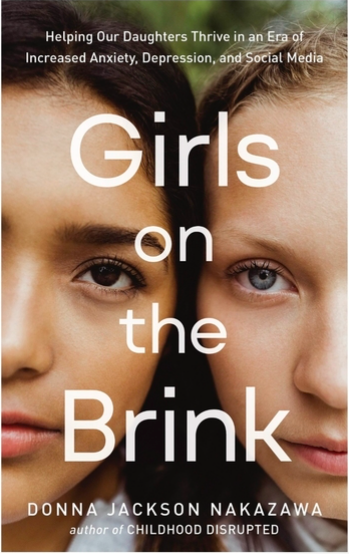 Nakazawa was clear that while she sees much to worry about girls’ mental health today, she also has hope. She offers 15 antidotes or “strategies for raising emotionally healthy girls” in the book and spoke about a several of them during the webinar from which this interview is gleaned. (See below for resources, including a link to the longer webinar interview in which she details the strategies.)Antidotes fall into three categories and include three on “the building blocks of good parent-child connection, and the importance of family connection,” six antidotes for “making her home a safe space,” and six antidotes to “bring in what the wider community can provide.” The longer webinar interview honed in on at least one antidote from each of the three categories, including making it a good experience when your daughter turns to you, the importance of “wonder”, and encouraging a sense of mastery.Jackson Nakazawa has appeared on The Today Show and NPR, and is a regular speaker at universities, including the Harvard Division of Science Library Series, Rutgers University, Johns Hopkins, Learning and the Brain, and the Andrew Weil Center for Integrative Medicine at the University of Arizona. She is also the creator and founder of the narrative writing-to-heal program, which uses a process called Neural Re-Narrating to help participants recognize and override their brain’s old thought patterns and internalized stories.
 What about economics, racism, and poverty and their impact on how we work?