By Michael Segalov, Photo: Netflix, The Guardian, May 31, 2022
Barely three minutes into the first episode of Heartstopper – Netflix’s new LGBTQ+ coming-of-age romcom series, which has been a knockout success with critics and viewers – I turned to my boyfriend, curled up next to me on the sofa. Aimed primarily at a younger audience, the show is about an openly gay male sixth former at an English comprehensive (played by 18-year-old Joe Locke) who falls in love with the school’s most popular rugby player in the year above. “There’s no way,” I declared to my partner with confidence, “that this is going to end well.” His love would go unrequited. We’d seen it all so many times before.
The idea that the show might end as it did – with a tear-jerkingly joyful celebration of young queer love in full bloom, depicted gorgeously – seemed impossible. My own similar experiences at school, I believed, had taught me far better; the notion that television executives would commission – or that British audiences would welcome – a mainstream, queer and adolescent happily-ever-after was firmly beyond the realms of possibility in my jaded millennial mind.
As the Heartstopper plot unfolded, however, so too did a real-life event. By the time – in episode eight – the two main characters had truly fallen for each other, teenage Blackpool FC footballer Jake Daniels had come out; he was the first gay male professional footballer to do so since Justin Fashanu in 1990. A week after Fashanu came out more than three decades ago, his own brother – fellow footballer John – all but disowned him: “John Fashanu: My gay brother is an outcast” read a headline in The Voice. Brian Clough, Justin’s manager at Nottingham Forest, meanwhile, described his star player as a “a bloody poof”. Fashanu tragically killed himself. Years later, John spoke about his regret over how he treated his older brother. In 2019, he and his daughter launched theJustin Fashanu Foundation to eliminate prejudice in football.
Decades of funding expertise will come together to support rural resilience initiatives on June 9th from noon – 1:30 p.m. ET in a webinar hosted by the Campaign on Trauma Informed Policy and Practice (CTIPP) and PACEs Connection. Register now.
“We’re excited to present this group of three experts, who have worked in every corner of the United States, to help rural communities secure what more they can of the American Rescue Plan Act (ARPA) funding and opioid settlement funds, as well as other state and local funds. We’ll talk about available funding, zero in on challenges unique to rural communities, and find out how experts are helping,” said Jesse Kohler, CTIPP executive director.
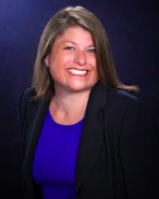
Adrienne Elder, director of interagency projects at EB Consulting of Oklahoma City, Oklahoma, will share information about a statewide public-private partnership that includes more than 30 counties working with leadership from the Oklahoma Public Health Institute.
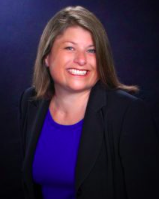
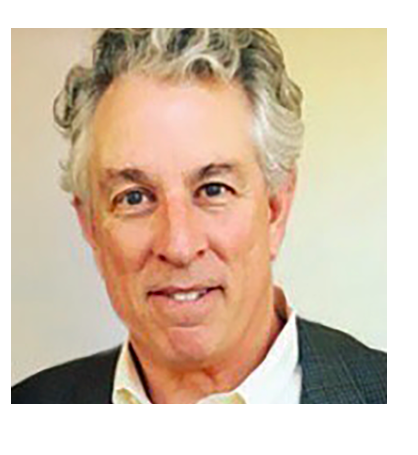
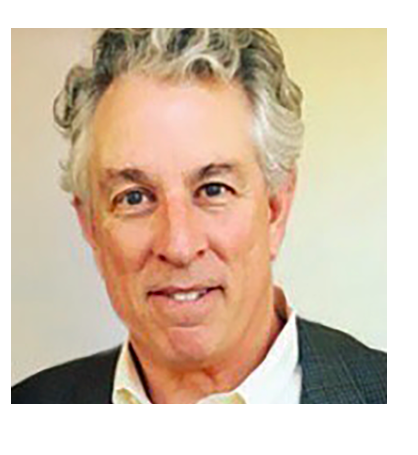
Dave Ellis is continuing his 28th year of consulting upon completion of his contract to serve as executive director of the Office of Resilience for the New Jersey Department of Children and Families. Ellis has run the first statewide resilience initiative in the country and is a veteran of securing funding for domestic violence, homelessness prevention, community engagement, diversity and equity, juvenile justice initiatives, and more.
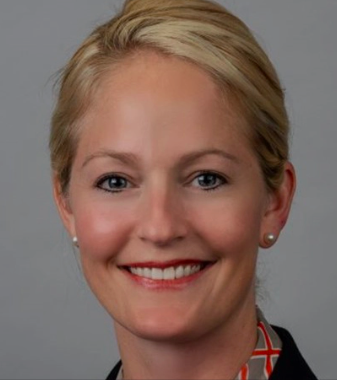
Teresa Purcell of Longview, Washington, is a national political, communications, and organizing consultant working in rural America and with Black, Indigenous and people of color communities. She has worked in 34 states to help a wide variety of clients with strategic planning, program development and implementation, advocacy, civic engagement, and fundraising.
“This group of experts brings together a rich and successful track record of working with federal, state, and local funders and will share successes, insights, and answers to attendee questions,” said Kohler.
“If you don’t understand history, you’re never going to understand trauma. And if you don’t understand trauma, you’re never going to understand history. And this is part of our problem as a field,” said Dr. Bruce Perry in a webinar interview last month, highlights of which will be shared in our “History. Culture.Trauma.” podcast this Thursday at 1 p.m. PT; 4 p.m. ET.
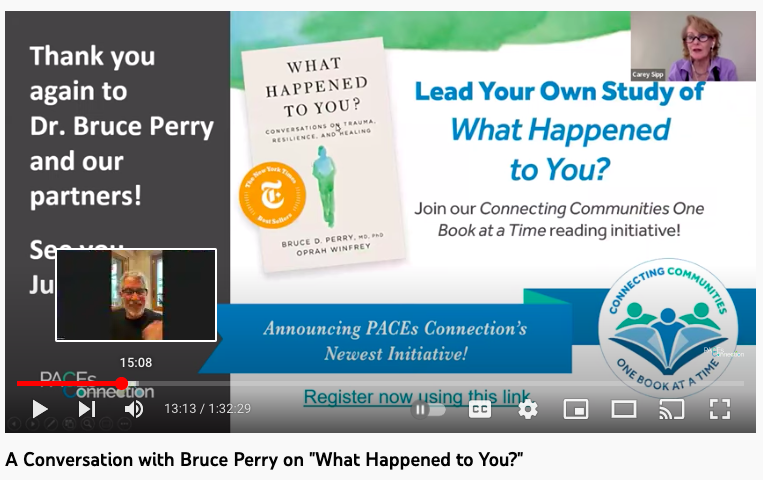
In the webinar, attended by more than 1200 registrants, Perry and hosts Ingrid Cockhren, CEO of PACEs Connection, and Mathew Portell, director of communities, discussed the intersecting fields of trauma and historical trauma and his best selling book, co-authored with Oprah Winfrey, “What Happened to You?”
“There are some really exciting and important things that are happening in the area of historical trauma,” said Perry. He addressed the history of colonialism, treatment of indigenous people, kidnapping and enslavement that are such a part of the history and historical trauma of the United States.
“You know, we are living in systems that are fundamentally colonial in construction,” he said. “And colonialism basically means I’m going to come into your space, your place, and I’m going to take your things and I’m going to make you feel privileged, if I give you a little bit of it back.”
Historical perspectives about trauma deserve “as much attention and funding and support” as is given to people studying the effects of a drug on post traumatic stress disorder (PTSD), or the effects of other treatments, he said.
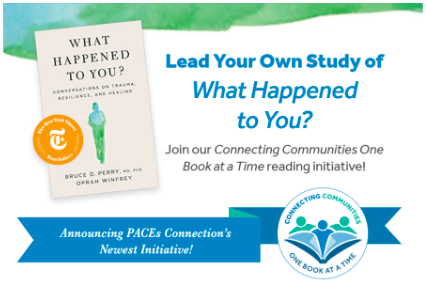
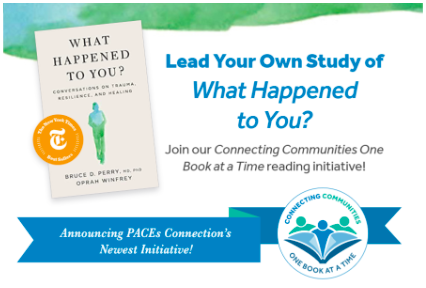
The June webinar also launched the Connecting Communities One Book at a Time community book study initiative. The initiative begins with a study of “What Happened to You?” in PACEs Connection communities across the country. For more information about this initiative you can attend our book study leader training with our partner Children’s Trust Fund Alliance on July 27 or visit here. To sign up as a book study leader, please complete the form available here.
Perry is the principal of the Neurosequential Network, senior fellow of The Child Trauma Academy and adjunct professor in the Departments of Psychiatry and Behavioral Sciences at the Feinberg School of Medicine at Northwestern University in Chicago and the School of Allied Health, College of Science, Health and Engineering, La Trobe University, Melbourne, Victoria Australia.
According to his website, “Over the last thirty years, Dr. Perry has been an active teacher, clinician and researcher in children’s mental health and the neurosciences holding a variety of academic positions. His work on the impact of abuse, neglect and trauma on the developing brain has impacted clinical practice, programs and policy across the world. Dr. Perry is the author, with Maia Szalavitz, of “The Boy Who Was Raised As A Dog”, a bestselling book based on his work with maltreated children, and “Born For Love: Why Empathy is Essential and Endangered”.
Perry, a native of Bismarck, North Dakota, earned his undergraduate degree at Stanford University and Amherst College. He attended medical and graduate school at Northwestern University, receiving both M.D. and Ph.D. degrees, and completed a residency in general psychiatry at Yale University School of Medicine and a fellowship in Child and Adolescent Psychiatry at The University of Chicago.
To listen to Thursday’s podcast at 1 p.m. PT, 4 p.m. ET, click here.
To hear prior episodes via your favorite podcast service, use the links below.
“Sometimes we need to be reminded that we are a powerful movement, and collectively we are making a difference,” says Lara Kain, PACEs Connection education consultant. She joins this week’s History. Culture. Trauma. podcast with fellow educators and hosts, PACEs Connection CEO Ingrid Cockhren, and director of communities, Mathew Portell.
Cockhren and Portell are focused on the start of the 2022-2023 school year, and welcome colleague Kain on Thursday, August 25 at 1 p.m. PT, 4 p.m. ET, when Kain will share her take on what can be done to ensure a better year than the last two.
People who’ve attended Kain’s “Education Disrupted” webinar series know to expect forthright comments from Kain as she, Cockhren and Portell discuss topics including affirmation of LGBTQ students, institutional racism, critical race theory, teacher burnout, and parent’s rights, which have transformed America’s schools into cultural battlegrounds.
An unapologetic advocate for community schools, Kain will likely speak to why community schools are a great model when the objective is minimizing trauma.
“Schools are often the center of our lives, an integral part of a thriving and resilient community. As amplified by the pandemic, our society relies on schools to meet a myriad of basic needs for both students and their families,” says Kain. “Schools have become central in reducing food insecurity, providing access to basic mental health, and health care services, for example.
“But schools cannot do this on their own,” she continues. “They need community partners to achieve this reality. Community schools are a school design framework that I believe has the most promise for achieving equity and creating ecosystems where all children, families, and staff thrive.”
As Kain explains, “Community schools explicitly serve as the ‘hub’ of a community ecosystem. Carefully and purposefully integrating community supports to improve student outcomes (academic, health, and social-emotional) with a ‘whole child’ mindset, they form strategic and aligned partnerships with community organizations to serve the needs of children and families that are part of that school community. They are often open extended hours and on weekends, facilitating access to community services and extended learning opportunities. Community schools empower youth and families through authentic power-sharing as well as placing a high value on youth voice and community wisdom. This integrated focus not only improves student outcomes, it also contributes to building stronger families and healthier communities.”
Kain’s expertise in community schools comes from her work prior to joining PACEs Connection about four years ago.
“In my previous position, I supported the implementation of community schools in Los Angeles. It is a movement near and dear to my heart that align closely with the PACEsConnection values.”
Local Relevance. We believe people and their communities hold the solutions to prevent, address and heal adverse childhood experiences.
Equitable Partners. All levels of society in all sectors—individuals, organizations, communities, and systems—are equitable partners, essential to identifying and implementing solutions.
At the root of the need to focus on trauma-informed education comes the lack of equity experienced by students across the United States.
“We need to focus on equity-centered work, the importance of love and joy, the necessity of disruption, the need for solidarity, the importance of our community, a desire for more humanity in the work, the direct call to action, and the intense feeling of urgency,” Kain says.
“There are a lot of champions out there, and sometimes we need to be reminded that we are a powerful movement, and collectively we are making a difference. Lead with love, disrupt the system, and fight like hell,” she adds.
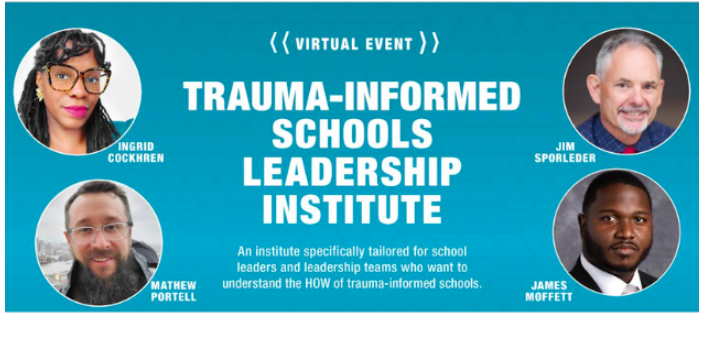
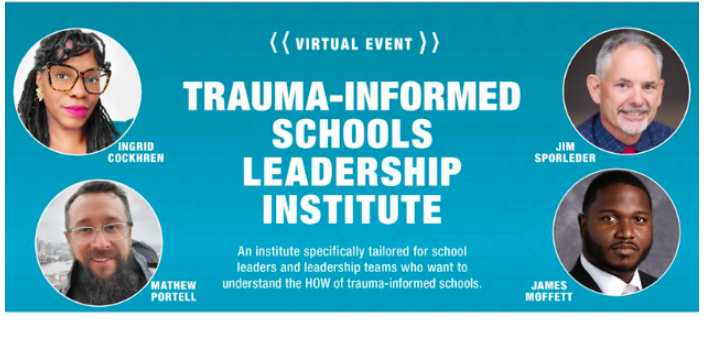
“Students, teachers, and administrators are experiencing poor mental health outcomes, secondary traumatic stress, and burnout,” says Cockhren. Kain will also discuss the recent Trauma Informed School Leadership Institute, now available as a self-paced study, during which she and other leaders in the trauma-informed education movement shared why trauma-informed education is imperative.
An experienced educator and consultant who speaks nationally on implementing trauma-informed practices in schools and building holistic, trauma-responsive systems, Kain brings over two decades of experience at the local, state, and national levels, including developing programs for integrating trauma-informed practices into community schools in Los Angeles.
Kain has also worked for the Wisconsin Department of Public Instruction as the state homeless coordinator and practiced her first love, teaching ‘at-risk’ youth.
Kain earned bachelor’s degree in education from the University of Wisconsin-Madison and a masters’ in public administration from The Evergreen State College. As an example of her understanding of the micro and the macro, Kain’s experience ranges from supporting individual teachers to designing a trauma-informed schools pilot implemented in 20 schools across the country.
As both a teacher and administrator, Kain has put the science of building resilience into practice. A trauma survivor, Kain was herself an ‘at-risk’ youth, and brings this perspective to her understanding of “what schools can and should look like to benefit ALL children.”
The mother of two adopted sons, Kain also brings an understanding of the effects of developmental trauma, and what it takes to overcome it.
Tune in Thursday here for Lara Kain, on the History. Culture. Trauma. podcast, or find the podcast on these carriers:
Yunetta Smith, one of the few African American EMDR-certified therapists in the nation, will talk this week with History. Culture. Trauma. podcast hosts Ingrid Cockhren, CEO of PACEs Connection, and Mathew Portell, director of communities. The podcast airs on Thursday, Oct. 6, at 1 p.m. PT; 4 p.m. ET.
Smith describes herself as “a thriving therapreneur—a therapist + entrepreneur. She is the CEO and founder of Spring Forth Counseling and Ground Breakers Coaching and Consulting of Clarkesville, Tennessee. She specializes in helping Black and Brown clients navigate childhood trauma.
EMDR, which stands for “eye motion desensitization and reprocessing”, is a psychotherapy treatment that was originally designed to alleviate the distress associated with traumatic memories, according to the EMDR Institute. It is a well-studied and highly effective treatment for those who have experienced trauma or have been diagnosed with post traumatic stress disorder.
Smith is a Licensed Professional Clinical Counselor (LPCC) in three states— Tennessee, Kentucky and Indiana. She is also a nationally certified counselor, clinical trauma professional, and EMDR therapist/approved consultant.
She specializes in helping people work through childhood trauma that manifests in adulthood. Her clientele comprises public figures, professionals, pastors, and practitioners. She also works to raise awareness about childhood trauma and the effectiveness of EMDR as a healing modality through various media platforms including the weekly “Talk it out Tuesday” segment on the Rickey Smiley Morning Show, co-hosting the Deeper than the Diet Podcast, and self-publishing her self-care workbook, “Take the Struggle out of Self Care”.
Calling herself a groundbreaker, a stigma breaker, and a cycle breaker, Smith says she “cultivates spaces for healing, wholeness, compassion, and change,” in hopes that her clients will be better able to “stand in their truth.”
This week’s episode airs on Thursday, October 6 at 1 p.m. PT; 4 p.m. ET, and can be heard at by clicking this link.
To hear prior episodes via your favorite podcast service, use the links below.
Yunetta Smith, one of the few African American EMDR-certified therapists in the nation, will talk this week with History. Culture. Trauma. podcast hosts Ingrid Cockhren, CEO of PACEs Connection, and Mathew Portell, director of communities. The podcast airs on Thursday, Oct. 6, at 1 p.m. PT; 4 p.m. ET.
Smith describes herself as “a thriving therapreneur—a therapist + entrepreneur. She is the CEO and founder of Spring Forth Counseling and Ground Breakers Coaching and Consulting of Clarkesville, Tennessee. She specializes in helping Black and Brown clients navigate childhood trauma.
EMDR, which stands for “eye motion desensitization and reprocessing”, is a psychotherapy treatment that was originally designed to alleviate the distress associated with traumatic memories, according to the EMDR Institute. It is a well-studied and highly effective treatment for those who have experienced trauma or have been diagnosed with post traumatic stress disorder.
Smith is a Licensed Professional Clinical Counselor (LPCC) in three states— Tennessee, Kentucky and Indiana. She is also a nationally certified counselor, clinical trauma professional, and EMDR therapist/approved consultant.
She specializes in helping people work through childhood trauma that manifests in adulthood. Her clientele comprises public figures, professionals, pastors, and practitioners. She also works to raise awareness about childhood trauma and the effectiveness of EMDR as a healing modality through various media platforms including the weekly “Talk it out Tuesday” segment on the Rickey Smiley Morning Show, co-hosting the Deeper than the Diet Podcast, and self-publishing her self-care workbook, “Take the Struggle out of Self Care”.
Calling herself a groundbreaker, a stigma breaker, and a cycle breaker, Smith says she “cultivates spaces for healing, wholeness, compassion, and change,” in hopes that her clients will be better able to “stand in their truth.”
This week’s episode airs on Thursday, October 6 at 1 p.m. PT; 4 p.m. ET, and can be heard at by clicking this link.
To hear prior episodes via your favorite podcast service, use the links below.
Note – We’re reposting this PACEs Science Champion feature by Laurie Udesky, from November 16, 2021, to share more about the life and work of Dan Press, who died yesterday. He was our remarkable friend and partner in preventing and healing adverse childhood experiences (ACEs) and promoting healthier, more compassionate, more resilient communities. Please see this post by Jesse Kohler for more information about Press, his life and legacy.
In 1964, Dan Press was in his first year of law school and was not liking it; he wanted a way out. He applied for a volunteer spot with AmeriCorps VISTA, the domestic version of the Peace Corps, and was intrigued by a position on an Indian reservation.
Dan Press
“I knew nothing about Indians, but it sounded like a good opportunity,” says Press, who was raised in Flushing, in the Queens borough of New York City. “So, I signed up and the next thing I knew I was on a plane to Montana,” he says.
It was a move that changed the course of his life.
Press, an attorney and now 78 years old, has spent his entire working life fighting on behalf of Indian tribes. He helped found the Tribal Employment Rights Office in 1977, which now has 300 offices around the country. His first legal battles involved pushing for enforcement of laws passed a half a century earlier to give Native Americans preference in hiring for employment on Indian lands brought by outside agencies and firms, but until Press challenged practices and won, those laws were largely ignored.
During his long legal career from working for The Navajo-Hopi Legal Services Program for the Navajo Nation in Arizona to his work at Van Ness Feldman, a law firm in Washington, D.C., he’s also counseled Indian tribes in advancing legislation that’s resulted in hundreds of millions of dollars in land settlements and the procurement of new health facilities. He helped found the first intertribal bank in the nation. Press has also been a champion of promoting trauma-informed initiatives, which in 2018 earned him a Public Advocacy award from the International Society for Traumatic Stress Studies for “Outstanding and Fundamental Contributions to Advancing the Social Understanding of Trauma.” In addition, he is the author of “A How-To Handbook on Creating Comprehensive, Integrated Trauma-Informed Initiatives in Native American Communities.”
Press is the general and legislative counsel for the Campaign for Trauma-Informed Policy and Practice (CTIPP), which helps local, county and state initiatives advocate for legislation to expand trauma-informed practices across the country. He also served as general counsel for The Roundtable on Native American Trauma-informed Initiatives. Both organizations are pro bono clients of his law firm. He has taught classes on tribal government at Columbia University, including “The Holocaust and Genocide in America”, in which students looked at common themes that arose in the genocides of Native Americans and of Jews.
On his first foray into Indian land in Montana, Press tutored children and coached basketball on the Crow Indian Reservation in the southern part of the state. While there, he was approached by Joseph Medicine Crow, the last living war chief of the Crow tribe, an oral historian and writer, who chronicled the living stories of the Crow. Medicine Crow asked Press to translate Crow treaties with the federal government into everyday language. (Medicine Crow, who won a Presidential Medal of Freedom for his war time service during WW II and for his work chronicling Crow history, died in 2016). The project was a turning point for Press. “It made me interested in Indian law,” he recalls.
Fortuitously, a couple he met in Montana who had just graduated from Yale Law School, which had coursework focused on law and society, helped him transfer from Columbia Law School to Yale, where he finished law school two years later in 1968. He then headed to the Navajo Indian Reservation in Window Rock, Arizona to take a job with The Navajo-Hopi Legal Services Program. He shed his urban roots enough to buy a horse, help friends herd cattle in his spare time, and he also attended native ceremonies.
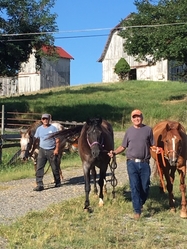
strolling with horses
That experience with the legal services program gave Press a window into the lives of the people he was representing. “We knew there was a lot of beauty out there; there were a lot of beautiful traditions and wonderful people who weren’t reaching their full potential,” he says. Press got involved in employment law, “because I thought if people had jobs, that would help them overcome some of the problems like alcoholism and suicide and other major problems that people suffered on the reservation.”
That employment work, pushing for Indians to have preference in employment over non-Indians for jobs brought into the reservation, led to the establishment of the first Tribal Employment Rights Office in Window Rock. Although there were laws to give that preference, explains Press, “nobody every enforced them.”
When Press moved to Washington, eventually taking a job at the law firm Van Ness Feldman where he spent more than three decades, he continued to fight for Indian preference in employment.
“We had battles with federal agencies who said, ‘You can’t tell our federal contractors or grantees what to do.’ Now we had to show that tribal sovereign authority was stronger than any of those federal regulations. And that tribes could tell federal contractors they have to comply with Indian preference requirements of the tribe. So, a lot of it was fighting to assert tribal sovereignty, which at that point, was still a very new concept.”
As a result of Press’s efforts to push and maintain enforcement of Indian preference law, some 300 Tribal Employment Rights Offices have sprung up around the country.
Despite these victories, Press was beginning to understand that improving employment rights among native people did not mean—as he had hoped—that the societal problems on Indian reservations would go away.
“By around 2010, I started getting very disillusioned. I noticed that 40 years after I’d left the Navajo reservation, the problems that I thought would gradually dissipate were still as bad as ever—the alcoholism and the suicide and all of the other health and social problems that the tribes lead the country in,” he recalls.
He took the problem to his Columbia University students in the first course he taught on Indian tribal government.
“The issue I put before the students is how do we explain all of this dysfunctionality that we see on reservations? Why haven’t those problems decreased? We’ve seen an increase in college graduates, we’ve seen an increase in economic status, but we still have huge unemployment problems, huge substance use problems, huge suicide problems, high school dropout problems,” he says.
It was his students, says Press, who first introduced him to the concept of intergenerational and historical trauma in 2011. They had worked with professors in the university’s psychology department who were investigating how trauma from stress caused changes in genes in mice that were passed down from one generation to the next. (For an example of research around generational trauma and epigenetics, see this study. For research on Holocaust survivors and epigenetics, see this study.)
“It was after that class that I became persuaded that historical trauma was by far the most viable explanation for all for a lot of the problems that you see on reservations,” Press says.
Around the same time as the class, Press’ wife emailed him a study that she thought he should read. It was the landmark Centers for Disease Control and Prevention/Kaiser Permanente Adverse Childhood Experience Study (ACE Study) that tied 10 types of childhood trauma, such as living with a family member who’s addicted to alcohol or is depressed, with chronic disease in adulthood. The ACE Study and subsequent research also showed links between childhood trauma and alcohol and drug abuse in adulthood.
“So, I read it and thought, ‘It really connects the dots between historical trauma and these other forms of trauma’,” says Press. “I began studying more about it and I became a convert, and thought it was one of the most important studies out there.”
In 2014, a phone call with a former client would send Press on his current path. The call was with Native American psychologist, Dr. Tami DeCoteau, whom he describes as his “guru on trauma,” who called Press up one day and said, “I never mentioned it, but I used to babysit for Senator Heidi Heitkamp from North Dakota, and she just called me and said: ‘Let’s have coffee. I want to just pick your brain on what issues I should be dealing with.’”
Press suggested that DeCoteau ask Heitkamp to hold a roundtable discussion on historical trauma in Indian country. Heitkamp, who said it was consistent with her interest in issues affecting children, agreed.
Press and DeCoteau brought together about 25 people in 2014 to speak, including PACEs Connection’s Elizabeth Prewitt, who described the ACE Study. DeCoteau spoke about the experience of trauma on Indian reservations, and representatives from the Menominee tribe in Wisconsin talked about their cross-sector work in implementing trauma-informed practices. (See this PACEs Connection storyfor more on this meeting.)
Heitkamp stayed put for a full hour of the three-hour roundtable, recalls Press. “Getting a senator to sit the whole hour was amazing… But as she walked out, she said, ‘I’ve walked out of this hearing room for the Senate Committee on Indian Affairs depressed so many times because of all the problems people have described. This is the first time I’m walking out optimistic that maybe we have a solution!’”
That meeting gave rise to The Roundtable on Native American Trauma-informed Initiatives in 2016. While the group, led by leaders volunteering their time, including Press, is no longer active, it held meetings to inform government officials about the merits of trauma-informed programs. It also organized conferences for Native Americans, including one entitled: Calling Upon the Warrior Spirit to Heal Historical Trauma Conference and Ceremony in 2018.
In 2017, Heitkamp, along with Illinois Senator Dick Durbin, introduced the Trauma-Informed Care for Children and Families Act of 2017. Provisions of the legislation were later included in legislation signed into law in 2018 to address the nation’s burgeoning opioid epidemic. Until she lost her reelection bid to the Senate in 2019, Press says that Heitkamp remained a staunch supporter of legislation to advance trauma-informed policy.
Around the same time, Press was introduced to Dr. Sandra Bloom, a psychiatrist who was among a group of clinicians who developed a trauma-informed practices protocol known as the Sanctuary model, which has been widely disseminated around the country in schools and organizations, and Dr. Andrea Blanch, the president and director of the Center for Religious Tolerance, who trains service agencies and communities in trauma-informed practices. The two told Press of their interest in forming a national organization with leaders from across sectors to spread the word about trauma-informed practices. They just needed a place large enough to hold the meeting. Press offered up a room at his law firm.
That conversation sparked the formation of the Campaign for Trauma-Informed Policy and Practice, and Press, who was winding down his legal practice, jumped in. CTIPP focuses on advocating for legislation that incorporates the science of positive and adverse childhood experiences (PACEs science) into federal programs and serves as a forum for trauma-informed coalitions to share ideas and resources. In February 2020, just before the COVID-19 pandemic took hold, CTIPP launched the National Trauma Campaign, which is focused on recruiting advocates for trauma-informed legislation in every Congressional district. (See the attached slide deck to learn more about the work of CTIPP.)
That effort has already produced results. “When we first started, there was really just Senator Durbin and Senator Heitkamp. Now there are probably a half dozen senators who have introduced trauma-informed legislation,” says Press. In June, Senators Durbin and Shelley Capito of West Virginia, and others introduced the Rise from Trauma Act, which would infuse trauma-informed policies into federal programs. The bill would also provide funding for community-level work on trauma-informed practices. That bill hasn’t moved yet, says Press. But he has hopes about the reconciliation bill (a.k.a. Build Back Better, click here for PACEs Connection story), which is before the House of Representatives for a vote, and includes $2.5 billion in funding, which could go towards trauma-informed community coalitions.
If that happens, he says, “we’ll achieve one of our most important goals, which is to get funding to these local coalitions because they’re springing up all over the country and you see them on PACEs Connection. But the thing they all struggle with is funding. We have a lot of great volunteers, but we don’t have funding to hire full-time staff. So as the reconciliation bill passes with the Senate for the first time, there’ll be a funding source for local trauma-informed coalitions, and that would be a huge, huge, huge win.”
Press points to the appropriations bill report that just came out of the U.S. House of Representatives as another sign of progress. It included 30 different items in which funding was provided for trauma-informed related programs.
Reflecting next steps, Press says, it’s really all about education. “We know how to help people who have suffered trauma. We know how to prevent trauma. It’s really the education piece that is the biggest barrier. If we get in front of every state legislator, every congressperson, every governor for a half an hour, and go through the [positive and adverse childhood experiences] science, I think all of the barriers would just fall like crazy.”
During this upcoming season of giving, we are making a special appeal. We are in deep financial straits. In a most un-trauma-informed move, a major foundation which had assured us that we would receive a second year of funding unexpectedly reversed course shortly before we were due to receive a $500,000 grant from them.
We’re fortunate to have a couple of funders who are providing support from January through December 2023. But we didn’t have enough funding remaining this year to take us through the end of this quarter, so we’ve cut our pay and time by 50%. If you’ve been through something like this, you know the hardship of making one paycheck last for two months. And almost all staff will be laid off for the month of December.
So, we’re modeling what we’ve written about for others for the last 11 years, quoting authority after authority about the need for people affected by trauma to “ask for help.”
We are asking you, our 57,300+ members, to make a donation, preferably, a monthly donation.
Because we’ve been funded by grants from generous donors over the last few years, we haven’t relied on donations. During a year-end funding campaign two years ago we received an unexpected matching gift of $50,000; you were kind enough to grow that to $105,000.
We are deeply grateful for that support, and for the $22,190 you donated over the last six months, since we began telling you of our situation. And now, as we enter the season of year-end giving, we ask for whatever you can give to assist PACEs Connection in its efforts to continue to solve our communities’ most intractable problems.
Given the current non-profit funding system, which tends to support organizations for only two or three years, we began planning six years ago to become self-supporting. That’s because we know that it will take communities 20 to 40 years to integrate policies and practices based on PACEs science. Earlier this year, we began accelerating those plans by diversifying our revenue streams.
We’re providing our expertise to create trauma-informed schools, trauma-informed workplaces that are anti-racist organizations, and helping local initiatives build partnerships to increase their funding and accelerate their growth.
We continue to recruit communities to join our Cooperative of Communities, which we launched in late 2019, only to see our progress delayed by COVID. The Coop offers unique and sophisticated tracking tools and other benefits to help community PACEs initiatives to accelerate growth, reduce ACEs and increase positive childhood experiences. Communities pay $5,000 a year for tools and benefits that would cost an individual community $80,000 to develop themselves.
Recruiting foundations to partner with us in our work. Besides the obvious consequence of losing much-needed funding, the loss of the $500,000 grant put us in the position of losing precious time to find another funder. Acquiring funding takes, on average, 18 months from first contact to money in the bank. Most funders won’t accept unsolicited requests for funding. You have to know someone who can provide an introduction.
Over the next couple of months, you won’t experience much of a difference in what you see from us. We’ll keep delivering the Daily Digest and Weekly Roundup, which we’ve provided for free for more than a decade. We’ll continue to provide support and training to the 440 or so cross-sector geographic communities and 40 or so interest-based communities that have free pages – their own mini-websites – on our site. We’ll keep offering our free Creating Resilient Communities trainings to the general public, and our Growing Resilient Communities trainings for managers of community initiatives.
We’ll be posting about our fundraising efforts, and asking some of you to post about what PACEs Connection has meant to you, your community, your growth and development as a human, parent, professional. If you’d like to share a video or a testimonial about the importance of our work, please do. We’d love to hear from you and ask that whether you post or not, to make a gift, preferably a monthly gift, to help us keep doing the work.
In the meantime, thank you for all you do in your life, your home, your community, your corner of the world, to help prevent and heal childhood trauma, to help build healthier, more resilient and compassionate communities.
Note: PACEs Connection is in dire financial straits. We are asking for support, from you, our57,505 members, to help cover the loss of foundation funding that was promised and didnot come through. Pay and hours have been cut for our staff—most of us will be laid off for the month ofDecember. Another grant will pick up in January. Since sounding the alarm this summer,we’ve raisedabout $24,000. To geta sense of who your fellow members are, who is donating and why, please enjoy and share this secondpost in a series of donor profiles, and be likeRobin:Pleasemake a generous donationto PACEs Connection!
“PACEs Connection has been my north star for credible information about the science, research, and lived expertise that is centered on healing our most intractable problems,” says Robin Cogan, a nationally certified school nurse (NCSN) in an elementary school clinic in Camden, New Jersey.
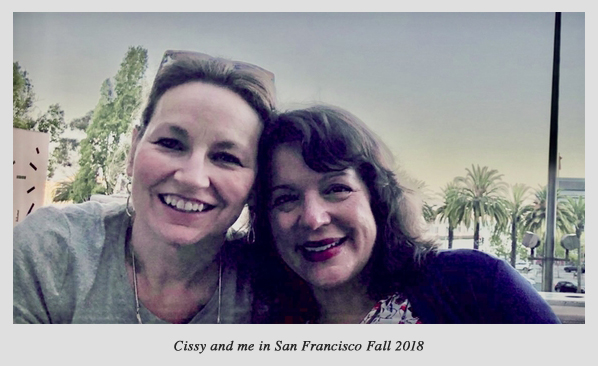
Cogan and former PACEs Connection employee and current blogger Cissy White met in person at the 2018 ACEs Conference in San Francisco after connecting on (then) ACEs Connection and Twitter!
She found PACEs Connection following the death of her father.
“He was a complex man who died from a hemorrhagic stroke, directly linked to the trauma he suffered as a 12-year-old boy witnessing the death of his entire family,’’ she explains. “He was buried on the 60th anniversary of the murders. I was on a quest to understand the life and death of my father, and found it through the research provided in the treasure trove of information available on PACEs Connection.”
Generational trauma
Cogan’s family has experienced the trauma of two mass shootings with both survivors and victims. A niece of Cogan’s was involved in a school shooting several years ago, and survived in the same way her grandfather survived in the mass shooting of his family seven decades earlier: She hid in a closet.
“Generational trauma was my original reason for digging deeper into the science of ACEs,” Cogan says. “It is my goal to do everything in my capacity as a school nurse and family-member survivor to end gun violence through public health measures which drive me to share this work. PACEs science holds the key by reducing and working to eliminate childhood adversity, especially exposure to violence. That will change the world.”
Headaches and stomach aches
As a clinical coordinator in the school nurse specialty program where she teaches at the Rutgers School of Nursing in Camden, Cogan has shared her passion and expertise in school nursing with hundreds of college students who follow in her footsteps to be, oftentimes, the one person who understands what’s happening when a child shows up at a school clinic with the fifth headache of the month; the third stomach ache of the week. She knows trauma is likely the root cause of many of those headaches and stomach aches.
Her work on the faculty in the School Nurse Certificate Program at Rutgers University-Camden School of Nursing earned her the 2018 Rutgers University – Camden Chancellor’s Teaching Excellence Award for Part-time Faculty.
“The Relentless School Nurse”
Cogan is also a prolific writer. Her weekly “Relentless School Nurse” posts were named “Top Nursing Blog” in 2020 on her website by the same name. Cogan also authors a monthly column in “My American Nurse”, the official journal of the American Nurses Association, and is the recipient of multiple awards for her work in school nursing and population health, including the 2019 and 2020 National Association of School Nurses President’s Award and the New Jersey Department of Health 2017 Population Health Hero Award. She was also named the 2018 National Certified School Nurse (NCSN) School Nurse of the Year, and the 2017 Johnson & Johnson School Nurse of the Year.
“Our gifts back…will bring more light..”
As for her generous support of PACEs Connection, Cogan says, “For so long the content of PACEs Connection has been open-access and I am sure that will continue. But answering this call for support is the least that we can provide for all that has been given by the organization.
“When you look at the structure behind PACEs Connection, you realize how few devoted people are providing so much content, research, opportunities for community building, and space to exhale in this complex world. I have given over the years, but realize that if each of us gave even a small amount, the collective impact would be a game-changer for PACEs Connection,” she adds.
”I appreciate that PACEs Connection lifts up community-inspired solutions by engaging grassroots groups working to heal their communities,” she says. “It has been a focal hub for learning, growing, and amplifying the science of positive and adverse childhood experiences. Our gifts back will be used to bring more light into this world in great need of healing.”
Cogan encourages fellow members of PACEs Connection to join her in making a generous, tax-deductible donation to PACEs Connection here.
If you’d prefer to mail your gift rather than give it online, here’s how…
Make check payable to: TSNE (Third Sector New England, our fiscal sponsor) and write PACEs Connection Donation on the memo line.
Mail check to: PACEs Connection, c/o TSNE, 89 South Street, Suite 700, Boston, MA 02111
Making a wire transfer or need Tax ID information?
Note: PACEs Connection is in dire financial straits. We are asking for support, from you, our57,586 members, to help cover the loss of foundation funding that was promised and didnot come through. Pay and hours have been cut for our staff—most of us will be laid off for the month ofDecember. Another grant will pick up in January, but we will still be underfunded. Since sounding the alarm this summer,we’ve raisedabout $26,000. Thankfully, about 25% of new donors are making monthly donations. To geta sense of who your fellow members are, who is donating and why, please enjoy and share this thirdpost in a series of donor profiles, and be likeJeoff Gordon:Pleasemake a generous donationto PACEs Connection!
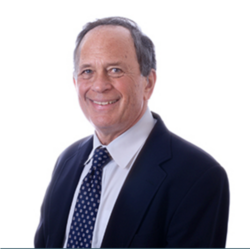
Dr. Jeoffry Gordon learned about the CDC-Kaiser Permanente Adverse Childhood Experiences Study when he attended a talk in 2003 by the study’s co-principle investigator, Dr. Vincent Felliti.
“But I had no understanding of the terrible consequences of child abuse trauma until 15 years later when I started seeing patients in a clinic for the homeless, where it was a common condition,” says Gordon, a retired family physician and PACEs Connection supporter and activist.
Gordon, who practiced family medicine for 40 years in San Diego, California, attended some of the most elite schools in the nation: Harvard College, Case Western Reserve University School of Medicine, Harvard Medical Service at Boston City Hospital for his medical internship, and Tulane University for a master’s of public health.
“…a tragic, soul-searing experience…”
“I was always up to date in cardiology, endocrinology, neurology, etc.,” he says, “but never heard the phrase ‘trauma-informed care’ until the last year I saw patients, in 2019. It was then I started connecting the effects of child abuse, neglect and trauma. I saw what can be a tragic, soul-searing experience, affecting physical health, mental health, and social capacity.”
Does he wish he’d known about the connection to childhood adversity and health outcomes earlier? Does he wish there had been the information and a resource such as PACEs Connection when he was practicing family medicine?
“Absolutely,” he says. “Although I certainly ‘knew’ about child abuse and ACEs, my lack of clinical appreciation and insight must have frequently led to inadequate evaluation and treatment of many patients with both psychological and physical illnesses. I learned this several years after I retired when a former patient contacted me for records to support his disability application. I had administered an ACEs questionnaire to him and he had a high score, but I had treated him like any other patient with anxiety and depression with ineffective meds and never applied PACES science.”
The relationship between inequity, racism, and trauma.
Active in social justice issues for decades, Gordon has a keen sense of the relationship between inequity, racism, and trauma. “I got involved in child abuse mitigation and prevention because I felt in this space I could relieve some of the worst and most anguishing pain in our society,” he says.
Gordon would know. He has been an outspoken member of the California Citizens Review Panel on Critical Incidents (child abuse homicides) for three years, posting multiple times on PACEs Connection in support of this work and legislation to support it.
“I think it is an obligation, and more than a privilege, to support PACEs Connection during this period of financial stress.”
“PACEs Connection has made an amazing national contribution to dealing with ACEs,” he explains, “connecting survivors to survivors, connecting therapists to therapists, connecting survivors to therapists, promoting medical and counseling education, catalyzing many community-based intervention programs, and sponsoring many educational sessions. I think it is an obligation, and more than a privilege, to support PACEs Connection during this period of financial stress.”
Gordon considers himself to be an unaffiliated, freelance community advocate and activist trying to remediate years of disregard and public avoidance of the tragedies of child abuse and neglect.
Expanding the appreciation of the epidemic of child abuse; recommending that friends become involved in PACEs Connection.
“I am working to expand the appreciation of the epidemic of child abuse and child abuse trauma especially within the medical professions, especially psychiatry,” he points out, “and promoting the application of PACEs knowledge throughout all medical specialties. I also work on expanding resources devoted to this problem at all levels of government. I am especially concerned and active trying to repair the inattention and chaos in California around the tragic issue of child homicides due to abuse or neglect.”
When it comes to recommending that friends and colleagues become involved in PACEs Connection, Gordon says: “I think every researcher and professional providing therapy to people who have experienced maltreatment, people who are traumatized, does not do an adequate job if they are not also working to bring attention, in the public square, to the ongoing tragedies generated by childhood trauma.”
Gordon encourages fellow members of PACEs Connection to join hm in making a generous, tax-deductible donation to PACEs Connection here.
If you’d prefer to mail your gift rather than give it online, here’s how…
Make check payable to: TSNE (Third Sector New England, our fiscal sponsor) and write PACEs Connection Donation on the memo line.
Mail check to: PACEs Connection, c/o TSNE, 89 South Street, Suite 700, Boston, MA 02111
Making a wire transfer or need Tax ID information?
Note: PACEs Connection is in dire financial straits. We need you, our 57,651 members, to helpcover the loss of foundation funding that was promised and did not come through. Unfortunately, pay and hours have had to be cut for our staff. Most of uswill be laid-off for the month of December. The good news is that, since sounding the alarm thisSummer,we’ve raised $46,000! Thank you to all who’ve donated. To get a sense of who yourfellow members are, who is donating, and why, please read and share this fourth in a seriesof donor profiles. Now that you know we need your help, please join Peter Chiavetta andmake agenerousdonationto PACEs Connection!
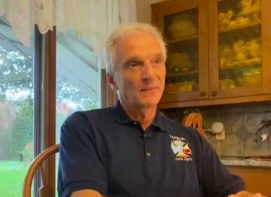
Peter Chiavetta said he knew what he wanted to do when he was three years old.
“When I was three,” says Chiavetta, now 70, “there was a threat of nuclear war. Everyone was scared. And I knew then I wanted to save the world.”
At 21, Chiavetta witnessed a horrific car crash, one he himself was almost in. As he stood watching a victim, not knowing how to help, he knew he had to learn how to save people’s lives in emergencies. So he became a volunteer emergency medical technician (EMT) at the Farnham New York Fire Department & Seneca Volunteer Fire/EMs Department.
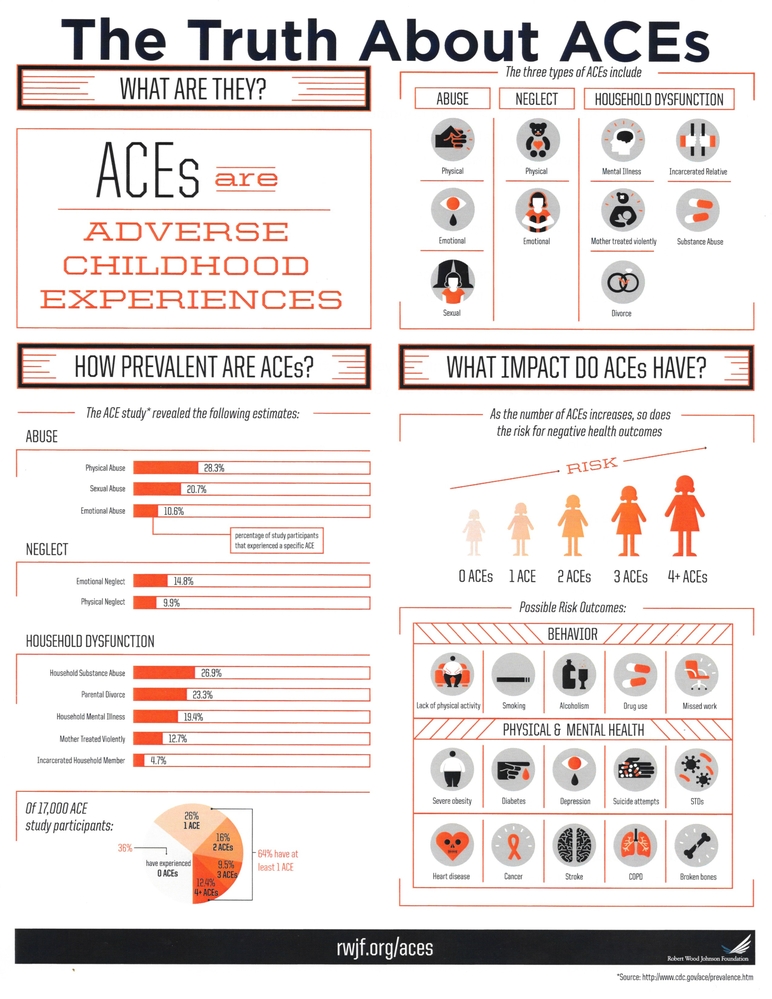
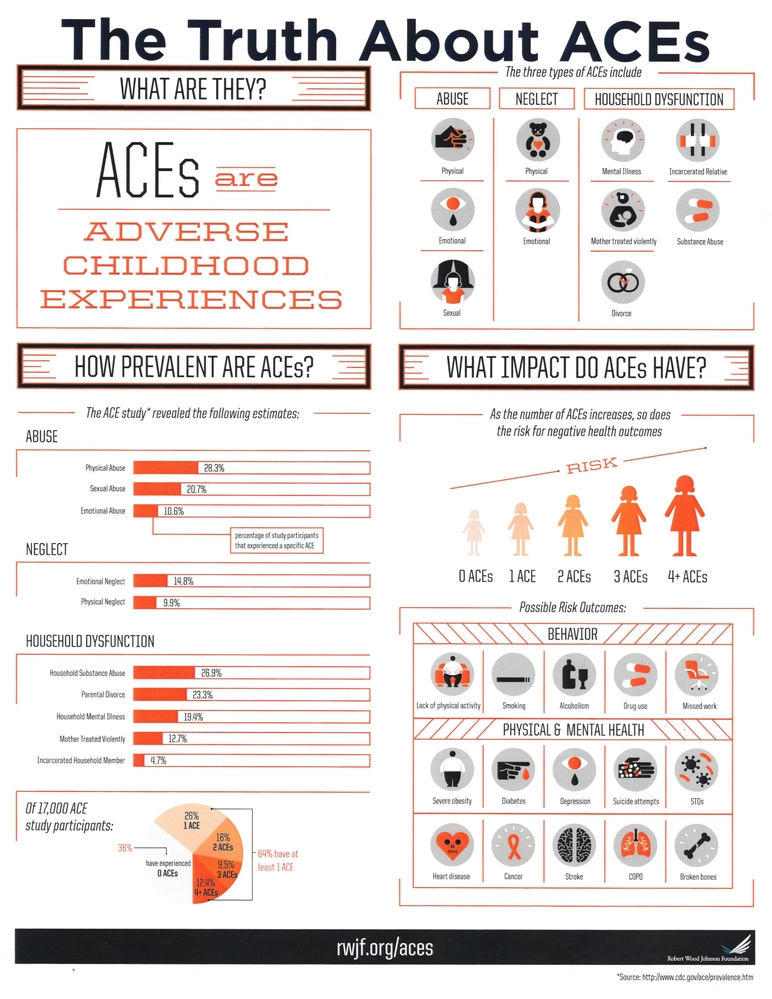
Fast forward 40 years and many emergencies later. That’s when Chiavetta stumbled on the Adverse Childhood Experience survey (ACEs) study, (CDC-Kaiser Permanente Adverse Childhood Experiences Study). It was then he knew he’d found the way to do what he’d wanted to do since he was that three-year-old child.
“I always said if I found a way to help this country continue, I would support it. The PACEs science movement is that movement.”
For Chiavetta, the ACE Study was the “aha” moment he needed to connect the dots between people having challenging childhoods and then experiencing chronic health problems as adults. And he saw no reason to not help people connect the dots…in his family catering business, with his family, in medical offices and town meetings, and on his most familiar turf—the back of an ambulance.
Learning about the ACE Study in 2014 put it all together for Chiavetta, who is, to his knowledge, the only EMT in the country spreading the news about PACEs science in a formal way, on almost every call.
Chiavetta counts connecting with Jane Stevens, founder and publisher of then ACEs Connection, now PACEs Connection, as a turning point for him.
“Jane brought, in ACEs Connection, the information, community, tools, courage, and more,” he says. All of which help Chiavetta on his quest to make the science mainstream, a matter of course everywhere, all the time, and make Chiavetta an ardent supporter of PACEs Connection.
“I always said that If I found a movement that I would help this country continue, that I would support it. The PACEs science movement is that movement. It can keep this country going—the understanding, forgiveness, help and hope it brings. And PACEs Connection leads the movement, because it can help people understand that the accidents they’re in, the diseases they have, they are not their fault,” Chiavetta says.
“I now know how to look at everything through a trauma lens, and can help people. I ask a motorcycle accident victim about his childhood while we’re in the back of an ambulance. I hear he’s had a rough childhood. I can say, ‘Man, I hear you’ve had a tough life and an even tougher childhood. It’s not your fault. And this accident is not your fault,’’’ he said.
“I tell him he’s not alone, and that he should have been protected, cared for and loved. It’s that easy to help someone,” Chiavetta says.
Planting seeds for patients to understand the impact of trauma on their children.
He believes it is that easy to help people begin to see that they want their children to have better lives, to plant the seed of their wanting their children to know the love, protection and security they may have missed.
“I support PACEs Connection because of what it has given back to me—the information to help people forgive themselves and start their lives with a new understanding of how they are where they are,” he says. “I am helping them. ”
Though Chiavetta does far more than have moments of connection in a speeding ambulance.
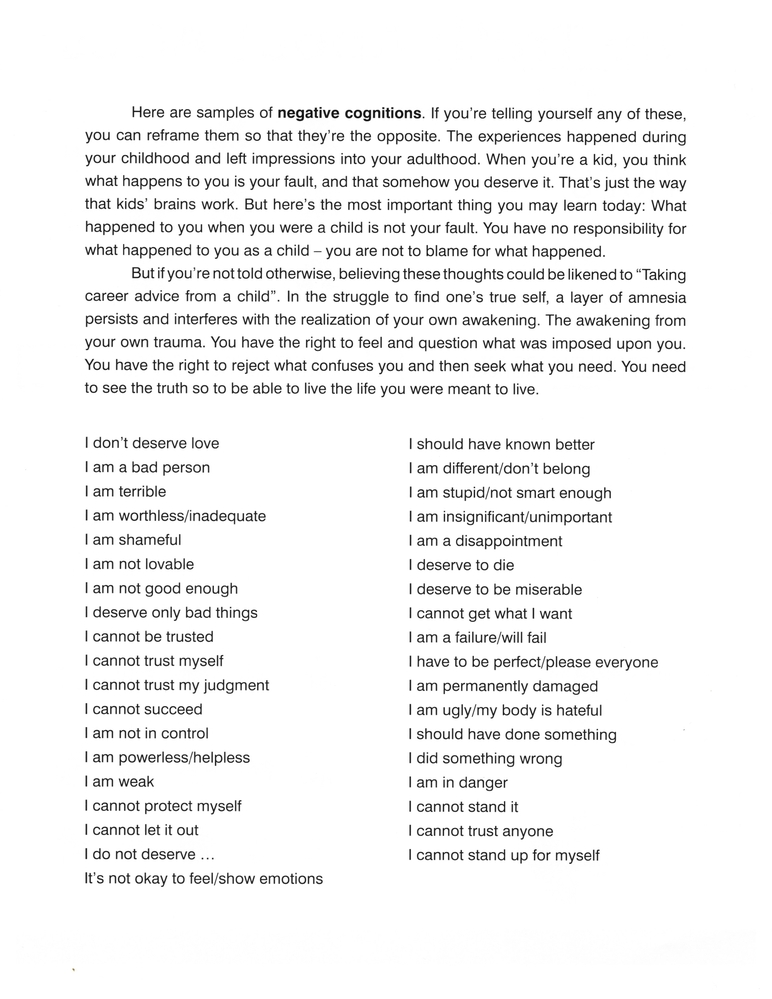
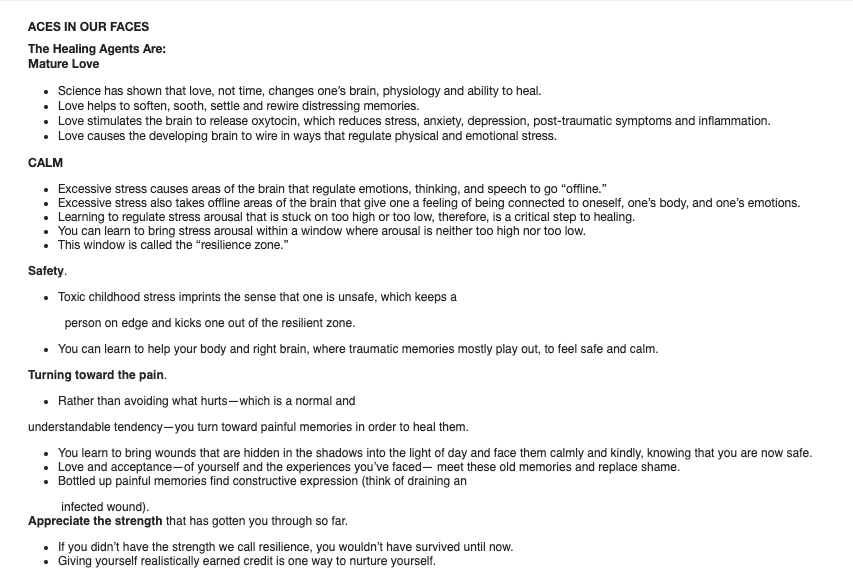
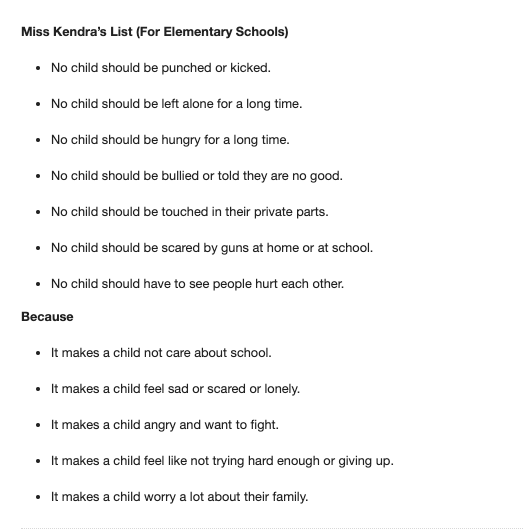
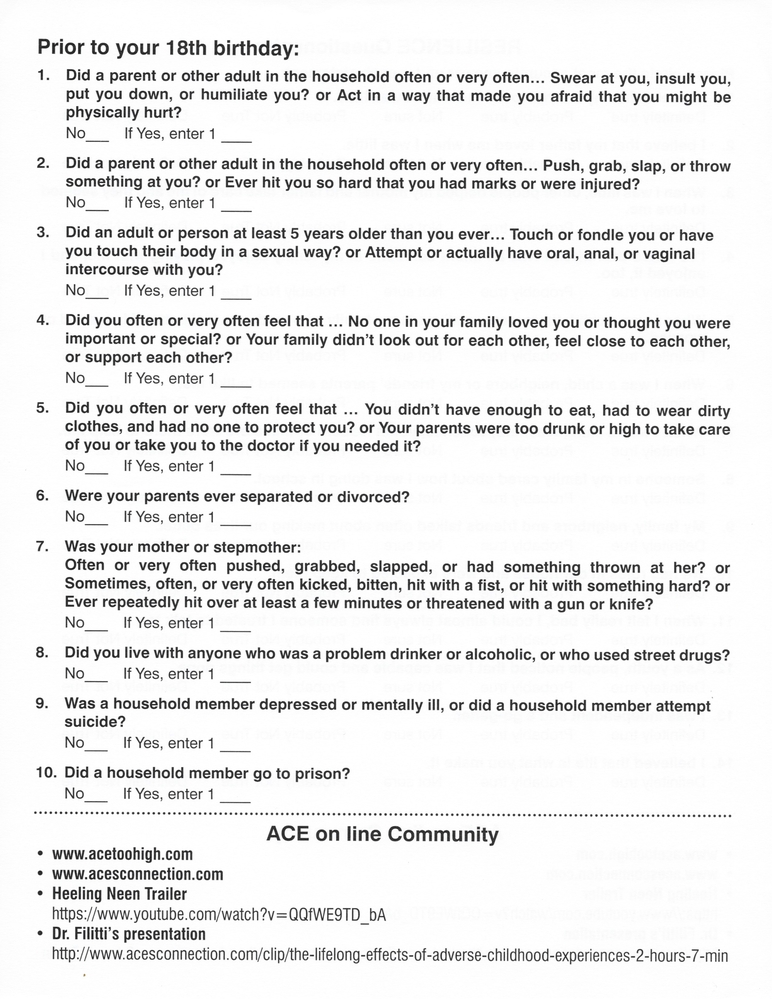
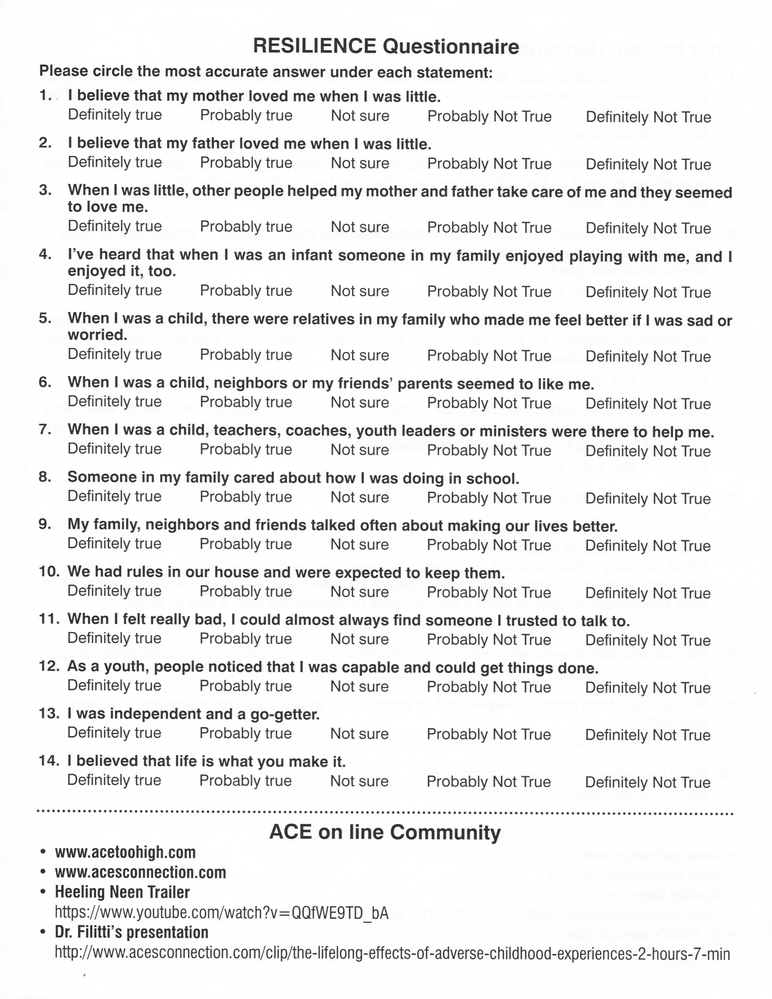
He has a handout he shares, goes over it with patients, and checks on them in the hospital. He estimates that he’s shared his eight-page handout (shared below) with more than a thousand people over the years.
He’s not saving the world in a grand, single swoop, but he is helping to change the world for those patients. He has a brief chat with each that helps them connect their childhood trauma with why their lives have turned out the way they have, and what they can do to help turn things around. And then he hands them easy-to-understand bits of the science, along with some inspiration. He believes some of this sharing is taken to heart.
“I recently had coffee with an old friend, and she said she wanted me to know how much what I have done over the years has helped our town, with working for better safety in getting four-way stops instead of lights, and in helping share this information about ACEs. It felt good,” he says.
For Chiavetta, the benefit of PACEs Connection has been getting the word out on the science and tracking how it is changing the world. It also validates him as he takes the science with him into hospitals and board rooms.
Documentation and dissemination—outside the comfort zone.
“We are tracking the integration of PACEs into the workplace. It’s not in the culture yet, but seeing the work go into the workplace gives us hope,” he says.
“PACEs Connection has documented that and it helps feed the hope that we will eventually see the integration occur throughout our culture. I’m on a call on Mondays with other people who want to apply what they know about PACEs science in the workplace, and they experience pushback as they try to get trauma-informed care going. Having PACEs Connection helps keep us going. It’s the documentation and the dissemination of what we know. It gives us validity. It helps us step outside of our comfort zone to push for a more trauma-informed world.”
How does he hope PACEs science will change the world?
“So many young people who are stuck think they don’t deserve to have better lives,” he explains. “This science helps people realize they don’t have to live this life—there is an alternative. I’ve heard it said that ‘traumatized people stand on the grave of dreams.’ Traumatized people have dreams, but don’t know how to access them. I think this information helps people access those dreams. It helps prevent more trauma. It helps them realize the struggle is on the inside.”
“I wish some politician would get up and say ‘I want one year of paid paternity leave.’ One year of paid paternity leave would turn the world upside down,” he explains. “I wish they’d ask for it and go into the ‘why’ of talking about the importance of secure attachment, safe, stable, nurturing environments. PACEs Connection helps get ideas such as that out there.”
“It’s too early for this shining star to die.”
Why should other members of PACEs Connection provide financial support to our organization?
Chiavetta is straightforward in his answer.
“It’s too early for a shining star to die,” he says. “We really need to perpetuate the efforts of PACEs Connection. It can become extinct. When trauma-informed care first started in western New York, people poured everything into it, and it failed. And then it got resurrected again. But the original founders of it lost traction. They had all the enthusiasm in the world and lost traction.
“I feel like we’re showing people the door to save themselves, and people are still running back into the fire. It is very important that PACEs Connection keep going—that it be that light, be that open door. This is the direction.”
Chiavetta encourages fellow members of PACEs Connection to join him in making a generous, tax-deductible donation to PACEs Connectionhere.
If you’d prefer to mail your gift rather than give it online, here’s how…
Make check payable to: TSNE (Third Sector New England, our fiscal sponsor) and write PACEs Connection Donation on the memo line.
Mail check to: PACEs Connection, c/o TSNE, 89 South Street, Suite 700, Boston, MA 02111
Making a wire transfer or need Tax ID information?
 Carey Sipp 6/2/2210:00 AM
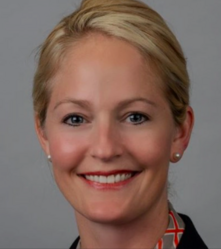 Adrienne Elder, director of interagency projects at EB Consulting of Oklahoma City, Oklahoma, will share information about a statewide public-private partnership that includes more than 30 counties working with leadership from the Oklahoma Public Health Institute.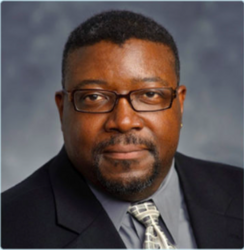


 ACEs Connection, and Mathew Portell, director of communities. The podcast airs on Thursday, Oct. 6, at 1 p.m. PT; 4 p.m. ET.

 If you’d prefer to mail your gift rather than give it online, here’s how…
 Making a wire transfer or need Tax ID information?