Decades of funding expertise will come together to support rural resilience initiatives on June 9th from noon – 1:30 p.m. ET in a webinar hosted by the Campaign on Trauma Informed Policy and Practice (CTIPP) and PACEs Connection. Register now.
“We’re excited to present this group of three experts, who have worked in every corner of the United States, to help rural communities secure what more they can of the American Rescue Plan Act (ARPA) funding and opioid settlement funds, as well as other state and local funds. We’ll talk about available funding, zero in on challenges unique to rural communities, and find out how experts are helping,” said Jesse Kohler, CTIPP executive director.
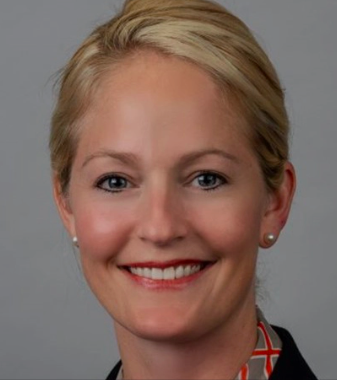
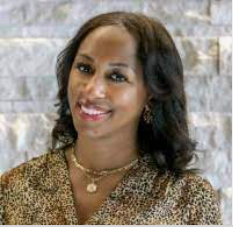
Adrienne Elder, director of interagency projects at EB Consulting of Oklahoma City, Oklahoma, will share information about a statewide public-private partnership that includes more than 30 counties working with leadership from the Oklahoma Public Health Institute.
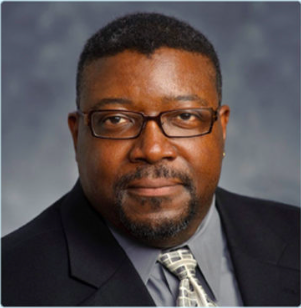
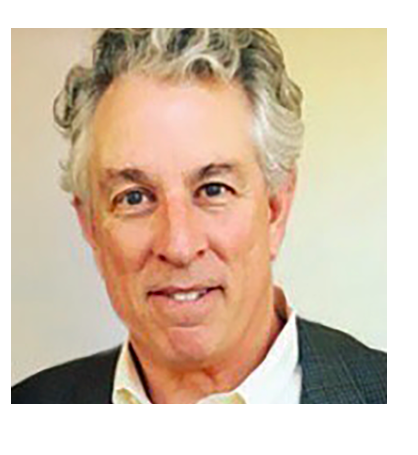
Dave Ellis is continuing his 28th year of consulting upon completion of his contract to serve as executive director of the Office of Resilience for the New Jersey Department of Children and Families. Ellis has run the first statewide resilience initiative in the country and is a veteran of securing funding for domestic violence, homelessness prevention, community engagement, diversity and equity, juvenile justice initiatives, and more.
Teresa Purcell of Longview, Washington, is a national political, communications, and organizing consultant working in rural America and with Black, Indigenous and people of color communities. She has worked in 34 states to help a wide variety of clients with strategic planning, program development and implementation, advocacy, civic engagement, and fundraising.
“This group of experts brings together a rich and successful track record of working with federal, state, and local funders and will share successes, insights, and answers to attendee questions,” said Kohler.
June is Pride Month in the United States, commemorating the Stonewall riots which began on June 28, 1969. According to research by Public Broadcasting Service writer Beatrice Alvarez, the riots marked a turning point in the lesbian, gay, bisexual, transexual and queer (LGBTQ) movement for civil rights.
“The riot began when a group of people at the Stonewall Inn, a gay bar in New York City, were being harassed by police officers. The harassment by police wasn’t new to the bar’s patrons, but that night the community rose up against it. The decision of a few brave Stonewall Inn patrons to fight back and stand against police brutality and injustice kicked off days of demonstrations throughout the city to protest the discrimination and mistreatment of gay and lesbian communities. The first anniversary of the Stonewall riots was celebrated with gay pride parades in Chicago, San Francisco, Los Angeles, and near the Stonewall Inn New York,” Alvarez writes.
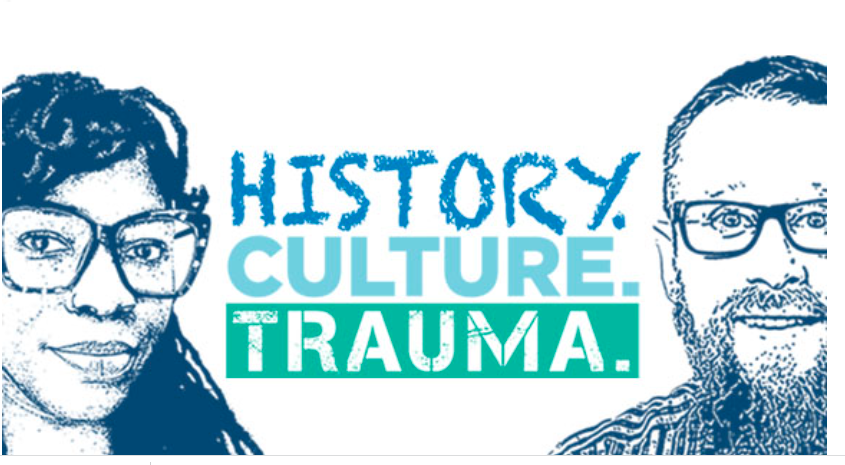
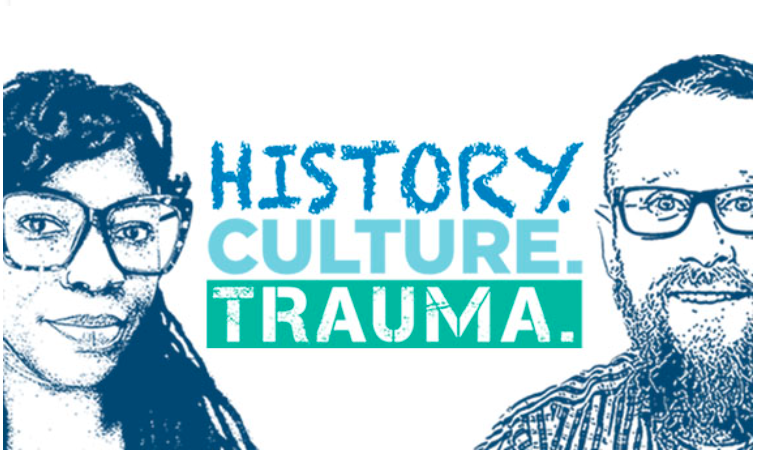
To celebrate the month at PACEs Connection our History. Culture. Trauma. podcast will recognize the impact LGBTQ+ people have had in the world.
“This week’s guest, Joe Brummer, continues to utilize his life experience to impact schools across the country to shift their paradigm towards strengthening individual and student school experiences through restorative practices,” said Ingrid Cockhren, PACEs Connection CEO, who hosts the podcast each week with director of communities Mathew Portell.
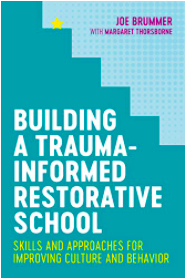
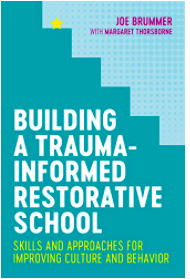
Brummer, author of the book, “Building a Trauma-informed Restorative School”, writes that he is the survivor of child abuse, bullying, and two separate violent anti-gay hate crimes.
“What began as a personal healing response to the trauma has transformed into professional involvement in community and restorative justice,” he says.
Since 2010, Brummer has actively helped schools implement peer mediation programs and school-wide restorative practices. As a private consultant beginning in 2015, Brummer has designed a trauma-informed approach to restorative practices and infused this model in schools.
By Dave Davies, Photo: Octavio Jones/Getty Images, National Public Radio, June 14, 2022
The COVID-19 pandemic laid bare the racial inequities that plague American health care, with Black people dying of the disease at a rate more than double that of white people.
Author Linda Villarosa has been writing about the racial disparities in health outcomes for decades and recently covered the topic for the New York Times’1619 Project. She says that while she used to think poverty was to blame for Black Americans’ health problems, she’s now convinced that bias in the health care system and the “weathering” affect of living in a racist society are taking a serious toll on African Americans.
Villarosa points to “weathering” — a concept developed by public health professor Dr. Arline Geronimus — as the wear on the body that results from prolonged exposure to stress: “Your heart rate goes up, your cortisol stress levels go up in your body. Your blood pressure rises,” she says. “It’s not good for the body. But when people are treated badly, that’s what happens.”
Juneteenth has been a part of my family tradition for as long as anyone can remember.
It marks the day in 1865 — June 19 — when some of the last enslaved people in the United States, in Texas, learned that they had been freed, roughly two and a half years after the Emancipation Proclamation was issued.
My mother recalls going to large Juneteenth celebrations as a child in the 1950s, where some men would play baseball and others would play guitars and harps, where women would arrive with their own picnic spreads of fried chicken and fresh baked rolls and her great-uncle would barbecue a goat.
She told me recently that she would just be excited to have a “nice blouse and a gathered skirt that was starched and ironed, and socks and sandals.” Those skirts would often be made from the cloth of feed sacks. “That was our dress-up day,” she said.
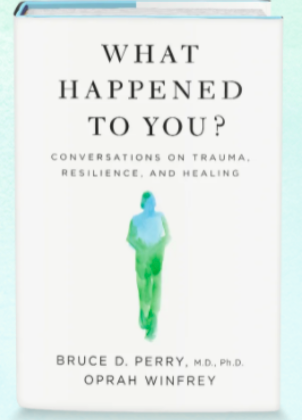
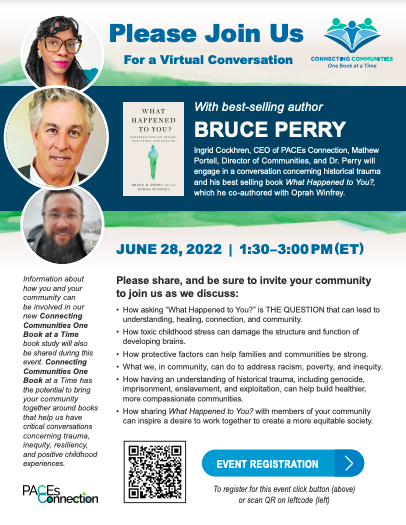
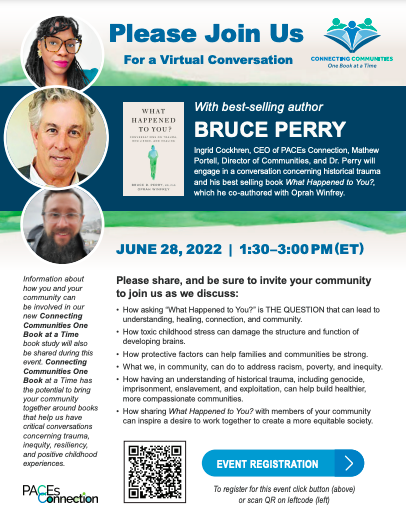
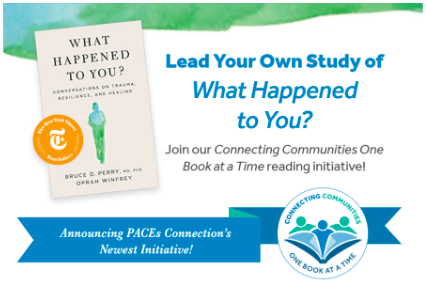
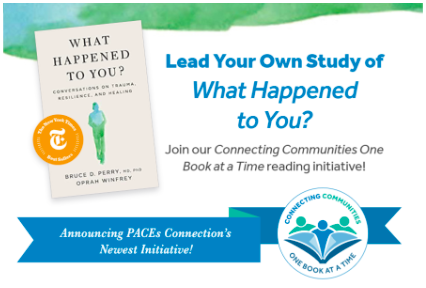
Please join us on June 28 from 1:30-3:00 p.m. ET for a virtual conversation with best-selling author Bruce Perry. Ingrid Cockhren, CEO of PACEs Connection; Mathew Portell, PACEs Connections’ director of communities, and Perry, a psychiatrist and neuroscientist, will engage in a conversation concerning historical trauma and Perry’s best-selling book “What Happened to You? Conversations on Trauma, Resilience and Healing,” which he co-authored with Oprah Winfrey.
Please share this blog post, and the attached flyer, and be sure to invite your community to join us as Perry and hosts address:
How asking “What Happened to You?” is THE QUESTION that can lead to understanding, healing, connection, and community.
How toxic childhood stress can damage the structure and function of developing brains.
How protective factors can help families and communities be strong.
What we, in community, can do to address racism, poverty, and inequity.
How having an understanding of historical trauma, including genocide, imprisonment, enslavement, and exploitation, can help build healthier, more compassionate communities.
How sharing “What Happened to You?” with members of your community can inspire a desire to work together to create a more equitable society.
Invite members of your community to this important event and learn how you and your community can be involved in our new Connecting Communities One Book at a Time book study.
Connecting Communities One Book at a Time has the potential to bring your community together around books that help us have critical conversations concerning trauma, inequity, resiliency, and positive childhood experiences.
Register now for the discussion with Perry on June 28, and watch for details of how your community can lead your local book study.
This opportunity is a new way PACEs Connection members and communities can connect, learn, heal, brainstorm and work together to improve the lives of children and families based on lessons learned from the book. The Connecting Communities project was inspired by the Georgia Reads book study of “What Happened to You?”, in which more than 40 Georgia groups discussed the book in the past year.
For more information, please contact Carey Sipp, director of strategic partnerships, at csipp@pacesconnection.com.
For more information about the book and a review tying it to PACEs Connection, please click the link below.
While news of mass shootings, such as the July 4th shooting at an Independence Day Parade in Highland Park, Illinois, dominates media feeds, community gun violence takes more lives and impacts more people in the United States.
This week the PACEs Connection podcast History. Culture. Trauma, again focuses on gun violence in America, with a conversation departing from the focus on mass shootings, to instead look at community violence and solutions to community violence with policy analyst and activist Timothy Hughes.
“Whereas, active shooter situations and school shootings tend to dominate our mainstream news outlets, community gun violence is often not given as much attention,” said Ingrid Cockhren, PACEs Connection CEO and co-host of the podcast.
“Community violence overwhelmingly impacts low-income communities and communities of color. Mainstream news coverage of this type of violence seldom focuses on mental health, trauma or even real solutions. Instead, violence in these communities is often viewed through the lens of culture.” said Cockhren.
Hughes, who is currently a research fellow at The Mosaic Changemakers, is also commentator, columnist, community organizer, educator, human rights advocate, and public intellectual, working at the intersection of public policy and social justice. He’s been involved with Gideon’s Army in Nashville, Tennessee, and their group of community members called Violence Interrupters.
He recently appeared in a PACEs Connection webinar about gun violence with Cockhren, who has hosted several 2022 events to explore gun violence, including the first episode of the History, Culture, Trauma podcast in which she and PACEs Connection founder and publisher Jane Stevens discussed “How the News Media Suck at Violence Reporting” and how “integrating knowledge of the science of positive and adverse childhood experiences could help reduce and prevent violence, [and] help reduce systemic racism and its effects.”
“In this year alone, there have been more mass shootings in America than in any other year on record. Since 2020, America has been ravaged by a pandemic and endured political divide, nationwide protests and civil unrest. It is apparent that the collective traumas of the past two years have accelerated America’s already dire gun violence crisis,” said Cockhren.
According to statistics from Giffords, the gun violence information and prevention website founded by former congresswoman Gabrielle Giffords, herself a victim of gun violence, in 2020 gun deaths reached their highest level in at least 40 years. Citing the Centers for Disease Control, the site reported 45,222 deaths in 2020.
Further, firearm-related injuries became the leading cause of death in children ages 1 – 19, according to the 2020 statistics from The New England Journal of Medicine.
Tune in Thursday at 1 p.m. PT; 4 p.m. ET, to hear more of the discussion on the community gun violence as a social justice issue, and ways to reduce community gun violence.
To hear prior episodes via your favorite podcast service, use the links below.
The horror of a child maltreatment case being mishandled or overlooked compelled this week’s guest on “History. Culture. Trauma.” to create a national, education-based solution.
Dr. Tyler Counsil is the director of Child Advocacy Studies (CAST), part of the Zero Abuse Project. He uses his passion for prevention, healing, education, and justice to the benefit of students at almost every level of education after high school.
“Today’s students in community colleges, technical schools and four-year colleges are eager to help prevent and heal child abuse and to bring justice for victims and survivors,” says Counsil. “Whether they are studying for a degree or certification in programs ranging from criminal justice to social work, they need to have a multidisciplinary understanding of how to respond to child maltreatment.”
According to Counsil, CAST courses are offered at 86 colleges, community colleges and universities across 29 states in the U.S. CAST learning focuses on developing students’ understanding of the factors that lead to child maltreatment as well as how various professionals, from law enforcement, social work, forensics and healthcare respond to abuse and neglect, so they can work more effectively.
On Thursday’s podcast with hosts Ingrid Cockhren, CEO of PACEs Connection, and Mathew Portell, director of communities, Counsil will share insights to advance listeners’ understanding of our country’s history and culture of child abuse.
“Work on a single child abuse case may involve multiple systems and institutions,” says Counsil. “With CAST programs being shared at education centers across the country, students learn about the various professional responses to child maltreatment and develop a multidisciplinary understanding of the most effective responses.”
Those who complete the CAST courses are will be better equipped to carry out the work of different agencies and systems (healthcare, criminal justice, social services) as they advocate on behalf of the needs of children as victims and survivors of child abuse.
According to the CAST website, “Universities seldom prepare students for the reality of child protection. Successful professional training will produce child maltreatment professionals who will be knowledgeable enough to competently manage child maltreatment cases.”
“Beginning in college, we must produce an army of frontline workers well equipped to organize all the players in their local communities for the benefit of children,” he says. “Each member of the CAST front line has experience recognizing abuse typologies, speaking with survivors and non-offending caregivers, conducting agency-appropriate investigations and testifying in court. While these experiences increase professional competency, the most compelling reason to provide this training is that it may prevent a child maltreatment case from being mishandled or overlooked.”
Counsil has worked over six years in the public and private laboratory sector, having been employed as a microbiologist, DNA specialist, quality assurance/quality control manager, and forensic scientist throughout the span of his laboratory career. His most recent venture involved working as a forensic scientist with the Indiana State Police Laboratory Division. He is a deputy coroner and death investigator for his county. Counsil has also been appointed as president-elect for the National Partnership to End Interpersonal Violence Across the Lifespan.
Counsil also has extensive experience working in post-secondary education. With over seven years of professional work experience at institutions of higher education, he has served as an associate professor for traditional and online learning platforms, with a combined five years of program development and directorial leadership experience for Child Advocacy Studies (CAST) criminal justice and forensic science programs.
Counsil has a B.A. in biology from Hanover College (Hanover, IN), a B.S. in criminal justice from Oakland City University (Oakland City, IN), and a M.S. and Ed.D. in biology from Ball State University (Muncie, IN).
Professional memberships:
American Academy of Forensic Sciences
Midwestern Association of Forensic Scientists
National Alliance on Mental Illness
National Partnership to End Interpersonal Violence
National Science Teachers Association
Indiana Academy of the Social Sciences
Tune into the “History. Culture. Trauma.” podcast on Thursday at 1 p.m. PT; 4 p.m. ET here.
For this and past episodes, connect with your podcast provider below:
“If you don’t understand history, you’re never going to understand trauma. And if you don’t understand trauma, you’re never going to understand history. And this is part of our problem as a field,” said Dr. Bruce Perry in a webinar interview last month, highlights of which will be shared in our “History. Culture.Trauma.” podcast this Thursday at 1 p.m. PT; 4 p.m. ET.
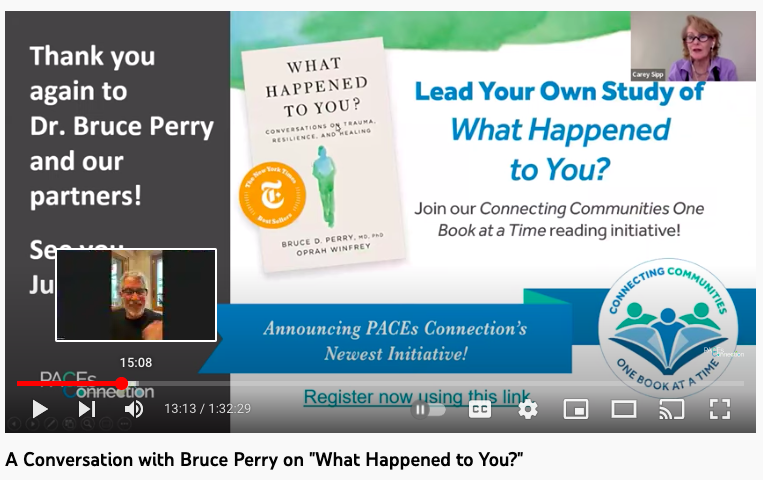
In the webinar, attended by more than 1200 registrants, Perry and hosts Ingrid Cockhren, CEO of PACEs Connection, and Mathew Portell, director of communities, discussed the intersecting fields of trauma and historical trauma and his best selling book, co-authored with Oprah Winfrey, “What Happened to You?”
“There are some really exciting and important things that are happening in the area of historical trauma,” said Perry. He addressed the history of colonialism, treatment of indigenous people, kidnapping and enslavement that are such a part of the history and historical trauma of the United States.
“You know, we are living in systems that are fundamentally colonial in construction,” he said. “And colonialism basically means I’m going to come into your space, your place, and I’m going to take your things and I’m going to make you feel privileged, if I give you a little bit of it back.”
Historical perspectives about trauma deserve “as much attention and funding and support” as is given to people studying the effects of a drug on post traumatic stress disorder (PTSD), or the effects of other treatments, he said.
The June webinar also launched the Connecting Communities One Book at a Time community book study initiative. The initiative begins with a study of “What Happened to You?” in PACEs Connection communities across the country. For more information about this initiative you can attend our book study leader training with our partner Children’s Trust Fund Alliance on July 27 or visit here. To sign up as a book study leader, please complete the form available here.
Perry is the principal of the Neurosequential Network, senior fellow of The Child Trauma Academy and adjunct professor in the Departments of Psychiatry and Behavioral Sciences at the Feinberg School of Medicine at Northwestern University in Chicago and the School of Allied Health, College of Science, Health and Engineering, La Trobe University, Melbourne, Victoria Australia.
According to his website, “Over the last thirty years, Dr. Perry has been an active teacher, clinician and researcher in children’s mental health and the neurosciences holding a variety of academic positions. His work on the impact of abuse, neglect and trauma on the developing brain has impacted clinical practice, programs and policy across the world. Dr. Perry is the author, with Maia Szalavitz, of “The Boy Who Was Raised As A Dog”, a bestselling book based on his work with maltreated children, and “Born For Love: Why Empathy is Essential and Endangered”.
Perry, a native of Bismarck, North Dakota, earned his undergraduate degree at Stanford University and Amherst College. He attended medical and graduate school at Northwestern University, receiving both M.D. and Ph.D. degrees, and completed a residency in general psychiatry at Yale University School of Medicine and a fellowship in Child and Adolescent Psychiatry at The University of Chicago.
To listen to Thursday’s podcast at 1 p.m. PT, 4 p.m. ET, click here.
To hear prior episodes via your favorite podcast service, use the links below.
“Sometimes we need to be reminded that we are a powerful movement, and collectively we are making a difference,” says Lara Kain, PACEs Connection education consultant. She joins this week’s History. Culture. Trauma. podcast with fellow educators and hosts, PACEs Connection CEO Ingrid Cockhren, and director of communities, Mathew Portell.
Cockhren and Portell are focused on the start of the 2022-2023 school year, and welcome colleague Kain on Thursday, August 25 at 1 p.m. PT, 4 p.m. ET, when Kain will share her take on what can be done to ensure a better year than the last two.
People who’ve attended Kain’s “Education Disrupted” webinar series know to expect forthright comments from Kain as she, Cockhren and Portell discuss topics including affirmation of LGBTQ students, institutional racism, critical race theory, teacher burnout, and parent’s rights, which have transformed America’s schools into cultural battlegrounds.
An unapologetic advocate for community schools, Kain will likely speak to why community schools are a great model when the objective is minimizing trauma.
“Schools are often the center of our lives, an integral part of a thriving and resilient community. As amplified by the pandemic, our society relies on schools to meet a myriad of basic needs for both students and their families,” says Kain. “Schools have become central in reducing food insecurity, providing access to basic mental health, and health care services, for example.
“But schools cannot do this on their own,” she continues. “They need community partners to achieve this reality. Community schools are a school design framework that I believe has the most promise for achieving equity and creating ecosystems where all children, families, and staff thrive.”
As Kain explains, “Community schools explicitly serve as the ‘hub’ of a community ecosystem. Carefully and purposefully integrating community supports to improve student outcomes (academic, health, and social-emotional) with a ‘whole child’ mindset, they form strategic and aligned partnerships with community organizations to serve the needs of children and families that are part of that school community. They are often open extended hours and on weekends, facilitating access to community services and extended learning opportunities. Community schools empower youth and families through authentic power-sharing as well as placing a high value on youth voice and community wisdom. This integrated focus not only improves student outcomes, it also contributes to building stronger families and healthier communities.”
Kain’s expertise in community schools comes from her work prior to joining PACEs Connection about four years ago.
“In my previous position, I supported the implementation of community schools in Los Angeles. It is a movement near and dear to my heart that align closely with the PACEsConnection values.”
Local Relevance. We believe people and their communities hold the solutions to prevent, address and heal adverse childhood experiences.
Equitable Partners. All levels of society in all sectors—individuals, organizations, communities, and systems—are equitable partners, essential to identifying and implementing solutions.
At the root of the need to focus on trauma-informed education comes the lack of equity experienced by students across the United States.
“We need to focus on equity-centered work, the importance of love and joy, the necessity of disruption, the need for solidarity, the importance of our community, a desire for more humanity in the work, the direct call to action, and the intense feeling of urgency,” Kain says.
“There are a lot of champions out there, and sometimes we need to be reminded that we are a powerful movement, and collectively we are making a difference. Lead with love, disrupt the system, and fight like hell,” she adds.
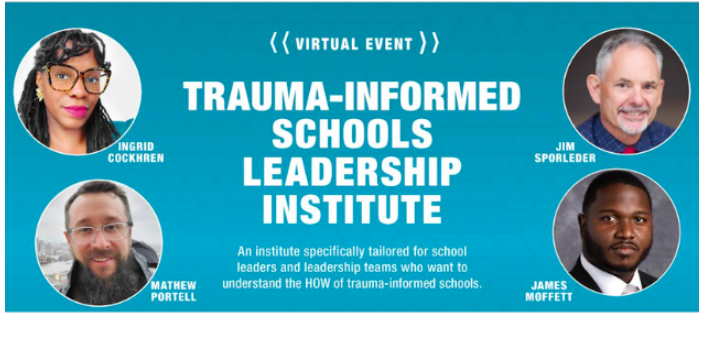
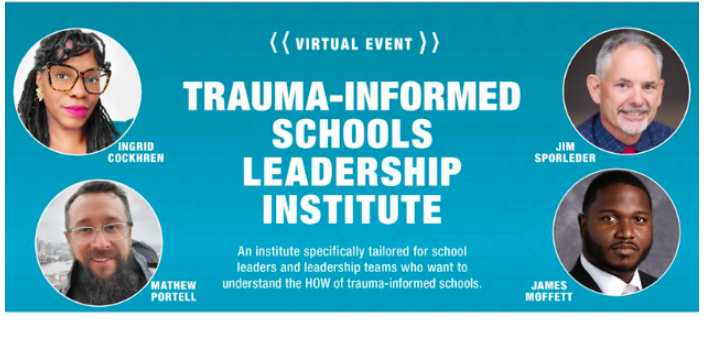
“Students, teachers, and administrators are experiencing poor mental health outcomes, secondary traumatic stress, and burnout,” says Cockhren. Kain will also discuss the recent Trauma Informed School Leadership Institute, now available as a self-paced study, during which she and other leaders in the trauma-informed education movement shared why trauma-informed education is imperative.
An experienced educator and consultant who speaks nationally on implementing trauma-informed practices in schools and building holistic, trauma-responsive systems, Kain brings over two decades of experience at the local, state, and national levels, including developing programs for integrating trauma-informed practices into community schools in Los Angeles.
Kain has also worked for the Wisconsin Department of Public Instruction as the state homeless coordinator and practiced her first love, teaching ‘at-risk’ youth.
Kain earned bachelor’s degree in education from the University of Wisconsin-Madison and a masters’ in public administration from The Evergreen State College. As an example of her understanding of the micro and the macro, Kain’s experience ranges from supporting individual teachers to designing a trauma-informed schools pilot implemented in 20 schools across the country.
As both a teacher and administrator, Kain has put the science of building resilience into practice. A trauma survivor, Kain was herself an ‘at-risk’ youth, and brings this perspective to her understanding of “what schools can and should look like to benefit ALL children.”
The mother of two adopted sons, Kain also brings an understanding of the effects of developmental trauma, and what it takes to overcome it.
Tune in Thursday here for Lara Kain, on the History. Culture. Trauma. podcast, or find the podcast on these carriers:
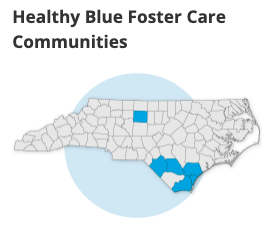
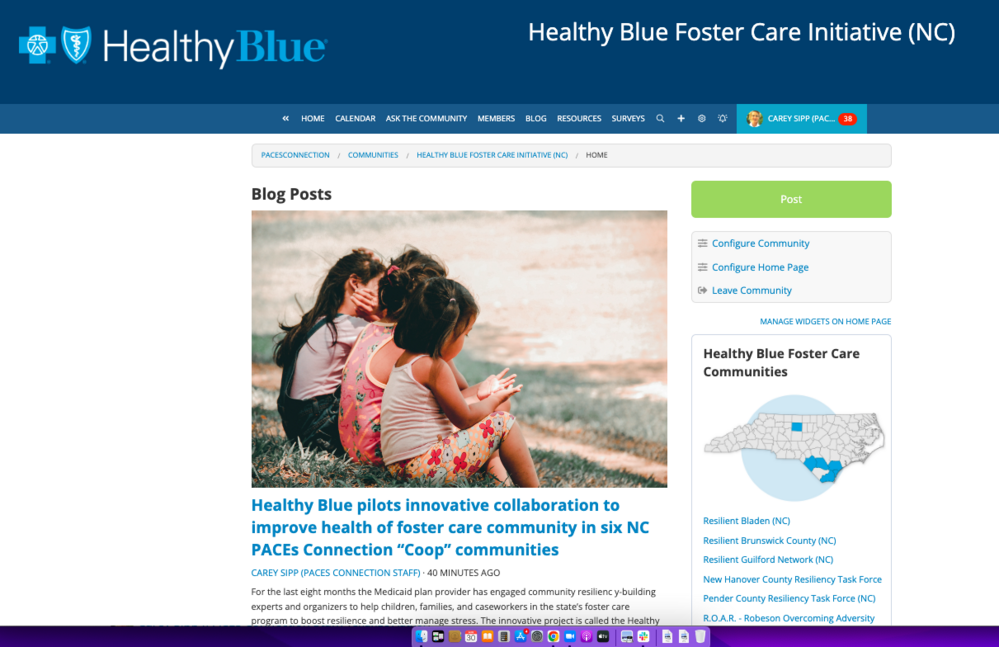
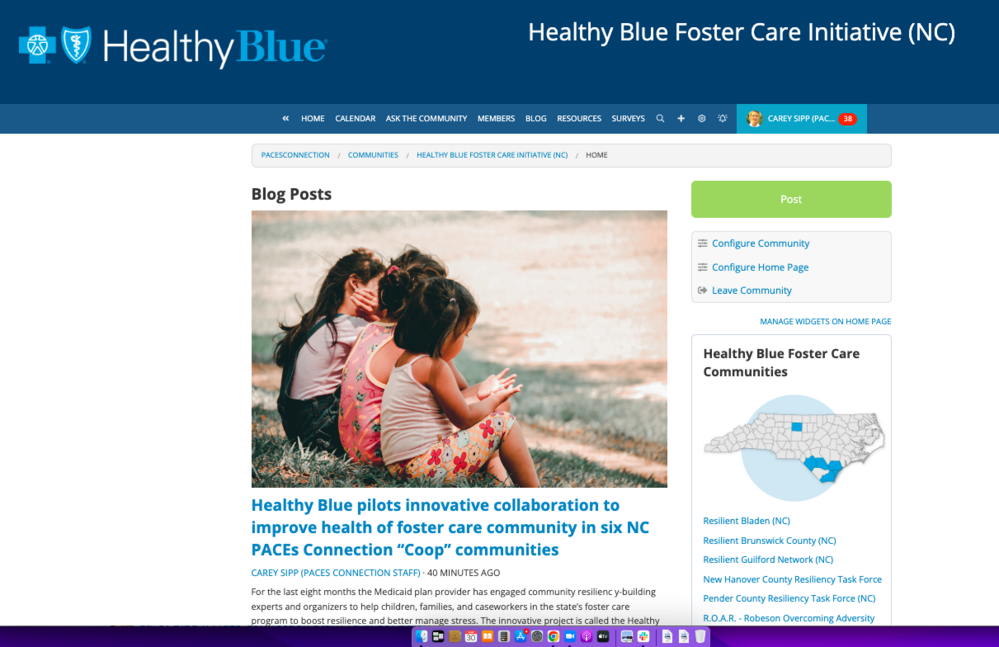
For the last eight months the Medicaid plan provider has engaged community resiliency-building experts and organizers to help children, families, and caseworkers in the state’s foster care program to boost resilience and better manage stress. The innovative project is called the Healthy Blue Initiative.
“We all know kids in foster care have higher rates of adverse childhood experiences (ACEs) than most children.
They are often in foster care due to loss of a parent from death, illness — including addiction — divorce, or incarceration,” says Amy Read, community trainer for Coastal Horizons, a large mental healthcare provider in Eastern Carolina.
“Many foster children have experienced emotional and physical neglect, abuse, and/or sexual abuse. Most children in foster care have seen a lot of disruption, having been removed from their families and, if not placed with relatives, placed with a family or families they do not know,” she adds.
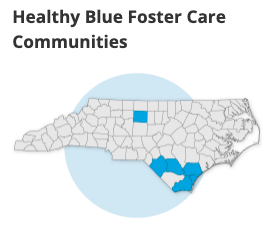
“There is intense loss of relationships, familiar surroundings, and often a school setting in which they at least had some routines,” says Read. With former social-emotional learning coach Kelly Purcell, she helps lead the initiative by working with six communities whose leadership includes a resilience initiative based on the science of positive and adverse childhood experiences — PACEs science.
Naimah Dye, Medicaid strategy growth and engagement director for Healthy Blue, says the organization is eager to see the outcomes of offering this support to the more than 2,000 children in these six counties. She is also glad to see that caseworkers and parents will be provided tools to build their own resilience to avoid being overwhelmed.
“The reason we looked to PACEs Connection for help in doing this is because they had the relationships with the different sectors in the communities—education, healthcare, child and family services, communities of faith, recreation, law enforcement, the arts, mental health—to bring a coordinated effort to the mission,” says Dye.
“PACEs Connection communities who are affiliates of the organization’s Cooperative of Communities have measurement tools that will help us see how the project is working,” she continues. “We won’t know overnight, and we know that; but over the course of the year we will be using PACEs Connection’s tools and their analysis to measure the communities’ progress. This ability to measure how many organizations are involved, the depth of their involvement, and ultimately how different sectors of the population are doing—in this case foster children—will help us get an idea of how effective the work is,” she says.
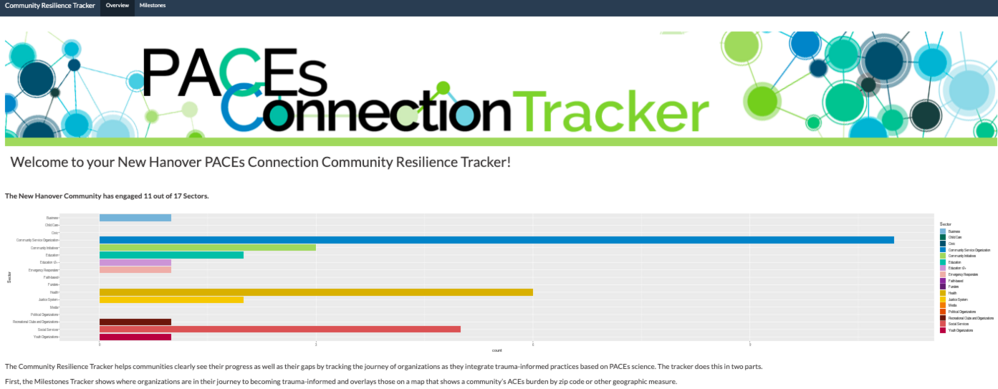
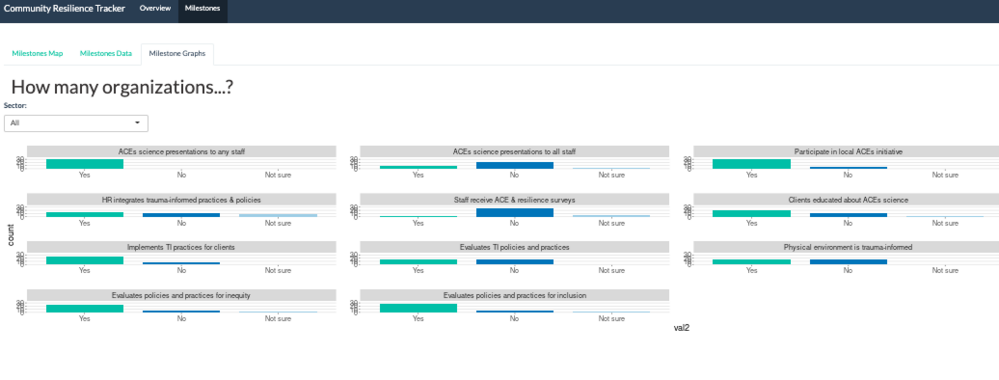
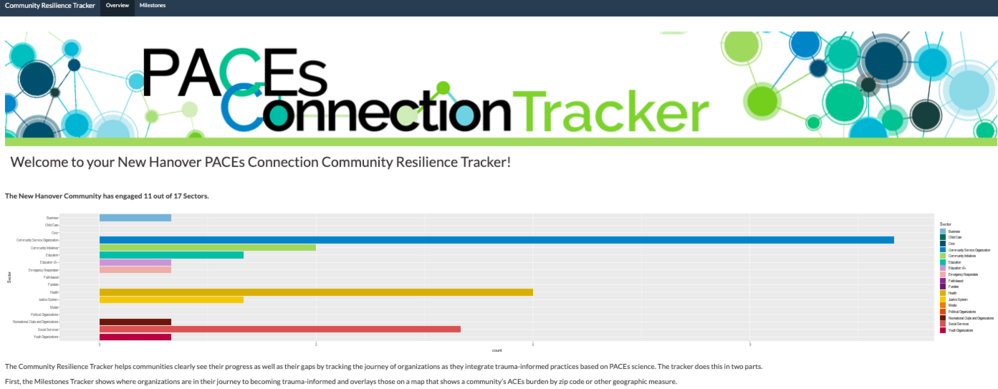
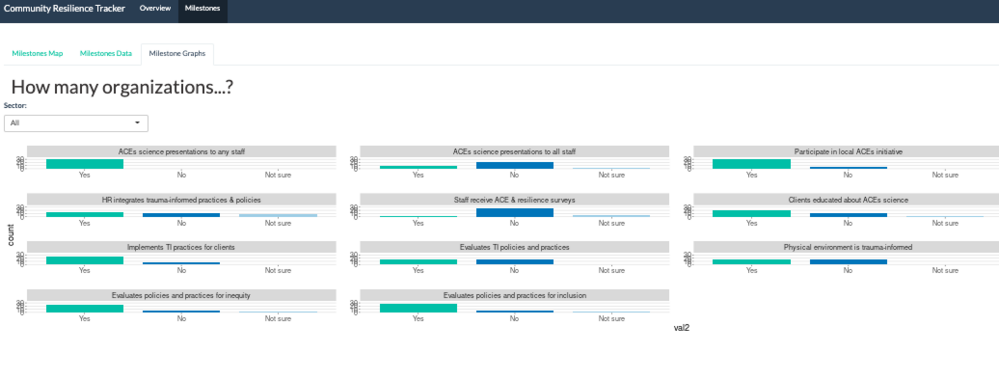
The Community Resiliency Tracker shows how many organizations have “signed on” to the work, what sectors they’re in, and, in another graph, how far along they are on the path to becoming trauma-informed.
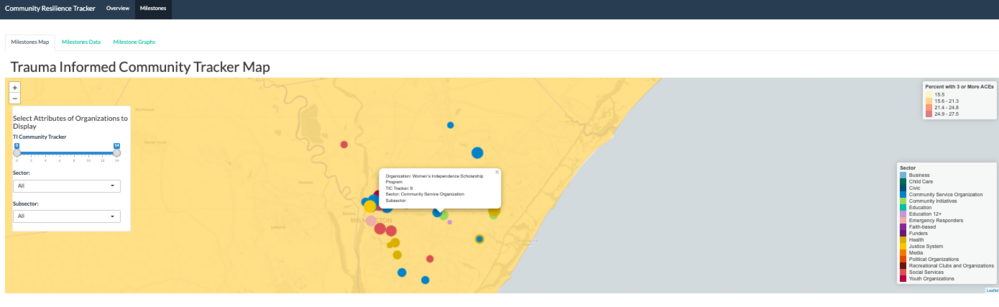
The Community Resiliency Tracker map also hows where organizations are, their names, how far along they are on the path to becoming trauma informed, and what sector the organization is in. This is a quick, transparent gap analysis of where to work next!
What would have the greatest impact? When the project’s leaders met with Department of Social Services employees, educators, and some foster parents before the work started, they were enthusiastic. “We wanted to start by asking what was needed and what, in the opinion of people working with foster children and within the system, would have the greatest impact on reducing stress and improving the health and well being of everyone from the social workers to the parents to the children themselves,” says Read.
One of the foster parents on the fact-finding calls was Kristy Blackwell, a family youth partner with Coastal Horizons. The mother of four teenage boys, three of whom are foster children, Blackwell talked about the importance of to giving caregivers and children resiliency skills. One of her older foster children also shared thoughts about what was needed by the children.
The team listened to input from all corners and decided sharing resiliency skills with caregivers, and then families and children, made sense, so caregivers could use the skills to help care for themselves, and share the skills in their work with the families.
“Resilient Guilford joined with the eastern counties in the project that involves ‘a lot of ‘dovetailing’—building on existing opportunities for connection—and community building to strengthen relationships among children, families and caregivers. In all six counties the work centers on providing proven tools for lowering stress, building resilience, and in bringing some positive childhood experiences to the children and their families,” says Read.
Tying the six communities together and supporting their growth is Purcell, a former instructional coach with an emphasis on social emotional learning for the New Hanover County School System. A nationally-recognized trainer in the Community Resilience Model (CRM), Purcell has coordinated with the communities and caregivers to deliver CRM trainings. She is also working toward creating culturally appropriate, community-led positive childhood experiences to buffer the impact of ACEs.
Purcell has attended most of the resiliency task force meetings in all six counties for the last eight months and says, “At the same time we are helping to strengthen children, families, and caregivers, we’ve been strengthening the overall community, so everyone from teachers and physicians to Sunday school leaders and coaches has heard about the project and can support it by using the same information about PACEs science and resilience tools.
“Emphasizing PACEs science education creates a shared mental model among the families, caregivers and community members, adding another level of support and resilience. Helping them learn about PACEs science reinforces why they want to do the work. The PACEs science presentation shows that the best way to have an impact is to keep going back to the science, the fact that adverse experiences affect health outcomes; positive experiences can be buffers, we can all play a role in supporting children and families” she says.
The PACEs Connection Community Resiliency Tracker helps initiatives and member organizations gauge progress on the path to becoming “trauma informed”, which includes having staff members learn about PACEs science.
Creating Resilient Communities
Purcell has also made sure to share the free PACES Connection “Creating Resilient Communities” training information with initiative members at the meetings, in hopes of more and more community members learning the importance of following the PACEs Connection model of educating, aggregating (tracking), engaging, activating, and then celebrating the work to help the communities continue to grow.
“It’s great to see the collaborative effort of the communities, how members continue to connect and invite others to be part of the local effort. To create the healthy, compassionate communities that will be more supportive of foster families, we need to keep the work going, and growing, so people are hearing these messages at home, at work, in their faith communities, at their doctor’s office. That’s how we build sustainability” said Purcell.
The Healthy Blue Initiative website as a “real-time report”
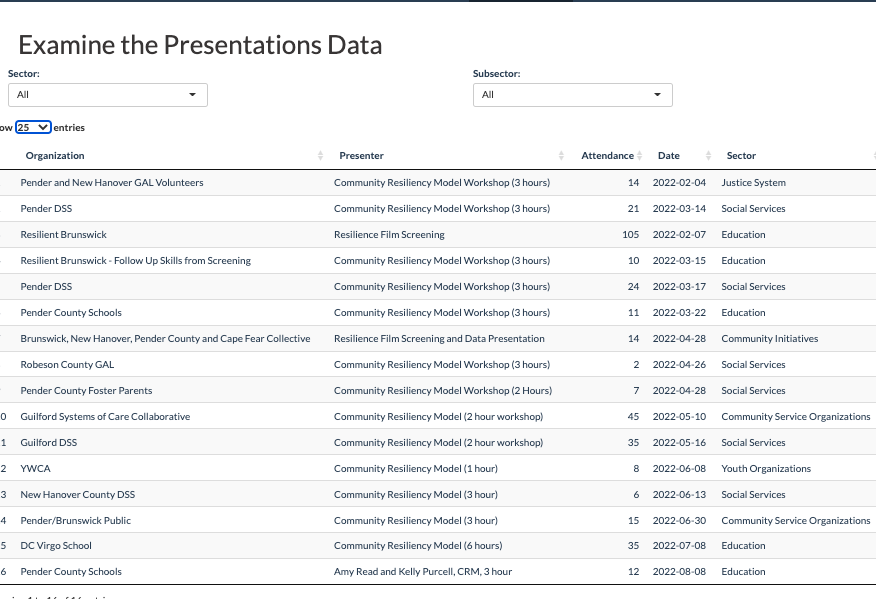
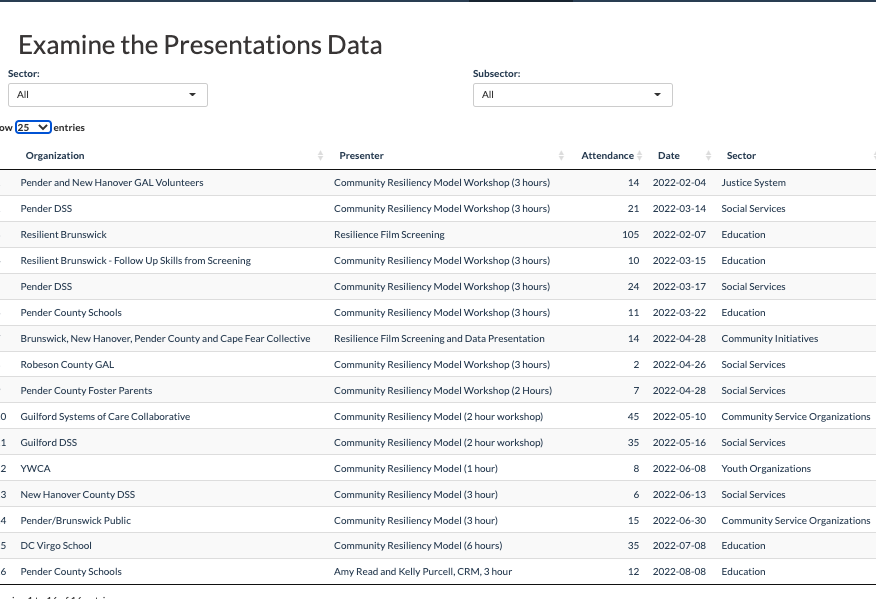
Purcell and Read have also used one of the most important tools available to the PACEs Connection communities—the free sites on PACEs Connection. They created and maintain a site for the Healthy Blue Initiative Foster Care Initiative, NC, which they’ve used to track, in near real-time, the presentations, projects, and progress of the entire initiative. Added to this, community managers from the communities have taken advantage of their memberships in the PACEs Connection Cooperative of Communities to attend the monthly meetings of Coop affiliates, as well as training sessions that are free to Coop members.
Read is quick to compliment Purcell on her strategy and the way she’s done the work.
“Kelly is the perfect person to be working with children and leaders for this project,” says Read. “This includes the guardian ad litem volunteers she’s trained, North Carolina Department of Social Services leaders, and the children in a school where there are many children involved in the foster care system. She knows how important it is to help the community at large understand the impact of toxic childhood stress, and the healing potential of positive childhood experiences. She is a motivator, communicator and a connector, with the infectious enthusiasm to match her education, experience, training, and skills.”
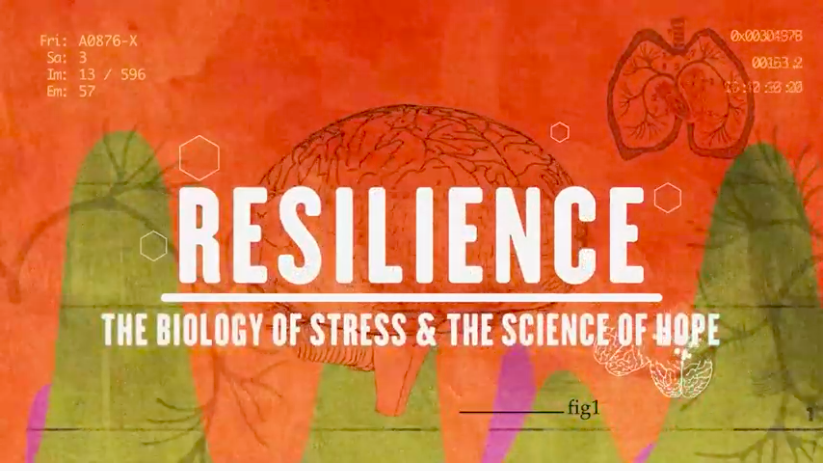
Part of Purcell’s responsibility has been to work with the different sectors in each community to find opportunities to connect with children and families in foster care. Once connecting points are identified, Purcell provides trainings and organizes events, such a three-county virtual viewing of the documentary “Resilience: The Biology of Stress & The Science of Hope”’ followed by a panel discussion.
“Some of the trainings have been in person,” notes Purcell. “Others, depending on the state of the pandemic and availability, have been and will continue to be online. We continue to look at bringing caseworkers, parents, and children together when and where appropriate to include positive childhood experiences. We’re exploring offerings that will involve arts and an outdoor activity.”
Presentations data goes into an easily-updated presentations tracker.
“Building resiliency skills is a godsend”
Blackwell, the foster mother of teenager boys who also works with youth in foster care, had learned resiliency skills before the Healthy Blue Initiative started, and that was one of the reasons, during the planning phase of the program, she was so vocal about centering the work around sharing the skills.
“Building resiliency skills has been a godsend. Building resiliency skills in myself as a parent was especially helpful when we had a house fire in April (2021). It was such a blessing for us to know to notice who was there to support us, to remember things wouldn’t be bad forever, and that we could take the time to breathe,” she says.
“If more parents and caregivers had these skills, we would probably have more kids stay in their homes. That would reduce stress. The kids may need less medical attention because we’ve reduced the stress. My 15-year-old says it well. He talks about being in a foster home that wasn’t the greatest, and that maybe if they had all had some resiliency skills, it would have been a better fit,” she adds.
For more information about PACEs Connection, the Cooperative of Communities, and potential strategic alliances such as the Healthy Blue Initiative with PACEs Connection, contact Carey Sipp, PACEs Connection director of strategic partnerships, at csipp@pacesconnection.com
 Carey Sipp 6/6/2210:15 PM
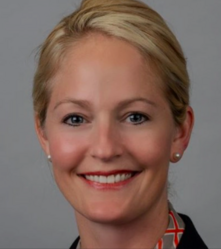 Adrienne Elder, director of interagency projects at EB Consulting of Oklahoma City, Oklahoma, will share information about a statewide public-private partnership that includes more than 30 counties working with leadership from the Oklahoma Public Health Institute.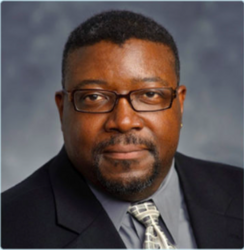
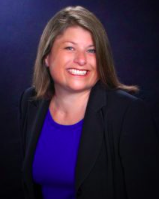 Teresa Purcell of Longview, Washington, is a national political, communications, and organizing consultant working in rural America and with Black, Indigenous and people of color communities. She has worked in 34 states to help a wide variety of clients with strategic planning, program development and implementation, advocacy, civic engagement, and fundraising.