Tag Archives: writing

PACEs Connection’s β€œHistorical Trauma in the American South” surprises, dismays participants

Porter Jennings-McGarity Porter Jennings-McGarity 8/3/216:21 PM

Over 250 people from around the United States participated in β€œHistorical Trauma in the American South” on July 15, 2021, the first of six events in PACEs Connections’ Historical Trauma in America Series that examines the impact of intergenerational trauma on the health and well-being of individuals today.

Historical traumaβ€”another term for intergenerational traumaβ€”is defined by Dr. Maria Yellow Horse Brave Heart as multigenerational trauma experienced by a specific cultural group resulting in β€œa cumulative emotional and psychological wounding over the lifespan and across generations, emanating from massive group trauma” (Brave Heart, N.D.). As recent advances in the science of positive and adverse childhood experiences (PACEs science) continue to show the profound impact of historical trauma on society today, PACEs Connection launched this series to educate and empower people to take action to mitigate its adverse impact and promote resilience in their regions.

Ingrid Cockhren, PACEs Connection director of PACEs Connection’s Cooperative of Communities, and Carey Sipp, who is the organization’s community facilitator for the Southeast, facilitated the first event. It focused on the specific cultural and historical factors that have shaped intergenerational trauma in the South, including the treatment of Indigenous Americans, chattel slavery, Jim Crow, mass incarceration and segregation.

Cockhren, who is an expert in historical trauma and critical race theory, provided an introductory overview of PACEs science and the role of intergenerational trauma. Sipp described the trauma that Southern Indigenous tribesβ€”such as the Creeks, Seminoles, and Cherokeesβ€”experienced during their battles with white settlers during the American-Indian Wars between 1622 and the late 19th century (Drake, 2004). Cockhren followed by discussing historical trauma among African Americans in the South, including chattel slavery and the Jim Crow Era to lay the foundation for the systemic racism present today.

The event concluded with a conversation among participants from different geographic locationsβ€”including California, the Carribean, Georgia, Illinois, Indiana, and Tennesseeβ€”and different sectorsβ€”including mental health, social work, and healthcareβ€”to share experiences.

β€œMy heart is so very heavy,” said one participant. β€œOur Indigenous sisters disappear, and their remains are found, the reporting process and forensics causes me to ask myself if we have really progressed as a nation.”

Many participants expressed surprise at the extent to which historical trauma still impacts people of color living in the South today in the modern forms of discrmination such as environmental racism and microaggressions.

β€œI spent 15 years working in South Arkansas in the Mississippi Delta Region as a mental health professional,” said one person. β€œMy primary clients were African American, impoverished children and families. There is a very distinct parenting strategy I witnessed of teaching kids not to trust the White people and all the White people are bad or racist or trying to make money off them. There is also an underlying treatment of Black people as β€˜less than’ or β€˜beneath them’ by White people. Sometimes it is very direct, especially by older White people but a subtle, indirect kind, pretty constant by many White people, not even conscious at times. I also witnessed that the economic differences were huge, as well as enrichment activities for children or community services. Many of the kids I worked with had never been out of the rural county they lived in.”

Other people were surprised to learn that the physical segregation present during the time of chattel slavery and the Jim Crow Era South is still present today.

β€œI wonder if there are still β€˜sundown towns’ in places like Mississippi?” asked one person. The answers were chilling.

β€œThere are!”

β€œVidor, Texas, is a sundown city for sureβ€”very scary.”

β€œWe have towns in Oklahoma where Blacks know not to go after sundown.”

One participant described their surprise: β€œAs a woman of color and from the Caribbean, I thought I knew history but there is so much more to learn and understand.”

β€œThe question remains,” said one person as the conversation pivoted to what to do about this dire situation. β€œHow do we talk to, teach children about these conflicting and erroneous narratives?”

β€œIf CRT (Critical Race Theory) wasn’t such a hot topic,” said another participant, β€œit wouldn’t be banned. Yes, we KNOW America is a racist country and was founded as a racist country with social constructs that still exist today, but people are still in denial and are still making laws to prevent this discussion. We can not conquer what we won’t confront or even confess.”

Before the webinar ended participants were sharing educational resources on historical trauma with each other. Those resources are listed below.

β€œWhat’s so interesting about this webinar is the change in human understanding of slavery,” said Jane Stevens, PACEs Connection’s founder and publisher. β€œJust two centuries ago, most people in the world were in slavery or serfdom. Throughout history, slavery was prevalent in almost every culture. Romans and Greeks had slaves. Incas and Aztecs had slaves. Slavery existed before money or written laws, according to Adam Hochschild, author of Bury the Chains. Although we’ve made considerable progress, the situation we’re in now, reflected in this amazing webinar, shows how difficult it is for humans to change. However, I believe that with the spread of PACEs science, we have a good chance to accelerate change.”

Cockhren and Sipp hope that the Historical Trauma in the American South and the upcoming events in this series will empower individuals and communities to mitigate the adverse impact of historical trauma and promote resiliency. For ideas of how you can become involved with PACEs Connection to advance the PACEs movement, you can:

Become a member of PACEs Connection to connect with other PACEs advocates, access and add to a comprehensive and continuously updated library of PACEs resources and community calendar of events, and receive information about PACEs Connection trainings and virtual events.

PACEs Connection Historical Trauma in the American South Resource List (As shared by attendees using the Zoom chat box during the webinar.)

References

Brave Heart, M. Y. H. (N.D.). The return to the sacred path: Reflections on the development of historical trauma healing [PowerPoint slides]. Indian Health Service. https://www.ihs.gov/sites/telebehavioral/themes/responsive2017/display_objects/documents/slides/historicaltrauma/htreturnsacredpath0513.pdf

Drake, J. D. (2004). Native American wars. In J. W. Chambers (Ed.), The Oxford companion to American military history. Oxford University Press. https://www.oxfordreference.com/view/10.1093/acref/9780195071986.001.0001/acref-9780195071986-e-0618

Porter Jennings-McGarity, PhD/LCSW (She/Her/Hers)

❀️ 1πŸ‘ 1

Tags: Southeastern regionhistorical trauma

Views: 1,625

Trauma-Informed Money Management: ACE Score of 7+; Gaining Clarity in My Third Act (careysipp.com)

Carey Sipp Carey Sipp 7/24/174:56 PM

I almost felt slapped in the face – a wakeup slap; not a punishment – when I read Cissy White’s groundbreaking post describing her joy in finding out her β€œACE score.”

Her writing about her elation at learning about the Adverse Childhood Experiences (ACE) study and questionnaire was an unintentional throw-down on her part. As I read her post I was compelled to reframe my shame, fear, and overall sense of dread about my own high ACE score. (Cissy has given me permission to use her name and to mention her writing.)

(continue reading)

Attachments

Hide

Images (1)

mceclip0

Carey Smith Sipp

carey.pacescommunites@gmail.com

❀️ 4

Views: 1,759

Add Comment

Carey SippCarey SippFormats 

javascript:””

Comments (2) 

Newest Β· Oldest Β· Popular

Robert OlcottRobert OlcottMember

Carey,

I’m quite certain that “Fore-Shortened Sense of the Future” PTSD ‘symptom’, was a ‘contributing factor’ in some of my own adolescent ‘Independent Living’ challenges, such as moving into my own apartment during my Senior Year of High School, after ‘couch surfing’ with friends, for a couple months. …

I wonder what in the World Health Organization’s ACE Screening Tool might address this, as it’s quite a bit more extensive than the CDC/Kaiser 8/10 question ACE Screening tool. It’s called the ‘WHO ACE International Questionaire’, and is available in over 100 languages on the WHO main page: lower Right corner-last time I checked.


❀️ 1

Christine Cissy WhiteChristine Cissy WhiteIt’s not trauma-informed unless it’s informed by trauma survivors.

Carey:

You bring up such an important topic and you write so well. It’s a little strange to read my name in your piece but if I helped provoke thoughts, feelings or writing in any way – that makes me so happy.

You wrote:

β€œDo you think, possibly, that people with high scores who have money issues could be spending money quickly because we think, on some deep level, we might not live to see the next day?” I asked.

Isn’t it cool how we get that aha awareness when curious and open and we feel safe? And when we feel we can talk and think and share about our actual issues and experiences? I think there’s so much freedom and relief in that even if we have to face uncomfortable stuff. 

I can’t wait to learn more from you about trauma-informed approaches to money and security and finances!. Lots of us have been, will be or are in the same boat or one like it floating on the same ocean 

Thanks for sharing. I love this passage, too. 

It was a soul-searing moment, as I let what I had asked sink in. The resulting pain and my awareness of it led to the realization that I needed to do more work on my trauma issues and start managing my finances in a β€œtrauma-informed” way, as I realized, on a deep level, that have been a fear-based spender and under-earner most of my life.  How to get to the solution? Sometimes we have to look backward to go forward.

You are a beautiful writer and have so much insight, honesty, and passion. I’m glad writing and this page helped us get to know each other better. Thank you for helping all of us all better understand this issue.

THANK YOU!

Cissy


❀️ 2

Back To Top

Preventing Medical Error Takes Big Courage for Children of Alcoholics; Patients or Advocates with ACEs Scores

Carey Sipp Carey Sipp 2/16/183:02 PM

Mon 16 Jul 2012 19:56:56 |

By Carey Sipp

Almost nine years ago, over the course of four days, I let my doctor send me home from his office three times before I almost died of pneumonia. I spent two weeks in the hospital; it took many months to fully recover.  It was a life-changing experience, and I continue to learn from it.

About three years ago a physician’s assistant skipped a basic, obvious test for a 17-year-old with swollen glands. Twelve hours later, in the emergency room, physicians glanced at my daughter, diagnosed mononucleosis, and confirmed it shortly thereafter with a β€œspot mono test.” The greater danger though, came from a severe reaction to antibiotics, medication my daughter would never have taken had the mono test been done at the doctor’s office. The horrifically painful reaction could have killed her.

Despite the fact that I’ve helped in marketing and fundraising for more than a dozen medical entities, including a hospital safety consultancy, in my 30+year career, it’s taken years of a different type of recovery to realize that no physician has what it takes for me to care for my family and myself.  That requires the self-awareness, trust in my own intuition, and courage to risk evoking anger in someone in β€œauthority” by calling them into question, if need be. That type of courage comes from becoming an emotionally healthy adult.

As a person healing from abuse, I must work doubly hard to stay in the moment and not let fears from the past keep me from doing β€œthe next right thing.”  An overwhelming fear of authority, desire to β€œpeople please,” and a sometimes crippling self-doubt can prevent me from questioning others, especially if I am not taking great care of myself; if I am not β€œliving in the moment.”

β€œI am a real bulldog when it comes to advocating for my mom,” I said to the staff at the infusion clinic where my mother was to receive three pints of blood recently.  The staff wanted to give her all three pints on the same day. My gut told me that at almost 87, my mom, who had just lost her husband to Alzheimer’s the night before, and has been weakened for years by an autoimmune disorder, did not need to be in that clinic for 16 hours straight. When, three days later, we received her diagnosis of congestive heart failure, the doctor said we’d made a good choice to stretch the procedures over two days.

My mother, daughter, and I survived each of those medical crises. I wonder, though, had I known more or followed my intuition earlier when my daughter and I were sick, if our outcomes could have been better.

By the time we got to my mom’s situation, I knew that relying solely on medical professionals does not ensure the best care. More important was learning how to trust my instincts and speak up. This is equally important for the millions upon millions of addiction and abuse survivors. We, especially, need to remember these bottom lines:

1. We need to practice β€œextreme self-care,” and try to stay out of the hospital; our health is already compromised by the stress of β€œadverse childhood experiences.”

2. If we do go to the hospital, just like everyone else, we need an advocate friend or family member to help us watch what’s going on – right down to asking hospital staff if they’ve washed their hands before we’re touched. We must value ourselves and have the courage to ask for help.

3. If you yourself are filled with the self-doubt, insecurity, and fear of authority that can come from growing up in addiction and abuse, these emotions can keep you from getting the best care for yourself and your loved ones. This is a good time to learn more about emotional healing that can help you, and your loved ones, learn how to speak up and become healthier on all counts.

There is not a surgical procedure that can cure the more than 30 million children of alcoholics who live, as I do at times, affected by some or all of the  14 characteristics of adult children of alcoholics called “The Laundry List,” by the ACOA fellowship. If there were such a surgical procedure, it could save our health care system literally billions upon billions of dollars from family addiction and abuse passed on from generation to generation.  Addictions to alcohol, food, drugs, cigarettes, and harmful behavioral addictions to sex, gambling, spending, pornography, and toxic relationships, cost our health care system more than any other single condition.

The most amazing thing? One of the most effective treatments for these addictions, and the co-addictions suffered by the family members, is free. It just takes the courage to find a support group such as Alcoholics Anonymous, Al-Anon, Adult Children of Alcoholics, Overeaters Anonymous, or the like. Again, the meetings are free. You can even call a toll-free number and attend meetings in complete anonymity, via a conference call.

Nine years ago,  had I not prayed for the strength to stand up and ask for what I believed I needed – a surgical procedure to remove fluid from my lungs – I may well have died.  I had to trust God, and my own God-given intelligence and courage to speak up.

The big lesson: recovery really does save lives, one day at a time, whether we’re in the hospital, or at the kitchen table.

Carey Sipp’s first book, The TurnAround Mom – How an Abuse and Addiction Survivor Stopped the Toxic Cycle for Her Family, and How You Can, Too, guides fellow β€œchildren of chaos” to create the kind of sane and loving home life that helps prevent next-generation addiction and abuse. Her book is available here.

RESOURCES:

acesconnection.com

 CDC Adverse Childhood Experiences 

Cost of Alcohol and Drug Abuse

There is help for Children of Alcoholics at

nacoa.org

(National Association for Children of Addiction)

and

adultchildren.org 

(Adult Children of Alcoholics World Service Organization Worldwide, Inc.)

Read more articles by Carey Sipp here.

Carey Smith Sipp

carey.pacescommunites@gmail.com

❀️ 5

Tags: Adverse Childhood Experiences

Views: 462

Add Comment

Carey SippCarey SippFormats 

javascript:””

Comments (1) 

Newest Β· Oldest Β· Popular

Karen ClemmerKaren ClemmerMember

The “Laundry List” so enlightening …


❀️ 1

Trauma tried to kick down the door. Compassion is helping me heal.

Carey Sipp Carey Sipp 1/26/207:03 AM

The artwork is an original piece titled “Someone at the Door” by Chicago artist Ken Shaw. I bought it about 35 years ago.

(The first part of this piece was written in-the-moment, as an email to a friend following what, for me, was a traumatic experience. The second part of this piece was written about 10 days later, as part of a healing reflection. It occurs to me that this experience, and the reflections, might help someone else experiencing trauma and/or seeking compassion for self or others.)

 PART 1 – AN EMAIL TO A FRIEND AFTER THE TRAUMA.

A woman just banged on my door and damn-near broke it down. It scared the bejesus out of me. F*#k.  Half-asleep I opened the door. She was looking for Jake. No Jake here.

I talked to her for a couple of seconds and then she reached into her purse for God-knows-what. THAT’S WHEN I FREAKED.  Was she reaching for a gun or a knife? I didn’t know. I closed the door. She pushed and pushed against it, but I finally got it closed and locked.

 Then she got mad. And started yelling and then kicking the door. Kicking the door. Kicking the door.

 Heart in my throat.  I found my phone and called the police.

 They arrived and found her next door, banging on that front door, looking for Jake.

They got her down the steps and have been out in the street with her for 15 minutes. God. CPTSD (Complex Post Traumatic Stress Disorder) City.

 Drunk, doped, and psycho people freak me out.

I was already agitated having gone to sleep worried about the political tension between the USA and Iran. These existential threats weigh heavy on me. Potential war. Australia burning out of control.  Floods swamping the South. Then there is my dog, Cosmo, barking, barking, barking.

My heart is pounding out of my chest.

Writing this is helping me calm down.

I am here. It is now.

I’ll play Scrabble on my phone. I’ve read that playing a game after a traumatic event can help prevent Post Traumatic Stress Disorder (PTSD). I wonder if it can help folks who, like me, already have Complex PTSD and don’t want it to get worse because of some random-ass occurrence like a large and apparently out-of-control woman trying to break down your door while accusing you of harboring a guy named Jake?

 Okay. Breathe deeply. I wonder if the police will check on me or not. Damn. I could be having a heart attack and they wouldn’t even know. And I could do something about that. I could call them and say, β€œPlease come check on me.”  Okay. My heart rate is slowing down a bit.

Damn. I had gone to bed early because I didn’t sleep well the last two nights. Both nights I’d checked my phone during the night. That is not a smart thing to do when I want a good night’s rest. I flunk sleep hygiene.

 Well, the police left. I don’t know what happened to that woman.

 She was about 5’9 and probably weighed 180. I’d opened the door thinking it was my housemate’s son banging on the door. Maybe he and his mom had driven straight through the night and were back from their trip.

 I’m so damned glad I got the door closed. She just kept kicking it. For about two minutes she kept kicking on it. I cannot believe the police didn’t ask me if I wanted to press charges. I get that pressing charges would just extend the trauma. But they didn’t even come back up the steps to check on me or call. Nada.

 What a weenie I am. There are people in flood zones, fire zones, war zones and I’m freaking out because a tanked-up human tried to kick the door down.  But, trauma is trauma. A friend would remind me not to diminish how terrified I was; I am. Again, she reached into her purse, I thought she had a gun. Guns terrify me. Absolutely terrify me. Mention them and sometimes I can smell gun oil.

Okay. I am gonna be alright. I’m gonna play Scrabble for a few rounds. I suck at

Scrabble. I’ll do it anyway. I’ll get up and dance to discharge all this adrenaline.  I remember the Community Resiliency Model (CRM) advice and push against the wall. This helps.

I put my back against the wall and breathe and push, using my thigh muscles to really press in. I turn around and face the wall and push, push, push on the wall.

This helps. I jump up and down. I do pushups.

 I have power and agency. I am strong and I’m in my body. This helps. I have choices. I have choices.

I can drink water and eat and go to the bathroom and turn on music or a movie or write. I have choices. I am alive and I have choices. It is 2 a.m. or so and I can write some more and I have choices. Thank God for choices.

 PART 2 – A FEW DAYS LATER:

I look back on the whole experience of the woman at my door and I am overwhelmed with compassion for myself as a little girl. When I was a child, my father, who was a traumatized human himself, would often wake us all up in the middle of the night after a night of drinking. He fought with my mom. He had a hair-trigger temper. He grabbed her by her hair, twisted her arm behind her back. Smacked her.

One time he broke the glass to get into the back door.

Another time there were gunshots.

Guns were always around and, in my mind, were a constant threat. I was always afraid that he would use one on Mother or himself or on all of us. Or one of our pets.

 And so as I reflected on the recent night and all of those nights as a terrified, helpless child, I felt tremendous compassion for myself that I went through that kind of trauma and drama night after night. And that day after day I would want to go back to sleep and not go to school because I was so very tired. But Mother always pushed me to get dressed and out the door to school so she could go to work.

 Never, that I remember, did we ever stay home after one of those crazy nights.

 So that little me would go to school. Lots of times I would get carsick on the way to school, get there, go in, and have a hard time not throwing up.

 It wasn’t until third grade, when I began to have sleepovers at friends’ houses, that I got my first  glimpse that other people’s dads didn’t break into their homes in the middle of the night.

 In addition to feeling tremendous compassion for my younger self, I thought about the woman who tried to kick the door down. I began having compassion for her. Hell, if some things in my life hadn’t gone SO WELL, I could have been her.

I also know the experience of this woman coming to my door was random, not intentional, as the adverse experiences in my childhood were. I began wondering how she ended up in this neighborhood. She is somebody β€” a daughter, sister, aunt, niece, maybe even a mom β€” and she is NOT her behavior. She could have just been out for a cocktail and somebody could have slipped a β€œMickey” into her drink. Or she could have been out drinking because she was in horrific grief. We never know why people do random, sometimes bizarre things.

 My dad? I feel compassion for him too. I have for years, thank God. I’ve felt compassion for both of my parents. I think he drank and acted out because he was in pain from his childhood trauma, and from World War II, when, as a young submariner, there is no telling what kind of fear he experienced.

His trauma doesn’t excuse his violence. But seeking to understand the roots of his behavior has softened my heart and helped me to forgive and move on and to have, sometimes for long stretches, healthy relationships with men I have loved.

 I am grateful that I can look at my father and mother, both of whom terrified me, with compassion. They were also terrified and terrorizing. Like the woman at my door.

 And THAT is the whole point of integrating this new knowledge about ACEs science into our lives, right? A β€œturnaround”?

Somebody in the cycle has to stop and connect with the reality that the behavior of someone who is acting out – drinking or raging or whatever – is not about us.

 It is about the person who is acting out and something that happened to them, some pain they are expressing in a way that is the best way they can in the moment. And probably most of their acting out is a cry for help. I have to remember that.

 And in my job with ACEs Connection, I know I have to remember this and move forward with compassion, and model this to the people with whom I work. I want to show people how to not traumatize and terrorize already traumatized people. And that is why I need to practice self care, compassion, and compassion for others.

Days later, as my body still works to settle down after those flight-fight-freeze moments of terror, this means I treat myself gently.

Carey Smith Sipp

carey.pacescommunites@gmail.com

❀️ 9

Views: 1,229

Add Comment

Carey SippCarey SippFormats 

javascript:””

Comments (5) 

Newest Β· Oldest Β· Popular

Christine Cissy WhiteChristine Cissy WhiteIt’s not trauma-informed unless it’s informed by trauma survivors.

Carey:
What an important, beautiful and clear piece of writing to show the then/now/then/now push and pull when it comes to our responses, reactions, and how we relate to ourselves during and after current fear and trauma. It all gets tangled and intertwined. I appreciate you sharing your responses and how you calibrated over time. I especially love your current compassion for the child you were who didn’t have the same knowledge, resources, languages, and tools and then the compassion for others past and present, including those who caused your fear. That moved me so much. Keep writing!

Warmly,
Cis


❀️ 1

Carey SippCarey SippFormer Volunteer Co-Director, PACEs Connection Revitalization

Tina Cain posted:

I wish I had my NFB machine I’m gonna get. If you wanted, I would come find you and I would do all I could to help.   I’m so sorry. 

Tina – That is so sweet!

I love neurofeedback and have been doing it for two years. My NFB provider in Wilmington saw me two days later and it was a big help. I go weekly. Used to go twice a week. NFB is a big part of my self-care program! We should talk. We will talk. Thank you! 

And I am doing well. Have wonderful friends here. A good EMDR therapist. I reached out for help. Looked at what went β€œright” that night (police here quickly; support from friends; I knew to practice extreme self care; it was random and I live in a normally extreme light peaceful neighborhood; etc.) 

Thank you for your concern! 


❀️ 1

FMFormer Member

I wish I had my NFB machine I’m gonna get. If you wanted, I would come find you and I would do all I could to help.   I’m so sorry. 


❀️ 1

LHLaura Haynes CollectorMember

Beautiful healing here!


❀️ 1

Dana BrownDana BrownInterim (Volunteer) Executive Director PACEs Connection

Dearest Carey:
Thank you for your courageous, insightful, wise words, Carey Sipp.  Your reflective thoughts carry a lifetime of pain, abuse, fear, hope, compassion, and love.

Compassion with self, and others in our lives who we have a relationship with, and folks in the public we don’t know well, permeates through your blog. Highlighting “voice and choice” when you didn’t have a voice (childhood – woman banging on your door) and your life’s evolution to deeply knowing you have choices (self-soothing strategies, the “turnaround”, the CRM model) will plant seeds of hope within all who read your piece.

Much Love and Light surrounding you, Carey, as your healing journey continues.  I love you dearly… 


❀️ 2

Back To Top

Post

Add Comment

Manage Blog Post

Welcome to PACEs Connection

Learn about PACEs Connection & who we are.

How to be a part of our social network.

Join local or interest based communities.

Invite others to join PACEs Connection!

The text 'donate' on a background with many inter-connected spheres

Comments

Carey Sipp commented:
Thanks for posting, Laura! For posting this, and so many more blogs over the years. I’m thinking of the ones YOU’VE written (you are…

Carey Sipp

Carey Sipp commented:
Thanks, Jeoff. A lot of great relationships and ongoing work came from this incredible gathering. It laid the groundwork for deepening…

Carey Sipp

David Dooley commented:
Thank you for commenting, Mr. Holmes. I’m not sure what you’re getting at. Can you give me an example?

David Dooley

Tommy Holmes commented:
I loved how you highlighted the connection between ACEs and community resilience! It’s so important to empower people with this…

Tommy Holmes

Patrick Anderson commented:
This one landed, Dr. Long. What I’d underline is that you’ve framed being pushed out as a pattern rather than a run of bad luck β€” and…

Patrick Anderson

Robert Hawk commented:
That story is heartbreaking and really shows how history and present-day realities can intersect. Reading about Black history in China…

Robert Hawk

David Dooley commented:
Thank you for writing, Mr. Anderson. You wrote… “Your instinct that the utopia requires entirely new forms of parenting education that…

David Dooley

Cecilia Pace commented:
[heart] Pace, Cecilia reacted to your message:

CP

PACEs Connection Discount for Trauma Informed Jobs

TraumaInformedJobs.com is a new job board for the trauma and resilience communities. PACEs Connection members can save 10% on posting with code PACES10

Blog Archive

August 2026(6)

July 2026(35)

June 2026(35)

May 2026(28)

April 2026(37)

March 2026(29)

February 2026(26)

January 2026(18)

December 2025(31)

November 2025(33)

October 2025(32)

September 2025(28)

August 2025(32)

July 2025(26)

June 2025(23)

May 2025(37)

April 2025(35)

March 2025(32)

February 2025(67)

January 2025(62)

December 2024(55)

November 2024(38)

October 2024(38)

September 2024(0)

Blog Directory

Foster Care

PACEs

PACEs Science 101

Resources

Creating Resilient Communities

Donor Profiles

Special Announcements

STAR Network

Research

Feature

Jane Ellen Stevens

History. Culture. Trauma. Podcast

History. Culture. Trauma. Blog

CRC Fellowship

PC Reacts

Blog Directory

The Emotional Toll of Racism (insidehighered.com)

Carey Sipp Carey Sipp 10/26/2012:49 PM

By Greta Anderson, Inside Higher Education, October 23, 2020

Black students continuously experience, fight against and bear emotional scars from racism, which can lead to increased anxiety and poor mental health outcomes. Some colleges are just starting to address these issues.

Colbie Lofton’s first week of classes at Appalachian State University is sealed in her mind.

Lofton, who is Black, asked her macroeconomics professor a question during class and heard someone sitting behind her say, “I guess n****rs don’t understand.”

Lofton, “completely shocked” to hear a racial slur used so casually, said nothing, and neither did her professor, who Lofton said paused and appeared to have heard the comment. When the class ended, Lofton left, reeling from hurt, and went to a nearby bathroom to cry. She then returned to her dorm and confided in her roommate, but she said she didn’t report the comment to the university because she was not aware of the process to do so.

That 2018 incident was a marker for other racial incidents that would follow at the predominantly white campus in North Carolina and leave Lofton without any illusions about the deep prejudices that some students on campus have against Black people. She has felt β€œout of place” ever since and hyperaware of her surroundings, which has taken a toll on her mental health.

“That is a story that continues to sit with me,” said Lofton, who is now a junior.

She is not alone. Black students at many predominantly white colleges have long complained of the racial hostility, subtle and blatant, that they regularly encounter on their campuses. Whether victims of constant microaggressions or outright verbal or physical assaults, many have stories of being called a racial slur directly or seeing it scrawled on a campus wall, viewing racist posts by classmates on social media, or sitting through a presentation by a classmate professing a white supremacist conspiracy. The incidents were the focal points of protest movements and demands for change for several years, but the calls for action seemed to reach a crescendo this year as Black students at colleges across the country repeatedly called for college administrators to condemn and address racism on their campuses.

(To read more, please click here.)

Carey Smith Sipp

carey.pacescommunites@gmail.com

Views: 621

Add Comment

Why I support ACEs Connection: To join a community that shares the truths of ACEs science and motivates action

Carey Sipp Carey Sipp 11/10/203:43 PM

My heart broke for my children when I first read the 1998 CDC-Kaiser Permanente Adverse Childhood Experiences Study, mailed to me by a mentor in 2000. I wept about my high score (9) and then shoved the report in a drawer, resolving to not pass on the pain and to minimize my children’s ACEs. That report scared the hell out of me.

Screen Shot 2020-11-10 at 5.13.04 PMYears later, I plowed through the report again in earnest, and learned that most of my quirky behaviors: inability to focus, trouble with relationships, earlier fatalistic view, deep fears, etc, were likely due to developmental trauma at the hand of parents whose own lives had been severely affected by childhood trauma.

I’d been in recovery, in a program for children of alcoholics and their families, for many years at that time, and had learned how to be kinder and gentler with myself, as opposed to listening to my β€œinner parent” and beating myself down. I’d been taking medication for attention deficit disorder (ADD) so I could focus at work and hit deadlines — most of the time. But I hadn’t tied my need for medication to what had likely happened to my brain when I was in utero, when I likely experienced the toxic crush of my terrified mother’s adrenaline and cortisol as she carried me. My father was many things, among them, an abusive alcoholic.

Today I share great news: At 64, I continue to grow healthier thanks to the β€œresilience” part of ACEs science that explains and promotes actions we can take to become healthier as individuals, and as members of our families and communities. And that’s a relief, because research published in 2009 from the ACE Study showed that having six or more ACEs can chop 20 years off your life.

Screen Shot 2020-12-06 at 10.27.26 PMACEs Connection launched in January 2012, and over the last eight years, has become one of the leaders in the ACEs movement, thanks to the tens of thousands of people and hundreds of communities who’ve joined and accelerated the spread of knowledge about childhood adversity. People in this movement have also developed innovative approaches using ACEs science to help people turn despair into hope, hate into love, and inspired them to pass on that knowledge and wisdom.
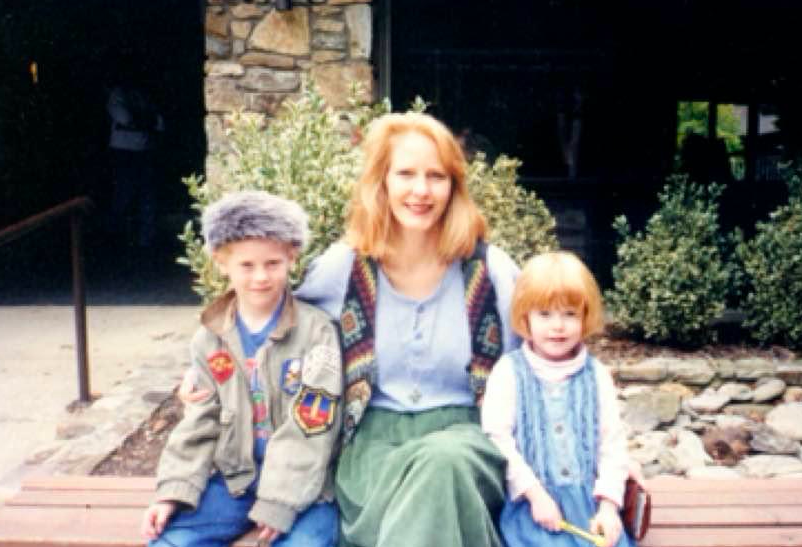

I have so many reasons for supporting ACEs Connection. One is so that pregnant women will take the ACE survey and connect the dots between their own ACEs and poor health outcomes for themselves and their children, and work to make things better.

Another reason I support ACEs Connection is to change the systems that perpetuate racism across all sectors, including medicine, as Black women are three to four times as likely to die in childbirth than White women, and Black babies are twice as likely to die than White babies.

I support ACEs Connection because we have the knowledge to solve our most intractable problems. And when I say β€œwe”, I mean all the people who learn about ACEs science and join ACEs Connection to help grow a world that’s healthier that the one we live in now. At the moment, that’s nearly 48,000 influencers….and growing!

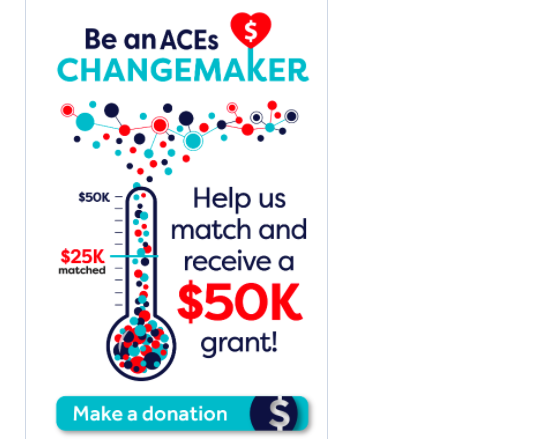
As a member of ACEs Connection, you’re invited to make a tax-deductible donation in any amount to our Changemakers Matching Grant campaign, and add your own β€œWhy I Support ACEs Connection” essay here, on the main blog of ACEs Connection. Your essay  will be identified as part of the campaign. If you believe the work of ACEs Connection has improved your life and the lives of people you care about, please join me in sharing a gift to help us raise $50,000 from our ACEs Connection community. That amount will be matched by a generous donor, who prefers to remain anonymous. The deadline for your tax deductible donation is December 31, 2020. Thank you in advance for your generous donation, your post, or both!

Click here to make a donation to ACEs Connection Changemakers Matching Grant Campaign

Attachments

Hide

Images (2)

Screen Shot 2020-11-10 at 5.13.04 PM
Screen Shot 2020-12-06 at 10.27.26 PM

Carey Smith Sipp

carey.pacescommunites@gmail.com

❀️ 1πŸŽ‰ 1

Tags: ACEsChangemakers Matching Grant CampaignGiftmatching grantDonateACEs study

Add Comment

Carey SippCarey SippFormats 

ACEs Changemaker matching grant campaign and year-end updates: We’re at the half-way mark!

Carey SippΒ Carey SippΒ 12/15/205:12 PM

“We are grateful for your support,” said members of the ACEs Connection staff on a recent “all staff Zoom call”. L-R  (top row) Laurie Udesky, Carey Sipp, Gail Kennedy, Lara Kain (second row) Cissy White, Rafael Maravilla, Donielle Prince, Jenna Quinn (third row) Ingrid Cockhren, (off camera) Alison Cebulla,  Jane Stevens. Out that day, and grateful all the same, were Karen Clemmer, Dana Brown, Elizabeth Prewitt, Marianne Avari, and Samantha Sangenito

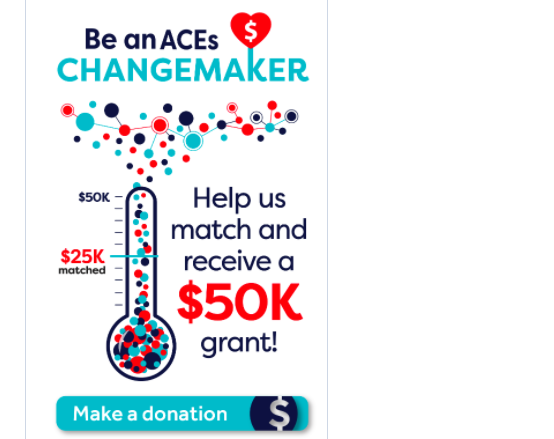
β€˜Tis the giving season, and as of mid-December ACEs Connection is at the halfway mark β€”  $25,000 β€” toward our goal of raising $50,000 in donations to match the contribution of a generous funder.
Screen Shot 2020-12-15 at 9.44.23 PM
β€œWe are thrilled that our community has responded so generously to our requests for donations,” said Jane Stevens, founder and publisher of ACEs Connection. β€œYour gift is important because If we raise $50,000 in member donations, a generous anonymous donor will match the amount, dollar for dollar, so your gift will be doubled.”

More than 110 members of ACEs Connection have used the online giving option to make their donation. Gifts have ranged in size from $1000 to $5. As Stevens says, β€œNo gift is too small. Our matching gift donor is looking at this as another way to build community, in addition to our ability to raise the $50,000, so I want members to know that a gift in any amount is appreciated.”

While ACEs Connection staff will be taking a break during the holiday season β€” our Daily Digest and Weekly Roundup will go on hiatus until Jan. 4, 2021 β€” our online donation option remains active.

StevensJβ€œWe want to model what a trauma-informed organization looks like by truly taking some well-deserved time off during the holiday season,” said Stevens,

β€œThis year proved beyond the shadow of a doubt that the science of adverse childhood experiences (ACEs) is at the nexus of the loss of life during the pandemic, the racism driving civil unrest, and the wrenching fear, poverty and despair experienced by millions due to the economic downturn,” said Stevens.

β€œWe have been out front during this time. Our staff has been posting reports on the ACEs, resilience, the pandemic, racism, and poverty from every corner of our nation and the world. We’ve been gathering the stories from your communities; researching and reporting the data that show how being a person of color and living in poverty β€” both environmental ACEs β€” has disproportionately affected Black, Latinx and Indigenous people,” Stevens added.

In March, ACEs Connection responded to the popular question of β€œWhen will things get back to normal?” by saying β€œWe need a better normal.” β€œThe normal we had wasn’t working for most people in the U.S. So, we created β€˜A Better Normal’ webinar series to shine a light on the problems being surfaced by the pandemic and the death of George Floyd so that we could share solutions, expertise from our vast community of members, and hope,” said Stevens.

β€œWe hosted more than 65 webinars over the last nine months, in addition to several more on starting and growing ACEs initiatives, the Community Resiliency Model. Of those, 27 β€˜Better Normals’ focused on re-imagining education in our β€˜Education Upended’ series,” said Stevens.

In addition, the ACEs Connection β€œcommunity of communities” has grown during the pandemic, now totaling 348 geographic communities and some 40 interest-based communities.

β€œIn short, it has been a demanding year. We’ve grown our membership base to almost 49,000 members, and added to our followers on YouTubeTwitterLinkedInFaceBook and Instagram.

We’ve worked hard on reporting about policy and advocacy, science and community successes. It’s time for us to practice what we preach and take a rest, and we encourage members to take time to rest and recover from the challenges this year brought, too, if possible.” said Stevens.

ACEs Connection will share its last Weekly Update for the year Wednesday, December 16, and its last Daily Digest on Friday, December 18.

β€œThe website will be up and monitored. It is likely that members will continue to post, and that despite time off, some staff will be compelled to post updates as well,” said Stevens. Further, β€œThe matching grant campaign will be extended to January 31, 2021, so we will start the new year with new videos and stories on why our supporters support us.”

For those of you who would like to mail a check, here is that information:

Please make the check out to TSNE (For Third Sector New England, our fiscal partner) and on the “for line” please note “for ACEs Connection.”  The address to send the check is

Christine Carreiro
ATTN: ACEs Connection
TSNE MissionWorks
89 South Street
Suite 700
Boston, MA, 02111

If you would like to post a two-to-three minute video about β€œWhy I support ACEs Connection,” you are invited to do so. If you’d like to make a video, please use Zoom to record it, and email it to Carey Sipp at csipp@acesconnection.com, for review and posting after January 4, 2021. Please put “Why I Support” video in the subject line of the email.

Speaking on behalf of the ACEs Connection staff, Stevens said: β€œWe wish all of you health, peace and happiness as 2020 draws to a close. We know that 2021 will be a better year.”

____________________

Screen Shot 2020-12-15 at 9.44.23 PM

To make a donation, please click here.

See “Why I support ACEs Connection” videos including those by:

Christopher Freeze
Kelly Purcell
Rebecca Lewis-Pankratz
Adriana Van Altvorst

Attachments

Hide

Images (2)

StevensJ
Screen Shot 2020-12-15 at 9.44.23 PM

Carey Smith Sipp

carey.pacescommunites@gmail.com

❀️ 1

ACEs Connection/CTIPP Southeastern Leaders’ call: State updates, funding information, and β€œmind-blowing” information about helping people out of poverty

Carey Sipp Carey Sipp 12/20/2011:31 AM

Southeastern ACEs Connection and national CTIPP leaders on the quarterly leader call welcomed guest speaker Rebecca Lewis-Pankratz (top left) for their quarterly call. Also among those present were (top row l-r) Carey Sipp, Jesse Kohler, Jesse Hardin, (second row, l-r) Patti Tiberi, Mebane Boyd, Jen Drake-Croft, Dan Press, (third row, l-r) Mimi Graham, Christopher Freeze, Margaret Stagmeier, (fourth row, l-r) Emily Marsh, Liz Peterson, Alyssa Koziarski and  Janet Pozmantier. Also present was Caitlin LaVine. Dorothy Oppenheiser was among those calling in for the meeting.

Learning ways to help people walk out of the trauma of multi-generational poverty and abuse to create their own destinies and build new lives, representatives from 10 Southeastern states met last week to hear inspiring remarks from a formerly impoverished mom of three sons.

Screen Shot 2020-12-07 at 6.29.05 PM

Participants on the ACEs Connection/CTIPP Southeastern Leaders call also updated the group about work being done in their states.

Rebecca Lewis-Pankratz, who transformed her own life and is now an educational and poverty consultant, was the educational speaker. Dan Press, general counsel for CTIPP (the Campaign for Trauma Informed Policy and Practice), said his β€œmind was blown” by Lewis-Pankratz’s story and methodology for helping people leave behind generational poverty and trauma.

Screen Shot 2020-12-21 at 10.23.26 AMβ€œWhat you are saying is revolutionary,” he said. β€œAll lobbyists in (Washington) D.C. will grit their teeth when they hear this. They say people whose brains are disabled by poverty aren’t going to be able to get out of poverty.”

Walking families out of poverty

Lewis-Pankratz’s story mesmerized those on the call, as they heard her explain the impact of trusting, stable relationships on her growth. She talked about living with three little boys in a $1,000 mobile home β€œthat should have been condemned” as she struggled to complete a four-year degree and keep her kids in diapers.

β€œThat trailer was what stood between me and homelessness. I’d been working nights as a bartender and had been in college almost a decade to get a degree and become a high school art teacher. I’d been clean and sober for about seven months, but bone-crushing poverty kept spinning me back,” she said.

Things started shifting when Lewis-Pankratz went to a church for some free diapers.

β€œA lady there took a shine to me. I told her I wanted to give back so other moms could get the same help. She pointed to a flyer about a class on getting out of poverty and I asked her what they could teach me that I was not already doing. But I figured this lady had been giving me free diapers so I had better sign up.

β€œWhen I bumped up against people working to get people out of generational poverty, my world changed. I got a position at that nonprofit,” she said. Later, she left to start a ministry of her own.

β€œIn college I learned about the science of brain architecture – that by five your brain is set. Zero to five years was not good for me. And I had a strong history of using alcohol and drugs. But I got involved in this nonprofit that was really intentional about building relationships between people in poverty and middle-class people as a way of helping poor people get out of poverty.

β€œSo I was surrounded by middle-class women supporting me. And I began to see a way forward, to feel less reactive, to be able to walk into large groups of people. I realized something was happening to my brain,” Lewis-Pankratz said.

She explained that in looking at the brain science of poverty and the brain science of trauma, β€œthe pictures of the brains are the same. The brain doesn’t know whether it is in war or abuse, the brain is just stressed.”

Families in poverty β€œare always in toxic stress, always spending more time in survival,” she said.

β€œI have eight ACEs and my mom has nine,” Lewis-Pankratz said. β€œI was working with 35 families and all but one had high ACEs scores. When I fell into the science of resilience, I found my brain healing at the age of 37, and it was because of relationships people had created for me before they knew me. The science of resilience became my hope, as I learned it was all about relationships,” she said.

Over the last nine years, Lewis-Pankratz has helped teachers and administrators in hundreds of schools learn about ACEs and brain science. She has personally nurtured trusting relationships to help 90 families walk out of poverty.

Carey Sipp, Southeastern Community Facilitator for ACEs Connection, noted that there were two people on the call whose work is about stabilizing families by building trust and relationships. She connected Lewis-Pankratz in Kansas to Margaret Stagmeier, who started a revolutionary β€œedu-housing” program in Georgia, saying she looked forward to seeing what these two innovative thinkers can do together to provide traumatized people with opportunities to become stable, and improve the lives of their children and themselves.

β€œWhen people know stability and safety, when they are in relationship with people who have middle-class lives, who will help them gain confidence in themselves, we are preventing trauma, healing trauma, building resilience,” Sipp said. β€œI look forward to the day all communities are consciously doing this kind of work.”

State updates

Others on the call shared these updates from their states:

Alabama:

Emily Marsh, public and governmental affairs manager at the Alabama Department of Child Abuse and Neglect, reported that the state’s mental health grant in Alabama has been extended through 2021.

The Department of Mental Health funded training on trauma-informed care, ACEs science, strengthening families, and protective factors at home. she said. Her group did 22 trainings from June-September, and next year will target workers in mental health as well as teachers, law enforcement and counselors.

Marsh said the Department of Mental Health had been complimentary of the work done. β€œWe will continue to partner with the Alabama Network of Family Resources, so this is good news.”

Florida:

Mimi Graham, Ph. D., director of The Center for Prevention and Early Intervention Policy at Florida State University, said that she and Andy Blanch, Ph.D, president and director of the Center for Religious Tolerance, will speak next May on CTIPP’s national call about a new tool, created in Florida, for trauma assessments.

β€œThere are agencies that say they are trauma informed, but they are separating breastfeeding moms from babies, or children from parents. This new tool for trauma assessment of agencies (reviewing agencies in person in addition to other assessments) will help agencies become more trauma informed,” Graham said.

Georgia:

Resilient Georgia’s executive director Emily Anne Vall, Ph.D. was not on the call but she sent a report outlining highlights of work going on in the state. She said the eight Resilient Georgia regional grantees are doing fantastic work in their communities.

They are currently meeting with stakeholders from across the state to identify partners that can work together to create action plans for their next two rounds of grantees.

β€œThe Resilient Georgia Trauma Informed Training Road Map is up and running, and available for all states to peruse. A copy of the survey they sent out that informed this work is on this webpage, too,” Vall wrote.

Screen Shot 2020-12-21 at 10.15.00 AM

Margaret Stagmeier, founder and board chair of Star-C, a nonprofit working to stabilize rents and transiency in workforce housing communities, spoke briefly about her work with the residents at two of the blighted properties she bought, repaired and cleaned up. β€œWhen we started, we didn’t realize how traumatized these families are,” she said. β€œSince we began putting the lens of ACEs (adverse childhood experiences) over the community, I now understand what better to do. First get rid of crime. Then get an after-school program with social emotional learning,” she listed as a couple of the steps along the path of helping families, apartment complexes, and nearby schools become more stable.

Kentucky:

Carey Sipp, Southeastern Community Facilitator for ACEs Connection, shared that work to build a statewide structure in Kentucky is underway. Meetings with leaders from Kentucky Youth Advocates and other organizations are scheduled for the second week of January.

Mississippi:

Chris Freeze, a trauma-informed business consultant, will soon be working with statewide community manager Jackie Chatmon, System of Care project director at the Mississippi Department of Mental Health, to further activate the state.

North Carolina:

Mebane Boyd, executive director of the New Hanover Resiliency Task Force, said the Resilient North Carolina Collaborative is meeting with trauma-informed leaders throughout the state to coordinate advocacy efforts, to β€œfind a way to align our advocacy and prioritize what might be best, so we are all asking for the same thing.” She said the group will be doing a training in early 2021 on how to do advocacy, who to contact, when and how to organize.

CTIPP general counsel Press said North Carolina’s Sen. Richard Burr will be either the chair of the Senate Health, Education, and Labor Committee or the ranking minority leader of that committee, depending on what happens in the upcoming Senate runoffs in Georgia. β€œEither way, he will be influential, and we need trauma-informed programs to educate him and his staffers,” Press said. There will be a call with North Carolina leaders the first week in January to put together a strategy to reach out to Burr.

South Carolina:

Alyssa Koziarsky, research and evaluation assistant at the Children’s Trust of South Carolina, said the Children’s Trust, which leads the South Carolina ACE initiative, is sharing its COVID-19 Impact on Children’s Well-Being Data Snapshot.

The report discusses disparities in housing, health care, and economic opportunities, and sheds light on the importance of protective factors. β€œWe have been working on this for months,” she said. β€œNow we are providing advocacy steps for how to provide local supports. We are excited about this and will be sharing it out with legislators in January.’’

Tennessee:

Jennifer Drake Croft, director of child well-being at the Tennessee Commission on Children and Youth, said there is a new phase of strategic planning for the state’s signature Building Strong Brains Tennessee program. The goal is to establish Tennessee as a national model for how a state can promote culture change in early childhood, based on a philosophy that preventing and mitigating adverse childhood experiences, and their impact, is the most promising approach to helping Tennessee children lead productive, healthy lives and ensuring the future prosperity of the state.

The group is bracing for the possibility of major funding cuts. There are now some 1,252 diverse sector trainers for the Building Strong Brains program, representing all 95 counties in the state. The Department of Education has received approval for a second cohort of schools to become trauma-informed, the Department of Health has been through strategic planning and named ACEs as a priority, and the Building Strong Brains program will now be shared as part of training for foster parents.

Croft said Tennessee has been invited to the National Governors Association meeting to share a presentation on their work in adverse childhood experiences. She also said that East Tennessee State University has founded the Strong BRAIN (Building Resilience through ACEs Informed Networking) Institute, which is an ACEs Center of Excellence working with organizations to transform policies, procedures, and philosophies to promote resilience and mitigate the effects of ACEs.

The Commission on Children and Youth is executing a social media campaign following the success of last year’s campaign, which reached 500,000 people. The new campaign will raise awareness of the importance of brain development and preventing toxic stress. β€œWe will be publishing a toolkit that people from other states can adopt for their use – this is coming,” Croft said.

Among updates from Nashville, Croft said that Ingrid Cockhren, ACEs Connection Community Facilitator for the Midwest and Tennessee, has been doing a community education series for parents, and that the ACE Nashville team, with some 400 members, is focusing on equity within the membership and the leadership team.

Texas:

Janet Pozmantier, nonprofit consultant and trainer, and Jullian Gaut, social worker, have been working with Sipp to create a survey that will live on the Texas ACEs Connection site. A link to the survey will be emailed to the more than 1,000 Texas members of ACEs Connection, to help leaders identify and connect with ACEs initiatives throughout the state.

Legislative update

CTIPP leaders Press and Jesse Kohler reported that more than 600 people have emailed Kohler to add their names to the Sign On Letter for Biden Harris Administration’s First 100 Days.

Screen Shot 2020-12-21 at 10.39.49 AMKohler said that there is a social media campaign to help CTIPP add to the number of people signing versions of the letter. β€œIf you still want to sign on, just email me to be added,” he said. His email address is jesse@traumacampaign.org.

Press encouraged attendees to alert him if they know of any state legislators who are trauma informed, as he would like to invite them to join the CTIPP Community Action Network.

Federal funding update

Press urged the group to try to secure some of the money that states and communities soon will be getting through the resolution of opioid lawsuits.

β€œYou should start looking into this,” he said. β€œRight now, most of the money will be spent on people who have already suffered. Some of this funding needs to be spent on preventing trauma, and on building resilience. You are encouraged to find out where the money is going and get in there and advocate for a portion to be used for prevention and for resilience building.”

Press also shared that CTIPP is exploring ways to finance trauma-informed programs that don’t rely on government funding, because governments are running out of money. β€œOne of the things we need is evidence that trauma-informed programs save money,” he said. β€œWe know schools implementing trauma-informed programs have fewer discipline issues and less teacher turnover, fewer security guards, and more kids in seats, so they receive more money because attendance is better.

β€œWe are having trouble finding good hard data. If any of you have actual hard data, we think we have people ready to invest in trauma-informed programs that can be paid back over time.”

Monthly call schedule

Here are the upcoming calls, with educational topics, for the CTIPP Community Action Network (CAN). Calls are the third Wednesday of each month from 2-3:30 p.m. EST, except for January 2021, as that’s the day Joe Biden and Kamala Harris will be inaugurated.

Jan. 27 – East Tennessee State University and Southern Oregon University are becoming trauma informed; representatives from the two schools will share what they are doing to facilitate the transitions.

Feb. 17 β€“ Delaware First Lady Tracey Quillen Carney will talk about Delaware’s becoming the first trauma-informed state in the U.S.

March 17 – A representative from England’s WAVE Trust will discuss the initiative working to reduce child abuse by 70 percent in 10 years, and how Great Britain and the U.S. can work together.

April 21 β€“ Rebecca Lewis-Pankratz will elaborate on how she and her organization are helping some 235 families break out of the multi-generational cycle of poverty and trauma.

May 19 β€“ Mimi Graham and Andy Blanch will share information about a new program involving in-person trauma assessments of agencies to help them become more trauma-informed.

Upcoming SE leader calls

The next ACEs Connection SE Leader quarterly call is scheduled for Tuesday, March 2. Subsequent calls will be on for June 15, September 21, and December 21. All calls are from 2:30-4 p.m. EST.

To learn more about CTIPP, Rebecca Lewis-Pankratz, or Margaret Stagmeier:

http://www.ctipp.org/nationaltraumacampaign/

Rebecca Lewis-Pankratz

Margaret Stagmeier

Attachments

Hide

Images (4)

Screen Shot 2020-12-07 at 6.29.05 PM: Rebecca Lewis-Pankratz
Screen Shot 2020-12-21 at 10.23.26 AM: Dan Press, CTIPP General Counsel
Screen Shot 2020-12-21 at 10.15.00 AM: Margaret Stagmeier, Founder and Board Chair, 3starcommunities.orgStar-C
Screen Shot 2020-12-21 at 10.39.49 AM: Jesse Kohler, CTIPP Board Member, Co-Chair, CTIPP Trauma Campaign

Carey Smith Sipp

carey.pacescommunites@gmail.com

πŸ‘ 1

Tags: Opioid crisisPovertyTennesseeaddictionMargaret StagmeierTrauma-informed housingrecoveryHousingAlabamaFloridaMimi GrahamEdu-housingEmily MarshDan PressPoverty ministryWalking out of povertyRelationshipsalcoholismTrauma CampaignStar-CGeorgiaRebecca Lewis-Pankratz

Views: 304

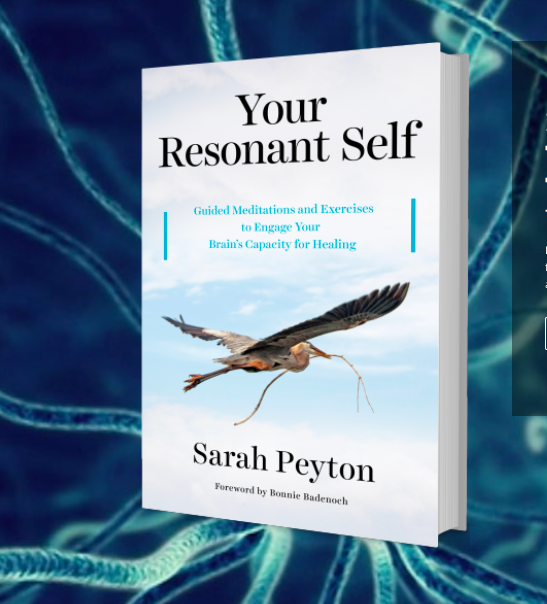
Acknowledging the trauma and grief of the pandemic. In her book and this video, author Sarah Peyton shares why this is important.

Carey Sipp Carey Sipp 2/16/218:47 AM

Author, speaker and neuroscience educator Sarah Peyton is a friend to ACEs Connection. When I asked her recently to speak to the importance acknowledging the grief and trauma most of us are feeling during COVID-19, as we see the number of deaths increase and as people we know fall victim to the disease, she welcomed the opportunity.

I wanted to ask Sarah to do this because recently, as I was listening to her β€œYour Resonant Self, Guided Meditations and Exercises to Engage Your Brain’s Capacity for Healing,”, it clicked for me what has been missing as a trauma survivor during the pandemic.

Screen Shot 2021-02-16 at 10.42.47 AMSarah was telling the story of Nepalese boy soldiers who went off to civil war. The 2010 research showed that the boys who β€œcame back to a welcome from their communities ended up with fewer signs of post-traumatic stress. But the boys who went off to the same war, fought shoulder to shoulder with those other boys, and came back to communities that turned their backs on them had much higher levels of post-traumatic stress.”

β€œThis research helps us to understand that trauma is less defined by what happens to us than it is by how we are received afterward,” Sarah writes.

Acknowledgement of the trauma of having been in a war was the difference for the Nepalese boys.

The night before the inauguration, when President-elect Joe Biden with his wife, Jill, and Vice President-elect Kamala Harris with her husband, Doug Emhoff, held their somber memorial for the 400,000 Americans who had died during the pandemic, it was healing because it was acknowledgement. Seeing those deaths marked by 400 luminarias, one for each 100 victims, was healing because the truth was being seen, shared.

Screen Shot 2021-02-16 at 10.35.54 AMHaving our country’s leadership acknowledge the pain and the loss we’ve seen day in and day out allowed us to breathe a collective sigh of grief and relief.  Our grief is real. Most of us feel it. As Biden said, β€œ…to heal, we must remember.”

As a trauma survivor, I was in my sixties before I began to embody the importance of grieving for myself about the trauma and the losses I’d experienced as the result of trauma. Trauma has cost me in terms of how well I did in school, in relationships, in my career, in my finances. 

Sarah Peyton’s beautiful book, recommended to me by colleague Cissy White, has been a touchstone. Each time I’ve pulled it up to take another read or listen, I process a bit more.

How are you doing? Does it help you to know that some leaders are genuinely sorry for what we are all going through?

Resources:
https://www.yourresonantself.com/

Attachments

Hide

Images (2)

Screen Shot 2021-02-16 at 10.35.54 AM
Screen Shot 2021-02-16 at 10.42.47 AM

Carey Smith Sipp

carey.pacescommunites@gmail.com

❀️ 2

New ACEs initiatives learn about strategic plan development from from New Hanover (NC) Resiliency Task Force executive director Mebane Boyd


The desire to see other ACEs initiatives grow and flourish was evident at a recent meeting of the Resilient Columbus County (North Carolina) ACEs initiative when Mebane Boyd, executive director of the New Hanover Resiliency Task Force (also in North Carolina), shared with the Columbus County and neighboring Pender County groups how New Hanover created and works on its strategic plan.Β 

In the spirit of sharing, Boyd agreed to let ACEs Connection post the strategic plan and the video of the meeting, so other new ACEs initiatives can learn from the New Hanover Resiliency Task Force’s work and experience.

β€œWe are learning as we go,” Boyd said. β€œWe just happen to have a couple of years’ head start on today’s beginning communities. We want to share what we’ve learned and are learning.” 

In the spring of 2018, New Hanover County got a six-month planning grant from the Duke Endowment. Boyd was hired to be the six-month coordinator.  

She joined a group of 10 or 15 people who were inspired by the screening of the documentary β€œResilience” earlier that spring, and who wanted to get going on an initiative. 

 β€œThe (New Hanover Regional) hospital, Community Care, Smart Start, Communities in Schools, the Department of Social Services, people in the court system and others saw the documentary and said, ‘Let’s stop talking and do something,’” Boyd said. 

 Their planning period paid off. The group started meeting regularly and opened the meetings up to anybody who wanted to come. β€œIt was one of the best things we did,” Boyd said.

Screen Shot 2020-08-28 at 2.15.14 PM

In the first phase of the plan, the group decided to engage and involve the community, agree on a timeline, and decide on which models to consider and invest in. They also looked at what data to collect on individual, organizational and systems levels.  This remains an area of growth and learning.

Phase Two involves educating the community on the Pair of ACEs, the fact that there are adverse childhood experiences and adverse community experiences.  β€We knew we needed to educate and be educated, to learn about what our community’s experiences were and are. We need to understand our unique adverse community environment,” Boyd said. 

Screen Shot 2020-08-28 at 2.39.03 PM

Phase Two also involves education about the impact of toxic stress and the Community Resiliency Model (CRM), a hands-on neurobiological training involving ACEs and brain science, to help people learn how to regulate their central nervous system and stay grounded during stressful situations. 

Implementing Phase Three means helping organizations and providers become more trauma-informed and better able to deal with their own traumas and triggers.

Screen Shot 2020-08-28 at 2.16.14 PM

β€œMost of the early (CRM) trainings centered on teachers, first responders, and health care workers. Until we are well, it is hard for us to take care of (other) people,” Boyd said. 

 Phase Four is training in trauma-informed and resilience-focused models for students, clients, parents, and the community. 

Phase Five is implementing the trainings across all sectors of the community; this work will be ongoing.  

Phase Six is community-level coaching and accountability, and work on funding strategies to continue to train and coach.

The phases look organized paper, but, Boyd said, β€œNothing we do in human services is linear. If somebody new comes into the work, you have to educate them,” said Boyd, explaining that the group may have several phases of the work going on at the same time.

Quick to give credit to groups that helped develop the plan, Boyd was particularly complimentary of the New Hanover County Strategic Planning Department. 

β€œWe were able to use their expertise, and met many, many times, before coming up with the second page of the document. Some of us got frustrated. This took months. We would wonder, β€˜Why are we talking about this again?’”

”Creating the plan was the work. Coming up with our common language was key to our progress.  We needed to establish the community level goals, and to look at where we could make a difference. 

β€œRacial equity runs through everything that we do,” she added. β€œIn the last few months, we’ve realized what a challenge racial equity is, and we’ve realized that everything we do should be done through the filter of racial equity.” 

 Measuring success is also part of the work. Boyd said the group worked to develop Critical Success Factors, to β€œestablish data points that can help tell us if what we are doing matters, if it is moving the needle.”

Screen Shot 2020-08-28 at 2.16.27 PM

The group recently completed a steering committee retreat.

 β€œPlanning is never done and creating a strategic plan is something you are always working on,” she said. β€œSome of the work is immediate and some of it is long-term work that could be going on for 10 years or more.

 β€œWe are changing generational trauma. This is not work done in a short period of time. We knew we would be in it for the long haul. So we are now educating about trauma and racial disparity.” 

She says a main factor in the success of this work is to keep it β€œtrauma-informed and resiliency-focused.”

 The group will know their hard work is paying off as they see more agencies looking through the trauma lens. An example? When more pediatrics practices are using ACEs screening, and more community members, having been through the trainings or hearing about them, are understanding their own biological responses to stress. Among other criteria for success are greater community understanding of ACEs science, more parents and providers being able to support children’s needs for social/emotional development and stress management, and delivery of equity training. 

 Boyd had these additional comments during the Q&A session: 

 On relationships: They are so important. If you were together and respectful and built your community, you are developing your relationships for further work. I spend a lot of my time inviting people to meetings, thanking them for coming. A  lot of my time is spent on building relationships.

 On the pace of the work: When you get together and convene, that is the work. Don’t be in a rush.  

 On who is needed to do the work: Work with the people who are there and committed. If you wait until everybody is at the table, you will never get it done.

 On funding: You need money to pay a coordinator. We have received grants. The Department of Public Instruction provided money in 2018 that was used to train the trainers for the Community Resiliency Model, so about 30 people could attend the five-day training. We also have a part-time person doing all the movie screening and coordination of training. Task Force members are helping to get out the vote, and have been asked to contact legislators to ask for Medicaid expansion. We could use that (Medicaid expansion) money to help prevent ACEs, make lives better. 

 On the difference the work has made in the community: All 1,800 county employees have received at least a 90-minute CRM resilience training. They are not fully trained on CRM but have learned some CRM skills. County employees say staff members are now much more aware of their co-workers’ stress. They look in on each other, they know to ask, β€œHow are you doing?” It helps to create a common language. It helps to normalize stress responses and push that message of having compassion and empathy for ourselves and our colleagues. 

 On subcommittees: Each subcommittee meets monthly. There are eight subcommittees for the New Hanover Resiliency Task Force: 

  1. First Responders and Justice
  2. Early Childhood (ages 0-8)
  3. 4th to12th GradeΒ 
  4. Family, Faith and Community
  5. Health CareΒ 
  6. DataΒ Β Β 
  7. ArtsΒ 
  8. MarketingΒ 

 For more information, visit the New Hanover Resiliency Task Force on acesconnection.com or visit the website the group was already working on when they joined ACEs Connection, nhcbouncesback.org.

To access the video on YouTube, please

Attachments

Show

Carey Smith Sipp

carey.pacescommunites@gmail.com

❀️ 1

Views: 23

Add Comment

Carey SippCarey Sipp(Change Author)Formats 

javascript:””

Comments (1) 

Newest Β· Oldest Β· Popular

Katie CrosbyKatie CrosbyMember

Amazing work being done at the NHRTF!!


πŸ‘ 1

Back To Top

Post

Add Comment

Copy Link to Blog Post

Manage Blog Post

Configure Blog

Leave Community

Manage Widgets On Blog Pages

Blog Directory

ACEs Connection Information

ACEs Stories & Champions

Belief Statement

Conferences & Classes

Data

Events

Meeting Notes

Membership Essentials

PACEs in the Arts

Presentations & Trainings

Resources & Toolkits

Blog Directory

Comments

Blog Archive

August 2026(0)

July 2026(0)

June 2026(1)

May 2026(3)

April 2026(4)

March 2026(0)

February 2026(0)

January 2026(0)

December 2025(0)

November 2025(0)

October 2025(0)

September 2025(0)

August 2025(0)

July 2025(1)

June 2025(2)

May 2025(5)

April 2025(2)

March 2025(4)

February 2025(0)

January 2025(1)

December 2024(0)

November 2024(0)

October 2024(3)

September 2024(0)

Current Community Visitors

Current Visitors: 9 (1 member, 8 guests)

Carey Sipp

Resources for Downloading Directory

ACEs PPT Presentations

ACEs Videos

Handouts for Parents

Meeting Notes

Operations

Policy / Data Information

Resources & Toolkits

TI Healthcare

TI Schools

Downloads Categories

     & Toolkits
TI Healthcare
TI Schools
Downloads Categories