After more than two years of a deadly pandemic, a racial reckoning laying bare gross inequities, historic environmental catastrophes, and record-breaking gun violence and mental health challenges, could the first known national study of “What Happened to You?,” by Bruce D. Perry and Oprah Winfrey, help us heal our collective trauma, one relationship and community at a time?
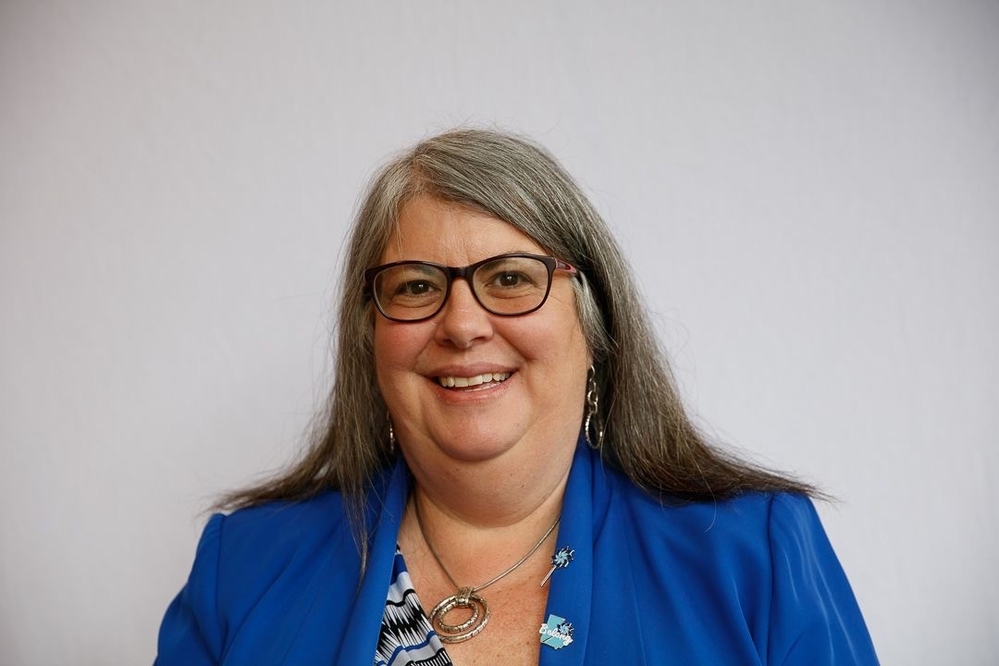
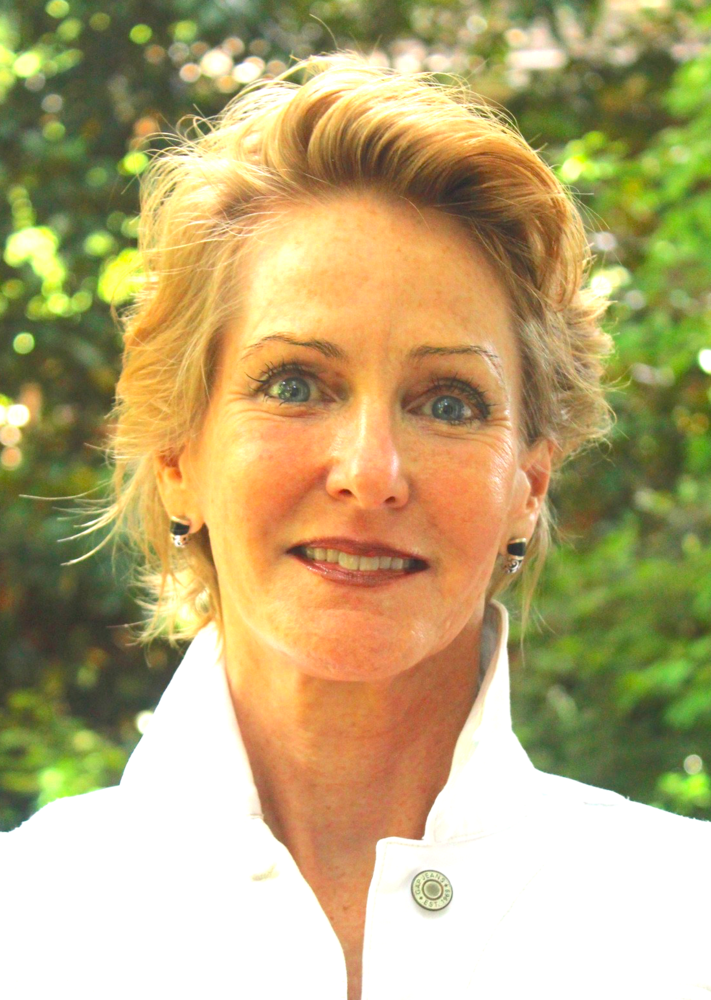
That’s the question Carey Sipp, PACEs Connection director of strategic partnerships, hopes will be answered with a resounding “yes” in the months and years following the July 13 launch of our Connecting Communities One Book at a Time reading initiative.
“I believe ‘What Happened to You?,’ a New York Times bestseller, is one of the most important works ever written on our collective public health crisis of trauma,” Sipp said. “This book is a readable and relatable way to learn about trauma, its enormous impact in human suffering, loss of life and promise, economic costs and more. Whether you read it or listen to Perry and Oprah have the conversations, which I recommend, this book makes the science easy to understand. It is full of stunning insights, remarkable stories, and applicable solutions.
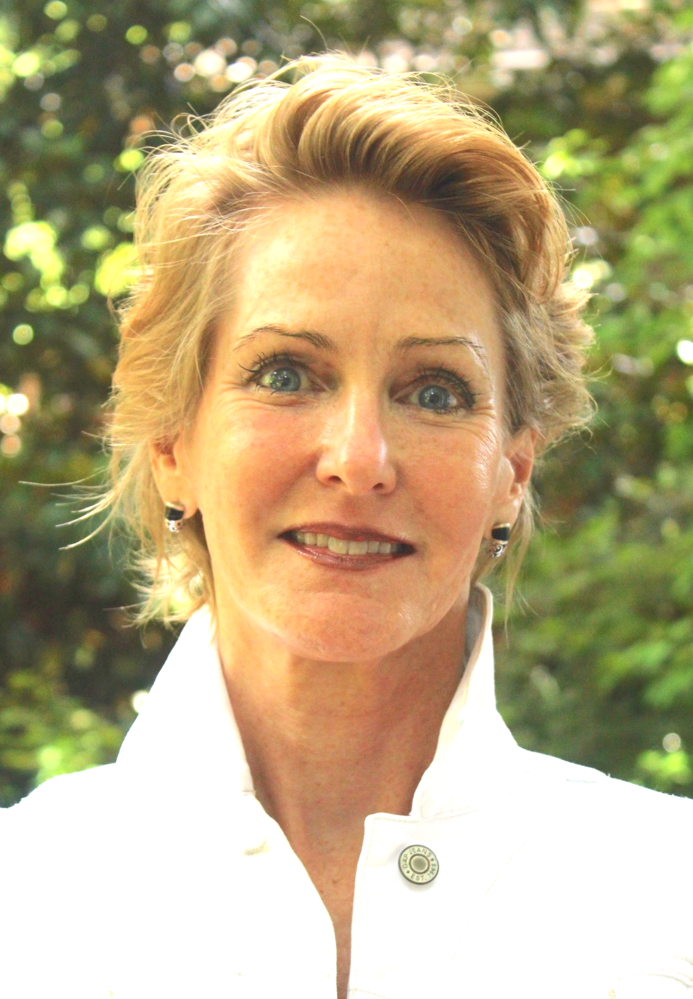
“Our hope is that asking ‘What happened?’ in community will lead to truth, empathy, compassion, connection. We hope that reading and studying the book together can help people process current and generational experiences, and learn about the science of PACEs – positive and adverse childhood experiences – and that this will lead to family and community efforts to prevent future trauma, and heal from past trauma,” she said.
Sipp said the PACEs Connection initiative was inspired by the Georgia Reads “What Happened to You?” program, in which over 40 community book clubs, including the Georgia Parent Advisory Council group, met to discuss the book in 2021.
“I learned about the success of the Georgia program, started by Deborah Chosewood and Jennifer Lee Stein, in a LinkedIn post from Deborah, who is also a community manager for Georgia PACEs Connection. She explained that the PAC book club used a multi-session guide for parents developed by the Children’s Trust Fund Alliance and now promoted by Perry, while the Georgia Reads book clubs used a one- or two-session discussion guide developed by Georgia Essentials for Childhood. Both guides will be highlighted and shared – at no cost – in our July 13 webinar, when we officially launch the book study and begin registering book study leaders,” Sipp said.
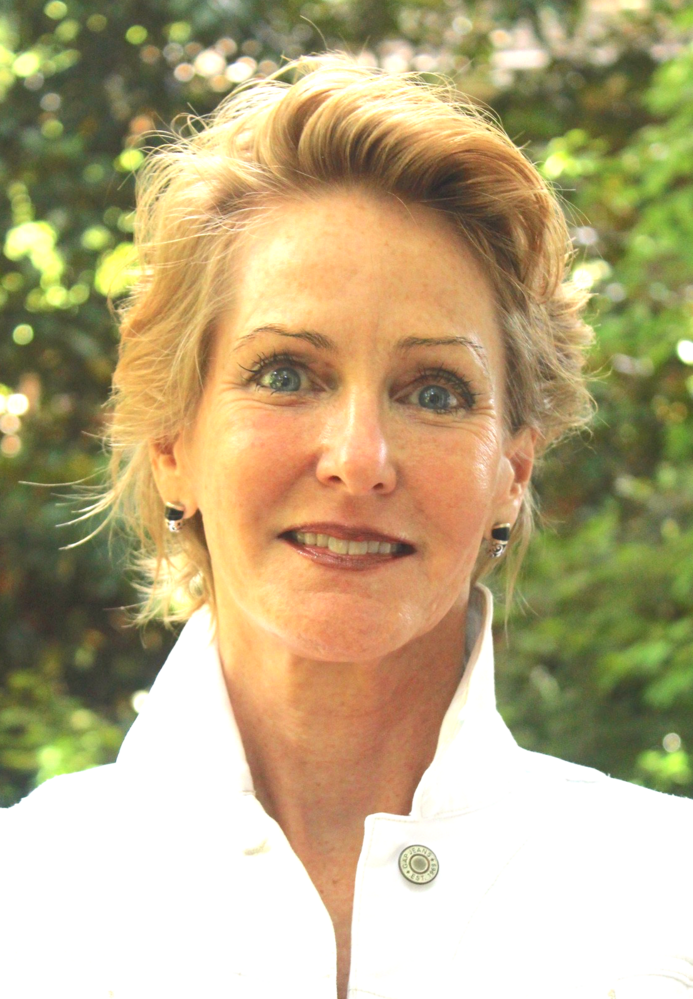
As a part of her work at PACEs Connection, Sipp leads the launch of the Connecting Communities One Book at a Time initiative with me, Natalie Audage, the PACEs Connection family and community resources lead. Our partners for this project include Teresa Rafael, Chloe Corrion, Kara Georgi, and Maureen Hollacker of the Children’s Trust Fund Alliance, and Deborah Chosewood and Jennifer Lee Stein of Georgia Essentials for Childhood.
“Our partners have been incredible in offering their time, the guides they created, and their experience to help lay out a series of events, including two support sessions for book study leaders and a follow-up session on protective factors, that we believe will help make this entire effort have a lasting impact in communities,” Sipp said. “We are hoping new PACEs Connection communities will form as the result of the study, and study leaders and participants will connect and become involved with some of our more than 400 geographic and 40 interest-based communities.”
Perry’s reflections on the national book study
Perry said he finds the national book study a very exciting opportunity. “I don’t think that there has been anything like the scale and scope of what you have planned,” he said.
“Certainly, the impact of stress, distress and trauma has been all over the news recently, and, over the last two years of the COVID-19 pandemic, people have experienced the dysregulating impact of unpredictability, relational disconnection, chronic vigilance, decision fatigue and, for some, serious traumatic loss,” Perry said. “So in some ways, the time is right to better understand and address these issues.
“In reality, however, all of human history has been characterized – and shaped – by traumatic events of all sorts, natural disasters, war, misogyny, racism, and so much more. But, as Maya Angelou said, ’I did then what I knew how to do. Now that I know better, I do better.’ So let’s help people know better so we can all do better.”
He added that he hopes the book study ”helps stimulate a bit more curiosity and kindness, which will lead to more conversation and connection.”
Our partners hope their groups will join in
Chloe Corrion came up with the idea of creating a detailed chapter-by-chapter study guide of the book. “As Dr. Perry, says, ‘Healing happens in community’,” she said. “I’m so excited for this work to continue spreading so that more individuals and communities can begin or continue their healing journeys.”
“This book club is about building relationships while learning, growing and healing with others as we celebrate the effect protective factors can have on our lives,” said Kara Georgi, Corrion’s partner on the guide and co-facilitator of the Georgia Parent Advisory Committee book study. “It’s not about a single journey or solution. It is about us all being able to approach a great piece of science and personal narrative where we are at. We can then decide what intention we will take as we move forward in our lives and communities in strength-based ways.”
Join us!
Register now to attend the upcoming “What Happened to You?” events. Please see the attached flier for more information about each event.
Meet the Author: a discussion of historical trauma in America with Bruce Perry, PACEs Connection CEO Ingrid Cockhren, and director of communities Mathew Portell on Tuesday, June 28, 1:30-3 p.m. ET
We hope you will join us on this journey, and we look forward to seeing you at the upcoming events!
In the meantime, stay tuned for future blog posts from PACEs Connection about our Historical Trauma in America series, and from our partners about the impact of Georgia Reads, the compelling story behind the Children’s Trust Fund Alliance guide, and more.
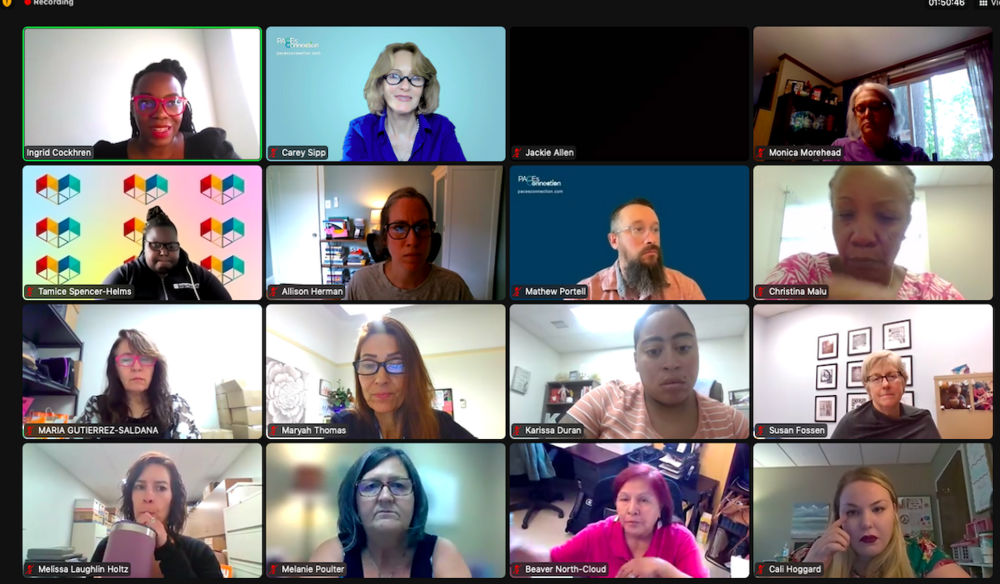
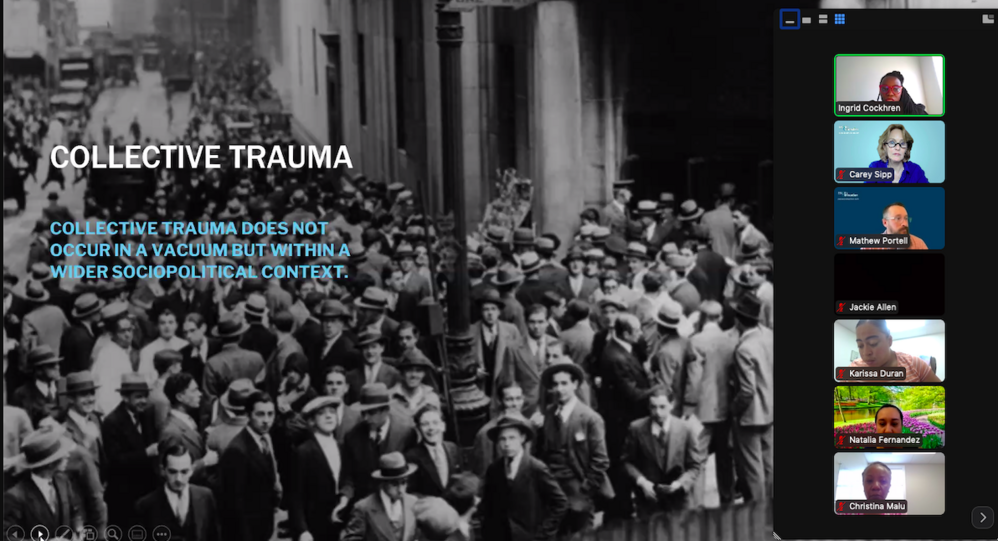
The second round of the PACEs Connection Historical Trauma in America series launched on July 21 with the first regional event, Historical Trauma in the South. The event was facilitated by PACEs Connection staff members Ingrid Cockhren (chief executive officer) and Carey Sipp (director of strategic partnerships) with support from St. David’s Foundation.
The series examines the impact of intergenerational trauma on the health and well-being of individuals today. Historical trauma—another term for intergenerational trauma—is defined by Dr. Maria Yellow Horse Brave Heart as multigenerational trauma experienced by a specific cultural group resulting in “a cumulative emotional and psychological wounding over the lifespan and across generations, emanating from massive group trauma.” As recent advances in the science of positive and adverse childhood experiences (PACEs) continue to show the profound impact of historical trauma on society today, PACEs Connection launched this series to educate and empower people to take action to mitigate its adverse impact and promote resilience in their regions.
Due to its popularity, PACEs Connection’s Race & Equity Workgroup is repeating the “Historical Trauma in America Series” in 2022-23.
Register now for future regional sessions, including the next session on Historical Trauma in the Midwestern States on September 15, 2022. ClickHEREto register.
Participants were very engaged in the session, as indicated by select contributions and comments below:
Tamice Spencer-Helms: “It is so unfortunate to me that some folks in this country would rather ignore and dismiss this history and buy into fallacy about BIPOC rather than humbling themselves. I wonder what would happen if those folks understood that these are the very people who can lend them the resilience they gained in enduring the history so that they could survive confronting it.”
Teri Lassiter: “In Mississippi, there have been at least 8 suspected lynchings since 2000, this hasn’t stopped, the media just doesn’t report it!”
Tamice Spencer-Helms: “Possibly the most troubling vestige of this is the tendency to talk about indigenous people in past tense–it speaks to that attempt at erasure in my opinion.”
Sarah Frost: “It is so ironic for the perpetrators of genocide to call their victims uncivilized. It also makes me think about the dialogue today where people fighting for equality are demonized and people opposed to critical race theory make themselves (and children) out to be the victims.”
Alison Lobb: “Sending love to all who are feeling pain, distress, and anger while revisiting these horrors, injuries, and injustices. Be sure to breathe!”
Historical examples of traumatic events impacting Native Americans, including the “dehumanization of Native Americans by settlers and explorers who came to claim land for churches and kings,” the Trail of Tears, which involved the removal of over 100,000 Native Americans from land that they had lived on for generations, and the separation of Native children from their families through the use of boarding schools. Sipp showed one result of these and other policies: a map of the 2020 US Census showing very few Native Americans in the Southeast.
Historical examples of traumatic events impacting African Americans, including the following:
Enslaved African Americans who tried to escape slavery were given the a “diagnosis” of drapetomania (mental illness characterized by irrational desire to escape slavery) and were “treated” with beatings during the era of American slavery (1619-1865);
The end of slavery and Reconstruction (1865-1890) brought no punishment for killing or harming Black people, overt racism, lynchings, and the beginning of mass incarceration since prisoners were allowed to be enslaved;
The terror and violence during the Jim Crow era (1890-1965) sundown towns, in which Black people were prohibited from being outside after sunset. Black parents used strict parenting methods because they were desperate to keep their children inside and safe from the white men who would terrorize and brutalize people who were outside after curfew;
The lack of empathy for African Americans experiencing drug addiction during the War on Drugs and the crack epidemic (1970-1995) and the Jane Crow era in which children were removed en masse from African American mothers dealing with addiction and poverty.
Data on current health outcomes for African Americans and Native Americans. Sipp shared data on the Indigenous population in Robeson County, NC, that showed higher rates of children in poverty, violent crime, and injury deaths than in other regions of North Carolina. Cockhren shared that the life expectancy for African Americans is seven years less than for white Americans. As Cockhren stated, “Certain groups are more susceptible to chronic disease because of historical trauma. The trauma ancestors experienced has changed physical bodies, epigenetics, and the way that people get treated. This affects health.”
Additional resources shared by participants included:
Maryah Thomas: “Check out the documentary Stealing a Nation regarding the UK and the US taking by force the Chago Islands in the 1960s and 70s to build a military base.”
Natalia Fernandez: The movie, Indian Horse shows the story of Native Americans in Canada who were torn from their families and all the trauma/discrimination they faced. It’s heartbreaking and infuriating.
Mathew Portell: “Dr. Robert Sege and Dr. Chan Hellman and Dr. Christina Bethell have all done terrific work on the importance of positive childhood experiences and hope. You can also look at Dr. Sege and Dr. Bethell’s works around the HOPE Framework. They completed the PCE study!
Natalie Audage: “Learn more about the science of hope from the Hope Research Center in Oklahoma.”
“Just finished reading “White Rage” by Carol Anderson. The fear Whites were steeped in by manipulative leaders who fostered the enmity for their own benefit, is astounding.”
“The Sum of Us” by Heather McGhee…is invaluable to understand the White mindset of ‘there’s not enough; if White people don’t own everything there won’t be anything for them.’”
“PACEs Connection created this infographic on the Path to a Just Society to help us and our communities name and claim where they are, and see the ideal.”
“Watch the video of Mathew [Portell] and Ingrid [Cockhren] talking with Dr. Bruce Perry about Historical Trauma in America and the book he co-authored with Oprah Winfrey, “What Happened to You?” It is an important conversation on historical, or intergenerational trauma. In the conversation, Bruce Perry said, ‘To understand trauma, you need to know history. To understand history, you need to know trauma.’”
Register NOWfor future Historical Trauma in America regional sessions, including our next session on Historical Trauma in the Midwestern States on September 15, 2022! The series is presented with support by the St. David’s Foundation.
1988 U.S. Congressional Resolution #331 acknowledges the role of the Iroquois constitution in the development of our U.S. Constitution… (Iroquois Women had the Rights to: Assert, Debate, Vote, and Declare War…since 1150 A.D.; I wonder how Susan B. Anthony ‘got such an idea’ almost 800 years later-having lived in former ‘Iroquois territory’…
PACEs Connection is thrilled to share that our first-ever Connecting Communities One Book at a Time initiative involved thousands of people; scores of book studies! The PACEs Connection’s Connecting Communities One Book at a Time initiative helps people bring their community together around books that help us have critical conversations about trauma, racism, inequity, protective factors, positive childhood experiences, and the role community plays in preventing and healing trauma and creating resiliency.
Our first book was What Happened to You? by Bruce D. Perry, MD PhD, and Oprah Winfrey. We’re excited to report that a total of 4,454 people registered for at least one of the six What Happened to You? book study events, and 136 people signed up to lead book studies in their communities.
Together with our partners, we hosted six book study events:
Meet the Author: a discussion of historical trauma in America with Bruce Perry, PACEs Connection CEO Ingrid Cockhren, and director of communities Mathew Portell on June 28
Lead Your Own What Happened to You? Book Study on July 13
Book Study Leader Training by Children’s Trust Fund Alliance on July 27
Book Study Leader Check-In with Children’s Trust Fund Alliance on Aug. 10
Moving Families from Surviving to Thriving: Strengthening Families Protective Factors Framework Overview by Children’s Trust Fund Alliance on Aug. 30
Book Study Leader Check-In with Children’s Trust Fund Alliance on Sept. 20
As we wrap up our efforts, we want to share some next steps:
2. It’s not too late to host a What Happened to You? book study in your community! You can still learn from all of the recordings and resources below and register to lead your own book study!
PastWhat Happened to You?events
Meet the Author event recording: On June 28, PACEs Connection CEO Ingrid Cockhren, director of communities Mathew Portell, and Dr. Bruce Perry, co-author of What Happened to You?, met to discuss historical trauma and What Happened to You?
If you are already involved in our book study initiative, we look forward to seeing you at our next event on October 12! If you are not, we invite you to join us as we work to Connect Communities One Book at a Time!
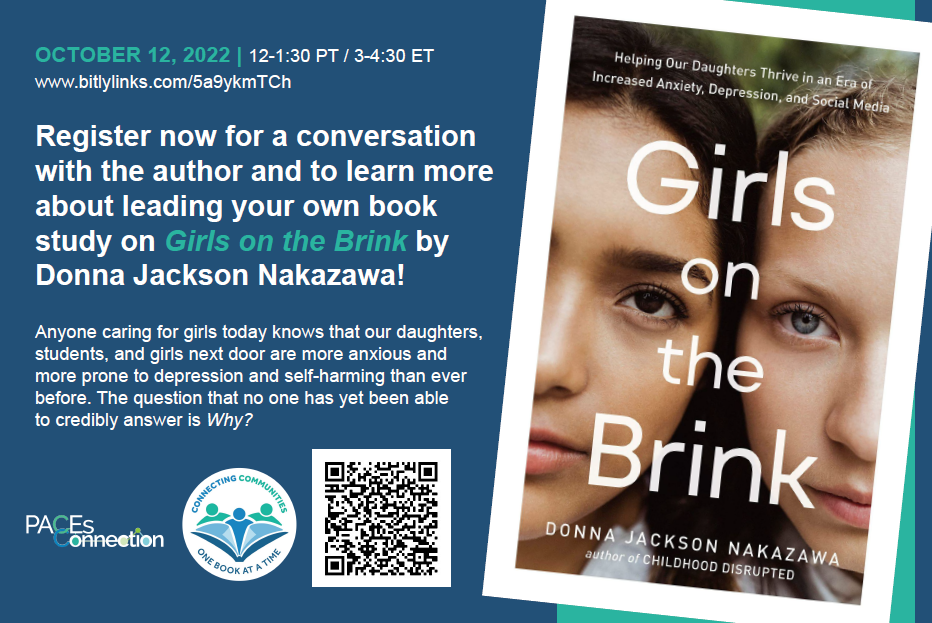
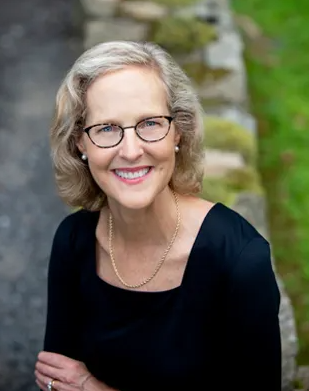
The book, published on September 13, 2022, was the focus of a conversation between the author, Donna Jackson Nakazawa, and Carey Sipp, PACEs Connection director of strategic partnerships, on October 12, 2022.
As Nakazawa writes in the introduction of her book, “Depression has long been more prevalent in girls than in boys, but rates of depression in girls have now reached epidemic proportions. One in four adolescent girls reports suffering from symptoms of major depression compared with fewer than one in ten boys. Girls and young women are twice as likely as boys to suffer from anxiety. In 2021, the Centers for Disease Control and Prevention reported that suicide attempts had recently increased 51 percent among girls compared with 4 percent among boys. These statistics cannot be explained by higher rates of awareness or diagnosis. They are real, and they are scary to every parent of every daughter and to anyone who cares about young women.”
She writes further, “In many ways I wrote this book because I felt a moral imperative to close the gap between what experts have learned about growing strong girls in an increasingly threat-laden ear and what parents need to know.”
“PACE’s Connection’s Connecting Communities One Book at a Time initiative was created to bring communities together around books that help us have critical conversations about trauma, racism, inequity, positive and adverse childhood experiences, and the role community plays in preventing and healing trauma and creating resiliency,” said Sipp. “The mental health of our young people is a concern in every community in the world right now. We believed this book could bring communities together to address a particularly frightening trend involving the increase in depression and anxiety in girls,” she added.
The conversation between Nakazawa and Sipp covered myriad topics, including the effects of unmitigated stress on the female brain, epigenetics, the complex interactions between estrogen and the female brain during adolescent development, sexism, the evolutionary mismatch between girls’ sensitivity to social cues and today’s social media culture, and the finding that the stress response can be decreased by talking to one trusted caregiver.
Nakazawa was clear that while she sees much to worry about girls’ mental health today, she also has hope. She offers 15 antidotes or “strategies for raising emotionally healthy girls” in the book and spoke about a few of them in the webinar.
Antidotes fall into three categories and include three on “the building blocks of good parent-child connection, and the importance of family connection,” six antidotes for “making her home a safe space,” and six antidotes to “bring in what the wider community can provide.” The interview honed in on at least one antidote from each of the three categories, including making it a good experience when your daughter turns to you, the importance of “wonder”, and encouraging a sense of mastery.
“We need to spread Nakazawa’s research and her message of hope. There is so much we can do to improve the mental health of the girls in our lives” said one participant. Another attendee wrote: “Thank you Donna! You’ve changed my life for the better—and I’ve shared your message with many, MANY others…”
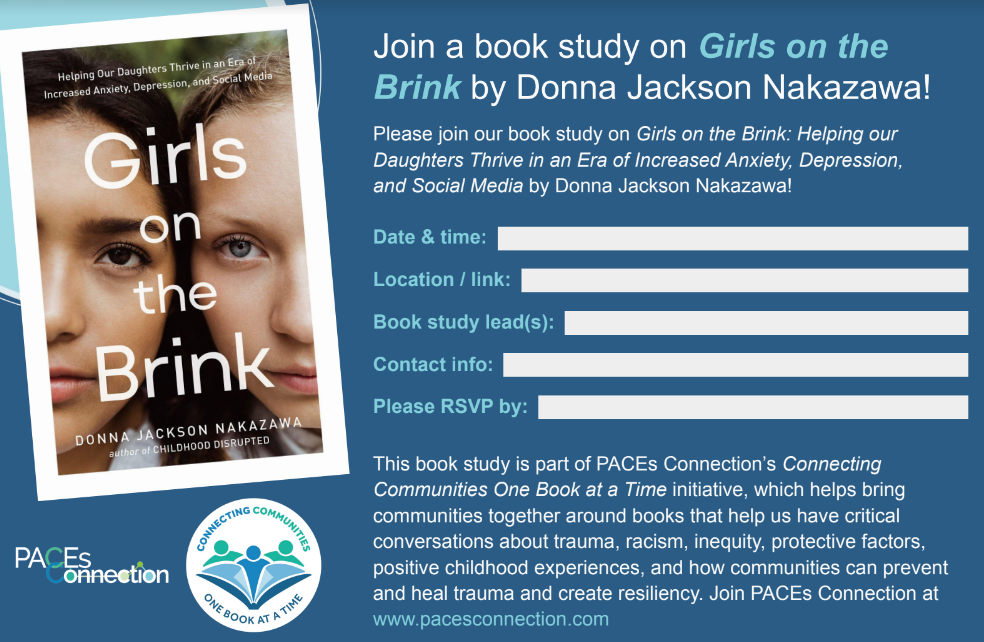
“PACEs Connection encourages our members to come together in their communities of friends, colleagues, family members, and fellow parents to start a book study of Girls on the Brink,” said Sipp.”Book studies are terrific ways for communities to address challenges while building the relationships that can help reinforce solutions. We’d love to see many, many communities come together to share Donna’s work and help girls thrive, and have created tools to make this easy for our members to invite their friends, family members, others in their resiliency initiatives, parents of their daughters’ schoolmates, or other groups, to start a book club.”
Here are some resources to help members start their own book studies:
“Please join us as we work to Connect Communities One Book at a Time. By reading the book with a group of friends in your book study of Girls on the Brink, you can be part of the solution. All of us can play a part in supporting girls’ mental health,” said Sipp.
“We are thrilled to deliver study guides, support, and a connecting place for our members to come together, learn from the authors, share and learn from each other. We’ve even created an invitation leaders can use to invite members of the community to join their book study, to make it as easy as possible for them to get started,” said Sipp.
“We’d love to see this grow and bring unique books and opportunities to our more than 430 geographic and 40 interest-based communities, and hope they’ll use the book studies as ways to grow their communities, too!” she added.
Sipp encourages book study leaders to please register their book study with PACEs Connection, and to answer a few questions to help in planning for the next study. “Also, as we, learn about new resources that could become available in the “Girls on the Brink” book study, having this information helps us share news with book study leaders,” said Sipp.
There remains platitudinous lip-service by society in genera, including police services, when it comes to proactive mental illness prevention as well as treatment. Various mainstream news and social media will state the obvious, that society must open up its collective minds and common dialogue when it comes to far more progressively addressing the challenge of more fruitfully treating and preventing such illness in general.
But they will typically fail to address the problem of ill men, or even boys, refusing to open up and/or ask for help due to their fear of being perceived by peers, etcetera, as weak/non-masculine. The social ramifications exist all around us; indeed, it is endured, however silently, by males of/with whom we are aware/familiar or to whom so many of us are closely related.
Even today, there remains a mentality, albeit perhaps a subconscious one: Men can take care of themselves, and boys often are basically little men.
Even Ms. Jackson Nakazawa’s own book, Childhood Disrupted, was only able to include one man among its six interviewed adult subjects, there presumably being such a small pool of ACE-traumatized men willing to formally tell his own story of childhood abuse.
One must ask: Is it yet more (in a societal pile of) evidence of a continuing subtle societal take-it-like-a-man mindset, one in which so many men will choose to abstain from ‘complaining’ about their torturous youth, as that is what ‘real men’ do?
One also sees some of that mentality reflected in, for example, a New York Times feature story (“She Was a Big Hit on TikTok. Then a Fan Showed Up With a Gun”, February 19, 2022). Written by Times reporter Elizabeth Williamson, the piece at one point states that “Instagram, owned by Meta, formerly known as Facebook, has … been accused of causing mental and emotional health problems among teenage female users.”
The fact is, mental and emotional — along with physical — health problems are being suffered by teenage boys directly due to social media use. Revelatory of the latter is the increasing incidence of social-media-focused obsession among boys with gaining significant muscle mass, a.k.a. “bigorexia”.
The author of The Highly Sensitive Man (2019, Tom Falkenstein, Ch.1) writes that There are “numerous psychological studies over the last forty years that tell us that, despite huge social change, the stereotypical image of the ‘strong man’ is still firmly with us at all ages, in all ethnic groups, and among all socio-economic backgrounds. In the face of problems, men tend not to seek out emotional or professional help from other people. They use, more often than women, alcohol or drugs to numb unpleasant feelings and, in crises, tend to try to deal with things on their own, instead of searching out closeness or help from others.
“While it is true that a higher percentage of women than men will be diagnosed with an anxiety disorder or a depressive episode, the suicide rate among men is much higher. In the United States, the suicide rate is notably higher in men than in women. According to data from the Centers for Disease Control and Prevention, men account for 77 percent of the forty-five thousand people who kill themselves every year in the United States.
“In fact, men commit suicide more than women everywhere in the world. Men are more likely to suffer from addiction, and when men discuss depressive symptoms with their doctor, they are less likely than women to be diagnosed with depression and consequently don’t receive adequate therapeutic and pharmacological treatment.”
While it’s important that the notable needs of girls’ mental health get properly addressed, society also needs to do more for its males.
Over 250 people from around the United States participated in “Historical Trauma in the American South” on July 15, 2021, the first of six events in PACEs Connections’ Historical Trauma in America Series that examines the impact of intergenerational trauma on the health and well-being of individuals today.
Historical trauma—another term for intergenerational trauma—is defined by Dr. Maria Yellow Horse Brave Heart as multigenerational trauma experienced by a specific cultural group resulting in “a cumulative emotional and psychological wounding over the lifespan and across generations, emanating from massive group trauma” (Brave Heart, N.D.). As recent advances in the science of positive and adverse childhood experiences (PACEs science) continue to show the profound impact of historical trauma on society today, PACEs Connection launched this series to educate and empower people to take action to mitigate its adverse impact and promote resilience in their regions.
Ingrid Cockhren, PACEs Connection director of PACEs Connection’s Cooperative of Communities, and Carey Sipp, who is the organization’s community facilitator for the Southeast, facilitated the first event. It focused on the specific cultural and historical factors that have shaped intergenerational trauma in the South, including the treatment of Indigenous Americans, chattel slavery, Jim Crow, mass incarceration and segregation.
Cockhren, who is an expert in historical trauma and critical race theory, provided an introductory overview of PACEs science and the role of intergenerational trauma. Sipp described the trauma that Southern Indigenous tribes—such as the Creeks, Seminoles, and Cherokees—experienced during their battles with white settlers during the American-Indian Wars between 1622 and the late 19th century (Drake, 2004). Cockhren followed by discussing historical trauma among African Americans in the South, including chattel slavery and the Jim Crow Era to lay the foundation for the systemic racism present today.
The event concluded with a conversation among participants from different geographic locations—including California, the Carribean, Georgia, Illinois, Indiana, and Tennessee—and different sectors—including mental health, social work, and healthcare—to share experiences.
“My heart is so very heavy,” said one participant. “Our Indigenous sisters disappear, and their remains are found, the reporting process and forensics causes me to ask myself if we have really progressed as a nation.”
Many participants expressed surprise at the extent to which historical trauma still impacts people of color living in the South today in the modern forms of discrmination such as environmental racism and microaggressions.
“I spent 15 years working in South Arkansas in the Mississippi Delta Region as a mental health professional,” said one person. “My primary clients were African American, impoverished children and families. There is a very distinct parenting strategy I witnessed of teaching kids not to trust the White people and all the White people are bad or racist or trying to make money off them. There is also an underlying treatment of Black people as ‘less than’ or ‘beneath them’ by White people. Sometimes it is very direct, especially by older White people but a subtle, indirect kind, pretty constant by many White people, not even conscious at times. I also witnessed that the economic differences were huge, as well as enrichment activities for children or community services. Many of the kids I worked with had never been out of the rural county they lived in.”
Other people were surprised to learn that the physical segregation present during the time of chattel slavery and the Jim Crow Era South is still present today.
“I wonder if there are still ‘sundown towns’ in places like Mississippi?” asked one person. The answers were chilling.
“There are!”
“Vidor, Texas, is a sundown city for sure—very scary.”
“We have towns in Oklahoma where Blacks know not to go after sundown.”
One participant described their surprise: “As a woman of color and from the Caribbean, I thought I knew history but there is so much more to learn and understand.”
“The question remains,” said one person as the conversation pivoted to what to do about this dire situation. “How do we talk to, teach children about these conflicting and erroneous narratives?”
“If CRT (Critical Race Theory) wasn’t such a hot topic,” said another participant, “it wouldn’t be banned. Yes, we KNOW America is a racist country and was founded as a racist country with social constructs that still exist today, but people are still in denial and are still making laws to prevent this discussion. We can not conquer what we won’t confront or even confess.”
Before the webinar ended participants were sharing educational resources on historical trauma with each other. Those resources are listed below.
“What’s so interesting about this webinar is the change in human understanding of slavery,” said Jane Stevens, PACEs Connection’s founder and publisher. “Just two centuries ago, most people in the world were in slavery or serfdom. Throughout history, slavery was prevalent in almost every culture. Romans and Greeks had slaves. Incas and Aztecs had slaves. Slavery existed before money or written laws, according to Adam Hochschild, author of Bury the Chains. Although we’ve made considerable progress, the situation we’re in now, reflected in this amazing webinar, shows how difficult it is for humans to change. However, I believe that with the spread of PACEs science, we have a good chance to accelerate change.”
Cockhren and Sipp hope that the Historical Trauma in the American South and the upcoming events in this series will empower individuals and communities to mitigate the adverse impact of historical trauma and promote resiliency. For ideas of how you can become involved with PACEs Connection to advance the PACEs movement, you can:
Continue to expand your knowledge of historical trauma by using resources such as the “PACEs Connection Historical Trauma in the American South Resource List” compiled by participants during this webinar featured below.
PACEs Connection Historical Trauma in the American South Resource List (As shared by attendees using the Zoom chat box during the webinar.)
“This has been a really good talk on some of the variables related to/associated with the negative holistic health and wellness impacts of historical trauma upon BIPOC Communities. This a great intro-segue into the much larger dialogue of deconstructing and healing from ‘The Conditioning’ we all knowingly or unknowingly are experiencing. Thank you for your service,” remarked one attendant during PACEs Connections’ recent Historical Trauma in the American Northwest event.
Facilitated by Ingrid Cockhren (PACEs Connection’s Chief Executive Officer) and Dr. Donielle Prince (former Director of State Initiatives with PACEs Connection), this January 2023 event was the most recent session in the Historical Trauma in America Series and focused specifically on historical trauma in the Northwest United States. PACEs Connection’s Historical Trauma in America Series examines the impact of intergenerational trauma on the health and well-being of individuals today and is made possible by funding from St. David’s Foundation.
Historical trauma—another term for intergenerational trauma—is defined by Dr. Maria Yellow Horse Brave Heart as multigenerational trauma experienced by a specific cultural group resulting in “a cumulative emotional and psychological wounding over the lifespan and across generations, emanating from massive group trauma.”
Current research in positive and adverse childhood (PACEs) science continues to underscore the significant impact that historical trauma has on the health and wellbeing of society today. Interest in this topic was evidenced by the comments and questions submitted by event attendees, including the following:
Andrea Noble: “Our education system underplays the importance of history–without learning history, we lack the context the make truly effective progress.”
Paulette Paglia: “I am grateful to learn this history. It’s very important and should be mandatory for all Americans. It makes me very sad because while great progress has been made. The atmosphere in the U.S. is still extremely unfair and terrifying imo. The trauma is real and ongoing.”
Kimela: ““As a counselor working with a diverse marginalized population. I have been very concerned about emotional isolation with my patients and how to train future counselors of this component. What strategies would you use to address this when working with BIPOC folks?”
Laural Hong: “There’s a great difference between which histories are taught and which are left unmentioned.”
The following are a few examples of the topics covered by PACEs Connection’s staff:
PACEs Connection’s Race & Equity Workgroup launched this series to educate and empower people to take action to mitigate the adverse impact of historical trauma, and to promote resilience in each region of the United States. This is the second year of the popular series.
Register now for future regional sessions, including the next session on Historical Trauma in the American Southwest on March 16, 2023. ClickHEREto register.
1988 U.S. Congressional Resolution #331 acknowledges the role of the Iroquois constitution in the development of our U.S. Constitution: Iroquois Women had the Rights to: Assert, Debate, VOTE, and Declare War-reportedly since 1150 A.D- I wonder where Susan B. Anthony got the idea-having ‘grown-up in the former Iroquois territory of New York State; the Iroquois constitution also called for ‘Generational Review’ [rather than that of a ‘Supreme Court’]- possibly to avoid ‘Trans-generational Trauma’ [and ‘ACEs’] ? ? ?
The (Canadian) Aboriginal Healing Foundation’s report[s] may avail us some supplementary information/verification, along with the Canadian Solicitor General’s reports…. (which I encountered at the NCPTSD [National Center for PTSD] Library in the VA complex in White River Junction, Vermont …)
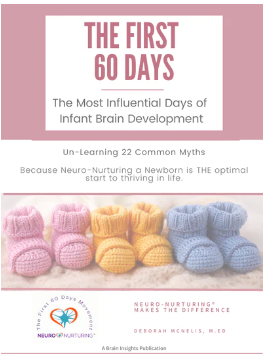
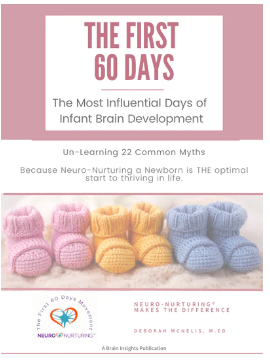
(Note – Posting this as it is about a program the late Deborah McNelis and I created and delivered via PACEs Connection to the North Carolina Foster Family Alliance. It was underwritten by Healthy Blue, with Communities in School of Brunswick County, NC, as our fiscal sponsor.)
“YES!” was the response of Gaile Osborne, executive director of Foster Family Alliance of North Carolina (FFANC), when asked for input on a new program to help foster and kinship care families learn how to support the brain development of young children.
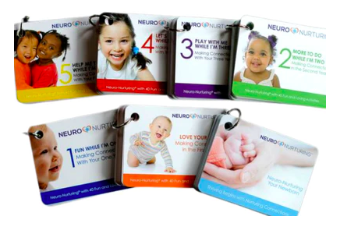
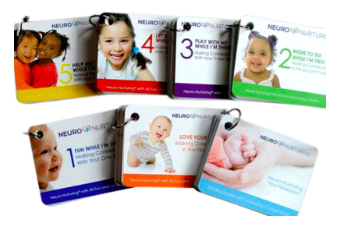
“I love these Brain Insights materials. How soon can we start?” said Osborne upon receiving the “The First 60 Days” booklet on myths about newborns and their caregivers and the eight “Neuro-Nurturing” ringed books.
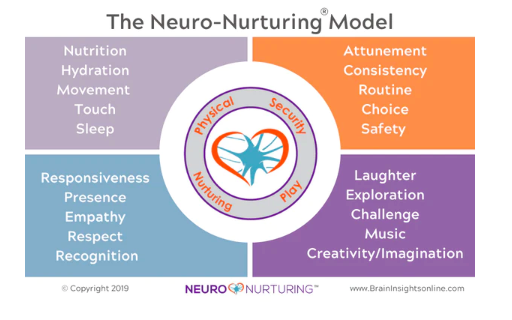
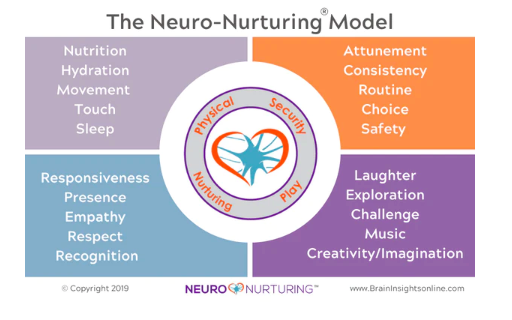
The materials delivered through a program created by PACEs Connection will support parents in “Neuro-Nurturing” – providing the consistent love, healthy touch, connection, and attention proven to support healthy brain development – for ages newborn through five, beginning with secure attachment in the early months and covering overall optimal development throughout the series. The four areas in the model for “Neuro-Nurturing” are physical needs, security, nurturing, and play.
Blue Cross and Blue Shield of North Carolina’s (Blue Cross NC’s) Healthy Blue Medicaid plan provided funding to offer these materials, as one component of several years of programming designed to support families and caregivers.
“Healthy Blue has been a terrific partner since 2021,” said Carey Sipp, director of strategic partnerships for PACEs Connection.
Part of this funding enabled six North Carolina counties to join the PACEs Connection Cooperative of Communities, which offers peer-to-peer support, a monthly training and think tank for its member communities, and purchase of the materials for the FFANC program.
“We decided we could help children and families best by supporting caregivers.”
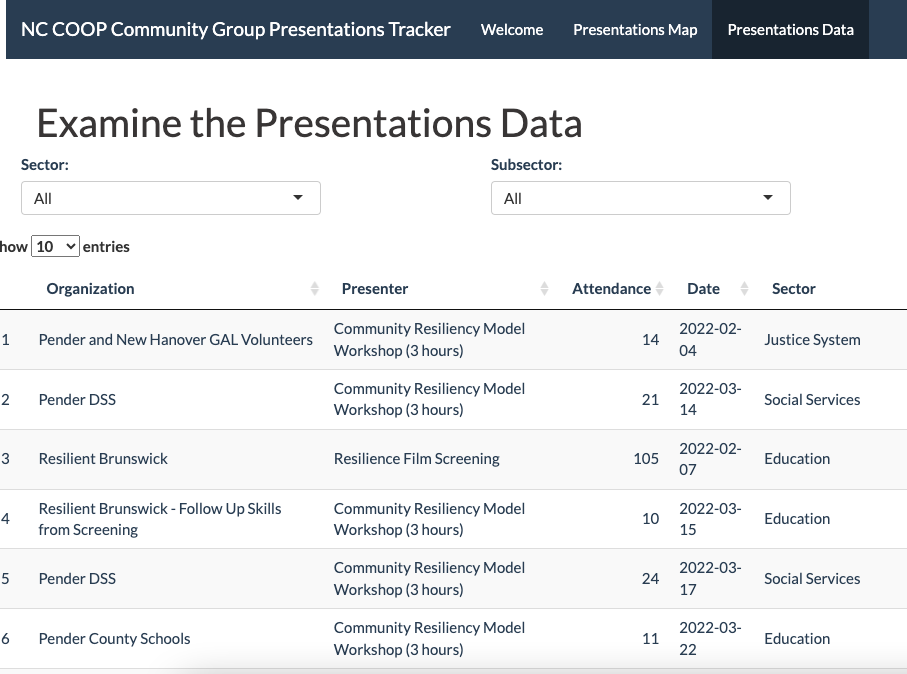
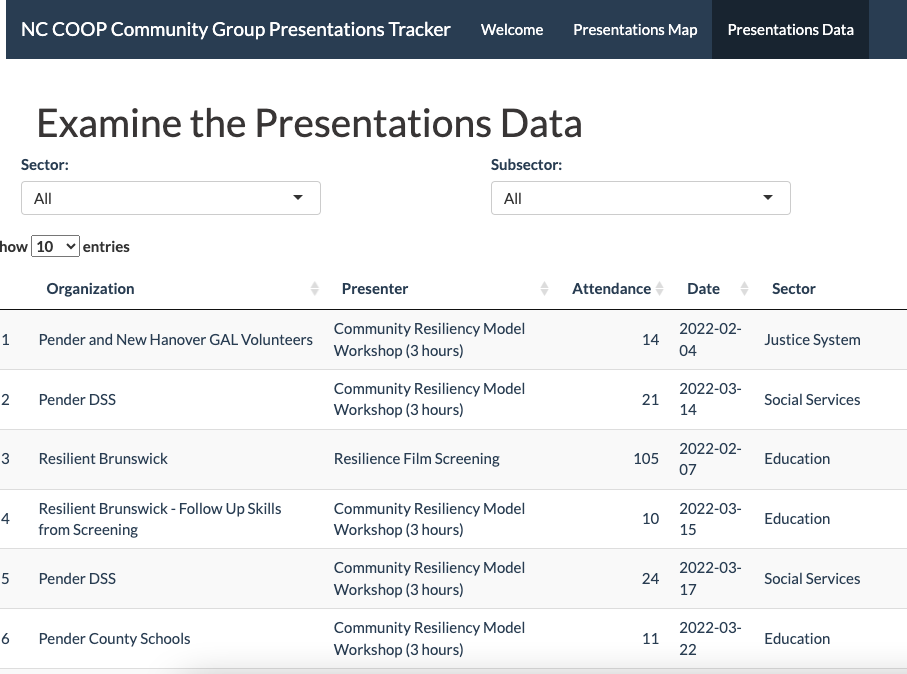
“The first year of the work was during the pandemic. We held a focus group with some Department of Social Service (DSS) county-level supervisors and caseworkers and other family-supporting professionals from several counties to see how we could best achieve the objectives, and we decided we could help children and families best by supporting caregivers. The stress caregivers were under was intense. Our efforts to promote the Community Resiliency Model (CRM) training was very well received by DSS professionals,” said Sipp.
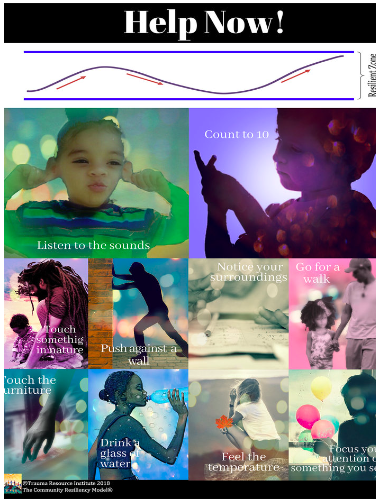
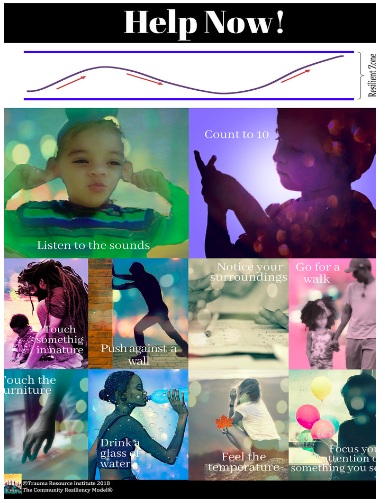
“With Healthy Blue’s support, we decided to share the CRM training widely, as it is designed to help create more ‘trauma-informed’ and ‘resiliency-focused’ communities by helping members of the communities learn how, when stressed, to self-regulate and co-regulate,” said Sipp.
“The CRM training gives community members a common understanding of the impact of trauma and chronic stress on the nervous system. It also helps people see how the ability to bounce back – resiliency – can be restored or increased using this skills-based approach. We wanted families as well as “helping professionals” to better understand the impact of different types of stress and experience the healing power of learning how to regulate their nervous systems, help others regulate their nervous systems. Participants learn more about the power of compassion, especially self-compassion, that they can share with the children,” said Sipp.
Ultimately, more than 700 people in the six North Carolina counties received some training on the model, and 18 people – including one or two from each county – took the week-long CRM training so they could continue to share it in their communities.
“Overview sessions of one to three hours were shared with DSS workers, Foster Family Alliance members, guardians ad litem, and other groups. We wanted a cross-sector group from each community – people in education, communities of faith, healthcare, law enforcement, mental health, family support, childcare, and more – to have it,” said Sipp.
“Some of the foster parents took the week-long training so they could become certified to become CRM teachers as well. We even have one mother, whose son wasn’t old enough for the training but will take it as soon as he is old enough, plan to become a mother-son training team. The mom has since been able to adopt her son, who practices and shares the skills informally with friends. They will likely share the training together as soon as the son is old enough to be certified, ” said Sipp.
This year’s work began with sending a questionnaire to foster families to gauge their interest in participating and receiving the Brain Insights materials.
“This deeper dive into learning about the brain – and how being supportive of the child’s developing brain can lead to better relational health – was of great interest to the families. We were flooded with responses – 165 surveys were returned in the first 16 hours after it was sent,” said Sipp.
Packages with the materials will soon be received by the first 165 parents to respond. All parents who are members of the Foster Family Alliance are also eligible to participate in a series of webinars taught by the author of the materials, early brain development specialist and founder of Brain Insights, Deborah McNelis.
“My entire career has been built on a passion for adults to understand what contributes best for children to reach their full potential – each as a beautifully unique individual. When adults learn the basics of how the brain develops based on repeated experiences, and what the science reveals that children need most at each stage of development, they are thrilled to have that understanding,” said McNelis.
“Suddenly it makes sense as to why a two-year-old does not have the capabilities that a four-year-old might have. Adults become more confident in their nurturing abilities, which helps children become calmer, as, from birth, the primary caregivers of babies are providing needed experiences. Positive experiences make for the healthy brain connections that lead to a foundation of trust, health, the ability to communicate, to learn, to get along with others, and so much more,” said McNelis.
McNelis is quick to point out her understanding of the special needs of foster parents and the children who come into their care, and how vitally important it is to build connections and trust.
“There is a lot of emphasis put on the first two months of life. It is wonderful to be able to have that special time to bond and for the baby to establish a secure attachment. But we know older children benefit greatly from the Brain Insights “Neuro-Nurturing” supports, and our sharing of ways to nurture, interact, play and learn. When children and caregivers make connections with consistency while playing, exploring, spending time in nature, and simply enjoying time together, early relational health improves, which leads to better health outcomes physically, emotionally, and psychologically,” said McNelis.
Apparently, McNelis is connecting well with the parents who’ve taken the first round of webinars.
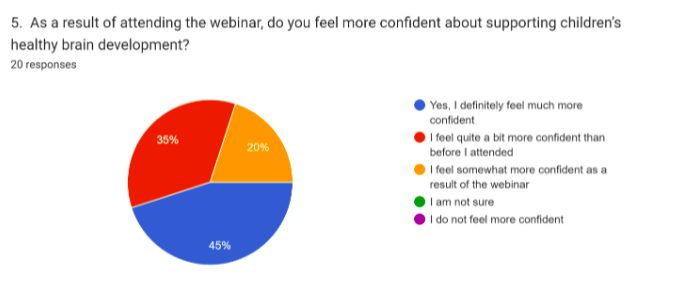
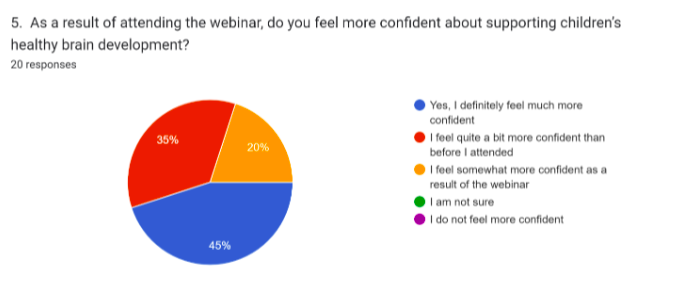
“Evaluations of the first webinars have been incredibly positive, with 100 percent of respondents saying they are likely or very likely to attend subsequent webinars, and 100 percent of respondents saying they were likely to recommend, or would recommend, the webinars to others,” said Kate Schultz, deputy director of the Foster Family Alliance.
Additionally, 100 percent of participants said that as a result of the webinar, they felt a greater level of confidence in supporting children’s healthy brain development.
“We are thrilled that Healthy Blue could support these PACEs Connection communities and this innovative programming that helps caregivers connect in new ways with the children placed in their care. It spoke volumes to us that Gaile Osborne, a foster parent herself, was so enthusiastic about the materials. We are looking forward to the next phase of the program,” said Kristy Kent, director of county engagement for Blue Cross NC.
“While this content goes deeper into brain development, it is also designed to help foster parents and caregivers learn how to PLAY and positively interact with the children. We understand the importance of positive childhood experiences (PCEs) in helping children build ‘buffers’ against the losses and adversity they have experienced. With these materials in-hand, parents have examples of positive experiences they can share with children,” said Kent.
The program, which started in November, will continue with monthly webinars through June 2024. Other aspects of the program will be announced in the months to come, according to Sipp.
For more information, contact Carey Sipp at csipp@pacesconnection.com, or Kate Schultz at kate.schultz@ffa-nc.org
YES! This profound initiative underscores the undeniable truth:
“Building resilience is not a solitary journey but a collaborative effort that must commence early in a child’s life.” @Carey Sipp – thanks for sharing
Thanks for posting, Porter! It has been wonderful here at PACEs Connection to help bring scores of communities into the network, and help many of them grow, find funding, connect with others doing the work who could help them accelerate change. More than that, I have loved learning from the leaders of communities about the importance of establishing a sense of safety and acceptance during their monthly meetings, the absolute need for transparency and trust if a community is to grow; the need for keeping the mantras “nothing about us without us” and “how we do the work is the work we do” front and center.
In all this time, being asked to help support the community of people including children in foster care, foster and kinship parents, guardian ad litem volunteers, Department of Social Service professionals, and community volunteers working with child protective service children and families, was one of the more interesting and compelling challenges. It was also a compliment of sorts, I think, that our funder Healthy Blue thought we could effect change.
All this is to say that I have loved this project of being asked to find ways to help improve the health and well-being of children and families in the foster care system, and being trusted to do so. The fact that there were solid relationships across sectors in the communities in which we did this work made asking for input, creating strategies, and taking action steps a joy. Team members Kelly Purcell, Amy Read, and Bonnie Jordan were and are amazing as we proudly shared the Community Resiliency Model and tracked people’s response to it.
That work made it easier to gain interest, approval, and excitement about the idea of going deeper into helping foster parents and others become excited about learning more about infant and child brain development. It felt wonderful to have that trust when talking about why understanding brain development matters and how this understanding can help us all become more patient, aware, effective, and compassionate, ultimately in support of the people who’ve had so little voice or choice in what happens in their lives.
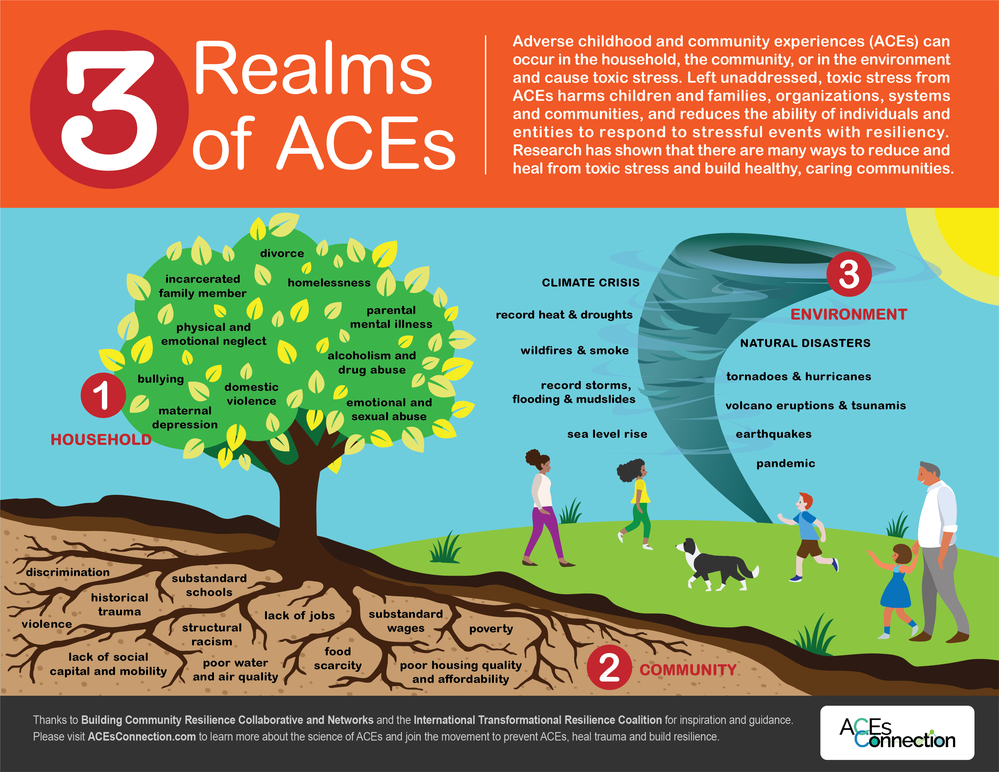
The science of PACEs refers to the research about the stunning effects of positive and adverse childhood experiences (PACEs) and how they work together to affect our lives, as well as our organizations, systems and communities. It comprises:
The CDC-Kaiser Permanente ACE Study and subsequent surveys that show that most people in the U.S. have at least one ACE, and that people with four ACEs— including living with an alcoholic parent, racism, bullying, witnessing violence outside the home, physical abuse, and losing a parent to divorce — have a huge risk of adult onset of chronic health problems such as heart disease, cancer, diabetes, suicide, and alcoholism.
Brain science (neurobiology of toxic stress) — how toxic stress caused by ACEs damages the function and structure of kids’ developing brains.
Health consequences — how toxic stress caused by ACEs affects short- and long-term health, and can impact every part of the body, leading to autoimmune diseases, such as arthritis, as well as heart disease, breast cancer, lung cancer, etc.
Historical and generational trauma (epigenetic consequences of toxic stress) — how toxic stress caused by ACEs can alter how our DNA functions, and how that can be passed on from generation to generation.
Positive Childhood Experiences and resilience research and practice — Building on the knowledge that the brain is plastic and the body wants to heal, this part of PACEs science includes evidence-based practice, as well as practice-based evidence by people, organizations and communities that are integrating trauma-informed and resilience-building practices. This ranges from looking at how the brain of a teen with a high ACE score can be healed with cognitive behavior therapy, to how schools can integrate trauma-informed and resilience-building practices that result in an increase in students’ scores, test grades and graduation rates.
1. What are ACEs?
ACEs are adverse childhood experiences that harm children’s developing brains and lead to changing how they respond to stress and damaging their immune systems so profoundly that the effects show up decades later. ACEs cause much of our burden of chronic disease, most mental illness, and are at the root of most violence.
“ACEs” comes from the CDC-Kaiser Adverse Childhood Experiences Study, a groundbreaking public health study that discovered that childhood trauma leads to the adult onset of chronic diseases, depression and other mental illness, violence and being a victim of violence, as well as financial and social problems. The ACE Study has published about 70 research papers since 1998. Hundreds of additional research papers based on the ACE Study have also been published.
The 10 ACEs the researchers measured:
— Physical, sexual and verbal abuse.
— Physical and emotional neglect.
— A family member who is:
depressed or diagnosed with other mental illness;
addicted to alcohol or another substance;
in prison.
— Witnessing a mother being abused.
— Losing a parent to separation, divorce or other reason.
Subsequent to the ACE Study, other ACE surveys have expanded the types of ACEs to include racism, gender discrimination, witnessing a sibling being abused, witnessing violence outside the home, witnessing a father being abused by a mother, being bullied by a peer or adult, involvement with the foster care system, living in a war zone, living in an unsafe neighborhood, losing a family member to deportation, etc.
ACEs are common…nearly two-thirds (64%) of adults have at least one.
They cause adult onset of chronic disease, such as cancer and heart disease, as well as mental illness, violence and being a victim of violence
ACEs don’t occur alone….if you have one, there’s an 87% chance that you have two or more.
The more ACEs you have, the greater the risk for chronic disease, mental illness, violence and being a victim of violence. People have an ACE score of 0 to 10. Each type of trauma counts as one, no matter how many times it occurs. You can think of an ACE score as a cholesterol score for childhood trauma. For example, people with an ACE score of 4 are twice as likely to be smokers and seven times more likely to be alcoholic. Having an ACE score of 4 increases the risk of emphysema or chronic bronchitis by nearly 400 percent, and attempted suicide by 1200 percent. People with high ACE scores are more likely to be violent, to have more marriages, more broken bones, more drug prescriptions, more depression, and more autoimmune diseases. People with an ACE score of 6 or higher are at risk of their lifespan being shortened by 20 years.
ACEs are responsible for a big chunk of workplace absenteeism, and for costs in health care, emergency response, mental health and criminal justice. So, the fifth finding from the ACE Study is that childhood adversity contributes to most of our major chronic health, mental health, economic health and social health issues.
On a population level, it doesn’t matter which four ACEs a person has; the harmful consequences are the same. The brain cannot distinguish one type of toxic stress from another; it’s all toxic stress, with the same impact.
What’s particularly startling is that the 17,000 ACE Study participants were mostly white, middle- and upper-middle class, college-educated, and all had jobs and great health care (they were all members of Kaiser Permanente).
Brain science shows that, in the absence of protective factors, toxic stress damages children’s developing brains. Stress is the body’s normal response to challenging events or environments. Positive stress — the first day of school, a big exam, a sports challenge — is part of growing up, and parents or caregivers help children prepare for and learn how to handle positive stress, which is moderate and doesn’t last long. It increases heart rate and the amount of stress hormones in the body, but they return to normal levels quickly.
But when events or the environment are threatening or harmful – we stumble across a bear in the woods – our brains instantly zap into fight, flight or freeze mode and bypass our thinking brains, which can be way too analytical to save us (Is the bear really mean? Is it more interested in berries or killing me? Should I wait until I see it charge?). With help from caring adults, children also recover from this tolerable stress.
Too much stress – toxic stress – occurs when that raging bear comes home from the bar every night, says pediatrician Nadine Burke Harris. Then a child’s brain and body will produce an overload of stress hormones — such as cortisol and adrenaline — that harm the function and structure of the brain. This can be particularly devastating in children, whose brains are developing at a galloping pace from before they are born to age three. Toxic stress is the kind of stress that can come in response to living for months or years with a screaming alcoholic father, a severely depressed and neglectful mother or a parent who takes out life’s frustrations by whipping a belt across a child’s body.
Chronic toxic stress—living in a red alert mode for months or years — can also damage our bodies. In a red alert state, the body pumps out adrenaline and cortisol continuously. Over time, the constant presence of adrenaline and cortisol keep blood pressure high, which weakens the heart and circulatory system. They also keep glucose levels high to provide enough energy for the heart and muscles to act quickly; this can lead to type 2 diabetes. Too much adrenaline and cortisol can also increase cholesterol.
Too much cortisol can lead to osteoporosis, arthritis, gastrointestinal disease, depression, anorexia nervosa, Cushing’s syndrome, hyperthyroidism and the shrinkage of lymph nodes, leading to the inability to ward off infections.
If the red alert system is always on, eventually the adrenal glands give out, and the body can’t produce enough cortisol to keep up with the demand. This may cause the immune system to attack parts of the body, which can lead to lupus, multiple sclerosis, rheumatoid arthritis, and fibromyalgia.
Cortisol is also extremely important in maintaining the body’s appropriate inflammation response. In a normal response to a bee sting or infection, the body rushes antibodies, white blood cells and other cell fighters to the site and the tissues swell while the battle rages. But too much swelling damages tissue. Cortisol controls this fine balance. So without the mediating effects of cortisol, the inflammatory response runs amok and can cause a host of diseases.
If you’re chronically stressed and then experience an additional traumatic event, your body will have trouble returning to a normal state. Over time, you will become more sensitive to trauma or stress, developing a hair-trigger response to events that other people shrug off.
Biomedical researchers say that childhood trauma is biologically embedded in our bodies: Children with adverse childhood experiences and adults who have experienced childhood trauma may respond more quickly and strongly to events or conversations that would not affect those with no ACEs, and have higher levels of indicators for inflammation than those who have not suffered childhood trauma. This wear and tear on the body is the main reason why the lifespan of people with an ACE score of six or higher is likely to be shortened by 20 years.
4. What’s epigenetics and how does that relate to historical or generational trauma?
Most people believe that the DNA we’re born with does not change and that it determines all that we are during our lifetime. That’s true, but the research from epigenetics — the study of how social and other environments turn our genes on and off — shows that toxic stress can actually change how our genes function, which can lead to long-term changes in all parts of our bodies and brains. What’s more, these changes can be transferred from generation to generation.
Epigenetics means “above the genome” and refers to changes in gene expression that are not the result of changes in the DNA sequence (or mutations).
Resources:
WhatIsEpigenetics.com — This New York-based blog and news aggregator covers the field of epigenetics and is funded by EpiGentek. It includes backgrounders, including epigenetics fundamentals.
Epigenetics — From the Genetics Science Learning Center at the University of Utah, this section includes explainers and an overview of how the social environment affects your epigenome.
5. Positive Childhood Experiences and resilience research: If you have a high ACE score, are you doomed? No!
The good news is that the brain is plastic, and the body wants to heal.
The brain is continually changing in response to the environment. If the toxic stress stops and is replaced by practices that build resilience, the brain can slowly undo many of the stress-induced changes.
There is well documented research on how individuals’ brains and bodies become healthier through mindfulness practices, exercise, good nutrition, adequate sleep, and healthy social interactions.
Here’s a good article that weaves the unified science of human development together: Scars That Don’t Fade, from Massachusetts General Hospital’s Proto Magazine.
In the last few years, researchers have started to examine the impacts of positive childhood experiences (PCEs) on children and adults. We at PACEs Connection are particularly interested in the interplay between positive and adverse childhood experiences. Here’s some of the relevant research:
In 2014, Bethell, Dr. Paul Newacheck, Dr. Eva Hawes, and Dr. Neal Halfon found that children with higher ACE scores were less likely to demonstrate resilience, live in a protective home environment, have a mother who was healthy, and live in safe and supportive neighborhoods. However, almost half of the children who had experienced ACEs also demonstrated resilience, and “resilience mitigated the impact of adverse childhood experiences on grade repetition and school engagement.” Adverse Childhood Experiences: Assessing The Impact On Health And School Engagement And The Mitigating Role Of Resilience | Health Affairs
Dr. Yui Yamaoka and Dr. David Bard reported in 2019 that “the number of adverse childhood experiences was associated with both social-emotional deficits and developmental delay risks in early childhood; however, positive parenting practices demonstrated robust protective effects independent of the number of adverse childhood experiences.” Positive Parenting Matters in the Face of Early Adversity – PubMed (nih.gov)
Among juvenile offenders, Dr. Michael Baglivio and Dr. Kevin Wolff discovered in 2020 that “high ACE scores were associated with increased reoffending, and high PCE scores were associated with decreased recidivism, as measured by both rearrest and reconviction. Further, among juveniles with four or more ACEs who have six or more PCEs, reconviction was 23% lower and rearrest 22% lower when compared to those youth with four or more ACEs and less than six PCEs, controlling for a host of demographic and criminal history measures.” Positive Childhood Experiences (PCE): Cumulative Resiliency in the Face of Adverse Childhood Experiences – Michael T. Baglivio, Kevin T. Wolff, 2021 (sagepub.com)
In 2019, Dr. AliceAnn Crandall, Dr. Jacob Miller, Dr. Aaron Cheung, Dr. Lynneth Novilla, Dr. Rozalyn Glade, Dr. M. Lelinneth Novilla, Dr. Brianna Magnusson, Dr. Barbara Leavitt, Dr. Michael Barnes, and Dr. Carl Hanson observed in a study of adults that “higher counter-ACEs scores [i.e., positive childhood experiences] were associated with improved adult health and that counter-ACEs neutralized the negative impact of ACEs on adult health.”ACEs and counter-ACEs: How positive and negative childhood experiences influence adult health – ScienceDirect
Finally, in 2016, Bethell, Gombojav, Dr. Michele Solloway, and Dr. Lawrence Wissow examined ACEs, resilience, family protective factors, and emotional, mental or behavioral conditions (EMB) in children and youth in the U.S. The authors found that children with ACEs had higher EMB than children without ACEs, but the presence of resilience was significantly associated with lower amounts of EMB for both children with and without ACEs. In addition, the prevalence of EMB was lower when family protective factors were present, even if the child had ACEs, although the presence of two or more ACEs decreased the effect. Adverse Childhood Experiences, Resilience and Mindfulness-Based Approaches: Common Denominator Issues for Children with Emotional, Mental, or Behavioral Problems (nih.gov)
Who’s using PACEs science?
Many people, organizations, agencies, systems and communities are beginning to implement trauma-informed, resilience-building practices based on PACEs science.
Many schools — including schools in San Francisco, CA, Spokane, WA, San Diego, CA, and Walla Walla, WA — have integrated healing-centered/trauma-informed practices into classrooms, playgrounds and school policies. These schools have seen 90 percent drops in suspensions after one year; after three years, the schools no longer expel students and some no longer even have the need for in-school suspensions. The grades, test scores and graduation rates increased, and the students most benefitted were those with the highest ACE scores. By the end of 2017, several hundred schools across the U.S. were integrating trauma-informed and resilience-building practices based on ACEs science.
Homeless shelters and the faith-based community are integrating practices based on PACEs research. At the heart of their approach is educating those who are homeless and people in rescue missions about PACEs science; it often changes their whole understanding of their behavior, because they realize that they weren’t born bad, that they had no control over what happened to them as children, that they coped appropriately, given what was available to them, and that they can change. Batterers intervention programs that have integrated PACEs science have reduced recidivism rates from what was accepted — 20 to 60 percent — to zero to four percent.
Cities and states are integrating practices based on PACEs science. By the end of 2017, several hundred communities around the U.S. had launched PACEs initiatives. This report on self-healing communities describes how integrating ACEs science drastically reduced youth suicide, teen pregnancy, juvenile arrests, and high-school drop-out rates — all at the same time — in communities in Washington State that integrated practices based on PACEs science.
Growing Resilient Communities provides guidelines and tools for communities to launch and grow local PACEs initiatives, and measure the progress of their work.
What does trauma-informed mean?
According to the Substance Abuse and Mental Health Services Administration (SAHMSA), part of the U.S. Department of Health and Human Services, a trauma-informed approach refers to how an organization or community thinks about and responds to children and adults who have experienced or may be at risk for experiencing trauma. In this approach, the whole community understands the prevalence and impact of ACEs, the role trauma plays in people’s lives, and the complex and varied paths for healing and recovery.
A trauma-informed approach asks: “What happened to you?” instead of “What’s wrong with you?” It is designed to avoid re-traumatizing already traumatized people, with a focus on “safety first” (including emotional safety), and a commitment to do no harm. But a trauma-informed approach is most successful when an organization or community builds policies and practices based on a foundation of ACEs science.
SAMHSA’s Concept of Trauma and Guidance for a Trauma-Informed Approach — Introduces a concept of trauma and offers a framework for how an organization, system, or service sector can become trauma-informed. Includes a definition of trauma (the three “E’s”), a definition of a trauma-informed approach (the four “R’s”), 6 key principles, and 10 implementation domains.
ACEsTooHigh.com – News site covering PACEs research and practices
PACEsConnection.com – Social network (with 60,000+ members across sectors) and more than 400 community sites that support ACEs initiatives in cities, counties, states, regions and nations.
SAMHSA’s Concept of Trauma and Guidance for a Trauma-Informed Approach — Introduces a concept of trauma and offers a framework for how an organization, system, or service sector can become trauma-informed. Includes a definition of trauma (the three “E’s”), a definition of a trauma-informed approach (the four “R’s”), 6 key principles, and 10 implementation domains.
Paper Tigers — What does it mean to be a trauma-informed school? And how do you educate teens whose childhood experiences have left them with a brain and body ill-suited to learn? This film follows six students through a year in America’s first trauma-informed high school.
Resilience — Resilience chronicles how trailblazers in pediatrics, education, and social welfare are using cutting-edge science and field-tested therapies to protect children from the insidious effects of toxic stress.
CAREgivers — How is the professional care provider affected emotionally and physically, and who helps them?
For a list of all documentaries addressing PACEs science, and how to access them, go here.
If individuals want society to be less aggressive, more calm, less reactive, and more cooperative and collaborative… For the developing brain to develop the capacity for empathy, compassion, and all that comes to mind when thinking about what it means to be human, it requires certain developmental and social experiences at crucial junctures. Drywall Installation Arlington Drywall Contractor Pros
FMFormer Member
ACE Science is woefully limited by leaving out everything about the development of the stress response system and healthy brain architecture, Resiliency is developed in infancy via a secure attachment. A secure and loving attachment in infancy develops a brain’s limbic and cortical regulation over the brainstem’s reactivity leading to control over violent, aggressive and impulsive behavior. Focusing on anything but healthy early brain development will always be radically suboptimal.
If people want the society to be less violent and more cooperative and collaborative, more relaxed and less reactive… the developing brain needs certain developmental and relational experiences at critical points in time in order for a brain to bring forth the capacity for empathy and compassion and everything one thinks of when one considers what it means to be human.
I’m presenting a talk to a group of Pastors on ACES but the slide deck on ACES that I received does not have any slides on Neuroplasticity, from either a science perspective or from a biblical perspective.
Do any of you have a few slides that you’d be willing to share with me?
May I stress the link between family trauma and poverty. Living without resources means lack of access to survival resources like food, safe shelter, medical care, behavioral health care and transport to vital services. It also means lacking the resources to thrive: family centered schools, parent support, early childhood learning programs, youth mentors and job training. ACEs prevention programs, if it is to include our most vulnerable children and families, can build into theor strategic plan and priorities the strengthening of ten key family resources. For more information on a data-driven and cross-sector approach that addresses health disparities please visit www.resilienceleaders.org
Jane, this is great! Great! I love ACES Connection; I am grateful for the resource. It is connecting me to fabulous people and fabulous efforts – thank you!
But there is one “bone of contention” that I will pick – this reference list is missing the work of Bessel Van Der Kolk, Peter Levine, Pat Ogden, Bruce Perry… we DESPERATELY NEED TO MOVE BEYOND COGNITIVE/BEHAVIORAL APPROACHES to treating trauma. As someone that has YEARS of experience working with children and teens and working with that kind of approach to treating depression, anxiety, suicidality, substance misuse, cutting, ODD – you name it, I have worked with it – it’s an epic fail. EPIC! The emerging modalities of treatment (e.g. somatic experiencing, trauma-informed yoga, trauma drama, rhythmic movement and music, etc.) make way for regulating the body’s stress response!
We are a culture OBSESSED with the mind and the power of the mind – to the detriment of the body. We must remember that when someone is struggling with anxiety, depression, rage, etc., the individual is experiencing an overwhelming visceral body experience.
I just had to share this…in all the trauma-informed training and efforts I see going on, I am thrilled. But then I get “un-thrilled” when it’s the same means of practice we have been endorsing and implementing for years (without success!). It’s time to move beyond behavioral and cognitive behavioral approaches to resolving trauma.
Thank you for this concise review of ACE’s. My senior research project looks at the use of ACE scores in serving adjudicated youth with histories of harmful sexual behaviors. Your post provides a lot of information and resources that will be helpful to my project. Much appreciated!
TraumaInformedJobs.com is a new job board for the trauma and resilience communities. PACEs Connection members can save 10% on posting with code PACES10
I almost felt slapped in the face – a wakeup slap; not a punishment – when I read Cissy White’s groundbreaking post describing her joy in finding out her “ACE score.”
Her writing about her elation at learning about the Adverse Childhood Experiences (ACE) study and questionnaire was an unintentional throw-down on her part. As I read her post I was compelled to reframe my shame, fear, and overall sense of dread about my own high ACE score. (Cissy has given me permission to use her name and to mention her writing.)
I’m quite certain that “Fore-Shortened Sense of the Future” PTSD ‘symptom’, was a ‘contributing factor’ in some of my own adolescent ‘Independent Living’ challenges, such as moving into my own apartment during my Senior Year of High School, after ‘couch surfing’ with friends, for a couple months. …
I wonder what in the World Health Organization’s ACE Screening Tool might address this, as it’s quite a bit more extensive than the CDC/Kaiser 8/10 question ACE Screening tool. It’s called the ‘WHO ACE International Questionaire’, and is available in over 100 languages on the WHO main page: lower Right corner-last time I checked.
Christine Cissy WhiteIt’s not trauma-informed unless it’s informed by trauma survivors.
Carey:
You bring up such an important topic and you write so well. It’s a little strange to read my name in your piece but if I helped provoke thoughts, feelings or writing in any way – that makes me so happy.
You wrote:
“Do you think, possibly, that people with high scores who have money issues could be spending money quickly because we think, on some deep level, we might not live to see the next day?” I asked.
Isn’t it cool how we get that aha awareness when curious and open and we feel safe? And when we feel we can talk and think and share about our actual issues and experiences? I think there’s so much freedom and relief in that even if we have to face uncomfortable stuff.
I can’t wait to learn more from you about trauma-informed approaches to money and security and finances!. Lots of us have been, will be or are in the same boat or one like it floating on the same ocean
Thanks for sharing. I love this passage, too.
It was a soul-searing moment, as I let what I had asked sink in. The resulting pain and my awareness of it led to the realization that I needed to do more work on my trauma issues and start managing my finances in a “trauma-informed” way, as I realized, on a deep level, that have been a fear-based spender and under-earner most of my life. How to get to the solution? Sometimes we have to look backward to go forward.
You are a beautiful writer and have so much insight, honesty, and passion. I’m glad writing and this page helped us get to know each other better. Thank you for helping all of us all better understand this issue.
Almost nine years ago, over the course of four days, I let my doctor send me home from his office three times before I almost died of pneumonia. I spent two weeks in the hospital; it took many months to fully recover. It was a life-changing experience, and I continue to learn from it.
About three years ago a physician’s assistant skipped a basic, obvious test for a 17-year-old with swollen glands. Twelve hours later, in the emergency room, physicians glanced at my daughter, diagnosed mononucleosis, and confirmed it shortly thereafter with a “spot mono test.” The greater danger though, came from a severe reaction to antibiotics, medication my daughter would never have taken had the mono test been done at the doctor’s office. The horrifically painful reaction could have killed her.
Despite the fact that I’ve helped in marketing and fundraising for more than a dozen medical entities, including a hospital safety consultancy, in my 30+year career, it’s taken years of a different type of recovery to realize that no physician has what it takes for me to care for my family and myself. That requires the self-awareness, trust in my own intuition, and courage to risk evoking anger in someone in “authority” by calling them into question, if need be. That type of courage comes from becoming an emotionally healthy adult.
As a person healing from abuse, I must work doubly hard to stay in the moment and not let fears from the past keep me from doing “the next right thing.” An overwhelming fear of authority, desire to “people please,” and a sometimes crippling self-doubt can prevent me from questioning others, especially if I am not taking great care of myself; if I am not “living in the moment.”
“I am a real bulldog when it comes to advocating for my mom,” I said to the staff at the infusion clinic where my mother was to receive three pints of blood recently. The staff wanted to give her all three pints on the same day. My gut told me that at almost 87, my mom, who had just lost her husband to Alzheimer’s the night before, and has been weakened for years by an autoimmune disorder, did not need to be in that clinic for 16 hours straight. When, three days later, we received her diagnosis of congestive heart failure, the doctor said we’d made a good choice to stretch the procedures over two days.
My mother, daughter, and I survived each of those medical crises. I wonder, though, had I known more or followed my intuition earlier when my daughter and I were sick, if our outcomes could have been better.
By the time we got to my mom’s situation, I knew that relying solely on medical professionals does not ensure the best care. More important was learning how to trust my instincts and speak up. This is equally important for the millions upon millions of addiction and abuse survivors. We, especially, need to remember these bottom lines:
1. We need to practice “extreme self-care,” and try to stay out of the hospital; our health is already compromised by the stress of “adverse childhood experiences.”
2. If we do go to the hospital, just like everyone else, we need an advocate friend or family member to help us watch what’s going on – right down to asking hospital staff if they’ve washed their hands before we’re touched. We must value ourselves and have the courage to ask for help.
3. If you yourself are filled with the self-doubt, insecurity, and fear of authority that can come from growing up in addiction and abuse, these emotions can keep you from getting the best care for yourself and your loved ones. This is a good time to learn more about emotional healing that can help you, and your loved ones, learn how to speak up and become healthier on all counts.
There is not a surgical procedure that can cure the more than 30 million children of alcoholics who live, as I do at times, affected by some or all of the 14 characteristics of adult children of alcoholics called “The Laundry List,” by the ACOA fellowship. If there were such a surgical procedure, it could save our health care system literally billions upon billions of dollars from family addiction and abuse passed on from generation to generation. Addictions to alcohol, food, drugs, cigarettes, and harmful behavioral addictions to sex, gambling, spending, pornography, and toxic relationships, cost our health care system more than any other single condition.
The most amazing thing? One of the most effective treatments for these addictions, and the co-addictions suffered by the family members, is free. It just takes the courage to find a support group such as Alcoholics Anonymous, Al-Anon, Adult Children of Alcoholics, Overeaters Anonymous, or the like. Again, the meetings are free. You can even call a toll-free number and attend meetings in complete anonymity, via a conference call.
Nine years ago, had I not prayed for the strength to stand up and ask for what I believed I needed – a surgical procedure to remove fluid from my lungs – I may well have died. I had to trust God, and my own God-given intelligence and courage to speak up.
The big lesson: recovery really does save lives, one day at a time, whether we’re in the hospital, or at the kitchen table.
Carey Sipp’s first book, The TurnAround Mom – How an Abuse and Addiction Survivor Stopped the Toxic Cycle for Her Family, and How You Can, Too, guides fellow “children of chaos” to create the kind of sane and loving home life that helps prevent next-generation addiction and abuse. Her book is available here.
 Natalie Audage 7/5/229:30 AM
 “Our hope is that asking ‘What happened?’ in community will lead to truth, empathy, compassion, connection. We hope that reading and studying the book together can help people process current and generational experiences, and learn about the science of PACEs – positive and adverse childhood experiences – and that this will lead to family and community efforts to prevent future trauma, and heal from past trauma,” she said.